Getting back to fitness after having a baby is rarely straightforward. Your body has changed, your schedule is unpredictable, and starting a first postpartum workout can feel daunting on limited sleep. The right app can remove much of that guesswork, offering structured guidance that respects postpartum recovery while still delivering real results.
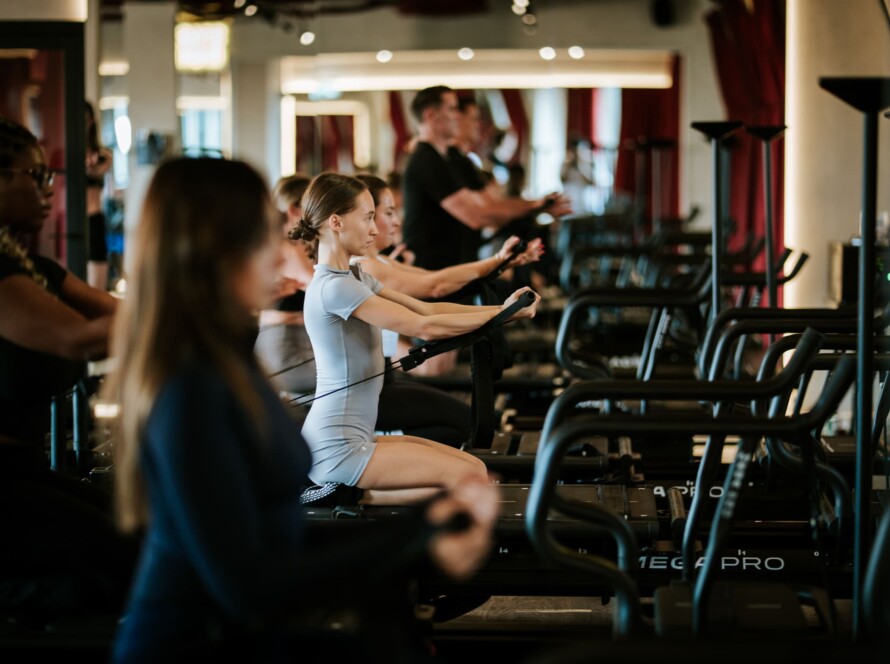
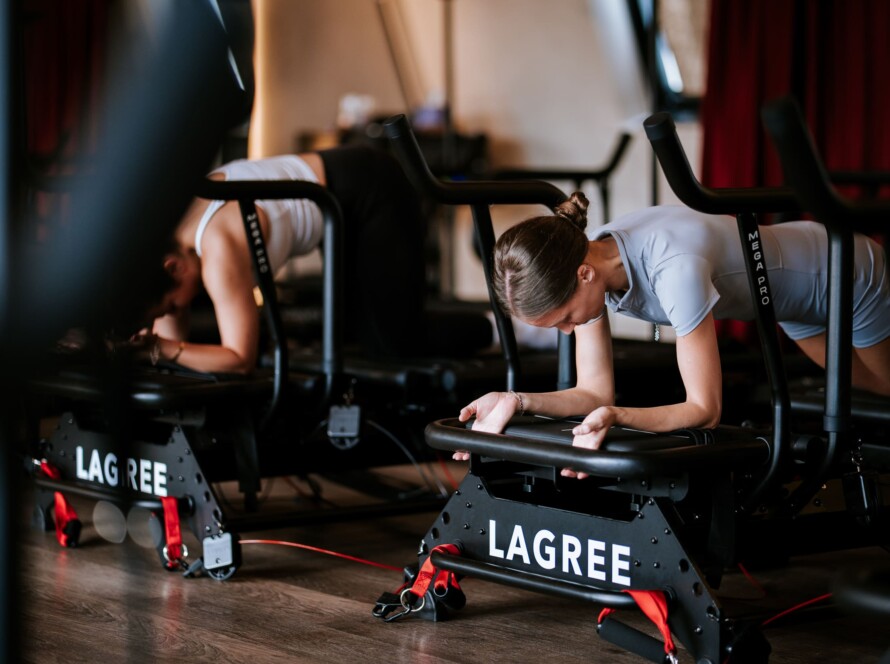
Not every workout format suits the postpartum body equally well. Methods that emphasize slow, controlled movements tend to protect the core and pelvic floor, which are the areas most in need of careful rebuilding after birth. For those who want in-person support alongside digital resources, lagree in London offers a low-impact yet highly effective approach that complements app-based postpartum training.
Table of Contents
- Why Finding the Best Postpartum Workout App Is Hard
- Why Postpartum Workout Apps Don’t Automatically Make Exercise Safe or Effective
- What Makes a Postpartum Workout App Effective?
- 7 Best Postpartum Workout Apps
- How to Choose the Best Postpartum Workout App for Your Recovery
- How BST Lagree Helps Women Get More From Their Postpartum Workouts
- Book a Lagree Class in London Today
Summary
- Postpartum fitness faces a structural gap between available tools and actual physiological need. Research published in the International Journal of Exercise Science found that only 15% of women meet physical activity guidelines during and after pregnancy. That figure reflects a mismatch between what programs offer and what recovering bodies require, not a lack of motivation among new mothers.
- Generic fitness apps fall short because they treat postpartum recovery as a variation on standard training, not a distinct physiological process. The core, pelvic floor, and deep stabilizing muscles need rebuilding before higher-intensity loading begins, and most mainstream platforms treat this as a footnote rather than a foundation. Women who skip that foundation often experience setbacks they don’t connect back to their workout choices.
- Delivery method and individual history shape recovery timelines significantly. Women who had cesarean sections, experienced diastasis recti, or dealt with pelvic floor complications face different return-to-exercise windows than those with uncomplicated vaginal births. The American College of Obstetricians and Gynecologists identifies physical inactivity as a risk factor in about 1 in 4 pregnancy-related complications, making appropriate program selection a meaningful health decision, not just a preference.
- Structured method matters more than effort alone. A 2025 randomized controlled trial published in PMC found that a mobile app-based abdominal exercise program improved abdominal muscle strength more effectively than traditional exercise in post-cesarean mothers over 12 weeks. The finding suggests that how a program is built determines outcomes more than how hard a woman works within it.
- Practical constraints, not discipline, shape consistency. Research from Bellows-Riecken and Rhodes documents that parenthood is consistently associated with decreased physical activity across multiple studies. Programs that fit into nap windows, require no equipment setup, and offer sessions under 20 minutes are not compromises on quality. They are the design features that determine whether a program gets used at all.
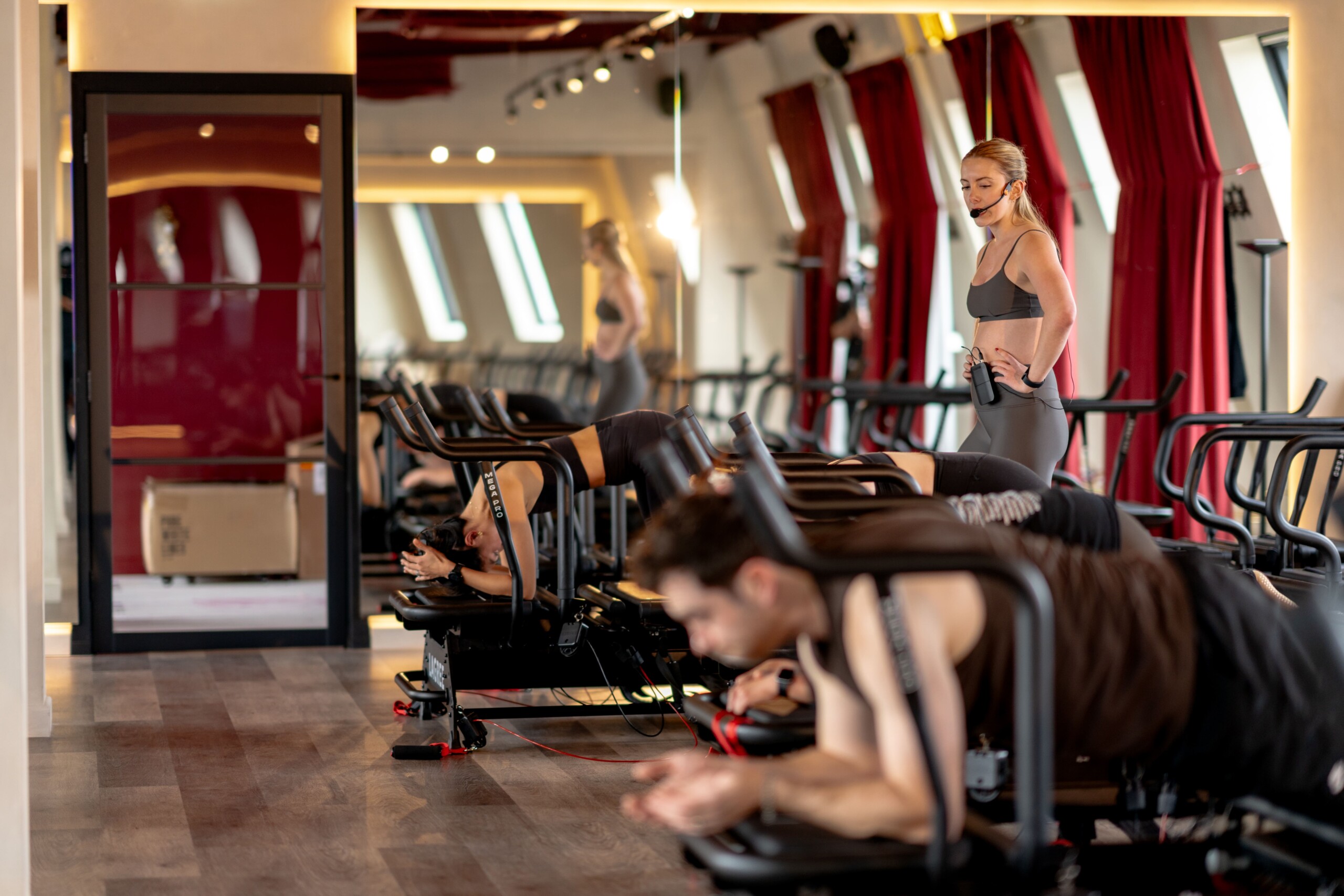
- Lagree in London addresses the gap between app-based guidance and real-time coaching by offering instructor-led Megaformer sessions that are high in muscular demand but low in joint impact, with certified instructors who can adjust the work to a postpartum body in the room rather than through a settings menu.
Why Finding the Best Postpartum Workout App Is Hard
Finding the best postpartum workout app seems straightforward at first. But the search quickly becomes overwhelming: countless options with identical marketing language make a simple choice feel complex. The real problem isn’t a shortage of apps — it’s that most apps weren’t designed with the specific body changes of postpartum recovery in mind.
“The real problem isn’t a shortage of fitness apps — it’s that most apps were never designed with the specific physical and hormonal realities of postpartum recovery in mind.”
⚠️ Warning: Don’t let identical marketing language fool you. Words like “gentle” or “recovery-focused” don’t guarantee an app was built for postpartum bodies — always dig deeper before committing.
🎯 Key Point: Finding the right postpartum workout app is challenging not because of too many choices, but because few options are genuinely designed around postpartum-specific recovery needs like pelvic floor healing, diastasis recti, and hormonal shifts.

Why do so few women meet postpartum activity guidelines?
According to an Assessment of Mobile Applications Designed to Address Physical Activity During Pregnancy and Postpartum published in the International Journal of Exercise Science, only 15% of women meet physical activity guidelines during and after pregnancy. This reflects a mismatch between existing tools and what new mothers need, not a lack of motivation. When the gap between available and effective solutions is this large, even motivated women struggle to exercise.
Why generic fitness apps fall short for new mothers
The failure point is usually specificity. A general fitness app might offer hundreds of workouts and a personalized calendar, but none of that tells you whether an exercise is safe for a body that recently experienced significant abdominal and pelvic floor stress. Postpartum recovery requires rebuilding the deep stabilizing muscles that support every physical action you take; most mainstream apps treat that as a footnote, not a foundation. Women either avoid exercise out of uncertainty or jump into programs that create setbacks they don’t connect to the workout.
Most women download apps with strong reviews or familiar names, unaware that the same app helping a 28-year-old athlete lose weight operates on entirely different assumptions than what a woman six weeks postpartum needs. Studios like BST Lagree in London address this gap through slow, controlled resistance-based movement on the Megaformer that protects the core and pelvic floor rather than loading them prematurely. Most app-based programs skip this structural approach to progression entirely.
When does an app fall short of what your recovery actually needs?
If you delivered by cesarean, experienced diastasis recti, or had pelvic floor complications, the timeline and exercise selection change significantly. The American College of Obstetricians and Gynecologists advises women with these factors to consult their OB-GYN about when it is safe to start exercising before beginning any program. An app cannot provide this guidance. While it can offer exercise modifications, it cannot assess your specific recovery or identify when a movement may hinder your healing.
Is convenience enough if the program wasn’t built for postpartum physiology?
Convenience has genuine value for a new mother: an app that removes planning friction, fits into a nap window, and requires no childcare or commuting. But convenience without appropriate progression is access to the wrong thing, faster. The harder question isn’t which app has the most workouts or best interface: it’s whether the program was built with postpartum physiology in mind, and that’s where most options fall short.
But knowing an app might fall short is only half the picture; the more uncomfortable truth about what “postpartum-friendly” actually means lies ahead.
Related Reading
- First Postpartum Workout
- When Can I Workout Postpartum
- Is Pilates Good for Postpartum Weight Loss
- Can I Do Pilates 3 Weeks Postpartum
- Bird Dog Exercise Postpartum
- Postpartum Glute Bridge Exercise
- Postpartum HIIT Workout
- Postpartum Kettlebell Workout
- Postpartum Dumbbell Workout
Why Postpartum Workout Apps Don’t Automatically Make Exercise Safe or Effective
Choosing an app with “postpartum” in the name feels responsible, but the label is a marketing category, not a clinical assessment — an easy distinction to miss when you’re sleep-deprived and trying to do something good for your body.
“A brand name is not a medical clearance. The word postpartum on an app tells you the target audience — it tells you nothing about whether the exercises are safe for your specific recovery.” — Fitness Industry Consumer Awareness
⚠️ Warning: Just because an app is marketed to new moms doesn’t mean it accounts for your unique postpartum body, your delivery type, or your current recovery stage.
🎯 Key Point: Before trusting any postpartum fitness app, ask one critical question — was this program designed by a certified pelvic floor specialist or postpartum-qualified clinician, or simply by a marketing team chasing a trend?
| What “Postpartum” in an App Name Tells You | What It Does NOT Tell You |
|---|---|
| The app targets new mothers | Whether exercises are clinically safe for your recovery |
| There is a market demand for the content | Whether it accounts for diastasis recti or pelvic floor dysfunction |
| The branding is intentional | Whether a medical professional reviewed the programming |
| You are the intended audience | Whether the app suits your specific delivery or postpartum timeline |
Why can’t the same postpartum program work for every woman?
Two women can be six weeks postpartum with completely different exercise needs. One may have had a straightforward vaginal delivery with no complications and a solid fitness base. Another may be recovering from a cesarean, managing pelvic floor symptoms, or dealing with fatigue that doesn’t respond to motivation. The same app, week, and workout video lands differently in each body. According to the ACOG Committee Opinion on Physical Activity and Exercise During Pregnancy and the Postpartum Period, physical inactivity is identified as a risk factor in about 1 in 4 pregnancy-related complications. A generic program cannot account for individual risk.
What goes wrong when intensity becomes the measure of progress?
The failure point is usually intensity. Postpartum fitness content creates pressure to measure progress by how hard a session feels, reinforced through streaks, calorie counts, and workout totals. Those metrics track completion, not appropriateness. Completing five demanding sessions isn’t better than completing three well-matched ones. A harder workout during early recovery may place greater load on a body that hasn’t rebuilt its foundation.
Does a large workout library actually solve the postpartum recovery problem?
Most women choose the easiest option: an app with a large library and a polished interface. While a large workout library addresses choice overload, it doesn’t address recovery. Research published in the International Journal of Exercise Science found that only 15% of women meet physical activity guidelines during and after pregnancy. The gap isn’t explained by a lack of content access, but by the absence of programs that match where a postpartum body actually is. Studios like BST Lagree employ certified instructors who observe movement in real time and adjust challenge to match your current state, not program assumptions.
Why can’t a video catch what’s going wrong in your body?
A workout video can show you how an exercise should look. It cannot tell you whether you’re doing it correctly, whether your breathing pattern is compensating for something, or whether a small movement change signals that you need to adjust your form. This gap matters more after pregnancy than at almost any other training time, because movements that look fine externally can still strain a pelvic floor or abdominal wall still rebuilding strength. You are responsible for noticing what the screen cannot see.
Does a “postpartum-friendly” label actually guarantee the right fit?
The label “postpartum-friendly” describes intent, not results. A program designed for new mothers can still be too hard for your current fitness level or too easy once you’ve built genuine strength. The real question isn’t whether an app calls itself postpartum, but whether the program offers enough structure, clear progression, and knowledge of how your body works to meet you where you are and move you forward safely.
Once you understand what that requires, the criteria for choosing the right approach become far more specific than most anticipate.
What Makes a Postpartum Workout App Effective?
Good postpartum workout apps understand how your body fundamentally changes during pregnancy and childbirth. They build workouts around those specific changes instead of using generic fitness programming that treats postpartum recovery as just another fitness goal.
“The most effective postpartum apps don’t just modify exercises — they rebuild programming from the ground up around the realities of a postpartum body.” — Postpartum Fitness Experts
🎯 Key Point: A truly effective postpartum app prioritizes body-specific recovery over one-size-fits-all workouts — because your postpartum body deserves more than recycled generic plans.
💡 Tip: When evaluating a postpartum workout app, look for programs that explicitly address core restoration, pelvic floor health, and hormonal recovery — not just calorie burn.
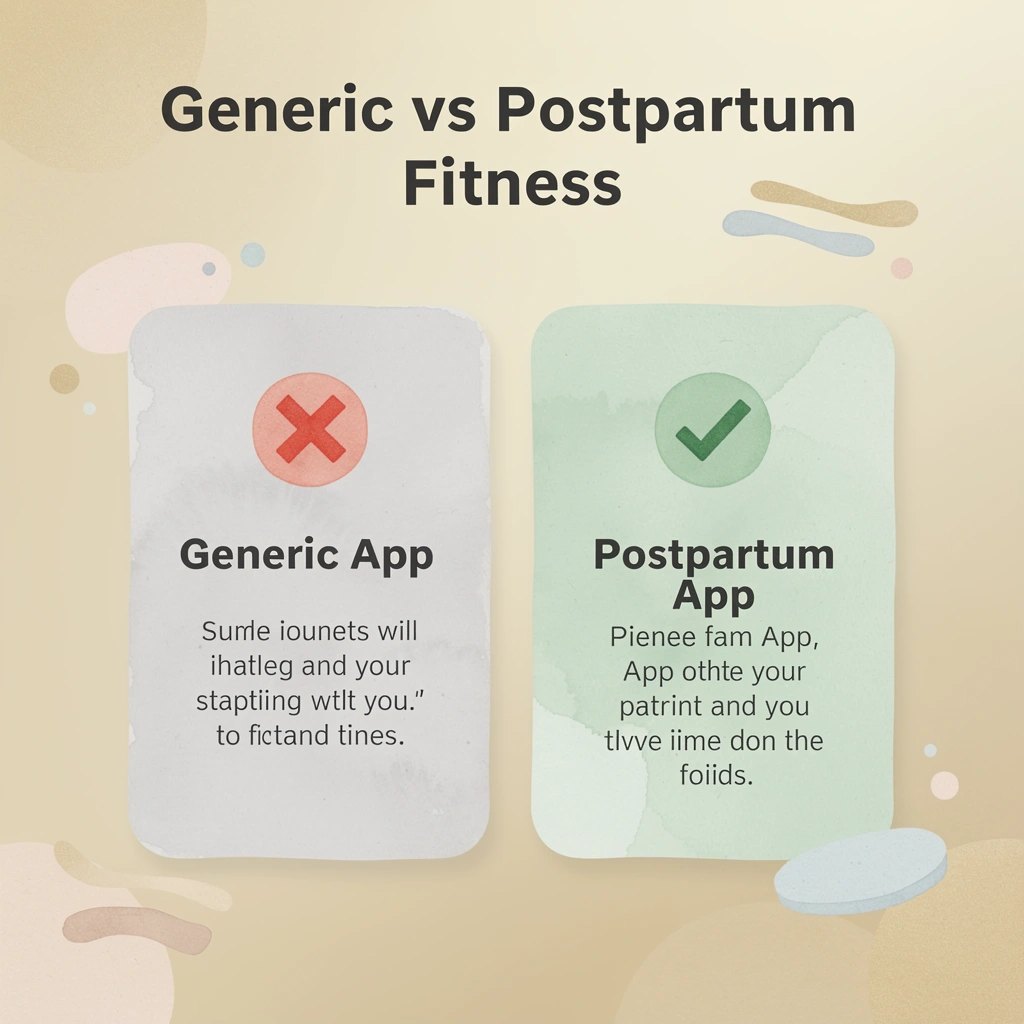
| Effective Postpartum App | Generic Fitness App |
|---|---|
| Body-specific postpartum programming | One-size-fits-all workouts |
| Addresses pelvic floor and core recovery | Focuses on general strength or cardio |
| Adapts to postpartum physical changes | Ignores pregnancy-related body shifts |
| Built around recovery milestones | Built around standard fitness goals |
Progression that matches your recovery, not a schedule
The failure point is usually pacing. Most fitness apps treat progression as a timeline: complete week one, unlock week two. But postpartum recovery doesn’t move in straight lines. A woman six weeks after a cesarean and a woman six weeks after an uncomplicated vaginal birth are not at the same starting point. A well-built program gives you control over when you advance, rather than advancing you automatically because a date changed.
Why does full-body training matter for postpartum recovery?
Full-body training matters here too, and postpartum apps often fall short. The focus on abdominal recovery makes sense, but the core doesn’t work in isolation. Glutes, back, legs, and upper body all contribute to the stability and strength that postpartum life requires, from lifting a car seat to holding a feeding position for the fourth time in a night.
Does structure and method matter more than effort alone?
Most women default to whatever app they used before pregnancy, adjusting intensity by instinct. This approach creates a gap: the movements may feel manageable without addressing the specific structures that need rebuilding. According to a 2024 randomized controlled trial published in PMC, a mobile app-based abdominal exercise program improved abdominal muscle strength more effectively than traditional exercise in post-cesarean mothers over 12 weeks. This suggests that structure and method matter more than effort alone. BST Lagree in London demonstrates this principle: the Megaformer’s slow, controlled resistance work is inherently low impact on joints while maintaining high muscular demand, making it structurally suited to postpartum training in ways most high-intensity formats are not.
Why does clear instruction matter more than demonstration alone?
Clear instruction goes beyond demonstration videos. An effective app should explain why a modification exists, not merely show a simpler version of the movement. When you understand that a modification protects the pelvic floor under load, you make better decisions throughout your workout, not just during that exercise. That reasoning builds body awareness, which keeps postpartum training safe as intensity increases.
How should a postpartum app account for real-life constraints?
Research from a 2021 assessment published in PMC found that only 15% of women meet physical activity guidelines during and after pregnancy. The best app design accounts for this by building workouts around feeding schedules, broken sleep, and unpredictable days rather than assuming an hour of uninterrupted time. Shorter sessions, flexible scheduling, and equipment-free workouts aren’t compromises; they are features.
Once you know what to look for, the next question becomes clear: which apps deliver it?
7 Best Postpartum Workout Apps
Seven apps stand out in the postpartum fitness space, but they don’t all serve the same recovery stage. Choosing the wrong app can seriously set your recovery back — making the right choice critical from day one.
“Not all postpartum fitness apps are created equal — the right app matches your specific recovery stage, not just your fitness goals.” — Postpartum Fitness Experts
| App Category | Best Recovery Stage | Key Focus |
|---|---|---|
| Gentle Recovery Apps | Early postpartum (0–6 weeks) | Pelvic floor, breathing |
| Progressive Fitness Apps | Mid recovery (6–12 weeks) | Core rebuilding, mobility |
| Full Workout Apps | Late recovery (12+ weeks) | Strength, cardio, endurance |
| Hybrid Apps | All stages | Adaptive, stage-based programs |
💡 Tip: Always check whether an app is designed for your specific recovery stage before downloading — a program built for 12+ weeks postpartum can cause real harm if used too early.
⚠️ Warning: Using a high-intensity app before your body is ready is one of the most common postpartum recovery mistakes — and one of the most damaging to long-term pelvic floor health.

1. MamasteFit
MamasteFit builds postpartum programs around a clear progression: core stability, then strength endurance, then higher-intensity movement. Delivered through TeamBuildr, it includes follow-along workouts, educational content, and a C-section-specific option most competitors don’t offer. This structure suits women with strong training backgrounds seeking a mapped return to exercise. The limitation is that self-paced programs require you to judge when to push and when to hold back.
2. Get Mom Strong
The Strong Like A Mother app combines progressive strength training with focused pelvic floor and core work, treating those parts as connected rather than a separate “rehab phase.” The SLAM Core option offers shorter sessions for busy days. The main drawback: with so many programs available, you may choose the wrong path for your recovery stage.
3. MUTU System
MUTU is the most focused option on this list, centering entirely on core and pelvic floor rehabilitation through short daily sessions, phased progression, and expert-supported community guidance for post-vaginal and post-cesarean recovery. Choose MUTU if your primary concern is reconnecting with your deep core, managing diastasis recti, or addressing pelvic floor symptoms. Women seeking broader fitness variety alongside rehabilitation will eventually outgrow it.
4. Every Mother
Every Mother personalizes exercise plans based on your postpartum timeline and symptoms. This matters because returning to high-intensity exercise too soon after birth can cause permanent pelvic floor damage. The app’s 10- to 20-minute sessions and access to pelvic floor specialists make it one of the most medically grounded options available. Its corrective focus suits early recovery but limits women ready to train harder.
What happens when self-guided apps aren’t enough?
Many postpartum women rely entirely on self-guided apps, placing the burden of correct progression on users running on broken sleep with no way to verify their form or whether their weight matches their recovery stage. Women seeking personalized support often thrive in coached environments. Lagree in London with BST Lagree offers structured, instructor-led progression on the Megaformer, where the method is high-intensity and low-impact by design, and certified instructors adjust the work to your recovery stage in real time.
5. Sweat
Sweat’s postpartum offering sits within a larger fitness ecosystem. The Post-Pregnancy with Sarah Smith program runs 20 weeks at a measured pace, while the Kayla Itsines post-pregnancy option includes foundational weeks for women returning after a C-section or complications. The platform’s breadth is both its strength and its risk: the right program is good, but the wrong one sits alongside it, equally accessible and easy to stumble into.
Why does session length matter for postpartum fitness?
According to research published by Bull FC et al. in the British Journal of Sports Medicine, the WHO 2020 physical activity guidelines removed the requirement that exercise sessions must be at least 10 minutes long to count toward health benefits. This shift matters for postpartum women, as it validates what good app design has been doing: building five-minute core reconnection sessions and short movement breaks into programs. A three-minute breathing and deep core activation sequence done consistently is legitimate training.
6. Peloton
Peloton’s postpartum collection includes postnatal core strength, full-body strength, yoga, and movement sessions in varying lengths and difficulty levels. The quality and variety of individual classes are high. However, Peloton was built as a broad fitness system that added postpartum content, not as a postpartum platform. This means you must actively filter and select appropriate classes while resisting the platform’s natural push toward its more intense, non-postpartum offerings.
7. Good for the Swole
Good for the Swole divides workouts by stage of motherhood, adds content regularly, and removes the need to program sessions yourself. For women overwhelmed by decision-heavy apps, this is meaningful. The catch: no video can assess your individual recovery needs.
Why does app choice matter more than the program itself?
Research from Bellows-Riecken and Rhodes, published in Preventive Medicine, shows that parenthood consistently decreases physical activity levels. This changes how you should choose an app: the goal is to find a program you’ll use in your new life, not one that works only in theory. Short sessions, flexible scheduling, and equipment-free workouts aren’t extra features—they determine whether a program will work for you.
Which type of postpartum app fits your situation?
The right app depends on your recovery stage, training background, need for guidance, and available time. MamasteFit, Get Mom Strong, MUTU, and Every Mother are built around postpartum-specific body science. Sweat, Peloton, and Good for the Swole offer postpartum options within larger platforms, but you have to navigate carefully to find them. Choosing the right fit determines whether a program supports recovery or undermines it.
But choosing the right category is only the first layer; the second layer is where most women get stuck.
Related Reading
- Kegel Exercises Postpartum
- Postpartum Strength Workout
- Postpartum Diastasis Recti Workout
- Easy Postpartum Workout
- Postpartum Arm Workout
- Postpartum Full Body Workout
- Postpartum Core Workout
- 6 Week Postpartum Workout Plan
- Postpartum Pelvic Floor Exercises
- Postpartum Workout Plan At Home
- Pilates Exercises For Post Pregnancy
- Postpartum Diastasis Recti Workout
- Postpartum Pelvic Floor Exercises
- Postpartum Belly Exercises
How to Choose the Best Postpartum Workout App for Your Recovery
The second layer most women get stuck on is matching the app’s structure to their current recovery stage—not where they hope to be in six weeks.
“The biggest mistake postpartum women make is choosing a workout app built for where they want to be, not for where their body actually is in recovery.” — Cleveland Clinic
💡 Tip: Always evaluate an app’s earliest phase first — if the starting point feels too advanced, the app is not the right fit for your current recovery stage.
⚠️ Warning: Skipping ahead to higher-intensity programs before your body is ready can delay healing, increase injury risk, and set back your postpartum recovery timeline significantly.
| Recovery Stage | What to Look For in an App | What to Avoid |
|---|---|---|
| Early postpartum (0–6 weeks) | Gentle breathwork, pelvic floor focus | High-impact cardio, core crunches |
| Mid recovery (6–12 weeks) | Progressive bodyweight movements | Heavy lifting, HIIT programs |
| Late recovery (12+ weeks) | Strength building, gradual intensity | Apps with no postpartum modifications |
🎯 Key Point: The best postpartum workout app isn’t the most popular one — it’s the one precisely aligned to your body’s current stage, not your future fitness goals.
What your recovery stage actually tells you
The failure point is usually a mismatch between what you want to do and what your body can do. A woman eight weeks after cesarean surgery and one six months after an uncomplicated vaginal birth need completely different exercise plans, yet both might download the same top-rated app. The question isn’t whether the app is good, but whether it was built for your specific starting point. If you’re returning to exercise, the most useful filter is whether the program lets you start at a low level and increase the challenge slowly over weeks, not days.
When core strength is the goal
Most apps selling “core recovery” prioritize appearance over function. A worthwhile program treats the core as part of a connected system: glutes, back, legs, and trunk stability working together, not isolated crunches. If marketing leads with stomach transformation, that signals the program’s actual priorities. Rebuilding functional strength after birth means training the whole body to load and stabilize together.
What should postpartum core programs address beyond the abs?
For women seeking pelvic floor support alongside strength work, choose programs that integrate postpartum pelvic floor considerations into the workout structure, not merely in a disclaimer. However, no app can assess or treat pelvic floor conditions. Persistent leakage, pressure, or pain require evaluation from a healthcare professional.
When does an app stop being enough for postpartum strength goals?
Many women after giving birth open a general fitness app, search “postpartum,” pick a class that seems doable, and hope it works. As progress stalls or changes become unclear, the gap between what the app offers and what the body needs becomes impossible to ignore. Women seeking real-time feedback on movement, personalized adjustments, or structured programming often find that Lagree in London offers what an app cannot: certified instructors with specific Lagree expertise, high-intensity workouts without high impact, and a method designed with women’s bodies in mind from the start.
Does consistency matter more than intensity when time is limited?
If you skip a 45-minute workout three times out of five, a 20-minute program you complete is better. Doing something regularly adds up in ways intensity cannot. A shorter, well-structured session done regularly outperforms a sophisticated program that fits your schedule in theory but not in practice.
How does your accountability style affect which format works?
The same applies to accountability. Some women stay consistent with self-directed, private exercise, while others need scheduled classes and an instructor expecting them to show up. The right format should work with how you behave, not against it.
Once you’ve chosen the right format for your recovery, the next question matters more than most people expect.
How BST Lagree Helps Women Get More From Their Postpartum Workouts
A postpartum workout app is convenient, but a coached environment gives you structure, guided movement, and community support that makes it significantly easier to show up — and keep showing up.
💡 Tip: If you’ve been relying solely on a workout app postpartum, consider pairing it with a coached class environment — the accountability alone can transform your consistency.
🎯 Key Point: The real difference between a postpartum app and a coached program like BST Lagree isn’t just the workout — it’s the structure, expert guidance, and community that keep you motivated when motivation is hardest to find.
“A coached environment provides the structure, guided movement, and community support that no app alone can replicate — making it the essential edge for postpartum recovery and results.” — BST Lagree
| Feature | Postpartum App | BST Lagree Coached Environment |
|---|---|---|
| Structure | Self-directed | Expert-guided every session |
| Movement Guidance | Video-based | Real-time, personalized coaching |
| Community Support | Minimal | Built-in, motivating community |
| Accountability | Self-managed | Coach + class commitment |
| Postpartum Adaptation | Generic | Specifically tailored to your needs |

Why is postpartum workout programming difficult to do alone?
New mothers have enough to manage without researching exercises, building weekly routines, and deciding when to increase resistance. BST Lagree provides certified instructors who complete a rigorous mentorship program, creating a coached environment where instructors address technique, movement, and modifications during class. An instructor guides the session rather than leaving you to figure out every part of the workout yourself.
Do you have to choose between strength and cardio postpartum?
BST Lagree’s 45-minute workouts combine strength-building and cardiovascular conditioning in a full-body session, offering efficient training without the time commitment of traditional gym workouts.
How does coaching make postpartum workouts more personal than an app?
An app can show you how to do an exercise, but an instructor watches your movement and provides real-time guidance. BST Lagree’s instructors explain exercise modifications as they happen, creating an experience distinct from following a workout alone and guessing whether you’ve chosen the right modification or weight.
For clients after pregnancy, coaching does not determine medical readiness. Your healthcare provider should advise when and how to return to exercise, especially after a C-section or complications. ACOG recommends a gradual return to physical activity and specifically advises women who had a cesarean birth or complications to consult their OB-GYN before resuming exercise.
Can a structured class environment make postpartum consistency easier?
BST Lagree is a women-focused fitness space built around coaching, motivation, and community. Attending a scheduled class with an instructor and other women provides structure and motivation that helps you stay consistent when your schedule feels unpredictable.
Our 45-minute class format combines strength and cardiovascular work in one session with a clear beginning and end. We program the workout when you arrive, so you don’t have to decide what exercises to do or how to organize them.
What should postpartum women expect from consistency and safety at BST?
BST Lagree emphasizes consistency and says clients can feel and see a difference in their bodies in about two weeks if they stay consistent. For postpartum women, this should be understood as a general brand claim, not a guaranteed timeline. Pregnancy and postpartum recovery vary considerably, and individual results depend on factors including fitness level, recovery, and body composition. A more useful goal is to establish a sustainable routine that lets your strength and fitness develop progressively.
Follow your healthcare provider’s recommendations before returning to exercise, especially if you’ve had a C-section, delivery complications, significant pain, or other postpartum concerns. Once cleared, inform your BST instructor that you’re postpartum so they can provide appropriate coaching during class.
Book a Lagree Class in London Today
BST Lagree in London offers a coached 45-minute full-body workout designed for postpartum recovery. The Megaformer delivers high intensity without high impact, protecting your joints and connective tissue while challenging your strength. Tell your instructor about your postpartum status before class so they can personalize the session to your recovery stage.
“High intensity without high impact — the Megaformer protects joints and connective tissue while delivering a genuinely challenging full-body workout.” — BST Lagree, London
🎯 Key Point: Inform your instructor of your postpartum status before class. This ensures your session is safely tailored to your recovery stage.
💡 Tip: A 45-minute Megaformer session is sufficient to see postpartum results without lengthy, grueling workouts.

BST Lagree was built with women in mind — every decision, from equipment to instruction, reflects that commitment. Every instructor is Lagree certified, and our studio brings Europe’s most experienced Lagree trainer to the floor — the critical difference between a workout that looks right and one that actually works.
| Feature | What It Means for You |
|---|---|
| Lagree Certified Instructors | Expert-guided form and technique every class |
| Europe’s Most Experienced Lagree Trainer | Unmatched coaching depth on the floor |
| Postpartum-Adapted Sessions | Workouts modified to your recovery stage |
| Megaformer Equipment | High-intensity, low-impact — joint-safe by design |
✅ Best Practice: Choose a studio where instructors are fully Lagree certified and experienced with postpartum adaptation — not all Lagree studios offer both.
🔑 Takeaway: BST Lagree London isn’t just another fitness studio — it’s a space built for women, backed by Europe’s deepest Lagree expertise.