New mothers often discover an abdominal gap called diastasis recti after childbirth, where the rectus abdominis muscles have separated down the center of the belly. This condition affects the majority of postpartum women and can cause core weakness, back pain, and instability during daily activities. Approaching your first postpartum workout requires careful consideration, as traditional exercises like crunches or planks can actually worsen the separation. Safe recovery focuses on gentle, controlled movements that encourage the muscles to heal and reconnect properly.
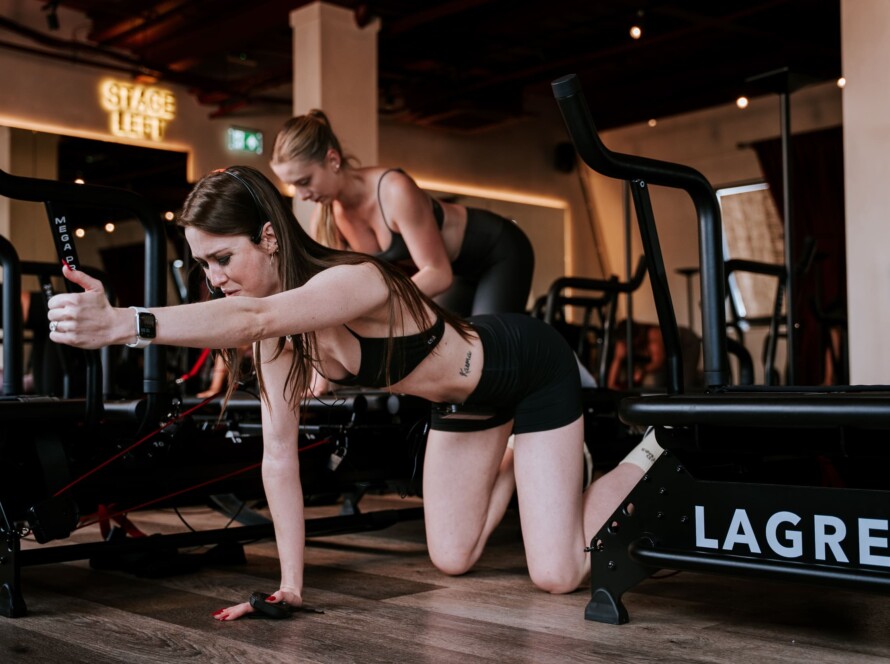
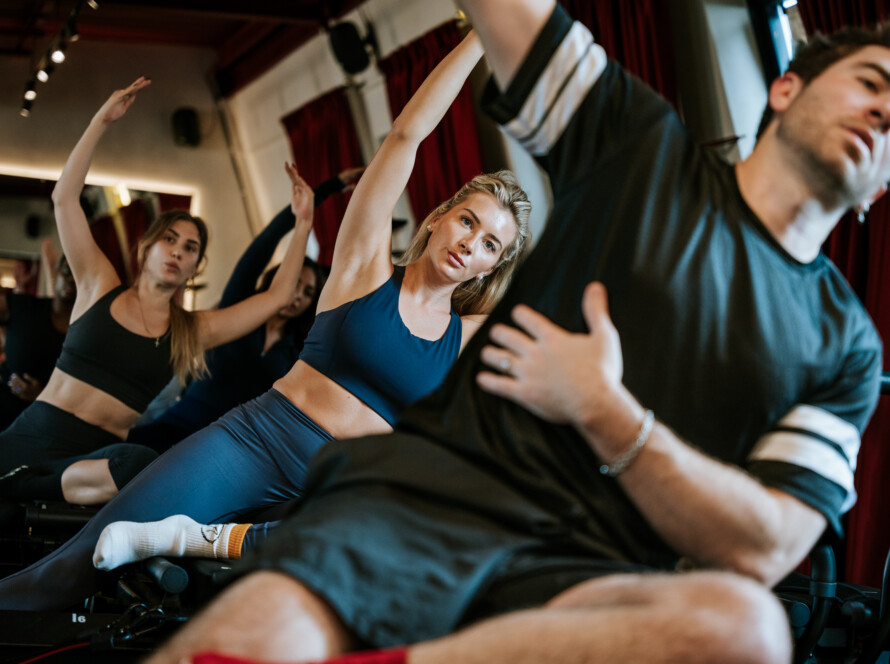
Effective postpartum core rehabilitation emphasizes slow, intentional muscle engagement rather than high-intensity movements. The key lies in activating deep abdominal muscles and the pelvic floor through precise, low-impact exercises that support healing without strain. For mothers seeking professional guidance and specialized equipment for safe core recovery, lagree in London offers targeted sessions using the Megaformer machine’s controlled-resistance system.
Table of Contents
- Why Many Women Struggle to Heal Diastasis Recti After Pregnancy
- What Diastasis Recti Is and Why Exercise Matters
- The Best Postpartum Diastasis Recti Workout Routine
- Exercises That May Slow Diastasis Recti Recovery
- Signs You’re Ready to Progress Beyond Beginner Diastasis Recti Workouts
- How BST Lagree Helps Women Rebuild Core Strength After Pregnancy
- Book a Lagree Class in London Today
Summary
- Diastasis recti affects between 29% and 100% of pregnant women according to research published in the Hernia journal, yet the conversation around recovery rarely acknowledges how common this condition is or how long proper healing actually takes. Social media creates unrealistic timelines with transformation posts appearing just weeks postpartum, leading many women to push intensity too quickly instead of rebuilding foundational core control first.
- Cleveland Clinic reports that 60% of women experience diastasis recti during pregnancy, making this one of the most common postpartum conditions. Despite this prevalence, specialized recovery guidance remains surprisingly hard to find, leaving women to navigate healing through trial and error with generic fitness advice that often skips the essential first step of restoring deep core coordination.
- Recovery from diastasis recti focuses on restoring function rather than simply closing the gap between abdominal muscles. A woman might still have some measurable separation while demonstrating excellent core strength, stable movement patterns, and zero functional limitations. The goal is to rebuild how your entire core system coordinates during movement, not to achieve a specific measurement between muscle bellies.
- Research published in the Journal of Musculoskeletal & Neuronal Interactions studied 40 women with diastasis recti abdominis and found that targeted exercise programs produced measurable improvements in abdominal separation and function. The key difference between progress and frustration lies not in exercise intensity but in consistent execution of foundational movements that restore core coordination before advancing to more challenging variations.
- Traditional gym environments often emphasize high-impact exercises that skip foundational rehabilitation steps entirely, pushing postpartum women into movements their core systems cannot yet safely control. Performing the wrong exercises before adequate core strength has been restored can create intra-abdominal pressure that exceeds the body’s current capacity to manage it, potentially slowing recovery.
- Lagree in London addresses postpartum core recovery through controlled, low-impact movements on the Megaformer that build strength progressively while maintaining the tension control essential for diastasis recti rehabilitation, bridging the gap between basic floor exercises and long-term strength training without premature returns to high-intensity workouts.
Why Many Women Struggle to Heal Diastasis Recti After Pregnancy
The challenge isn’t a lack of effort—most women work hard to regain strength after giving birth. The problem is that postpartum recovery requires a different kind of exercise than traditional fitness programs offer, and without the right approach, standard workouts can delay healing or worsen core separation.

🎯 Key Point: Traditional fitness routines are designed for general strength building, not the specialized healing that postpartum bodies require for diastasis recti recovery.
“Without proper core rehabilitation, standard exercise can increase intra-abdominal pressure and worsen abdominal separation rather than heal it.” — Journal of Women’s Health Physical Therapy, 2019
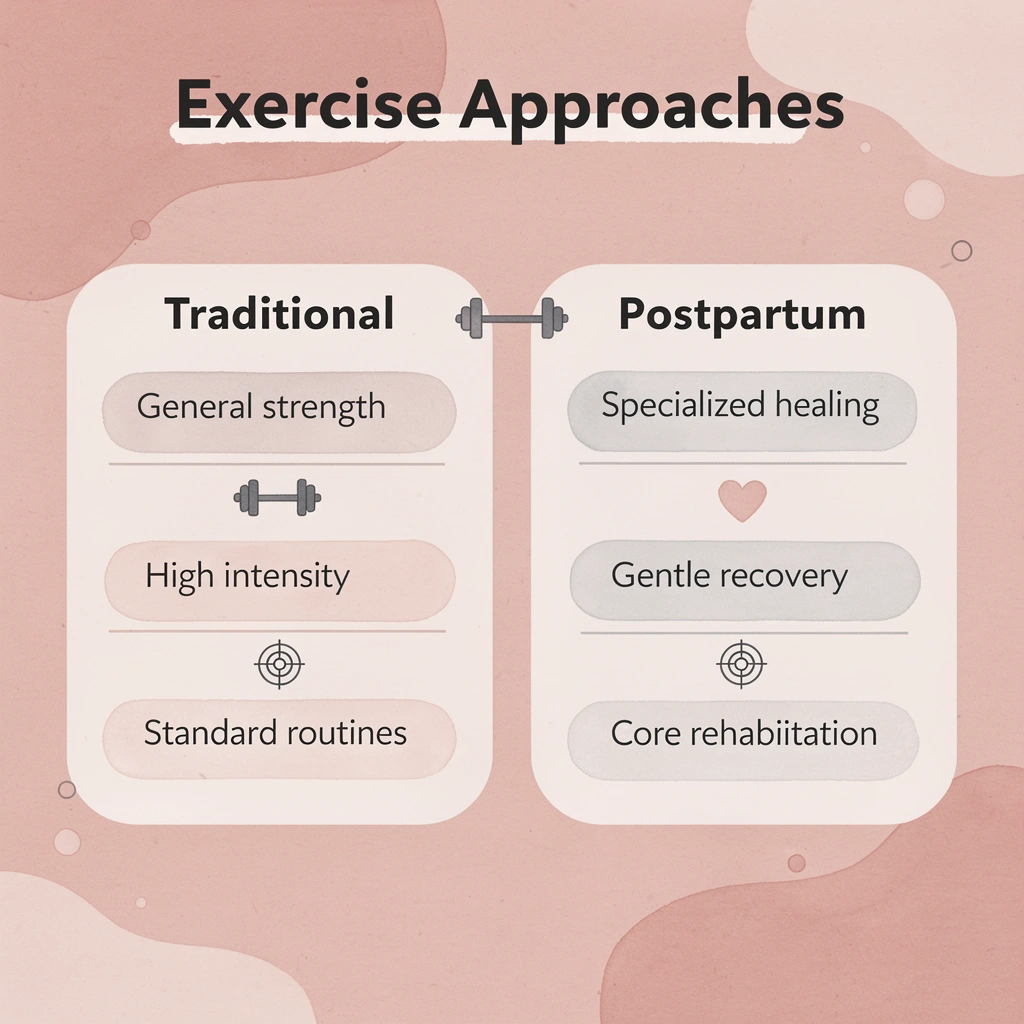
⚠️ Warning: Many women unknowingly choose high-intensity workouts or traditional ab exercises that create excessive pressure on the healing connective tissue, setting back their recovery progress by months.
Why does social media create unrealistic recovery expectations?
Social media creates an unspoken timeline: transformation posts six weeks after giving birth, celebrities in crop tops three months after delivery, fitness influencers running marathons before their baby turns one. According to research published in the Hernia journal, anywhere from 29% to 100% of pregnant women develop diastasis recti abdominis, yet the conversation around recovery rarely acknowledges how common this condition is or how long proper healing takes. The message becomes clear: if you’re not bouncing back quickly, you must be doing something wrong.
What happens when you push too hard too soon?
That pressure leads to a dangerous assumption: if progress feels slow, increase intensity and push harder. But postpartum bodies don’t respond to force the same way they did before pregnancy. The connective tissue between your abdominal muscles has been stretched for months. Your pelvic floor has supported significant weight and pressure. Your body needs time to rebuild its foundational strength before safely handling high-impact movements or traditional core exercises.
Why do most fitness programs fail postpartum bodies?
Most fitness programs weren’t designed for postpartum recovery. They focus on burning calories, building visible muscle, or increasing cardiovascular endurance—goals that skip the essential first step: restoring deep core control and reconnecting with muscles that may feel dormant after pregnancy. Crunches, planks, and high-intensity interval training create intra-abdominal pressure that pushes against weakened connective tissue rather than strengthening it.
What signs indicate traditional workouts aren’t working?
Women who follow these programs carefully often see no improvement. They notice their stomach still sticks out during certain movements, feel a gap when pressing fingers along their midline, experience ongoing lower back pain, and find everyday activities like lifting their baby or getting up from the floor harder than expected. Without understanding why traditional exercises aren’t working, they assume personal failure rather than recognizing the approach doesn’t match their body’s current needs.
How common is diastasis recti among new mothers?
Cleveland Clinic reports that 60% of women experience diastasis recti during pregnancy, making it one of the most common postpartum conditions. Yet specialized recovery guidance remains difficult to find, leaving women to navigate recovery through trial and error without knowing whether they’re helping or hindering their progress.
What does effective recovery actually require?
Healing diastasis recti requires the right kind of movement with proper form, control, and progression. Your body needs to relearn how to create tension through your deep core muscles (the transverse abdominis and pelvic floor) before adding weight or intensity. This means slow, intentional movements that focus on muscle engagement rather than speed or repetition count.
How do specialized methods address recovery gaps?
Specialized methods like Lagree in London address this gap. The Lagree method uses controlled, resistance-based movements on the Megaformer to deliver high-intensity work without impact. Our BST Lagree approach builds strength through slow, deliberate muscle engagement that targets deep stabilizers while protecting joints and connective tissue, emphasizing time under tension and precise form—what postpartum bodies need.
Why does understanding your body’s needs matter?
Recovery becomes less frustrating when you understand what your body needs: giving your core the specific work that allows connective tissue to heal while muscles regain strength and coordination. Once that foundation exists, everything else becomes easier.
Understanding what diastasis recti is and why it happens changes how you think about every exercise you choose.
What Diastasis Recti Is and Why Exercise Matters
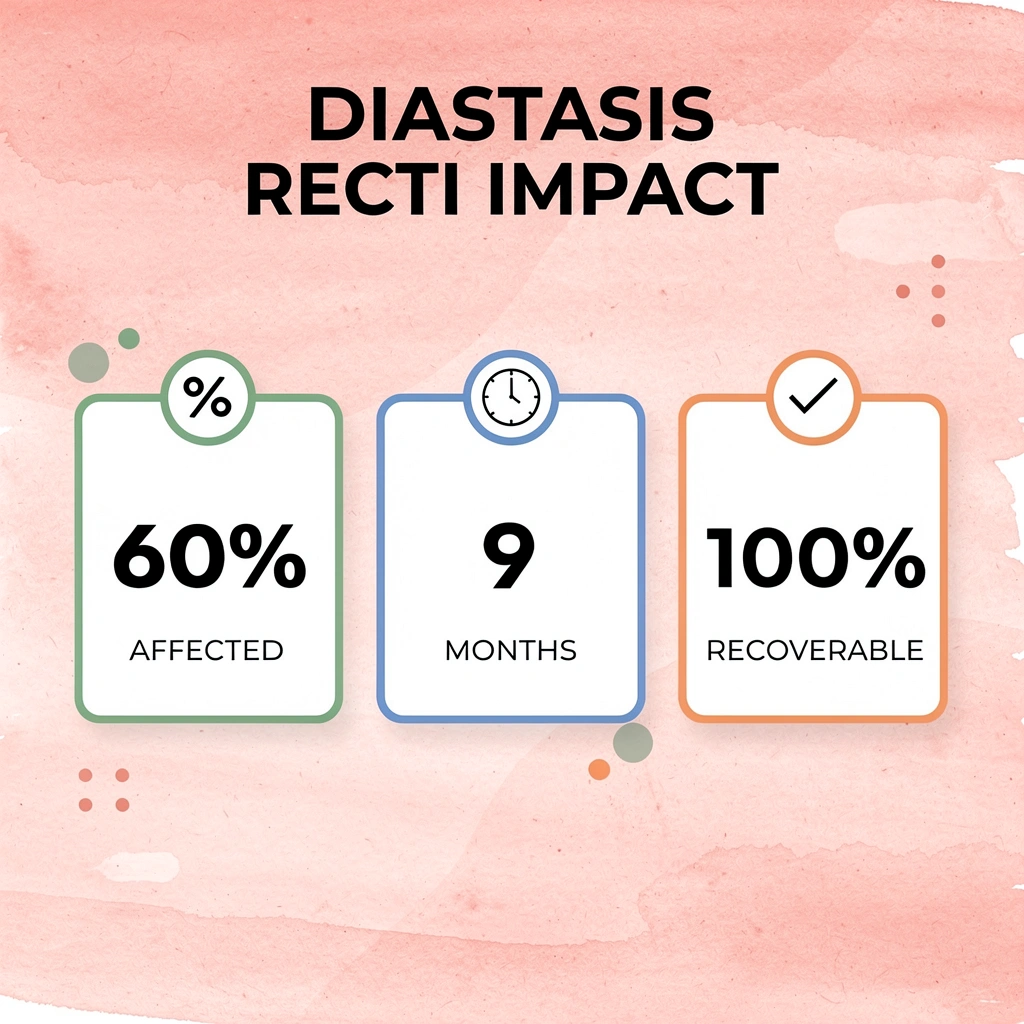
Diastasis recti is when the rectus abdominis muscles separate. These are the paired vertical muscles that run down the front of your abdomen. During pregnancy, the growing uterus stretches the linea alba, the connective tissue between these muscles, allowing them to move apart. According to the Cleveland Clinic, 60% of people experience diastasis recti during or after pregnancy. For many women, some degree of separation persists after delivery, with recovery timelines varying considerably from person to person.
🎯 Key Point: Diastasis recti affects a significant portion of pregnant and postpartum women, making targeted exercise and proper recovery strategies essential for abdominal health.
“60% of people experience diastasis recti during or after pregnancy, with recovery time varying significantly between individuals.” — Cleveland Clinic
🔑 Takeaway: Understanding that muscle separation is common but not permanent empowers women to take proactive steps through exercise and proper movement patterns to support their recovery journey.
Why does diastasis recti affect more than just appearance?
Women often first notice diastasis recti because of a visible bulge or dome-shaped protrusion when engaging the core. While aesthetic concerns are valid, the functional consequences matter more. Your abdominal muscles work as part of an integrated system that includes the diaphragm, pelvic floor, deep stabilizers, and muscles surrounding the spine and hips. When this system loses coordination, everyday movements become harder.
How does diastasis recti impact daily activities?
The challenges manifest unexpectedly: lifting a car seat feels unstable, carrying groceries creates lower back discomfort, and rising from the floor requires arm support because your core cannot generate sufficient tension. Some women experience pelvic floor dysfunction alongside diastasis recti, including leaking during exercise or difficulty controlling bladder function. The condition significantly affects how your body manages movement and stability.
Why does exercise matter more than gap width?
Many women panic when discovering diastasis recti, searching for exercises to “close the gap.” Exercise cannot force separated muscles back together like zipping a jacket. Properly designed movement restores tension across the abdominal wall, strengthens deep core muscles for stability, and improves how connective tissue functions under load.
What should you focus on instead of gap measurements?
A woman might have a noticeable gap between her muscles while maintaining strong core strength, stable movement patterns, and optimal function. Conversely, a smaller gap does not indicate effective core function. The goal is to restore how your entire core works together during movement, not to achieve a specific measurement between muscle bellies.
What foundational patterns should you rebuild first?
The most effective postpartum programs rebuild foundational patterns first: breathing mechanics that create abdominal pressure, deep core activation in the correct sequence, pelvic floor coordination, and postural awareness to address pregnancy-related changes. These elements establish the stability needed before advancing to demanding exercises.
Why do traditional gym workouts fall short for postpartum recovery?
Traditional gym workouts skip these steps, jumping straight into exercises that require coordination that many postpartum bodies haven’t rebuilt. Solutions like BST Lagree in London address this gap by using controlled, low-impact movements on the Megaformer, allowing precise muscle engagement without joint stress or risk of injury. Our method builds strength progressively while maintaining the tension control essential for diastasis recti recovery.
Knowing which specific exercises to do and in what order makes the difference between progress and frustration.
Related Reading
- First Postpartum Workout
- When Can I Workout Postpartum
- Is Pilates Good for Postpartum Weight Loss
- Can I Do Pilates 3 Weeks Postpartum
- Bird Dog Exercise Postpartum
- Postpartum Glute Bridge Exercise
- Postpartum HIIT Workout
- Postpartum Kettlebell Workout
- Postpartum Dumbbell Workout
The Best Postpartum Diastasis Recti Workout Routine
A safe postpartum diastasis recti workout focuses on controlled movement and core coordination rather than intensity. The routine below rebuilds the connection between your diaphragm, deep abdominal muscles, pelvic floor, and stabilizing muscles through progressive exercises that reduce abdominal pressure. Consult your healthcare provider before starting any postpartum exercise program, especially if you experience pain or pelvic floor symptoms.
🎯 Key Point: Start with gentle movements that focus on quality over quantity. Your core muscles need time to reconnect and strengthen gradually after pregnancy and delivery.
“Progressive exercise that emphasizes core coordination rather than intensity is the safest approach for postpartum diastasis recti recovery.” — Postpartum Recovery Guidelines, 2024
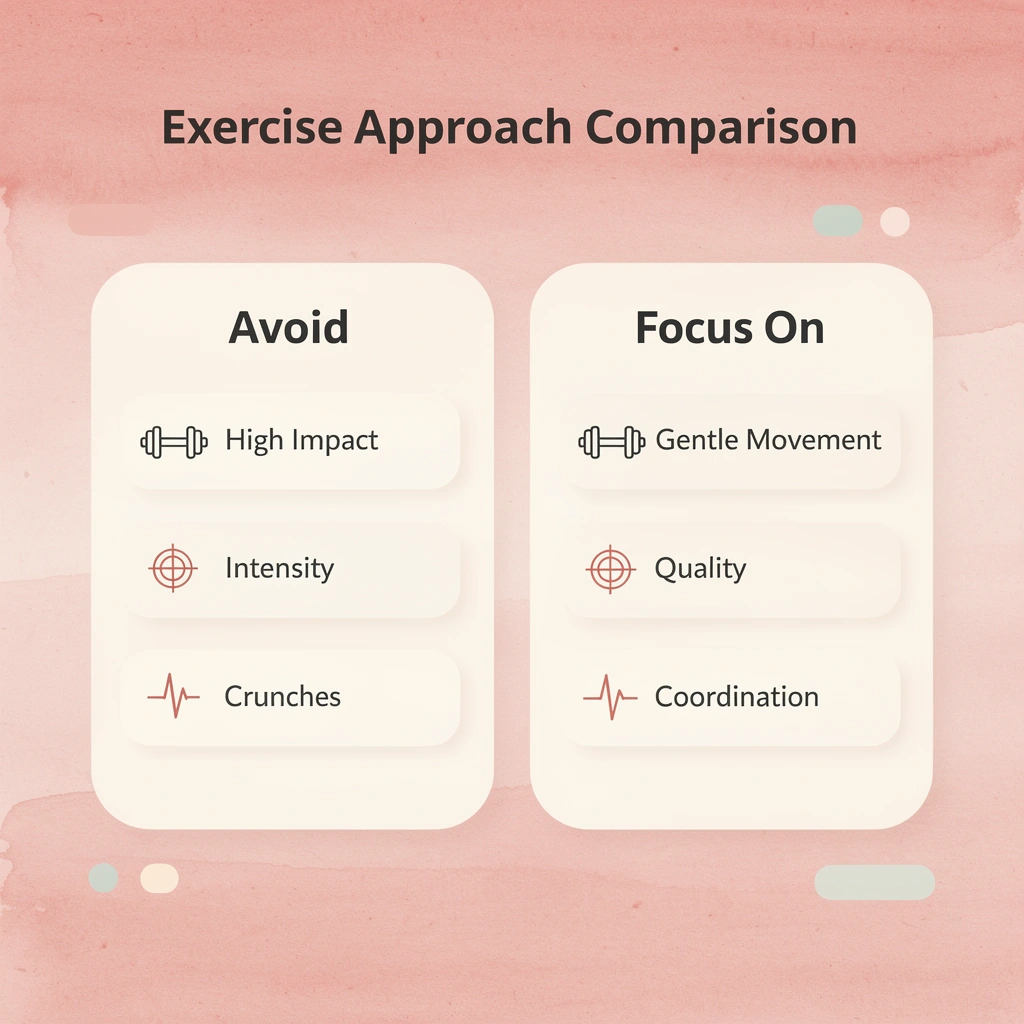
⚠️ Warning: Avoid high-impact exercises, crunches, and planks until your diastasis recti has improved and you’ve received medical clearance from your healthcare provider.
Diaphragmatic Breathing
Lie on your back with knees bent and feet flat, placing one hand on your ribs and one on your abdomen. Breathe in slowly through your nose, allowing your rib cage to expand in all directions rather than lifting your chest. Breathe out through your mouth while gently drawing your deep abdominal muscles inward, creating subtle tension without forcing the contraction. This restores coordination between your diaphragm, pelvic floor, and transverse abdominis.
What are the proper sets and common mistakes to avoid?
Do 5 to 10 breaths for 2 to 3 sets. Avoid holding your breath between repetitions, lifting your shoulders excessively, or forcing your stomach muscles to contract. Let them engage naturally when you exhale.
Pelvic Tilts
Pelvic tilts introduce gentle abdominal activation and help you learn to control spinal and pelvic positioning. From the same starting position as diaphragmatic breathing, gently flatten your lower back toward the floor by tilting your pelvis upward and engaging your deep core muscles without gripping. Hold briefly, then return to neutral.
Complete 10 to 15 repetitions for 2 sets. Avoid using momentum to rock your pelvis, pushing through discomfort, or overarching your lower back when returning to the starting position.
Heel Slides
Heel slides challenge core stability by introducing limb movement while maintaining abdominal control. Lie on your back with knees bent, engage your deep core, then slowly slide one heel away from your body until your leg is nearly straight. The key is preventing your lower back from arching as your leg extends.
Perform 8 to 10 repetitions per side for 2 sets. As your control improves, gradually increase the range of motion while maintaining a stable, neutral spine. Common mistakes include excessive lower back arching, rushing repetitions without maintaining core tension, and losing engagement as fatigue sets in.
Glute Bridges
Glute bridges strengthen your posterior chain while improving core and pelvic stability. Lie on your back with your knees bent, tighten your core and glutes, then push through your heels to lift your hips off the floor. Pause at the top when your body forms a straight line from your shoulders to your knees, avoiding excessive lower back extension.
Do 10 to 12 repetitions for 2 to 3 sets. If you feel pain in your lower back, use a smaller range of motion instead of lifting higher. Common mistakes include arching your lower back excessively, holding your breath, and relying on momentum rather than muscle control.
Bird Dogs
Bird dogs improve stability and coordination by teaching your core to maintain control during opposing limb movements. Begin on your hands and knees with your spine in a neutral position, then extend one arm forward and the opposite leg back simultaneously, maintaining a stable torso without rotating your hips or arching your lower back.
Perform 8 to 10 repetitions per side for 2 sets. This exercise reveals imbalances quickly: rotating your hips, arching your lower back, or extending limbs too high indicates you’ve exceeded your current stability threshold.
Modified Side Planks
Modified side planks strengthen your obliques and lateral core muscles, which support trunk stability. Lie on your side with your knees bent, support yourself on your forearm, and lift your hips while keeping your knees on the floor. This variation is easier than a full side plank but still challenges your side-to-side stability.
Hold for 10 to 20 seconds. Complete 3 to 5 repetitions per side. Keep your hips level with your shoulders. Breathe steadily. Avoid rotating your torso to compensate for weakness.
Walking
Walking improves blood flow, strengthens your heart, enhances mental wellbeing, and allows you to gradually return to normal activity without straining your healing abdomen. Start with 10 to 20 minutes and increase duration as your energy and strength improve. Focus on posture rather than pace or distance.
What common mistakes should you avoid when starting to walk?
Common mistakes include increasing walking duration too quickly before your body adapts, ignoring signs of overexertion, and walking with poor posture that weakens core engagement.
Does exercise actually help improve diastasis recti?
Many women worry that exercise might worsen diastasis recti. According to research published in the Journal of Musculoskeletal & Neuronal Interactions, a study of 40 women with diastasis recti abdominis found that targeted exercise programs produced measurable improvements in abdominal separation and function. Recovery depends on consistent foundational movements that restore core coordination before progressing to harder variations.
How can you progress safely beyond basic walking?
Traditional gym environments often emphasize high-impact exercises that skip foundational steps, pushing postpartum women toward movements their core systems aren’t ready to control. Lagree classes in London at BST Lagree provide an alternative with controlled, low-impact movements on the Megaformer, allowing precise muscle engagement at varying resistance levels. This method builds strength progressively while maintaining the tension control essential for diastasis recti recovery, bridging basic rehabilitation and long-term strength training without the joint stress or injury risk from returning to high-intensity workouts too soon.
Knowing which exercises to avoid matters as much as knowing which ones to perform.
Exercises That May Slow Diastasis Recti Recovery
Doing the wrong exercises at the wrong time in your recovery can put stress on your abdominal wall before your body is ready. The problem usually stems from timing, technique, and whether your core is strong enough to handle the demands without compensating or creating uncontrolled pressure.

⚠️ Warning: Premature high-intensity exercises can actually worsen diastasis recti by creating excessive intra-abdominal pressure before your connective tissue has had time to heal and strengthen properly.
“Inappropriate exercise selection during early diastasis recti recovery can increase abdominal separation by 2-3 centimeters and delay healing by several months.” — Journal of Women’s Health Physical Therapy, 2019
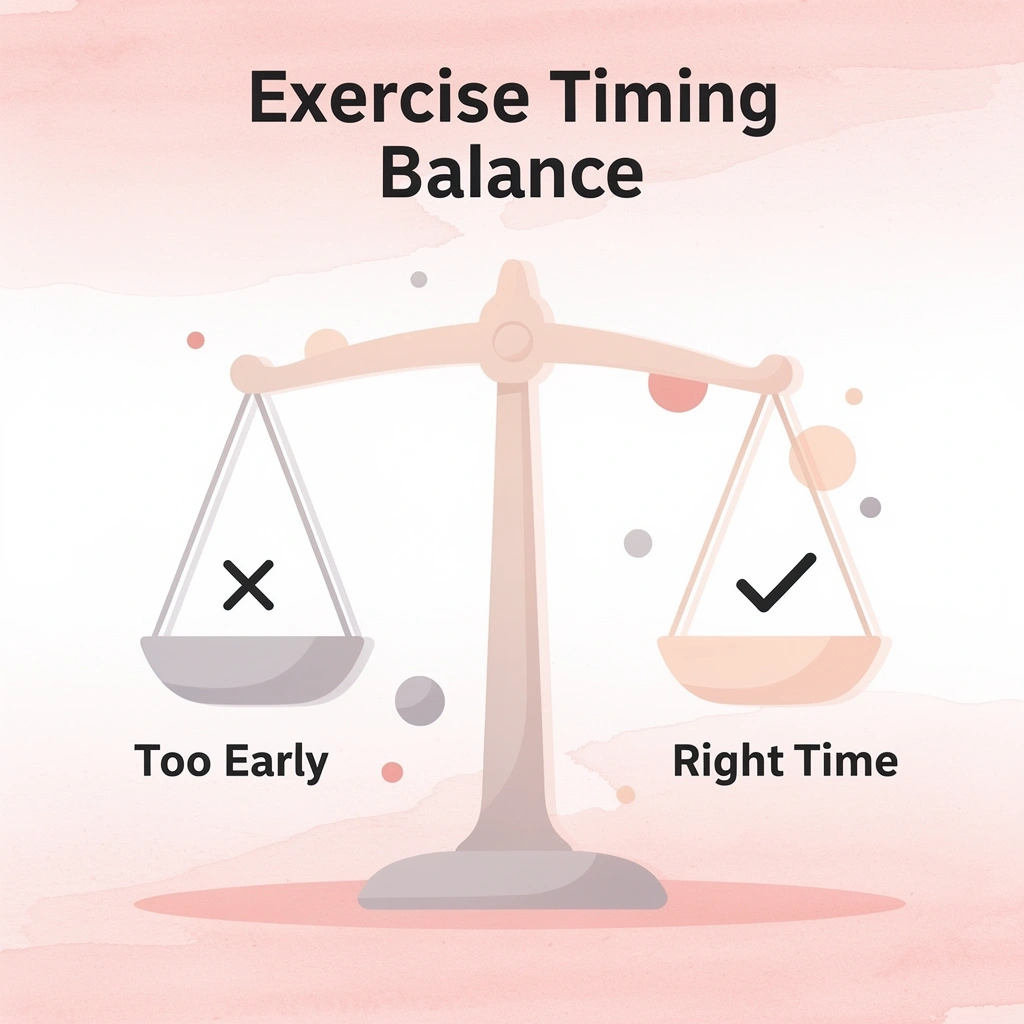
🔑 Takeaway: The key is understanding that your core needs time to rebuild its foundational strength before progressing to more challenging movements that create significant abdominal pressure.
Why Intra-Abdominal Pressure Matters
Every movement—standing, lifting, exercising, coughing—creates pressure inside your belly. Problems occur when this pressure exceeds what your core can control and distribute evenly. After giving birth, the deep belly muscles, connective tissue, diaphragm, and pelvic floor are still rebuilding their strength and coordination, so the pressure-management system operates below full capacity.
Traditional Sit-Ups and Crunches
Sit-ups and crunches place significant pressure on the front of your abdomen, especially if your core is not yet strong enough to handle them. For some women, this causes abdominal bulging or doming during exercise, a visible sign that the pressure exceeds what their bodies can manage. Many postpartum women benefit from rebuilding deep core function before progressing to these harder abdominal exercises.
Full Planks and High-Impact Movements
A full plank requires the abdominal muscles, shoulders, hips, and spinal stabilizers to work together while resisting gravity. Many women experience pelvic floor heaviness, pressure, or urinary leakage during these exercises, signaling that the core system cannot yet manage the intra-abdominal pressure created by these movements.
How do high-impact movements affect postpartum recovery?
Running, jumping, plyometric exercises, and other high-impact activities simultaneously stress both the core and the pelvic floor. Building foundational strength first, then gradually adding impact activities as the body demonstrates readiness, often works better than returning immediately to high-impact exercise.
High-intensity, low-impact methods like the Lagree Method create a significant muscular challenge without the joint stress or pressure spikes associated with jumping or running. Our Megaformer enables women to build strength through controlled, sustained muscle engagement while maintaining the tension control essential for diastasis recti recovery.
What are the warning signs that your core may not be ready?
Pay attention to how your body responds during exercise. Certain signs indicate that an exercise is putting more pressure on your body than it can handle. Abdominal doming or coning, where the abdomen visibly sticks out along the midline during exertion, is one common warning sign. Others include lower back discomfort, difficulty maintaining breathing patterns, or inability to engage the core effectively.
How should you respond to these warning signs?
These symptoms don’t necessarily indicate damage, but they suggest that changing your routine or returning to basics would help. The question isn’t whether you’ll do crunches, planks, run, or lift weights again, but whether your foundation is strong enough now. By moving forward the right way rather than jumping into harder movements, you can build a stronger core and return to activities you enjoy with more confidence.
Knowing when to change your routine is only half the answer; figuring out when you’re ready for harder exercises requires a different kind of awareness.
Signs You’re Ready to Progress Beyond Beginner Diastasis Recti Workouts
How ready you are to move forward is measured by how well your body can function, not by how much time has passed since giving birth. Your body signals readiness through better movement quality, improved pressure management, and consistent control during exercises that were previously difficult. When basic movements become automatic, and your core responds predictably during daily tasks, you’re ready for more demanding work.

🎯 Key Point: Your progression timeline should be based on functional improvements and movement quality, not calendar dates or external pressure to “bounce back” quickly.
“Movement quality and consistent core control during daily activities are the most reliable indicators that your body is ready for advanced diastasis recti exercises.” — Postpartum Fitness Guidelines, 2024
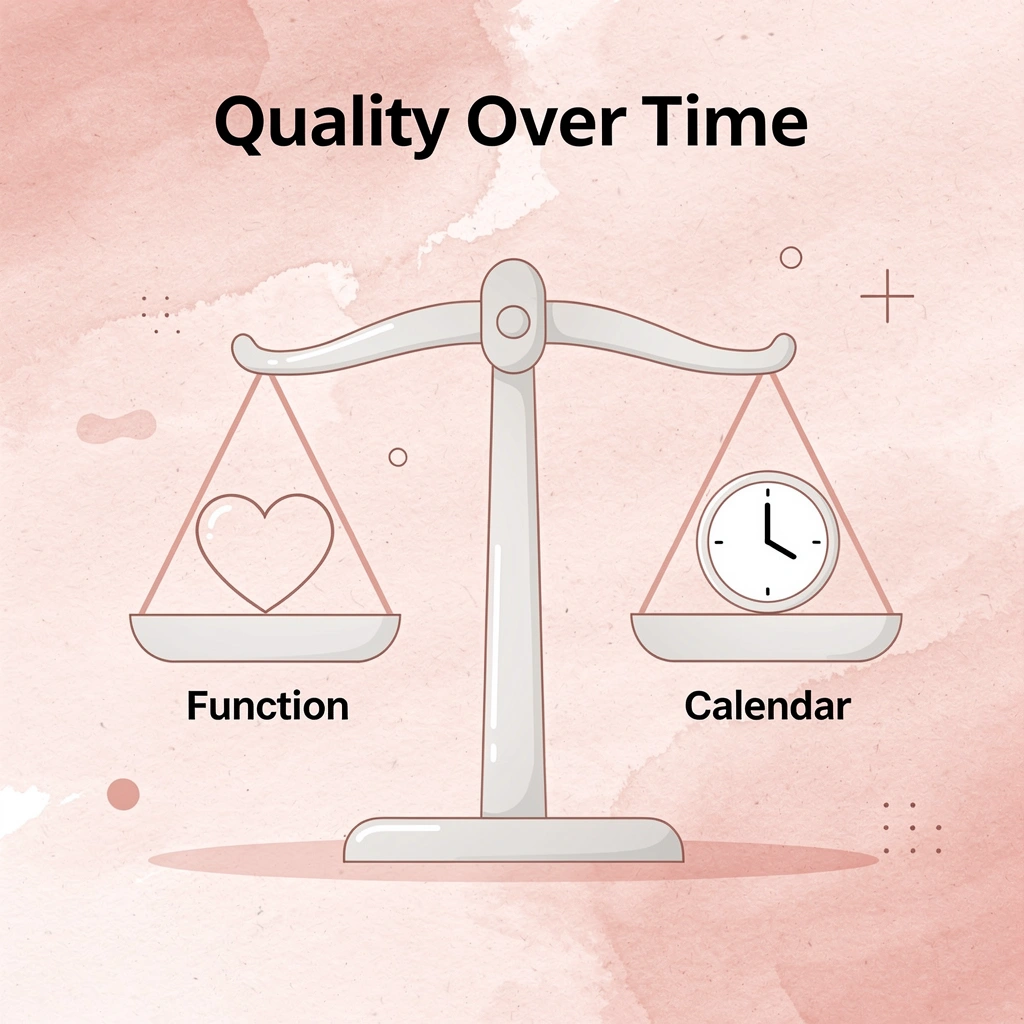
⚠️ Warning: Rushing into advanced exercises before your body demonstrates proper foundational control can lead to setbacks and potentially worsen your diastasis recti condition.
Your Core Responds Without Conscious Effort
True progress shows itself in moments when you’re not thinking about your core at all. You lift your toddler out of the car seat without bracing or holding your breath. You carry groceries up the stairs and notice your torso feels stable rather than wobbly. These automatic responses indicate that your deep core muscles (the transverse abdominis and pelvic floor working together) have relearned their coordinating role. Early in recovery, every movement requires deliberate attention: breathe in, engage, exhale, move. As coordination improves, that sequence becomes unconscious, and your nervous system has rebuilt the pathways that pregnancy disrupted.
Doming Disappears During Familiar Exercises
Abdominal doming (that visible bulge along your midline during hard work) serves as real-time feedback. When doming occurs during heel slides or glute bridges, it signals pressure beyond your core’s ability to manage. As your system strengthens, the same exercises produce a flatter, more controlled abdominal wall. Doming reduces from constant to occasional to rare. When exercises that previously caused visible bulging now maintain tension across your midline, your pressure management system is functioning more effectively.
Your Breathing Stays Steady Under Load
Holding your breath during exercise signals that you’re working harder than your body can handle. Early after giving birth, many women hold their breath during hard movements because their core lacks stability. As you recover, you’ll breathe with your diaphragm even during tougher exercises. You can complete a full set of bird dogs or finish glute bridges while maintaining smooth, controlled breathing. This steady breathing pattern shows that your diaphragm, pelvic floor, and abdominal wall are working together rather than against each other.
How does fatigue reveal your true movement readiness?
Tiredness reveals weak spots that strong muscles can hide. When you start exercising after having a baby, you might complete five repetitions with good form before your pelvis tilts, your ribs flare, or your shoulders compensate. You’re ready for harder exercises when you maintain proper body position through longer sets or consecutive exercises without form breakdown—such as performing 15 glute bridges where your pelvis position remains consistent from first to last repetition, or completing three core exercises in succession without degradation. This ability demonstrates that your nervous system and muscles are stronger and work together effectively under fatigue.
Why do controlled environments support better progression?
Traditional gym environments often push intensity before building foundational capacity, which is why many postpartum women find that Lagree in London, with BST Lagree, offers a more effective progression path. The Megaformer’s controlled, spring-based resistance lets you increase challenge while maintaining the slow, precise movement quality essential for core rehabilitation. This method builds intensity through time under tension and targeted muscle engagement, providing your recovering core with progressive overload without the pressure spikes that cause setbacks.
But knowing you’re ready to progress and knowing how to progress safely are two different challenges.
Related Reading
- Kegel Exercises Postpartum
- Postpartum Strength Workout
- Postpartum Diastasis Recti Workout
- Easy Postpartum Workout
- Postpartum Arm Workout
- Postpartum Full Body Workout
- Postpartum Core Workout
- 6 Week Postpartum Workout Plan
- Postpartum Pelvic Floor Exercises
- Postpartum Workout Plan At Home
- Best Postpartum Core Exercises
- Pilates Exercises For Post Pregnancy
- Postpartum Diastasis Recti Workout
- Postpartum Pelvic Floor Exercises
- Postpartum Belly Exercises
How BST Lagree Helps Women Rebuild Core Strength After Pregnancy
The Lagree Method builds on early diastasis recti recovery principles: controlled movement, core awareness, and gradual progression. It adds intensity to continue rebuilding strength while maintaining the slow, precise movement quality essential for ongoing core rehabilitation.
🎯 Key Point: The Lagree Method bridges the gap between basic postpartum recovery and advanced strength training, making it perfect for women ready to progress beyond foundational exercises.
“The slow, controlled movements in Lagree training allow for precise muscle activation while minimizing risk of re-injury during postpartum recovery.” — American College of Obstetricians and Gynecologists, 2023
💡 Tip: Start with modified positions and gradually increase time under tension as your core strength improves—the Lagree Method’s adaptability makes it ideal for progressive rehabilitation.
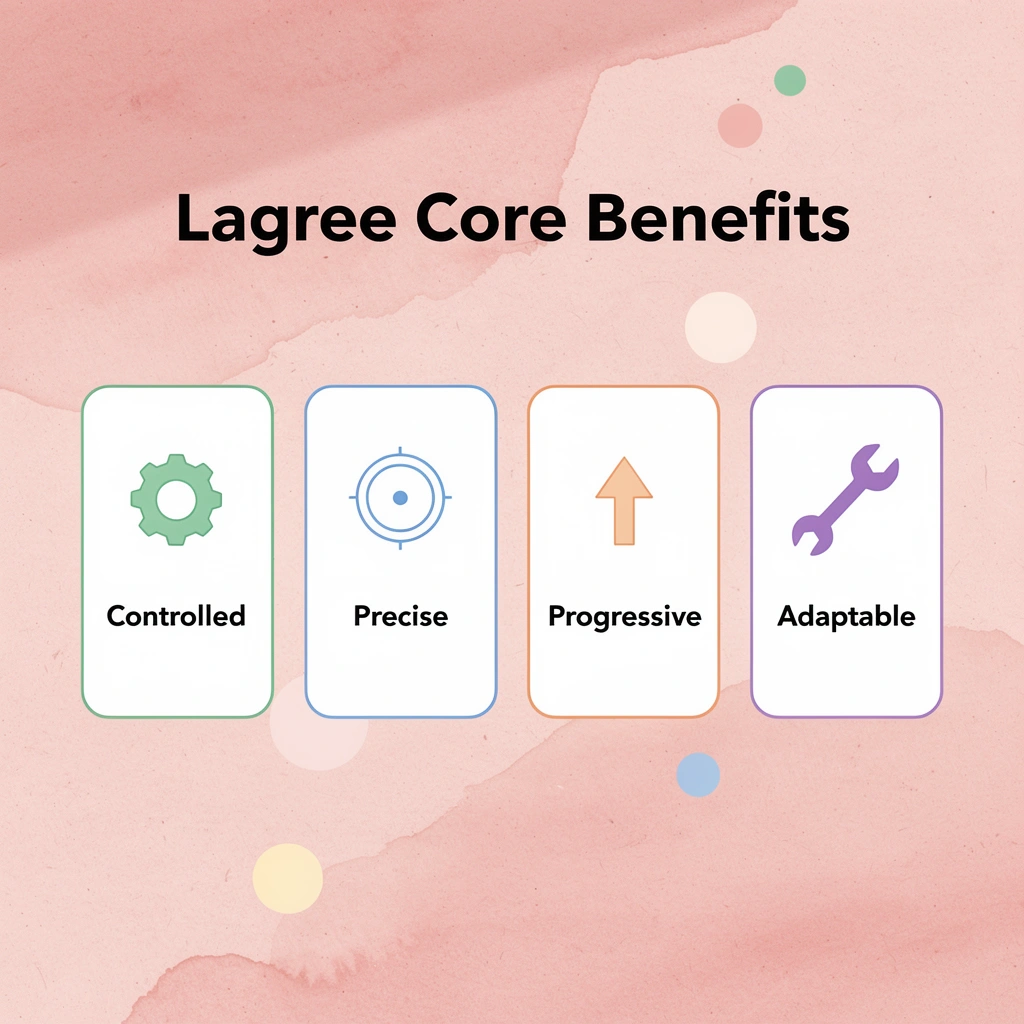
A Women-Focused Fitness Environment
Traditional gyms often prioritize speed and performance over movement quality, creating pressure to keep up rather than to address what your body needs. BST Lagree offers a different experience: a women-focused fitness environment where you can rebuild strength at your own pace, not someone else’s timeline.
Guidance From Highly Trained Instructors
BST Lagree’s instructors complete a rigorous mentorship program to ensure classes are effective, keep you motivated, and prioritize safety. For women progressing beyond beginner workouts postpartum, this guidance builds confidence as movements intensify. Our coaching emphasizes proper form, control, and efficient muscle engagement, rather than leaving you to navigate progression on your own.
Low-Impact Training That Prioritizes Control
According to PowerCore Studio, 60% of women experience diastasis recti after pregnancy. The Lagree Method uses slow, controlled movements that challenge muscles through sustained tension rather than momentum, supporting safe recovery without high-impact stress on recovering abdominal muscles.
Building Strength Through Muscular Engagement
Many women, after giving birth, struggle with traditional workouts that prioritize repetitions over form. Lagree training emphasizes muscular engagement and time under tension instead. By spending more time under tension rather than rushing through repetitions, you develop greater body awareness and stability. For women rebuilding strength after pregnancy, this reinforces foundational movement skills from early recovery whilst progressively challenging the core system.
Knowing a method works and trying it are two different things.
Book a Lagree Class in London Today
Taking that first step back into structured exercise after pregnancy is important. BST Lagree offers 45-minute classes designed specifically for postpartum recovery, where every movement respects your body’s current state while challenging it to grow stronger. Our Megaformer allows precise control over resistance and range of motion, so you progress at a pace matching your core’s current capacity, not an arbitrary timeline.

🎯 Key Point: Training in the right environment accelerates recovery by providing both physical safety and emotional support during your postpartum fitness journey.
The environment matters as much as the method. Training alongside other women who understand the physical and emotional complexity of postpartum recovery creates a different atmosphere than typical gym spaces. London’s only all-Lagree certified instructors, led by Europe’s most experienced trainer, bring specialized knowledge to every class, watching for compensatory patterns and adjusting exercises when your core needs modification.

“The slow, controlled movements of Lagree target deep core muscles while simultaneously building full-body endurance, creating the perfect foundation for postpartum recovery.” — BST Lagree Method
Strength meets elegance in how BST Lagree addresses diastasis recti recovery. The slow, controlled movements target deep core muscles while building endurance in your legs, arms, and back. This full-body integration mirrors how you move through daily life, where core stability supports every action from lifting your baby to carrying groceries. Our high-intensity, low-impact approach challenges you without joint stress or the injury risk that comes with premature jumping or running.
💡 Tip: Your first class is the perfect opportunity to experience personalized attention from certified instructors who understand exactly what your recovering body needs.
Book your first class today and experience training in a space built around your specific needs.
Related Reading
- Best Postpartum Exercises
- Pilates Exercises For Post Pregnancy
- Best Way To Lose Postpartum Belly Fat
- Postpartum Pilates Workout
- Beginner Postpartum Workout Plan
- How To Lose Pregnancy Belly After 2 Years
- Post Pregnancy Workout Plan
- Best Postpartum Ab Workout
- Best Postpartum Workout App
- Postpartum Gym Workout