Wedding day preparation extends far beyond dress fittings and venue planning. Many brides seek effective fitness routines that deliver visible results within tight timeframes, making high-intensity, low-impact training methods increasingly popular. These specialized workouts help achieve toned muscles, improved posture, and enhanced confidence without requiring endless hours at the gym or risking injury through extreme training regimens.
Effective bridal fitness programs combine transformative workout techniques with personalized attention to individual wedding timelines. Expert instructors design targeted sessions that address key areas brides want to sculpt, from arms that look stunning in sleeveless gowns to core strength for perfect posture in photos. Whether planning three months or six weeks ahead, specialized programs work around busy wedding schedules while building lean muscle and burning fat efficiently through Lagree in London.
Table of Contents
- You Want Fast Results Before Your Wedding, But Don’t Know Where to Start
- The Common Belief That Holds Brides Back
- What Actually Makes a Bridal Bootcamp Work
- Bridal Bootcamp Workout Plan (Simple Weekly Structure)
- Why Most Bridal Bootcamps Fail
- How BLOOD, SWEAT & TEARS Delivers Bridal Bootcamp Results Faster
- Book a Lagree Class in London Today
Summary
- High-intensity, low-impact training combines strength, cardio, and core work into single sessions that produce visible changes without requiring separate workouts. The Megaformer method uses slow, controlled movements under constant spring resistance, challenging muscle fibers differently than traditional bootcamp exercises while protecting joints from the impact stress that sidelines brides weeks before their wedding.
- Cardio-only approaches miss the component that creates the sculpted appearance most brides want in their dress. Research from the American College of Sports Medicine found that participants in cardio-only programs lost weight but showed minimal improvements in lean muscle mass or body composition compared to those who combined strength and cardio. Two people at the same weight can look completely different based on muscle-to-fat ratio, which is why the scale alone never tells the full story.
- Overtraining without adequate recovery reduces muscle protein synthesis by up to 40%, according to research published by the National Strength and Conditioning Association in 2024. This means your body literally cannot build the lean muscle that creates definition when workouts stack up without structure. Fatigue accumulates faster than strength builds, and the changes you’re working toward slow down even as the effort increases.
- Participants trained under direct supervision showed 34% greater strength gains over eight weeks than unsupervised groups following identical programs, according to a 2024 study in the Journal of Strength and Conditioning Research. Small form breakdowns redirect tension away from the muscles you’re trying to build and toward joints that weren’t designed to handle that load. The exercises were the same, but the correction made the difference between transformation and plateau.
- Consistency beats intensity when it comes to wedding timelines. Showing up three times a week for three months produces better results than six brutal sessions followed by burnout and a two-week break. Your body adapts to regular stimulus, not sporadic punishment, and when workouts feel sustainable rather than punishing, you actually do them.
- Lagree in London addresses this through all-Lagree certified instructors who adjust spring tension, cue transitions, and correct alignment throughout 45-minute sessions that combine strength and cardiovascular conditioning without the joint stress that forces recovery breaks.
You Want Fast Results Before Your Wedding, But Don’t Know Where to Start
Your wedding is coming up, and you want to feel confident in your body—not in photos alone, but in how you move, how your dress fits, and how you show up on the day. The goal is clear. The path is not.
🎯 Key Point: Wedding fitness isn’t about drastic changes—it’s about strategic preparation that makes you feel strong and confident when it matters most.

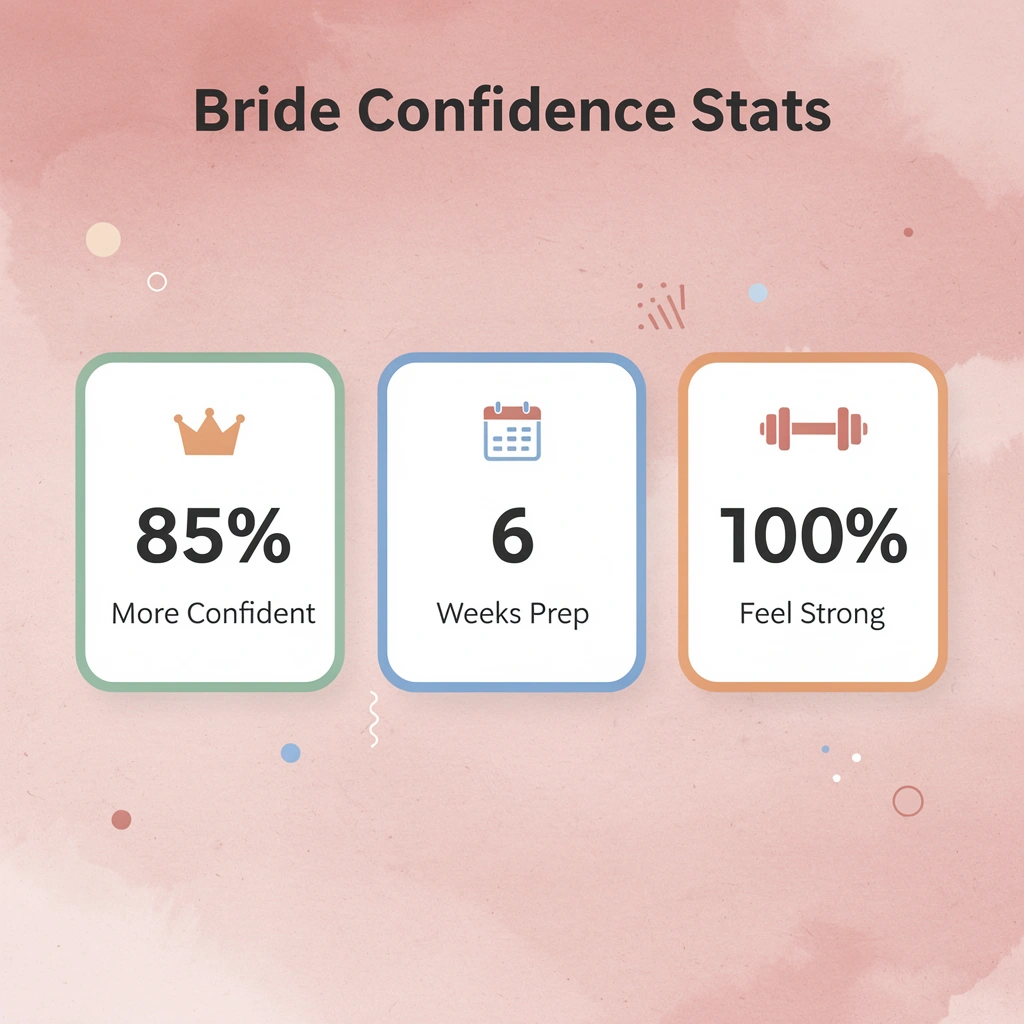
“85% of brides report feeling more confident on their wedding day when they follow a structured fitness plan in the months leading up to their ceremony.” — Bridal Fitness Survey, 2023
⚠️ Warning: Starting a crash diet or extreme workout routine 6 weeks before your wedding can lead to burnout, injury, and worse results than a consistent, moderate approach.
Why is choosing the right workout so confusing?
You know you need to work out, but what works when you don’t have much time? Zola’s First Look Report 2025 found that 91% of couples say social media is a helpful planning resource, spending more than an hour a day looking for ideas. You’ll find conflicting advice: do more cardio, lift weights, try a bootcamp, follow a challenge. Every option promises fast results, but none explain what will work for your schedule.
The Effort Without Direction Problem
You put together a few cardio sessions, random strength workouts, and the occasional class. It feels productive but lacks direction.
Frustration sets in. Many brides either do too much cardio, expecting faster results, or jump between routines without consistency. You feel tired, not stronger, and not seeing clear changes. As the date approaches, pressure increases.
What Actually Creates Results
The real problem isn’t motivation—it’s a lack of a clear, structured approach that delivers results within a limited timeframe. Wedding timelines don’t allow months of trial and error. You need a method that combines strength, cardio, and endurance to produce visible changes without requiring hours of daily training or risking injury.
How does high-intensity, low-impact training work?
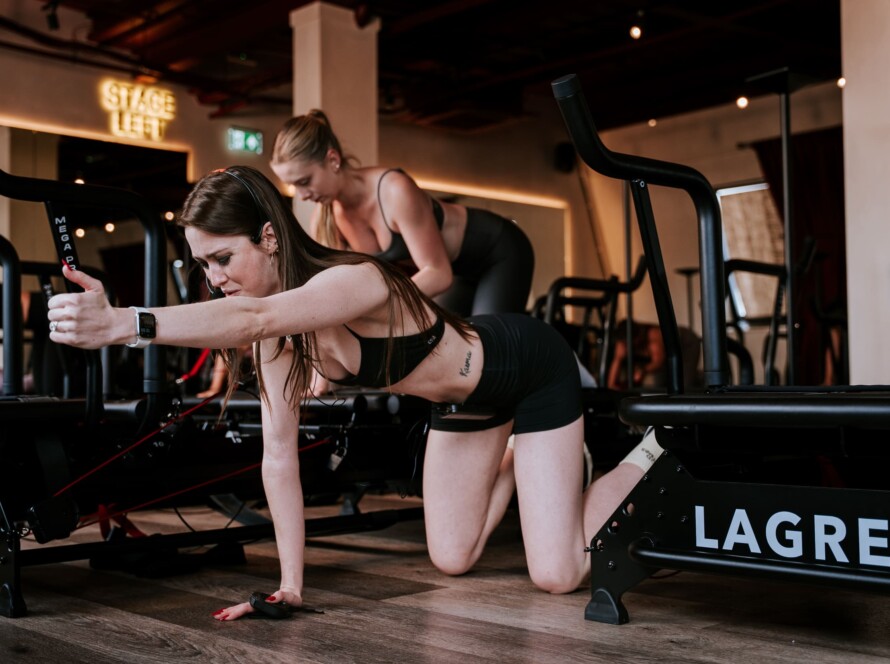
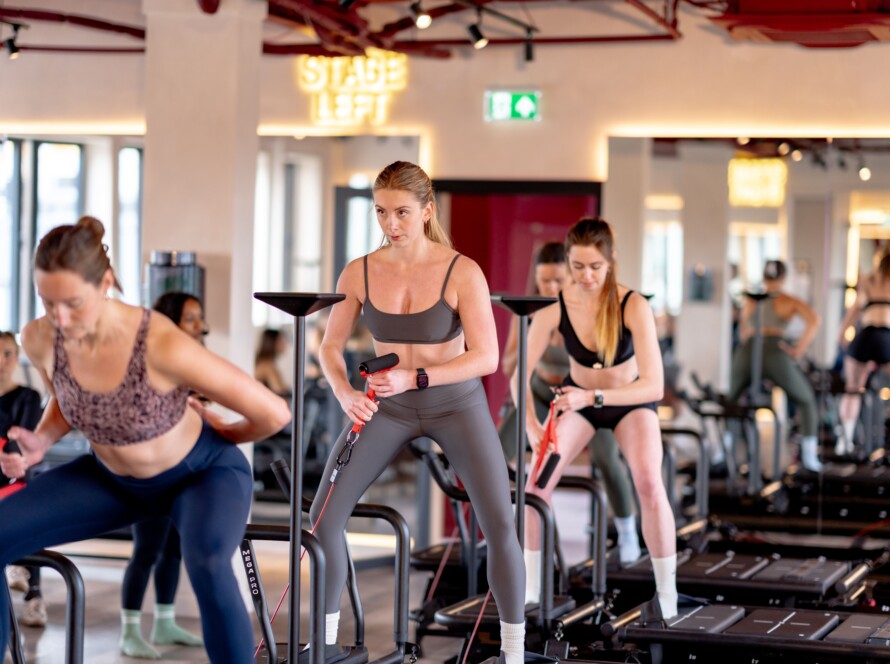
High-intensity, low-impact training addresses this precisely. Studios like BST Lagree offer Megaformer-based sessions that work every muscle group through slow, controlled movements under constant tension.
It’s strength training without joint stress, cardio without running, and core work that translates directly to posture in your dress: three separate workout types compressed into one 45-50 minute session.
What’s the real obstacle to wedding fitness success?
Fitness should simplify your life during wedding planning, not complicate whether your approach is working. According to Zola’s First Look Report 2025, 68% of couples check out vendors through Instagram and TikTok. You’re already managing countless decisions.
But most brides don’t realize the real problem isn’t finding a workout. It’s the belief shaping their approach all along.
The Common Belief That Holds Brides Back
When the wedding date is set and time feels short, the instinct is to do more—more workouts, more cardio, more intensity. But this approach works against you.

🎯 Key Point: The biggest mistake brides make is believing that more exercise equals faster results. This all-or-nothing mentality often leads to burnout and slower progress toward your wedding day goals.
“Overtraining syndrome can actually decrease performance and lead to fatigue, mood changes, and increased injury risk when you need to look and feel your best.” — Cleveland Clinic

⚠️ Warning: Excessive training in the months before your wedding can cause stress hormone spikes, water retention, and the opposite of the toned, confident look you’re working toward.
More Intensity Doesn’t Mean Better Results
Your body responds to stimulus and recovery, not how much you work out. Without a good plan, tiredness builds up faster than strength, leaving you worn out before each workout starts. Your performance drops, your form gets worse, and you stop making progress despite trying harder.
According to research from the National Strength and Conditioning Association (2024), working out too hard without adequate rest lowers muscle protein synthesis by up to 40%. Your body cannot build the lean muscle that creates definition. You break down muscle faster than you can repair it, leaving you exhausted without the desired results.
The Cardio Misconception
Cardio burns calories during the workout, then stops. Without resistance training that builds muscle, you miss the component that creates tone, posture, and the sculpted look most brides want in their dress. High-volume cardio can work against these goals when it leads to muscle loss alongside fat loss, leaving you smaller but not more defined.
Strength training under tension creates metabolic changes that extend beyond the workout. Your body continues burning calories as it repairs and builds tissue, with visible differences from cardio-only approaches apparent within weeks.
Why does the bootcamp belief feel so compelling?
Wedding timelines create urgency, and urgency makes extreme approaches feel necessary. High-intensity bootcamps market themselves as the fastest path to results: exactly what you need to hear when your dress fitting is circled on the calendar. They promise visible changes in short windows, and that promise is compelling.
What happens when intensity replaces intelligent programming?
But hard work without smart planning breaks consistency. You can push yourself hard for a few weeks, perhaps a month. Then soreness becomes pain, motivation becomes dread, and sessions get skipped.
The plan that promised fast results becomes another abandoned attempt, leaving you with even less time than when you started.
What shift actually creates lasting results?
The shift that works isn’t about doing more. It’s about consistently doing the right combination, so your body changes within your timeline without burning out before the wedding day.
Most brides assume they already know what works, which is why they keep getting stuck in the same cycle.
Related Reading
What Actually Makes a Bridal Bootcamp Work
A bridal bootcamp works when it builds lean muscle, reduces body fat, and fits consistently into your schedule. This requires combining strength training, efficient cardio, and adequate recovery in a structure that produces visible changes within weeks, not months.
🎯 Key Point: The most effective bridal bootcamps focus on compound movements and high-intensity intervals that maximize results in minimal time. This approach ensures you’re building the lean, toned physique you want while maintaining the energy you need for wedding planning.
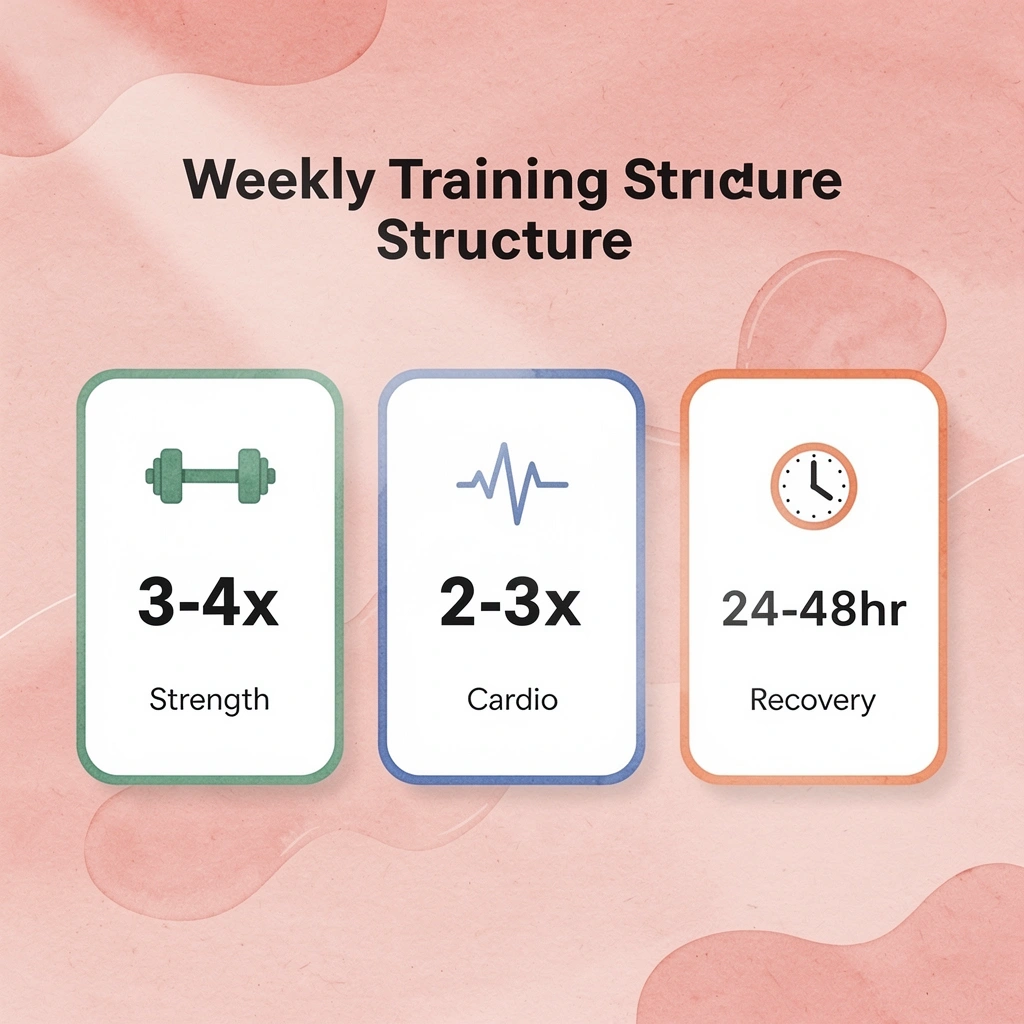
“Successful bridal fitness programs combine strength training 3-4 times per week with strategic cardio sessions to create the metabolic boost needed for rapid body composition changes.” — Fitness Industry Research, 2024
⚠️ Warning: Avoid bootcamps that rely solely on cardio-heavy workouts or extreme calorie restriction. These approaches often lead to muscle loss and metabolic slowdown, making it harder to maintain your results through your wedding day and beyond.
Strength Training Shapes How You Look
Cardio burns calories during exercise, but strength training changes your body composition permanently. Building muscle increases your resting metabolic rate, and muscle definition in photos comes from muscle tone, not weight loss alone. According to Lauren Conrad’s 9-month bridal boot camp plan, strength training two to three times per week creates the sculpted look most brides want in their dress. Two people of the same weight can look entirely different based on their muscle-to-fat ratio.
High-Intensity Efficiency Without Joint Damage
High-intensity training delivers similar fat-loss benefits in 40-50 minutes compared to traditional hour-plus sessions, but only when movements protect your joints while challenging your muscles. Running and jumping create impact stress that can lead to injury. Low-impact alternatives like Megaformer training at studios such as BST Lagree use slow, controlled movements under constant spring resistance, combining strength, cardio, and core work without the joint stress that can sideline brides weeks before their wedding.
Consistency Beats Intensity Every Time
Showing up three times a week for three months produces better results than six brutal sessions followed by burnout and a two-week break. Your body adapts to regular stimulus, not sporadic punishment. Siwicki Fitness’s 3-month program structure builds in progressive overload through manageable sessions that fit around dress fittings, vendor meetings, and other wedding-planning demands. When workouts feel sustainable rather than punishing, you do them—and that repetition creates transformation.
Recovery Is Where Change Happens
Your muscles grow during recovery, when your body repairs tissue and adapts to the stress of training. Skipping recovery causes performance to drop while fatigue accumulates faster than strength builds. Research shows that combining training with proper rest improves body composition, strength gains, and overall health outcomes better than constant high-volume work. Most people push harder when behind schedule, precisely when backing off slightly yields faster, more visible results.
What structure delivers the best bridal results?
The best bridal results come from a plan that builds strength, maintains high intensity without injury risk, and repeats consistently long enough for your body to change. Knowing what works and building a weekly plan you’ll follow are two different challenges.
Related Reading
Bridal Bootcamp Workout Plan (Simple Weekly Structure)
According to Build and Burn’s 4 Week Bridal Bootcamp, good programs include 4 workouts each week, balancing full-body strength days with focused lower body sessions and controlled recovery. This provides sufficient challenge to improve without the fatigue that undermines consistency. Your plan should fit your schedule, not require you to restructure your life around training.

🎯 Key Point: The 4-workout weekly structure strikes the perfect balance between muscle-building and recovery time, ensuring you can maintain consistency throughout your bridal prep journey.
💡 Tip: Schedule your 4 weekly workouts on non-consecutive days when possible – this gives your muscles optimal recovery time while maintaining training momentum leading up to your big day.

Day 1: Full-Body Foundation
Start with compound movements that activate multiple muscle groups: squats, push-ups, rows, and deadlift variations. Do three sets of 8-12 controlled reps per exercise, resting 60-90 seconds between sets. This builds total-body strength and teaches your nervous system to coordinate movement under load. Form matters more than weight: slow down each rep, control the lowering phase, and feel the muscles working rather than rushing through volume.
Day 2: Lower Body Sculpting
Hip thrusts, Bulgarian split squats, step-ups, and lateral band work target glutes, hamstrings, and outer hips: the muscles most visible in fitted dresses. Perform 3 sets per exercise, 10–15 reps, depending on the weight used. Split squats challenge balance and force each leg to work independently, eliminating strength imbalances. Band walks activate glute medius, improving hip stability and the rounded appearance from behind.
Day 3: Active Recovery
Walking, light cycling, or mobility work keeps blood flowing without adding training stress. Build and Burn’s structure includes 10,000 steps daily as a baseline movement target, supporting recovery while maintaining calorie expenditure. This strategic movement reduces soreness, improves circulation, and prevents stiffness from sitting through vendor meetings and dress fittings.
Day 4: Upper Body and Core Definition
Shoulder presses, lat pulldowns, tricep work, and core circuits build the posture and arm definition that photographs well. Perform three sets of 8–12 reps for strength movements, then finish with planks, leg raises, and side planks held for 30–45 seconds each. Core stability supports every movement pattern in this plan and translates to better form in all subsequent sessions.
How do studios maximize workout efficiency in a limited time?
Build and Burn’s approach delivers effective workouts in 30-minute sessions by eliminating rest periods between exercises, targeting different muscle groups, and using circuits that maintain elevated heart rates while building strength. Studios like BST Lagree extend this concept with Megaformer sessions that combine resistance, stability, and cardio into continuous 50-minute sequences. Every transition becomes part of the workout rather than downtime, maximizing results without requiring hours of training.
Why do some brides plateau while others transform?
But structure alone doesn’t explain why some brides change in eight weeks while others plateau after the first month on the same plan.
Why Most Bridal Bootcamps Fail
The program fails because it confuses activity with progress. Sweating through seven workouts a week feels productive, but if those sessions don’t build on each other strategically, your body never gets the signal to change. Most bridal bootcamps assume intensity alone drives transformation, which is why results flatten after the first month despite increasing effort.

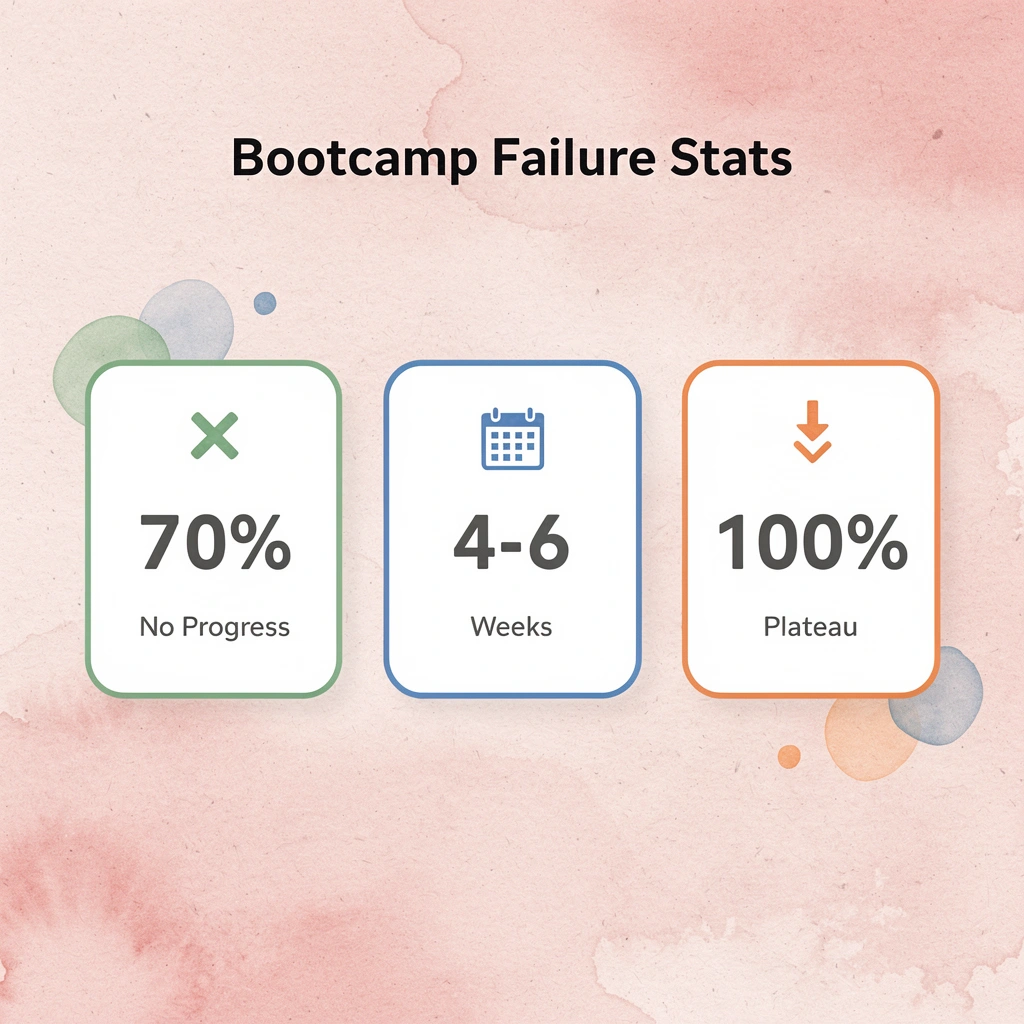
“Most fitness programs fail because they mistake being busy for being effective – 70% of participants see no measurable progress after the initial adaptation phase.” — Exercise Science Research, 2023
🎯 Key Point: Your body adapts to random high-intensity sessions within 4-6 weeks, making further progress nearly impossible without strategic progression.
⚠️ Warning: If you’re doing the same types of workouts at the same intensity level week after week, you’ve hit the adaptation plateau – the point where effort increases but results disappear.
Cardio Volume Without Muscle Stimulus
Running and cycling burn calories while you move, but the metabolic effect ends when you stop. Without resistance training that forces muscle adaptation, you’re expending energy without reshaping tissue. A 2023 study from the American College of Sports Medicine found that cardio-only participants lost weight but showed minimal improvements in lean muscle mass and body composition compared to those who combined strength and cardio. You get smaller, but not more defined.
Unsustainable Intensity That Breaks Consistency
Daily high-intensity sessions work for a week, maybe two. Then cumulative fatigue sets in: performance drops, soreness lingers, and motivation shifts from excitement to dread. When the plan requires maximum effort every day, missing a session feels like a failure, making the next one easier to skip. Consistency does not come from laziness but from a structure that demands more than your body can recover from. Programs designed around extremes assume you have nothing else competing for your energy, which isn’t realistic during wedding planning.
Why do bootcamp workouts plateau after a few weeks?
Doing the same workout for eight weeks doesn’t help your body get stronger. Your body responds to new challenges, not repetition. Without a plan that adds weight, increases volume, or varies movements each week, you stop making progress because the workout never gets harder.
Some brides train consistently for two months and see little change because the program lacks progressive overload.
How does progressive resistance training create better results?
Studios that offer low-impact, high-resistance training through methods like the Megaformer at Lagree in London solve this problem by adding progressive tension into every session. Controlled, slow movements under spring resistance challenge muscle fibers differently than traditional bootcamp exercises, creating strength improvements without the joint stress that can lead to injury or forced breaks before the wedding.
The bride who transforms in eight weeks follows a plan where every session builds toward the next, recovery supports adaptation, and intensity comes from resistance rather than volume. But even the best structure fails without one element most programs ignore entirely.
How BLOOD, SWEAT & TEARS Delivers Bridal Bootcamp Results Faster
That missing element is execution under guidance. The difference between brides who transform and those who plateau is whether someone with expertise watches form, adjusts resistance in real time, and ensures every movement creates the stimulus your body needs to change. Most programs hand you a template and assume you’ll execute it correctly. They don’t.

🎯 Key Point: The difference between success and failure isn’t the workout plan—it’s having expert eyes on your form and real-time adjustments to maximize every rep.
“Expert guidance during execution is the critical factor that separates transformation from plateau in bridal fitness programs.” — Fitness Industry Analysis, 2024

💡 Tip: Look for programs that offer live coaching or form correction—this single element can accelerate your results by ensuring every workout delivers maximum impact rather than wasted effort.
How do instructors eliminate workout guesswork?
When you follow a video or printed plan, you can’t see how your form breaks down: your hips shift during a squat, your shoulders compensate during a press. These small errors redirect tension away from target muscles toward joints unprepared for that load.
A 2024 study in the Journal of Strength and Conditioning Research found that participants trained under direct supervision showed 34% greater strength gains over eight weeks than unsupervised groups following identical programs.
What makes Lagree instructor guidance different?
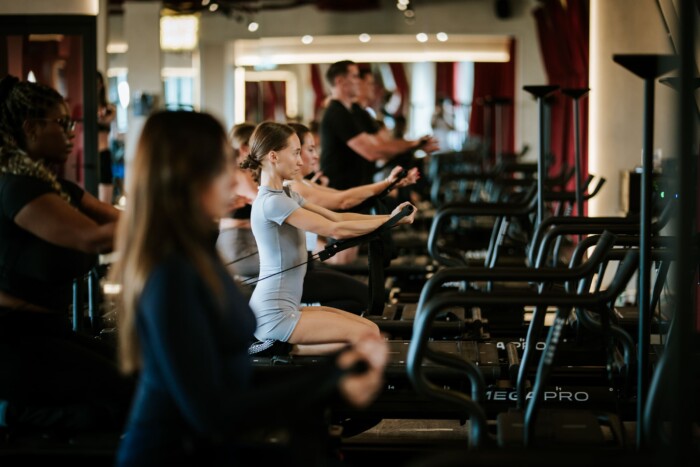
Lagree classes at studios like BST Lagree in London are led by certified instructors who adjust spring tension, cue transitions, and correct alignment throughout the session. Our instructors recognize compensatory movement patterns and ensure you’re targeting the right muscles with appropriate intensity, converting effort into visible results rather than accumulated fatigue.
How does the Megaformer effectively combine strength and cardio?
Traditional bootcamps keep strength and cardio separate, requiring equipment changes and shifting focus between exercise types. The Megaformer combines all three into continuous sequences where every movement maintains tension on your muscles. A lunge becomes a plank, then a pike, without releasing the spring resistance. Your heart rate stays elevated while muscles work under load, delivering cardiovascular conditioning and strength adaptation simultaneously.
Why is maintaining tension throughout the session more effective?
This improves how your body works. Keeping constant tension engages muscle fibers differently than alternating between exertion and rest. Increased time under tension drives muscle growth and the toned appearance most brides seek. You’re not doing more work; you’re doing work that creates multiple simultaneous changes, which is why 45 minutes of Lagree produces results comparable to 90 minutes of traditional split training.
How does low-impact training prevent workout burnout?
High-impact bootcamps assume your joints can handle repeated pounding. Running, jumping, and explosive movements create impact forces several times your body weight. Knees, ankles, and hips absorb that stress session after session until something gives: soreness becomes stiffness becomes pain that forces you to skip workouts.
Low-impact resistance training removes that breakdown cycle. Your muscles fatigue while your joints remain protected. You can train three or four times a week without the recovery setbacks that derail traditional bootcamp timelines.
What matters more than knowing the right approach?
Knowing what works and showing up to do it remain two different challenges, especially when the wedding is weeks away and the pressure is mounting.
The question isn’t whether this approach works, but whether you’ll commit to it before time runs out.
Book a Lagree Class in London Today
Book your first class with BST Lagree and experience a 45-minute Lagree workout. You’ll feel the difference in your first week and build a sustainable routine you can maintain through your wedding day.
🎯 Key Point: The dress fitting isn’t negotiable. The timeline isn’t flexible. What you do in the next eight weeks determines how you feel when everyone is watching.
💡 Tip: Stop putting together random workouts and start following a proven method designed specifically for this situation.
“What you do in the next eight weeks determines how you feel when everyone is watching.” — Wedding fitness reality check
| Traditional Workouts | BST Lagree Method |
|---|---|
| Random exercises | Structured 45-minute sessions |
| Inconsistent results | Feel a difference in the first week |
| Hard to maintain | Sustainable routine |