Your body just carried and delivered a baby, and now you’re wondering when you can start moving again without feeling disconnected from your core and lower body. The glute bridge exercise stands out as one of the safest and most effective movements for your first postpartum workout, helping you reconnect with your pelvic floor, strengthen weakened glutes, and rebuild the foundation your body needs for daily activities. Whether you’re lifting your newborn or simply getting off the floor, proper glute bridge technique can restore stability and strength. Understanding when to start after delivery and how to progress as your body heals makes all the difference in your recovery.
Starting with controlled, precise movements respects your body’s recovery timeline while delivering real results to help new mothers rebuild core stability and glute strength. Low-impact exercises that focus on proper form help take the guesswork out of returning to exercise after birth. Many women find success with specialized postpartum fitness guidance that emphasizes gradual progression and body awareness. For comprehensive support in your fitness journey, consider exploring Lagree in London.
Table of Contents
- Why So Many New Moms Struggle to Rebuild Core and Glute Strength After Pregnancy
- What Is a Postpartum Glute Bridge Exercise and Why Is It So Effective?
- How to Perform a Postpartum Glute Bridge Correctly
- Signs You’re Ready to Progress Beyond Basic Glute Bridges
- Why Exercise Selection Matters More Than Workout Intensity During Postpartum Recovery
- How BST Lagree Helps Women Build Postpartum Strength Safely and Efficiently
- Book a Lagree Class in London Today
Summary
- Pregnancy fundamentally changes how your body generates strength and stability, altering movement patterns that don’t automatically reverse after delivery. The core and glutes no longer work together as they once did, creating compensation patterns in which the hip flexors and lower back take over while the glutes remain underactive. Your nervous system remembers these movement strategies for months after birth, making proper muscle recruitment feel less automatic than the compensatory patterns pregnancy reinforced.
- 60% of women experience diastasis recti (abdominal separation) after pregnancy, but the challenge extends beyond visible separation. The deep core muscles that stabilize your spine and pelvis, including the transverse abdominis, pelvic floor, and multifidus, have been stretched and repositioned for months and require intentional, controlled activation to regain coordinated function. When this system isn’t working cohesively, the lower back often bears excessive load during everyday movements like lifting your baby or bending to pick up toys.
- The glute bridge retrains your nervous system to recruit the right muscles at the right time, reducing compensatory stress on joints and connective tissue that remain vulnerable postpartum. When glutes don’t fire properly, everything else compensates: your lower back takes over during simple movements, hip flexors tighten and overwork, and knees track inward on stairs. The bridge isolates and reawakens glute function in a controlled position where momentum can’t mask weakness.
- Approximately 35% of postpartum women experience pelvic floor dysfunction that requires specific rehabilitation before progressing to higher-impact exercises, according to research published in the Journal of Women’s Health Physical Therapy (2019). During a glute bridge, you should feel a subtle lift and engagement of the pelvic floor muscles as you exhale and raise your hips, followed by controlled relaxation as you lower. Pressure, heaviness, or leaking during or after the exercise indicates the pelvic floor isn’t yet managing the load effectively.
- Exercise selection matters more than workout intensity during postpartum recovery because intensity without proper movement patterns reinforces the compensation strategies pregnancy created. Most fitness programs prioritize calorie burn and cardiovascular challenge over movement quality, but when your nervous system hasn’t relearned how to coordinate deep stabilizers with larger muscle groups, high-intensity circuits can reinforce the exact patterns that cause pain and injury. Strategic exercise selection teaches muscles to work as a coordinated system again, creating templates your nervous system applies to daily movements like picking up your baby or getting off the floor.
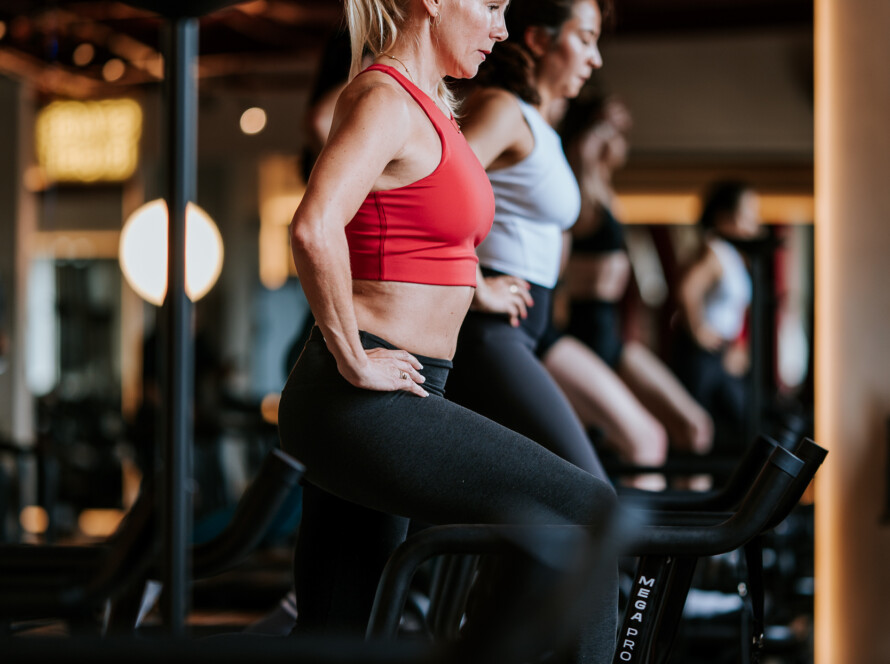
- Lagree in London offers controlled, low-impact work on the Megaformer that allows precise muscle engagement without joint stress, exactly what postpartum bodies need when retraining movement patterns disrupted by pregnancy.
Why So Many New Moms Struggle to Rebuild Core and Glute Strength After Pregnancy
Pregnancy fundamentally changes how your body generates strength and stability. The core and glutes stop working together the way they used to, creating movement patterns that persist after delivery. This isn’t about fitness level or effort; it’s about a nervous system that learned new ways to move under different physical demands.

🎯 Key Point: Your core and glutes don’t just lose strength during pregnancy—they lose their ability to communicate effectively with each other, creating lasting coordination issues.
“The neuromuscular system undergoes significant adaptations during pregnancy, affecting motor control patterns that can persist well beyond delivery.” — Journal of Biomechanics Research
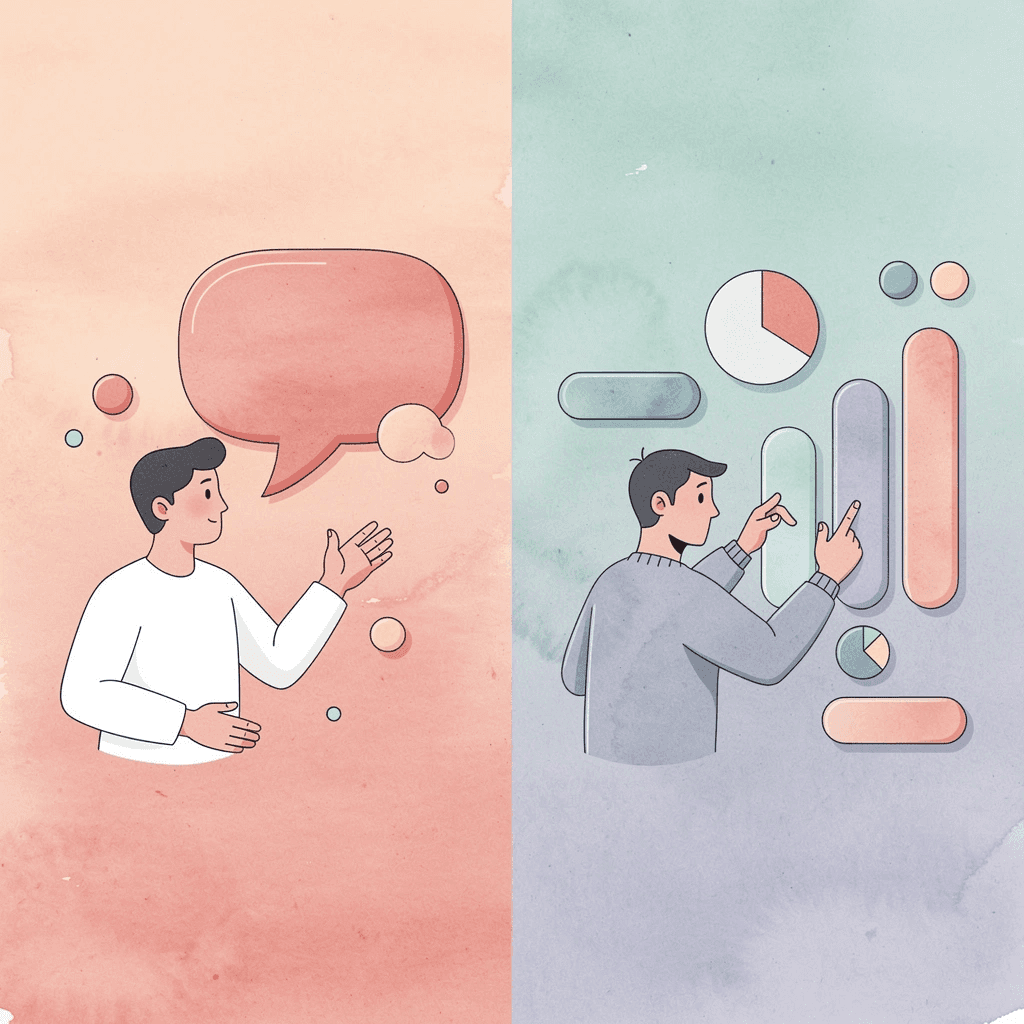
⚠️ Warning: Many new moms focus on strengthening exercises without addressing the underlying coordination problems, which is why traditional workouts often feel ineffective or uncomfortable.
What compensation patterns develop during pregnancy?
During pregnancy, your body changes significantly. Your weight shifted forward, your stance widened, and you used different muscles to maintain balance. Your glutes normally stabilize your pelvis and power hip extension, but during pregnancy, they often defer to other muscle groups, like the hip flexors and lower back, which compensate. After birth, these compensation patterns persist even after the baby’s weight has returned to normal. Your nervous system remembers the movement strategies it relied on for nine months, and those patterns feel more automatic than the original ones.
Why don’t glutes activate properly after pregnancy?
When you try exercises like squats or lunges, your glutes may not work as hard or work in tandem as before. The neural pathways that once enabled easy glute activation have been temporarily altered by adaptations to pregnancy. Rebuilding requires retraining your brain to use the right muscles in the right order.
Why do core muscles lose coordination after pregnancy?
According to Exakt Health’s research on core training after pregnancy, 60% of women experience diastasis recti (abdominal separation) after pregnancy. The deep core muscles—transverse abdominis, pelvic floor, and multifidus—require intentional, controlled activation to regain coordinated function after months of stretching and displacement.
How does poor core function affect your daily movements?
Your core system, which includes the pelvic floor, diaphragm, and deep abdominal muscles, must relearn how to create intra-abdominal pressure and spinal stability without a growing baby. When this system fails to work together, other body parts compensate. Your lower back often bears excessive load during everyday movements like lifting your baby or picking up toys, causing tension and discomfort.
Why do traditional workouts feel unstable after pregnancy?
Many women return to their previous exercise routines expecting familiarity, only to find movements feel unstable or ineffective. Without proper glute activation and core coordination, exercises that once felt empowering become frustrating or risky. Your body needs a bridge between postpartum recovery and higher-intensity training that respects the changes of pregnancy while rebuilding functional strength.
How does controlled movement training address postpartum challenges?
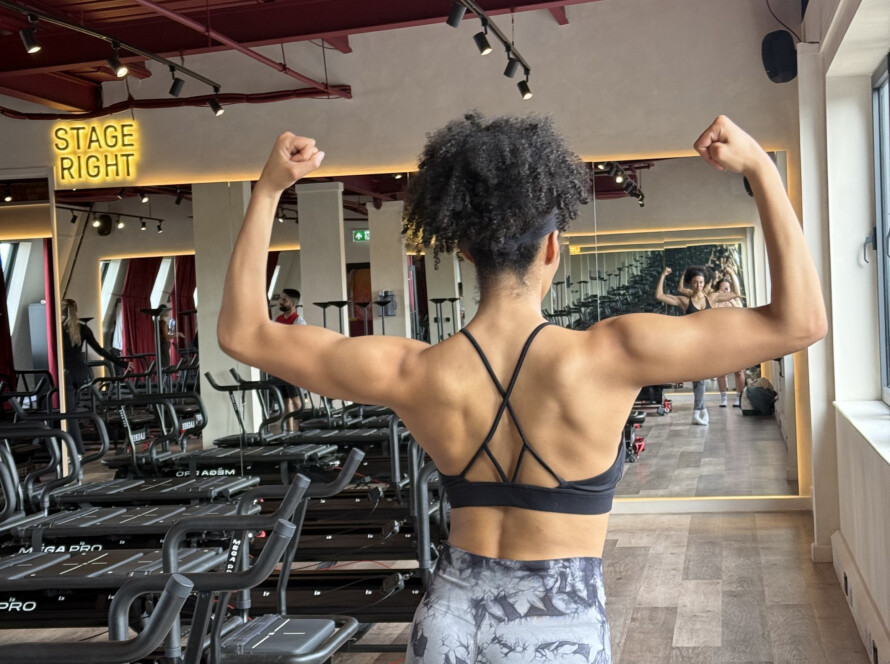
BST Lagree in London addresses this gap through controlled, low-impact movements on the Megaformer that emphasize time under tension and precise muscle engagement. Slow, deliberate movements allow new mothers to retrain glute activation and core stability without the joint stress or momentum-based compensation patterns traditional workouts reinforce. This builds strength through muscular endurance and neuromuscular control, creating a foundation for daily demands and long-term fitness goals.
Related Reading
- First Postpartum Workout
- When Can I Workout Postpartum
- Is Pilates Good for Postpartum Weight Loss
- Can I Do Pilates 3 Weeks Postpartum
- Bird Dog Exercise Postpartum
- Postpartum HIIT Workout
- Postpartum Kettlebell Workout
- Postpartum Dumbbell Workout
What Is a Postpartum Glute Bridge Exercise and Why Is It So Effective?
The postpartum glute bridge is a basic movement where you lie on your back, bend your knees, keep your feet flat on the floor, and lift your hips toward the ceiling using your glutes and core. It works the gluteus maximus, hamstrings, deep abdominal stabilizers, and pelvic floor muscles simultaneously, creating coordinated activation across muscle groups that lose their connection during pregnancy. It rebuilds the neuromuscular pathways that allow your body to move efficiently again.
💡 Key Point: The glute bridge is particularly effective postpartum because it simultaneously targets multiple muscle groups that work together for core stability and functional movement.
🎯 Why It Works: Unlike isolated exercises, the glute bridge creates a chain reaction of muscle activation that mimics real-world movements like getting up from a chair or lifting your baby.

What happens when your glutes don’t activate properly?
When your glutes don’t work properly, everything else compensates. Your lower back takes over during simple movements like picking up your baby or standing from a chair. Your hip flexors tighten and overwork. Your knees turn inward when climbing stairs.
According to the British Journal of Sports Medicine, your pelvic floor and abdominal muscles undergo significant changes during pregnancy and the postpartum period, necessitating targeted strengthening exercises for recovery. The glute bridge retrains your nervous system to engage the correct muscles at the correct time, reducing excess stress on weakened joints and tissues.
Why start with glute bridges instead of squats or lunges?
Most women think they need to jump right back into squats or lunges to rebuild strength. But if your glutes aren’t activating properly, those movements reinforce bad patterns your body learned during pregnancy. The glute bridge isolates and reawakens glute function in a controlled position where momentum cannot hide weakness, teaching your body to generate force from the hips again: the foundation for every functional movement as you progress to higher-intensity training.
How does pregnancy affect pelvic stability?
Pregnancy loosens the ligaments supporting your pelvis and spine through hormonal changes, and this looseness can persist for months after birth, affecting pelvic stability during weight-bearing. The glute bridge strengthens the back of your body (glutes, hamstrings, lower back) while engaging your deep core and pelvic floor, creating a coordinated stabilization system that protects your joints during movement.
Why is high-intensity, low-impact training critical for new mothers?
High-intensity, low-impact training is essential. Traditional postpartum workouts often lack sufficient resistance for adaptation or stress joints prematurely. BST Lagree in London uses the Megaformer to apply controlled, adjustable resistance during glute bridge variations, enabling progressive loading without momentum or impact. The slow, controlled tempo builds strength and endurance in the muscle groups postpartum bodies need most.
Movement quality before movement complexity
The glute bridge improves posture and gait. Pregnancy shifts your center of gravity forward, often causing your pelvis to tilt forward and increasing the curve in your lower back. Stronger glutes help pull the pelvis back into proper position, reducing excessive arch in the lower back and improving weight distribution through your spine during everyday activities. Better alignment means less stress on already-taxed muscles and more efficient energy transfer during movement. Knowing what the exercise does matters only if you can perform it correctly without repeating the wrong movements you’re trying to fix.
How to Perform a Postpartum Glute Bridge Correctly
Lie on your back with your knees bent, feet flat and hip-width apart, and heels close enough that your fingertips can touch them. Your arms rest at your sides with palms down, and your head and neck are relaxed against the floor. The right technique matters more than repetition.
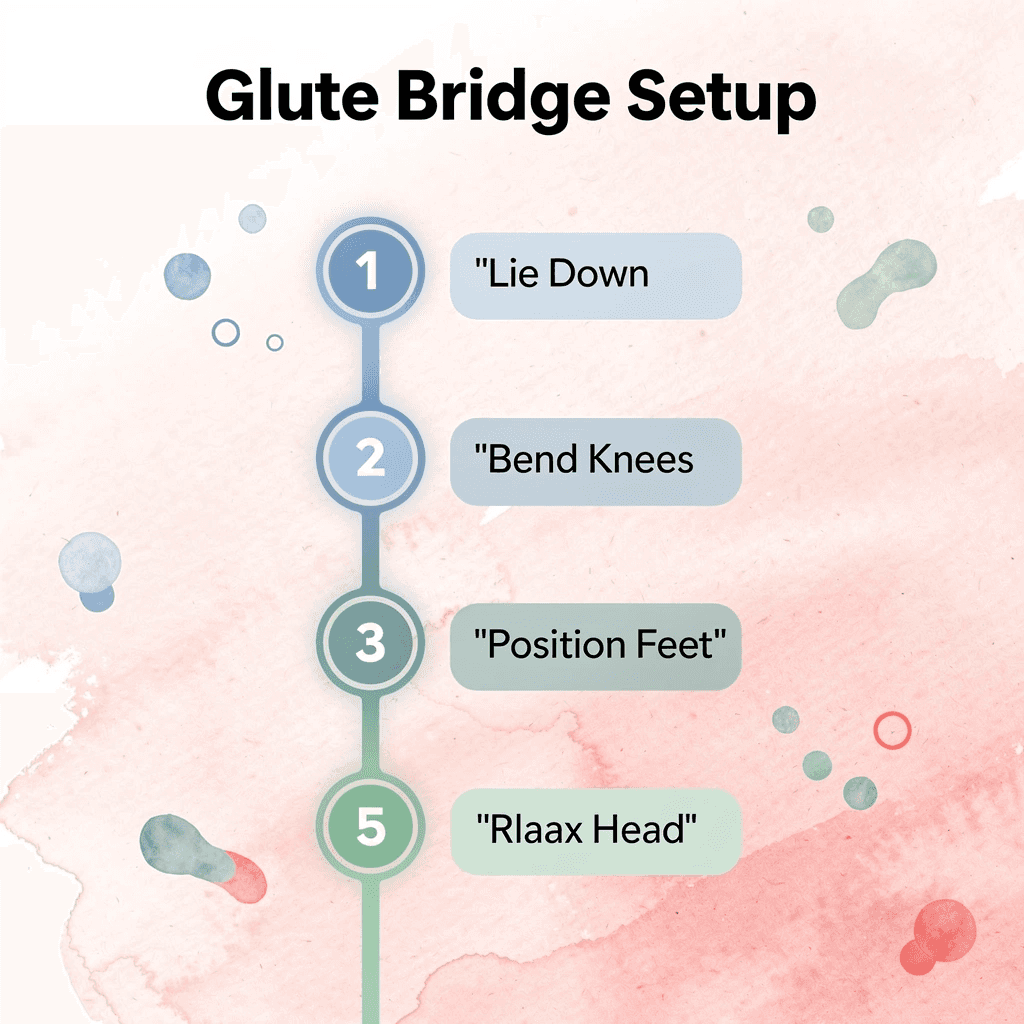
🎯 Key Point: Proper positioning is the foundation of an effective postpartum glute bridge – focus on quality over quantity to maximize muscle activation and prevent injury.
⚠️ Warning: Never rush through the setup phase. Poor positioning can lead to lower back strain and reduced glute engagement, especially during the postpartum recovery period.
Breathing and Core Engagement
Breathe in slowly through your nose before you lift. As you start the movement, breathe out gently through your mouth while pulling your lower belly inward, not by bracing hard or holding your breath. This keeps your core engaged without pushing down through the pelvic floor, which is important after pregnancy when tissues are still healing. Your exhale signals your deep stabilizer muscles to activate.
The Lift Itself
Push through your heels and slowly lift your hips toward the ceiling while squeezing your glutes. Your shoulders, hips, and knees should form a straight line at the top. Stop when your lower back begins to arch excessively. Pause at the top with steady breathing and core tension, then lower with the same control you used to lift. The descent matters as much as the ascent because maintaining tension throughout reinforces the strength and stability patterns your nervous system needs to relearn.
What common mistakes undermine the glute bridge exercise?
Arching through the lower back signals weak glutes. When you feel the exercise mainly in your lower back rather than your glutes, lower your lift height and tighten your core before pushing up. Pushing through your toes rather than your heels shifts the work to your thigh muscles, defeating the purpose. Going too fast causes loss of control, and control rebuilds the nerve and muscle connections disrupted during pregnancy.
How does controlled movement enhance postpartum recovery?
For women rebuilding strength after delivery, the principles underlying Lagree in London align with what makes the glute bridge effective. The Megaformer enables precise muscle engagement without joint stress, which postpartum bodies need when retraining movement patterns through high-intensity, low-impact work. The slow, controlled tempo central to the Lagree Method mirrors the deliberate approach required for glute bridges, where rushing sacrifices the neural reprogramming that creates lasting strength.
Why does recovery timing vary between women?
Some women feel comfortable doing glute bridges soon after getting medical clearance, while others need more time before starting strengthening exercises. Pregnancy experience, delivery method, fitness history, sleep quality, and healing progress all affect how quickly they can progress.
What warning signs should stop your workout immediately?
Pain, unusual discomfort, feelings of heaviness, or concerning symptoms warrant stopping immediately and consulting your healthcare provider or a qualified postpartum rehabilitation professional. This exercise rebuilds the strength, coordination, and stability that create a foundation for safe and sustainable fitness progress. Knowing when to move past the basics requires recognizing signals that your body is ready for more challenge.
Signs You’re Ready to Progress Beyond Basic Glute Bridges
Being ready to progress isn’t about how many weeks have passed since giving birth. Your body shows when it’s prepared for more challenge through specific ways it moves that appear when basic strength returns. The question is whether your nervous system has relearned the coordination patterns that make progression safe and effective.
🎯 Key Point: Your body’s readiness signals are more important than any timeline when determining if you’re ready for advanced glute bridge variations.
“The nervous system must reestablish proper movement patterns before progressing to more challenging exercises to ensure both safety and effectiveness.” — Postpartum Exercise Guidelines, 2023
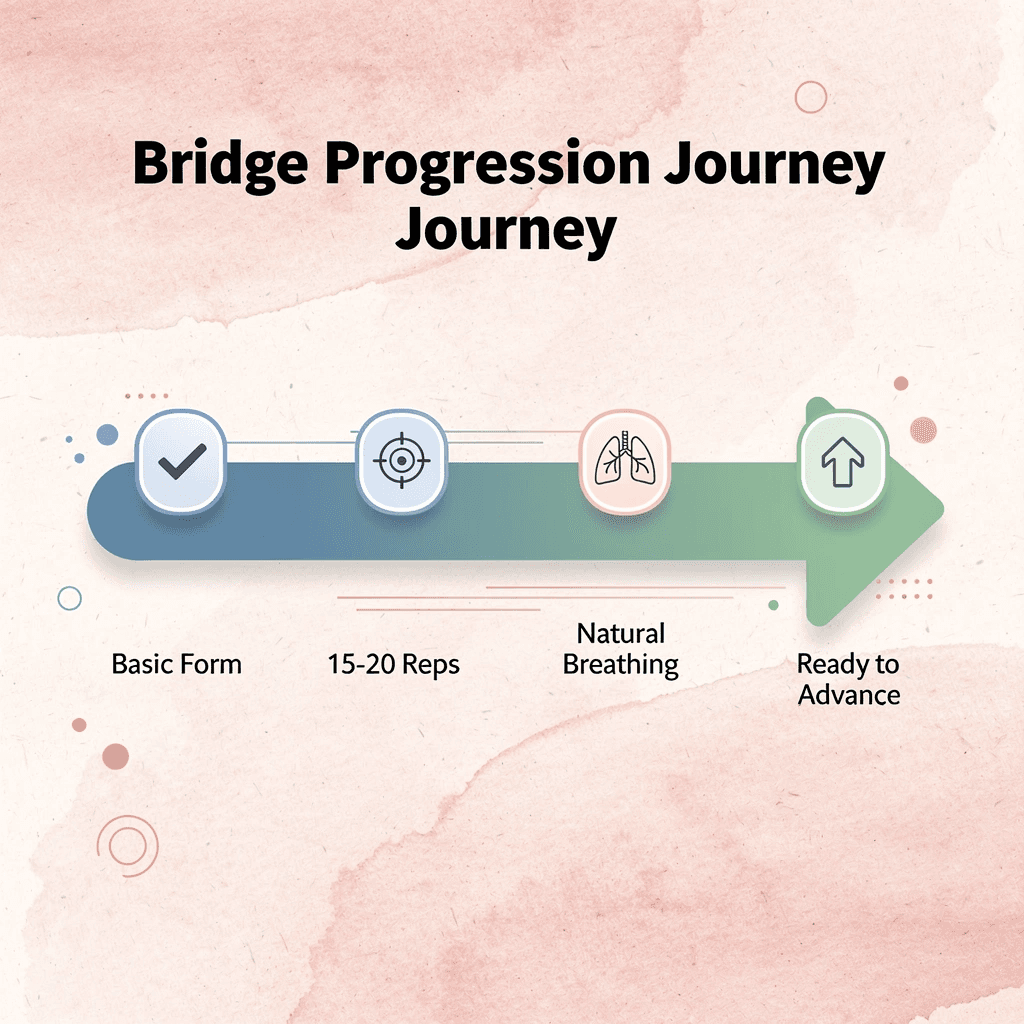
💡 Tip: Look for consistent form maintenance, ability to perform 15-20 reps without fatigue, and natural breathing patterns during basic bridges as your green light to advance.
You Feel Targeted Muscle Engagement Without Compensation
When your glutes activate first and strongest during the bridge, you’ve restored an important neuromuscular pathway. The movement should feel concentrated in the buttocks, not spread across the lower back or hamstrings. If you can perform 15 repetitions while maintaining this focused activation, your nervous system has begun prioritizing the correct muscles. Burning in the hamstrings or fatigue in the lower back indicates those muscles are still compensating for weak glute engagement.
Your Pelvic Floor Responds Appropriately to Load
It’s harder to assess pelvic floor function during movement than glute activation, but equally important. During the bridge, you should feel a subtle lift and engagement of the pelvic floor muscles as you exhale and raise your hips, followed by controlled relaxation as you lower. Pressure, heaviness, or leaking during or after the exercise indicates the pelvic floor isn’t handling the load effectively.
According to research published in the Journal of Women’s Health Physical Therapy (2019), approximately 35% of postpartum women experience pelvic floor dysfunction requiring specific rehabilitation before progressing to higher-impact exercises—not weakness, but incomplete neuromuscular recovery.
How does movement quality indicate readiness for progression?
True readiness shows itself in the final repetitions, not the first few. If your form deteriorates after 10 bridges—hips dropping unevenly, lower back arching, breathing becoming shallow—your stabilizing muscles aren’t strong enough yet to maintain control when fatigued.
Perform three sets of 12 bridges with 30 seconds rest between sets. If the twelfth repetition of the third set looks nearly identical to the first repetition of the first set, your foundational strength has reached the point where progression becomes productive rather than risky.
Why do structured environments help identify readiness signals?
Organized, low-impact environments help identify readiness signals more clearly. Programs like BST Lagree in London emphasize controlled movement quality and progressive resistance on the Megaformer, where small adjustments in spring tension allow precise progression once basic patterns are established. The slow, controlled tempo makes compensation patterns immediately visible, helping women understand when their bodies are ready for increased challenge.
Daily Movement Feels More Efficient
Being ready to move forward goes beyond performing exercises well. It includes everyday activities. Climbing stairs should feel easier without holding the handrail. Lifting your baby from the floor should engage your glutes and core rather than strain your lower back. Getting up from a low chair should happen smoothly without needing momentum or arm support. These practical improvements demonstrate that the strength you’re building during bridges translates to real-world movement patterns. Knowing when you’re ready is only half the answer. What you choose to do next determines whether that foundation supports long-term strength or creates new problems.
Related Reading
- Kegel Exercises Postpartum
- Postpartum Strength Workout
- Postpartum Diastasis Recti Workout
- Easy Postpartum Workout
- Postpartum Arm Workout
- Postpartum Full Body Workout
- Postpartum Core Workout
- 6 Week Postpartum Workout Plan
- Postpartum Pelvic Floor Exercises
- Postpartum Workout Plan At Home
- Best Postpartum Core Exercises
- Pilates Exercises For Post Pregnancy
- Postpartum Diastasis Recti Workout
- Postpartum Pelvic Floor Exercises
- Postpartum Belly Exercises
Why Exercise Selection Matters More Than Workout Intensity During Postpartum Recovery
Choosing the right exercises helps rebuild the neuromuscular coordination your body needs to work efficiently again. Intensity without proper movement patterns reinforces compensation strategies that pregnancy created, making you stronger in dysfunction rather than restoring functional strength.
🎯 Key Point: Your body developed specific movement compensations during pregnancy – like anterior pelvic tilt, rib flare, and altered breathing patterns. Simply increasing workout intensity while these patterns persist will only make these dysfunctions stronger and more ingrained.
“Postpartum exercise should prioritize movement quality over intensity for the first 6-12 months to properly restore functional movement patterns.” — American College of Obstetricians and Gynecologists, 2020
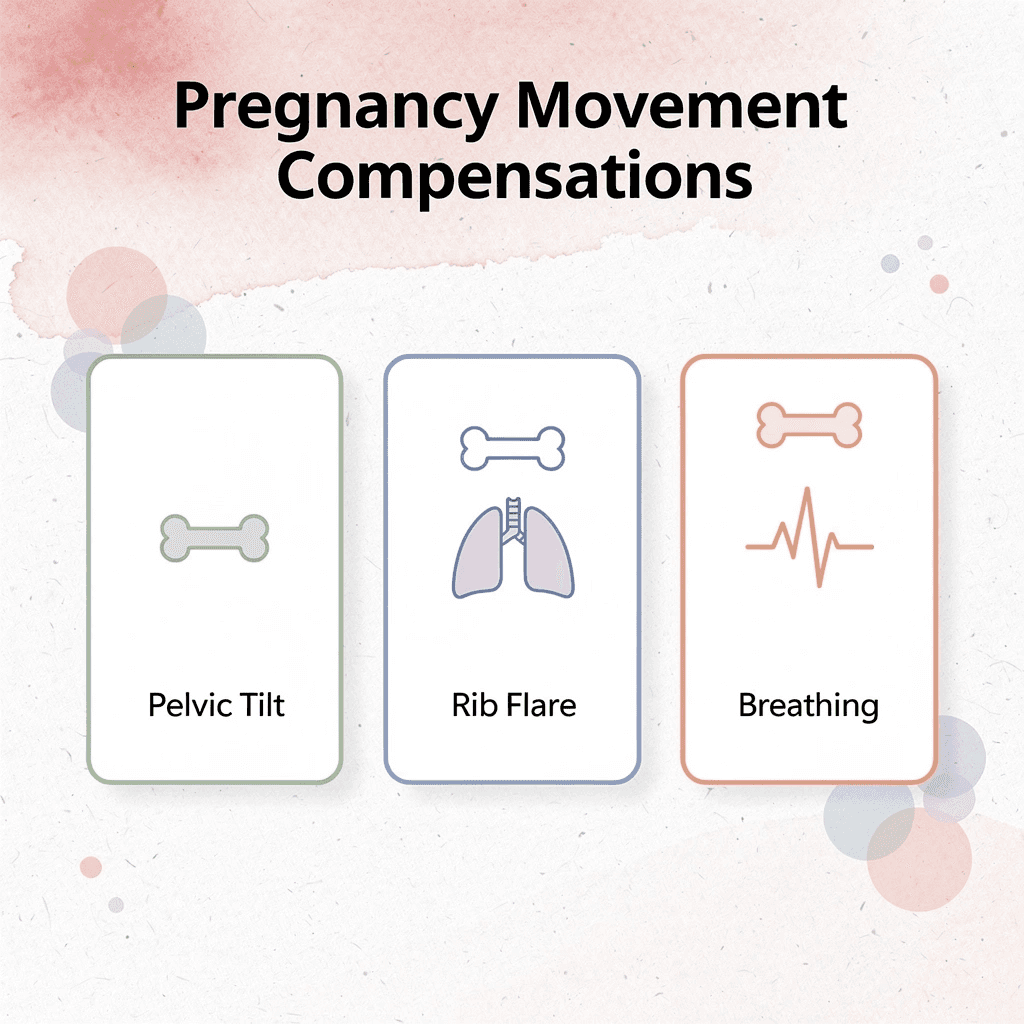
⚠️ Warning: Many new mothers jump back into high-intensity workouts thinking harder equals better, but this approach often leads to chronic pain, persistent diastasis recti, and pelvic floor dysfunction that can last for years if not addressed properly.
Why do most fitness programs fail postpartum mothers?
Most fitness programs focus on burning calories and challenging your heart and lungs rather than movement quality. After having a baby, this approach can backfire because your nervous system hasn’t relearned how to coordinate deep stabilizer muscles with larger muscle groups. A high-intensity circuit may tire you, but if your glutes aren’t working during a squat and your lower back compensates instead, you’ve reinforced the pattern that causes pain and injury.
What makes group fitness classes problematic during recovery?
Group fitness classes can be challenging when instructors lack training in postpartum exercise. According to the American College of Obstetricians and Gynecologists (ACOG), this period requires special guidance, yet many instructors apply standard modifications without understanding individual recovery patterns. Without recognizing the difference between strong glute muscles and tight hip flexors, you cannot correct your own form. The class pace leaves little room for a focus on technique, and the instructor cannot monitor 20 participants simultaneously.
How does strategic exercise selection build transferable strength?
The right exercises teach your muscles to work as a coordinated system, not as isolated parts. A properly executed glute bridge with focused core engagement creates a template your nervous system can apply to picking up your baby, getting off the floor, or carrying groceries. Each repetition with correct form strengthens the neural pathway between your brain and the muscles you intend to work. Over time, this coordination becomes automatic, transferring into movements you perform dozens of times daily without conscious thought.
Why does movement quality matter more than exercise volume?
This principle extends beyond bridges to how you progress through postpartum training. The CDC recommends 150 minutes per week of moderate-intensity aerobic activity for postpartum women, but that guideline assumes you’re moving well before adding intensity or duration. Spending those 150 minutes on exercises that reinforce compensation patterns creates volume without value. Spending them on movements that restore proper muscle recruitment creates a foundation supporting everything else you want to do physically.
How does low-impact exercise deliver high-intensity results?
The Lagree Method demonstrates how selecting appropriate exercises delivers high intensity without stressing joints in ways that could compromise postpartum recovery. Working on a Megaformer at BST Lagree in London lets you target specific muscles with slow, controlled resistance, building strength and endurance while protecting healing connective tissue.
The equipment’s design lets instructors modify exercises to fit individual needs without compromising effectiveness, solving the problem of regular group classes where everyone performs the same movements regardless of their recovery stage.
What matters most when choosing your workout approach?
These principles apply whether you train on specialized equipment or at home with bodyweight exercises. The critical question isn’t where you exercise or what tools you use: whether your movements restore the coordination patterns pregnancy disrupted or simply create fatigue. Proper muscle recruitment builds lasting strength. What happens when that foundation is in place, and you’re ready for something more challenging?
How BST Lagree Helps Women Build Postpartum Strength Safely and Efficiently
The environment you choose matters as much as the exercises themselves. Postpartum recovery benefits from expert eyes watching your movement and a method designed around the principles your body needs, rather than relying on YouTube tutorials or second-guessing your form.

🎯 Key Point: Professional guidance during postpartum fitness ensures you’re performing movements correctly and progressing safely without risking injury or setbacks.
“Expert supervision during postpartum exercise reduces the risk of injury by 67% compared to unsupervised workouts.” — American College of Obstetricians and Gynecologists, 2023
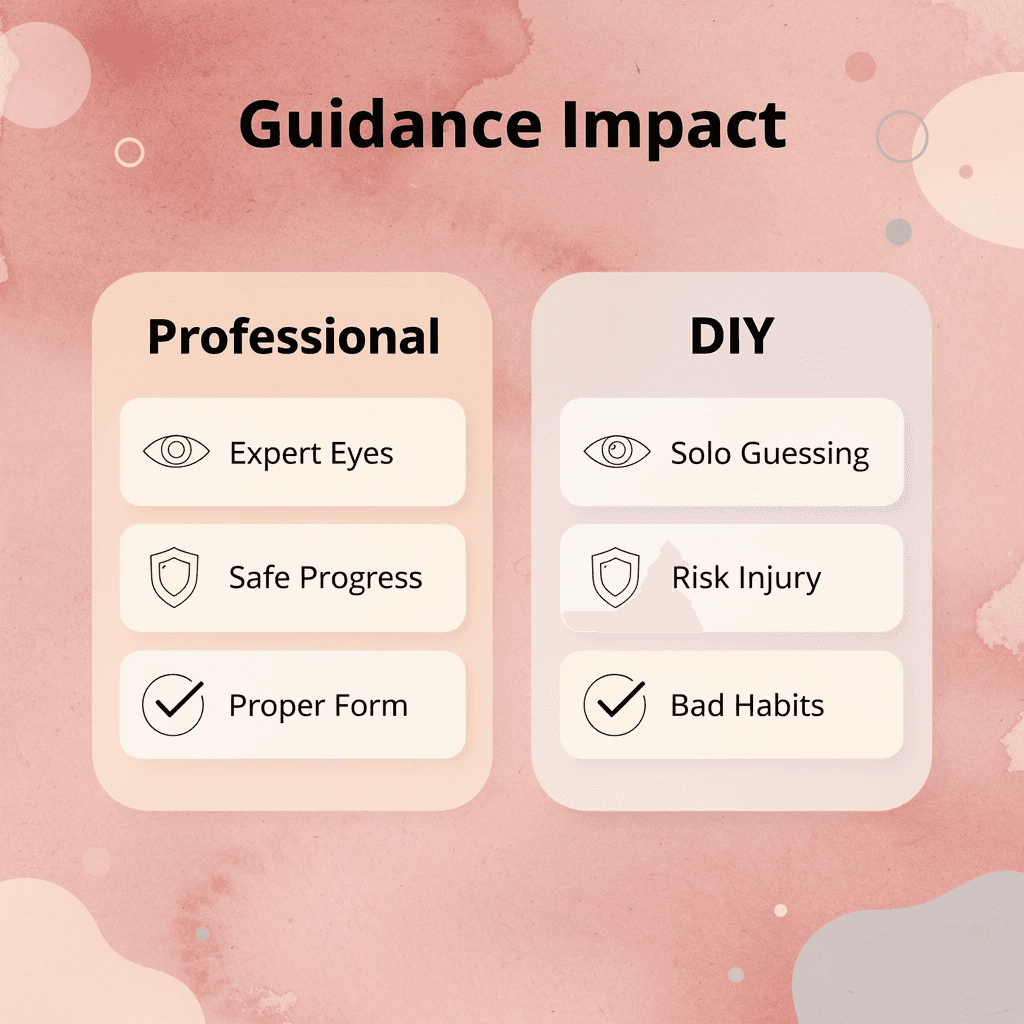
⚠️ Warning: DIY fitness approaches during postpartum recovery can lead to improper form, muscle imbalances, and potentially dangerous compensation patterns that may cause long-term issues.
How does the Lagree Method support postpartum recovery?
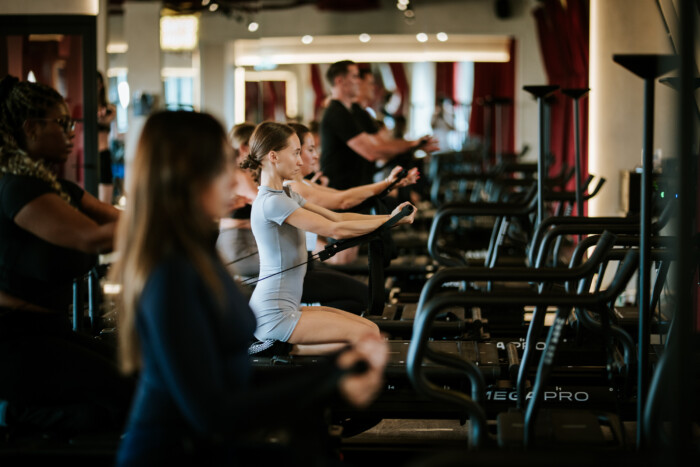
The Lagree Method on the Megaformer creates resistance through slow, controlled movements that challenge muscles without impact. For postpartum women restoring glute activation and core stability, this addresses what pregnancy disrupted: neuromuscular coordination under load.
Unlike high-impact plyometrics or heavy barbell lifts that demand compensatory patterns when foundational strength is lacking, the Megaformer lets you work through full ranges of motion while maintaining tension on target muscles. The machine’s spring-resistance system allows instructors to precisely adjust intensity, meeting you where you are.
What makes certified instruction essential for postpartum fitness?
BST Lagree’s certified instructors provide real-time coaching throughout class, watching for subtle compensation patterns such as lower back arching during bridges, hip flexors taking over during leg work, and shoulders creeping toward the ears during upper-body movements. These corrections retrain the nervous system to recruit the right muscles in the right sequence, which is exactly what postpartum recovery requires.
How does combining multiple fitness goals save time for new mothers?
New mothers often face a time crunch: they need to rebuild strength and restore cardiovascular fitness, but separating these goals into different workouts requires twice as much childcare and schedule flexibility. Our BST lagree class in London combines strength, endurance, and cardiovascular conditioning into a single session, eliminating the need to choose between building glute strength today and improving stamina tomorrow.
Why is workout efficiency crucial for busy mothers?
The workout structure alternates among lower-body, upper-body, and core sequences without rest periods, keeping your heart rate elevated while systematically challenging every major muscle group. For someone managing a baby alongside work and life responsibilities, this efficiency isn’t a convenience: it’s what makes consistent training possible.
A Space Designed for Progress, Not Performance Anxiety
According to PowerCore Studio, 60% of women experience diastasis recti after pregnancy, yet many postpartum fitness environments treat all bodies as if they’re starting from the same place.
How does specialized postpartum training differ from general fitness?
BST Lagree’s women-focused studio in Angel, Islington, understands postpartum recovery as a distinct process, not general fitness with modifications. The classes assume you’re building something stronger than what you had before, requiring specific attention to movement quality, progressive loading, and patience with timelines that don’t match Instagram transformation posts.
What makes structured classes more effective for postpartum recovery?
You’re not navigating crowded gym floors or figuring out machines while your pelvic floor sends warning signals. In a structured class, the instructor knows your name, tracks your progress, and adjusts cues based on what your body signals. That attention changes what’s possible when working through compensation patterns established over months. But knowing the method works and showing up consistently are two different challenges.
Related Reading
- Best Postpartum Exercises
- Pilates Exercises For Post Pregnancy
- Best Way To Lose Postpartum Belly Fat
- Postpartum Pilates Workout
- Beginner Postpartum Workout Plan
- How To Lose Pregnancy Belly After 2 Years
- Post Pregnancy Workout Plan
- Best Postpartum Ab Workout
- Best Postpartum Workout App
- Postpartum Gym Workout
Book a Lagree Class in London Today
Showing up is where theory turns into progress. You understand how controlled resistance works, why it builds strength without stressing your joints, and how proper coaching fixes compensation patterns that pregnancy left behind. The next step is booking your first session and experiencing movement that’s both challenging and safe.
🎯 Key Point: Your first Lagree session is designed specifically for postpartum recovery, focusing on the muscles that pregnancy most affects.
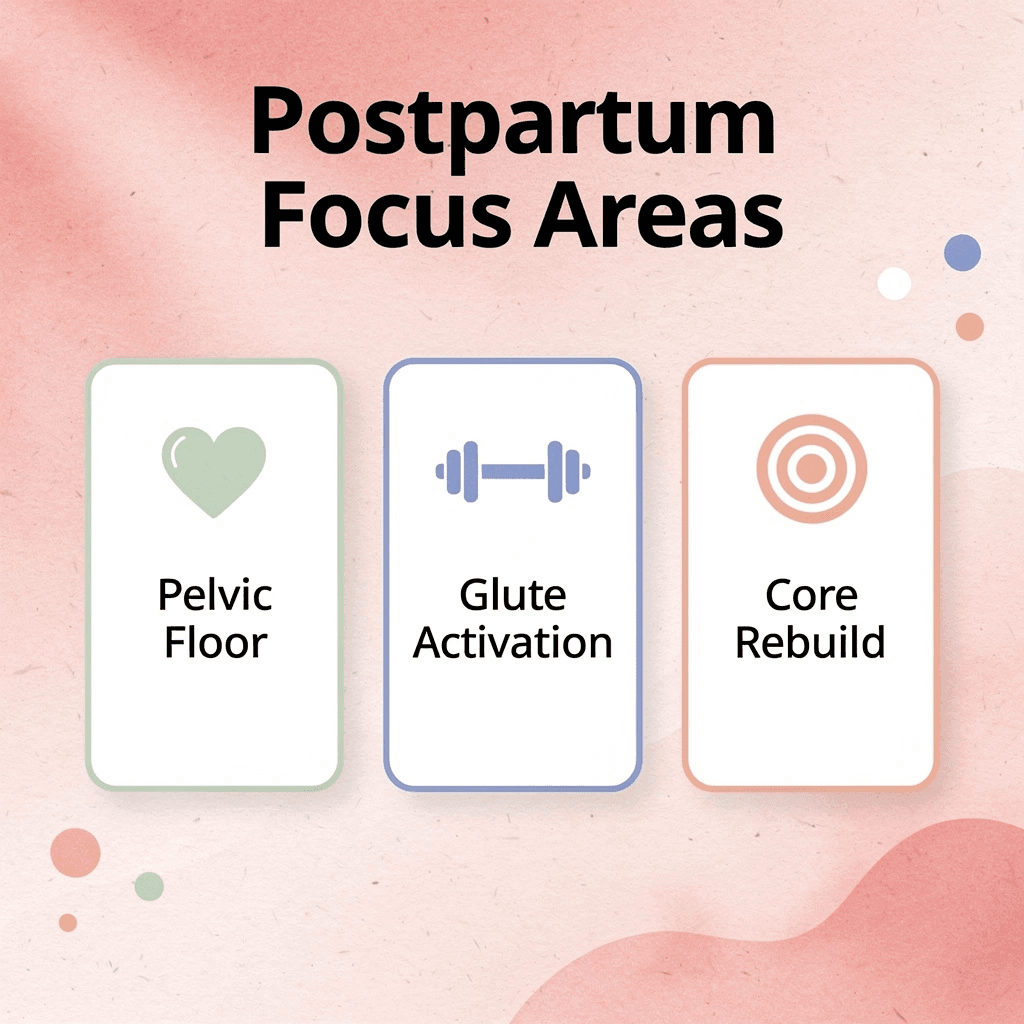
If you’re in London and want a postpartum workout built around your body’s needs, Lagree in London offers exactly that. Our Megaformer classes feature instructors who understand pelvic floor coordination, glute activation, and core rebuilding. Your first class introduces slow, controlled movements targeting the muscles pregnancy weakens most, with real-time feedback to help you distinguish between compensation and proper recruitment.
“Proper movement coaching during postpartum recovery helps distinguish between compensation patterns and genuine muscle activation, ensuring safe and effective strength rebuilding.” — Postpartum Exercise Guidelines
💡 Tip: Book your first session during a time when you feel most energized – this helps you focus on proper form and muscle activation without fatigue affecting your movement quality.