Your body just created life, and now you’re wondering when and how to safely move again. That first postpartum workout can feel overwhelming when you’re dealing with recovery, sleep deprivation, and a completely different body than the one you remember. Easy postpartum workout strategies focus on rebuilding strength safely, with practical guidance on pelvic floor health, core restoration, and gentle movement patterns to support your healing journey. The key lies in choosing exercises that work with your body’s recovery process rather than against it.
Low-impact, controlled movements offer the most effective approach for postpartum recovery because they strengthen deep core muscles and the pelvic floor without jarring impact. These targeted exercises allow you to regain strength at your own pace while focusing on proper form and gradual progression. Finding the right guidance during this transition makes all the difference in building a sustainable foundation for long-term fitness. For expert support in this journey, consider exploring Lagree in London for specialized postpartum training.
Table of Contents
- Why Many Postpartum Workout Plans Fail New Moms
- What Makes a Postpartum Workout Safe and Effective?
- An Easy Postpartum Workout Routine to Start With
- Common Mistakes That Can Slow Postpartum Recovery
- Signs You’re Ready to Progress Beyond Beginner Postpartum Workouts
- How BST Lagree Helps Women Rebuild Strength After Pregnancy
- Book a Lagree Class in London Today
Summary
- Research from Cleveland Clinic indicates that diastasis recti affects up to 60% of women six weeks postpartum, yet many workout programs skip core assessment and jump straight into crunches or planks. Similarly, the NHS reports that up to one in three women experience urinary incontinence after childbirth, making pelvic floor rehabilitation essential before returning to high-impact exercise. These statistics reveal that most postpartum bodies need foundational repair work rather than aggressive calorie-burning routines.
- The CDC recommends 150 minutes per week of moderate-intensity aerobic activity for postpartum women when medically appropriate, but this guideline only works when paired with proper progression. Low-impact movement protects recovering tissue while still allowing cardiovascular and strength gains. The distinction between high-intensity training and high-impact training is critical here: controlled resistance can challenge muscles deeply without the joint stress or pelvic floor pressure associated with running or jumping.
- Parents of newborns frequently lose multiple hours of sleep per night, according to the National Sleep Foundation, which directly affects physical recovery and the body’s ability to adapt to exercise stress. Sleep deprivation combined with unpredictable newborn schedules makes hour-long workout programs unsustainable for most new mothers. Effective postpartum fitness must account for limited time windows and fluctuating energy levels rather than demanding strict adherence to lengthy sessions.
- Postpartum women who demonstrated improved cardiovascular endurance within the first three months showed significantly better adherence to long-term exercise programs, according to research published in the Journal of Physical Therapy Science (2019). This finding suggests that early, consistent movement builds both physical capacity and psychological momentum. The key is to match exercise intensity to current recovery status rather than force progression based on calendar timelines.
- Stanford Medicine News Center reports that 1 in 7 women experience postpartum depression, adding complexity to physical recovery that isn’t visible in social media transformation posts. Comparing your recovery timeline to others ignores individual factors like delivery complications, core separation severity, available support systems, and mental health status. Progress measured against your own starting point provides the only meaningful feedback during this phase.
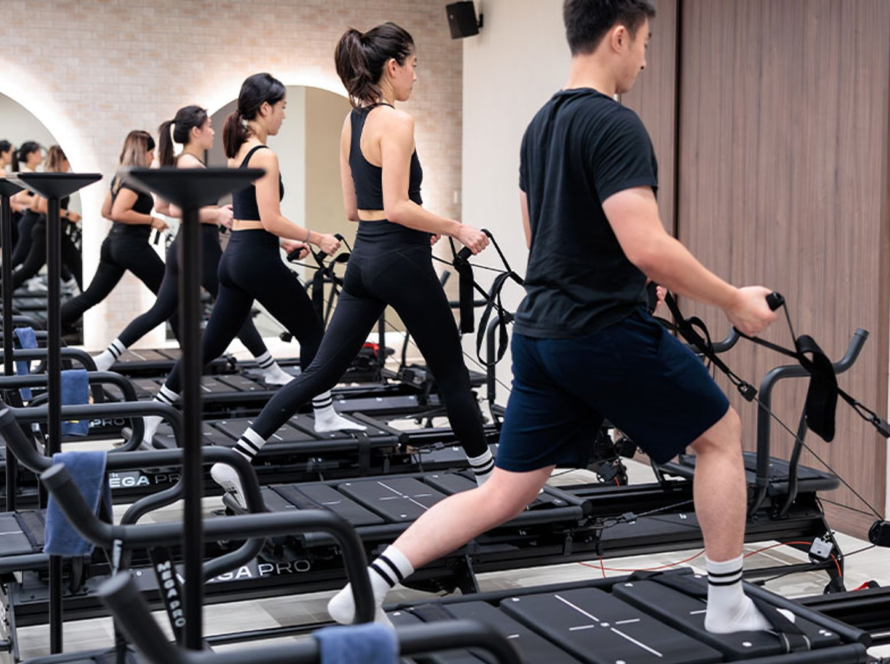
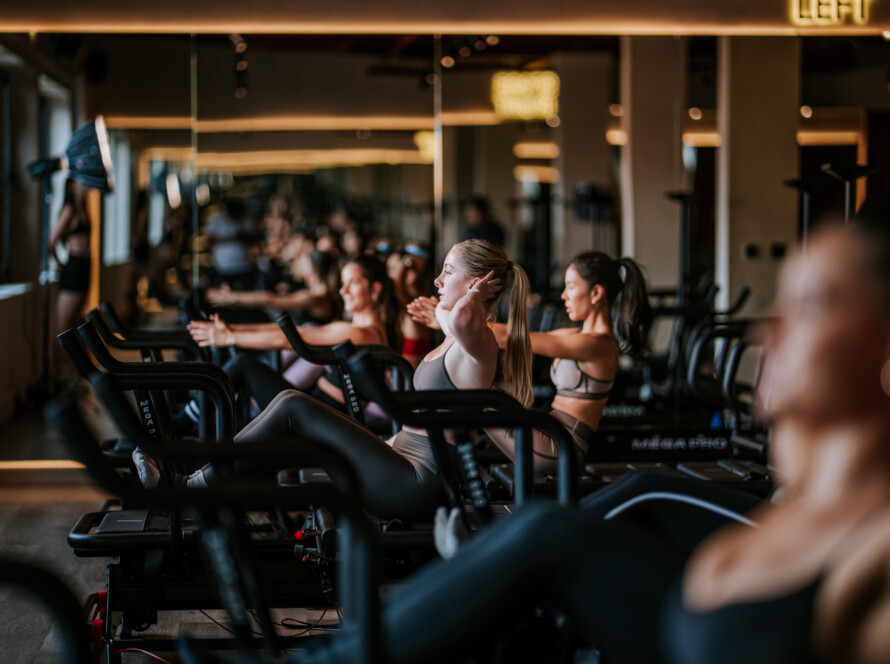
- Lagree in London addresses this transition by offering high-intensity strength work through slow, controlled resistance on the Megaformer, which challenges recovering muscles without the impact stress of traditional cardio or the time commitment of lengthy gym sessions.
Why Many Postpartum Workout Plans Fail New Moms
Most postpartum fitness programs fail because they’re designed for bodies that aren’t recovering from nine months of major physical change. They prioritize visible results over functional healing, pushing women toward calorie-burning intensity before addressing the foundational strength their bodies need. The problem isn’t motivation or discipline—it’s expectations misaligned with postpartum recovery.

🎯 Key Point: Postpartum bodies require fundamentally different approaches than standard fitness programs, prioritizing recovery and functional movement over immediate aesthetic results.
“The postpartum period involves significant physiological changes that can last 12+ months, yet most fitness programs treat new mothers like they should return to pre-pregnancy intensity within 6-8 weeks.” — American College of Obstetricians and Gynecologists
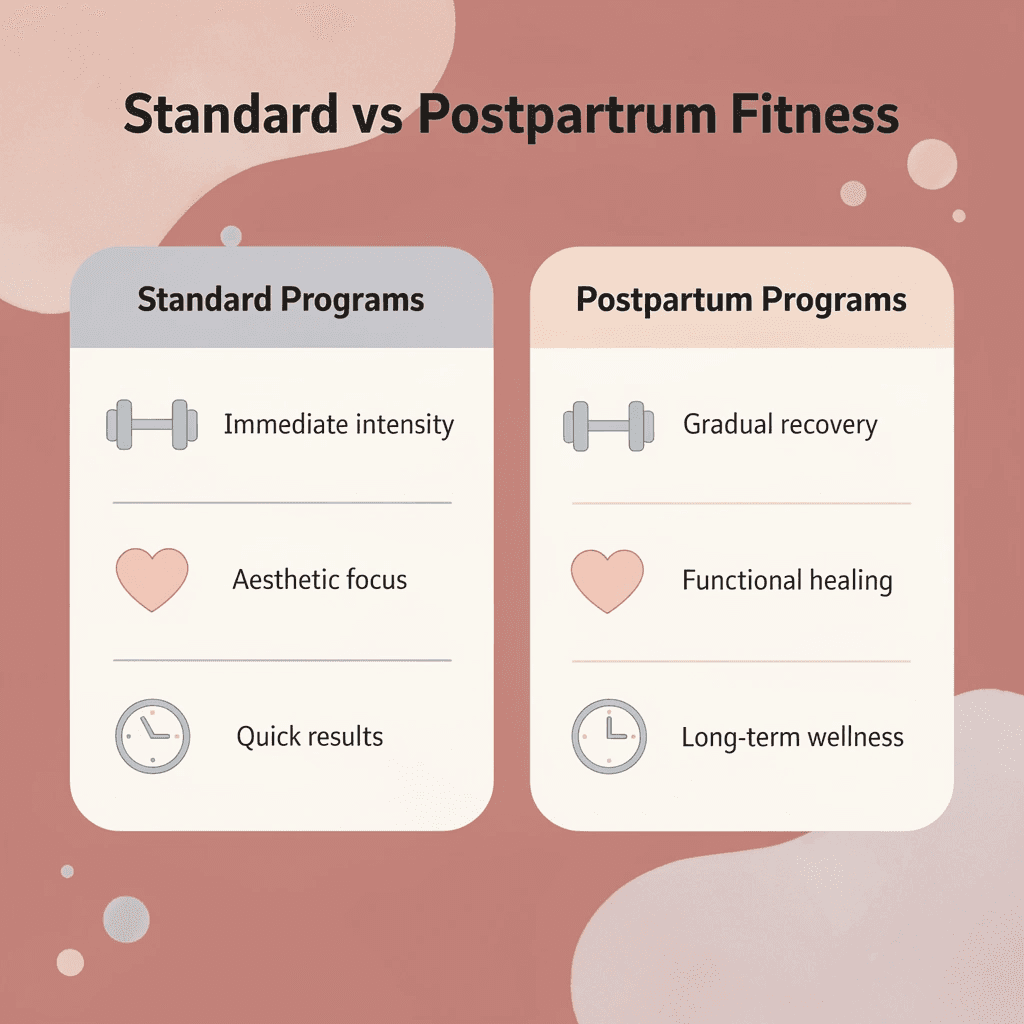
⚠️ Warning: Jumping into high-intensity workouts too early can actually delay recovery and increase the risk of injury or long-term complications like diastasis recti or pelvic floor dysfunction.
Why does the bounce-back narrative create problems?
Social media accelerates transformation stories. Fitness influencers post pictures of six-week postpartum abs, and comments about “getting your body back” suggest that faster is better. This cultural messaging shapes how many women approach their first workout after giving birth.
How does your body actually change during pregnancy and birth?
Getting back in shape and recovering from pregnancy don’t usually happen simultaneously. Pregnancy stretches your abdominal muscles, shifts your center of gravity, loosens connective tissue through hormonal changes, and strains your pelvic floor. Labor and delivery add significant physical stress to your body, whether you have a vaginal birth or a cesarean section. Your body isn’t simply out of shape—it’s fundamentally different and needs time to rebuild from the inside out.
Core and pelvic floor damage gets overlooked
Research from the Cleveland Clinic shows that diastasis recti, a separation of abdominal muscles, affects up to 60% of women six weeks after giving birth. Yet many workout programs jump straight into crunches, planks, or high-impact cardio without first checking whether the core can handle that work. The NHS reports that up to one in three women experience urinary incontinence after childbirth, making pelvic floor rehabilitation necessary. Jumping jacks, running, or heavy lifting can worsen these symptoms if foundational muscles haven’t been strengthened first, and workouts promising quick results often create setbacks instead.
Why do sleep deprivation and exhaustion make intense workouts impossible
Sleep deprivation affects recovery, energy levels, and your body’s ability to handle physical stress. According to the National Sleep Foundation, parents of newborns lose several hours of sleep each night compared with pre-baby sleep patterns. Hour-long intense workouts become difficult to maintain without adequate sleep while your body is still healing.
How do unpredictable schedules affect workout consistency
Time scarcity compounds the problem. Newborns don’t follow schedules: feeding, diaper changes, doctor appointments, and the mental load of caregiving leave unpredictable windows for exercise. Programs requiring long sessions or strict timing don’t account for this reality, which is why many women abandon them within weeks.
What makes a postpartum workout program truly sustainable
The most effective approach rebuilds strength step by step, starting with deep stabilizing muscles that support everything else. This foundation enables sustainable progress, but only if the program is designed for postpartum bodies rather than generic fitness goals.
What Makes a Postpartum Workout Safe and Effective?
A safe postpartum workout rebuilds foundational strength without overwhelming a recovering body. It requires medical clearance, emphasizes controlled movement over intensity, and progresses based on how your body responds rather than a predetermined timeline. Effectiveness is measured by core function restoration, pelvic floor recovery, and preparation for more demanding activities—not by calories burned or soreness.

🎯 Key Point: Safe postpartum exercise prioritizes functional recovery over fitness metrics—focus on movement quality and body readiness rather than workout intensity.
“Postpartum exercise should rebuild the body’s foundational systems before progressing to high-intensity activities, with medical clearance as the essential first step.”
⚠️ Warning: Never skip medical clearance before starting postpartum workouts—your body needs a professional assessment to ensure safe exercise progression.
Medical Clearance Comes First
Before beginning any structured exercise program, consult your healthcare provider. The American College of Obstetricians and Gynecologists notes that physical activity can start slowly when medically safe, though each person’s situation differs. A woman recovering from cesarean delivery faces different considerations than someone who had a vaginal birth. Perineal tears, postpartum hemorrhage, or pregnancy complications may require extended healing before certain movements are appropriate. This conversation establishes a baseline, allowing your provider to identify specific restrictions, suggest changes, and help you recognise warning signs that indicate when to slow down.
Why does low-impact movement protect recovering tissue?
Safe exercise after having a baby starts with low-impact activities that reduce stress on joints, connective tissue, and the pelvic floor. Walking, controlled bodyweight exercises, and gentle resistance training rebuild cardiovascular fitness and muscle strength without the impact of running or jumping. According to the CDC Physical Activity Guidelines for Pregnant and Postpartum Women, 150 minutes per week of moderate-intensity aerobic activity supports postpartum health when medically appropriate.
How can you progress intensity while staying low-impact?
Low-impact doesn’t mean low-intensity forever: it means matching exercise demands to your body’s current capacity. High-intensity, low-impact training can challenge your cardiovascular system and build serious strength without excessive load on vulnerable areas, allowing women to feel physically challenged again without risking setbacks.
Movement Quality Matters More Than Volume
During early postpartum recovery, controlled exercises rebuild the brain-muscle connections disrupted by pregnancy. Your brain must relearn movement patterns that shifted over nine months. Focusing on exercise quality rather than quantity helps prevent the reinforcement of compensation patterns. Effective postpartum programs emphasize body awareness: engaging your core before lifting, breathing properly during exertion, and distinguishing productive effort from strain. This foundation prepares your body to handle running, heavier weights, and high-intensity training safely.
How does pelvic floor function guide workout progression?
Your pelvic floor supports your bladder, bowel, and uterus while playing an important role in core stability. Pregnancy and childbirth stress these muscles, and recovery varies among women. Some experience leaking, pelvic pressure, or heaviness during exercise—signs that the pelvic floor isn’t ready for the current level of demand.
What should you do when your body signals it’s not ready?
Safe postpartum workouts change based on what your body tells you. If jumping causes leaking, focus on strengthening exercises that prepare your pelvic floor for impact rather than continuing to jump. Progression happens when your body shows it’s ready, not when a calendar dictates. For women seeking intensity without impact stress, our Lagree in London classes offer high-challenge workouts on specialized equipment that build strength through controlled resistance rather than jumping or running. The question becomes how to translate this understanding into movements you can start doing today.
Related Reading
Is Pilates Good for Postpartum Weight Loss
Can I Do Pilates 3 Weeks Postpartum
Postpartum Glute Bridge Exercise
An Easy Postpartum Workout Routine to Start With
Once you have clearance and feel ready, start with a short, foundational routine that rebuilds core function, pelvic floor coordination, and lower-body strength without overloading recovering tissue. Prioritize movement quality and body awareness over volume or intensity. Complete this routine in 15 to 20 minutes, several times per week, with minimal equipment.

🎯 Key Point: Your postpartum body needs gentle progression—quality movement patterns are far more important than high-intensity workouts during early recovery.
“Starting with foundational movements that prioritize core function and pelvic floor coordination helps establish proper movement patterns before progressing to more demanding exercises.” — Postpartum Exercise Guidelines, 2023
⚠️ Warning: Never rush back into pre-pregnancy intensity levels—your body has undergone significant changes and needs time and patience to rebuild strength safely.
Diaphragmatic Breathing
This exercise restores the connection between your diaphragm, deep abdominal muscles, and pelvic floor—a relationship pregnancy disrupts. Rebuilding this coordination provides a foundation for every movement that follows. Lie on your back with bent knees or sit comfortably. Place one hand on your chest and the other on your abdomen. Breathe in slowly through your nose, allowing your abdomen to expand. Breathe out gently through your mouth while engaging your deep core. Perform 5 to 10 breaths for 1 to 2 sets.
Pelvic Tilts
Pelvic tilts improve movement through the lower back and pelvis while gently activating deep abdominal muscles, reducing stiffness and rebuilding core-pelvis awareness. Lie on your back with knees bent and feet flat. Flatten your lower back against the floor by tilting your pelvis, then return to the starting position. Repeat slowly for 10 to 15 repetitions across 1 to 2 sets. Reduce the range of motion if you feel discomfort.
Glute Bridges
Many women experience weak glute muscles after pregnancy. Glute bridges rebuild strength through the posterior chain while placing minimal stress on joints and supporting hip stability during lifting, carrying, and daily movement. Lie on your back with knees bent and feet flat. Press through your heels and lift your hips until your body forms a straight line from shoulders to knees. Lower slowly and repeat for 10 to 12 repetitions across 2 sets. If a full bridge feels difficult, perform smaller lifts until strength improves.
Bodyweight Squats
Squats prepare your body for the lifting, carrying, and bending required when caring for a baby, working your quadriceps, glutes, hamstrings, and core. Stand with your feet shoulder-width apart. Push your hips back and lower into a comfortable squat before standing back up. Perform 8 to 12 repetitions for 2 sets. Use a chair for support or do partial squats if needed.
Bird Dogs
Bird dogs improve core stability and coordination while strengthening deep core muscles, lower back stabilizers, glutes, and shoulders without excessive abdominal pressure. Start on hands and knees. Slowly extend one arm and the opposite leg while keeping your torso stable. Return to the starting position and alternate sides. Do 8 to 10 repetitions per side for 2 sets. If full extension feels difficult, extend only the arm or only the leg until your strength improves.
Modified Side Planks
Side planks build strength on the sides of your core and improve stability. They support your posture, balance, and overall core function while protecting your abdominal muscles. Lie on your side with your knees bent. Support your body on your forearm and lift your hips off the floor, keeping your body in a straight line from your shoulders to your knees. Hold this position for 15 to 20 seconds on each side and repeat twice. Reduce the hold time if needed.
Walking
Walking rebuilds heart and lung fitness and endurance without stressing your joints. It’s one of the easiest postpartum exercises and can be broken into shorter walks throughout the day. Start with 10 to 20 minutes, then gradually increase duration as you build strength. Walking engages your legs, core, heart, and lungs.
Why is consistency more important than intensity for new mothers?
New mothers often try to do too much too soon. According to Legion Athletics, structured postpartum workout plans with gradual progression over 18 weeks support recovery better than aggressive programs. Doing workouts several times per week leads to more progress than a single intense session followed by days of recovery. The goal is to build sustainable habits that rebuild strength rather than cause exhaustion.
How can you add intensity without impact stress?
When you’re ready to add intensity without impact stress, methods like lagree in London offer high-challenge workouts on specialized equipment that build strength through controlled resistance rather than jumping or running. Our BST Lagree Method combines strength training, toning, and cardio in a low-impact format, letting you work hard while your pelvic floor recovers. Even with the right exercises, certain habits can undermine your progress.
Common Mistakes That Can Slow Postpartum Recovery
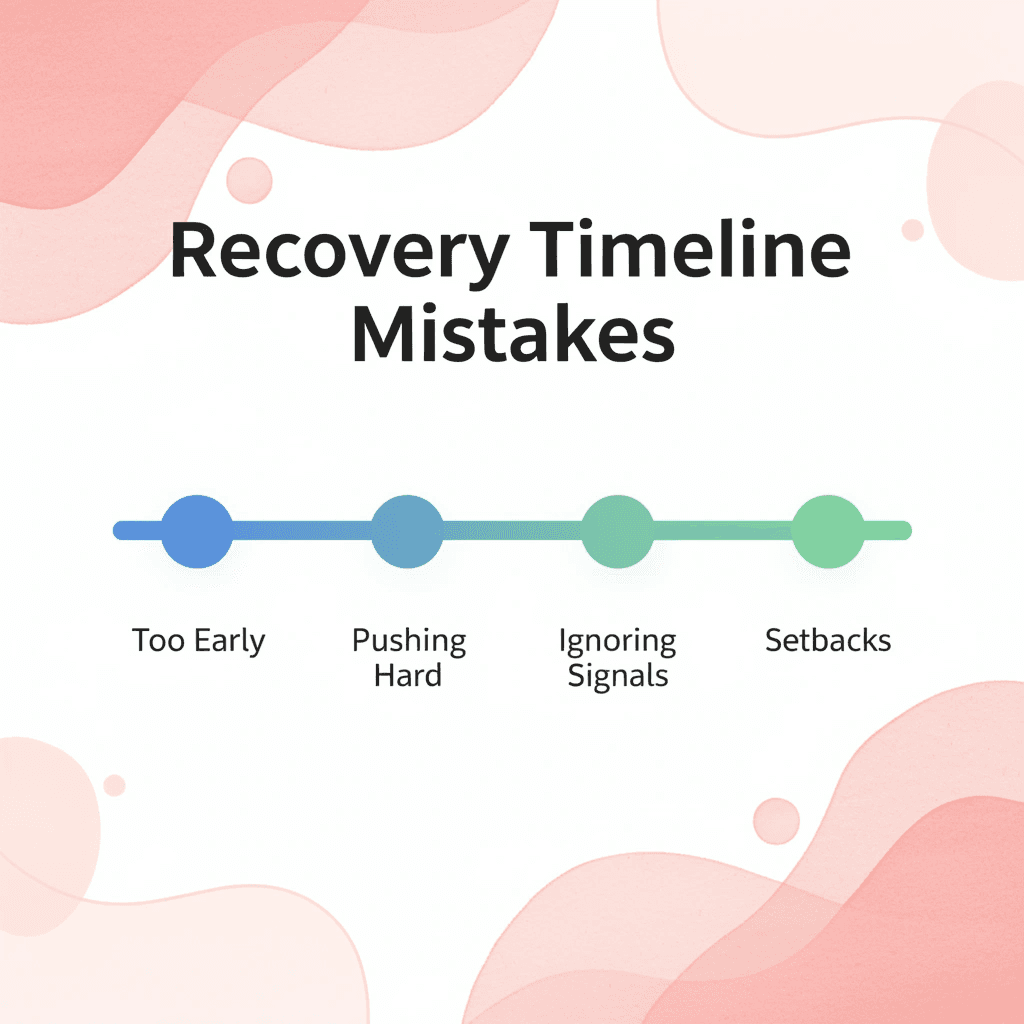
The mistakes that delay postpartum recovery usually stem from good intentions. Women want to feel strong again and return to pre-pregnancy fitness, but this urgency often leads to decisions that create more problems than progress.
🎯 Key Point: The biggest recovery setbacks happen when new mothers push too hard, too fast, ignoring their body’s natural healing timeline.
“Rushing back to intense exercise before your body is ready can extend recovery time by weeks or even months.” — American College of Obstetricians and Gynecologists, 2023
⚠️ Warning: What feels like motivation to heal faster often becomes the exact thing that slows down your recovery process and increases injury risk.
Returning to Intense Exercise Too Quickly
The temptation to start running, jumping, or heavy lifting immediately after clearance feels natural. You spent months watching your fitness decline, and you want it back. But pregnancy fundamentally changes how your body distributes load, stabilizes movement, and manages pressure. Your connective tissue spent nine months under the influence of relaxin, a hormone that loosens ligaments to accommodate birth. That effect doesn’t disappear once you’re cleared to exercise.
What happens when you skip foundational strength building?
When women return to high-impact activities before rebuilding foundational strength, movements that once felt automatic now feel unstable, and exercises that once energized them leave them exhausted or uncomfortable. More intensity produces less progress, creating frustration as effort feels harder while results slow.
Ignoring Pelvic Floor Symptoms
Urinary leakage during exercise, pelvic heaviness after standing for long periods, or pressure during certain movements are common experiences after having a baby. According to research published in AJOG Global Reports examining delivery-related factors, many factors influence how these symptoms develop and resolve. Common doesn’t mean normal, and it certainly doesn’t mean permanent. These symptoms show your pelvic floor needs focused attention before demanding exercise. Pushing through leakage or discomfort worsens the problem rather than building strength. Your pelvic floor needs intentional practice to relearn how to work with your core and breath, not repetition of ineffective patterns.
Focusing Only on Weight Loss
The pressure to lose pregnancy weight creates a narrow definition of success that often backfires. When calorie burning becomes the primary goal, women gravitate toward excessive cardio and restrictive eating, neglecting the strength work their bodies need. The result is a smaller but weaker body. Recovery-focused training prioritizes restoring core function, improving movement quality, and building strength for daily demands. When that foundation is solid, body composition changes tend to follow naturally. Chasing weight loss without addressing functional recovery delays both goals.
Skipping Strength Training
Cardio feels productive because it’s measurable and burns calories, but strength training rebuilds the physical capacity postpartum bodies need most. Pregnancy places enormous demands on the muscles that stabilize your spine, pelvis, and hips. Without deliberate strengthening, those areas remain weak even as cardiovascular fitness improves, creating a mismatch between aerobic capacity and structural support.
What happens when you focus only on cardio after childbirth?
Women who focus only on walking, cycling, or other cardio often feel frustrated when they try harder exercises. The heart and lungs are ready, but the muscles aren’t. Simple bodyweight exercises like glute bridges, modified planks, and controlled squats provide the foundation that makes everything else possible. For structured progression without high-impact stress, our Lagree in London classes combine strength, endurance, and core work in a format designed for recovering bodies, allowing intensity to build as stability improves.
Comparing Recovery Timelines to Others
Social media visibility creates pressure to compare recovery timelines. Someone appearing fully recovered six weeks postpartum may have had an uncomplicated vaginal delivery, strong core engagement throughout pregnancy, and significant support at home. Another woman might be managing diastasis recti, recovering from a cesarean section, and navigating sleep deprivation. According to Stanford Medicine News Center, 1 in 7 women experience postpartum depression, a condition that complicates physical recovery and remains invisible in transformation photos.
How should you measure your own recovery progress?
Your recovery timeline is shaped by factors beyond your control. Progress measured against your own starting point—how you move today versus last week, how exercises feel now versus a month ago—provides the only meaningful feedback. Prioritizing short-term outcomes over long-term recovery creates frustration rather than progress. Sustainable recovery requires gradually building a strong foundation that supports both today’s fitness and future goals, such as returning to running, lifting heavier weights, or moving with confidence. Knowing when to progress beyond foundational work to more challenging training isn’t always obvious.
Related Reading
- Kegel Exercises Postpartum
- Postpartum Strength Workout
- Postpartum Diastasis Recti Workout
- Postpartum Arm Workout
- Postpartum Full Body Workout
- Postpartum Core Workout
- 6 Week Postpartum Workout Plan
- Postpartum Pelvic Floor Exercises
- Postpartum Workout Plan At Home
- Best Postpartum Core Exercises
- Pilates Exercises For Post Pregnancy
- Postpartum Diastasis Recti Workout
- Postpartum Pelvic Floor Exercises
- Postpartum Belly Exercises
Signs You’re Ready to Progress Beyond Beginner Postpartum Workouts
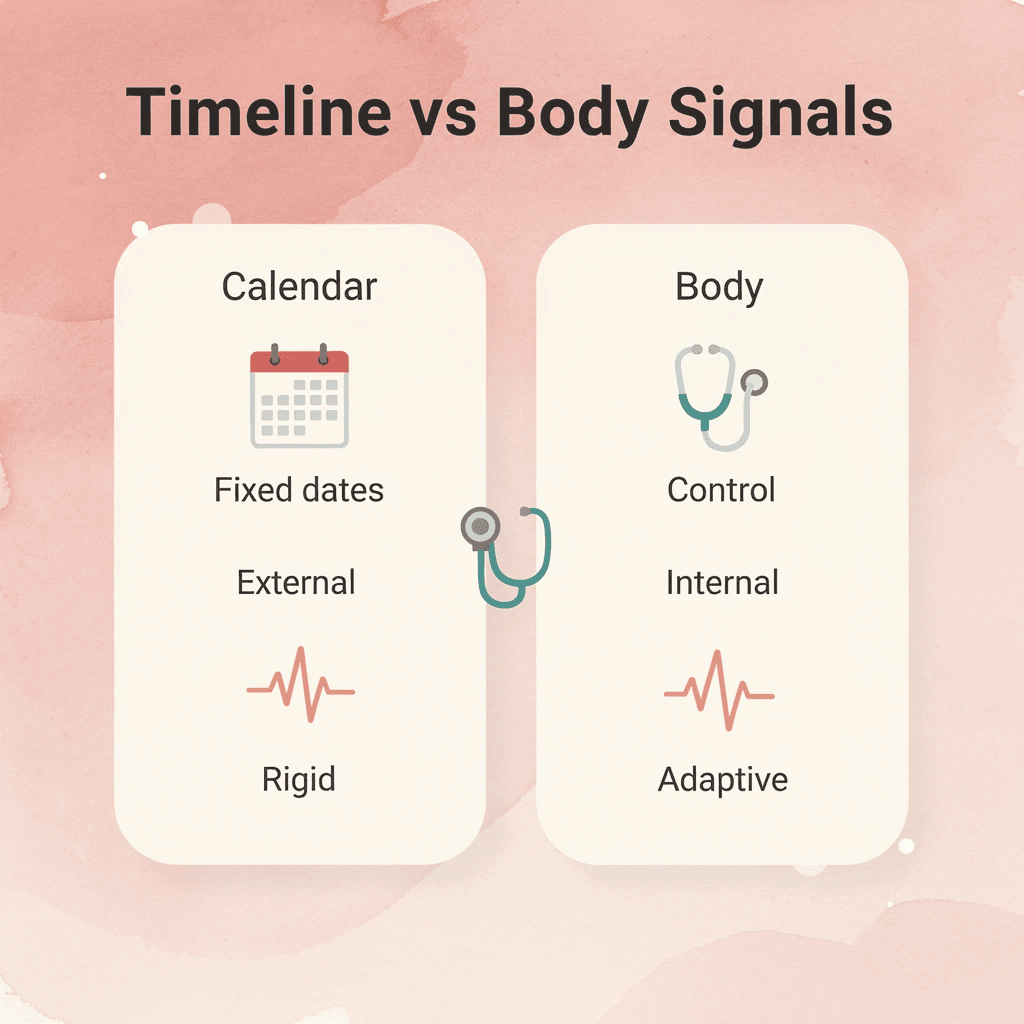
You’re ready to move forward when your body shows consistent control, not when the calendar says you should. Success depends on observing how your body responds to movement, your recovery between sessions, and whether basic exercises feel stable rather than shaky. The women who progress successfully notice when their body is asking for more, rather than waiting for permission.

🎯 Key Point: Your body’s signals are the most reliable indicator of readiness to progress – trust your physical response over arbitrary timelines.
“Consistent control and stable movement patterns are the foundation markers that indicate readiness for exercise progression in postpartum recovery.” — Postpartum Exercise Guidelines
⚠️ Warning: Progressing too quickly based on external timelines rather than your body’s actual readiness can lead to setbacks and potential injury.
Core control becomes automatic
When you first started moving after having a baby, engaging your abdominal muscles required conscious effort: pulling your belly button toward your spine, coordinating your breath with your movement, and activating them before lifting. Now, if that coordination happens without mental rehearsal, your neuromuscular pathways have reconnected. You pick up your baby, and your core stabilizes automatically. You stand from a chair and feel your midsection support the movement without prompting. This shift from deliberate activation to unconscious competence signals real progress. The goal was never just stronger muscles, but restoring the conversation between your brain and the muscles that protect your spine and pelvis.
Endurance increases without forcing it
You notice this in small ways first. The walk that left you tired three weeks ago now feels manageable. You complete your full exercise routine and still have energy for the rest of your day. Recovery between workouts shortens from two full rest days to one. According to research published in the Journal of Physical Therapy Science (2019), postpartum women who showed improved cardiovascular endurance within the first three months had significantly better adherence to long-term exercise programs. When work that once felt hard starts feeling moderate, you’ve created space for the next challenge.
Movement quality improves across all activities
Squatting to pick up toys no longer requires bracing against furniture. Walking feels smoother. You can carry groceries without your lower back tightening defensively. These quiet improvements reflect how your body organizes itself during everyday tasks. If you’re performing glute bridges without hamstring cramping, holding side planks without hip drop, or completing bird dogs without lower back arching, your movement patterns have matured. Quality precedes intensity. Women who pursue harder workouts before mastering foundational patterns often end up relearning what they skipped.
What does it mean when pelvic floor symptoms resolve or stabilize?
The absence of symptoms matters as much as the presence of strength. If you’re no longer experiencing leakage during exercise, heaviness after walking, or pressure when lifting, your pelvic floor is managing the demands you place on it. Stability means your body has adapted to your current training load without distress signals. Progression makes sense when symptoms aren’t worsening and preferably when they’ve improved or disappeared entirely. Pushing intensity while managing pelvic floor dysfunction is like adding weight to a structure with cracks in the foundation.
How can you progress intensity safely without high impact?
For women seeking intense, low-impact workouts, methods like BST Lagree in London offer basic and advanced training. The Lagree Method on the Megaformer delivers high-intensity strength work through slow, controlled resistance, challenging muscles deeply without the joint stress of jumping or running. This allows postpartum bodies to progress in load and difficulty while protecting recovering connective tissue and pelvic floors unprepared for high-impact demands.
How do you know when your body is truly ready to progress?
The mistake most women make is confusing enthusiasm with readiness, mistaking the desire to feel strong again for rebuilt capacity. Your body will show you when it’s ready through consistent performance, reduced symptoms, and controlled rather than compensated movements. Trust those signals more than any timeline. But physical readiness to progress is only half the equation.
How BST Lagree Helps Women Rebuild Strength After Pregnancy
Women often master beginner exercises but struggle to build a structured plan that develops strength without overwhelming their bodies or schedules.

Many postpartum fitness journeys lose momentum here. Women cobble together YouTube videos, Instagram routines, and friend advice, creating inconsistent programming that doesn’t build on itself and leaves them uncertain about progress.
What makes a structured fitness environment ideal for postpartum progression?
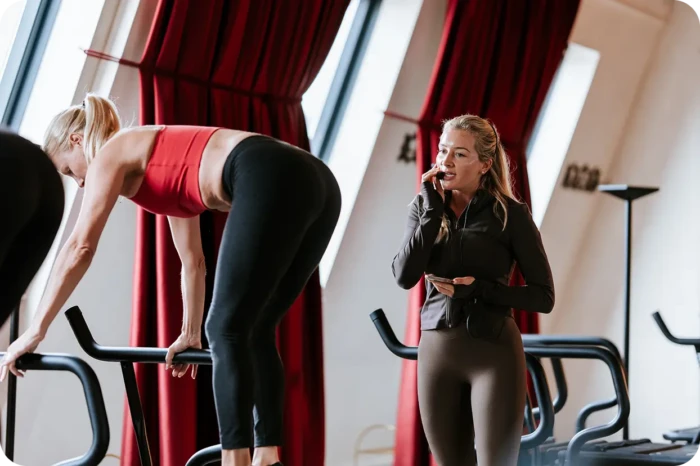
BST Lagree provides a women-focused fitness environment designed to support safe, effective progress beyond basic postpartum recovery. Every instructor is certified and completes a rigorous mentorship program before leading classes, ensuring workouts emphasize proper movement mechanics, controlled muscle engagement, and appropriate progression for each woman’s current capacity.
How does the Lagree method benefit postpartum bodies specifically?
The Lagree method benefits postpartum bodies by combining strength training and cardio in a low-impact format using slow, controlled exercises that maintain muscle tension. Unlike workouts that rely on jumping, repetitive impact, or high-speed movements, this approach challenges the body while reducing stress on joints and connective tissues that are still recovering. BST Lagree delivers full-body strength and cardio workouts in 45-minute classes, enabling busy mothers to train multiple muscle groups and improve cardiovascular fitness efficiently.
Building strength, not just burning calories
The focus stays on helping women build strength rather than burning calories. According to BST Lagree, a minimum six-week recovery period is recommended before starting postpartum exercise. Postpartum fitness works best when it starts with restoring strength, stability, and movement confidence, then builds progressively from there. The supportive community atmosphere helps women focus on their own progress rather than comparing themselves to outside expectations or their pre-pregnancy state. But knowing a method exists and taking the first step toward change are two different things.
Related Reading
- Best Postpartum Exercises
- Pilates Exercises For Post Pregnancy
- Best Way To Lose Postpartum Belly Fat
- Postpartum Pilates Workout
- Beginner Postpartum Workout Plan
- How To Lose Pregnancy Belly After 2 Years
- Post Pregnancy Workout Plan
- Best Postpartum Ab Workout
- Best Postpartum Workout App
- Postpartum Gym Workout
Book a Lagree Class in London Today
You don’t need to have everything figured out before your first class. Show up, trust the process, and let the work begin. That decision to move from thinking about recovery to actively rebuilding strength changes everything.
Book a class at BST Lagree and experience training in an environment built around your needs as a postpartum woman. Your first session introduces controlled, low-impact movements that challenge your muscles without stressing recovering joints or pelvic floor tissue. You’ll work with certified instructors who understand postpartum bodies and guide you through proper form and progression. The 45-minute format fits demanding schedules, and the supportive atmosphere removes pressure to perform or compare yourself to others.
💡 Tip: Your first class focuses on learning movements and understanding how your body responds, with no pressure to match anyone else’s pace.
🎯 Key Point: BST Lagree’s instructors are specifically trained to work with postpartum bodies and understand the unique considerations for recovering women.
Every woman who feels stronger, more capable, and more confident in her body began where you are now. The difference between thinking about change and making it happen is booking that first session. Your postpartum body deserves expert guidance, efficient workouts, and a method that builds real strength without breaking down recovering tissue. That’s what you’ll find on the Megaformer.
“The journey to feeling strong again starts with a single decision to prioritize your recovery and rebuild from a place of understanding, not force.” — Postpartum Fitness Philosophy