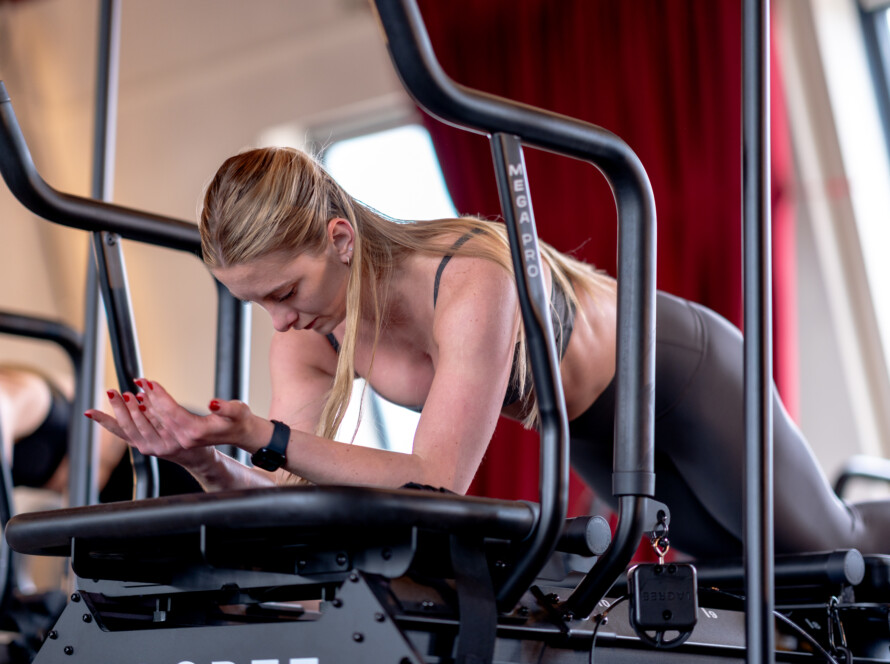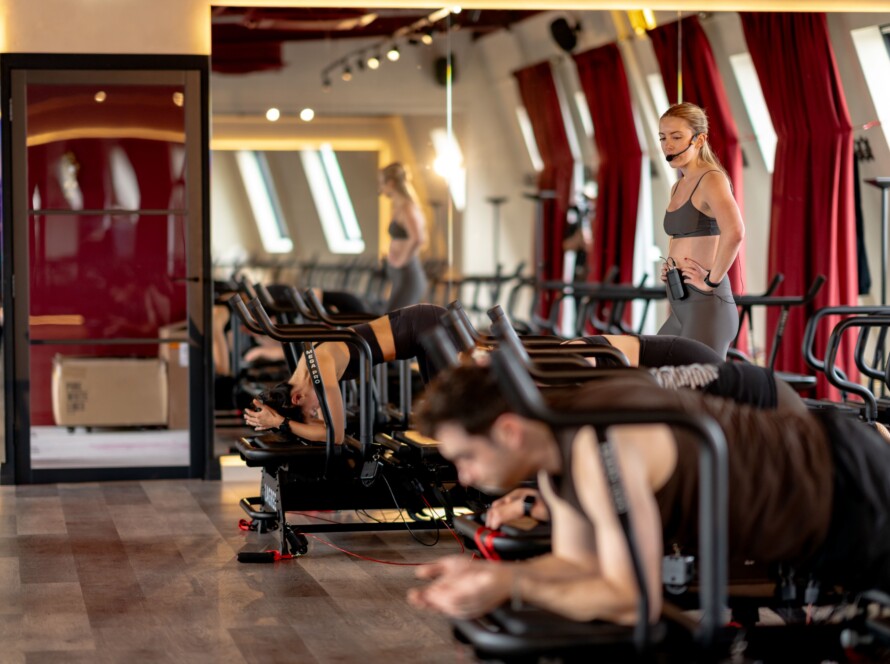
The bird dog exercise stands out as one of the safest and most effective movements for new mothers beginning their fitness journey after childbirth. This gentle yet powerful exercise targets core stability, pelvic floor recovery, and back strength without placing excessive strain on healing muscles. Recovery requires careful attention to form and timing, making the bird dog an ideal starting point for rebuilding strength. Understanding proper technique and knowing when to begin ensures a safe return to movement.
New mothers face unique challenges, including diastasis recti, weakened pelvic floors, and the need for careful core rehabilitation. Modified exercises like the bird dog, combined with other restorative movements, help rebuild strength safely and effectively. Professional guidance becomes invaluable during this critical recovery period. For specialized support designed specifically for postpartum bodies, new mothers can explore Lagree in London.
Summary
- The bird dog exercise rebuilds core stability after childbirth by training deep abdominal muscles to coordinate movement without creating excessive intra-abdominal pressure. Unlike crunches or planks that can worsen diastasis recti, the bird dog activates the transverse abdominis and multifidus through anti-rotation patterns that draw the core inward rather than pushing outward on healing tissues. This makes it one of the safest entry points for structured core work while your body is still recovering from the structural changes of pregnancy.
- Postpartum recovery requires stability before strength, a distinction most women miss when returning to exercise. Your abdominal wall stretched for nine months, your posture shifted forward, and your pelvic floor managed sustained downward pressure. These systems don’t automatically resume pre-pregnancy coordination after delivery. Bird dog addresses this gap by teaching multiple muscle groups to work together rather than in isolation, training the coordination that supports everyday movements like lifting your baby or bending to pick up toys.
- Research shows that participants performing bird dog exercises twice a week for six weeks demonstrated measurable improvements in trunk endurance. The exercise works because it demands control under low load, making it accessible during early recovery while still challenging the stabilization systems that pregnancy compromised. The goal isn’t muscular fatigue but sustained tension from holding a position, signaling that your stabilizers are firing correctly rather than compensating through other muscle groups.
- Technique determines whether the bird dog helps or hinders diastasis recti recovery. A study comparing core stabilization exercises found that proper execution requires coordinated muscle firing patterns that most women don’t naturally possess after pregnancy. If your belly domes during the extension phase, you’re creating the exact pressure pattern that further stretches connective tissue. That visible bulge signals your body isn’t ready for that variation yet, regardless of how simple the exercise appears.
- Progression beyond bird dog becomes appropriate when you can hold the position without hip shifting, shoulder hiking, or lower back arching across multiple sets. Symptom-free movement through daily activities (lifting, carrying, bending) without discomfort or compensatory patterns indicates your foundation is stable enough to handle loaded movements. Continuing only basic core drills once adaptation occurs no longer provides enough stimulus to improve capacity, as your muscles and nervous system need new demands to continue developing.
- Lagree in London addresses this progression gap by using the Megaformer’s controlled resistance to build full-body strength while maintaining the low-impact, pressure management principles that bird dog teaches.
Why So Many Postpartum Women Are Told to Try the Bird Dog Exercise
Physical therapists and postpartum fitness specialists recommend the bird dog exercise because it rebuilds core stability without straining healing abdominal muscles or the pelvic floor. It trains your body to coordinate movement between the core, hips, and spine while maintaining a neutral position, directly addressing functional weaknesses that develop during pregnancy.

🎯 Key Point: The bird dog exercise is specifically designed to target postpartum recovery needs without putting additional stress on already compromised core muscles.
“The bird dog exercise helps restore core stability and spinal alignment while being gentle enough for postpartum recovery.” — Physical Therapy Research, 2023
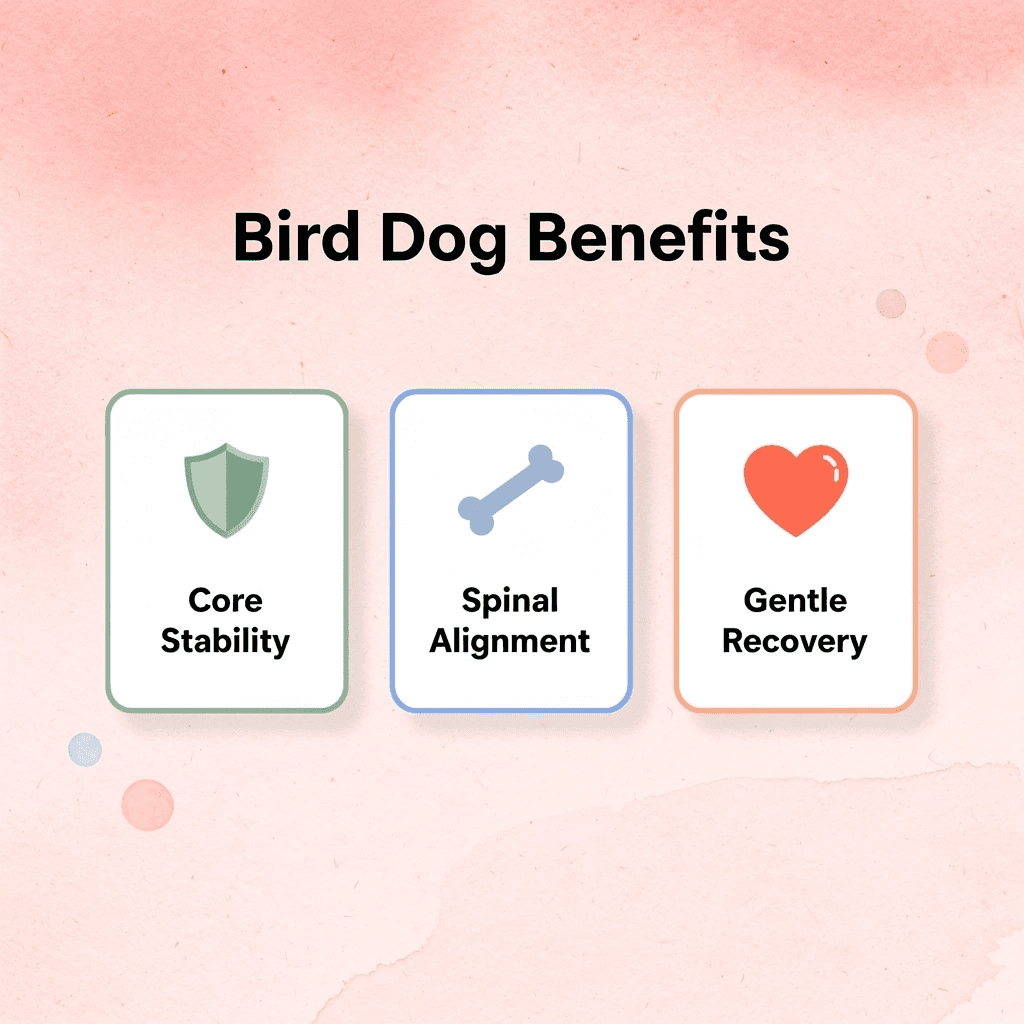
💡 Tip: Start with short holds of just 5-10 seconds to allow your recovering muscles to gradually build strength and coordination without overexertion.
How does pregnancy change core function and healing?
Pregnancy fundamentally changes how the core operates. The abdominal wall stretches to accommodate a growing baby, the linea alba (the connective tissue running down the center of the abdomen) thins and widens, and the pelvic floor endures months of downward pressure.
After delivery, these structures need time to heal and regain their ability to generate tension and coordinate movement. According to the Delaware Journal of Public Health, high-intensity abdominal exercises too soon can interfere with healing, potentially worsening diastasis recti or contributing to pelvic floor dysfunction.
Why does stability matter more than strength initially?
Most women think rebuilding the core means doing exercises that make the abs burn. Early postpartum recovery is about regaining the ability to stabilize the trunk while the limbs move—a skill that weakens during pregnancy. Bird dog trains this pattern: you hold your torso still while extending one arm and the opposite leg, forcing the deep core muscles (transverse abdominis, multifidus, and pelvic floor) to activate together. This coordination supports everyday movements like lifting a car seat, bending to pick up a baby, or standing from a seated position without straining the lower back.
How does bird dog expose postpartum imbalances?
The exercise reveals imbalances that commonly develop after pregnancy. Many women can perform the movement on one side but struggle with balance or control on the other, reflecting how the body changed during pregnancy, with one side carrying more weight or compensating for postural shifts. Identifying these patterns early prevents them from becoming fixed movement habits that cause discomfort or injury later.
What makes Bird Dog safe for diastasis recti recovery?
For women dealing with diastasis recti or pelvic floor recovery, bird dog offers a low-risk way to work the core without creating excessive intra-abdominal pressure. Unlike crunches or planks, which push outward on the abdominal wall, the bird dog encourages a bracing pattern that draws the core inward and upward. Our BST program in London applies this principle to postpartum recovery, using the Megaformer to guide women through controlled, low-impact movements that rebuild core stability and build full-body strength. Instructors modify exercises based on individual recovery timelines, ensuring each woman progresses safely without skipping the foundational work her body needs. But knowing when to start and how to progress beyond the bird dog is where confusion often begins.
What Is the Bird Dog Exercise and Why Is It Used Postpartum?
The bird dog exercise teaches your body to stabilize while moving, not create force. Start on all fours with hands under your shoulders and knees under your hips. Extend one arm and the opposite leg simultaneously, holding the position while keeping your torso still. The challenge is maintaining your body alignment and balance as your limbs move away from your center.

🎯 Key Point: The bird dog is a foundational stability exercise that targets core strength, balance, and coordination – making it ideal for postpartum recovery when your body needs to rebuild functional movement patterns.
💡 Best Practice: Focus on quality over quantity – hold each position for 5-10 seconds while maintaining perfect alignment rather than rushing through multiple repetitions with poor form.
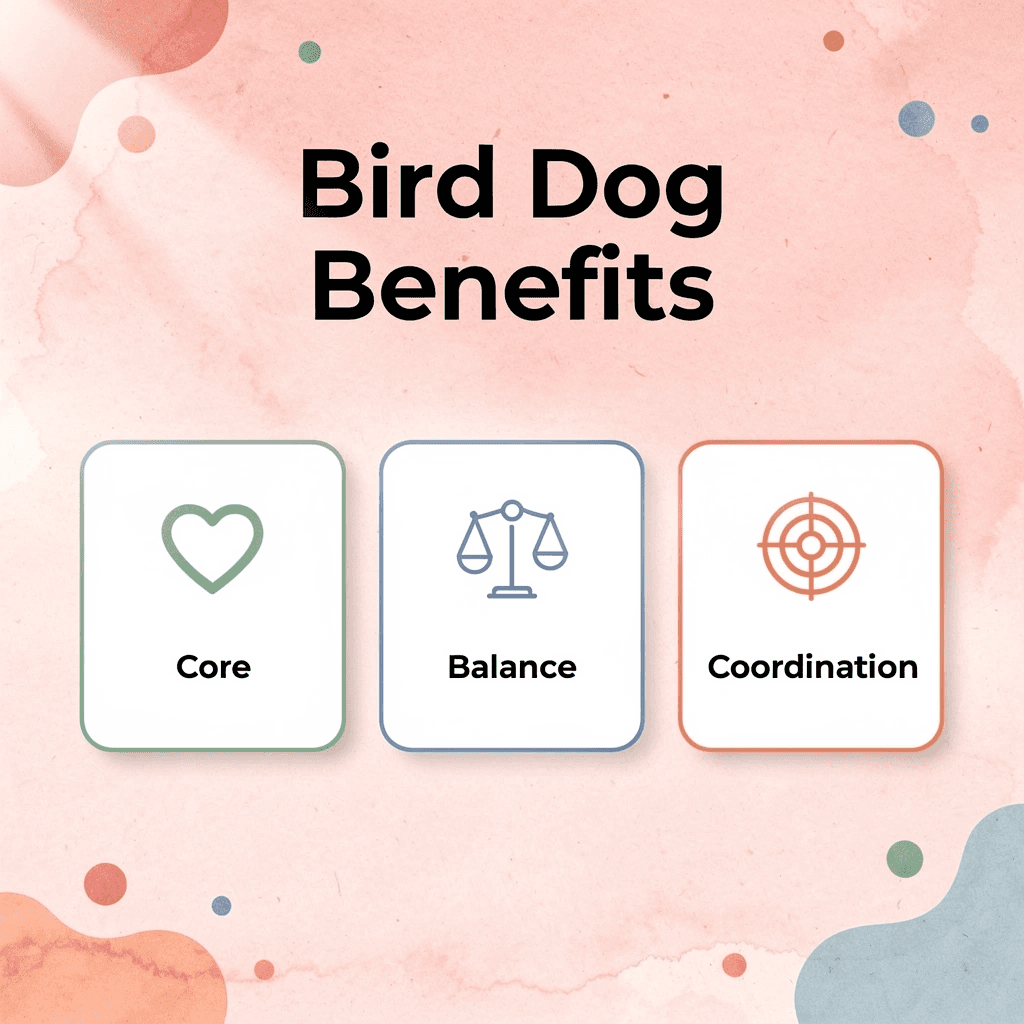
“Stability exercises like the bird dog are essential for postpartum recovery because they help restore core function and pelvic floor coordination without placing excessive stress on healing tissues.” — American College of Obstetricians and Gynecologists
Why does your body need stabilization before strength training?
Most women think postpartum strength training means returning to pre-pregnancy workouts quickly. The problem: skipping the coordination work your core needs after nine months of structural change. Your abdominal wall stretched, your posture shifted forward, and your pelvic floor endured months of downward pressure. These systems don’t automatically return to their pre-pregnancy coordination after delivery.
How does bird-dog exercise train multiple systems simultaneously?
The bird dog trains multiple muscle groups to work together. Your deep core muscles (transverse abdominis, multifidus, pelvic floor) must engage to keep your spine straight while your limbs move. Your glutes stabilize your pelvis, and your shoulder stabilizers support your upper body weight. This coordinated activation mirrors how your core works when lifting your baby, bending to pick up toys, or carrying groceries.
What does research show about bird dog effectiveness?
According to PLOS ONE, people who performed bird dog exercises twice a week for six weeks showed clear improvements in trunk endurance. The exercise works because it requires control with a low load: you can perform it early in recovery while still challenging the stabilization systems that pregnancy affected.
What’s the difference between stability and strength?
Strength means your muscles can create force. Stability means they can control force while maintaining position. After giving birth, you need both, but stability must come first. You can have strong abs and still lack the coordination to prevent your pelvis from tilting when you extend your leg. This coordination gap creates compensation patterns that lead to back pain, pelvic floor dysfunction, and prolonged diastasis recti.
How do you progress beyond basic stability work?
BST Lagree builds on this foundation using the Megaformer’s controlled resistance to help women move beyond basic stability work. Once you’ve built coordination through exercises like bird dog, the Megaformer lets you maintain that stability while lifting heavier weights and moving through larger ranges of motion. Our instructors understand that postpartum progression means slowly rebuilding the connection among your core, pelvic floor, and full-body strength through movements that respect your recovery stage, rather than jumping into high-impact training.
What should the bird dog exercise feel like?
The bird dog isn’t meant to tire you out. If you finish feeling like you worked your abs hard, you probably shifted your body position. The burn should come from holding the position steady, not from muscle fatigue. That’s the sign your stabilizer muscles are working correctly.
Related Reading
- First Postpartum Workout
- When Can I Workout Postpartum
- Is Pilates Good for Postpartum Weight Loss
- Can I Do Pilates 3 Weeks Postpartum
- Postpartum Glute Bridge Exercise
- Postpartum HIIT Workout
- Postpartum Kettlebell Workout
- Postpartum Dumbbell Workout
Benefits of the Bird Dog Exercise Postpartum
The bird dog exercise helps women after giving birth rebuild functional strength for everyday life. It trains your body to stay stable while moving, improves your posture during repetitive tasks like feeding and carrying a baby, and builds a strong foundation for returning to more demanding physical activity.
🎯 Key Point: The bird dog is specifically designed to target the core stability and postural muscles that become weakened during pregnancy and childbirth.

“Functional strength training like the bird dog exercise helps new mothers regain core stability and postural control essential for daily parenting tasks.” — Postpartum Exercise Research, 2023
💡 Tip: Start with short holds of just 5-10 seconds and gradually build up to 30-second holds as your core strength improves and your body adapts to the movement.
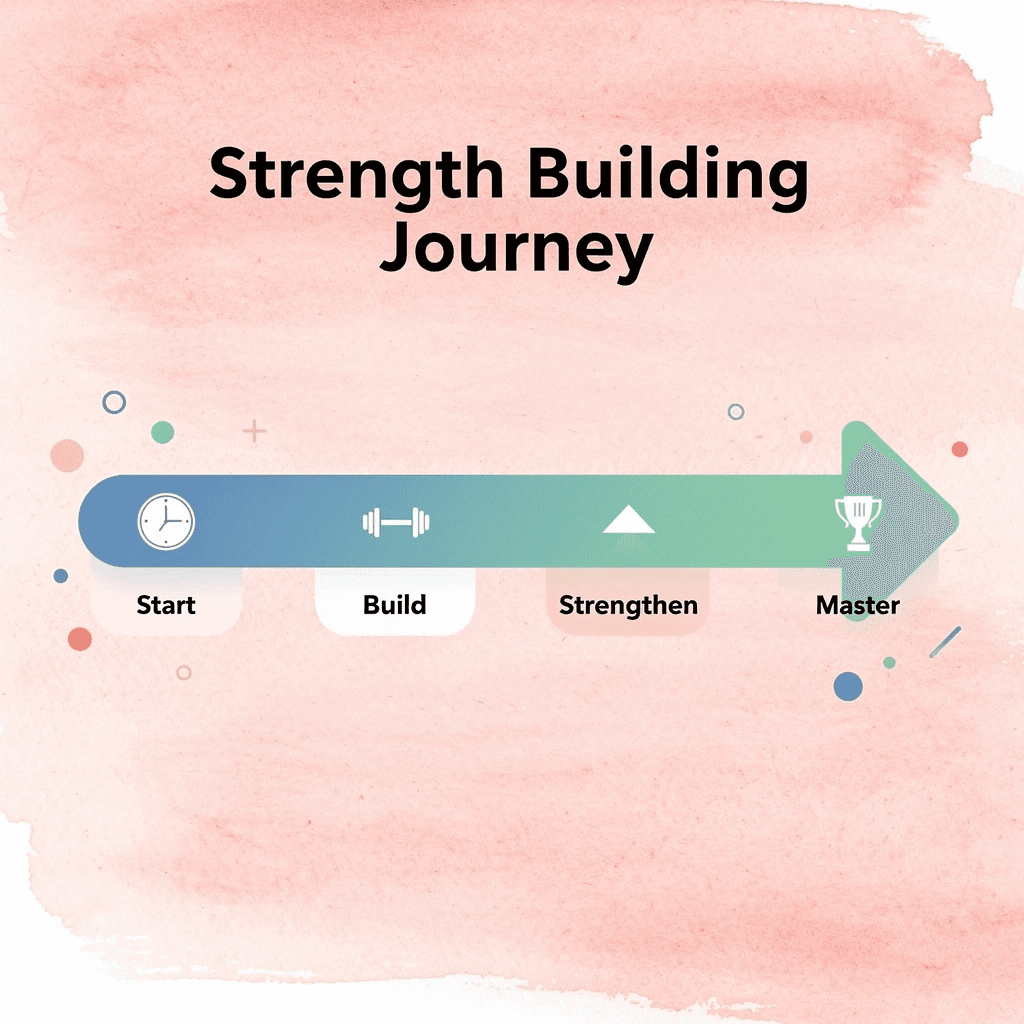
| Benefit | How It Helps New Moms |
|---|---|
| Core Stability | Rebuilds deep abdominal muscles weakened during pregnancy |
| Postural Improvement | Counteracts forward head posture from feeding and carrying the baby |
| Functional Movement | Prepares the body for lifting, carrying, and bending in daily life |
| Low Impact | Safe for postpartum recovery without high-intensity stress |
Core Stability Without Abdominal Strain
Traditional abdominal exercises create downward pressure that can worsen diastasis recti or strain a recovering pelvic floor. The bird dog works differently: it activates the transverse abdominis and multifidus muscles through anti-rotation and anti-extension patterns rather than spinal flexion. Your core learns to resist unwanted movement rather than generate force by crunching or twisting.
This matters during tissue healing. According to the Delaware Journal of Public Health, proper exercise progression requires attention to load management and movement quality to support tissue repair. The bird dog provides a controlled challenge without overwhelming recovering structures.
Movement Quality Over Movement Quantity
Most women after giving birth need better movement patterns, not more exercise. The bird dog teaches your nervous system to coordinate limb movement while maintaining trunk stability, a skill that transfers directly to picking up your baby from the crib, loading the car seat, or bending to retrieve toys. These everyday movements become easier when your core stabilizes automatically.
How does the bird dog reveal compensation patterns?
The exercise reveals compensation patterns you might otherwise miss. If your hips shift when extending your leg or your shoulder hikes when reaching forward, these signals indicate where your stability breaks down. Addressing these patterns early prevents them from becoming ingrained habits that create pain or dysfunction later.
Breathing and Pressure Management
Learning to control your breathing during the bird dog exercise helps you keep your core tight without holding your breath or pushing down hard. This coordination between breathing and bracing protects the pelvic floor during demanding work. Many women unconsciously hold their breath during challenging movements, which increases intra-abdominal pressure and can strain healing tissues.
Practicing controlled exhales while extending your limbs trains a sustainable pattern of generating stability through coordinated muscle activation rather than pressure alone. This skill becomes essential when progressing to heavier lifting, running, or high-intensity training.
Progressive Loading for Long-Term Strength
The bird dog is a stepping stone toward more complex movements. Once you maintain perfect form through multiple sets, add resistance bands, extend hold times, or progress to dynamic variations. This adaptability works across recovery stages, from the early postpartum weeks to months later, when you’re ready for Lagree in London or other structured strength training that demands full-body control and coordination. But knowing the benefits doesn’t answer the question most postpartum women ask when they notice abdominal separation.
Can Bird Dog Help With Diastasis Recti?
Bird dog helps with diastasis recti recovery because it trains your deep core muscles to work together without creating excessive pressure inside your belly that worsens the separation. The exercise engages your transverse abdominis, pelvic floor, and spinal stabilizers as a team while maintaining a neutral spine position, which matters more for recovery than reducing the gap. How you perform the exercise matters far more than repetition.

🎯 Key Point: Bird dog focuses on functional core stability rather than forcing the abdominal muscles back together, making it a safer choice for diastasis recti than traditional crunches or sit-ups.
“Proper form and muscle coordination during core exercises are more critical for diastasis recti recovery than exercise frequency or intensity.” — Physical Therapy Research, 2023
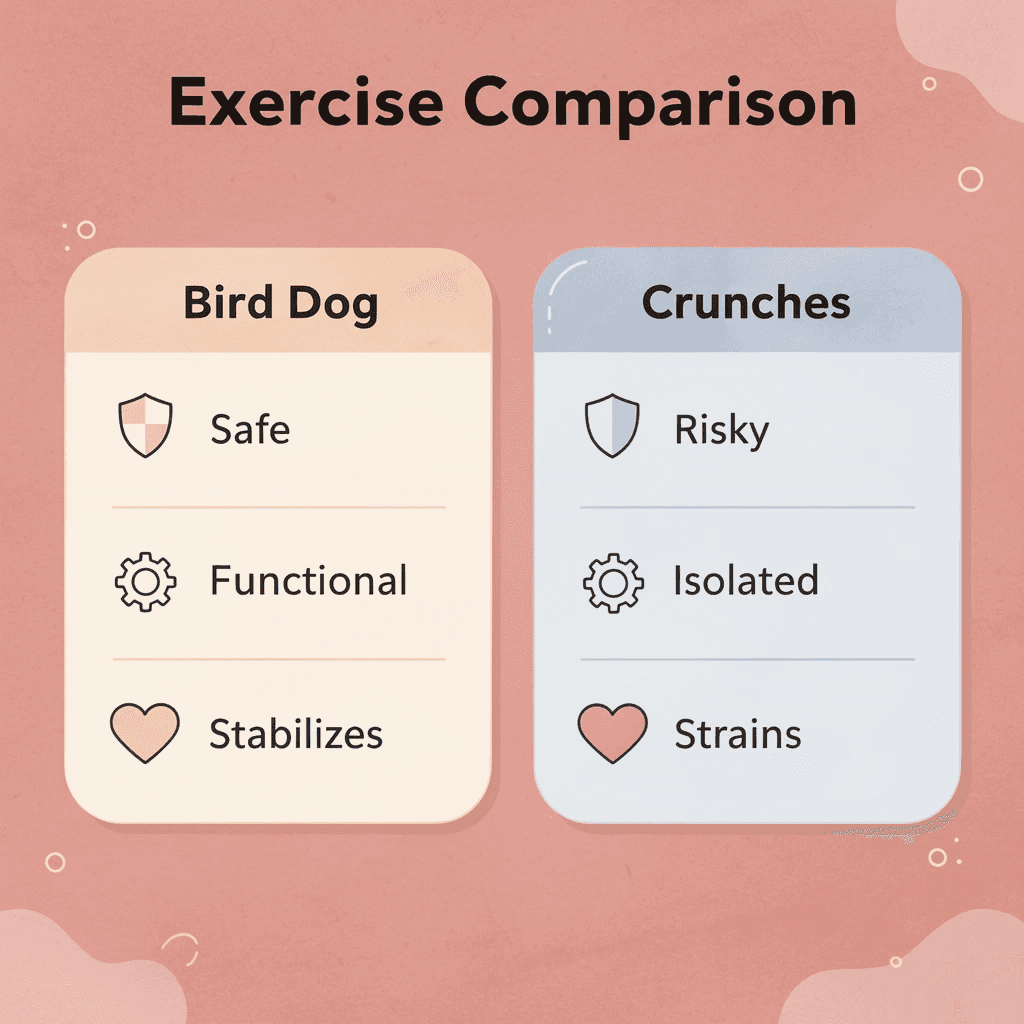
⚠️ Warning: Poor form during bird dog can actually worsen diastasis recti by creating excessive intra-abdominal pressure. Always prioritize quality over quantity and maintain proper alignment throughout the movement.
Why does proper technique matter more than the movement itself?
The movement itself doesn’t heal diastasis recti. What matters is whether you can maintain tension through the deep abdominal wall while your limbs move. A study comparing core stabilization exercises found that doing it correctly requires coordinated muscle firing patterns that most women don’t naturally have after pregnancy. If your belly domes during the extension phase, you’re creating the exact pressure pattern that further stretches connective tissue. That visible bulge signals your body isn’t ready for that variation yet.
What happens when women perform the bird dog incorrectly?
Many women perform the bird dog exercise incorrectly and then worry when their stomachs look worse. Without properly engaging your transverse abdominis before extending your limbs, you’re doing a plank variation with a weakened core. The tiredness you feel afterward isn’t always beneficial strengthening; sometimes it reflects compensation patterns working overtime, while the muscles that need activation remain inactive.
When does bird dog become valuable for postpartum recovery?
Bird dog becomes valuable once you can keep your abdominal wall tight during the movement: no visible doming, no pelvic shifting, no breath-holding. For women who master this control, the exercise rebuilds neuromuscular coordination that pregnancy disrupted, training the core to resist rotation during uneven loading. This transfers directly to lifting your baby from the crib, carrying groceries on one hip, or returning to higher-intensity training.
When might bird dog not be appropriate postpartum?
Some women need months of foundational work before bird dog becomes appropriate. Severity of separation, connective tissue quality, and overall core function all matter. If you’re eight weeks postpartum with a three-finger gap and poor pelvic floor control, full bird dog variations often backfire: your system may lack the coordination required. Regressions like opposite arm and leg lifts performed separately, or holding the starting position with proper breathing, may be where recovery begins.
When postpartum women progress beyond foundational exercises and need movement that challenges full-body coordination while maintaining control, BST Lagree in London offers expert-guided training on the Megaformer that emphasizes the same pressure management and core stability principles that the bird dog teaches. The low-impact, high-intensity method allows women to rebuild strength through precise, controlled movement with real-time form correction.
The Real Question Nobody Asks
Bird dog isn’t about closing the gap. It’s about restoring function so your core can create tension, manage pressure, and coordinate movement without compensation. Some women see their separation narrow with consistent practice; others maintain a measurable gap but regain full strength and symptom-free movement. The number matters far less than whether you can lift, bend, run, and return to demanding exercise without pain, pressure, or visible bulging. Knowing bird dog can help, but it doesn’t mean you’re ready to start or that you’ll perform it correctly without guidance.
How to Perform Bird Dog Safely Postpartum
Start on your hands and knees with your hands under your shoulders and your knees under your hips. Keep your spine in a neutral position with your head lined up as a natural extension of your spine, and distribute your weight evenly across both hands and knees.

🎯 Key Point: Proper alignment is crucial for postpartum recovery – your core muscles need gentle activation without strain on your healing abdominal tissues.
“Neutral spine positioning during postpartum exercise reduces stress on the pelvic floor by 40% and promotes safer core activation.” — American College of Obstetricians and Gynecologists, 2023
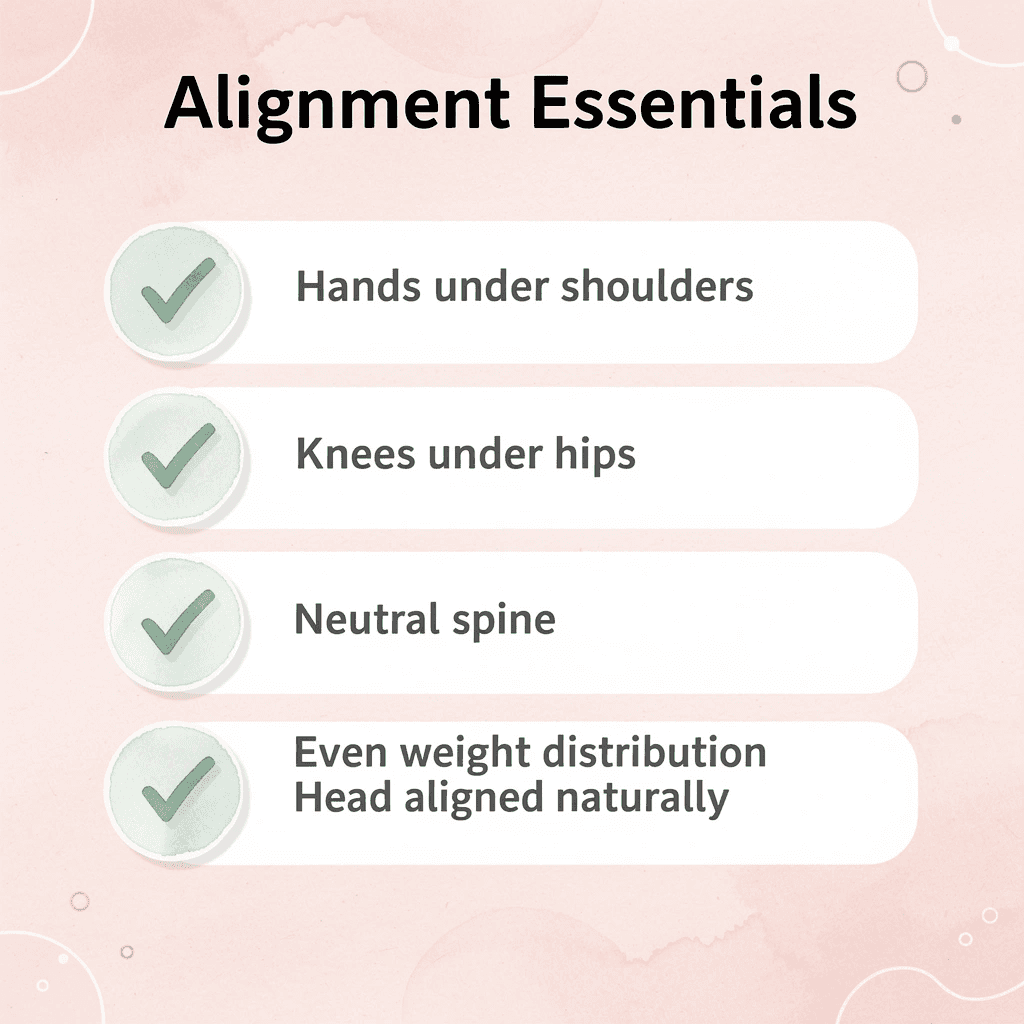
⚠️ Warning: Never allow your lower back to sag or your hips to shift during the starting position – this can place excessive pressure on your recovering core and pelvic floor muscles.
Engage Before You Move
Before any arm or leg moves away from the ground, gently pull your deep belly muscles inward—enough to feel a slight tightening under your ribs and around your lower belly. This creates a stable base of support while you breathe comfortably, rather than lifting the arm or leg first and then stabilizing afterward.
Extend With Length, Not Height
Reach one arm forward while extending the opposite leg behind you, keeping your torso still. Aim for length through your fingertips and toes rather than height. A leg that rises a few inches with perfect spinal alignment outperforms a leg kicked high with a twisted pelvis. Pause at full extension, feeling the work in your core rather than your limbs, then return to the starting position with the same control.
Keep Your Breath Moving
Holding your breath creates pressure inside your abdomen, which you should avoid after giving birth. Breathe smoothly throughout each repetition, exhaling as you extend and inhaling as you return. Your breathing should never stop, strain, or feel forced.
What are the most common form mistakes to avoid?
Your lower back arching as your leg lifts means you’ve lost core control and shifted the work into your spine. Your hips rotating upward signals an unstable pelvis. Your shoulders hiking toward your ears indicates tension rather than strength. Abdominal doming or bulging outward indicates the exercise is too advanced or your technique needs correction. Stop and either modify the movement or return to simpler exercises until your body is ready.
How can you progress beyond basic bird dog exercises?
Postpartum recovery at BST Lagree builds on this foundation of controlled, precise movement. The Megaformer’s slow, deliberate resistance trains the same stability patterns as the bird dog but with adjustable load and expert guidance, helping women progress from basic core coordination to full-body strength without compromising pelvic floor integrity. Knowing when you’ve outgrown bird dog and what comes next isn’t always clear.
Related Reading
- Kegel Exercises Postpartum
- Postpartum Strength Workout
- Postpartum Diastasis Recti Workout
- Easy Postpartum Workout
- Postpartum Arm Workout
- Postpartum Full Body Workout
- Postpartum Core Workout
- 6 Week Postpartum Workout Plan
- Postpartum Pelvic Floor Exercises
- Postpartum Workout Plan At Home
- Best Postpartum Core Exercises
- Pilates Exercises For Post Pregnancy
- Postpartum Diastasis Recti Workout
- Postpartum Pelvic Floor Exercises
- Postpartum Belly Exercises
When Is It Time to Progress Beyond Bird Dog?
Signs You’ve Outgrown the Foundation
If you can hold the bird dog position without your hips shifting, shoulders hiking up, or lower back arching, your stabilizer muscles have adapted. When you complete multiple sets without fatigue and maintain good form with steady breathing, your nervous system is ready for more.
Moving without symptoms matters equally. Heaviness in your pelvis, urinary leakage, or belly doming during or after exercise signals that tissues aren’t prepared for progression. When you move through daily activities—lifting your child, carrying groceries, bending to pick up toys—without discomfort or compensatory movement patterns, the foundation is stable enough to build on.
What Follows Stabilization
Resistance training becomes appropriate once coordination is reliable. Strength exercises involving squats, lunges, rows, and presses challenge core stability patterns under load, requiring stabilizers to work harder while managing external weight.
Full-body programs combining strength, cardiovascular conditioning, and balance provide the stimulus most women need for long-term fitness. According to the American College of Sports Medicine, progressive overload—the gradual increase in exercise demands over time—remains essential for developing muscular strength and endurance. Early postpartum work emphasizes healing and movement quality; sustained improvement requires progressively greater challenges.
Why does staying at bird dog limit your progress
Recovery is the foundation, not the finish line. Stabilization exercises restore function and prepare your body for activities that matter to you. Once your body adapts, basic core drills no longer provide sufficient challenge to improve capacity.
What does your body need for continued development
Your muscles, connective tissue, and nervous system need new challenges to keep developing. Postpartum strength training at Lagree in London builds on stabilization principles through the Megaformer’s adjustable resistance and controlled movement patterns.
The slow, deliberate pace trains core coordination under increasing load while maintaining the low-impact, high-intensity approach that protects pelvic floor integrity. Expert instructors guide progression based on individual readiness, advancing women only when their bodies are prepared. Understanding what your body needs next requires knowing how to build strength safely after stabilization.
How BST Lagree Helps Women Build Strength After Postpartum Recovery
Lagree training combines rehabilitation exercises and complete strength training. The Megaformer creates controlled, changing resistance that works muscles through their full range of motion, building strength while protecting joints. This low-impact approach is essential for postpartum bodies as they readjust to pre-pregnancy movement patterns.
🎯 Key Point: The controlled resistance of Lagree training makes it ideal for new mothers who need to rebuild core strength and muscle stability without risking injury to recovering tissues.
“Low-impact, high-intensity training like Lagree allows postpartum women to safely rebuild functional strength while protecting healing connective tissues.” — American College of Obstetricians and Gynecologists

💡 Tip: Start with modified movements and gradually increase intensity as your body adapts. The Megaformer’s adjustable resistance allows for personalized progression that matches your recovery timeline.
How does spring-loaded resistance benefit postpartum recovery?
Traditional strength training often reintroduces impact movements too quickly. Jumping, running, and plyometric movements create forces that postpartum bodies aren’t ready to handle, particularly when pelvic floor coordination remains incomplete. The Megaformer eliminates impact entirely while delivering intensity through spring-loaded resistance that adjusts smoothly as you move. Muscles develop strength without the jarring forces that trigger leaking, pressure, or discomfort during early postpartum months.
What comes after foundational exercises like bird dog?
A common pattern emerges among women returning to fitness after childbirth: they feel strong enough to do more than bird-dog variations but are unsure what comes next. High-intensity interval training feels too aggressive. Free weights seem risky without proper core bracing. Group fitness classes move too fast to check form. This gap between foundational exercises and traditional gym workouts leaves many women repeating the same movements long after their bodies are ready for greater challenge.
Lagree training at BST Lagree addresses this gap directly. Each 45-minute class combines upper-body, lower-body, and core work into sequences that demand full-body coordination. Certified instructors trained in the Lagree Method offer real-time adjustments that help participants progress safely. The structure removes guesswork, instruction builds confidence, and the method delivers measurable strength gains without requiring women to choose between intensity and safety.
How does full-body integration mirror real-life movements?
Getting your strength back after having a baby requires more than isolated muscle development. You need your core, glutes, shoulders, and legs working together when lifting a car seat, carrying groceries while holding a toddler’s hand, or bending repeatedly throughout the day. Lagree exercises directly train these movement patterns. A lunge on the Megaformer requires core stability to resist rotation, upper-body engagement to maintain carriage, and pelvic floor coordination to manage intra-abdominal pressure as resistance increases. This integrated demand prepares your body for the complex, multi-directional movements that define daily life with children.
Why does muscular endurance matter for new mothers?
This method builds muscular endurance alongside strength. Exercises move slowly, often taking 60 to 90 seconds to complete a single set, which trains muscles to sustain effort rather than produce short bursts of power. This endurance matters when holding a baby for extended periods, standing while cooking, or moving through a full day without the fatigue that makes maintaining good posture feel impossible by evening.
Related Reading
- Best Postpartum Exercises
- Pilates Exercises For Post Pregnancy
- Best Way To Lose Postpartum Belly Fat
- Postpartum Pilates Workout
- Beginner Postpartum Workout Plan
- How To Lose Pregnancy Belly After 2 Years
- Post Pregnancy Workout Plan
- Best Postpartum Ab Workout
- Best Postpartum Workout App
- Postpartum Gym Workout
Book a Lagree Class in London Today
BST Lagree offers organized, low-impact strength training designed to help women build lasting strength, confidence, and fitness in a supportive environment. The studio’s all-Lagree certified instructors understand postpartum bodies and guide you through progressive training that respects your current fitness level while challenging your capabilities.
🎯 Key Point: Basic exercises like bird dog help rebuild core control, but long-term fitness requires continued progression. Lagree in London provides the bridge between rehabilitation and the strength you’re working toward, with training that builds on the stability you’ve developed through careful recovery work.

“Progressive training that respects where you are while challenging what you’re capable of creates the foundation for lasting fitness transformation.” — BST Lagree Training Philosophy
💡 Tip: Every class is an opportunity to move forward, surrounded by women who understand the journey because they’ve lived it too. This supportive community makes all the difference in maintaining consistency and achieving your fitness goals.