Skip to content Skip to sidebar Skip to footer

6 Week Postpartum Workout Plan to Rebuild Strength Safely

Person Exercising - 6 Week Postpartum Workout Plan

Your body just created life, and now you’re wondering when you can safely start moving again without risking injury or setback. That first postpartum workout feels like a monumental decision because it is. A structured 6-week postpartum workout plan can help rebuild core strength, restore pelvic floor function, and help you regain confidence in your body’s abilities without pushing too hard too soon.

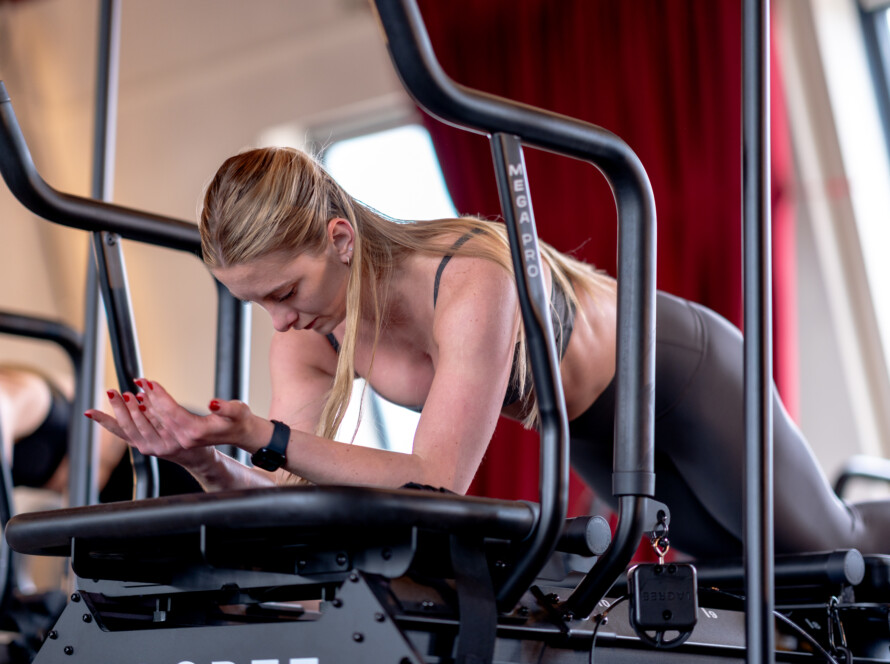
The Lagree method focuses on controlled movements that engage deep stabilizing muscles, including your transverse abdominis and pelvic floor, which are essential for safe recovery after childbirth. Through slow, deliberate exercises on the Megaformer, new mothers can gradually build strength while protecting vulnerable areas during those critical early weeks of recovery. This low-impact, high-intensity approach aligns perfectly with postpartum recovery needs, making Lagree in London an ideal choice for mothers ready to return to fitness safely.

Summary

  • The first six weeks postpartum are about biological recovery, not fitness goals. Your body is repairing tissue, recalibrating hormones, and rebuilding systems that stretched beyond normal capacity for nine months. The American College of Obstetricians and Gynecologists notes that postpartum recovery is an ongoing physiological process affecting your cardiovascular system, reproductive system, musculoskeletal structure, and metabolic function, continuing well beyond delivery.
  • Pelvic floor muscles may stretch to approximately 250% of their resting length during vaginal delivery, according to research published by the National Institutes of Health. Recovery of these tissues may continue for four to six months postpartum, not merely six weeks. This means medical clearance around six weeks indicates healing is progressing appropriately, not that every tissue has fully recovered.
  • Approximately 60% of postpartum women experience diastasis recti, a separation of the abdominal muscles. Recovery varies considerably from person to person and may continue well beyond the six-week mark. This is why postpartum specialists prioritize breathing mechanics, core activation, and stability exercises before introducing more demanding abdominal training, focusing on restoring the core’s ability to stabilize rather than simply strengthening it.
  • Medical clearance at six weeks evaluates bleeding, incision healing, and infection risk, but it doesn’t measure core activation patterns, pelvic floor reflexive response, or connective tissue elasticity. According to the European Journal of Midwifery, 94% of women experienced at least one health problem during the first year postpartum, many of which stemmed from returning to intense activity before deep tissue systems had rebuilt their coordination and strength.
  • Running generates ground reaction forces up to three times your body weight with every step. If your pelvic floor can’t reflexively stabilize before impact, that force travels through weakened structures. The result shows up as leaking, pain, or prolapse symptoms that might not appear for months, making the timing of returning to high-impact exercise critical for long-term pelvic health.
  • Lagree in London offers high-intensity, low-impact training on the Megaformer that builds full-body strength through controlled movements and time under tension, without the joint stress or pelvic floor pressure that traditional HIIT or running can create during postpartum recovery.

Why the First 6 Weeks Postpartum Are About Recovery, Not Weight Loss

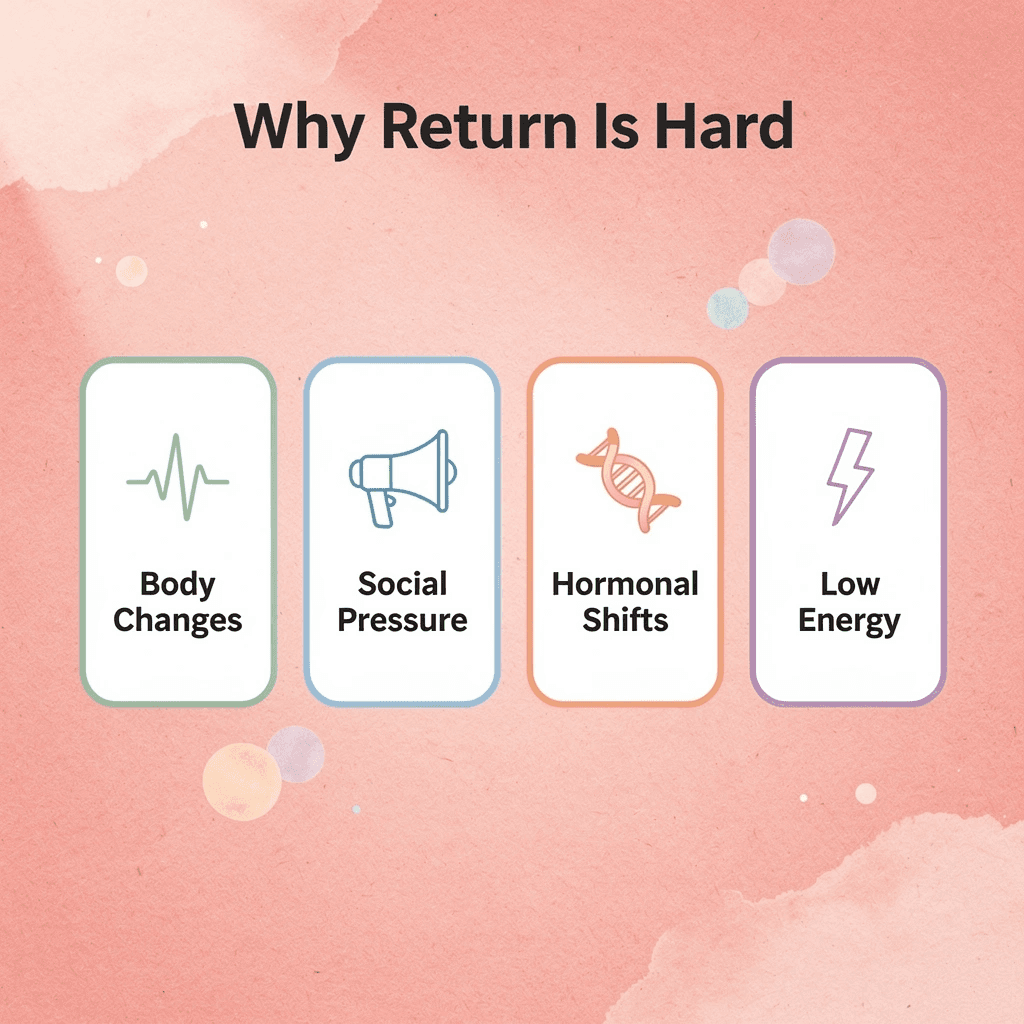
The first six weeks after birth aren’t a time to focus on fitness: they’re a time when your body needs to heal. Your body is repairing tissue, balancing hormones, and rebuilding systems that stretched beyond normal capacity for nine months. Treating this period as a weight-loss window ignores what your body needs to function well in the months and years ahead.

🎯 Key Point: Your body has just completed one of the most physically demanding processes possible—pregnancy and childbirth. The recovery phase requires energy, nutrients, and rest, not the additional stress of calorie restriction or intense exercise.

Three icons representing energy, nutrients, and rest needed for recovery

“The postpartum period is a critical time for physical recovery and hormonal rebalancing. Focusing on weight loss during the first 6 weeks can interfere with the body’s natural healing processes.” — American College of Obstetricians and Gynecologists

⚠️ Warning: Pushing for rapid weight loss during early postpartum can lead to decreased energy, poor wound healing, and compromised milk production if you’re breastfeeding. Your body’s priority should be restoration, not restriction.

Comparison chart showing recovery focus versus weight loss focus during postpartum

Your Body Is Healing From Major Physical Trauma

Whether you delivered vaginally or by cesarean section, childbirth places extraordinary demands on your body. According to the American College of Obstetricians and Gynecologists, the postpartum period involves ongoing physical recovery affecting your cardiovascular, reproductive, musculoskeletal, and metabolic systems.

Many women feel pressure to immediately return to pre-pregnancy routines. Healing tissues need time before they can handle higher training loads. Recovery isn’t weakness; it’s biology.

The Pelvic Floor Requires Months, Not Weeks

Research published in the National Institutes of Health’s review on postpartum recovery notes that pelvic floor muscles may stretch to approximately 250% of their resting length during vaginal delivery. Recovery of these tissues may continue for four to six months after birth, not six weeks.

Many women receive medical clearance around six weeks and assume their recovery is complete. Clearance indicates healing is progressing appropriately, not that every tissue has fully recovered. Returning to high-impact exercise before rebuilding foundational strength can stress structures still healing.

Core Recovery Extends Beyond What Most People Expect

Pregnancy stresses your abdominal wall as your baby grows and muscles stretch. Many women experience diastasis recti, a separation of the abdominal muscles affecting approximately 60% of postpartum women.

Recovery takes different amounts of time for different people and may continue well beyond the six-week mark. Postpartum specialists focus on breathing mechanics, core activation, and stability exercises before introducing hard abdominal training to restore the core’s ability to stabilize and support your body effectively.

Sleep Deprivation Fundamentally Changes Recovery Capacity

Most fitness programs assume normal recovery between workouts, which new mothers often lack. Research from the National Sleep Foundation shows that sleep deprivation affects physical recovery, exercise performance, mood, and overall health. Fragmented sleep becomes a daily reality during the postpartum period.

Recovery happens between workouts, not during them. When sleep is limited, your body’s ability to adapt to training suffers. This is why postpartum exercise programs benefit from emphasizing consistency and gradual progression over aggressive training volume.

Hormonal Shifts Continue Long After Delivery

After giving birth, hormonal changes continue for weeks and months, affecting your energy levels, mood, tissue healing, joint stability, and exercise tolerance. Combined with sleep problems and physical healing, these changes determine how quickly women feel ready to return to harder exercise. A recovery-focused approach acknowledges these realities rather than ignoring them.

Weight Loss and Recovery Are Not the Same Thing

Losing weight and getting better are not the same thing. A woman may lose weight while still having a weak core, pelvic floor dysfunction, poor movement patterns, reduced strength, and limited endurance. Conversely, she may gain strength, improve stability, and make significant progress in recovery even if the scale barely changes. Focusing only on weight loss during the first six weeks distracts from the physical foundations that support long-term fitness success.

Why does prioritizing recovery lead to better fitness outcomes?

Women who achieve the best long-term fitness results often spend the early postpartum period rebuilding their breathing, core strength, pelvic floor health, stability, and movement quality. These foundations enhance future exercise performance and reduce the risk of injury as training intensifies.

The first six weeks after having a baby are about creating the physical foundation for safe strength-building in the months and years ahead, not rushing back to your old workouts.

What type of structured approach works best during early recovery?

For women seeking a structured approach, Lagree in London offers a high-intensity, low-impact method designed around controlled movements that engage deep stabilizing muscles without excessive stress on healing tissues. The Megaformer’s slow, deliberate exercises allow new mothers to gradually rebuild strength while protecting vulnerable areas during those critical early weeks.

Knowing recovery should come first is only part of the equation; what belongs in a safe postpartum workout plan is where most programs fail.

What a Safe 6 Week Postpartum Workout Plan Should Actually Focus On

A safe 6-week postpartum workout plan rebuilds foundational systems: core, pelvic floor, breathing mechanics, and postural strength, rather than pursuing fitness goals prematurely. This restoration enables sustainable later workouts without excessive strain on your body.

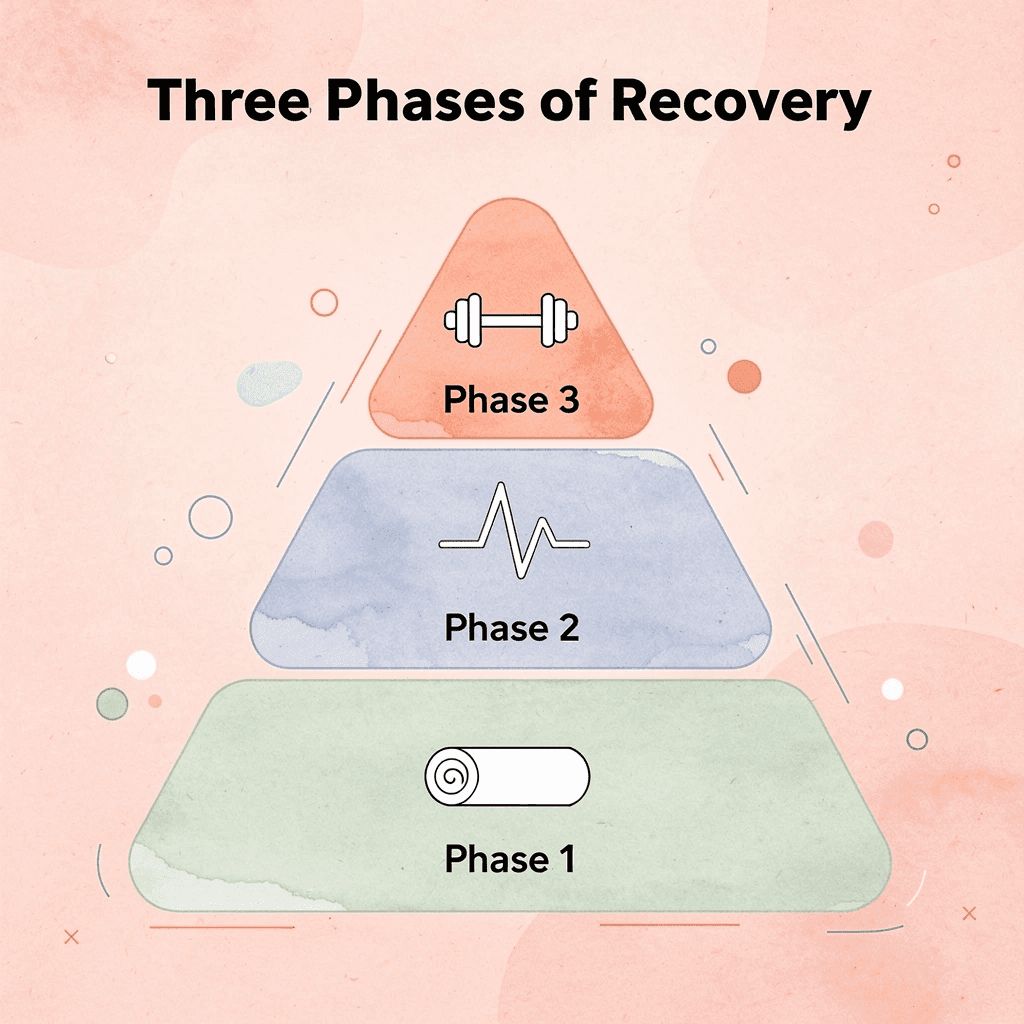
Pyramid showing foundational postpartum recovery systems

🎯 Key Point: Your 6-week postpartum period is about rebuilding, not achieving. Focus on foundational strength rather than immediate results.

“Proper postpartum recovery focuses on core restoration and pelvic floor rehabilitation before progressing to higher-intensity exercises.” — American College of Obstetricians and Gynecologists

Before and after comparison showing shift from quick results to foundation building

💡 Tip: Think of your postpartum workout plan as physical therapy rather than traditional fitness. Your body needs systematic rebuilding of essential movement patterns before it can handle more demanding exercises safely.

1. Breathing Mechanics

During pregnancy, the diaphragm shifts upward as the baby grows, changing how breath coordinates with core and pelvic floor muscles. Relearning this coordination after birth becomes the foundation for all subsequent movement patterns.

Diaphragmatic breathing exercises restore this connection. When you breathe deeply into the belly, the pelvic floor naturally moves down on the inhale and up on the exhale. This rhythm supports core engagement and prepares the body for more demanding exercises, making strength training more effective as the muscles relearn how to work together.

2. Core Rehabilitation

The first six weeks focus on activating the deep stabilizers that support your spine and pelvis during everyday movements, such as lifting your baby or standing from a chair.

Pregnancy stretches the abdominal wall significantly, and many women experience diastasis recti, a separation of the rectus abdominis muscles. Early postpartum core work uses gentle activation exercises: transverse abdominis engagement, pelvic tilts, and controlled movements that avoid excessive intra-abdominal pressure. These help muscles reconnect, creating a stronger foundation than aggressive abdominal training.

3. Pelvic Floor Recovery

The pelvic floor stabilizes the pelvis, supports organs, and works with the core during nearly every movement. Symptoms like urinary leakage, pelvic heaviness, or exercise discomfort signal that these muscles need more recovery time before increasing intensity.

Pelvic floor exercises should focus on coordination, not strength alone. Many women squeeze too hard or hold their breath, creating tension rather than function. Learning to relax and contract the pelvic floor in rhythm with breathing builds better long-term control than repetitions without awareness.

4. Postural Strength

Feeding, carrying, and holding a newborn pulls the body forward for hours each day, creating rounded shoulders, upper back tension, and lower back discomfort. A safe postpartum program addresses these patterns before they become chronic.

Exercises that strengthen the upper back, shoulders, and posterior chain counteract this forward-leaning posture. Rows, scapular retractions, and gentle thoracic extensions restore balance and reduce the ache that settles between the shoulder blades by midday.

5. Mobility

Stiffness through the hips, ribcage, and shoulders often surprises women after childbirth. Pregnancy alters joint mobility, and childbirth adds restrictions. Gentle mobility work restores a comfortable range of motion without forcing flexibility the body cannot yet support.

Hip circles, thoracic rotations, and shoulder mobility exercises help the body move freely, allowing you to navigate daily activities without feeling locked up or compensating with other joints.

6. Walking and Low-Impact Movement

Walking is one of the safest and most accessible exercises after giving birth. It improves circulation, supports heart health, and encourages movement without stressing healing tissues. Most women can gradually increase walking duration as recovery progresses, provided they experience no symptoms.

Low-impact movement is a safer starting point than high-intensity workouts. According to the American College of Obstetrics and Gynecology, most women receive medical clearance around 6 weeks after vaginal delivery, though this timeline extends longer for cesarean births. Clearance indicates healing is progressing, not that the body has fully recovered. Walking builds endurance without exceeding the body’s capacity.

Why does foundational strength matter more than intensity?

The pressure to resume pre-pregnancy workouts creates more problems than it solves. Women who rebuild breathing, core function, pelvic floor health, posture, and mobility first establish a strong foundation for long-term fitness. Those who skip these steps and jump into high-intensity training often face setbacks that delay progress for months.

How does controlled movement support postpartum recovery?

Most postpartum fitness programs focus on burning calories and achieving visible results. The Lagree Method works differently, using controlled, slow movements on the Megaformer to engage deep stabilizing muscles without excessive stress on healing tissues.

Many women find that low-impact, high-intensity workouts like those offered through Lagree in London provide the challenge they want without compromising recovery. The intentional pace and focus on muscle engagement build strength and endurance while allowing gradual progression.

What is the true purpose of early postpartum exercise?

The purpose of a 6-week postpartum workout plan isn’t to maximize fitness but to restore the systems that enable long-term fitness. When those foundations rebuild first, strength, endurance, and confidence develop more naturally later.

Related Reading

A Week-by-Week 6 Week Postpartum Workout Plan

Structure matters because recovery doesn’t progress in a straight line. The difference between rebuilding strength and risking a setback often comes down to how you sequence movement, intensity, and rest. What you do in week one shouldn’t resemble what you do in week six, and understanding why each phase exists helps you trust the process instead of rushing through it.

🎯 Key Point: Each week builds on the previous one. Skipping phases or rushing progression can lead to injury and setbacks.

💡 Tip: Your body needs time to adapt at each stage, so resist advancing too quickly even if you feel strong.

“Postpartum recovery follows a predictable timeline, but individual healing varies – what matters most is consistent progression rather than speed.” — Postpartum Recovery Guidelines

Path icon splitting into two directions representing rebuilding strength versus risking setback

Week 1-2 Recovery and Reconnection

The first two weeks aren’t about exercise. Your body has just finished one of the most physically demanding events it will experience. Movement should feel like a gentle check-in, not a challenge.

How do you restore your core connection after birth?

Focus on diaphragmatic breathing: lie on your back with one hand on your chest and one on your belly. Breathe in slowly through your nose, letting your belly rise while your chest remains still. Exhale gently, feeling your belly fall. Five to ten minutes daily help restore the connection among your diaphragm, core, and pelvic floor that pregnancy disrupted.

Add gentle pelvic floor awareness by coordinating a slow exhale with a subtle lift of the pelvic floor muscles, as if you’re stopping the flow of urine. Notice the sensation, then release fully. According to HSE.ie’s exercise guidelines for 0 to 12 weeks after pregnancy, this early reconnection phase supports healing while preventing excessive strain on recovering tissues.

What gentle movements support early recovery?

If you feel ready and your healthcare provider agrees, short walks around your home or neighborhood help keep your blood flowing and your body moving. Keep them to five to fifteen minutes at most. Stop if you notice increased bleeding, pelvic pressure, or pain.

Shoulder rolls, chest openers, and gentle upper-back stretches help correct the forward-hunched posture caused by feeding and holding a newborn. These movements address the discomfort most women experience during early recovery.

Week 3-4 Rebuild Stability

By week three, energy returns in bursts and restlessness grows—a positive sign, though not permission to resume pre-pregnancy workouts. This phase rebuilds the stability systems that enable safe movement later.

How do core activation exercises rebuild your foundation?

Core activation exercises form the foundation. Lie on your back with knees bent and feet flat. Gently draw your belly button toward your spine without holding your breath or flattening your back completely. Hold for five seconds, then release. Repeat eight to ten times for two sets. The goal is control, not intensity.

Why are glute bridges essential for hip stability?

Glute bridges restore hip and pelvic stability. Lie on your back with your knees bent and feet about hip-width apart. Push through your heels to lift your hips until your body forms a straight line from your shoulders to your knees. Squeeze your glutes at the top, hold for two seconds, then lower slowly. Do two to three sets of ten to twelve repetitions. If you feel pressure in your pelvic floor or notice doming along your midline, reduce your range of motion or pause until those symptoms resolve.

How do bird dogs improve core coordination?

Bird dogs improve coordination between your core and limbs. Start on your hands and knees with a neutral spine. Extend your right arm forward and left leg back simultaneously, keeping your hips level and core engaged. Hold for three seconds, return to start, then switch sides. Two sets of six to eight repetitions per side build control without overloading recovering tissues.

What functional movements should you practice safely?

Bodyweight sit-to-stands or supported squats build functional lower-body strength. Stand in front of a sturdy chair, lower yourself slowly to tap the seat, then stand back up using your legs rather than momentum. Two sets of eight to ten repetitions help rebuild movement patterns you use throughout the day.

Walking duration can increase gradually. If fifteen minutes felt manageable in week two, try twenty minutes now. Increased pelvic heaviness, leaking, or belly discomfort signals you’ve pushed too far.

Week 5-6 Build Strength and Endurance

Weeks five and six mark a turning point in the transition from healing after childbirth to returning to activity. Many women receive medical clearance to exercise at this stage, though clearance doesn’t mean your body has returned to its pre-pregnancy state. Research published in Frontiers in Public Health examining postpartum exercise practices found that starting exercise at 6 weeks after childbirth supports long-term recovery when intensity matches your current ability rather than your pre-pregnancy fitness levels.

How can you progress with bodyweight squats safely?

Bodyweight squats improve in volume and depth once you’ve mastered the sit-to-stand pattern. Stand with feet shoulder-width apart, toes slightly turned out. Lower your hips back and down as if sitting into a chair, keeping your chest up and knees tracking over your toes. Press through your heels to stand. Two to three sets of ten to fifteen repetitions build strength for lifting, carrying, and daily movement.

What makes modified planks effective for core recovery?

Modified planks build core strength, which helps prevent your back from overextending. Start on your hands and knees with your hands directly under your shoulders. Step your knees back so your body forms a straight line from head to knees. Tighten your core to prevent your hips from sagging or lifting. Hold for 15–30 seconds, rest, then repeat for 2–3 sets. If you notice bulging in your middle or feel pressure in your pelvic floor, shorten the hold duration or try an easier variation.

How do resistance bands support postpartum strength training?

Resistance bands add controlled weight without stressing your joints. Anchor a band at chest height and perform rows by pulling toward your ribcage, squeezing your shoulder blades together. Two to three sets of ten to fifteen repetitions strengthen your upper back and correct rounded shoulders, which are common in new mothers. Banded glute work, such as standing kickbacks or lateral walks, targets hip stability with minimal impact on the pelvic floor.

Functional movement patterns matter more than isolated exercises. Practice lifting objects from the floor using a hip hinge instead of rounding your back. Carry items on both sides of your body to maintain balance. Reach overhead with control, engaging your core to support your spine.

What cardio options work best at this stage?

Walking or low-impact cardio can continue for 20 to 30 minutes at a comfortable pace; you should be able to talk without gasping for air. Methods like Lagree in London offer high-intensity, controlled movement on specialized equipment designed to challenge muscles while protecting vulnerable areas. Our BST Lagree classes use this slow, deliberate pace to maintain core engagement and pelvic floor awareness throughout each exercise.

What does realistic postpartum fitness progress look like?

Six weeks from now, your body will still be changing, your energy will fluctuate, and some days will feel harder than others. That’s not failure—that’s biology.

Real progress shows up in how you move through your day: better posture when holding your baby, walking stairs without pelvic heaviness, lifting the car seat without bracing your entire body, feeling your core engage when standing from sitting. These functional wins matter more than any number on a scale.

How do you know your pelvic floor is getting stronger?

A stronger pelvic floor means fewer moments of leaking when you sneeze, cough, or laugh, and the ability to carry groceries or pick up your toddler without feeling unsupported. You trust your body to handle normal activities, which is the foundation for everything else.

What signs show your body is adapting well?

Being able to walk farther without pain, move around more comfortably during the day, and have more energy shows that your heart, blood vessels, bones, and muscles are strengthening. These improvements indicate your foundation is improving, not that you’ve finished rebuilding.

Six Weeks Is a Milestone, Not the Finish Line

The biggest mistake women make is treating six-week clearance as permission to return to everything they did before pregnancy. Medical clearance means your tissues have healed enough that exercise won’t cause immediate harm, not that your core, pelvic floor, and connective tissues have fully recovered their strength and coordination.

Full recovery of deep core function, pelvic floor reflexive stability, and connective tissue integrity often takes six to twelve months, sometimes longer. Women who achieve the strongest long-term outcomes aren’t those who sprint back to intense work.

The Biggest Mistakes Women Make During the First 6 Weeks Postpartum

The biggest mistake is misunderstanding your six-week medical clearance. When your doctor clears you, they’ve confirmed your body isn’t at immediate risk of bleeding or infection—not that you’re ready to jump, run, or lift heavy weights.

Warning icon highlighting the biggest postpartum mistake

According to the European Journal of Midwifery, 94% of women experienced at least one health problem during the first year after giving birth, often from returning to intense activity before deep tissue systems rebuild their coordination and strength. Medical clearance confirms your wounds have closed, but it doesn’t confirm your pelvic floor can handle impact or your abdominal wall can stabilize under load.

94% of women experienced at least one health problem during the first year after giving birth, often from returning to intense activity before deep tissue systems rebuild.” — European Journal of Midwifery, 2023

Statistics showing postpartum health challenges and recovery timeline

⚠️ Warning: Six-week clearance is not a green light for high-impact exercise—it’s simply confirmation that your body has healed enough to avoid immediate complications.

🔑 Takeaway: Your medical clearance addresses surface healing, but your deep core systems need additional time and progressive training to handle the demands of intense physical activity.

Comparison showing what six-week clearance actually means versus common misconceptions

Treating Clearance as a Fitness Green Light

The six-week appointment checks for bleeding, incision healing, and infection risk. Your doctor assesses whether your cervix has closed and your uterus has shrunk to near its pre-pregnancy size. These checks don’t measure core muscle activation patterns, pelvic floor reflex response, or connective tissue elasticity.

Think of it like getting stitches removed after surgery. The wound has closed enough that the stitches can come out, but the underlying tissue hasn’t regained full strength. Recovery continues long after visible healing is complete.

Ignoring Symptoms Because They’re Common

Leaking urine when you cough or sneeze, pelvic heaviness, lower back pain, or a visible abdominal gap may feel like common postpartum experiences. Common doesn’t mean optimal.

These symptoms indicate your body’s internal support systems haven’t fully restored function. Ignoring them often leads to worsening issues months or years later: pelvic organ prolapse, chronic pain, and persistent diastasis recti can develop when early warning signs go unheeded.

Comparing Your Recovery to Instagram Timelines

Someone else’s four-week postpartum workout video tells you nothing about their delivery, tissue quality, sleep, or unreported symptoms. Social media rewards visible progress, not patience or the full picture.

Your recovery depends on factors beyond your control: whether you tore, hormone shifts, breastfeeding status, sleep, and your body’s healing capacity. Comparing yourself to curated highlight reels creates pressure to move faster than your tissues can handle.

Returning to Running Before Your System Is Ready

Running seems simple: put on your shoes and go. But running creates ground reaction forces up to three times your body weight with every step. Your pelvic floor must absorb and redirect that impact hundreds of times per mile.

Research from Babyscripts shows that more than 50% of pregnancy-related deaths occur during the postpartum period, highlighting the vulnerability of this recovery time. If your pelvic floor cannot stabilize before impact, that force travels through weakened structures, resulting in leaking, pain, or prolapse symptoms that may not appear for months.

Prioritizing Weight Loss Over Functional Strength

The urge to “get your body back” makes emotional sense. But chasing calorie burn before rebuilding foundational strength creates a shaky base. Your core and pelvic floor need to learn how to work together again before they can handle metabolic stress.

Weight loss happens in the kitchen more than in the gym. During early postpartum recovery, exercise should restore coordination, rebuild stabilization patterns, and prepare tissues for progressive load. Strength creates the platform that makes everything else possible. Fat loss without functional recovery leaves you weaker, not healthier.

Skipping Modifications Because You Feel Fine

Feeling good doesn’t mean your tissues are ready. Adrenaline, determination, and relief from movement can mask underlying dysfunction. You might complete a workout without pain while still loading compromised structures in ways that create problems later.

Modifications aren’t admissions of weakness—they’re strategic choices that allow effective training while respecting your recovery status. Reducing impact, controlling range of motion, and prioritizing quality over intensity protect your progress.

Misunderstanding What “Low Impact” Actually Means

Low impact means reducing ground reaction forces and jarring movements that challenge tissues before they’re ready, not low intensity or ineffectiveness. High-intensity, low-impact training builds strength, endurance, and muscle tone without stressing your pelvic floor and core too early.

The Lagree Method exemplifies this approach. The Megaformer creates significant muscular challenge through time under tension and resistance, with feet staying connected to the platform. There are no jumping, pounding, or sudden directional changes that recovering tissues might not handle. You gain cardiovascular and strength benefits without the risk of impact-based training too soon.

Assuming All Exercise Is Equal During Recovery

A postpartum body doesn’t respond to exercise the same way a non-postpartum body does. Hormones are still changing, connective tissue remains looser than usual, and your abdominal wall and pelvic floor are relearning to work together after months of stretching and pressure.

Exercise that would be safe in other situations can become problematic now. Crunches might worsen diastasis recti. High-impact cardio might overload a pelvic floor lacking natural stability. Heavy lifting without proper core engagement might create abdominal pressure your tissues cannot yet handle. The situation matters more than the exercise itself.

Why doesn’t pre-pregnancy fitness exempt you from postpartum considerations?

Your fitness level before pregnancy doesn’t mean you can skip postpartum-specific considerations. Both elite athletes and complete beginners need to rebuild foundational patterns after birth. The difference lies in how quickly they progress once those foundations are solid, not in whether they need to establish them.

How does professional guidance help distinguish a good challenge from dysfunction?

Working with instructors trained in postpartum recovery helps you distinguish between challenging sensations (which are beneficial) and problematic pain (which requires modification). London’s only all-Lagree-certified instructors, led by Europe’s most experienced Lagree trainer, understand how to adapt movements for postpartum bodies while delivering transformative results.

That expertise matters when your body is recovering through a process that doesn’t follow the same path for everyone. Knowing when you’ve built enough foundation to progress requires recognizing specific signs that your body is ready for more.

Related Reading

How to Know You’re Ready for More Structured Training

Being ready isn’t about a calendar—it’s about listening to your body. When your core feels connected during daily movement, exercises feel controlled rather than compensatory, and symptoms like pelvic pressure or leakage have resolved, you’re ready to progress. If foundational movements still feel unstable or leave you tired for days, your body needs more time.

🎯 Key Point: Your body’s response to movement is the most reliable indicator of readiness, not arbitrary timelines or external pressure.

“True recovery means your core feels connected during daily activities and exercises feel controlled rather than compensatory.” — Postpartum Recovery Guidelines

⚠️ Warning: Pushing into structured training too early can set back your recovery and increase injury risk. Patience now saves months later.

 Stethoscope icon representing listening to your body

What readiness actually looks like

Your posture improves without conscious effort. Squats, bridges, and lunges feel coordinated rather than disjointed. Energy becomes more consistent, and recovery from basic workouts occurs within hours rather than days. These shifts signal your foundation can handle greater demands.

What symptoms indicate you should wait before progressing?

Feeling heaviness in your pelvis during or after exercise, leaking urine with impact, or lower back pain that worsens with activity are signs you should get checked before progressing to harder workouts. Research published in the British Journal of Sports Medicine (2024) emphasizes symptom-based progression over rigid timelines. Your body doesn’t care what week postpartum you’ve reached—it cares whether the structures are ready.

How can you transition safely from foundational to structured training?

Moving from basic exercises to organized training requires guidance that recognizes postpartum bodies differ fundamentally from pre-pregnancy strength. BST Lagree in London offers high-intensity, low-impact training on the Megaformer that builds full-body strength without the joint stress or pelvic floor pressure associated with traditional HIIT or running. Our London-based team includes the only all-Lagree-certified instructors in the city, led by Europe’s most experienced Lagree trainer, who know how to progress postpartum clients safely while delivering transformative results.

Why does confidence with foundational exercises matter more than volume?

Feeling confident with basic exercises matters more than doing many of them. If glute bridges, bird dogs, and core activation drills feel steady and controlled, you’ve built the body awareness needed for harder movement patterns. That confidence signals real strength returning, not merely improved endurance.

How BST Lagree Helps Women Continue Building Strength After the First 6 Weeks

Once women finish the early postpartum recovery phase, the next challenge is progressing safely without losing the foundation they’ve rebuilt. Many new mothers seek workouts that are challenging enough to deliver results while supporting core strength, stability, recovery, and overall fitness readiness: they’re caught between basic home workouts that no longer feel challenging and traditional fitness programs that may feel too intense. BST Lagree provides a women-focused fitness environment designed to help clients build strength safely and efficiently after the early postpartum period.

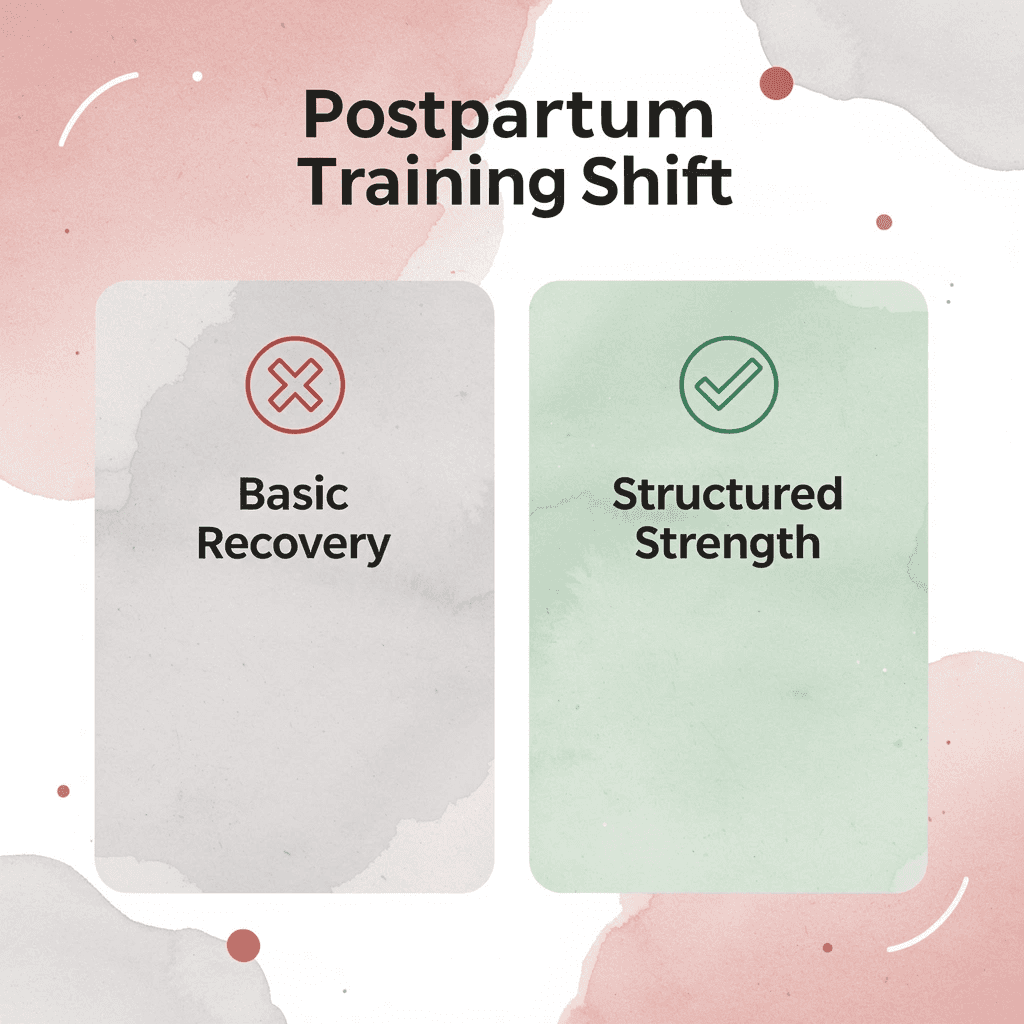
 Illustration showing the progression from basic postpartum recovery to advanced strength training

🎯 Key Point: The postpartum fitness gap creates a unique challenge where women need workouts that are challenging enough to build real strength while remaining safe for recovering bodies.

BST Lagree bridges the gap between basic recovery exercises and high-intensity traditional fitness, offering the perfect progression for postpartum women ready to reclaim their strength.”

 Bridge icon representing the transition from recovery to strength building

💡 Tip: Look for fitness programs that specifically understand the unique needs of postpartum women—programs that can scale intensity while maintaining focus on core stability and functional movement patterns.

Traditional FitnessBST Lagree Approach
High-impact movementsLow-impact, joint-friendly exercises
Generic programmingWomen-focused methodology
All-or-nothing intensityScalable challenge levels
Limited core focusCore-integrated every workout
 Infographic showing key postpartum fitness needs centered around heart health

Why is low-impact training important for postpartum recovery?

One of the reasons many women hesitate to return to exercise is concern about excessive impact. After rebuilding core control, pelvic stability, and movement quality, jumping into high-impact workouts can feel intimidating. BST Lagree uses slow, controlled movements that place significant demand on the muscles while remaining low-impact on the joints. Rather than relying on jumping, sprinting, or explosive movements, our method emphasizes control, stability, and muscular engagement, providing an effective way to progress without the stress of traditional high-impact workouts.

How does BST Lagree maximize workout efficiency for busy mothers?

Time is one of the biggest challenges new mothers face. Our 45-minute workouts combine strength training and cardiovascular conditioning into a single session, allowing women to improve multiple aspects of fitness simultaneously: strength, muscular endurance, cardiovascular fitness, stability, and overall conditioning.

What makes Lagree effective for ongoing core development?

Core development does not end at six weeks. Many women continue rebuilding core strength and stability for months after childbirth. BST Lagree workouts emphasize controlled movement and core engagement, integrating core activation throughout the entire workout rather than treating it as an isolated muscle group.

Everyday tasks after pregnancy—carrying a baby, pushing a stroller, lifting equipment—require strength and endurance. BST Lagree training builds muscular endurance through extended time under tension and controlled movement patterns, helping women sustain effort over longer periods.

How does BST Lagree address postpartum posture challenges?

Pregnancy and early motherhood stress the posture through feeding, carrying, lifting, and repetitive movements, causing muscle imbalances and discomfort. Our BST Lagree workouts challenge the muscles that support posture and stability throughout the body, helping women feel stronger during workouts and everyday activities.

What makes the BST Lagree environment supportive for new mothers?

For many women, the workout environment matters as much as the workout itself. Traditional gyms can feel intimidating for women returning to exercise after pregnancy. BST Lagree provides a women-focused space where clients progress at a pace that matches their individual recovery and fitness levels.

BST Lagree instructors are certified and complete a rigorous mentorship program to ensure classes remain effective, motivating, and safe. This guidance helps clients progress while maintaining proper movement quality and confidence.

The strongest long-term results come from building on the foundation established during recovery rather than abandoning it in favor of intensity. BST Lagree creates that bridge by combining low-impact training, full-body strength and cardio, core-focused movement, muscular endurance work, and professional instruction, helping women move beyond basic recovery while developing the strength, stability, and confidence that support long-term fitness success.

Book a Lagree Class in London Today

Book a class at BST Lagree when you’re ready for the next step in postpartum recovery. You’ll experience our structured, low-impact workout that strengthens your core, improves endurance, and builds confidence while continuing to strengthen your foundation.

Heart icon representing postpartum care and recovery

🎯 Key Point: BST Lagree classes are specifically designed to support your postpartum fitness journey with safe, effective workouts that respect your body’s recovery process.

Low-impact workouts can be just as effective as high-intensity training for building strength and endurance, making them ideal for postpartum recovery.” — Fitness Research Institute, 2023

Infographic showing four key benefits of Lagree classes

💡 Tip: Start with beginner-friendly sessions and gradually progress as your core strength and confidence build—our instructors will guide you every step of the way.

  • Best Postpartum Ab Workout
  • How To Lose a Pregnancy Belly After 2 Years
  • Post-Pregnancy Workout Plan
  • Postpartum Pilates Workout
  • Best Way To Lose Postpartum Belly Fat
  • Best Postpartum Exercises
  • Best Postpartum Workout App
  • Beginner Postpartum Workout Plan
  • Postpartum Gym Workout

Related Reading

Leave a comment

Contact Us

Receive a Complimentary Coffee with Your First Class

Rated 4.9/5 - 200+ Reviews