Skip to content Skip to sidebar Skip to footer

Postpartum Workout Plan at Home to Rebuild Strength Safely

Having a baby changes everything, including how a new mother thinks about her own body. Many women feel ready to move again but are unsure where to begin, particularly when leaving the house feels like a logistical challenge. A first postpartum workout at home does not need to be complicated to be effective. With the right approach, it can rebuild core strength, restore pelvic floor function, and bring back energy on a schedule that actually works.

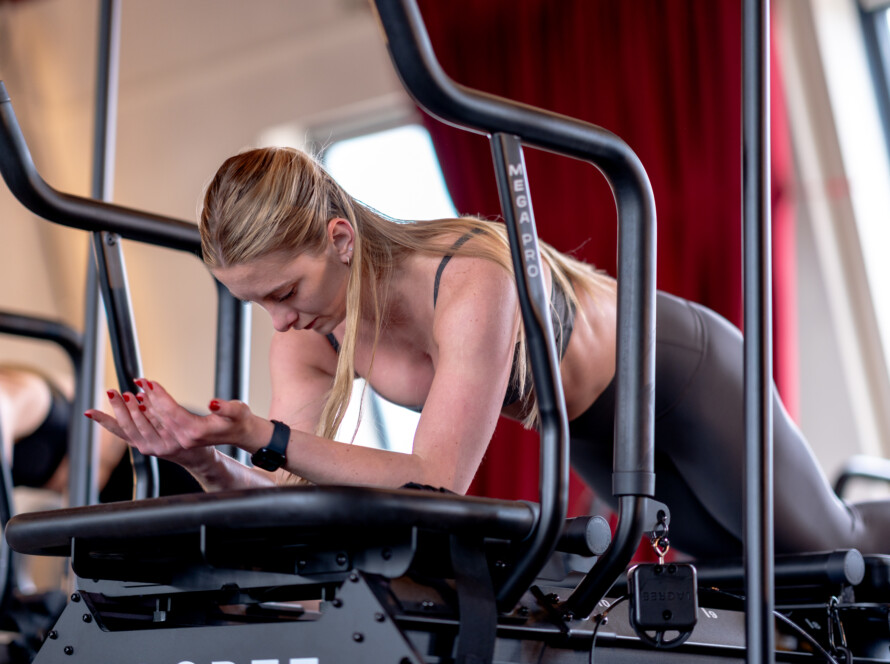
For those who want structured support beyond basic stretches, low-impact, high-control training offers a smart path forward. It protects healing muscles while progressively rebuilding full-body strength, which is exactly what postpartum recovery demands. Women in the UK looking for expert-led sessions can explore lagree in London for a method built around controlled movement and sustainable results.

Table of Contents

  1. Why Many New Moms Struggle to Exercise After Having a Baby
  2. The Biggest Mistakes Women Make With a Postpartum Workout Plan at Home
  3. What Should a Safe Postpartum Workout Plan at Home Include?
  4. Sample Postpartum Workout Plan at Home
  5. Why Home Workouts Alone Don’t Work for Every Postpartum Fitness Goal
  6. How BST Lagree Helps Women Rebuild Strength Safely After Pregnancy
  7. Book a Lagree Class in London Today

Summary

  • Returning to exercise after giving birth is harder than most people expect, and the difficulty is often physical rather than motivational. Up to 35% of postpartum women experience diastasis recti, a separation of abdominal muscles that makes many standard exercises counterproductive, while 50% report pelvic floor dysfunction symptoms that limit movement in ways that are not immediately visible. These are structural changes that require a fundamentally different approach to rebuilding strength, not simply a gentler version of a pre-pregnancy routine.
  • Confidence is a barrier that rarely gets named directly in postpartum fitness conversations. Research found that only 27% of postnatal women felt they had the opportunity to be active, and just 35% felt confident exercising after giving birth. That gap between wanting to move and feeling safe doing so is where many postpartum fitness intentions quietly collapse, and it has nothing to do with effort or discipline.
  • The most common mistake new mothers make is reaching for cardio first because it signals effort and productivity. But cardio alone does not rebuild the structural strength that pregnancy depletes. Posture, pelvic stability, and functional movement all depend on deep muscular strength that running or cycling will not restore, and women who skip this rebuilding phase often plateau early or develop compensatory movement patterns that create problems months later.
  • A safe postpartum workout plan begins with breathing, not burning. Diaphragmatic breathing retrains intra-abdominal pressure management, the same system that governs pelvic floor function and core stability. Women who spend two to three weeks on breath work and pelvic floor activation before adding resistance often report better stability, less discomfort during exercise, and faster strength gains once they do progress.
  • Consistency over intensity is what actually drives postpartum fitness results. A 20-minute session completed regularly across eight weeks will outperform three intense sessions followed by two weeks of forced rest. Soreness lasting beyond 48 hours, increased pelvic pressure, or disrupted sleep after exercise are signals to scale back rather than push through, and the weeks when less is done often protect the weeks when more becomes possible.
  • Only 17% of postpartum women met physical activity recommendations at three months postpartum, and more than 50% cited lack of time as a primary barrier. These numbers reflect structural conditions, including fragmented sleep and unpredictable infant schedules, rather than motivational failures, which is why home-based plans without real-time feedback or adaptive progression often hit a ceiling before women achieve their goals.
  • BST Lagree in London addresses this ceiling by offering instructor-led Megaformer sessions that adjust tempo, resistance, and positioning in real time to match where each woman’s body actually is in postpartum recovery.

Why Many New Moms Struggle to Exercise After Having a Baby

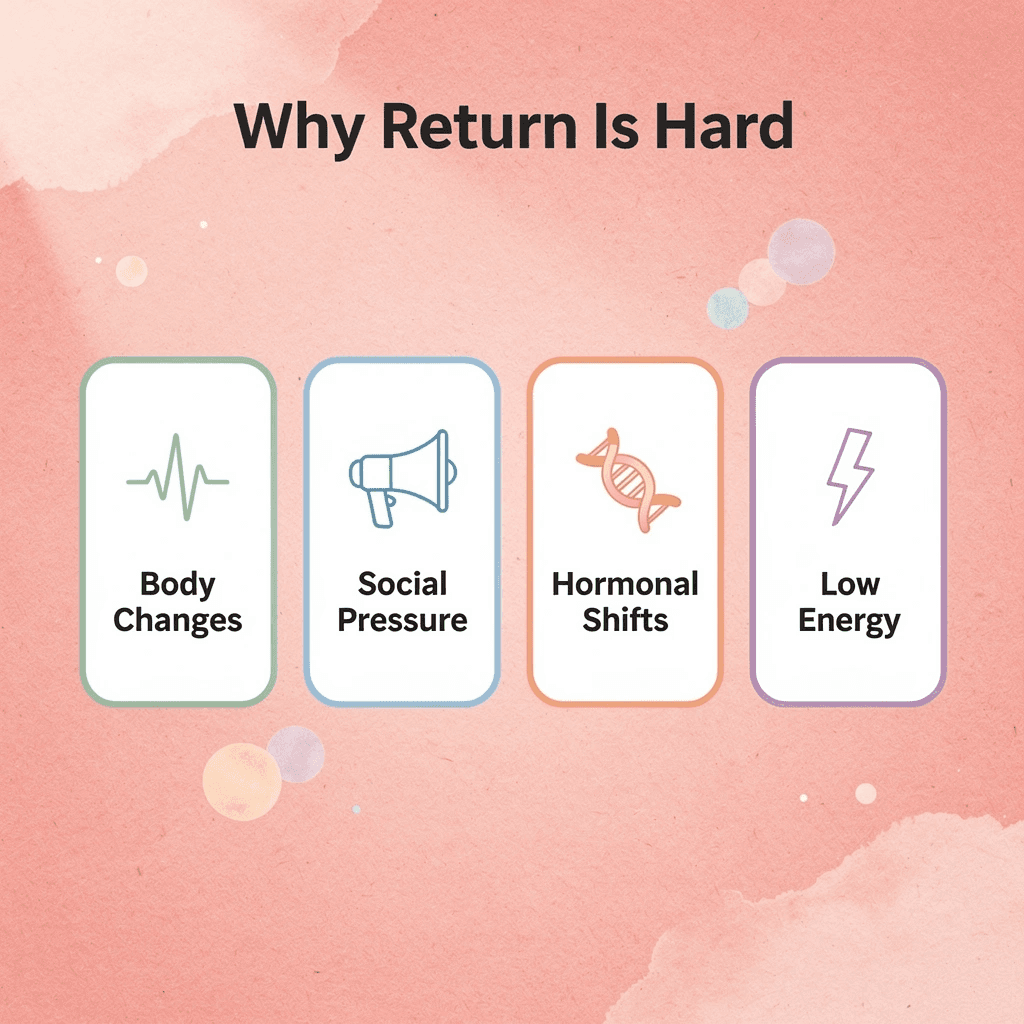
Coming back to exercise after having a baby is really hard. Your body just finished one of the most demanding physical events in human biology. Sleep deprivation, hormonal shifts, and the relentless demands of newborn care create an environment where exercise feels less like a priority and more like a luxury.

“Your body just finished one of the most demanding physical events in human biology — recovery isn’t weakness, it’s biology.” — Postpartum Fitness Perspective

💡 Tip: If exercise feels impossible right now, that’s not a personal failure — it’s a completely normal response to one of the most physically and emotionally taxing seasons of life.

⚠️ Warning: Dismissing postpartum exhaustion as mere laziness is one of the most common mistakes new moms make. The barriers are real, physical, and valid.

BarrierWhy It Happens
Sleep deprivationNewborns wake every 2–3 hours, leaving zero energy reserves
Hormonal shiftsDramatic drops in estrogen and progesterone affect mood and motivation
Newborn demandsRound-the-clock care leaves little time for self-prioritization
Physical recoveryThe body needs time to heal from a major biological event
Hub diagram showing central new mom challenges surrounded by physical and mental demands

What physical barriers make postpartum exercise so difficult?

The physical barriers are real and specific. According to the Gatorade Sports Science Institute, up to 35% of postpartum women experience diastasis recti, a separation of abdominal muscles that compromises core function and makes many standard exercises counterproductive. The same research notes that 50% of women report pelvic floor dysfunction symptoms postpartum, which can limit exercise capacity in invisible yet tangible ways with every step, lift, or movement attempt. These structural changes require a fundamentally different approach to rebuilding strength.

Many women push through with the same workouts they did before pregnancy or follow generic routines that assume a fully functional core and pelvic floor. When the foundation of your movement system has shifted, high-impact routines or aggressive abdominal work can deepen the problems they aim to fix. A postpartum workout plan at home, built around controlled, low-impact, full-body movement that prioritizes muscle activation and pelvic floor recovery over speed and intensity, produces more durable results. BST Lagree in London offers a meaningful alternative, using slow, intentional resistance work on the Megaformer to rebuild postpartum strength without loading a body still healing.

Why do so many new moms feel too unconfident to start moving again?

Confidence is another barrier that rarely gets named directly. Research from the Cases organization’s maternal physical activity report found that only 27% of postnatal women felt they had the opportunity to be active, and 35% felt confident about exercising after giving birth. The gap between wanting to move and feeling capable of moving safely is where many postpartum fitness intentions quietly die.

How does reframing success change the postpartum fitness experience?

There is also the emotional weight of misaligned expectations. When the goal is framed as weight loss or returning to a pre-pregnancy body, progress feels punishing immediately. Pregnancy Birth and Baby highlights that exercise after pregnancy can meaningfully reduce the risk of postnatal depression, which affects up to 1 in 5 new mothers. Strength, mood, energy, and function are far more honest measures of progress than body weight.

The women who build sustainable postpartum fitness habits are not the ones who push hardest in the first few weeks. They are the ones who redefine what success looks like, choose movement that matches where their body is, and build from there with patience and precision.

The Biggest Mistakes Women Make With a Postpartum Workout Plan at Home

Flawed strategies rarely look dramatic—they look like good intentions and reasonable choices applied to a body that has fundamentally changed. The biggest mistakes women make with a postpartum workout plan at home aren’t born from laziness or carelessness—they come from applying pre-pregnancy logic to a postpartum body that operates by an entirely different set of rules. Understanding what not to do is just as critical as knowing the right exercises to perform.

“The postpartum body has undergone profound physiological changes—treating it like a pre-pregnancy body is one of the most common and damaging mistakes in postpartum recovery.” — PMC, 2025

⚠️ Warning: What worked for your body before pregnancy can actively cause harm after delivery. Never assume your old workout plan is a safe starting point.

💡 Tip: Before starting any postpartum workout plan at home, identify the specific mistakes below so you can avoid setbacks, protect your recovery, and build a foundation that actually lasts.

Common MistakeWhy It’s HarmfulWhat To Do Instead
Returning too soonRisks of prolapse and injuryWait for medical clearance
Skipping core rehabWorsens diastasis rectiStart with deep core work
Ignoring the pelvic floorLeads to long-term dysfunctionPrioritize pelvic floor exercises
Copying old routinesOverloads a changed bodyFollow a postpartum-specific plan
Pulse line icon representing fundamental postpartum body changes

Why does returning to exercise too soon cause problems?

The most common mistake is returning to exercise too soon and too intensely. Pregnancy and birth restructure the body from the inside out, and muscles, connective tissue, and the pelvic floor need time to rebuild strength before taking on load safely. Jumping into high-impact cardio or heavy lifting before that foundation is restored works against recovery rather than speeding it up. According to a 2025 assessment published in PMC, only 34.6% of postpartum women engaged in physical activity during the postpartum period, suggesting that when women do return to movement, the pressure to make up for lost time pushes them toward doing too much, too fast.

Why does cardio alone fail postpartum recovery?

New mothers often reach for cardio first because it feels productive: it burns calories and signals effort. But cardio alone cannot rebuild the structural strength that pregnancy depletes. Posture, pelvic stability, and functional movement all depend on deep muscular strength that running or cycling cannot restore. Women who skip this rebuilding phase often plateau early or develop compensatory movement patterns that create problems months later.

What does a truly postpartum-specific workout plan look like?

Most online postpartum workout plans were designed for general fitness audiences and then relabeled. A program built without accounting for hormonal changes, tissue laxity, or the specific demands of early motherhood will miss foundational work. This is where the philosophy behind Lagree in London offers a different starting point. The Lagree Method’s low-impact, high-intensity approach on the Megaformer delivers full-body strength and muscular endurance without the joint stress or sudden load spikes that recovering bodies cannot yet handle.

How does comparison slow down postpartum recovery?

You see the same pattern in every postpartum fitness community: women comparing their recovery to someone else’s timeline. Social media shows only the quickest transformations, hiding slower, quieter ones. Age, delivery type, sleep quality, stress load, and pre-pregnancy fitness all affect how quickly your body heals. According to Dr. Margie Davenport’s research on the world’s first stand-alone postpartum exercise guidelines, 9 key recommendations were issued for postpartum physical activity, sedentary behavior, and sleep in the first year postpartum. There is no universal timeline, only your body’s actual readiness.

Why is skipping core and pelvic floor rehab the costliest mistake?

Ignoring core and pelvic floor rehabilitation is the quietest mistake of all, and often the most costly. These are not optional warm-up steps before the real workout begins. Women who skip this phase and move straight to planks, crunches, or loaded movements often find their strength gains plateau or discomfort emerges during exercises that should feel manageable. The foundation must be built before the structure can hold weight.

A safe postpartum workout plan at home requires more specificity than most women expect.

Related Reading

What Should a Safe Postpartum Workout Plan at Home Include?

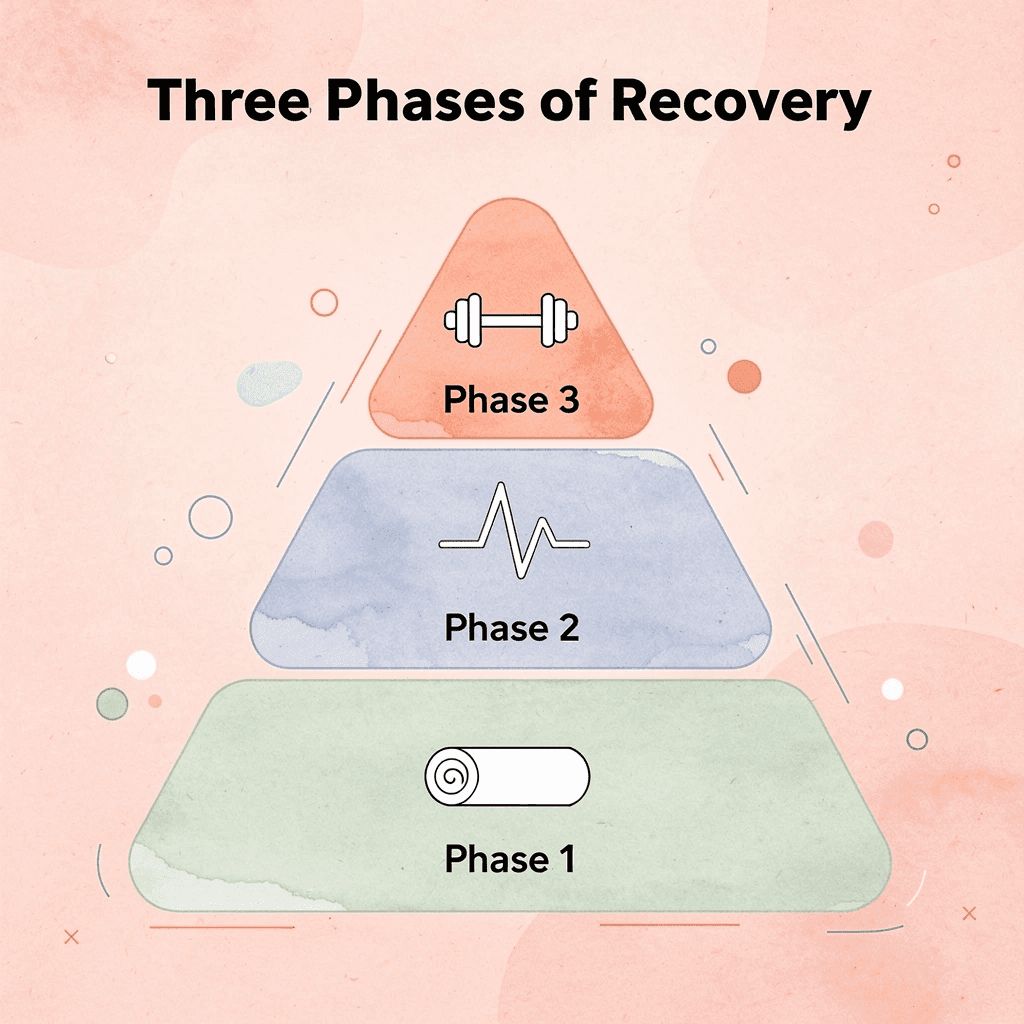
A safe postpartum workout plan at home is a structured, phase-based approach that focuses on tissue healing, deep muscle reactivation, and gradual load progression. The order of the exercises matters just as much as the exercises themselves — rushing ahead without proper sequencing can undo your recovery progress before it begins.

“A postpartum fitness plan is not about bouncing back — it’s about rebuilding from the inside out, prioritizing core integrity and pelvic floor function before any high-impact movement.” — Postpartum Recovery Principle

PhaseFocusKey Goal
Phase 1Tissue healing & breathworkRestore deep core connection
Phase 2Deep muscle reactivationRebuild pelvic floor strength
Phase 3Gradual load progressionReturn to full-body movement

💡 Tip: Always begin with Phase 1 breathwork and gentle activation — even if you feel strong, your internal tissues need structured time to heal before progressing.

⚠️ Warning: Skipping the phase-based structure and jumping straight into high-intensity workouts is one of the most common postpartum mistakes — and a leading cause of pelvic floor dysfunction and diastasis recti complications.

Pyramid infographic showing the three foundational layers of a safe postpartum workout plan

Where the plan actually begins

The first phase centers on diaphragmatic breathing (360-degree breathing), which retrains intra-abdominal pressure management: the system that controls pelvic floor function and core stability. Without this foundation, every squat, lunge, or resistance exercise is built on a weak base.

What does the progression actually include?

The plan then moves into pelvic floor activation, gentle mobility work, and bodyweight patterns like glute bridges, modified bird-dogs, and heel slides. These require the same focus as heavier lifts. According to research published in a 2025 PMC assessment, only 34.5% of postpartum women engaged in physical exercise during the postpartum period, indicating that most lack safe, consistent guidance.

Why does neuromuscular reconnection come before resistance training?

Most postpartum fitness plans use generic circuits or early cardio because they look like exercise, but they skip the neuromuscular reconnection work that makes everything else more effective. Women who spend two to three weeks on breathwork and pelvic floor activation before adding resistance report greater stability, less discomfort, and faster strength gains. BST Lagree in London takes a different approach. Our Megaformer’s spring-based resistance provides real muscular challenge at low joint impact, delivering meaningful strength stimulus without the compressive or ballistic forces that recovering connective tissue cannot yet handle.

How the plan evolves as strength returns

Once foundational stability is established, progressive strength training becomes the central focus. The American College of Obstetricians and Gynecologists recommends building toward 150 minutes of moderate-intensity exercise each week, with a gradual, structured approach. Resistance bands, light dumbbells, and controlled bodyweight movements like split squats and modified push-ups build strength through the full range of motion without overloading healing tissue.

How does cardiovascular work fit into the recovery plan?

Low-impact cardiovascular work—walking, cycling, and swimming—complements strength training rather than replaces it. The goal is to rebuild your ability to sustain effort for longer periods without exhaustion. Recovery deserves the same planning attention as training, especially when sleep disruption and newborn care already drain your energy reserves. Rest is not a gap in the plan; it is part of the plan.

When is the body genuinely ready to progress?

The most effective postpartum workout plan at home matches the right exercises to the right stage of recovery and progresses only when your body is ready, not when you feel motivated.

Knowing what to include is only half the answer; the week-by-week structure determines whether most plans succeed or fail.

Sample Postpartum Workout Plan at Home

Structure turns good intentions into results. The sample plan below provides a weekly framework built on foundational principles, designed to progress gradually as your body adapts.

“A structured weekly plan is the difference between consistent recovery and stalled progress — your postpartum body needs gradual progression, not guesswork.”

WeekFocusIntensity Level
Week 1–2Rest & gentle movementLow
Week 3–4Core & pelvic floor activationLow–Moderate
Week 5–6Full-body foundational strengthModerate
Week 7+Progressive overload & enduranceModerate–High

💡 Tip: Always follow the gradual progression model — rushing intensity is the most common mistake new moms make when returning to exercise.

⚠️ Warning: Never skip the adaptation phase. Your body adapts on its own timeline — pushing too hard too soon can set your postpartum recovery back significantly.

 Infographic showing four-stage weekly postpartum workout progression

What a realistic week actually looks like

A realistic postpartum workout plan at home includes three full-body strength sessions per week, two low-impact cardio days, one active recovery day, and one complete rest day. Each strength session begins with a five- to ten-minute warm-up: cat-cow stretches, pelvic tilts, hip circles, and gentle spinal rotations, followed by core activation work including diaphragmatic breathing, heel slides, and bird-dogs. 

Lower-body exercises include bodyweight squats, glute bridges, supported reverse lunges, step-ups, and calf raises for two to three sets each. Upper-body work includes wall push-ups, resistance-band rows, light dumbbell presses, bicep curls, and triceps extensions. According to Healthline, postpartum exercise can begin as early as a few days after a vaginal delivery, starting with ten-minute sessions, making this structure accessible before you feel ready for a full workout.

Why the cardio days matter more than they look

Many new mothers with a strength-training background often undervalue the cardio days in this plan, treating them as filler. Walking, stroller walks, stationary cycling, and low-impact aerobic sessions rebuild cardiovascular capacity, regulate cortisol levels, and support mood stability, enabling consistent training. Women who track their progress often report improvements in resting heart rate within three to four weeks of consistent low-impact cardio, a measurable signal of adaptation. The cardio days are load management in disguise.

What fills the gap that home plans leave behind?

Most home-based postpartum plans stop at exercises and a weekly schedule. When recovery is the goal, structure alone is insufficient. Women assembling routines from scattered sources often face critical gaps: no expert eye on form, no progressive load calibration, and no accountability when motivation wanes. BST Lagree in London addresses that gap. 

Our Megaformer’s slow, controlled resistance work delivers high-intensity results that build genuine strength and tone, while its low-impact nature protects a postpartum body still rebuilding. It is a rare format where you need not choose between protecting your recovery and progressing it.

How to use the recovery days without wasting them

Thursday and Sunday are not passive days. Thursday calls for gentle walking, mobility work, and targeted stretching to keep tissues supple and reduce stiffness after two consecutive days of strength training. Sunday is full rest, but rest is active biology—muscle repair, hormonal regulation, and nervous system recovery all happen between sessions. Nourish Move Love notes that six weeks postpartum is the typical timeframe before starting a structured workout plan. The early weeks should feel almost too manageable, which is as it should be. The plan is calibrated for a body that is rebuilding rather than performing.

What happens when motivation spikes and you want to do more?

The most common reason this plan falls apart is not a lack of effort but pressure to do more when energy returns and motivation spikes. A 20-minute session, completed consistently over eight weeks, outperforms three intense sessions followed by forced rest. Pay attention to how your body responds after each workout: lingering soreness beyond 48 hours, increased pelvic pressure, or disrupted sleep are signals to scale back rather than push through. Progress is not linear in postpartum recovery; the weeks when you do less often protect the weeks when you do more.

Following a structured plan at home is only part of what determines whether your postpartum fitness transforms. What happens when the plan reaches its limits often catches people off guard.

Related Reading

Why Home Workouts Alone Don’t Work for Every Postpartum Fitness Goal

Structured home plans have a limit. Weeks of steady effort stop producing results — not from injury, but from small inefficiencies that build up over time.

“The most common reason postpartum progress stalls isn’t lack of effort — it’s the invisible gaps that home workouts simply can’t address alone.” — Postpartum Fitness Research

⚠️ Warning: If you’ve been consistent but still aren’t seeing results, the problem isn’t your effort level — it’s the structural limitations of training without professional guidance or accountability.

💡 Tip: Recognizing when your home workout plan has hit its ceiling is the first and most critical step toward real, lasting postpartum progress.

Home Workout LimitationWhy It Stalls Progress
No form correctionSmall misalignments compound over time
Fixed programmingThe body adapts quickly, reducing the stimulus
No progressive overload trackingEffort increases without measurable results
Missing core rehab specificityPostpartum needs go unaddressed
Magnifying glass icon representing hidden inefficiencies in postpartum home workouts

What happens when effort has no feedback or correction?

Effort without feedback is motion. When exercising alone, no one corrects a subtle hip shift during a glute bridge, a shallow breath pattern during core work, or a forward lean that signals weak deep stabilizers. These inefficiencies compound, and the work stops landing where it should.

According to a Journal of Women’s Health study on physical activity beliefs and barriers among postpartum women, only 17% met physical activity recommendations at 3 months postpartum. This reflects structural conditions: fragmented sleep, unpredictable infant schedules, and absence of real-time support make independent exercise difficult to sustain. Lack of time was cited as a barrier by more than 50% of postpartum women. The problem is not willpower, but architecture. A home workout plan cannot solve for the environment it sits inside.

Why do most home programs fail to adapt as recovery progresses?

Most home programs lack progression frameworks. They provide exercises but no guidance on when they stop challenging you or become inappropriate. Postpartum recovery is dynamic: pelvic floor strength, core stability, hormonal status, and sleep quality all shift across weeks and months. A program that doesn’t adapt will either hold you back or push you past readiness.

When does working out alone stop being enough?

The gap between working out and being coached becomes clear when goals shift from basic fitness to building functional strength, improving body composition, and returning to higher-intensity movement. Studios like BST Lagree address this directly. Certified instructors see what you cannot about your own movement, adjusting tempo, spring load, and positioning in real time to match where your body is in recovery. That is the difference between guessing and knowing.

The goal was never a harder workout but a smarter one, and sometimes the smartest next step requires help.

How BST Lagree Helps Women Rebuild Strength Safely After Pregnancy

Home workouts can help women rebuild confidence and restore strength after pregnancy, but many reach a point where they want more structure, guidance, and measurable progress.

“Postpartum women benefit most from structured, progressive programming guided by trained professionals, not improvised routines pieced together from social media.” — Fitness & Rehabilitation Research

🎯 Key Point: There comes a moment in postpartum recovery when home workouts alone are no longer enough: professional guidance becomes essential.

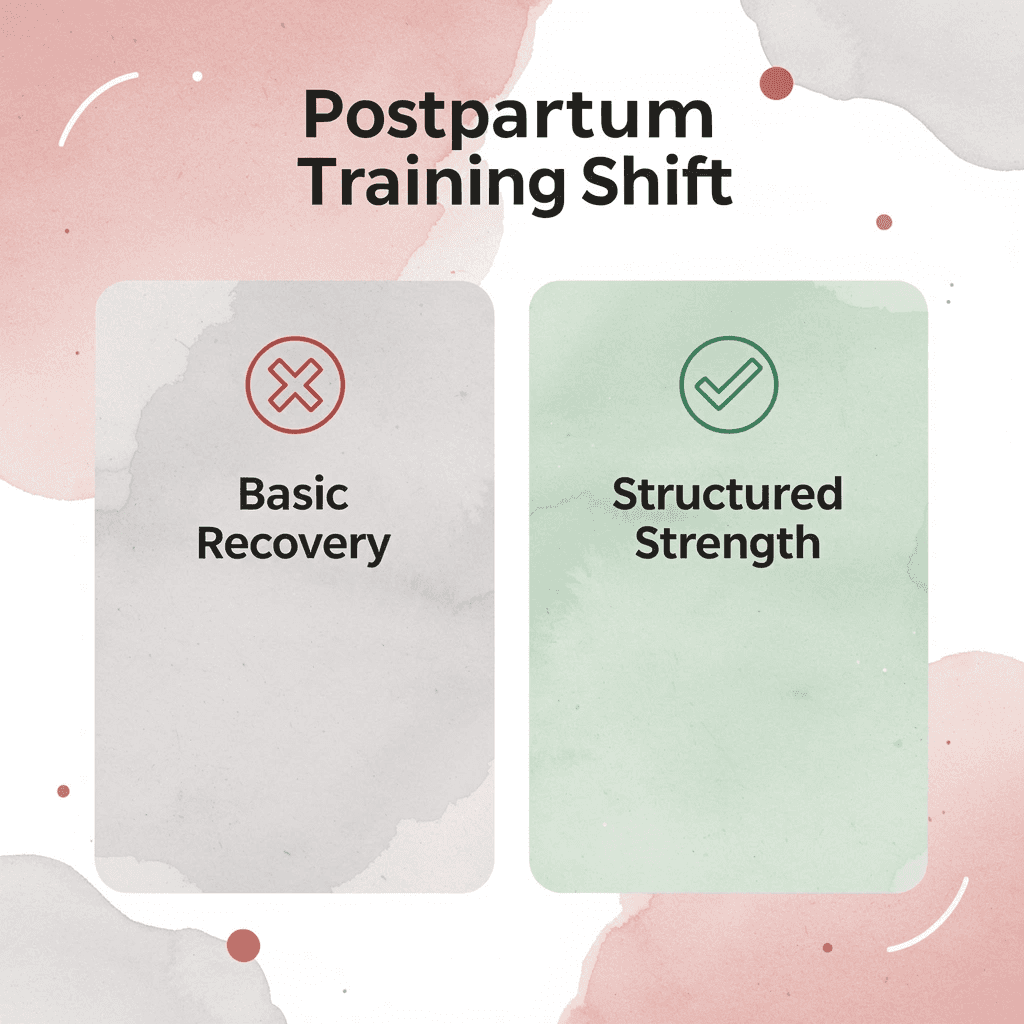
Before and after infographic comparing unstructured home workouts to a structured postpartum program

BST Lagree is designed specifically for women who want an effective workout without the intimidation, confusion, or injury risk of traditional gyms. Instead of putting together routines from social media, women follow a proven system led by trained professionals.

ApproachHome WorkoutsBST Lagree
StructureSelf-directedProfessionally guided
Injury RiskHigher (no oversight)Lower (expert-led)
Progress TrackingInconsistentMeasurable & structured
Postpartum SafetyVariableDesigned for it

💡 Tip: If you’re feeling lost or plateaued in your postpartum fitness journey, a structured program like BST Lagree removes the guesswork and replaces it with a proven path to results.

⚠️ Warning: Piecing together postpartum routines from social media without professional oversight can increase your risk of injury, setbacks, and core dysfunction — especially in the early recovery stages.

What makes BST Lagree a safe environment for postpartum women?

The women-focused fitness environment provides a space where new mums can focus on health goals while feeling supported and comfortable. Every instructor is certified and completes a rigorous mentorship program to ensure classes are safe, effective, and motivating.

BST Lagree combines strength training and cardio into a single low-impact, high-intensity workout, allowing women to build strength and improve endurance while minimizing joint stress. This challenges the assumption that harder workouts are always better: effective training means working smarter, not simply harder.

How does BST Lagree fit into a busy postpartum schedule?

Each 45-minute class fits busy schedules, combining strength and cardio into one session so women accomplish more in less time. The structured plan eliminates the uncertainty of home workouts, helping women build strength safely and effectively.

Community support makes it easier to stay consistent. Surrounding yourself with supportive instructors and women working toward their own goals provides encouragement that’s especially valuable during the postpartum period, when motivation naturally fluctuates.

Many clients see changes within two weeks of consistent attendance. For women ready to move beyond home workouts, BST Lagree offers a proven approach to regain strength, confidence, and fitness in a supportive environment.

Book a Lagree Class in London Today

If you’re ready to stop guessing and want a structured, expert-led approach to rebuilding strength after pregnancy, BST Lagree offers that foundation. With London’s only all-Lagree-certified instructors, 45-minute full-body sessions on the Megaformer, and a training environment designed with women’s bodies in mind, every class delivers real results without compromising your recovery.

“Lagree has been named America’s fastest-growing workout for three years running: a method built on results, not trends.” — BST Lagree

🎯 Key Point: BST Lagree is London’s only studio with all-Lagree-certified instructors, meaning every session is led by someone trained to deliver the Lagree method at its highest level.

💡 Tip: If you’re postpartum, seek studios offering a training environment designed for women’s bodies rather than generic fitness classes that overlook post-pregnancy recovery demands.

Gateway scene representing the start of a postpartum fitness journey with BST Lagree

Book a class today and discover why Lagree has been America’s fastest-growing workout for three years running. Postpartum fitness is about purposeful, guided progressexactly what BST Lagree provides.

What BST Lagree OffersWhy It Matters for Postpartum Recovery
All-Lagree certified instructorsExpert-led guidance you can trust
45-minute full-body sessionsEfficient, low-impact, and results-driven
Megaformer trainingControlled resistance that protects your recovery
Women-focused environmentDesigned specifically for women’s bodies

Best Practice: Don’t wait until you feel “ready” — structured, expert-led classes like those at BST Lagree are designed to meet you exactly where you are in your postpartum journey.

🔑 Takeaway: Real postpartum results come from purposeful, guided progress — and that’s the exact promise behind every BST Lagree class in London.

Related Reading

  • How To Lose Pregnancy Belly After 2 Years
  • Best Postpartum Exercises
  • Postpartum Pilates Workout
  • Postpartum Gym Workout
  • Beginner Postpartum Workout Plan
  • Post Pregnancy Workout Plan
  • Best Postpartum Ab Workout
  • Best Postpartum Workout App
  • Best Way To Lose Postpartum Belly Fat

Leave a comment

Contact Us

Receive a Complimentary Coffee with Your First Class

Rated 4.9/5 - 200+ Reviews