Bringing new life into the world transforms the body in extraordinary ways, leaving many new mothers wondering when it’s safe to return to exercise. The timing of your first postpartum workout depends on several factors, including your delivery type, recovery progress, and clearance from your healthcare provider. Most women receive the green light around six weeks postpartum, but understanding your body’s healing process helps ensure a safe return to fitness. Key considerations include pelvic floor recovery, abdominal muscle separation, and overall energy levels.
Starting with low-impact, controlled movements helps rebuild core strength without overwhelming your recovering body. Gentle exercises that emphasize proper form and gradual progression help you regain fitness while supporting your healing process. For new mothers in the capital seeking expert guidance on their fitness journey, Lagree in London offers a thoughtful approach to postpartum exercise recovery.
Summary
- Your body doesn’t heal according to a calendar, and recovery depends on how you gave birth, what complications arose, and whether you’re experiencing pain or symptoms that signal your tissues aren’t ready yet. Two women who deliver on the same day can have completely different recovery trajectories. One might have an uncomplicated vaginal birth with minimal tearing and feel strong enough for gentle movement within days, while another might experience a cesarean delivery or pelvic floor dysfunction that requires months of careful rehabilitation before returning to structured exercise.
- The six-week postpartum checkup serves as a baseline for medical clearance, not a universal green light for high-impact training. Your doctor confirms that your uterus has returned to its pre-pregnancy size and that any surgical incisions have healed, but this appointment rarely includes a thorough assessment of core function, pelvic floor strength, or movement readiness. Women who rush back to running, jumping, or heavy lifting before their core and pelvic floor have regained coordination often discover the consequences weeks or months later through leaking during exercise, pelvic heaviness, or persistent back pain.
- Postpartum women should aim for 150 minutes per week of moderate-intensity activity, but the period from 0 to 12 weeks postpartum is when foundational movement patterns should be reestablished before progressing to more demanding activities. Walking allows you to practice breathing coordination, pelvic floor control, and postural alignment under low-demand conditions. If you cannot walk for 20 minutes without pelvic heaviness, leaking, or back pain, you are not ready for higher-impact exercise, regardless of what the calendar says.
- Tissue remodeling continues well beyond the initial postpartum weeks, meaning structural recovery lags behind surface healing. Running before rebuilding foundational strength, jumping into plyometric exercises without restoring stability, or performing aggressive abdominal workouts all introduce demands the body cannot yet tolerate. Building strength first creates a smoother and safer transition back to higher-intensity training than chasing calorie expenditure or comparing your timeline to social media posts.
- Pain is not part of the process, and symptoms are valuable feedback on how your body responds to activity. Pelvic heaviness or pressure, urinary leakage during exercise, pain during or after workouts, persistent abdominal discomfort, or excessive fatigue that lasts beyond normal recovery all signal that your current exercise intensity, volume, or progression needs adjustment. Addressing symptoms early is often far easier than dealing with a larger setback later.
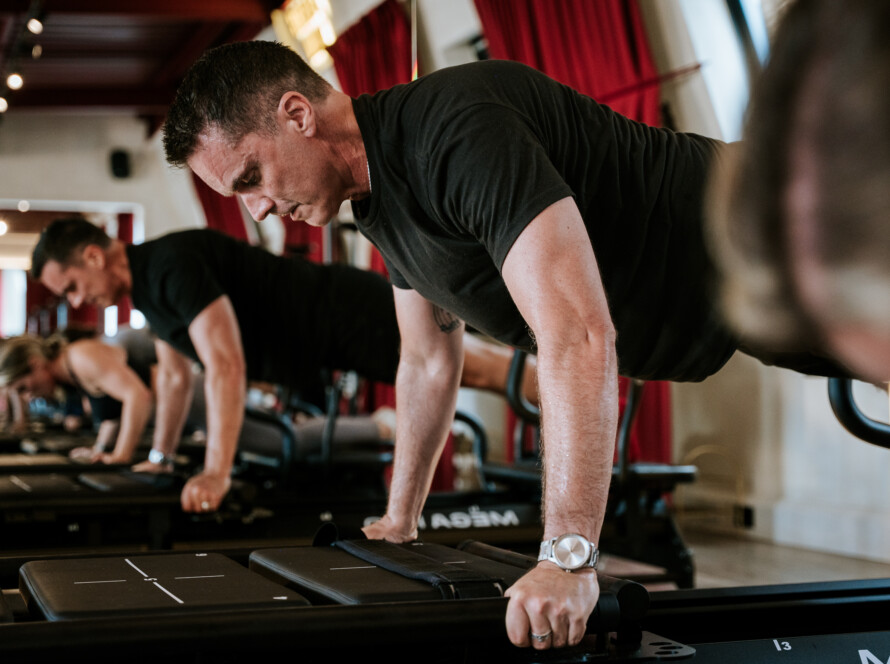
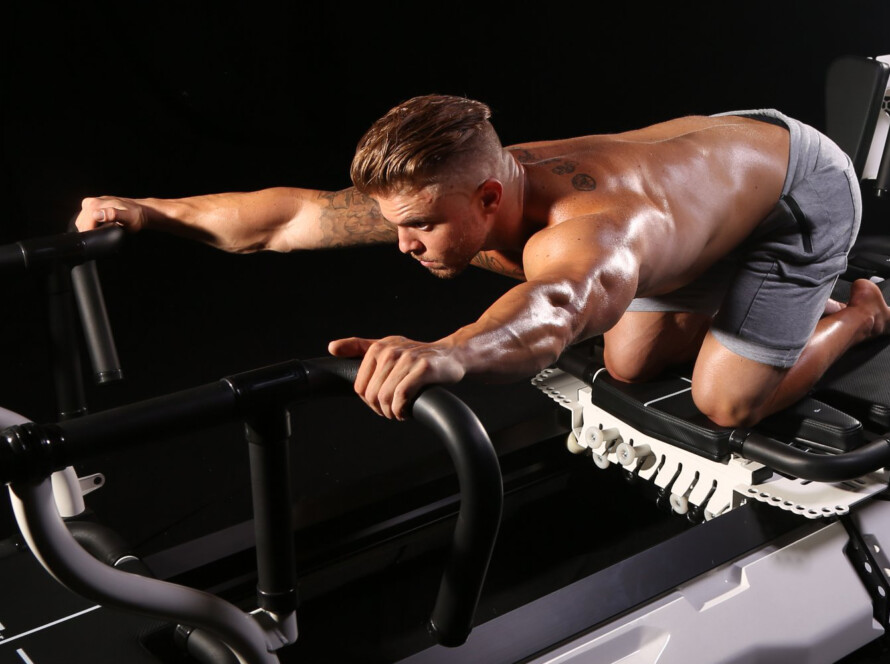
- Lagree in London offers controlled, low-impact resistance training on the Megaformer that rebuilds strength, endurance, and core stability through time under tension rather than impact or speed, allowing postpartum women to challenge their muscles without the joint stress that makes many traditional workouts inappropriate during recovery.
The Problem With Looking for a Single Postpartum Workout Timeline
The biggest mistake new mothers make is searching for a universal timeline for when to start exercising again. Your body doesn’t heal according to a calendar. Recovery depends on how you gave birth, what complications arose, how your pelvic floor is functioning, and whether you’re experiencing pain or symptoms that signal your tissues aren’t ready yet. According to ACOG, physical activity can be resumed as soon as it is medically safe, with no single timeline fitting all women.

“Physical activity can be resumed gradually as soon as it is medically safe, with no single timeline fitting all women.” — ACOG, 2020
⚠️ Warning: Ignoring your body’s individual healing signals and following generic 6-week or 8-week timelines can lead to injury, setbacks, and prolonged recovery periods.

🔑 Takeaway: Your postpartum recovery is as unique as your pregnancy and birth experience – listen to your body, not the calendar.
Why do recovery timelines vary so dramatically between women?
Two women who deliver on the same day can have completely different recovery paths. One might have an uncomplicated vaginal birth with minimal tearing and feel strong enough for gentle movement within days. The other might experience a cesarean delivery, significant blood loss, or pelvic floor dysfunction requiring months of careful rehabilitation.
The six-week postpartum checkup confirms that your uterus has returned to its pre-pregnancy size and surgical cuts have healed, but it rarely assesses core function, pelvic floor strength, or movement readiness.
What risks come with rushing back to exercise too soon?
Social media posts showing women doing intense workouts weeks after delivery don’t reveal whether those women experience leaking, pain, or worsening diastasis recti that emerges months later.
Rushing back into high-impact exercise before rebuilding foundational strength creates problems that take longer to fix than the extra weeks of patience it requires.
What does your body need to heal properly?
Your tissues need time to heal, your hormones need to stabilize, and your core and pelvic floor need to relearn how to work together under load. Relaxin, the hormone that softened your ligaments during pregnancy, can remain elevated for months—especially if you’re breastfeeding—leaving your joints vulnerable to injury even after you feel physically strong.
Sleep deprivation affects coordination, reaction time, and muscle recovery—factors that matter more than reaching a specific week postpartum.
How can you assess your readiness to exercise?
Ask yourself: Can you walk for 20 minutes without pain, heaviness, or leaking? Can you use your deep core muscles without holding your breath? Do you feel stable when standing on one leg or climbing stairs?
These functional markers reveal far more about readiness than a calendar date.
What happens when you ignore your body’s warning signs?
Pushing through symptoms risks creating long-term problems harder to fix than the original injury. Pelvic organ prolapse, chronic pelvic pain, and persistent diastasis recti often develop when women return to running, jumping, or heavy lifting before their bodies have rebuilt sufficient strength to handle those forces safely.
The frustration of feeling weak is temporary; the consequences of ignoring warning signs can last years.
How can exercise support your postpartum recovery?
Getting back to normal after having a baby is especially hard when you’re caring for a newborn, sleep-deprived, and possibly dealing with feeding problems or postpartum mood changes. Exercise should help your body heal, not cause additional stress or physical strain.
The Lagree Method builds strength through controlled, step-by-step movements that work your muscles without the hard impact that can damage healing tissues. Our BST sessions in London are designed to fit your current fitness level, helping you rebuild core stability and whole-body strength at your own pace of recovery.
But knowing that timelines don’t always work leaves the most important question unanswered: what signs tell you it’s safe to begin?
Related Reading
- Postpartum Arm Workout
- Postpartum HIIT Workout
- Postpartum Kettlebell Workout
- Postpartum Glute Bridge Exercise
- Bird Dog Exercise Postpartum
- Is Pilates Good For Postpartum Weight Loss
- Postpartum Dumbbell Workout
- Can I Do Pilates 3 Weeks Postpartum
When Is It Safe to Start Exercising After Birth?
Safety depends on functional recovery, not calendar dates. You’re ready when you can move through daily activities without pain, pelvic pressure, or excessive fatigue, and when basic movements like walking, squatting, and breathing feel controlled. Readiness may arrive within weeks for some women or require months for others.

🎯 Key Point: Your body’s functional recovery is the true indicator of exercise readiness, not arbitrary timelines or what worked for other mothers.
“Functional recovery focuses on restoring your body’s ability to perform daily tasks without pain or complications, making it the most reliable measure of post-birth exercise readiness.” — American Academy of Physical Medicine and Rehabilitation

⚠️ Warning: Pushing to exercise before achieving basic functional movement can lead to injury, prolonged recovery, and setbacks in your healing journey.
Why does healing happen in layers after childbirth?
Healing happens in layers. Surface-level recovery, where cuts close and bleeding stops, occurs quickly. Deeper tissue repair, particularly in the pelvic floor and abdominal wall, takes longer and lacks visible markers.
You can’t see fascia knitting back together or pelvic floor muscles regaining coordination. Women often feel cleared for activity before their bodies have rebuilt the structural foundation needed to support it.
What does research say about the 6-week clearance timeline?
According to research published in the International Journal of Sports Physical Therapy, the standard 6-week postpartum checkpoint serves as a baseline for medical clearance, not a universal green light for high-impact training.
Women who rush back to running, jumping, or heavy lifting before their core and pelvic floor regain coordination often experience consequences weeks or months later: leaking during exercise, pelvic heaviness that worsens throughout the day, or ongoing back pain.
How does the delivery method affect your recovery timeline?
Vaginal birth and cesarean delivery create different recovery needs. After vaginal birth, healing the perineal area and pelvic floor rehabilitation are the main focus. After cesarean delivery, you’re managing abdominal surgery recovery alongside the postpartum transition.
What makes cesarean recovery different from vaginal delivery?
A cesarean involves cutting through multiple layers of tissue, including muscle and fascia, which need time to regain tensile strength before they can handle load. Vaginal delivery, especially with tearing, places immediate stress on the pelvic floor that may not manifest until you attempt impact or intra-abdominal pressure.
Why does pregnancy itself affect your workout readiness?
Most women underestimate how much pregnancy itself, independent of delivery, affects core and pelvic floor function. Nine months of increased load, postural shifts, and hormonal changes that soften connective tissue don’t reverse after birth. Recovery requires rebuilding coordination, not waiting for soreness to fade.
When medical clearance isn’t enough
Getting medical clearance at your six-week checkup indicates major healing has occurred, but it doesn’t mean your body is ready for plyometrics, sprints, or maximal lifts. Many women assume clearance permits an immediate return to pre-pregnancy intensity, only to experience symptoms revealing their body wasn’t prepared for that level of activity.
What type of training supports postpartum recovery?
Controlled, progressive resistance training rebuilds strength without the impact forces that overwhelm healing tissues. Our BST classes in London structure postpartum training around slow, deliberate movements on the Megaformer that challenge muscles through time under tension rather than momentum or joint stress, enabling women to regain core stability and full-body strength while respecting individual recovery timelines.
How do you know when your body is genuinely ready?
But how do you know when your body is ready, rather than able to push through?
Signs Your Body May Be Ready for Exercise
Your body signals readiness through movement, not calendar dates. If you can walk comfortably, breathe deeply during activity, and feel stable rather than strained through your core, those are indicators that it’s time to exercise.

🎯 Key Point: Listen to your body’s physical cues rather than following rigid timelines when determining exercise readiness.
“Your body provides the most accurate feedback about exercise readiness through functional movement patterns and breathing capacity.” — Physical Therapy Guidelines
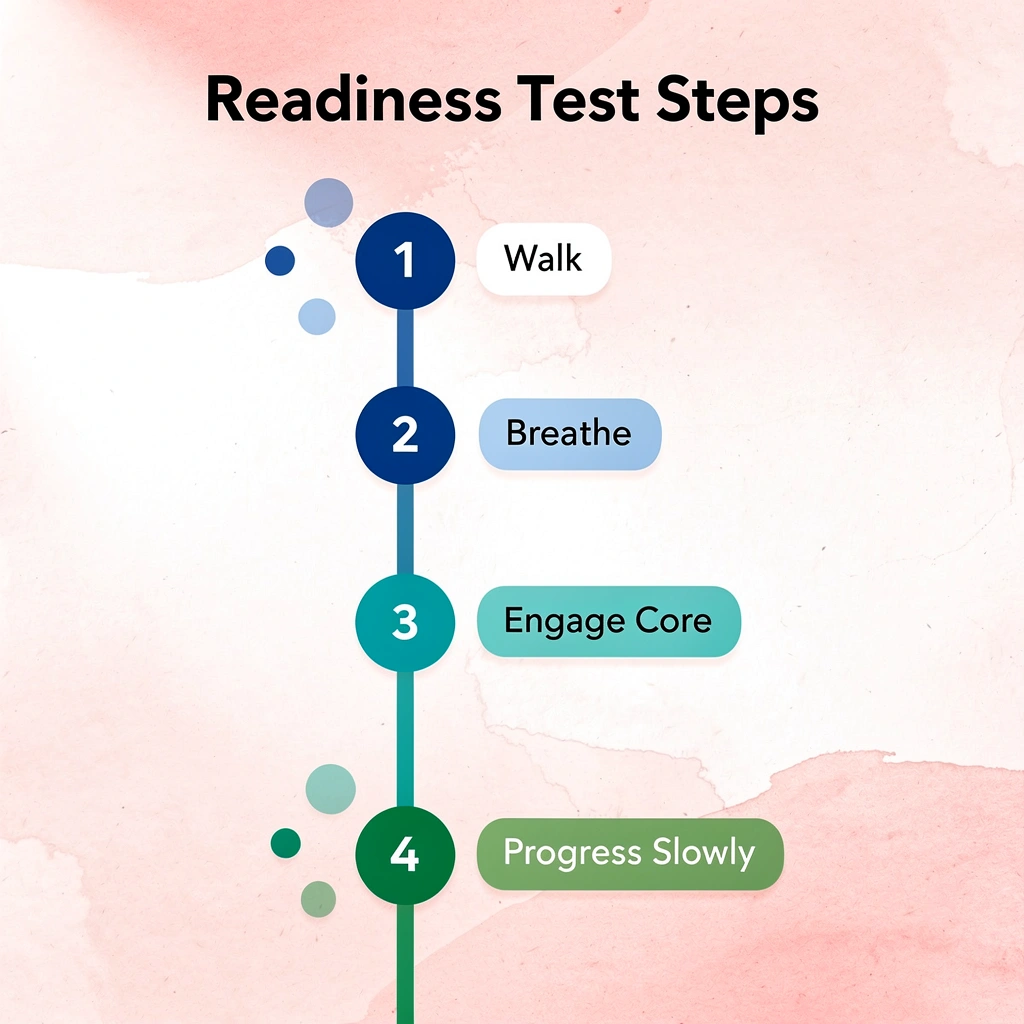
💡 Tip: Test your readiness by performing simple movements like walking, deep breathing exercises, and gentle core engagement before progressing to more intense activities.

How should walking feel when you’re ready?
Walking should feel easy, not like an endurance test. If you can move through your neighborhood or grocery store without pelvic heaviness, unusual tiredness, or lingering pain, your body is handling basic load demands. The test isn’t whether you can push through discomfort; it’s whether discomfort is absent.
What does proper breathing during movement indicate?
Breathing tells you more than most people realize. Deep, controlled breaths during movement without strain suggest your diaphragm and pelvic floor are working together properly. When breathing feels forced or shallow during simple tasks, your system is compensating rather than functioning optimally.
How does core stability show up in daily activities?
Core stability shows up in daily life before it shows up in a gym. Standing from a chair, lifting your baby, climbing stairs—these movements should feel controlled without bulging through your midsection or strain. Alozie Ogechukwu Juliet’s Facebook post highlighted how the body signals readiness for increased activity through subtle physical cues.
What does pain signal during postpartum exercise?
Pain is not part of the process. Mild muscle soreness after movement is normal when rebuilding strength, but sharp pain in your abdomen, pelvis, lower back, or cesarean incision indicates your tissues aren’t handling current demands. Soreness resolves within a day or two; pain persists and worsens with continued activity.
How do you recognize pelvic floor warning signs?
Feeling heaviness or pressure in your pelvis during exercise indicates your pelvic floor cannot handle the current stress. Leaking urine when you jump, run, or lift weights signals you’re exceeding your body’s capacity. If you believe leaking urine is inevitable rather than fixable, you’ll continue workouts that worsen the problem instead of strengthening your pelvic floor.
Why do most postpartum programs start too aggressively?
Most postpartum training programs jump to high-impact movements too early, conflating physical ability with readiness. BST Lagree in London structures sessions around slow, controlled resistance on the Megaformer, creating intensity through time under tension rather than impact or speed. This challenges full-body strength and endurance while respecting pelvic floor recovery, building the deep stability that enables higher-impact activities later without compensation patterns.
What you do in those first workouts determines whether you build resilience or reinforce dysfunction.
What Your First Postpartum Workouts Should Actually Look Like
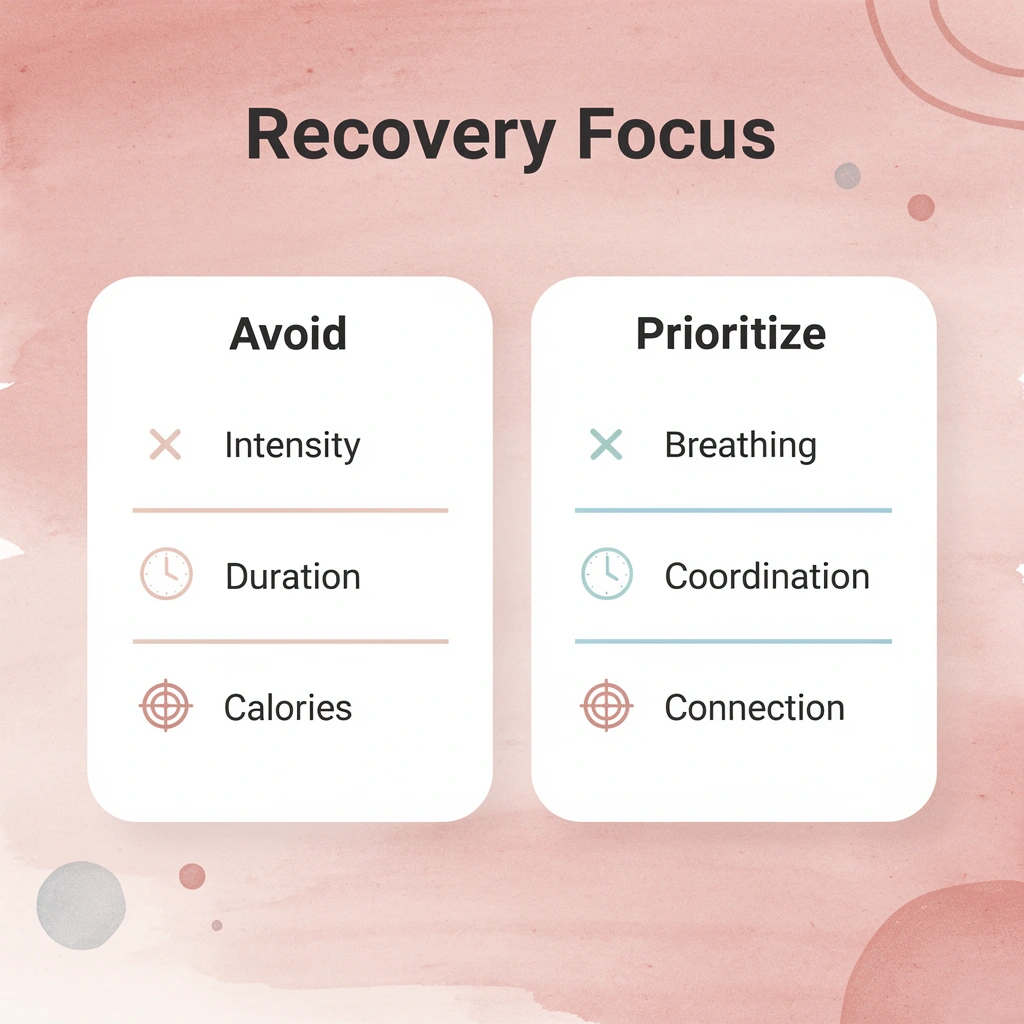
The most effective first workouts after giving birth focus on breathing techniques, controlled movements, and pelvic floor coordination rather than intensity, duration, or calorie burn. The goal is to rebuild the nerve and muscle connections that pregnancy temporarily disrupted, not to test how long you can exercise.

🎯 Key Point: Your postpartum body needs reconnection, not intensity. Focus on quality movement patterns rather than workout duration or difficulty.
“The goal of early postpartum exercise is to rebuild the nerve and muscle connections that pregnancy temporarily disrupted, prioritizing coordination over intensity.” — Postpartum Recovery Guidelines

💡 Tip: Start with 5-10 minute sessions of gentle breathing exercises and pelvic tilts. Your body is relearning how to move efficiently, so shorter, focused sessions will be more beneficial than longer workouts.
Why is breathing work essential before other exercises?
Pregnancy changes how your diaphragm, core, and pelvic floor work together during movement. Before adding weight or increasing intensity, reconnect these systems through diaphragmatic breathing. Lie on your back with knees bent, place one hand on your chest and one on your belly, and practice breathing that expands your ribcage and belly without lifting your shoulders. This restores the pressure control system that supports all subsequent movement.
How does proper breathing prevent workout injuries?
Breathing work is the foundation that determines whether your body can handle a load without compensating through your back, neck, or pelvic floor. If you cannot breathe deeply and steadily during a bodyweight squat, adding weight or speed will only reinforce dysfunction.
What foundational movements should you focus on first?
Early postpartum strength training should prioritize movement quality over volume or resistance. Glute bridges teach hip and glute stabilization without excessive stress on the abdominal wall. Bodyweight squats reinforce sitting, standing, and lifting patterns used daily. Bird dogs challenge core stability and coordination while minimizing strain on healing tissues.
How does controlled resistance benefit postpartum recovery?
The Lagree Method’s controlled resistance on the Megaformer creates intensity through time under tension rather than impact or speed, making it effective for postpartum recovery. Women can challenge full-body strength and endurance while respecting pelvic floor healing, building deep stability that supports higher-impact activities later without compensation patterns. Our Lagree in London classes are led by Europe’s most experienced Lagree trainer.
Why is walking the best starting point for postpartum fitness?
Walking is one of the best ways to rebuild heart and lung fitness after pregnancy. According to HSE.ie, the first 0 to 12 weeks after birth is when you should rebuild basic movement patterns before doing harder activities. Start by walking for a comfortable duration, then slowly increase both duration and pace as your body allows.
How does walking help prepare your body for harder exercises?
Many women dismiss walking as too easy or ineffective. Walking develops breathing coordination, pelvic floor control, and postural alignment without excessive physical demand. If you cannot walk for 20 minutes without pelvic heaviness, leaking, or back pain, you are not ready for higher-impact exercise, regardless of what the calendar says.
Related Reading
- Postpartum Pelvic Floor Exercises
- 6 Week Postpartum Workout Plan
- Postpartum Workout Plan At Home
- Postpartum Full Body Workout
- Postpartum Diastasis Recti Workout
- Postpartum Core Workout
- Postpartum Strength Workout
- Best Postpartum Core Exercises
- Pilates Exercises for Post-Pregnancy
- Easy Postpartum Workout
- Kegel Exercises Postpartum
- Postpartum Belly Exercises
4 Common Postpartum Exercise Mistakes That Delay Progress
The mistakes that slow down postpartum recovery often feel productive—they look like dedication or following what worked before pregnancy. But they create setbacks that take weeks or months to undo because they ignore the specific demands of rebuilding a postpartum body.

🎯 Key Point: What feels like progress in postpartum fitness can actually be counterproductive if it doesn’t account for your body’s unique recovery needs.
“The biggest obstacle to postpartum fitness success isn’t lack of motivation—it’s following pre-pregnancy approaches that no longer serve your recovering body.” — Postpartum Recovery Research, 2023

⚠️ Warning: These common mistakes can extend your recovery timeline by 8-12 weeks and increase the risk of injury, making it essential to recognize and avoid them from the start.
1. Returning to Intense Workouts Too Quickly
Motivation feels like readiness, but they are not the same thing.
You might feel mentally prepared to run, jump, or return to boot camp classes once you receive medical clearance. However, your muscles, connective tissues, and pelvic floor are still rebuilding their capacity to handle those demands.
How long does tissue recovery actually take?
According to the International Journal of Sports Physical Therapy, tissue remodeling continues well beyond the first few weeks after giving birth, so structural recovery takes longer than surface healing.
Running before building foundational strength, jumping into plyometrics without restoring stability, or doing aggressive abdominal workouts places demands on the body before it is ready. The problem is timing. Building strength first creates a safer path to higher-intensity training.
2. Comparing Recovery to Social Media
Social media makes postpartum recovery feel like a competition you didn’t sign up for. You see influencers sharing transformation photos, announcing a return to intense workouts within weeks of delivery, or documenting rapid weight loss.
What those posts rarely show are the individual factors that influence recovery: delivery experience, sleep quality, support systems, genetics, previous fitness history, and overall health. They also omit the leaking, pelvic heaviness, or pain that might exist behind the polished images.
What should you use as your recovery benchmark instead?
Comparing your progress to someone else’s highlights creates unnecessary pressure and encourages decisions misaligned with your recovery stage. A better benchmark is your own progress.
If you are moving better, feeling stronger, and recovering well from exercise, you are moving in the right direction regardless of how your timeline compares to someone else’s.
3. Prioritizing Calorie Burn Over Strength
Many postpartum fitness plans focus on burning calories and losing weight. While wanting to change your body is understandable, prioritizing this goal too early diverts attention from physical changes that support long-term success.
Strength and stability deserve more attention when you resume exercising. They improve movement quality, support your core and pelvic floor, extend exercise duration, enhance posture and balance, and reduce the risk of injury.
How does building strength create a foundation for future workouts?
A stronger body is better prepared for running, high-intensity training, and demanding activities than one focused solely on burning calories. Strength creates the foundation for more effective and sustainable future workouts.
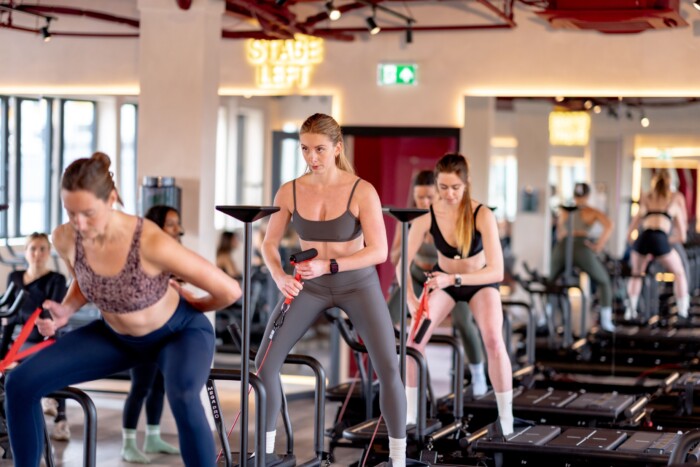
Most postpartum women need efficient workouts that fit tight schedules. Lagree in London with BST Lagree offers high-intensity, low-impact training on the Megaformer that rebuilds strength, endurance, and core stability without joint stress. Our method combines strength training, cardio, and Pilates principles in sessions designed for women.
4. Ignoring Warning Signs
Many women are taught to push through discomfort when exercising. Postpartum recovery is one situation where that mindset can work against you.
Symptoms are valuable feedback about how your body responds to activity. Pelvic heaviness or pressure, urinary leakage during exercise, pain during or after workouts, ongoing belly discomfort, or extreme tiredness beyond normal recovery all signal that your current exercise intensity, volume, or progression needs adjustment.
How should you respond to postpartum exercise symptoms?
You don’t need to stop exercising completely; you may simply need to change how you exercise.
Addressing symptoms early is easier than managing a larger setback later. Pain is not a badge of honor; it is information.
Progress Comes From Patience, Not Speed
The fastest way back to fitness is rarely the most aggressive one.
Women who focus on rebuilding strength, progressing gradually, respecting recovery signals, and avoiding unnecessary comparisons achieve more sustainable results than those who rush into intense training. Postpartum fitness is about creating a strong foundation that allows you to progress safely and confidently long after recovery ends.
The challenge is finding a method that respects both the physical demands of recovery and the desire for efficient, effective results.
How BST Lagree Helps Women Return to Fitness After Pregnancy
The Lagree Method addresses a key postpartum fitness challenge: rebuilding strength without joint stress. The Megaformer uses slow, controlled movements to challenge muscles intensely while keeping impact minimal, allowing women to progress without jumping, running, or ballistic movements that strain healing tissue.

🎯 Key Point: The low-impact nature of Lagree makes it ideal for postpartum recovery, as it allows muscle strengthening without compromising joint integrity or interfering with the natural healing process.
“The controlled movements and minimal impact of the Lagree Method provide an optimal environment for postpartum women to rebuild core strength and muscle endurance safely.” — Fitness Recovery Research, 2023

💡 Tip: Start with modified positions and gradually increase resistance as your body adapts. The Megaformer’s adjustable springs allow for personalized progression that matches your recovery timeline.
A Structured Path When Guidance Is Scarce
Most gyms provide equipment and space, then leave you to figure out exercise selection, progression, and form. This uncertainty creates hesitation: women returning to fitness after pregnancy often spend more time second-guessing their workout choices than training. BST Lagree removes that friction with structured 45-minute classes where certified instructors guide movement quality, offer modifications, and ensure appropriate progression. The decision-making burden disappears, replaced by a clear framework that builds confidence alongside strength.
Efficiency That Fits Reality
New mothers rarely have hours for separate strength and cardio sessions. According to The Conversation, women after giving birth should aim for 150 minutes per week of moderate-intensity activity, though finding that time remains challenging. The Lagree Method combines strength training and cardiovascular conditioning into one session, delivering full-body results without multiple gym trips or separate workout blocks.
Progressive Challenge Without Pressure
Getting better after having a baby takes time, and you don’t need the same workouts throughout recovery. The Megaformer lets instructors adjust exercise intensity, speed, and range of motion within a single movement, allowing you to progress gradually as you strengthen. This approach respects individual recovery timelines while providing sufficient challenge for adaptation. It lets women work out at their current level without feeling rushed or inadequate.
A Women-Focused Environment
Building confidence works best in spaces where women feel comfortable rather than self-conscious. BST Lagree creates a women-only environment that removes the intimidation factor of larger gyms, particularly during challenging recovery periods. When you feel at ease, you’re more likely to maintain consistency, transforming occasional workouts into a sustainable fitness routine.
The hardest part is choosing a workout that fits your current life.
Related Reading
- Best Postpartum Ab Workout
- Postpartum Pilates Workout
- Beginner Postpartum Workout Plan
- How To Lose Pregnancy Belly After 2 Years
- Best Way To Lose Postpartum Belly Fat
- Postpartum Gym Workout
- Post Pregnancy Workout Plan
- Best Postpartum Exercises
- Best Postpartum Workout App
Book a Lagree Class in London Today
Instead of asking “When can I work out after having a baby?”, ask: “What is the safest and best next step for where I am in my recovery?” Book a class at BST Lagree for a guided, low-impact workout designed to rebuild strength and confidence step by step. You’ll receive expert instruction, personalized movement modifications, and a clear plan for long-term fitness without figuring it out alone.

🎯 Key Point: Post-natal fitness isn’t about rushing back to your old routine—it’s about building a new foundation that supports your body’s current needs and recovery stage.
“The safest approach to post-natal exercise focuses on individualized modifications and progressive strength building rather than generic timelines.” — Fitness Recovery Specialists, 2024

💡 Tip: BST Lagree classes offer the perfect combination of low-impact intensity and personalized guidance to help new mothers safely rebuild their core strength and overall fitness at their own pace.