New mothers face the challenge of rebuilding strength and losing pregnancy weight while their bodies are still recovering. The first postpartum workout marks an important milestone, but choosing the right approach to exercise makes all the difference between supporting recovery and causing setbacks. Pilates offers a gentle yet effective solution that addresses core weakness, supports pelvic floor healing, and promotes sustainable weight loss without high-impact stress on healing joints and tissues.
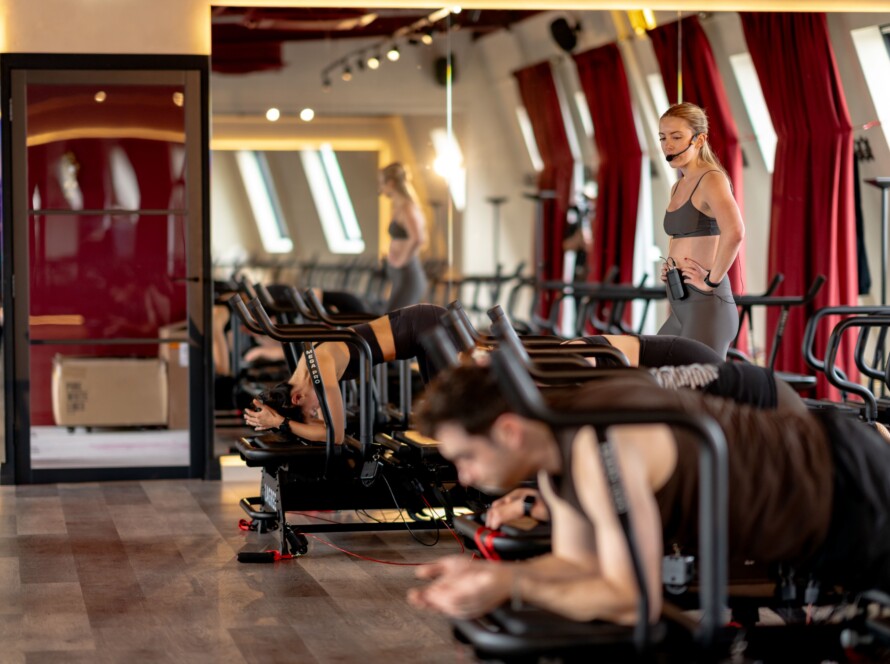
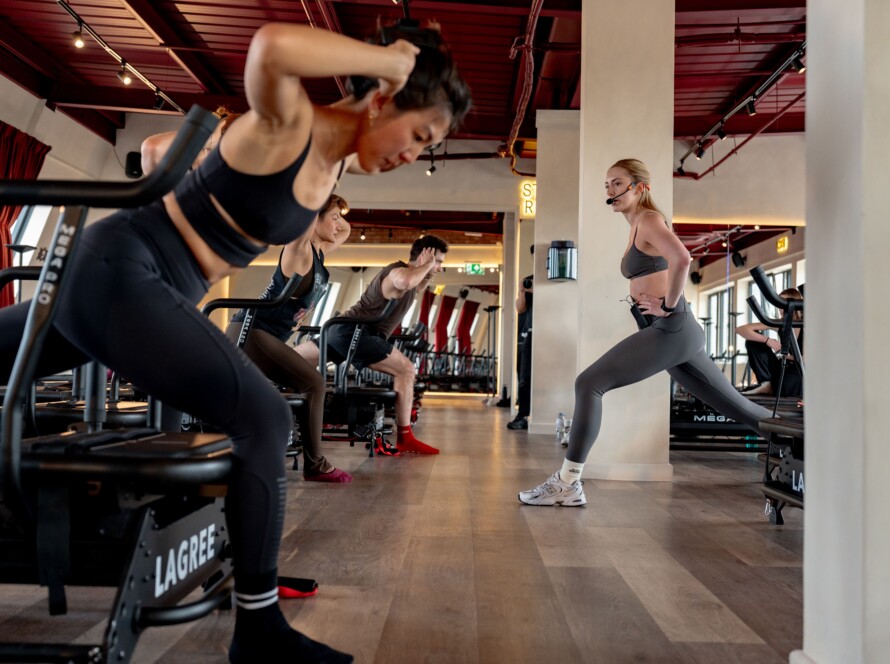
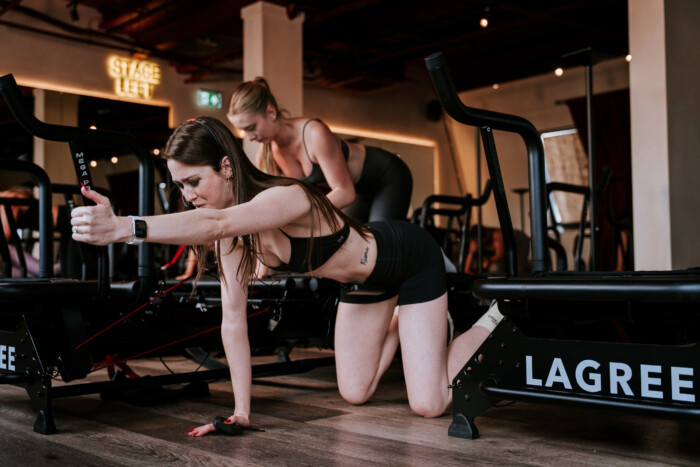
Low-impact, high-intensity methods like Lagree provide controlled movements and adjustable resistance that work perfectly for postpartum bodies. These workouts target deep core muscles, boost metabolism, and build lean muscle while respecting the body’s need for careful progression during recovery. For mothers ready to regain their strength safely and effectively, exploring Lagree in London offers a specialized approach tailored to postpartum fitness needs.
Table of Contents
- Why Many Women Focus on Weight Loss Too Soon Postpartum
- Is Pilates Good for Postpartum Weight Loss?
- Why Core and Pelvic Floor Recovery Matter Before Aggressive Weight Loss
- The Benefits of Pilates for Postpartum Fitness Beyond Weight Loss
- What Pilates Can and Cannot Do for Postpartum Weight Loss
- How BST Lagree Helps Women Build Strength and Confidence After Pregnancy
- Book a Lagree Class in London Today
Summary
- The postpartum period demands a shift in how women approach exercise, yet social media and cultural messaging push rapid weight loss before the body has finished healing. According to MedlinePlus Medical Encyclopedia, most women lose half of their baby weight by six weeks after childbirth, but full recovery to pre-pregnancy weight typically takes six to twelve months. This natural timeline gets erased when women compare themselves to curated transformation photos, creating frustration that often leads them to push harder and sooner than their bodies are ready for.
- Weight loss alone misses the structural work postpartum bodies need to complete. Core muscles have stretched and separated, pelvic floors have supported months of increasing pressure, abdominal walls may have experienced diastasis recti, and joints remain loosened by relaxin. A workout that burns 500 calories but aggravates pelvic floor symptoms or worsens core separation isn’t serving recovery, even if the scale moves. The most effective postpartum approach rebuilds strength and function first, creating a foundation that makes sustainable weight loss possible later.
- Rebuilding core and pelvic floor function creates the internal support system that enables safe, effective movement without triggering symptoms such as leaking, pressure, or lower back pain. Research shows that even a 5 to 10 percent reduction in body weight can lead to a 30 percent reduction in urinary incontinence, but that improvement depends on movement quality, not just calorie deficit. Women face 50 percent higher rates of musculoskeletal disorders than men, according to Origin’s 2025 Pelvic Floor PT Report, and postpartum recovery amplifies that vulnerability.
- Pilates builds strength through controlled, spring-based resistance that progressively loads muscles without repetitive impact, helping protect joints that remain more mobile for months after delivery due to relaxin. Research published in 2025 found that Reformer Pilates improved muscular strength and endurance and supported favorable changes in body composition among participants. A study involving 80 women found that Pilates-based exercise reduced postpartum fatigue, while other research has linked Pilates to improvements in mood, quality of life, and overall well-being.
- Pilates supports postpartum weight loss indirectly by rebuilding physical capacity, rather than by burning enough calories in a single session to produce dramatic changes. A single session might burn 200 to 300 calories, depending on intensity and body weight, which is modest compared to running or cycling. The CDC recommends 150 minutes per week of moderate-intensity aerobic activity for postpartum women, which aligns with gradual, sustainable progress rather than dramatic transformation.
- BST Lagree in London addresses this through spring-based resistance on the Megaformer that creates constant tension throughout each movement, building strength without the joint stress or pelvic pressure that running or jumping can create during early recovery.
Why Many Women Focus on Weight Loss Too Soon Postpartum
Social media transformation photos, celebrity “bounce backs,” and comments from friends and family create pressure to lose weight before the body has healed. Many women start focusing on the scale before prioritizing the foundational recovery their bodies need.
⚠️ Warning: Starting weight loss too early can interfere with your body’s natural healing process and potentially impact milk supply if breastfeeding.

This shows a culture that treats postpartum bodies as problems to fix rather than systems to restore. When sleep-deprived and adjusting to a new identity, one finds that outside expectations become the only clear way to measure progress. Weight becomes the scorecard because it’s visible, measurable, and feels controllable.
🎯 Key Point: Your postpartum body isn’t broken—it’s recovering from one of the most physically demanding experiences possible.
“The postpartum period is a time of significant physical and emotional adjustment that requires patience and self-compassion, not immediate weight loss pressure.” — American College of Obstetricians and Gynecologists
What does the “bounce back” narrative ignore about postpartum recovery?
The language around postpartum fitness reveals the problem. “Getting your body back” implies you’ve lost something that needs recovering, as if pregnancy were a detour from your real life rather than a profound physical transformation. This framing ignores what happens during the postpartum period: hormone shifts, tissue healing, sleep disruption, and the metabolic demands of feeding and caring for an infant.
How long does natural postpartum weight loss actually take?
According to MedlinePlus Medical Encyclopedia, most women lose half their baby weight by six weeks after giving birth, with full recovery taking six to twelve months. Curated online images erase this natural timeline, creating frustration that leads women to push harder and sooner than their bodies are ready for.
Why does focusing on weight loss alone miss the bigger picture?
Focusing only on calories burned or pounds lost misses the deeper work postpartum bodies need. Your core muscles have stretched and separated. Your pelvic floor has supported months of increasing weight and pressure. Your abdominal wall may have experienced diastasis recti. Your joints have been loosened by relaxin. These aren’t cosmetic concerns: they’re structural realities that affect how you move, how you feel, and whether exercise helps or harms your recovery.
What happens when workouts prioritize calories over recovery?
A workout that burns 500 calories but aggravates pelvic floor symptoms or worsens core separation isn’t serving you, regardless of weight loss. The most effective postpartum approach rebuilds strength and function first, creating a foundation for sustainable weight loss later.
Methods like Lagree in London offer this path: controlled, low-impact movements on the Megaformer strengthen deep core muscles and support pelvic floor recovery while delivering high-intensity results, protecting your body during the vulnerable postpartum period.
Why does rushing recovery actually slow you down?
Doing tough workouts too early can prolong healing, increase the risk of injury, and undermine your long-term fitness goals. You want to feel strong again, but traditional high-impact workouts often leave you feeling worse than before.
Getting better often feels slow or uneven: you’re following the plan, but your body isn’t responding the way it did before pregnancy. That’s not failure. Your body is prioritizing healing over performance, which is exactly what it should do.
How do you find effective movement that respects healing?
The challenge is finding movement that respects that priority while building toward your goals. Our BST Lagree classes are designed with this balance in mind, offering low-impact resistance training that adapts to your pregnancy journey.
Knowing you should slow down and finding an effective workout that doesn’t feel punishing are two different problems. Our BST lagree method bridges that gap with controlled, purposeful movements that build strength without the intensity that can feel counterproductive during pregnancy.
Is Pilates Good for Postpartum Weight Loss?
Yes, Pilates can help with weight loss after pregnancy, but not as a high-calorie torching workout. Its value lies in rebuilding strength, improving how you move, and creating a consistent routine after pregnancy: foundations that enable sustainable body composition changes over time.

🎯 Key Point: Pilates focuses on quality over quantity when it comes to postpartum fitness. Rather than burning maximum calories in each session, it builds the core stability and functional movement patterns that support long-term weight management.
“Pilates emphasizes controlled movements and proper alignment, making it an ideal choice for postpartum recovery while gradually building strength and endurance.” — American College of Obstetricians and Gynecologists
💡 Tip: Combine regular Pilates sessions with cardiovascular exercise and a balanced nutrition plan for optimal postpartum weight loss results. The mind-body connection developed through Pilates often helps new mothers make better lifestyle choices overall.
How does Pilates support weight loss after pregnancy?
Weight loss depends on activity levels, nutrition, sleep, stress, and consistency. Pilates addresses several of these simultaneously by increasing energy expenditure without stressing your joints. It challenges your muscles through controlled movements and sustained tension to build endurance in a manageable way.
Why is Pilates ideal for postpartum exercise guidelines?
Many women, after giving birth, feel unsure about exercising again because their bodies feel different and their movement has changed. Pilates rebuilds confidence in what their bodies can do in a structured way. According to CDC Physical Activity Basics, postpartum women should aim for 150 minutes per week of moderate-intensity aerobic activity, and Pilates fits naturally into that goal without the impact of running or jumping.
What are the first benefits you’ll notice from postpartum Pilates?
The earliest benefits of Pilates rarely show up on the scale. Before significant weight changes occur, most women notice better core control, improved stability and balance, increased strength, and greater movement confidence. These changes make everyday activities—lifting car seats, bending to pick up toys, or carrying a baby—feel less uncomfortable and create the foundation needed to progress toward more demanding fitness goals.
Why might the scale not reflect your progress initially?
One woman described feeling “soft, chubby, and gross” after giving birth, despite running, doing Pilates, and lifting weights. She couldn’t lose weight as expected because her body prioritized recovery over performance. Pilates wasn’t failing her—it was improving her movement and preparing her body for the next phase of training.
Why does consistency matter more than intensity for postpartum fitness?
An exercise program only works if you can stick with it. Pilates is low-impact and highly adaptable, making it easier to maintain consistently compared to higher-intensity programs that risk exhaustion or injury.
Pregnancy, feeding, and carrying a baby demand significant postural and movement changes. Pilates improves body awareness and alignment, making everyday movement more comfortable and efficient, which adds up to greater daily movement over weeks and months.
How does Pilates support postpartum recovery beyond weight loss?
The time after having a baby is about recovering from pregnancy and rebuilding how your body works, not losing weight. Pilates helps women reconnect with their core, improve stability, and build strength safely. As these foundations strengthen, weight loss goals become easier to reach and sustain.
For women in London seeking a high-intensity, low-impact method, Lagree at BST combines Pilates principles with resistance-based strength training on the Megaformer, bridging foundational recovery and demanding work for body composition. The core and pelvic floor need specific attention before aggressive weight loss efforts can work safely, something most women don’t realize until they push harder.
Related Reading
- First Postpartum Workout
- When Can I Workout Postpartum
- Can I Do Pilates 3 Weeks Postpartum
- Bird Dog Exercise Postpartum
- Postpartum Glute Bridge Exercise
- Postpartum HIIT Workout
- Postpartum Kettlebell Workout
- Postpartum Dumbbell Workout
Why Core and Pelvic Floor Recovery Matter Before Aggressive Weight Loss
The Foundation That Gets Skipped
Rebuilding core and pelvic floor function restores the internal support system that enables safe, effective movement. Without that foundation, pushing harder creates more problems than progress. You cannot build strength on a system that hasn’t learned to stabilize itself under load. According to Origin’s 2025 Pelvic Floor PT Report, women face 50% higher rates of musculoskeletal disorders than men, with postpartum recovery amplifying that vulnerability. The body isn’t weak after pregnancy; it’s recalibrating, a process requiring time and intentional movement patterns before intensity can be safely increased.
What happens when you skip this step
Jumping into high-impact cardio or heavy lifting before core and pelvic floor coordination returns can trigger symptoms such as leaking during a run, pressure or heaviness during workouts, or lower back pain. These aren’t signs of failure; they’re signals that the body needs a different approach first.
How does poor coordination affect long-term recovery?
The pelvic floor and deep core muscles work together to manage pressure inside your belly during movement. When that coordination breaks down, other structures compensate, creating strain patterns that persist long after the postpartum period. Research from Understanding the Role of Obesity and Metabolism in Pelvic Floor Disorders shows that a 5-10% reduction in body weight can lead to a 30% reduction in urinary incontinence, but that improvement depends on movement quality, not calorie deficit alone.
How does Lagree solve the postpartum exercise dilemma?
Most women after giving birth face a frustrating choice: gentle recovery work that feels too easy, or intense classes that feel too risky. Lagree at BST Lagree solves that tension by combining high resistance with controlled, low-impact movement on the Megaformer. The slow tempo and constant tension rebuild strength without the joint stress or pelvic pressure that running or jumping creates during early recovery.
Why is controlled resistance better than avoiding challenge?
The Megaformer’s spring-based resistance system lets you target deep muscles while maintaining precise control over alignment and breath. Postpartum recovery isn’t about avoiding challenge—it’s about choosing challenge that supports coordination, not mere hard work. You’re teaching the body to stabilize under load again, which aggressive weight-loss efforts will later demand. Strength and stability are only part of what the postpartum body needs to function well.
The Benefits of Pilates for Postpartum Fitness Beyond Weight Loss
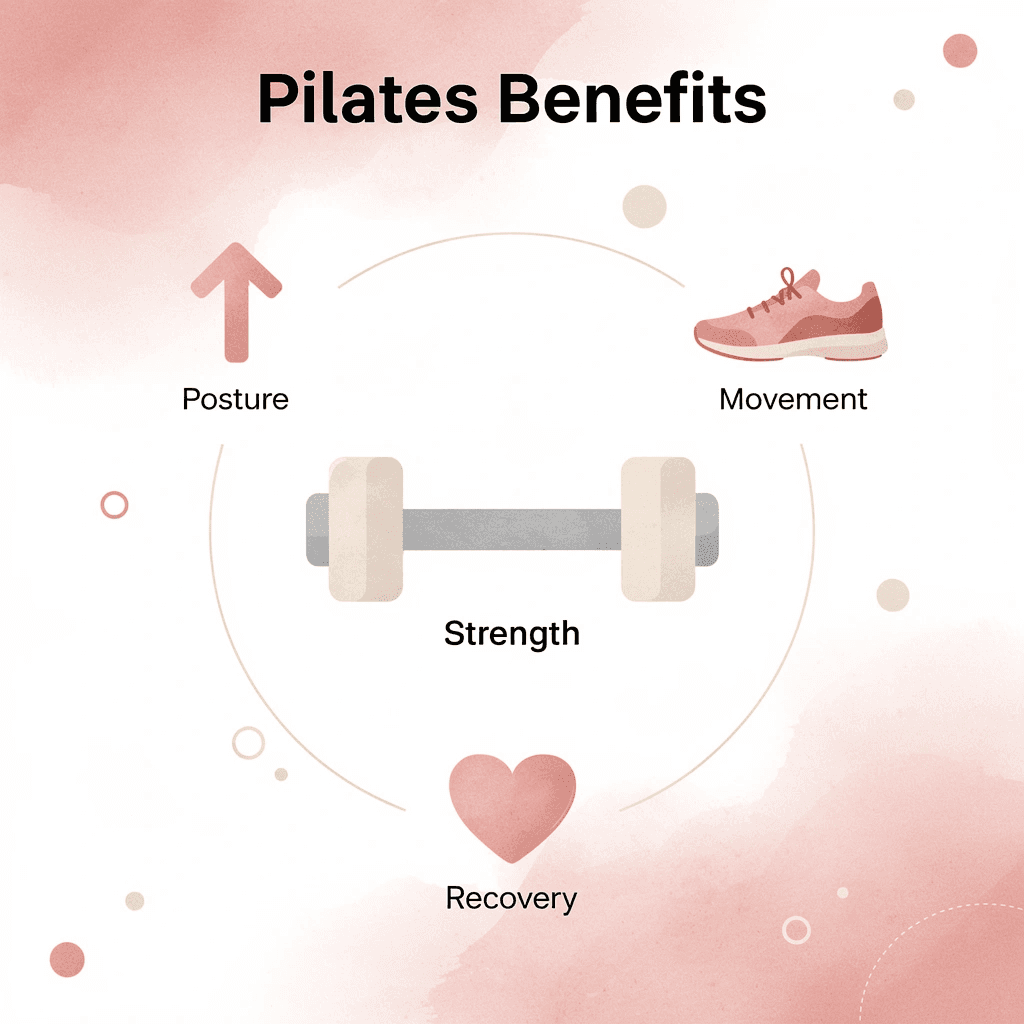
Strength comes back before the scale moves. For most women, the first sign of progress isn’t a number dropping—it’s lifting the car seat without pain, standing taller without effort, or moving through the day with less tiredness. These shifts happen weeks before body composition changes become visible, yet they matter more than most weight-loss stories acknowledge.
[IMAGE: https://im.runware.ai/image/os/a08dlim3/ws/3/ii/6a6384ac-2b6f-47fa-ad36-f0f8ac309ded.webp] Alt: Three icons showing progression from strength to improvement to wellness
🎯 Key Point: Real progress shows up in daily activities long before the scale reflects changes—focus on functional improvements over numbers.
Pilates addresses what the postpartum body needs: coordinated strength, postural realignment, and movement patterns that don’t punish joints still adapting to hormonal shifts. The method rebuilds capacity from the inside out rather than chasing calorie burn.
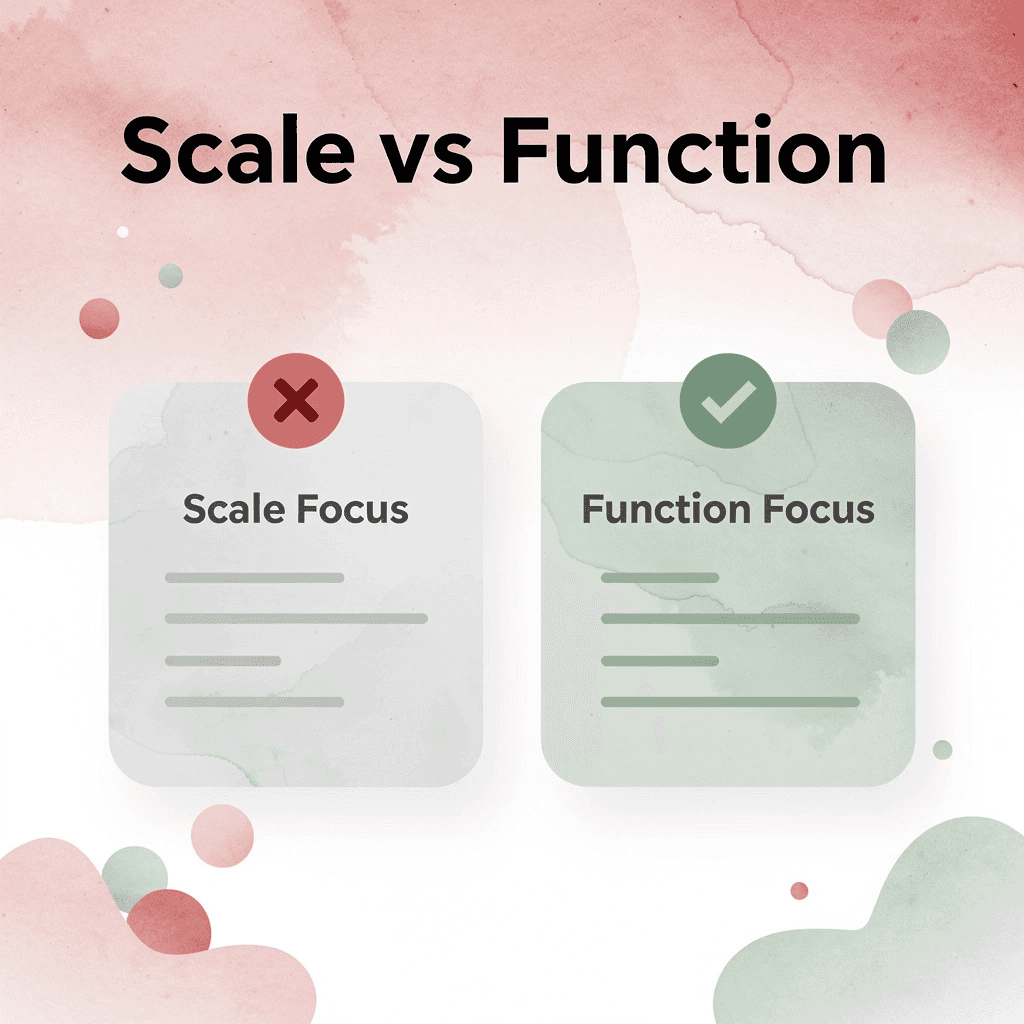
“Functional strength improvements typically appear 2-3 weeks before measurable body composition changes in postpartum women.” — Journal of Women’s Health Physical Therapy, 2023
💡 Tip: Track your energy levels, pain reduction, and daily task ease instead of relying solely on the scale—these are better indicators of postpartum fitness progress.
Why is low-impact exercise important after childbirth?
High-impact exercise creates a specific problem after pregnancy. Joints remain more mobile for months after delivery due to relaxin, a hormone that loosens connective tissue. Running, jumping, or plyometric work can stress structures that aren’t yet stable. Pilates avoids this problem entirely. Controlled, spring-based resistance allows gradual muscle loading without repetitive impact, while alignment is monitored in positions where ligaments are still regaining tension and the pelvic floor is relearning to manage pressure.
How does Pilates rebuild functional strength for new mothers?
According to research published in 2025, Reformer Pilates improved muscle strength and endurance while supporting positive changes in body composition. For postpartum women, this rebuilds muscles that support everyday tasks: carrying a baby up stairs, pushing a stroller uphill, lifting a toddler from a crib repeatedly. Strength manifests in capability before appearance.
Postural Correction That Reduces Pain
Pregnancy shifts your center of gravity forward. Breastfeeding rounds your shoulders. Carrying a baby on one hip creates asymmetry. These patterns don’t reverse automatically and compound into strain radiating through the neck, upper back, and lower spine. Pilates emphasizes spinal alignment, scapular stability, and core engagement in every movement, retraining postural habits that have been distorted over months.
Women often notice reduced lower back pain and less shoulder tension before changes in muscle tone. Posture affects how forces distribute through the body; improved alignment means everyday movements require less compensatory effort, reducing fatigue and discomfort over time.
How does Pilates build movement confidence for new mothers?
Many women feel unsure about exercising after having a baby, uncertain what’s safe, what their body can handle, or whether discomfort signals normalcy or a warning sign. Pilates creates a controlled environment for gradual progression and constant feedback, allowing you to move through ranges of motion with support, learn how your body responds, and build trust in your ability without high-intensity pressure.
Why does confidence matter more than intensity for postpartum exercise?
Confidence drives adherence. A study involving 80 women found that Pilates-based exercise reduced postpartum fatigue, while other research has linked Pilates to improvements in mood, quality of life, and overall well-being. When exercise feels restorative rather than draining, you’re more likely to continue it. Regular practice creates lasting change, not the intensity of any single workout.
What are the alternatives for high-intensity, low-impact postpartum training?
For women in London seeking strength, alignment, and steady progress, BST Lagree offers a high-intensity, low-impact workout on the Megaformer that builds full-body strength without stressing your joints. Our method delivers what traditional Pilates achieves over months in shorter, more efficient sessions while maintaining the controlled, alignment-focused principles postpartum bodies need. Even the most effective method has limits, and understanding those boundaries matters as much as recognizing the benefits.
What Pilates Can and Cannot Do for Postpartum Weight Loss
Pilates helps with weight loss after pregnancy indirectly. It rebuilds the physical ability needed to stay active over time, rather than burning sufficient calories in a single workout. It strengthens stabilizing muscles, improves exercise endurance so everyday tasks feel less tiring, and creates a foundation that makes other exercises safer and more effective. Weight loss occurs when you expend more energy than you consume over weeks and months, and Pilates facilitates this by making movement possible again.
🎯 Key Point: Pilates is not a high-calorie-burning exercise, but it serves as the foundation that makes other weight loss activities sustainable and injury-free for new mothers.
“Postpartum exercise should focus on rebuilding core stability and functional movement patterns before progressing to high-intensity activities.” — American College of Obstetricians and Gynecologists
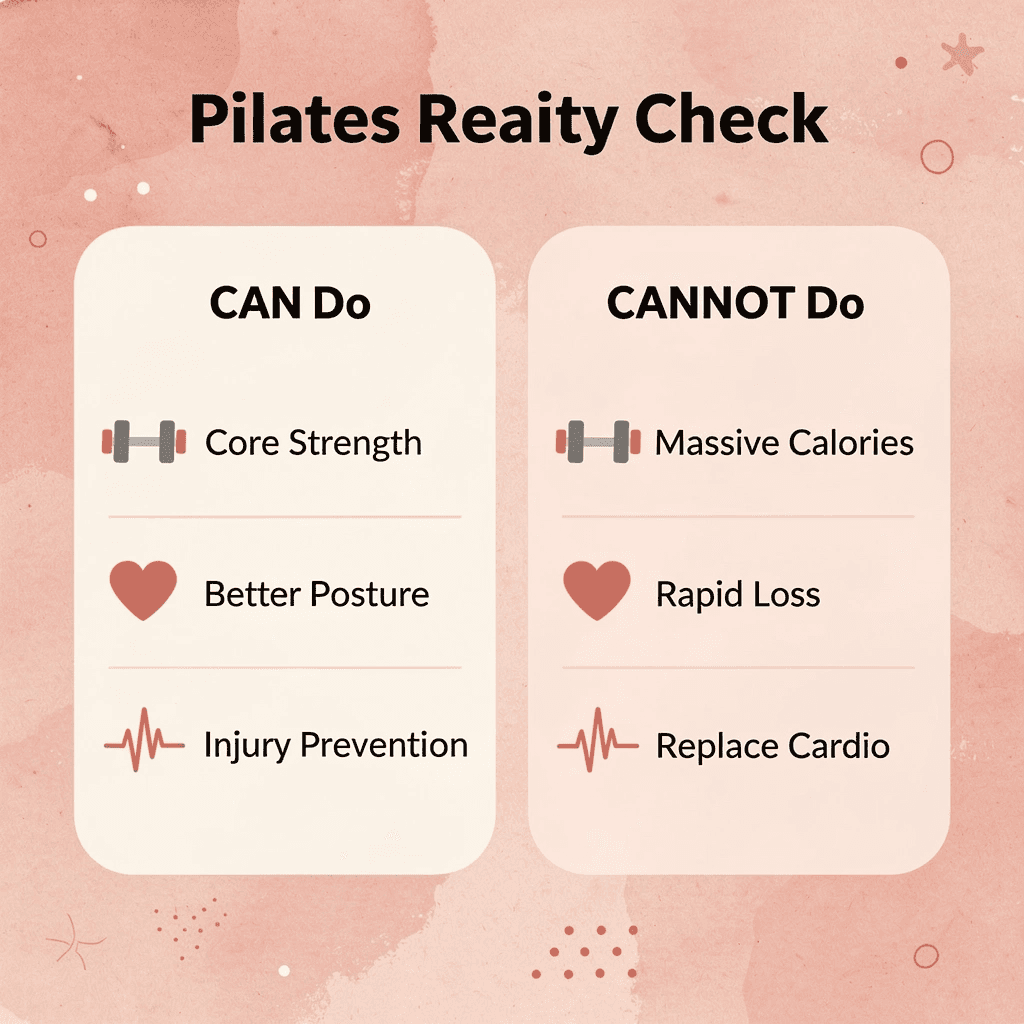
| What Pilates CAN Do | What Pilates CANNOT Do |
|---|---|
| Rebuild core strength | Burn massive calories per session |
| Improve posture and alignment | Replace cardiovascular exercise |
| Prevent exercise injuries | Create rapid weight loss |
| Increase exercise endurance | Work without proper nutrition |
| Restore functional movement | Spot-reduce belly fat |
⚠️ Warning: Expecting dramatic weight loss from Pilates alone can lead to disappointment. Think of it as your exercise foundation rather than your primary fat-burning tool.
How does Pilates realistically contribute to postpartum weight loss?
Pilates increases activity levels in a way that postpartum bodies can handle. A single session burns 200 to 300 calories, depending on intensity and body weight, less than running or cycling. The real value emerges outside the studio. Women who feel stronger and move with less pain stay active throughout the day: they walk more, play with their children without worry, and return to activities they avoided during pregnancy. This accumulated movement, sustained over months, matters more than any single workout.
How does muscle development affect postpartum metabolism?
Muscle development changes how your body works. Pilates builds lean muscle through controlled resistance, especially in the core, glutes, and shoulders. More muscle increases your resting metabolic rate and improves movement efficiency, making daily activities feel less effortful. According to research published in the Singapore Medical Journal, 80 women in postpartum Pilates programs showed measurable improvements in fatigue levels, suggesting the method helps women feel capable of doing more beyond structured exercise.
Why can’t exercise alone guarantee weight loss?
Pilates cannot change your eating habits. If you consume more calories than your body uses, you will not lose weight, regardless of how often you exercise. Insufficient sleep, stress hormones like cortisol, and the energy demands of breastfeeding all affect how your body stores and releases fat. Exercise is one part of a larger system with many moving pieces; treating it as the only factor that matters can lead to frustration when results don’t match expectations.
What makes rapid postpartum weight loss unrealistic?
Losing weight quickly is unrealistic for bodies recovering after childbirth, as they have endured major physical stress. Cutting calories excessively and exercising intensely can impair healing, hormone balance, and milk supply for breastfeeding individuals. The CDC recommends 150 minutes per week of moderate-intensity aerobic activity for postpartum women, emphasizing gradual, sustainable progress over dramatic transformation.
What transformations happen before the scale moves?
Most women who start exercising after having a baby with the sole goal of losing weight miss the bigger changes happening in their bodies. Strength returns before the scale moves. Movement improves before clothes fit differently. Confidence builds before appearance changes. These changes lay the foundation for long-term fitness, but they require a different measure of success than social media does. But what happens when that base is built with a method designed for postpartum recovery, one that accelerates months of progress into weeks without joint strain or core compromise?
Related Reading
- Kegel Exercises Postpartum
- Postpartum Strength Workout
- Postpartum Diastasis Recti Workout
- Easy Postpartum Workout
- Postpartum Arm Workout
- Postpartum Full Body Workout
- Postpartum Core Workout
- 6 Week Postpartum Workout Plan
- Postpartum Pelvic Floor Exercises
- Postpartum Workout Plan At Home
- Best Postpartum Core Exercises
- Pilates Exercises For Post Pregnancy
- Postpartum Diastasis Recti Workout
- Postpartum Pelvic Floor Exercises
- Postpartum Belly Exercises
How BST Lagree Helps Women Build Strength and Confidence After Pregnancy
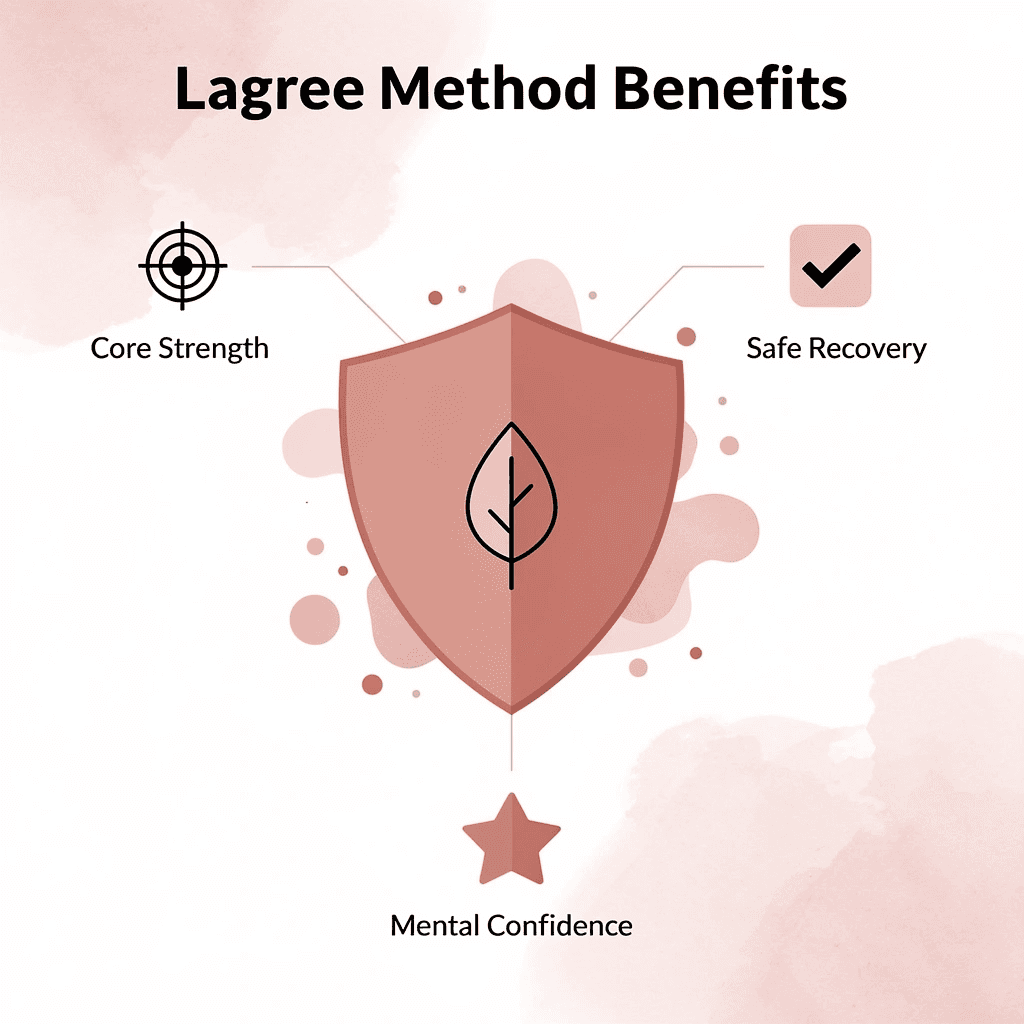
Getting back to exercise after pregnancy can be challenging without proper guidance on what’s safe for your recovering body. The Lagree Method combines high-intensity training with low-impact movements, creating the perfect balance for postpartum fitness. This allows women to rebuild their strength without stressing their joints as traditional gym workouts would.
🎯 Key Point: The Lagree Method offers a safe yet effective way for new mothers to regain their physical strength and mental confidence through controlled movements that protect healing bodies.
“Low-impact, high-intensity exercise methods like Lagree can help postpartum women rebuild core strength and muscle tone while minimizing injury risk during the critical recovery period.” — American College of Obstetricians and Gynecologists
💡 Tip: Start with modified movements and gradually increase intensity as your body adapts. The Lagree Method’s focus on slow, controlled contractions makes it ideal for rebuilding deep core strength, which is essential for postpartum recovery.
Low-Impact Training That Prioritizes Strength
The Megaformer uses spring-based resistance to create constant tension during each movement, forcing muscles to work harder without jumping, running, or repetitive impact that can strain recovering joints and pelvic floors. A single 45-minute class targets multiple muscle groups through slow, controlled movements that build strength and muscular endurance simultaneously, protecting postpartum bodies while delivering measurable progress.
Guidance From Certified Instructors
Many women return to exercise, unsure whether they’re pushing too hard or not challenging themselves enough. BST Lagree instructors are a fully Lagree-certified team, trained through a rigorous mentorship process that emphasizes form, modification, and progression. They provide real-time feedback on movement execution, helping women distinguish between productive discomfort and signals that require adjustment.
Less Guesswork, More Structure
Creating a workout plan from scratch while managing sleep deprivation and new motherhood feels impossible. Structured classes eliminate that burden: women show up and follow instructions instead of deciding which exercises to perform, how many sets to complete, or when to increase intensity. The program handles progression, exercise selection, and workout design, allowing participants to focus on execution and consistency.
A Women-Focused Environment
The environment around you affects how well you stick with exercise more than most people realize. BST Lagree offers a space designed specifically for women, where postpartum bodies are the norm rather than outliers. Women report feeling more comfortable asking questions, requesting modifications, and pushing themselves when surrounded by others navigating similar recovery journeys. But structure and guidance work only if the method aligns with how postpartum bodies rebuild strength, which is where the Lagree Method’s design becomes particularly relevant.
Related Reading
- Best Postpartum Exercises
- Pilates Exercises For Post Pregnancy
- Best Way To Lose Postpartum Belly Fat
- Postpartum Pilates Workout
- Beginner Postpartum Workout Plan
- How To Lose Pregnancy Belly After 2 Years
- Post Pregnancy Workout Plan
- Best Postpartum Ab Workout
- Best Postpartum Workout App
- Postpartum Gym Workout
Book a Lagree Class in London Today
Postpartum fitness is about building a stronger foundation that supports long-term health, confidence, and lasting results. Your body continues changing months after delivery, so structured recovery is essential for safe and effective progress.
💡 Tip: Your postpartum body needs specialized attention – generic workouts won’t address the unique challenges of rebuilding core strength and stability after pregnancy.
“Structured recovery is essential for postpartum women, as the body continues changing for months after delivery, requiring specialized fitness approaches.” — Postpartum Exercise Guidelines, 2024
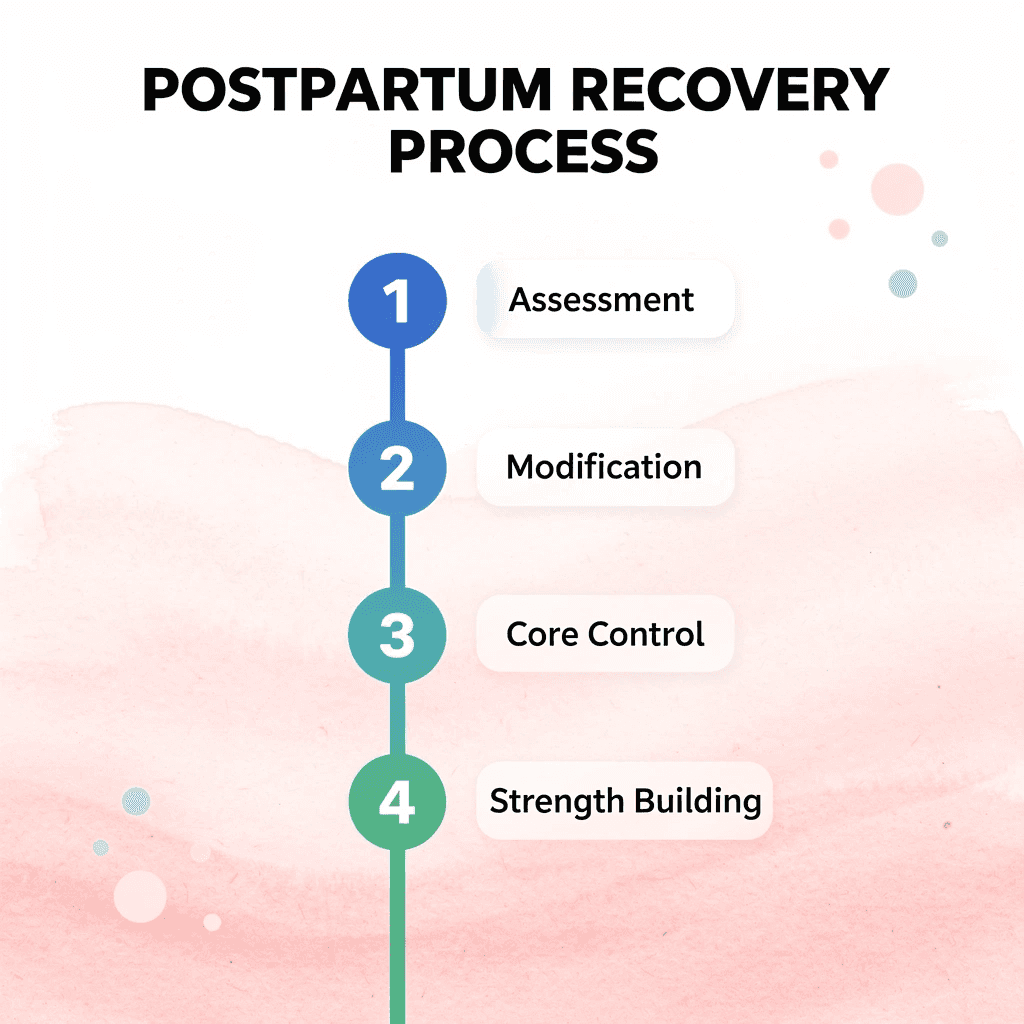
Book a class with BST Lagree and try our instructor-led workouts designed to rebuild strength efficiently. You’ll learn how to modify movements, develop core control, and build a routine that supports your goals. BST’s fully Lagree-certified instructors guide you through each movement, ensuring you progress safely while building the strength and endurance that make daily life easier.
🔑 Takeaway: Professional guidance ensures you’re rebuilding strength the right way – BST Lagree’s certified instructors understand the specific needs of postpartum recovery and will help you achieve lasting results.