Returning to exercise after having a baby is not like any other fitness restart. The body has shifted, energy is unpredictable, and knowing where to begin can feel genuinely overwhelming. A first postpartum workout sets the tone for recovery, which is why rebuilding strength safely matters far more than rushing back to a previous routine.
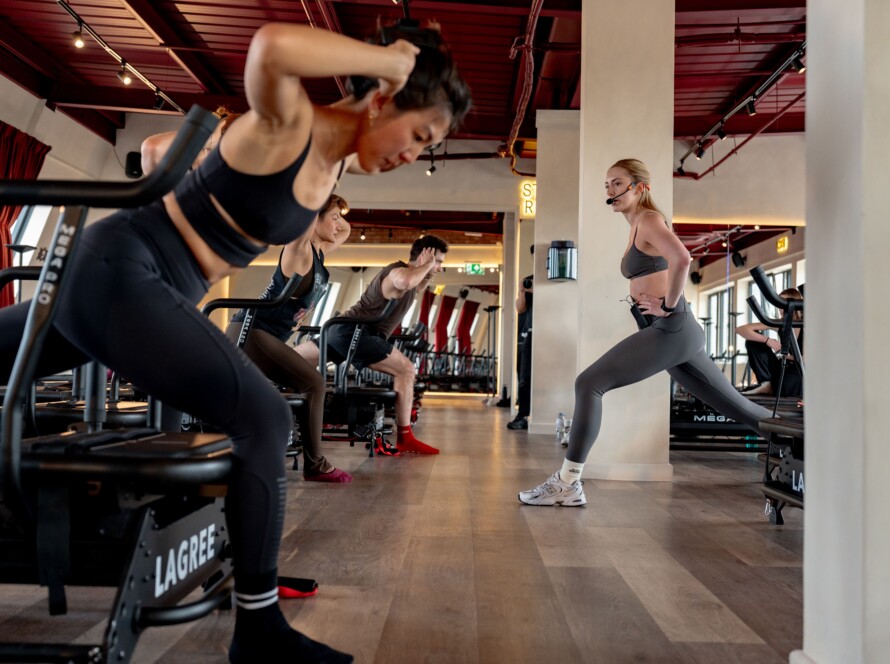
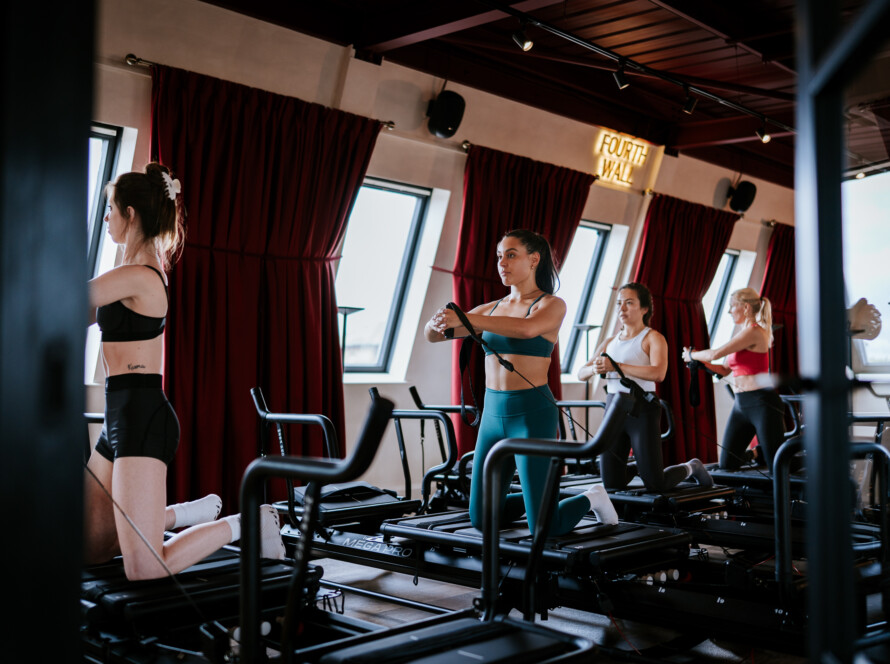
Not every training format suits a postpartum body, and high-impact classes or heavy lifting too soon can set recovery back instead of moving it forward. Slow, controlled movement that targets deep core muscles and builds endurance gradually is a smarter starting point. For new mothers looking for exactly that kind of approach, Lagree in London offers a method built around precision and low-impact intensity that supports the body through every stage of recovery.
Table of Contents
- Why Returning to the Gym After Pregnancy Can Feel Complicated
- Why Postpartum Gym Workouts Can Go Wrong
- What Makes a Good Postpartum Gym Workout?
- A Simple Postpartum Gym Workout Routine
- How to Progress Your Postpartum Gym Workouts
- How BST Lagree Helps Women Return to Strength Training After Pregnancy
- Book a Lagree Class in London Today
Summary
- Diastasis recti, the separation of the abdominal wall that occurs during pregnancy, affects virtually 100% of women by 35 weeks gestation according to research published in PMC. This means almost every woman enters the postpartum period with some degree of abdominal wall change that needs to be considered before loading the core under resistance. The common exercises associated with “getting your stomach back,” such as crunches and sit-ups, are precisely the movements most likely to increase intra-abdominal pressure and worsen that separation.
- Pelvic floor dysfunction affects up to 35% of postpartum women and can be worsened by returning to high-impact exercise too soon. Symptoms like leaking during a jump squat or pelvic pressure after a run are frequently dismissed as minor inconveniences rather than signals worth addressing. These responses show the body is absorbing more load than it can currently manage.
- Only 34.5% of postpartum women exercise regularly during the postpartum period, according to a 2025 study published in PMC, and only 40% meet physical activity guidelines during this time, according to The Conversation. These numbers reflect not a lack of motivation but a shortage of accessible, appropriate options that account for where postpartum bodies actually are. Shorter sessions, flexible scheduling, and modifiable exercises are not compromises in program design but features that make consistency achievable.
- Pelvic floor muscles can take up to 12 months to fully recover after childbirth, meaning any return-to-exercise plan needs to account for that timeline rather than work against it. ACOG recommends building toward at least 150 minutes of moderate-intensity aerobic activity per week during the postpartum period, accumulated across shorter sessions rather than completed in single long efforts. The framing of accumulation matters because it makes consistent activity realistic within the demands of early parenthood.
- Movement complexity is an underused tool in postpartum progression. Moving from a bilateral exercise to a single-leg variation, or from a supported squat to a less-supported one, challenges stability, coordination, and neuromuscular connection in ways that simply adding weight cannot replicate. Postpartum bodies often need to rebuild the brain-to-muscle connection before they need heavier loads, and complexity carries far less structural risk than adding load too quickly.
- Two women at six weeks postpartum can have completely different recovery profiles depending on birth experience, sleep, nutrition, stress load, and delivery type, which means comparing progress against another person’s timeline actively distorts judgment about what is working. The only useful benchmark is the individual body’s response: whether recovery happens between sessions, whether symptoms are stable or improving, and whether capacity builds rather than is constantly tested. BST Lagree’s Lagree in London fits into this picture by offering a structured, instructor-led environment where slow, controlled Megaformer-based training builds full-body strength and cardiovascular fitness without the high-impact loading that postpartum bodies are most vulnerable to.
Why Returning to the Gym After Pregnancy Can Feel Complicated
Going back to the gym after pregnancy isn’t hard because you’ve lost motivation or discipline. It’s hard because your body has genuinely changed, and the fitness industry hasn’t built clear pathways for what comes next.
“The fitness industry continues to treat postpartum recovery as a footnote — when it should be the entire chapter.”
🚨 Warning: Jumping back into your pre-pregnancy routine without acknowledging your body’s real changes is one of the most common and costly mistakes new mothers make.
💡 Tip: Before returning to the gym, recognize that postpartum fitness is a fundamentally different journey: not a return to where you were, but a rebuild from the inside out.

What does pregnancy actually do to your body?
Pregnancy changes your body from the inside out. Your abdominal wall stretches to accommodate a growing baby, your pelvic floor bears months of extra weight, your joints loosen due to relaxin, and your heart and blood vessels adjust after birth. According to research published in Maximizing Recovery in the Postpartum Period, diastasis recti abdominis affects about 100% of women at 35 weeks of pregnancy. This means most women enter the postpartum period with some degree of abdominal wall separation that requires consideration before stressing the core with resistance exercise. This isn’t a reason to avoid exercise—it’s a reason to approach it differently.
Why is time alone not enough to signal readiness?
The failure point is usually assuming time alone is the reset button. Readiness isn’t a feeling—it’s a combination of pelvic floor recovery, tissue healing, hormonal stabilization, and sleep deprivation that can blunt physical performance even when motivation is high. A woman who ran five days a week before birth may find that the same effort now triggers symptoms like leaking, pressure, or lower back pain, not because she’s weak, but because her body is still completing a process that no six-week clearance appointment fully evaluates.
Why can jumping back into familiar workouts cause problems?
The most common approach is to jump back into familiar workouts because familiarity feels safe and fast. High-impact loading on a pelvic floor that hasn’t fully recovered can worsen dysfunction rather than resolve it. A method like Lagree in London offers a different starting point. The Megaformer’s spring-based resistance allows you to rebuild full-body strength, improve cardiovascular conditioning, and challenge muscle endurance without the ground-reaction forces that make traditional gym workouts risky in early postpartum recovery.
Why does the return to exercise feel emotionally complicated too?
What makes the return emotionally complicated mirrors the physical reality. Many women describe exercise as their primary form of mental health management, the one hour in the day that belongs entirely to them. When that disappears during pregnancy and doesn’t immediately return after birth, the loss encompasses identity, rhythm, and emotional regulation. Yet The Conversation reports that only 40% of women meet physical activity guidelines during the postpartum period, a gap reflecting not a lack of desire but a shortage of appropriate, accessible options.
The goal isn’t to reclaim your old workout, but to build something smarter that accounts for where your body is now, not where it was before. But knowing that a thoughtful return matters is only half the equation. When women push too hard, too soon, they reveal the real discomfort.
Related Reading
- First Postpartum Workout
- When Can I Workout Postpartum
- Is Pilates Good for Postpartum Weight Loss
- Can I Do Pilates 3 Weeks Postpartum
- Bird Dog Exercise Postpartum
- Postpartum Glute Bridge Exercise
- Postpartum HIIT Workout
- Postpartum Kettlebell Workout
- Postpartum Dumbbell Workout
Why Postpartum Gym Workouts Can Go Wrong
Pushing too hard, too soon can work against recovery in ways that aren’t obvious until damage occurs.
“The postpartum body requires a fundamentally different approach: what worked before pregnancy can actively undermine healing after it.” — Postpartum Fitness Research
⚠️ Warning: Many new mums assume that feeling strong means the body is ready to perform. These are not the same thing.

The failure point is usually a mismatch — not effort. Your previous fitness level creates a mental benchmark that becomes the enemy. Women who could deadlift, sprint, or power through HIIT before pregnancy often return to the gym treating those memories as a baseline, not history. The result is a body asked to perform at a level it hasn’t rebuilt the infrastructure to support.
💡 Tip: Think of your postpartum body as a renovation in progress — the foundation must be rebuilt before you can load the structure.
| Pre-Pregnancy Mindset | Postpartum Reality |
|---|---|
| Past performance = current baseline | Past performance = historical reference only |
| Intensity signals progress | Intensity can signal risk |
| Soreness = working hard | Soreness may = tissue stress |
| Speed of return = success | Patience of return = true success |
🎯 Key Point: The gap between who you were in the gym and where your body is now is not a weakness — it’s a physiological reality that demands respect.
What happens when you return to exercise too soon?
According to Rethinking Prenatal and Postpartum Exercise, published in the Delaware Journal of Public Health, pelvic floor dysfunction affects up to 35% of postpartum women and worsens with high-impact exercise resumed too soon. Leaking during a jump squat or pelvic pressure after a run is often dismissed as a minor inconvenience rather than a signal worth heeding. Your body is communicating that it isn’t ready to handle the load.
The same source reports that 15 to 25% of postpartum women experience diastasis recti, a separation of abdominal muscles that worsens with improper exercise. Ironically, exercises most commonly associated with “getting your stomach back”—crunches, sit-ups, and heavy loaded flexion—are precisely the movements most likely to increase intra-abdominal pressure and deepen that separation. Focusing only on abdominal appearance while ignoring how the core functions is one of the most common and costly mistakes in postpartum training.
Why do standard gym programs fall short for postpartum recovery?
Most standard gym programs weren’t designed with pelvic floor load, abdominal wall integrity, or postpartum fatigue in mind. Women seeking intense workouts without structural risk benefit from training methods that build strength and endurance through controlled movement rather than impact or ballistic work. Lagree in London with BST Lagree uses the Megaformer to deliver full-body strength, cardio, and toning through slow, controlled resistance instead of high-impact loading that postpartum bodies are most vulnerable to.
How do you know if your postpartum training is actually working?
Two women at six weeks postpartum can have completely different recovery profiles depending on birth experience, sleep, nutrition, stress load, and delivery type. Measuring your progress against someone else’s timeline distorts what you think is working. Your only useful benchmark is your own body’s response: are you recovering between sessions, are symptoms staying stable or improving, and are you building capacity rather than constantly testing its limits? And that question of what “building capacity” looks like in practice is where the real answer emerges.
What Makes a Good Postpartum Gym Workout?
Building strength after having a baby is something you can measure and see happen in your body. It requires the right exercises done in the right order — because not every workout is appropriate for a postpartum body. A good postpartum gym workout depends on two critical factors: what it builds and whether your body can handle it.
“A postpartum workout isn’t just about returning to fitness — it’s about rebuilding your foundation safely, in the right sequence, so your body can handle progressively greater demands.”
💡 Tip: Before jumping into any postpartum gym routine, always get clearance from your healthcare provider — especially if you had a C-section or experienced diastasis recti.
⚠️ Warning: Skipping the foundational phase of postpartum training is one of the most common mistakes new moms make. Rushing back to pre-pregnancy workouts can cause serious setbacks to your recovery.
| Workout Quality | What It Means for Postpartum |
|---|---|
| Right exercises | Movements that rebuild core and pelvic floor safely |
| Right order | Progressive loading that matches your recovery stage |
| Body readiness | Listening to your body’s signals before advancing |

Why does progressive strength training matter for postpartum recovery?
The foundation is progressive strength training across the whole body: legs, back, chest, shoulders, and stabilizing muscles. This matters because postpartum life demands integrated strength—picking up a baby from a low surface, carrying a car seat, getting up from the floor repeatedly. According to North West Healthy Women, pelvic floor muscles can take up to 12 months to fully recover after childbirth, so the program must account for that timeline.
Returning to familiar workouts—the same classes, weights, and intensity as before pregnancy—often means loading a body still in recovery with demands it cannot handle. The cost emerges gradually: persistent fatigue, technique breakdown, and symptoms that don’t improve because training stimulus outpaces the body’s ability to adapt. Women seeking structured return options find that BST Lagree in London offers genuine intensity through slow, controlled movement on the Megaformer, building strength without the joint load that makes high-impact training risky during early recovery.
How much cardiovascular conditioning should a postpartum workout include?
Heart and lung fitness deserves its own place in the program. ACOG recommends working toward at least 150 minutes of moderate-intensity aerobic activity per week during the postpartum period, accumulated across shorter sessions. A 20-minute walk, low-impact cycling session, or structured class all count. The goal is consistent aerobic stimulus, not a single long effort that leaves you depleted.
What makes a postpartum workout program realistic enough to stick with?
Research from a 2025 study published in PMC found that only 34.5% of postpartum women exercised during the postpartum period, revealing a gap between knowing exercise matters and doing it. A good program accounts for this by being realistic about time, energy, and access. Shorter sessions, flexible scheduling, and adaptable exercises support consistency.
Technique is non-negotiable. Resistance that allows clean movement is more productive than heavier loads performed with compensation patterns. When form breaks down, other structures compensate in ways that create problems over time. A qualified trainer who understands postpartum physiology can help you recognize when an exercise needs adjustment before it becomes a larger issue.
A Simple Postpartum Gym Workout Routine
A structured postpartum gym workout doesn’t need to be complicated to be effective. It needs the right sequence, a realistic starting point, and enough flexibility to meet your body where it actually is — not where it was before pregnancy.
“The most effective postpartum fitness plan isn’t the most intense one — it’s the one built around your body’s real recovery needs and done with consistency.” — Postpartum Fitness Principle
💡 Tip: Start with low-impact movements and a clear progression plan — your postpartum body needs structure, not pressure.
⚠️ Warning: Jumping back into pre-pregnancy intensity too soon is one of the most common mistakes new moms make — always prioritize recovery first.
| What Your Routine Needs | Why It Matters |
|---|---|
| Right sequence | Protects healing muscles and connective tissue |
| Realistic starting point | Prevents injury and builds sustainable momentum |
| Built-in flexibility | Meets your body where it actually is, not where it was |

🎯 Key Point: A postpartum gym routine doesn’t have to be perfect — it has to be consistent, safe, and adaptable to where you are in your recovery journey right now.
Build from the ground up
Start every session with 5 to 10 minutes of light movement—walking, cycling, or elliptical work—to increase blood flow to your joints and prepare your body for controlled effort. Follow with mobility work for your hips, thoracic spine, and shoulders, areas that tighten during pregnancy and postpartum while caring for a baby.
Which movements should anchor your first postpartum gym workout?
Build your session around two or three lower-body movements and two or three upper-body movements. Glute bridges, bodyweight squats, step-ups, and light goblet squats work well for the lower body. Seated rows, resistance band presses, and supported shoulder work train major muscle groups, emphasizing control and connection over load.
Core and pelvic floor work deserves dedicated space in the session, not as a warm-up afterthought. Heel slides, bird dogs, dead bugs, and incline planks build the deep stability your body needs before heavier compound movements. Postpartum women returning to the gym often skip this foundational layer because it feels too easy, then experience lower back discomfort or pelvic pressure weeks later. This work isn’t optional; it makes the rest of the session safe and productive.
How do you fit postpartum training into a realistic weekly schedule?
Most postpartum women face time pressure, not physical limitations alone. Short sessions accumulated across the week prove more sustainable than one long block. ACOG recommends at least 150 minutes of moderate-intensity aerobic activity per week, accumulated in shorter periods as needed, alongside strength training at least two days a week. A realistic framework could include two full-body strength sessions, two to three moderate cardio sessions (walking, cycling, or elliptical), and several shorter core and pelvic floor sessions throughout the week.
Many women return to their pre-pregnancy training style—high-intensity classes, heavy lifting, or demanding cardio—without accounting for ongoing recovery demands. Intensity without structural readiness leads to compensations that surface as pain or dysfunction. Studios like BST Lagree operate on a different premise: high intensity and low impact aren’t opposites. The Megaformer delivers full-body strength, toning, and cardiovascular conditioning through slow, controlled resistance work that challenges muscles deeply without excessive load on joints and connective tissue still rebuilding.
How should you end a session and when should you stop?
Finish every session with a few minutes of easy walking and relaxed breathing. You can include stretching if it feels good, but it doesn’t need to be complicated. What matters is that intensity drops gradually and you leave feeling able to recover, not worn out. Stop immediately and seek medical help if you experience chest pain, dizziness, serious pain, or unusual bleeding. Once you have a routine that works, the question most people don’t ask is what to do when it stops feeling hard.
Related Reading
- Kegel Exercises Postpartum
- Postpartum Strength Workout
- Postpartum Diastasis Recti Workout
- Easy Postpartum Workout
- Postpartum Arm Workout
- Postpartum Full Body Workout
- Postpartum Core Workout
- 6 Week Postpartum Workout Plan
- Postpartum Pelvic Floor Exercises
- Postpartum Workout Plan At Home
- Pilates Exercises For Post Pregnancy
- Postpartum Diastasis Recti Workout
- Postpartum Pelvic Floor Exercises
- Postpartum Belly Exercises
How to Progress Your Postpartum Gym Workouts
Getting better after having a baby isn’t always a straight path forward. Add more activities slowly and carefully, increasing what you do in different ways — whether that means more reps, heavier weights, or longer sessions. Pay close attention to how your body responds, because that’s the best information you have to guide your progress.
“Postpartum recovery is not a race — listening to your body is the most powerful tool you have for building back stronger and safer.” — Postpartum Fitness Principle
| Progression Method | What It Means | When to Apply |
|---|---|---|
| Volume increase | More reps or sets | When current load feels manageable |
| Load increase | Heavier weights | After 2–3 weeks of consistent form |
| Duration increase | Longer workout sessions | When energy levels feel stable |
💡 Tip: Progress one variable at a time — don’t increase weight, reps, and duration in the same week. Your postpartum body needs gradual adaptation, not sudden jumps.
⚠️ Warning: If you notice pain, pressure, or leaking during or after exercise, that’s your body signaling to slow down. These are non-negotiable signs to scale back and reassess.

Why should you add reps before adding resistance?
Start by adding controlled reps before adding weight. If you’re completing 8 solid repetitions of a goblet squat or seated row, work toward 10 or 12 with the same quality of movement before reaching for a heavier dumbbell. This builds genuine strength and neuromuscular control without the sudden load spikes that trigger pelvic floor symptoms or lower back strain.
How small should resistance increases be when you’re ready to progress?
When you’re ready to increase resistance, keep jumps small and deliberate. A 1 or 2 kilogram increase that you can control through a full range of motion works better than a large jump that compromises technique and forces compensation through the wrong muscles. The same logic applies to resistance bands and cable machines: increase demand only when the current level feels manageable.
Why does movement complexity matter more than weight postpartum?
Getting back into fitness after having a baby requires addressing a gap most gym programs miss: movement difficulty. Progressing from supported squats to unsupported ones, or from bilateral to unilateral exercises, demands greater work in balance, coordination, and body awareness than weight alone can provide. After childbirth, your body must rebuild the neuromuscular connection between your brain and muscles before handling heavier loads. Increasing movement difficulty raises intensity with significantly less risk.
How does a structured system remove the guesswork from postpartum progression?
Most postpartum women adjust weights and choose exercises based on intuition, which works until it doesn’t. BST Lagree in London builds progression into the system itself. The Megaformer’s spring-based resistance allows precise, incremental load changes, and the Lagree Method naturally layers complexity as strength and stability improve, eliminating the guesswork that halts independent postpartum training.
How should you build toward the 150-minute weekly cardio target?
Your heart and cardiovascular system follow the same gradual approach: increase duration before increasing intensity. According to Sport Manitoba’s Pre to Postnatal Movement and Fitness Guide, the recommended postpartum target is 150 minutes of moderate-intensity physical activity per week. Work toward it over weeks, not in your first month back. Short exercise sessions spread throughout the week work as well as longer ones and are easier to maintain during recovery.
When is it safe to return to high-impact activity postpartum?
Go back to high-impact activity, running, jumping, or plyometric work only when your symptoms, pelvic floor strength, and overall exercise tolerance support it. Pain, pelvic pressure, or urinary leakage during or after impact exercise signal your body isn’t ready. Progress that ignores those signals is a delay wearing a different name. When your routine feels solid, consistent, and sustainable, the next question is where to take it.
How BST Lagree Helps Women Return to Strength Training After Pregnancy
Returning to strength training after pregnancy raises critical questions that every postpartum woman deserves personalized answers to: What exercises are right for you? How much weight should you use? When should you progress to harder, more demanding workouts? For women looking for more than working out on their own, our BST Lagree coached sessions provide expert, personalized guidance tailored to postpartum recovery—so you never have to guess what’s safe or effective.
“Postpartum women need individualized programming — not generic workouts — to safely rebuild core strength, pelvic floor function, and full-body fitness after pregnancy.” — BST Lagree
💡 Tip: Don’t rush back to your pre-pregnancy routine. A coached approach ensures your body is truly ready before you increase intensity — protecting your long-term strength and injury-free progress.
🎯 Key Point: BST Lagree coached sessions take the guesswork out of postpartum fitness by addressing the three most important questions every new mom faces: what to do, how much to do, and when to push harder.
| Your Question | How BST Lagree Coached Sessions Help |
|---|---|
| What exercises are right for me? | Personalized movements matched to your postpartum recovery stage |
| How much weight should I use? | Coach-guided load progression based on your current strength |
| When should I do harder workouts? | Expert assessment ensures you advance only when your body is ready |

Do you have to program every postpartum workout yourself?
Building a postpartum routine alone means choosing exercises, organizing sessions, adjusting resistance, and deciding when to progress. BST lagree provides certified instructors trained through a rigorous mentorship program who guide clients throughout workouts, offering modifications and progressions rather than leaving you to navigate every movement independently.
Can one class combine strength and cardio for postpartum women?
Balancing recovery with childcare and work makes finding time for exercise challenging. Our BST Lagree 45-minute workouts combine strength-building and cardiovascular conditioning in one structured session, offering postpartum women an efficient way to complete a full workout without separate exercises.
How does coaching provide real-time guidance during postpartum training?
A workout video shows you movements, but an instructor watches how you’re doing them. During BST Lagree classes, instructors give tips, explain modifications, and adjust their guidance based on what they see—this helps when you’re rebuilding strength and learning your body’s current capabilities.
Here’s an important difference: instructors don’t decide if you’re medically ready to exercise. Your doctor should tell you when and how to start exercising again, especially after a cesarean delivery or if you experienced complications. ACOG recommends slowly returning to physical activity and advises women who had cesarean births or complications to consult their OB-GYN before exercising again.
Can the right environment make postpartum consistency easier?
BST Lagree is a fitness space for women that focuses on coaching, motivation, and community. Instead of planning workouts and exercising alone, you attend scheduled classes with an instructor and other women, a structure that makes showing up easier during postpartum life. A defined 45-minute class provides a clear workout window without extra planning. Since one class includes strength and cardiovascular conditioning, you get multiple forms of training efficiently.
Why does consistency matter more than intensity after pregnancy?
Postpartum training shouldn’t focus on proving how quickly you return to previous fitness levels. BST Lagree states clients can see differences in about two weeks with consistency, though this is a general brand claim, not a guaranteed timeline. Individual results vary considerably after pregnancy. A more useful goal is establishing a sustainable routine you can build on over time.
BST Lagree’s certified instructors support technique and modifications but aren’t substitutes for postpartum medical care. Follow your healthcare provider’s recommendations, especially if you’ve had a C-section, delivery complications, persistent pain, pelvic floor symptoms, or other concerns. Once cleared, inform your instructor that you’re postpartum so they can coach you appropriately.
Book a Lagree Class in London Today
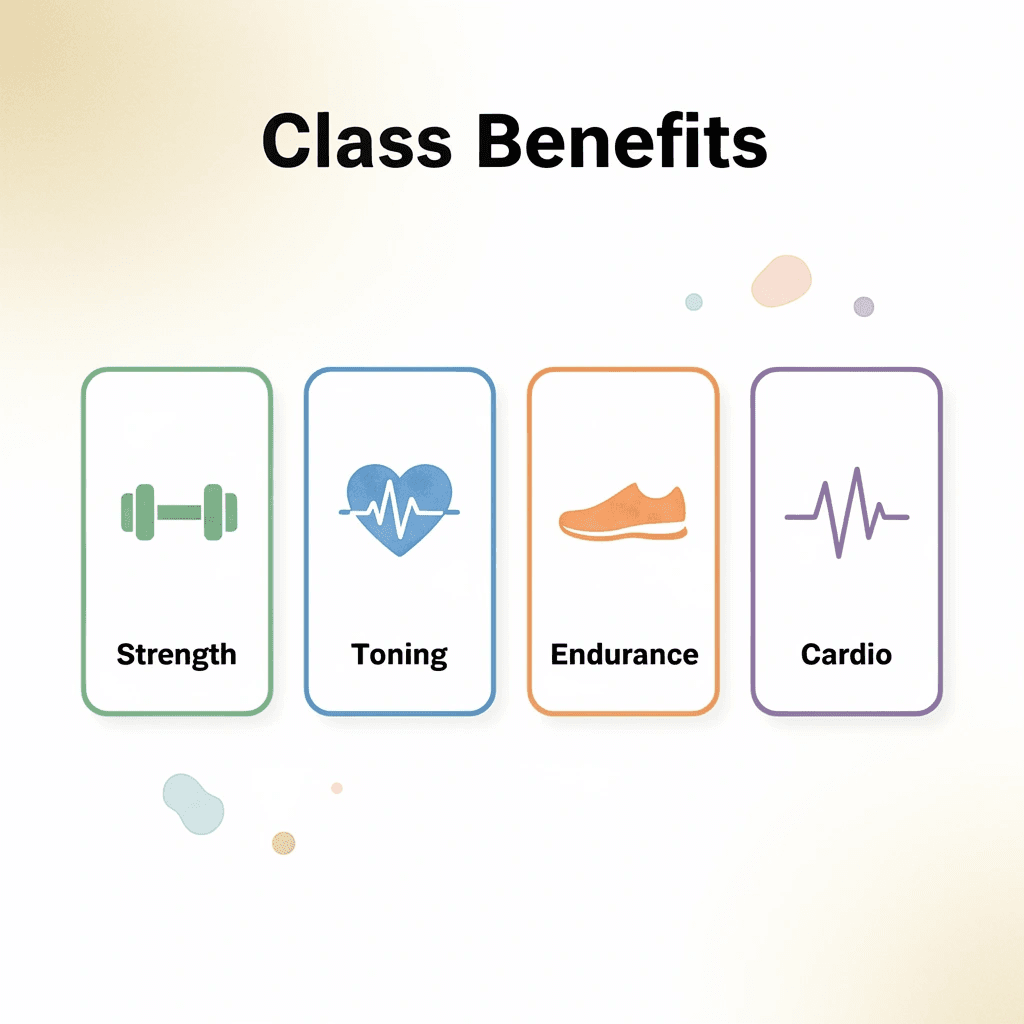
BST Lagree offers coached 45-minute Megaformer classes that combine strength, toning, endurance, and cardiovascular training in a low-impact format. Before your first class, make sure you have clearance to exercise and tell your instructor you are postpartum so they can plan the session with your recovery in mind.
“A single 45-minute Megaformer session delivers strength, toning, endurance, and cardio — all in one low-impact format designed to meet your body where it is.” — BST Lagree
💡 Tip: Always inform your BST Lagree instructor that you are postpartum before the session begins — this allows them to modify movements and tailor the class specifically to your recovery stage.
| What to Do Before Your First Class | Why It Matters |
|---|---|
| Obtain medical clearance to exercise | Ensures your body is ready to train safely |
| Inform your instructor you are postpartum | Allows for personalized session planning |
| Wear comfortable, grip-friendly clothing | Supports safe movement on the Megaformer |
| Arrive early for your first session | Gives time for a proper introduction to the equipment |
Ready to return to strength training in a structured, women-focused environment? Book a Lagree in London class with BST Lagree and experience a full-body workout that challenges you without asking your body to do more than it is ready for.
🎯 Key Point: BST Lagree is designed for women who want a results-driven, low-impact workout that respects where they are in their recovery journey, not where they used to be.
⚠️ Warning: Returning to exercise too soon or at too high an intensity postpartum can set back your recovery. Choose a structured, coached environment like BST Lagree where your safety and progress are the priority.