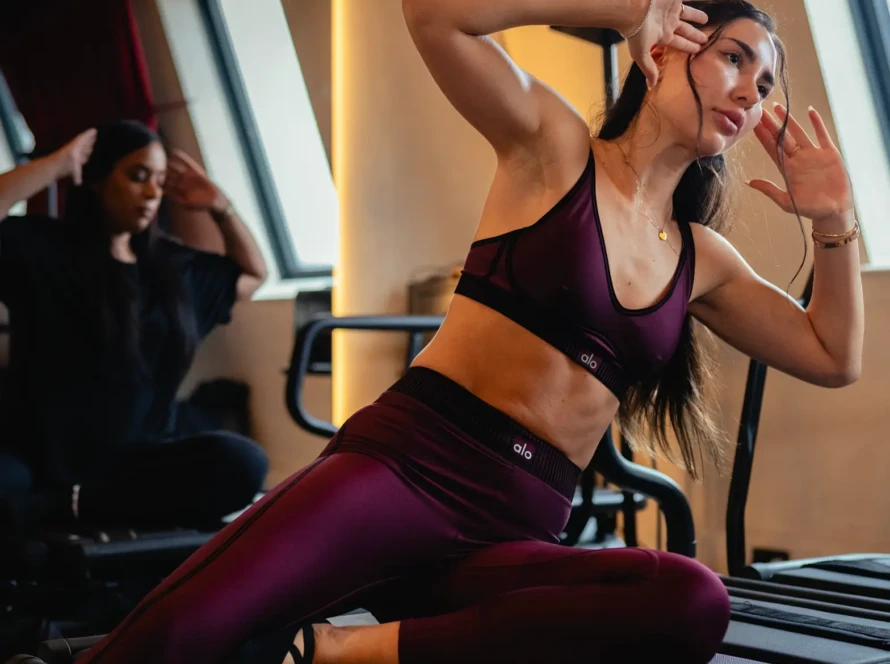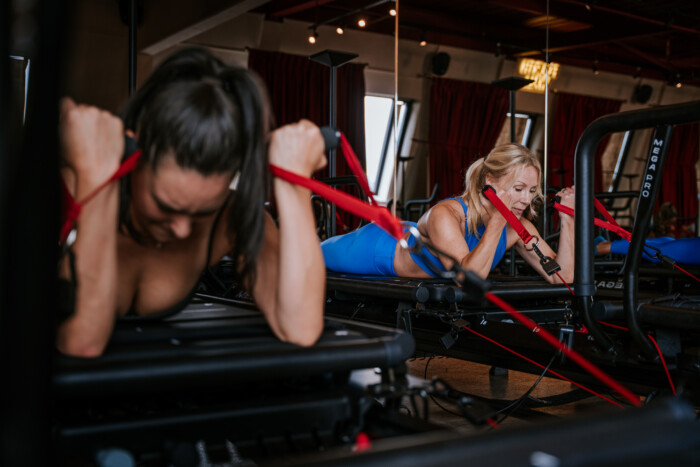
HIIT (short bursts of very hard effort with recovery in between) mainly improves heart and lung fitness in very little time, while strength training (working your muscles against resistance) builds muscle and strength, so neither is better overall and most people get the best results by doing both, with strength as the base. Below is what each does best, whether doing both holds you back, and sample weeks for two, three or four sessions.
If you want strength and a raised heart rate in one coached session, you can book a class in Angel.
HIIT vs strength training: the difference
HIIT is short bursts of repeated vigorous activity broken up by rest or easy exercise. Think 30 seconds hard on a bike, 60 seconds easy, repeated. The goal is to push your heart and lungs close to their limit.
Strength training, also called resistance training, means making your muscles work against a load: dumbbells, machines, bands, springs or your own bodyweight. For most adults, the American College of Sports Medicine suggests 2 to 4 sets of 8 to 12 reps for each major muscle group, two or three days a week.
Two similar terms cause confusion. High-intensity functional training (HIFT) mixes varied, whole-body movements done at high intensity, and may or may not include rest. High-intensity strength training, sometimes called HIT, is plain strength training with a small number of sets taken very close to failure. It is lifting, not cardio.
What HIIT does best
HIIT is the quickest way to raise your aerobic fitness. A meta-analysis of 28 studies found both HIIT and steady endurance training gave large improvements in VO2max (the best single measure of aerobic fitness), with slightly bigger gains after HIIT. The NHS also counts vigorous activity double: 75 minutes a week of vigorous activity meets the same target as 150 minutes of moderate activity.
The downside is that HIIT is hard to recover from, and the jumping and sprinting versions put a lot of load through your knees, hips and ankles. It is also not designed to build strength, because the load on any one muscle is usually light.
What strength training does best
Strength training builds muscle and strength, and it is the one thing cardio cannot replace. The NHS asks every adult to do strengthening activities on at least two days a week, on top of their aerobic activity. It also helps body composition: resistance training on its own reduces body fat percentage compared with not training.
How heavy you go depends on the goal. Muscle growth is similar across a wide range of loads, but gains in maximal strength favour heavy weights.
HIIT vs strength training for busy schedules
If you only have time for two sessions a week, make them full-body strength sessions and finish each with 5 to 10 minutes of intervals. That covers the NHS strength advice and adds some vigorous activity, and you can top up with brisk walking on other days. If you have three or more slots, add a dedicated HIIT or cardio session. For pure time efficiency, short, hard intervals win for fitness, and full-body compound lifts win for strength.
HIFT vs traditional resistance training for maximum strength
Both make you stronger. In a small trial of trained women, high-intensity circuits and traditional strength training, both taken close to failure, increased strength and lean mass by similar amounts. In a trial of overweight men, HIFT and traditional resistance training both increased bench press strength, while HIFT improved VO2max more. If a bigger one-rep max is your main goal, heavier, lower-rep lifting with full rest between sets is the more specific choice.
The interference effect, in plain words
The worry is that cardio “cancels out” strength gains. The evidence is reassuring for most people. A 2022 meta-analysis found that doing aerobic and strength training together did not reduce muscle growth or maximal strength. It did blunt explosive strength, such as jumping power, especially when both were done in the same session rather than at least three hours apart.
A 2026 umbrella review of 17 meta-analyses reached a similar view: combined training improved aerobic fitness as much as cardio alone, and strength and muscle as much as strength training alone. It also found a trend in favour of doing strength work before cardio when strength is the priority.
Can you do cardio and strength training at the same time?
Yes. If they share a session, lift first and do your intervals after, so your muscles are fresh for the strength work. If you play a sport that needs speed or jumping power, put a few hours between them. Circuits that mix resistance moves with little rest are another way to train both at once.
How to combine HIIT and strength training in a week
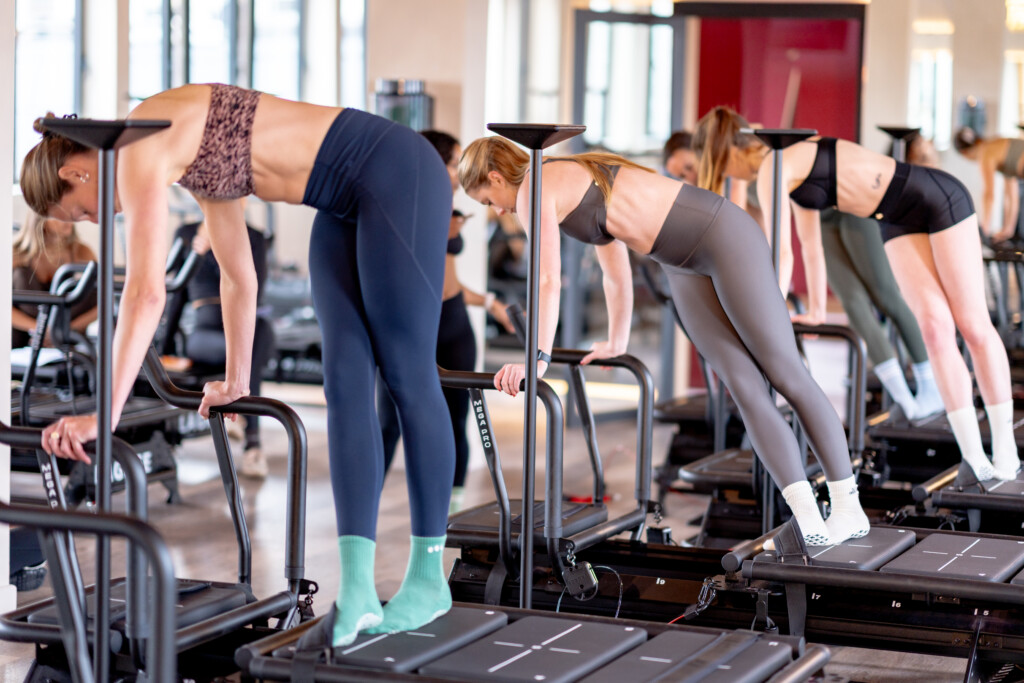
These sample weeks put strength first and spread the hard days out. Swap days to suit your diary, but keep a day between sessions that work the same muscles.
| Sessions a week | Sample week | Why it works |
|---|---|---|
| 2 | Mon: full-body strength, then 5 to 10 min intervals. Thu: full-body strength, then 5 to 10 min intervals. Walk on other days. | Covers the NHS strength advice with the least time, plus some vigorous work. |
| 3 | Mon: full-body strength. Wed: 20 min HIIT or a Lagree class. Fri: full-body strength. | Two strength days with recovery between, and one dedicated cardio day. |
| 4 | Mon: lower-body strength. Tue: HIIT. Thu: upper-body strength. Sat: full-body strength or a Lagree class. Easy walk or cycle on one rest day. | More volume, split so no muscle group is trained hard two days running. |
Recovery: how to train hard without burning out
- Leave 48 hours between hard sessions for the same muscles, as ACSM recommends for resistance training.
- Keep most cardio easy. Make the HIIT sessions properly hard and the rest gentle. A recovery workout is a walk, an easy cycle or a swim at a pace where you can hold a conversation.
- Watch the warning signs. If you are sore for days, your performance is dropping or your sleep is suffering, take an easy week.
- Stop if something hurts. Pain is different from effort. If you have joint pain, a heart condition, are pregnant or have recently given birth, check with your GP or a physiotherapist before starting HIIT.
Where Lagree fits
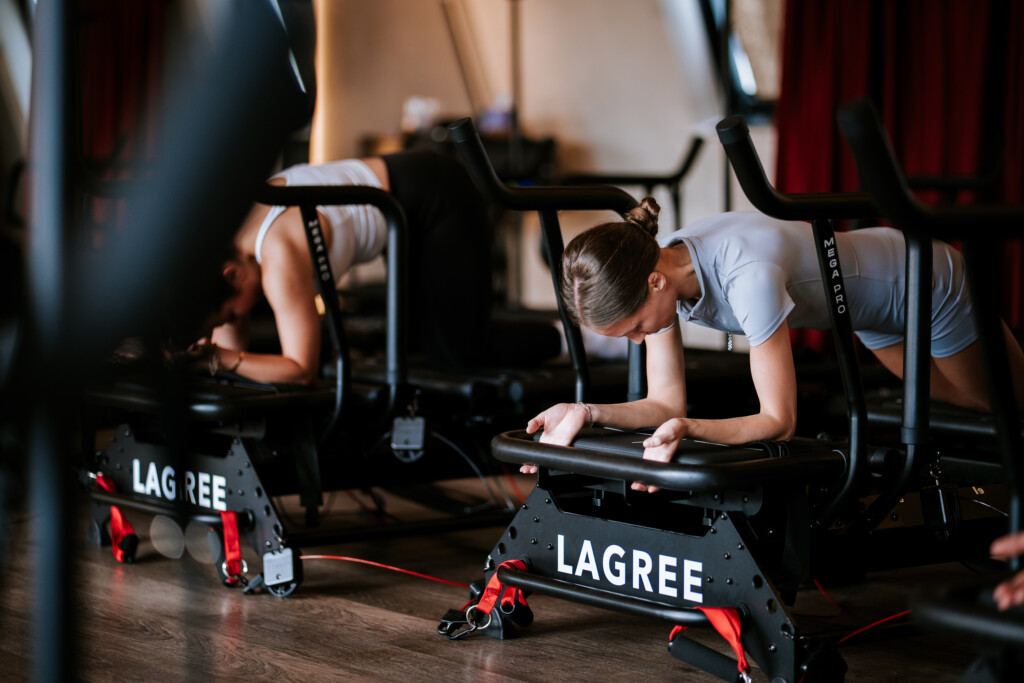
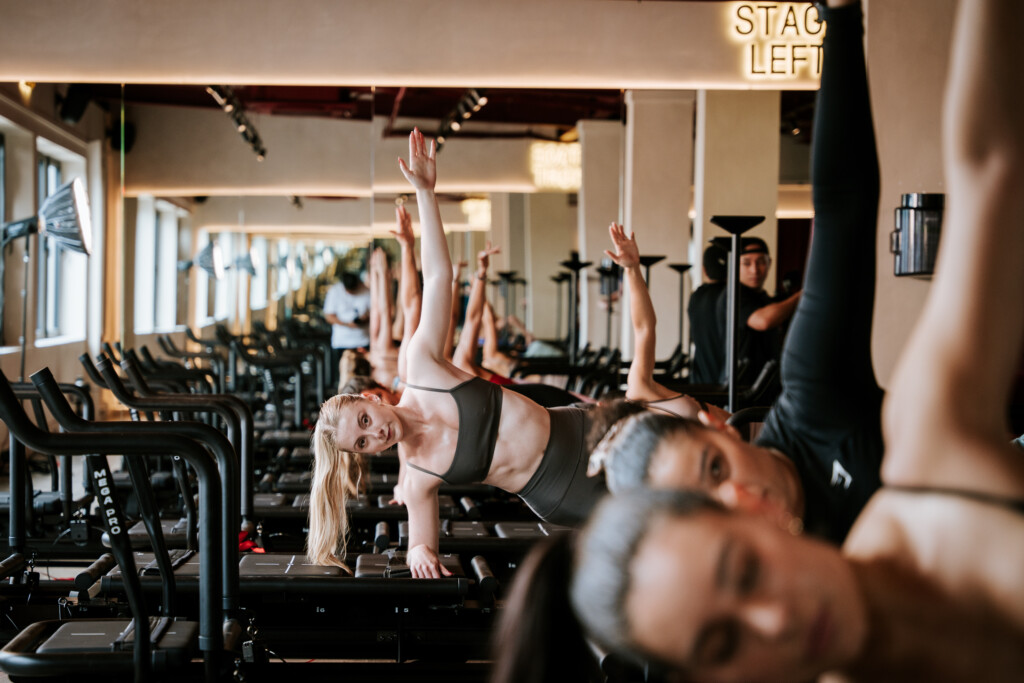
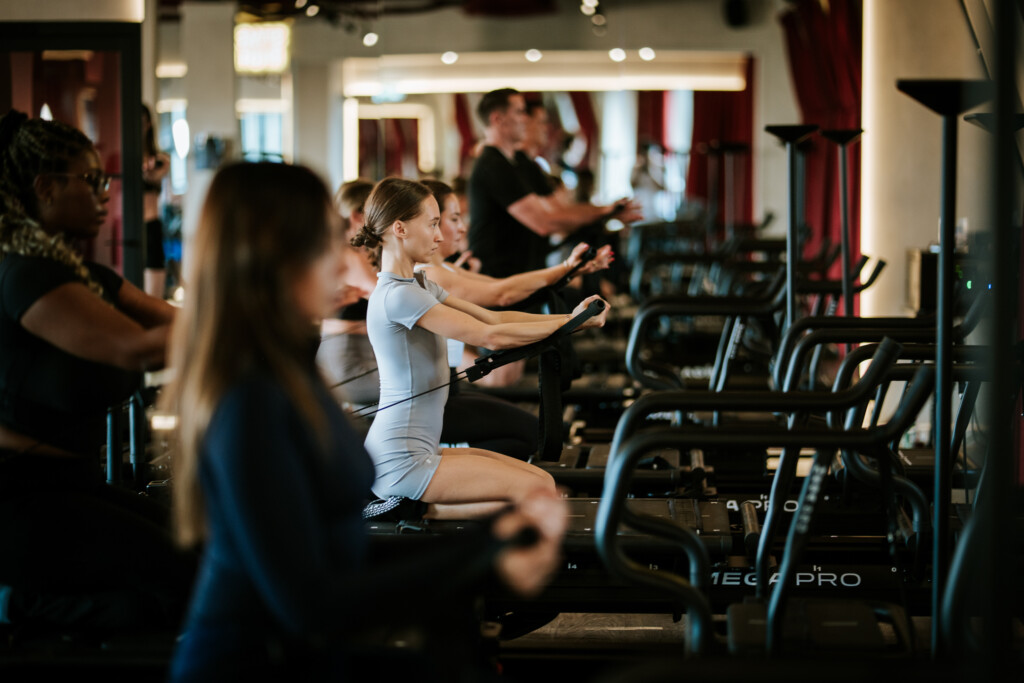
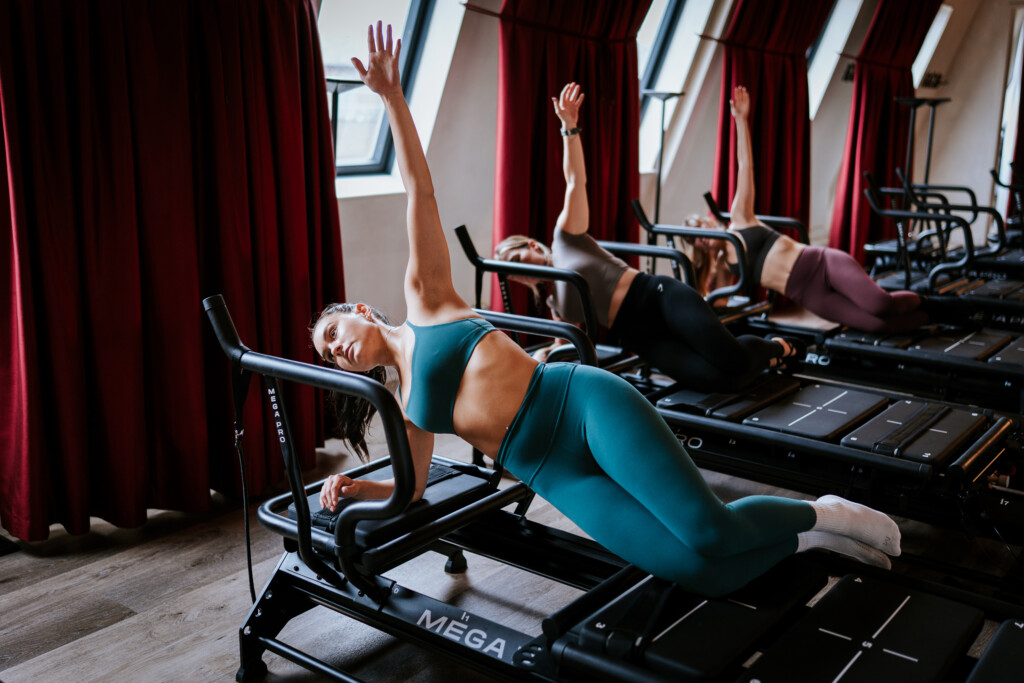
Lagree sits between the two. It is strength-endurance training: slow resistance on the Megaformer’s springs, with long sets and very little rest, so your heart rate climbs while your muscles work to fatigue. There is no jumping, so it is low impact. That makes a Lagree studio one answer to “what gym combines strength training and cardio”: a single 45-minute class counts as a strength session and raises your heart rate.
It has limits. If you want the heaviest possible lift, heavy barbell work is more specific, as we explain in Lagree vs weight lifting. If you want peak sprint fitness, you still need intervals. In the table above, a Lagree class can replace one strength day or the HIIT day. For more joint-friendly options, see our low-impact strength training exercises, and for frequency, how often you should do Lagree.
FAQs
Is HIIT or strength training better for fat loss?
Both help, and doing both is a sensible approach. Resistance training reduces body fat on its own and builds muscle, while HIIT improves fitness and adds to the energy you use. Your overall activity, sleep and diet matter more than which one you pick.
Can I do HIIT and strength training on the same day?
Yes. Do the strength work first. If explosive power matters for your sport, separate them by at least a few hours.
How many days a week should I do HIIT?
For most people, one or two HIIT sessions alongside two strength sessions is plenty. Hard intervals need recovery, so keep other cardio easy.
Is Lagree HIIT or strength training?
Strength training with a cardio effect. There are no sprint and rest intervals. You work continuously at a slow tempo against springs, and your heart rate rises because the sets are long and rest is short.
Try Lagree in Angel
A class at Blood, Sweat & Tears is 45 minutes on the Megaformer: full body, low impact and high intensity, with slow, controlled movement and time under tension. We are about three minutes’ walk from Angel tube, and new clients can try two weeks unlimited for £139. Book your first class.