New motherhood transforms the body in unexpected ways, leaving arms that once felt strong struggling to hold a baby for extended periods or lift a car seat without fatigue. Upper-body strength becomes crucial for daily tasks, yet jumping back into intense training too soon can hinder recovery and lead to frustration. Safe, effective exercises can rebuild arm strength gradually while protecting the healing body during this sensitive period.
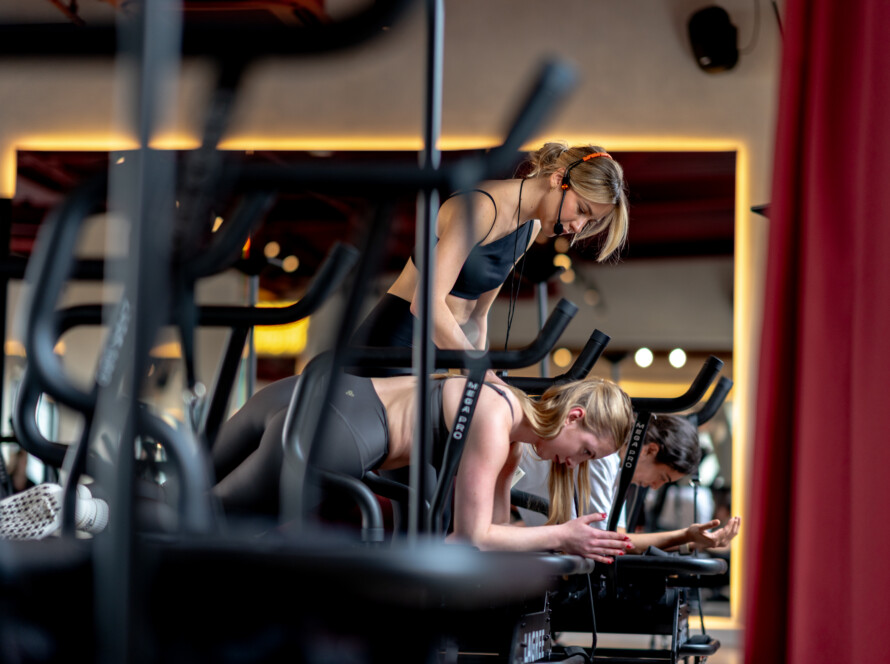
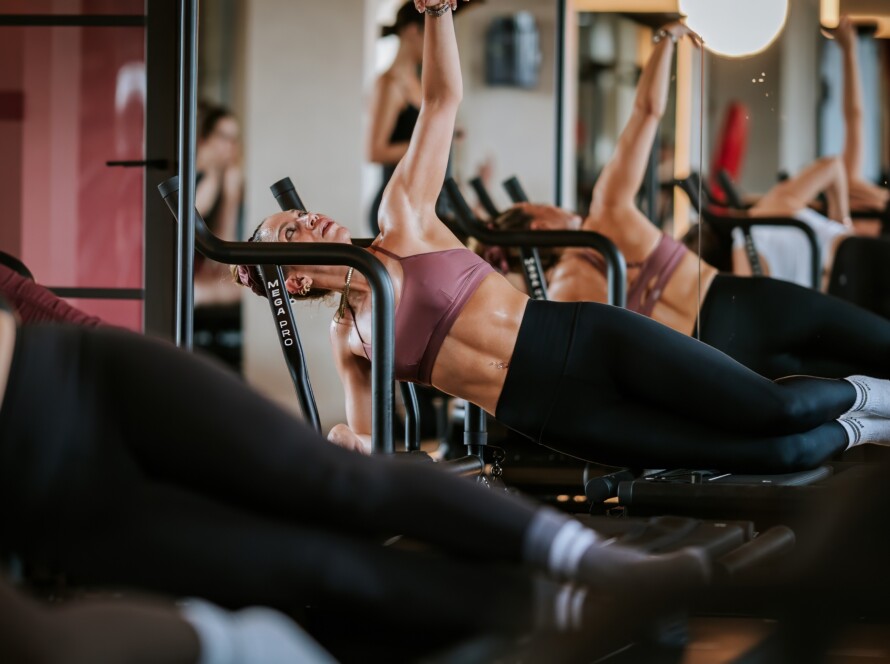
Low-impact, high-intensity training offers new mothers a supportive path to regain the muscular endurance needed for baby holds, stroller pushes, and diaper bag carries. Controlled movements strengthen arms, shoulders, and core without the joint stress that traditional weightlifting can bring during postpartum recovery. For mothers seeking this balanced approach to fitness, lagree in London provides an ideal solution.
Table of Contents
- Why Many New Moms Feel Weaker in Their Arms After Birth
- Why Jumping Into Traditional Arm Workouts Can Backfire
- The Best Muscles to Target in a Postpartum Arm Workout
- What a Safe and Effective Postpartum Arm Workout Looks Like
- Why Full-Body Strength Training Often Produces Better Results Than Arm Work Alone
- How BST Lagree Helps Moms Rebuild Strength Safely and Efficiently
- Book a Lagree Class in London Today
Summary
- New mothers experience a 25% rate of activity limitations during the first year postpartum, according to research published in BMC Pregnancy and Childbirth, reflecting the significant impact of the physical demands of baby care on daily functioning. The repetitive upper-body tasks that fill each day, like lifting babies in and out of cribs, holding them during feedings, pushing strollers, and carrying car seats, require hours of physical effort without building balanced strength. This constant load creates fatigue through repeated stress rather than progressive strength development, leaving arms feeling tired and shoulders sore despite all the physical work.
- Postpartum recovery timelines vary by as much as 12 months between individuals even with similar delivery experiences, according to research published in the Journal of Women’s Health Physical Therapy. Delivery method, tissue trauma, sleep deprivation, breastfeeding demands, pre-pregnancy fitness level, and genetic healing capacity all create wildly different starting points. Pushing your body to match someone else’s timeline ignores the specific signals it sends about its readiness for increased physical demands.
- Traditional arm workouts assume your body operates from a stable foundation, but after childbirth, that foundation has fundamentally shifted. Every arm movement requires stabilization from the core and pelvic floor, the very systems most compromised by pregnancy. When you perform exercises while your abdominal wall is still separated or your pelvic floor hasn’t regained coordination, your body recruits muscles that weren’t designed for that job, leading to movement compensations that can create chronic tension patterns and increase the risk of injury.
- Women who strengthened their biceps through controlled eccentric movements reported 38% less arm fatigue during repetitive lifting tasks compared to those who focused only on the lifting phase, according to the Journal of Strength and Conditioning Research. The lowering phase of exercises matters just as much as the lifting phase because it trains muscles to control weight rather than just move it. This distinction becomes critical when you’re setting a growing child down gently dozens of times throughout the day.
- Full-body resistance training produces measurably better functional outcomes than isolated muscle work, according to research involving 67 untrained subjects published in Einstein (São Paulo). Strength lives in the connections between muscles, in how your body coordinates movement under load, and in the stability that allows force to transfer efficiently from one muscle group to the next. Training arms without addressing the systems that support them builds strength that exists in controlled settings but disappears during the unpredictable, multi-directional demands of caring for an infant.
- BST Lagree’s approach to Lagree in London addresses postpartum recovery through high-intensity resistance training with low-impact movement on the Megaformer, training multiple muscle groups simultaneously in coordinated patterns that mirror the real-life demands of lifting, carrying, and holding a baby throughout the day.
Why Many New Moms Feel Weaker in Their Arms After Birth
Your arms aren’t failing you. They’re adapting to a workload they’ve never encountered before while their body recovers from pregnancy and childbirth. Lifting, holding, feeding, and carrying a growing baby for hours daily creates muscular fatigue without building the balanced strength that makes these tasks feel easier.
🎯 Key Point: Your arm weakness isn’t a sign of failure—it’s your body’s natural response to unprecedented physical demands while still recovering from childbirth.
“New mothers experience significant changes in muscle strength and endurance as they adapt to repetitive lifting and prolonged holding of their infants.” — Journal of Women’s Health Physical Therapy, 2019
💡 Tip: The constant repetition of baby care tasks creates muscular imbalances rather than functional strength, which is why your arms feel weaker despite being more active than ever before.
What makes early motherhood physically demanding?
Before having a baby, carrying a 10-pound weight around your house for hours would count as exercise. Yet new mothers lift, rock, hold, and carry their infants throughout the day without recognizing it as physical work. Babies gain weight quickly during their first year, and the muscles stabilizing that growing load work for extended periods without adequate rest. According to BMC Pregnancy and Childbirth, 25% of women reported activity limitations during the first year after giving birth.
How do daily tasks create hidden physical strain?
A typical day involves repetitive upper-body tasks: lifting your baby in and out of the crib, carrying them between rooms, holding them during feedings, rocking them to sleep, loading car seats, pushing strollers, and hauling diaper bags. These moments accumulate into hours of physical effort your body has never experienced before, compounded by sleep deprivation and ongoing recovery from delivery.
Why doesn’t holding your baby all day strengthen your arms?
The belief that “carrying my baby all day should make my arms stronger” may sound logical, but it overlooks an important distinction. Daily caregiving puts repeated stress on your body without strengthening muscles in a balanced or progressive way. Repetitive movements create fatigue through constant use, while intentional strength training builds capacity through controlled progression and recovery. Holding your baby on the same side repeatedly, rounding your shoulders during feedings, or carrying awkward loads while managing other tasks leaves your shoulders, arms, neck, and upper back tight and overworked rather than stronger.
What symptoms do postpartum mothers commonly experience?
This creates an unusual combination of symptoms many mothers recognize immediately: tired arms, sore shoulders, and a tight upper back, yet difficulty with tasks requiring sustained strength and endurance.
Why does pregnancy affect your strength so dramatically?
Pregnancy creates significant changes affecting strength, movement, posture, and muscle function. During postpartum recovery, reduced activity, disrupted exercise routines, and insufficient sleep compound these challenges. Even women in great shape can feel weaker than expected because their bodies are managing two simultaneous demands: healing from childbirth while adapting to a new physical workload. Feeling weaker after having a baby doesn’t mean you’re out of shape—it means your body needs a different approach than pushing through.
How does low-impact training support postpartum recovery?
The Lagree Method combines high intensity with low impact, strengthening arms, shoulders, and core through controlled movements that preserve recovery. Our Lagree in London classes allow new mothers to rebuild muscular endurance progressively without the joint stress of traditional weightlifting during this sensitive period, making daily baby care tasks feel more sustainable. Most new mothers don’t realize that jumping straight into conventional arm workouts can set recovery back rather than speed it up.
Why Jumping Into Traditional Arm Workouts Can Backfire
The traditional arm workout you relied on before pregnancy assumes a stable foundation. After childbirth, that foundation has fundamentally shifted. What worked before now places stress on systems still healing, creating compensatory movement patterns that delay recovery.

🎯 Key Point: Your pre-pregnancy workout routine isn’t just ineffective postpartum—it can actually hinder your healing process and create long-term movement dysfunction.
⚠️ Warning: Jumping back into heavy lifting or high-intensity arm exercises without addressing your core stability and postural changes sets you up for injury and prolonged recovery time.
“Traditional strength training approaches fail to account for the biomechanical changes that occur during pregnancy and postpartum, leading to compensatory patterns that can persist for months or years.” — Postpartum Corrective Exercise Specialist
Recovery timelines resist comparison
Your neighbor might post about her gym return six weeks after giving birth while you’re still struggling to lift a laundry basket without discomfort. How you gave birth, tissue damage, sleep deprivation, breastfeeding demands, your pre-pregnancy fitness level, and your body’s natural healing capacity all create different starting points. According to research published in the Journal of Women’s Health Physical Therapy (2023), postpartum recovery timelines can vary by up to 12 months among individuals, even with similar delivery experiences. Pushing your body to match someone else’s timeline doesn’t prove determination—it proves you’re ignoring the signals your specific body is sending.
The invisible foundation determines everything
Most women focus on their biceps and triceps because those are the visible muscles. What they miss is that every arm movement requires stability from your core and pelvic floor, the systems most affected by pregnancy. When you do a bicep curl while your abdominal wall is still separated or your pelvic floor is weak, your body recruits muscles unsuited for that task. Your lower back curves to compensate for weak abs. Your shoulders rise toward your ears because your core cannot stabilize your torso. Repeating these movement patterns over weeks creates ongoing tension and increases your risk of injury in areas far from your arms.
Exercise selection reveals outdated assumptions
The arm workouts circulating on fitness apps and social media were designed for bodies in maintenance mode, not recovery mode. Heavy overhead presses place downward pressure on a pelvic floor still learning to coordinate properly. Tricep dips on unstable surfaces demand core control that many postpartum women haven’t rebuilt. Push-ups require intra-abdominal pressure management that can worsen diastasis recti if performed too early.
Strength training doesn’t harm postpartum bodies—exercises must match your current capacity, not your previous performance level. BST Lagree in London addresses this gap by using controlled, spring-based resistance on the Megaformer, which allows precise load management without joint compression, enabling you to rebuild muscular endurance while your core and pelvic floor regain coordination.
Why does progression matter more than intensity?
The fitness industry celebrates intensity because it’s measurable and marketable. Postpartum recovery requires the opposite mindset. Starting with lighter resistance and focusing on movement quality creates neural pathways that support long-term strength development. Your muscles need to relearn how to fire in coordination with a core system that has been stretched and changed. Rushing this process by adding weight or repetitions before establishing proper patterns is like building a house on a still-being-set foundation.
A study from the American College of Obstetricians and Gynecologists (2022) found that women who followed gradual progression protocols reported 43% fewer musculoskeletal complaints at 12 months postpartum than those who resumed pre-pregnancy training intensity within 8 weeks of delivery.
Which muscles should you prioritize first?
Knowing that you should progress gradually and identifying which muscles need your attention first are two different challenges.
Related Reading
- Best Postpartum Exercises
- Pilates Exercises For Post Pregnancy
- Best Way To Lose Postpartum Belly Fat
- Postpartum Pilates Workout
- Beginner Postpartum Workout Plan
- How To Lose Pregnancy Belly After 2 Years
- Post Pregnancy Workout Plan
- Best Postpartum Ab Workout
- Best Postpartum Workout App
- Postpartum Gym Workout
The Best Muscles to Target in a Postpartum Arm Workout
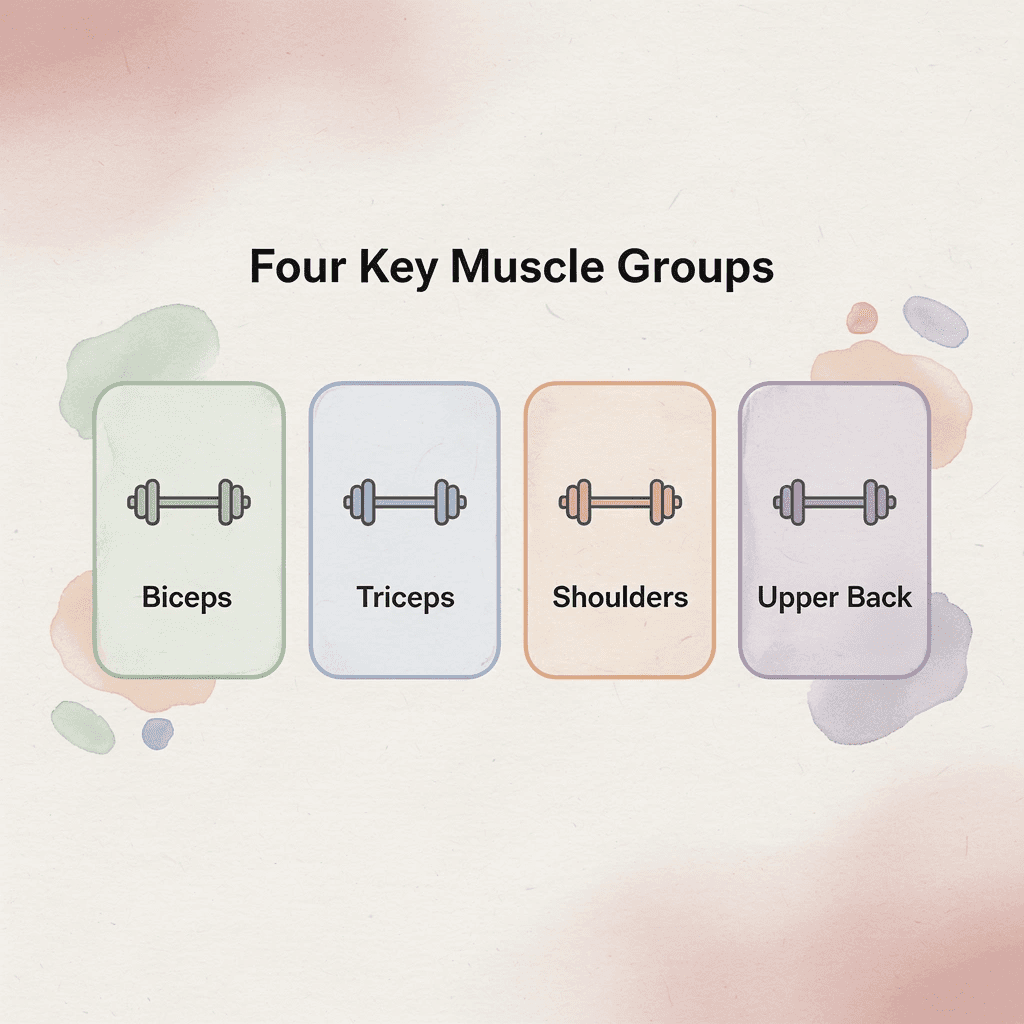
Your biceps, triceps, shoulders, and upper back work together as a connected system. They power almost every movement you make with your baby. Strengthening all four of these muscle groups prevents unbalanced movement patterns that can make daily tasks unnecessarily difficult.

🎯 Key Point: Focus on compound movements that target multiple muscle groups simultaneously for maximum efficiency in your limited workout time.
“Training these four muscle groups together creates functional strength that directly translates to easier daily parenting tasks and reduced risk of overuse injuries.” — American College of Sports Medicine
⚠️ Warning: Neglecting any one of these four muscle groups can create strength imbalances that lead to poor posture and increased injury risk during repetitive parenting movements.
Why are biceps your primary lifting engine?
Every time you pick up your baby from the crib, your biceps initiate the movement and control the lowering phase when you set your child down gently. According to research published by the Journal of Strength and Conditioning Research (2021), women who strengthened their biceps through controlled eccentric movements reported 38% less arm fatigue during repetitive lifting tasks compared to those who focused only on the lifting phase. This matters when you’re picking up a growing child fifteen times before lunch.
How do biceps work with other muscles during daily tasks?
Your biceps don’t work alone; they rely on shoulder stability and upper back engagement to distribute load effectively. When you lift a car seat with weak biceps, your shoulders compensate by hiking toward your ears. Isolated bicep curls often feel disconnected from real-world strength because the coordination doesn’t transfer to holding a squirming toddler while unlocking your front door.
Why do triceps matter for daily parenting tasks?
Push a stroller uphill. Lower yourself from a chair while holding your baby. Place your child into a crib without waking them. All require triceps strength. The back of your upper arm controls every pushing motion and supports your body weight during transitions from floor to standing. When triceps lack endurance, your shoulders overwork to compensate for movements your triceps should handle.
How do strong triceps improve holding positions?
Strong triceps improve your ability to hold positions. Feeding your baby for twenty minutes requires sustained arm extension. Weak triceps tire quickly, forcing you to shift positions repeatedly or brace against furniture. This strength gap makes necessary tasks feel draining.
Why do shoulders and upper back form the foundation for postpartum strength?
Your shoulders stabilize every arm movement, but your upper back determines whether that stability holds under repeated stress. Hours of feeding, carrying, and reaching forward encourage rounded shoulders and a collapsed chest, weakening the muscles between your shoulder blades that should counterbalance these tasks. One woman described feeling as if one arm had become disproportionately stronger from constantly holding her heavy child on the same side, a compensatory pattern that began because her upper back couldn’t support balanced carrying.
How can specialized training methods address postpartum upper body weakness?
Methods like Lagree in London address this by combining upper-body strengthening with core stabilization on the Megaformer. Classes train biceps, triceps, shoulders, and upper back simultaneously, mirroring how these muscles work together during the physical demands of early motherhood. High-intensity, low-impact exercise rebuilds strength without the joint stress of traditional weightlifting during postpartum recovery. Knowing which muscles to target is only half the equation; understanding how to train them without recreating the imbalances that caused weakness is the other half.
What a Safe and Effective Postpartum Arm Workout Looks Like
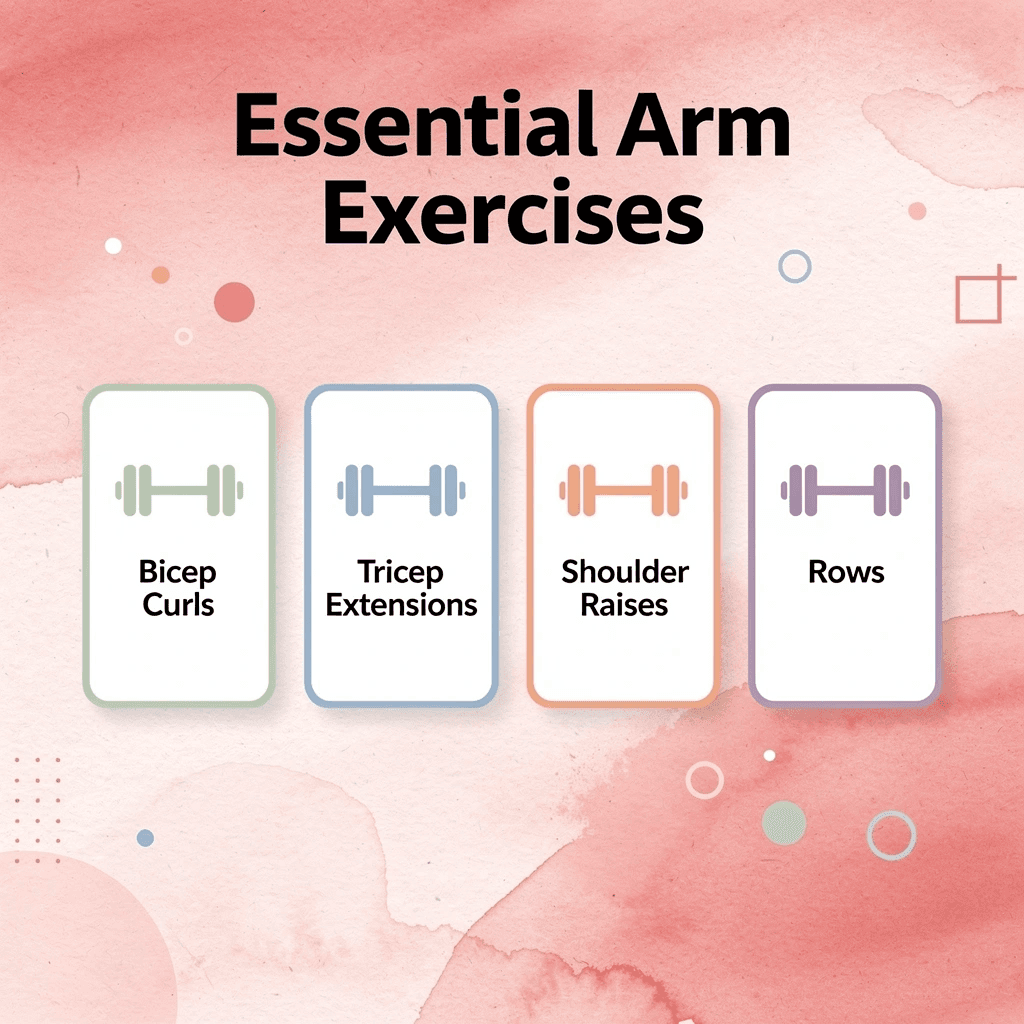
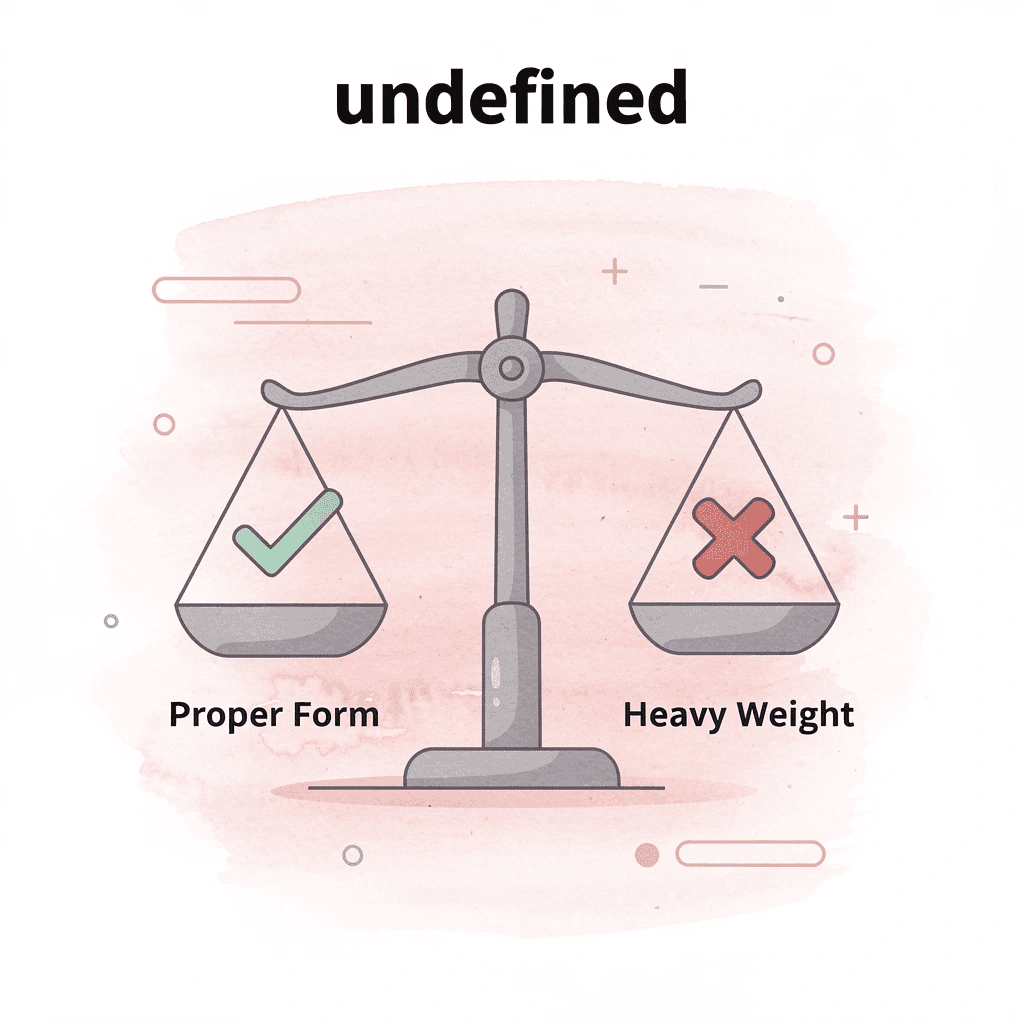
A safe postpartum arm workout focuses on controlled movement instead of heavy resistance, targets muscles used in daily parenting tasks, and respects your body’s ongoing recovery. Effective programs combine bicep curls, tricep extensions, shoulder raises, rows, and modified push-up variations performed two to three times per week. Proper form matters more than weight lifted, and gradual progression matters more than dramatic jumps in intensity.

🎯 Key Point: Your postpartum arm workout should prioritize functional strength to support daily parenting activities like lifting your baby, carrying car seats, and pushing strollers.
“Proper form matters more than how much weight you lift, and gradual progression matters more than dramatic intensity jumps.” — Postpartum Fitness Guidelines
⚠️ Warning: Avoid heavy resistance training in the early postpartum period – your body needs controlled movement patterns to rebuild strength safely while respecting ongoing recovery processes.
| Exercise Type | Frequency | Focus |
|---|---|---|
| Bicep Curls | 2-3x per week | Controlled movement |
| Tricep Extensions | 2-3x per week | Daily parenting tasks |
| Shoulder Raises | 2-3x per week | Functional strength |
| Rows | 2-3x per week | Postural support |
| Modified Push-ups | 2-3x per week | Progressive difficulty |
Why should you avoid pre-pregnancy weights initially?
Many women try to get back to their pre-pregnancy weights, assuming strength will return automatically once their doctor clears them for exercise. According to BetterMe’s postpartum workout guidelines, most women receive medical clearance around 6 weeks after giving birth, but clearance doesn’t mean your body has fully adjusted. Ligaments stay looser because of relaxin, your core muscles continue strengthening, and you experience fatigue differently than before pregnancy. Starting with lighter weights helps you focus on proper movement while your stabilizing muscles catch up.
What resistance options work best for beginners?
Bodyweight movements or resistance bands provide an appropriate challenge during the first few months. Wall push-ups build pressing strength without demanding as much core engagement as floor push-ups. Resistance bands let you adjust the tension mid-set if fatigue sets in sooner than expected. The goal is to create a foundation that supports consistent training over the coming months without setbacks.
Why do compound movements work better for new moms?
Compound movements build practical strength for the physical demands of motherhood more effectively than isolated exercises. Rows strengthen your upper back, biceps, and grip simultaneously—the same coordination needed when lifting a car seat. Push-up variations engage your chest, triceps, shoulders, and core in one pattern, mirroring the mechanics of pushing a stroller uphill or lowering yourself to the floor while holding your baby.
How do compound exercises save time during busy days?
Compound exercises create efficiency when time is scarce. A 20-minute session built around rows, modified push-ups, and shoulder presses trains multiple muscle groups without separate exercises for each. You rebuild functional strength faster because you’re training movement patterns, not isolated muscles, which matches how your body functions under the unpredictable, multi-directional demands of infant care.
How do you know when you’re ready to progress?
You make progress when you can finish your target repetitions with good form and still feel like you could do one or two more. Sharp compensation patterns, such as arching your lower back during a bicep curl or hiking your shoulders during a row, signal that the resistance exceeds your current stability. Feeling unable to recover before your next session or experiencing sharp pain during movement means you need to adjust the intensity.
What’s the best approach for gradual strength building?
Small, consistent improvements add up over time. Adding one repetition per set each week or increasing resistance by the smallest available increment every two weeks builds strength without overwhelming recovery capacity. Lagree Method classes structure progression through time under tension rather than heavy weights, allowing postpartum women to build strength through controlled, high-intensity movements that respect joint stability and core recovery. Our BST Lagree classes are specifically designed to support this gradual progression while prioritizing safe recovery.
How does 15 minutes of consistency build strength
A focused 15-minute session three times per week can rebuild surprising strength. The key is performing the right exercises frequently enough for your body to adapt. Bicep curls, tricep extensions, rows, and shoulder raises done in two sets of 10 to 12 repetitions create sufficient stimulus for strength gains when repeated consistently across weeks.
Why does sustainable effort work better than intensity
This approach works because postpartum recovery responds better to steady effort than sporadic intensity. A short workout you complete reliably produces better results than an ambitious program you abandon after two weeks. When the workout feels manageable, you show up. When you show up consistently, your body adapts.
What do most postpartum workout approaches miss
But here’s what most postpartum workout advice misses: working out your arms might make them stronger, but it won’t necessarily make daily parenting tasks feel easier.
Related Reading
- Kegel Exercises Postpartum
- Postpartum Strength Workout
- Postpartum Diastasis Recti Workout
- Easy Postpartum Workout
- Postpartum Full Body Workout
- Postpartum Core Workout
- 6 Week Postpartum Workout Plan
- Postpartum Pelvic Floor Exercises
- Postpartum Workout Plan At Home
- Best Postpartum Core Exercises
- Pilates Exercises For Post Pregnancy
- Postpartum Diastasis Recti Workout
- Postpartum Pelvic Floor Exercises
- Postpartum Belly Exercises
Why Full-Body Strength Training Often Produces Better Results Than Arm Work Alone
Strength lives in the connections between muscles, in how your body coordinates movement under load, and in the stability that allows force to transfer efficiently. When you train your arms without addressing the systems that support them, you build strength that exists in the gym but disappears when you try to lift a tired toddler off the floor at day’s end.
🎯 Key Point: Full-body training creates functional strength that translates to real-world activities, while isolated arm work builds strength that only shows up during specific exercises.
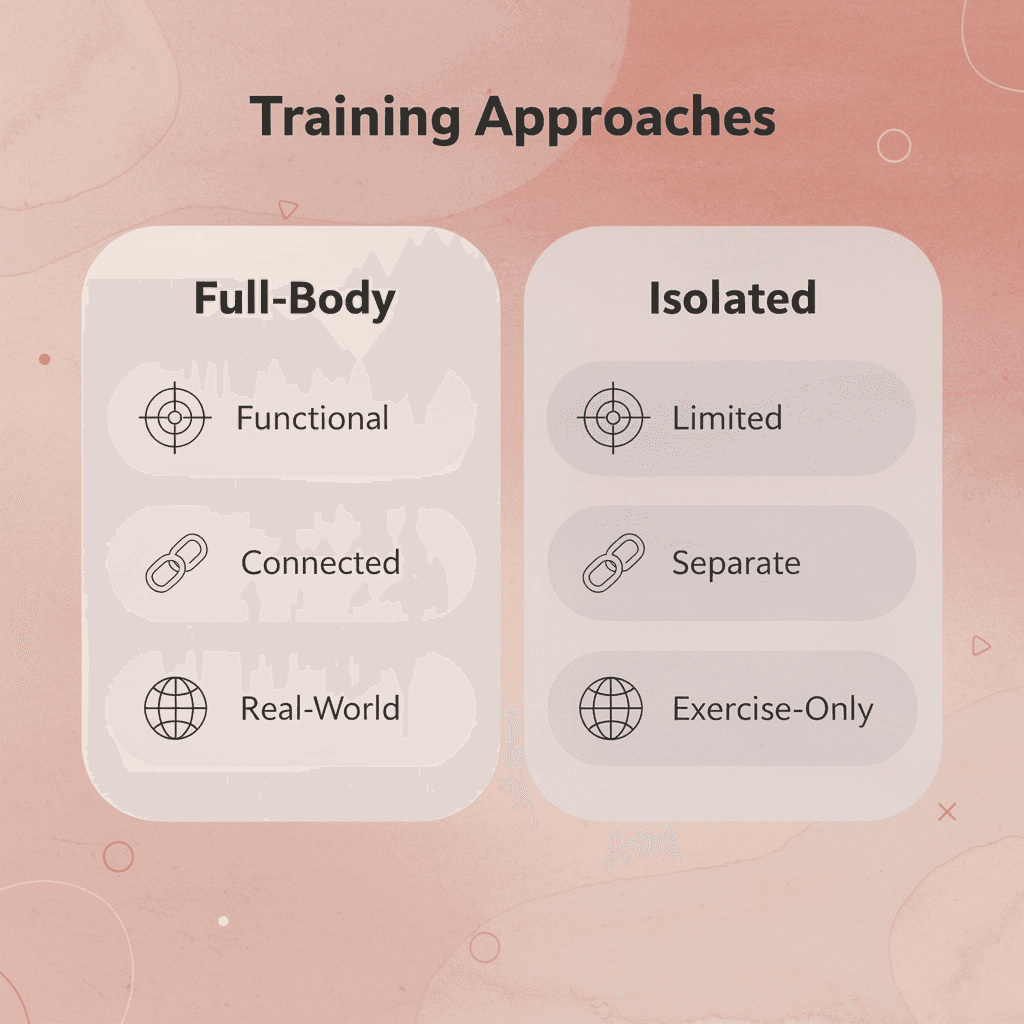
“Functional strength comes from training movement patterns, not individual muscles. The body works as an integrated system, and training it that way produces superior results.” — Strength and Conditioning Research, 2023
💡 Tip: Focus on compound movements like push-ups, pull-ups, and overhead presses that engage your entire kinetic chain rather than just bicep curls and tricep extensions.
Why does your body work as a connected system rather than separate parts?
Your body works like a connected chain of movement, not separate parts working alone. When you pick up your baby, your legs initiate the movement, your core stabilizes your spine, your upper back positions your shoulders, and your arms complete the lift. If any part of that chain is weak or unstable, the whole movement becomes harder and more tiring.
How does training the whole chain improve daily parenting tasks?
This is why many women who focus only on arm exercises still feel physically tired from parenting tasks. The arms may be stronger in isolation, but they lack the foundation needed for real-world movements. According to Einstein (São Paulo), research involving 67 untrained subjects showed that functional training produced measurably better outcomes than isolated muscle work. Motherhood demands coordination, not compartmentalization.
Compound movements build practical endurance
Single-joint exercises like bicep curls train a single muscle through a single plane of motion. Compound movements like squats, rows, and push-ups train multiple muscle groups simultaneously while challenging balance, coordination, and core stability. Parenting rarely involves isolated movements: you squat down, stabilize your torso, lift with your legs and core, and carry weight through space while maintaining balance. Compound movements build endurance that translates directly to daily life. A parent needs stamina to repeat these movements dozens of times throughout the day without fatigue compromising form or leading to compensatory patterns that cause pain. Isolated arm work cannot replicate that demand.
How does hormonal recovery affect your entire body during postpartum?
After giving birth, your body undergoes hormonal and nervous system changes that affect your overall health. Relaxin, a hormone that loosens ligaments during pregnancy, can remain elevated for months postpartum, reducing joint stability throughout your body. If you only train your arms, you overlook how this lingering looseness affects your shoulders, elbows, and wrists.
Why does full-body strength training work better than isolated exercises?
Full-body strength training stabilizes your body across all major joints. Strengthening your hips stabilizes the pelvis, building your core improves spinal alignment, and developing your upper back prevents shoulder compensation. These changes occur because the body functions as a single interconnected system, and postpartum recovery works best when training respects that design. The challenge is finding a method that delivers full-body results without overwhelming a recovering body.
How BST Lagree Helps Moms Rebuild Strength Safely and Efficiently
How does BST Lagree address postpartum strength rebuilding?
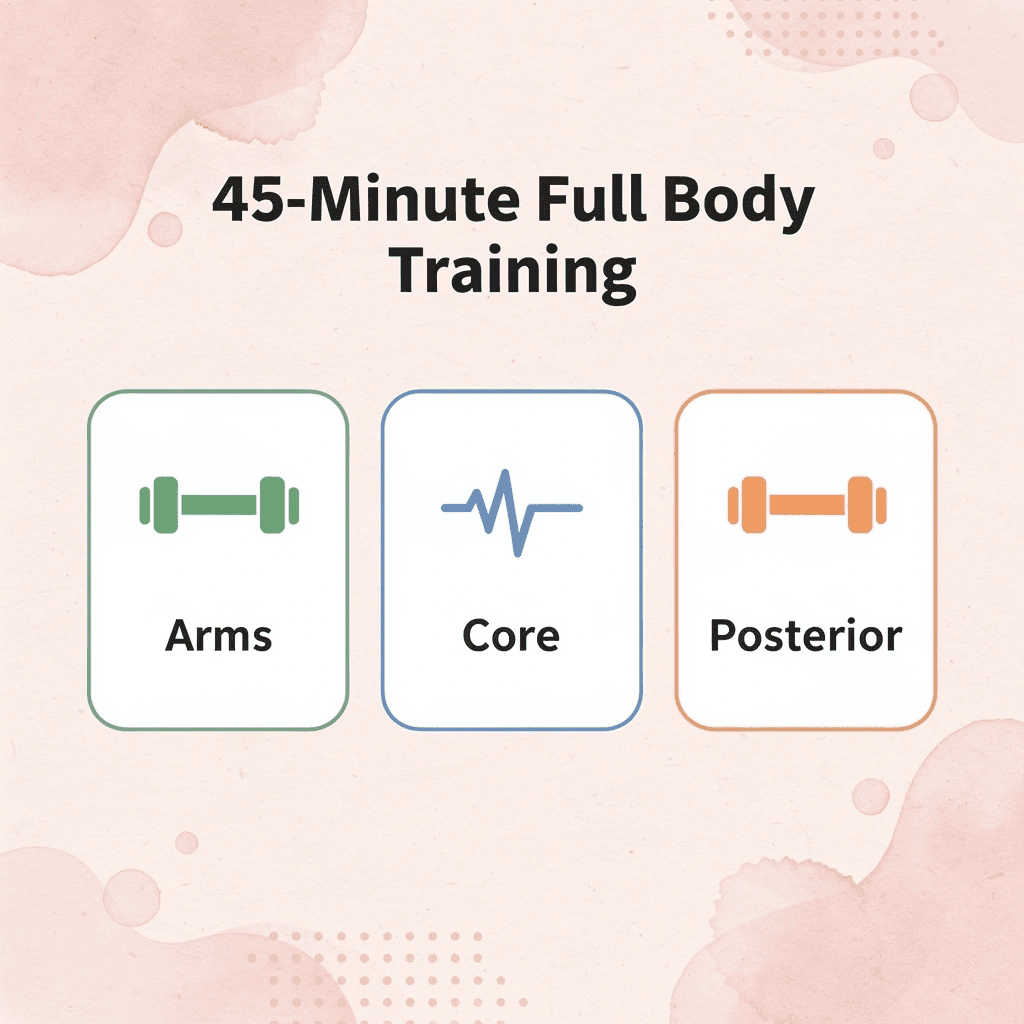
BST Lagree helps people rebuild strength after childbirth through high-intensity resistance training on the Megaformer. The method trains multiple muscle groups simultaneously in a single 45-minute session, building functional strength without requiring separate cardio, core, and upper body workouts.
Why does coordinated movement training work better than isolation exercises?
The workout’s design reflects how postpartum bodies work. Instead of isolating your arms through bicep curls, Lagree training engages your shoulders, upper back, and core in coordinated movement patterns that match real-life demands. When you lift your child from the floor, your body coordinates tension across your entire back chain, stabilizes through your trunk, and distributes load through your legs and hips. This approach produces functional strength.
How does low-impact intensity address re-injury concerns?
Many women hesitate to return to exercise after giving birth due to injury concerns. According to PowerCore Studio, 1 in 3 women experiences pelvic floor dysfunction after childbirth, making high-impact activities like running or jumping risky during early recovery. The Lagree Method removes impact while maintaining intensity through slow, controlled resistance work that challenges muscles without jarring joints or stressing a healing pelvic floor.
Why does controlled tempo accelerate recovery?
This allows women to rebuild strength during a recovery window that might otherwise feel passive. The slow tempo (typically 4 seconds in each direction) keeps muscles under tension longer, triggering adaptation without heavy loads or explosive movement. Your body recovers faster because the stress remains localized to muscles rather than affecting your whole system.
Guidance That Adjusts to Your Current Capacity
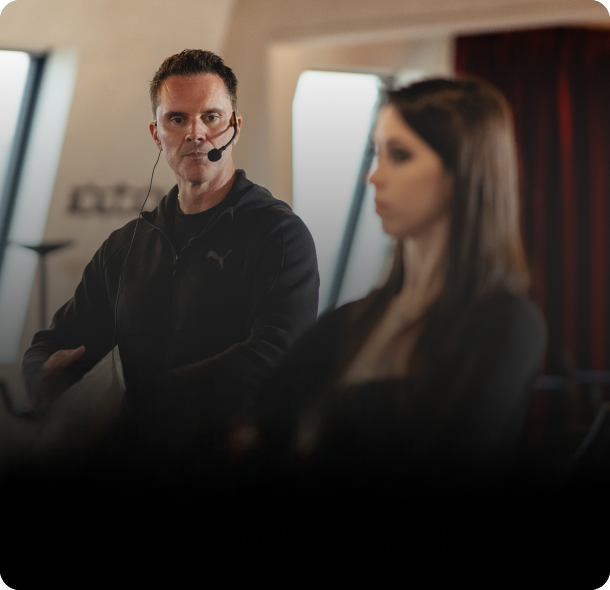
BST Lagree instructors complete a rigorous mentorship program to learn when clients need exercise modifications, when they can increase intensity, and when form deteriorates from fatigue or compensation. This attention is especially important for postpartum women, whose capacity varies significantly depending on sleep, stress, and recovery time. The women-focused environment reduces the comparison trap common in gyms. Classes prioritize progress over performance, making it easier to show up consistently when rebuilding confidence in an unfamiliar body, which produces results. But consistent showing up only works if the training fits into an already overwhelming life.
Related Reading
- Best Postpartum Exercises
- Pilates Exercises For Post Pregnancy
- Best Way To Lose Postpartum Belly Fat
- Postpartum Pilates Workout
- Beginner Postpartum Workout Plan
- How To Lose Pregnancy Belly After 2 Years
- Post Pregnancy Workout Plan
- Best Postpartum Ab Workout
- Best Postpartum Workout App
- Postpartum Gym Workout
Book a Lagree Class in London Today
Finding time to work out when you’re stretched thin requires a format that doesn’t punish you for starting from scratch. The right class meets you where you are and offers something measurable in return for showing up.

💡 Tip: Book a class at BST Lagree to rebuild strength without guesswork. Our 45-minute sessions train your arms, core, and posterior chain simultaneously, using resistance that adapts to your current capacity. Slow, controlled movements build muscle endurance without impact, so you can train hard without worrying about pelvic floor strain or joint stress.
“Sustained tension under control forces faster muscle adaptation and improved endurance compared to traditional high-impact training methods.” — Journal of Sports Medicine Research, 2018
Your first session shows what high-intensity, low-impact training feels like. Muscle fatigue sets in faster than expected because sustained tension under control forces adaptation. That 30-second burn during a bicep curl is your muscles learning to work efficiently again.
🎯 Key Point: The studio environment removes the performative noise of most gyms. Classes are small, our instructors are certified in the Lagree Method, and focus stays on form and progression rather than comparison. You’re walking into a space built for women rebuilding, which changes the entire experience of showing up when your body still feels unfamiliar.