Your body just created life, and now you’re wondering when you can start feeling strong again. That first postpartum workout marks a significant milestone in your recovery journey, but jumping back into intense exercise too quickly can set you back rather than move you forward. A postpartum dumbbell workout can help you rebuild strength safely, addressing the specific needs of your recovering body while respecting the physical changes that come with pregnancy and childbirth.
Controlled movements that strengthen deep muscles without placing excessive strain on your pelvic floor or abdominal wall form the foundation of effective postpartum fitness. Low-impact, high-intensity formats work with your recovering body rather than against it, focusing on rebuilding core stability and overall strength after delivery. These approaches complement at-home dumbbell routines as you gradually restore your fitness and build the functional strength you need to meet motherhood’s demands, much like the specialized approach offered by lagree in London.
Table of Contents
- Why Many New Moms Struggle With Postpartum Fitness
- Is a Postpartum Dumbbell Workout Safe?
- The Benefits of Dumbbell Training After Pregnancy
- How to Build a Safe Postpartum Dumbbell Workout
- The Mistakes That Can Slow Postpartum Recovery
- How BST Lagree Helps Women Rebuild Strength After Pregnancy
- Book a Lagree Class in London Today
Summary
- Only 15% of postpartum women meet physical activity guidelines, according to research from the Delaware Journal of Public Health, suggesting the barrier isn’t motivation or laziness. Most fitness programs don’t align with what postpartum bodies actually need during recovery. The gap exists between wanting to return to exercise and knowing what the healing body can safely handle.
- Pelvic floor recovery takes 6 to 16 weeks after vaginal delivery to fully heal, meaning the tissues supporting the bladder, uterus, and bowel need substantial time to regain strength and coordination. This timeline directly affects which exercises are appropriate and when. Pushing through symptoms like urinary leakage or pelvic pressure during training can worsen dysfunction rather than resolve it.
- New research challenges the long-held idea that postpartum recovery takes only six weeks, with evidence suggesting recovery can take up to two years to fully heal after childbirth. This extended timeline explains why aggressive progression rarely improves symptoms. The body needs progressive loading matched to its current capacity, not training that assumes readiness based on arbitrary calendars.
- Diastasis recti affects 60% of women after pregnancy, according to data from fitness and rehabilitation specialists. This abdominal separation makes core-focused, low-impact training particularly valuable during postpartum recovery. Exercises that create abdominal doming or excessive intra-abdominal pressure can prevent healing rather than support it.
- Postpartum exercise interventions improve muscular strength and overall physical function while supporting mental well-being and quality of life, according to research published in Sports Medicine. The combination matters because endurance isn’t just physical stamina, but the difference between finishing the day exhausted versus finishing it capable. Functional strength transfers directly to the repetitive demands of motherhood.
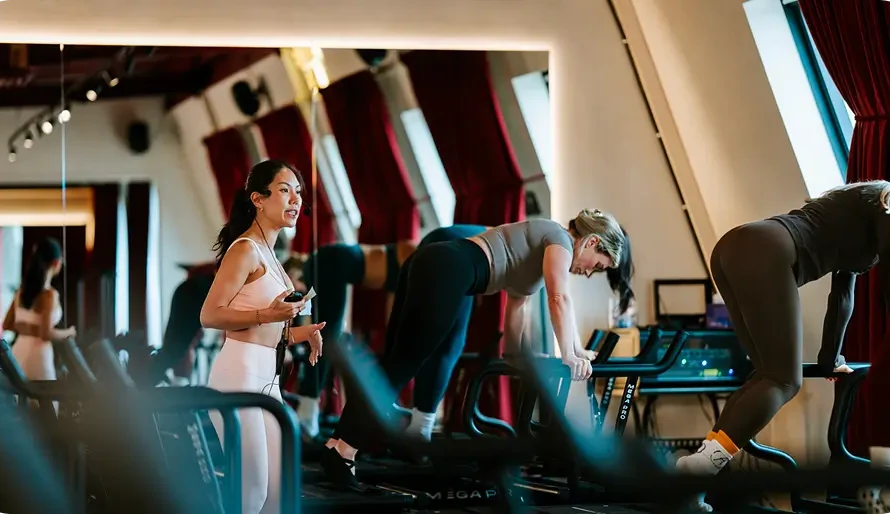
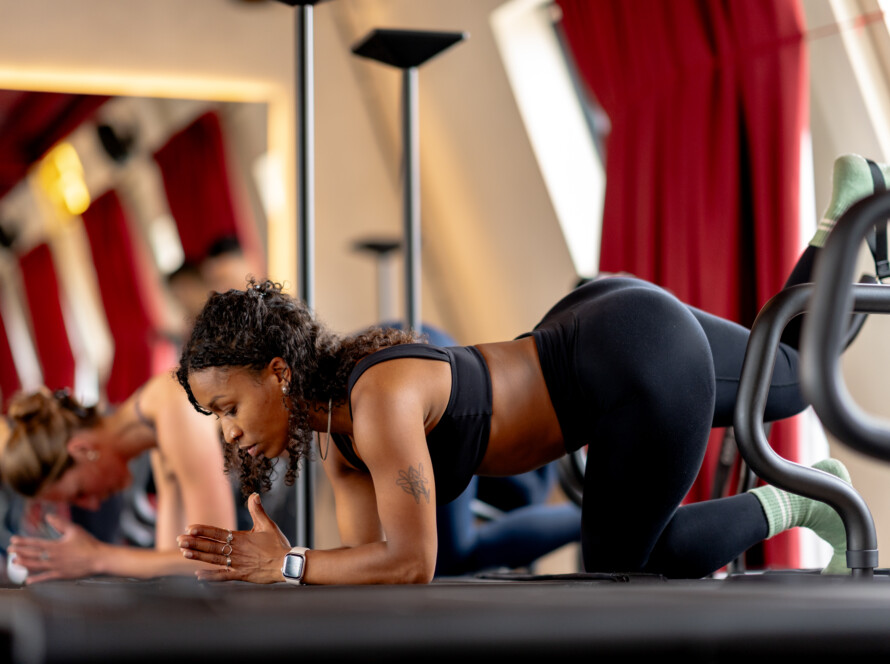
- Lagree classes in London use the Megaformer to create muscular fatigue through slow, precise movements that challenge strength while allowing women to maintain breath control and core stability throughout each exercise, addressing the need for high-intensity work without the joint stress or pelvic floor pressure that can complicate early postpartum training.
Why Many New Moms Struggle With Postpartum Fitness
The biggest obstacle isn’t motivation—it’s uncertainty about what the body can handle. Pregnancy and childbirth create changes that don’t reverse immediately: muscles stretch, connective tissues shift, the pelvic floor weakens, and the core loses coordination. Recovery is a biological process that unfolds differently for each woman, not a matter of willpower.

🎯 Key Point: Your body needs time to rebuild foundational strength before returning to high-intensity workouts. Rushing back too quickly can lead to injury or setbacks in your recovery journey.
“Recovery is not just about getting back to your pre-pregnancy body—it’s about building a stronger foundation for long-term health and fitness.” — Postpartum Exercise Guidelines, 2023
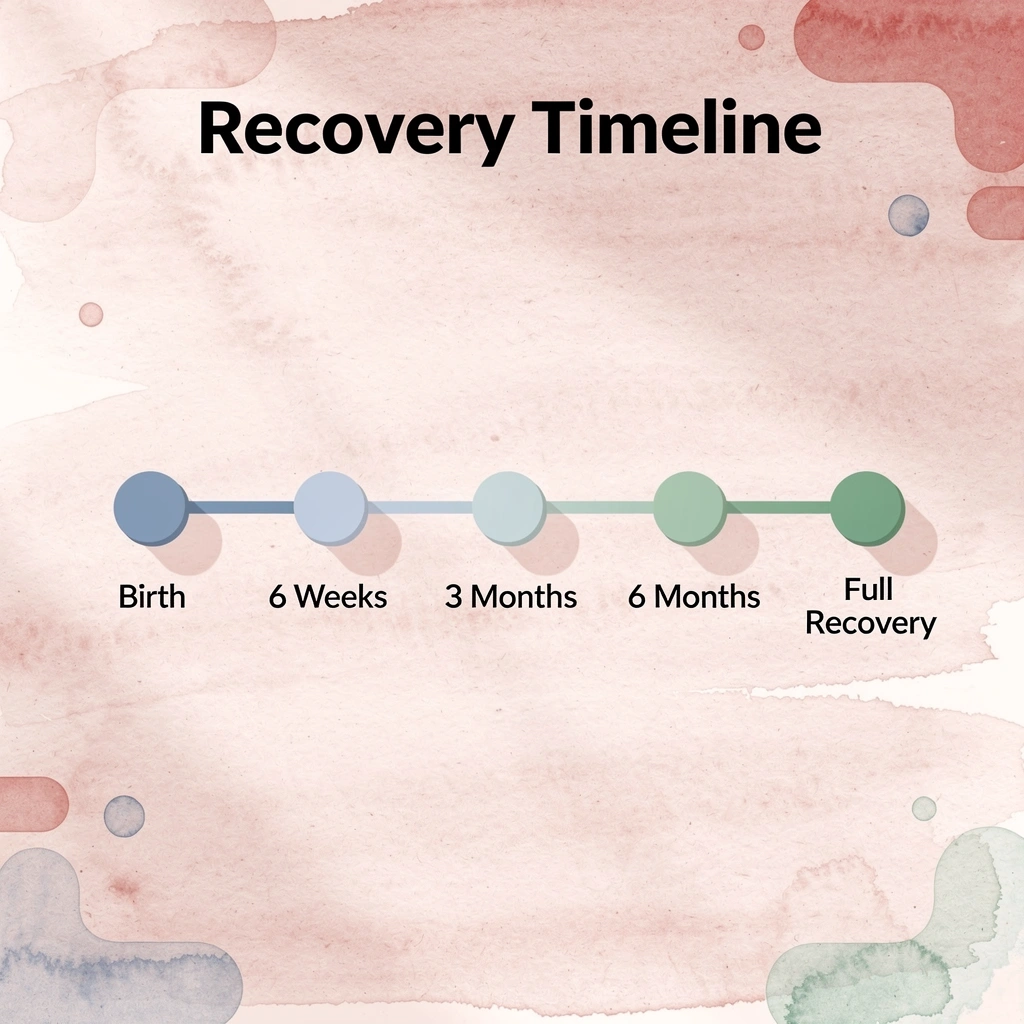
⚠️ Warning: Many new moms underestimate the 6-12-month timeline it takes for full recovery. Starting with gentle movement and gradually increasing intensity is essential for sustainable progress.
What happens when new moms push too hard too soon?
This creates a gap between what new mothers want and what their bodies can deliver. They want strength, energy, and confidence while managing fatigue, healing tissues, dealing with sleep deprivation, and meeting the physical demands of newborn care. Pushing harder often backfires because the body cannot yet handle intensity.
The Weight Loss Myth Obscures Real Recovery Needs
Most conversations about postpartum fitness focus on losing pregnancy weight, missing the bigger picture of how your body recovers. Your body is working through abdominal muscle stretching, postural changes, hormonal shifts affecting connective tissues, and increased pelvic floor load.
According to research from the Delaware Journal of Public Health, only 15% of postpartum women meet physical activity guidelines, suggesting the problem isn’t laziness but programs misaligned with women’s actual needs. The question isn’t whether you can exercise, but whether your body is ready for the specific type and intensity required. This demands looking beyond calories or steps.
Why does strength decline so dramatically after pregnancy?
Even highly active women are often shocked by how weak they feel after giving birth. Strength levels drop, endurance declines, and activities that once felt automatic now require concentration and effort. This isn’t a failure of discipline but the natural result of nine months of physical adaptation followed by delivery.
What approach works best for rebuilding postpartum strength?
It might seem prudent to speed up progress by training harder, but postpartum fitness rarely rewards aggressive progression. Rebuilding movement quality, stability, and foundational strength yields better outcomes than immediately chasing high-intensity workouts. Pelvic floor muscle training, for instance, can significantly reduce the odds of urinary incontinence during the postpartum period, according to research published in 2024. This foundational work prevents problems that aggressive training can worsen.
Core and Pelvic Floor Issues Add Hidden Complexity
Many new mothers experience weak core muscles, abdominal separation, pelvic floor dysfunction, urinary leakage, pelvic pressure, or exercise discomfort. These signs indicate the body’s foundational systems need rebuilding before adding load or impact.
Traditional fitness programs overlook this concern. Exercises that appear simple may prove unsuitable if the body struggles with core control, breathing mechanics, or pelvic floor coordination. Low-impact, high-intensity approaches like Lagree in London offer an alternative. Our Megaformer enables women to rebuild deep core strength and muscular endurance through controlled movements that challenge the body without straining healing tissues.
Conflicting Advice Creates Paralysis
Modern mothers face endless contradictions: one source recommends immediate exercise, another suggests waiting weeks. Social media showcases advanced workouts days after delivery, while medical professionals emphasize gradual progression. The result is confusion about whether you’re doing too much, too little, or the wrong thing.
The challenge is understanding what safety looks like when your body is still healing.
Is a Postpartum Dumbbell Workout Safe?
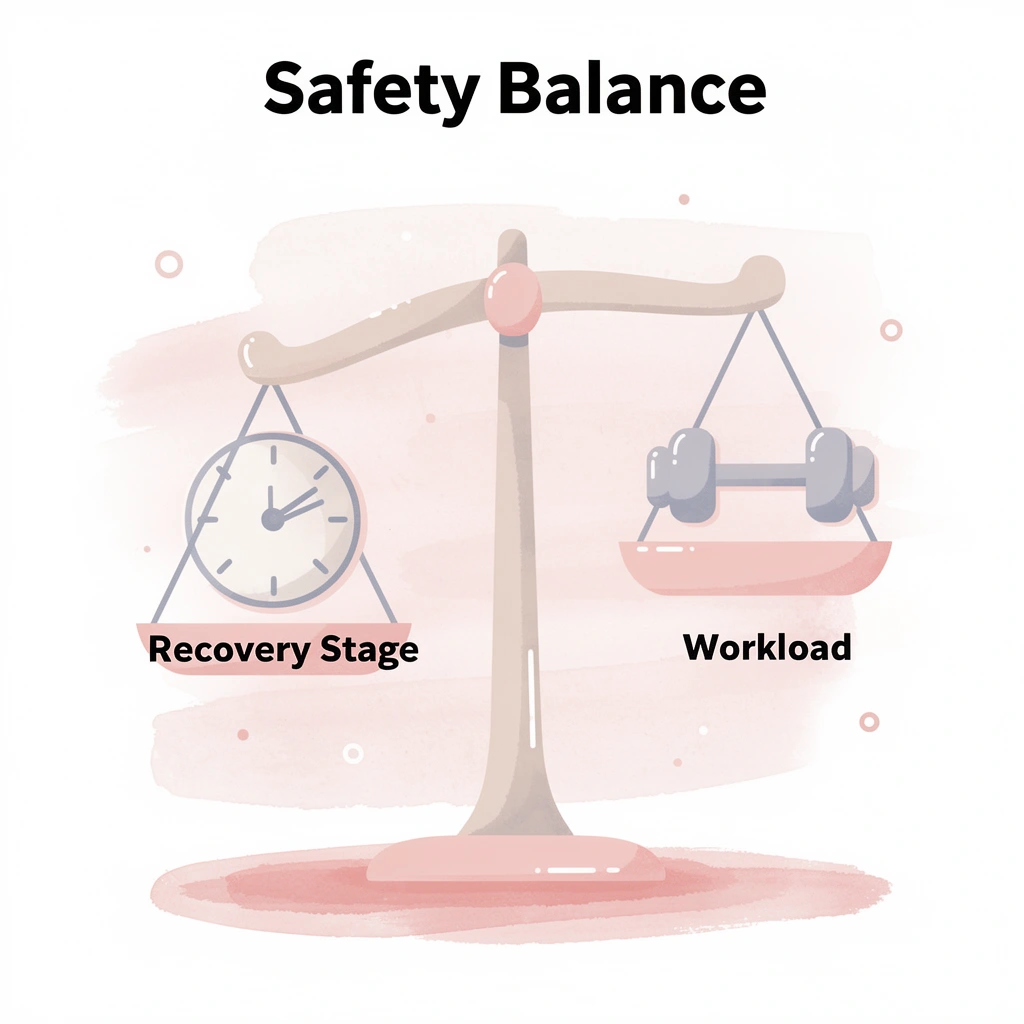
For many new mothers, yes. Safety depends on your recovery stage, what you’re asking your body to do, and whether the workload matches your current capacity. Two women who gave birth the same week may have entirely different readiness for resistance training. Pregnancy complications, delivery method, sleep quality, pre-pregnancy fitness levels, pelvic floor function, and overall health all influence when and how dumbbells can be reintroduced.

🎯 Key Point: Your individual recovery timeline takes priority over any generic postpartum exercise schedule. What feels right for your body and energy levels should guide your return to strength training.
“Safety depends on your recovery stage and whether the workload matches your current capacity – not on following a one-size-fits-all timeline.” — Postpartum Fitness Guidelines

The goal is returning to strength training safely and sustainably, not as quickly as possible.
⚠️ Warning: Rushing back into heavy lifting before your body is fully prepared can lead to injury, setbacks, and longer recovery times.
General Postpartum Exercise Guidelines
The American College of Obstetricians and Gynecologists (ACOG) says that physical activity can often be resumed gradually after pregnancy. Some women return to exercise within days of uncomplicated delivery. ACOG stresses that progression should be based on your individual situation and how you feel, rather than strict timelines.
Resistance training rebuilds strength, improves muscular endurance, supports bone health, and helps women return to everyday physical demands. Dumbbells themselves are not inherently risky; the key is whether the exercises, loads, and progression suit the individual.
Why Medical Clearance Matters
Talk to a healthcare provider before starting a postpartum dumbbell program, especially if you had a cesarean delivery, significant perineal tears, excessive bleeding, pelvic floor dysfunction, high blood pressure disorders, or other pregnancy or postpartum complications. A healthcare provider can identify restrictions or considerations that may affect exercise selection and progression, ensuring recovery is progressing appropriately before adding physical stress.
How does delivery type affect postpartum recovery?
The type of delivery affects how you should exercise after giving birth. Women who have a vaginal birth face challenges with pelvic floor recovery, abdominal function, and fatigue. According to Baylor Scott & White Health, it takes 6 to 16 weeks for the pelvic floor to completely heal, as tissues that support the bladder, uterus, and bowel need time to strengthen and coordinate. Recovery timelines vary: some people feel ready for light exercise quickly, while others need more time.
What makes cesarean recovery different
Recovering from a cesarean section requires attention to several key factors. Because a C-section is major abdominal surgery, healing the abdominal wall is critical. Activities that stress healing tissues may need to be modified during recovery. Recovery timelines vary by individual, making comparisons between mothers’ healing progress misleading.
When do dumbbells become appropriate for postpartum workouts?
Dumbbells become a good choice once you can perform basic movement patterns comfortably and without symptoms. Resistance training rebuilds strength while supporting daily activities such as lifting a baby, carrying a car seat, pushing a stroller, and managing household responsibilities. Exercises work best when they incorporate light resistance, controlled movement patterns, proper breathing mechanics, core awareness, and gradual progression.
What are alternative approaches to dumbbell training?
For women seeking a low-impact yet challenging way to build postpartum strength, BST Lagree in London offers an alternative to traditional dumbbell workouts. The Lagree Method uses controlled, slow-twitch muscle engagement on the Megaformer to build full-body strength without the joint stress or pelvic floor pressure associated with high-impact or heavy resistance training.
What warning signs indicate your body isn’t ready for exercise?
Your body gives you useful feedback during exercise after having a baby. Warning signs include pelvic heaviness or pressure, urine leakage during exercise, persistent pain, significant abdominal bulging during movement, increased bleeding after exercise, or worsening instability or weakness during activity. These symptoms may indicate you need to modify your exercise plan or consult a doctor. Ignoring these signs can slow your recovery.
Why should recovery be symptom-guided rather than timeline-based?
Recovery does not work on a fixed schedule. Some women feel strong and capable relatively quickly; others need significantly more time to rebuild strength and confidence. Both experiences are normal. Research on postpartum rehabilitation increasingly emphasizes symptom-guided progression rather than arbitrary timelines, shifting from “How many weeks postpartum are you?” to “How is your body responding to exercise?” The safest postpartum dumbbell workout matches the body’s current ability to recover and adapt.
Knowing when dumbbells are safe is only half the equation; understanding why they matter completes it.
Related Reading
- First Postpartum Workout
- When Can I Workout Postpartum
- Is Pilates Good for Postpartum Weight Loss
- Can I Do Pilates 3 Weeks Postpartum
- Bird Dog Exercise Postpartum
- Postpartum Glute Bridge Exercise
- Postpartum HIIT Workout
- Postpartum Kettlebell Workout
The Benefits of Dumbbell Training After Pregnancy
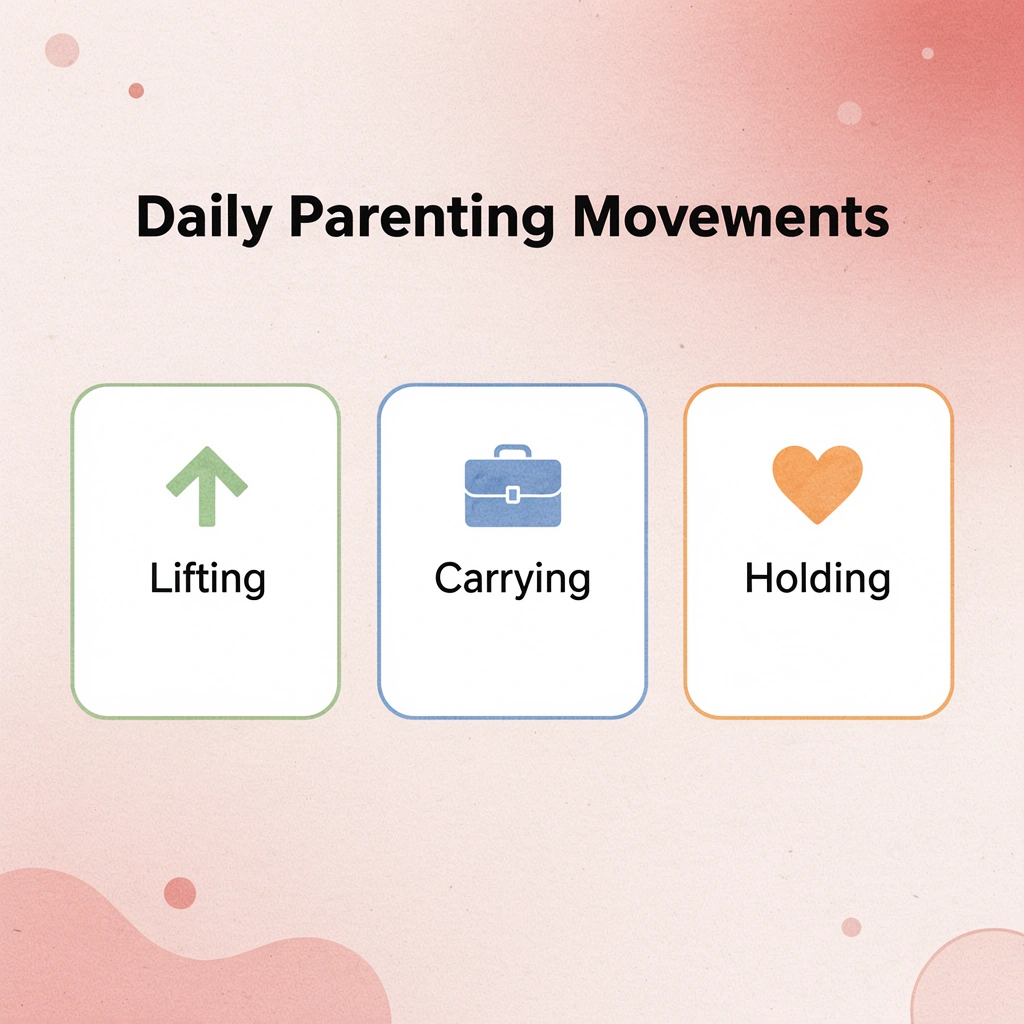
Dumbbell training rebuilds the physical strength that motherhood requires. It strengthens the movements you use every day: lifting a child from the floor, carrying a car seat, holding a baby while preparing meals. These are real-life movements that you practice on purpose in training.
🎯 Key Point: Dumbbell exercises directly translate to daily parenting tasks, making you stronger for the movements that matter most in your everyday life as a mother.
💡 Tip: Focus on functional movements like squats, deadlifts, and overhead presses that mirror the exact motions you perform when caring for your children throughout the day.
What is functional strength, and why does it matter for new mothers?
Functional strength means your body can handle what your day requires. A goblet squat mimics picking up a toddler. A dumbbell deadlift strengthens the back muscles you use when bending to retrieve a dropped toy or lift a laundry basket. These movements train multiple muscle groups simultaneously, reflecting how your body works outside the gym.
How does dumbbell training restore movement confidence after pregnancy?
After pregnancy, many women notice temporary reductions in strength and confidence in movement. One mother felt “100% back to myself physically” yet struggled carrying groceries while managing a stroller. Dumbbell training closes the gap between general recovery and functional capacity for everyday tasks, restoring the coordination and confidence needed to move through daily responsibilities without hesitation or fatigue.
What physical demands does motherhood place on your body?
Being a mother takes sustained hard work, not a single moment of maximum strength. Holding a fussy baby through the evening, pushing a stroller across uneven sidewalks for forty minutes, or carrying a diaper bag, car seat, and groceries simultaneously: these are the physical realities of parenting.
How does improved muscular endurance support daily parenting tasks?
According to research published in Sports Medicine, exercise after pregnancy improves muscle strength and physical function while supporting mental well-being and quality of life. Endurance is the difference between finishing the day exhausted versus finishing it capable. As muscles adapt to repeated work, activities that once drained energy become noticeably easier.
Why is core recovery different after pregnancy?
Pregnancy stretches and weakens the abdominal wall. Recovery involves gradually restoring how the entire core system functions during movement, rather than aggressively isolating those muscles.
How do dumbbell exercises rebuild core function?
Many dumbbell exercises naturally work your core without isolating it. The farmer carries the force of your trunk to stay stable against uneven weight. Overhead presses require spinal support while controlling weight above your center of gravity. Rows challenge anti-rotation strength. These movements rebuild core function as a stabilizing system during complex, multi-joint tasks.
Proper breathing mechanics paired with appropriate progression make this process safe and effective. The goal is a core that supports posture, balance, and movement efficiency throughout the thousands of bends, lifts, and reaches motherhood requires.
Why is dumbbell training so time-efficient for new mothers?
Time is hard to find when you’re a new mom. Dumbbell training solves this problem through efficiency.
A single movement like a squat works your legs, glutes, and core simultaneously. A deadlift engages your posterior chain while reinforcing hip hinge mechanics. Carries build grip strength, shoulder stability, and postural endurance.
A focused 25-minute workout can deliver more functional benefit than an hour of isolated machine exercises. For postpartum women balancing childcare and recovery needs, this efficiency makes consistent training sustainable, fitting into narrow available windows without requiring gym marathons.
What alternatives exist when traditional gyms don’t fit postpartum needs?
Some mothers find that traditional gym environments don’t match their postpartum recovery needs. High-impact classes or equipment-heavy routines can overwhelm when joint stability and pelvic floor function are still rebuilding.
Methods like the Lagree approach offer an alternative: high-intensity, low-impact training on specialized equipment that builds full-body strength without joint stress or pelvic floor pressure that can complicate early postpartum exercise. Our BST Lagree classes are specifically designed with postpartum recovery in mind, making them a safer choice during this critical phase.
Knowing why dumbbell training works matters only if you can structure it safely around your body’s current capacity.
Related Reading
- Kegel Exercises Postpartum
- Postpartum Strength Workout
- Postpartum Diastasis Recti Workout
- Easy Postpartum Workout
- Postpartum Arm Workout
- Postpartum Full Body Workout
- Postpartum Core Workout
- 6 Week Postpartum Workout Plan
- Postpartum Pelvic Floor Exercises
- Postpartum Workout Plan At Home
- Best Postpartum Core Exercises
- Pilates Exercises For Post Pregnancy
- Postpartum Diastasis Recti Workout
- Postpartum Pelvic Floor Exercises
- Postpartum Belly Exercises
How to Build a Safe Postpartum Dumbbell Workout
A safe postpartum dumbbell workout focuses on light weights and controlled movements while respecting how your body feels. Work on rebuilding your movement and strengthening your core as your body continues to heal.
🎯 Key Point: Your postpartum body needs gentle progression and consistent movement patterns, not high-intensity training. Focus on form over weight and listen to your body’s signals throughout each workout session.
“Women who engage in structured postpartum exercise show 30% better recovery rates and improved overall well-being compared to those who remain sedentary.” — American College of Obstetricians and Gynecologists, 2023
⚠️ Warning: Never ignore pain, excessive fatigue, or any unusual symptoms during your workout. These could indicate that your body needs more recovery time before progressing to heavier weights or more intense movements.
Start With Movement Quality, Not Weight
Your first workout after having a baby should feel almost too easy. Women who lifted heavy weights before pregnancy often think they should return to lifting close to their previous weights. However, getting your body back after pregnancy requires rebuilding basic movement patterns first. Focus on how your body moves through space: balance, coordination, breathing rhythm, and core engagement all need to be reset after months of pregnancy and childbirth.
Starting with light weight reveals what matters. Does your lower back take over during a squat? Do you hold your breath during overhead movements? Can you maintain pelvic floor control throughout the exercise? These questions tell you more about readiness than the number on a dumbbell.
Breathing Drives Pressure Management
Breathe out during hard work to control intra-abdominal pressure, which directly affects pelvic floor function and core stability. Exhale as you push a dumbbell overhead, stand from a goblet squat, or step onto a platform.
Holding your breath creates downward pressure that healing tissues may not tolerate. Matching your breath to your movement helps your diaphragm, core, and pelvic floor work together to stabilize your body during weightlifting.
Build Around Functional Movement Patterns
Goblet squats teach controlled lowering for picking up children or toys. Romanian deadlifts strengthen the back and leg muscles for lifting car seats, laundry baskets, and strollers. Dumbbell rows counteract forward shoulder posture from feeding and holding. A farmer carries to build grip endurance for carrying groceries while managing a diaper bag and a toddler.
These exercises translate directly to the physical demands of motherhood. Strength that shows up during daily tasks matters more than strength demonstrated once during a workout.
Progress Slowly and Systematically
Adding five pounds to a dumbbell every week sounds small, but postpartum recovery operates on a different timeline than traditional strength programs. Some weeks allow steady progression; others require backing off due to poor sleep, increased stress, or subtle symptoms signaling the body needs more recovery time.
Progressive overload can mean adding one repetition per set, improving range of motion, or enhancing movement quality, rather than chasing heavier loads. Small, consistent improvements accumulated over months produce better outcomes than aggressive jumps that create setbacks.
Train Two to Three Times Weekly
According to the CDC, postpartum women should aim for at least 150 minutes of moderate-intensity aerobic activity weekly. Two full-body strength sessions provide sufficient stimulus for muscle gains while allowing adequate recovery. Three sessions suit women further along in recovery with stable symptoms and consistent sleep.
A workout schedule that fits around childcare and your energy levels works better than an ambitious plan that collapses after two weeks.
Watch for Symptoms That Signal Modification
Abdominal doming, pelvic heaviness, urinary leakage, or pain during exercise signals that an exercise exceeds your body’s current capacity or requires modification. Adjust by reducing weight, decreasing range of motion, changing body position, or choosing a different exercise that challenges strength without triggering dysfunction.
Progress at a pace that allows tissues to adapt and strengthen rather than compensate and break down. Strength built on stable foundations lasts; strength built on compensation creates problems that surface months later.
Knowing how to structure workouts safely only protects you if you also know which mistakes to avoid.
The Mistakes That Can Slow Postpartum Recovery
Moving too quickly is the most common mistake that prolongs postpartum recovery. Many women want to return to their pre-pregnancy fitness level, but increasing training intensity faster than their body can adapt causes persistent fatigue, unexplained soreness, and overtraining symptoms rather than improvement.

⚠️ Warning: Your body needs 6-8 weeks minimum for initial healing after delivery, and full recovery can take 6-12 months or longer. Pushing beyond your current capacity too soon can actually set back your progress and extend your recovery timeline.
“The biggest mistake I see new mothers make is comparing their 4-week postpartum body to their pre-pregnancy fitness level. This mindset leads to overexertion and delayed healing.” — Dr. Sarah Johnson, Postpartum Recovery Specialist
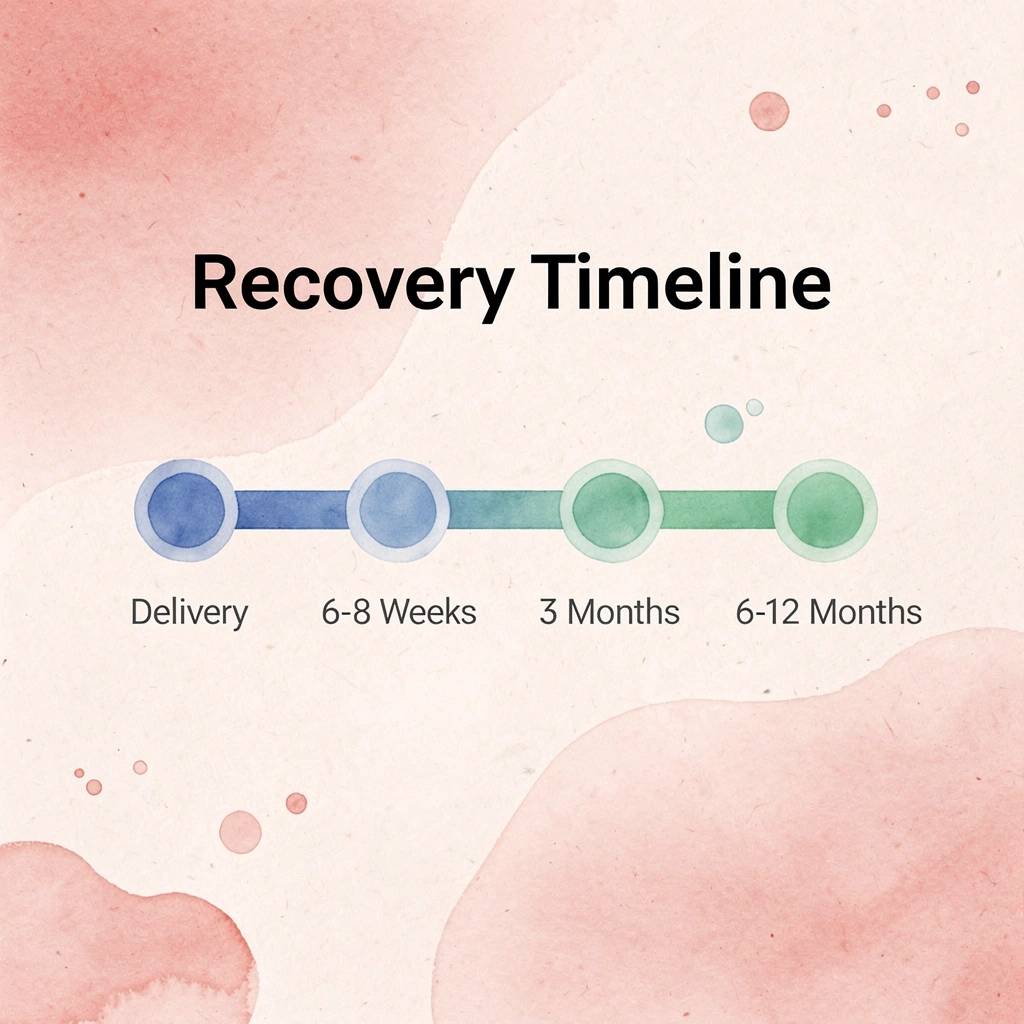
🔑 Takeaway: Listen to your body’s signals and progress gradually. Sustainable recovery means building strength incrementally rather than jumping back into high-intensity workouts that your body isn’t ready to handle yet.
Pushing Through Pelvic Floor Symptoms
Leaking urine during exercise, pelvic pressure, heaviness, or feelings of internal shifting during movement are not normal. These symptoms indicate your current training exceeds your pelvic floor’s capacity. Continuing to add weight or intensity while symptoms worsen compounds the problem rather than resolving it.
New research challenges the long-held idea that postpartum recovery takes only six weeks, with evidence suggesting recovery can take up to two years. This longer timeline explains why pushing through symptoms rarely helps. The pelvic floor needs gradual loading matched to its current capacity, not hard training that assumes readiness.
Returning to High-Impact Training Before Earning It
Running feels like freedom. Jumping feels powerful. Plyometric exercises feel like reclaiming athletic identity. The cardiovascular system often recovers faster than the structural systems that support impact, creating a dangerous mismatch. A woman may feel breathless during a run without experiencing leakage, but her pelvic floor, core, and connective tissues may not be prepared for repetitive ground reaction forces.
Impact is not the enemy. Premature impact is. Strength, stability, and load tolerance must be rebuilt before high-impact activities are reintroduced into the training program. This progression builds capacity that lasts beyond the initial weeks of enthusiasm.
Why does lifting heavier weights compromise postpartum recovery?
Lifting heavier weights feels productive, but postpartum strength training requires more than muscle strength. The lift must be completed while maintaining proper breathing mechanics, core control, and pelvic floor coordination. Abdominal doming during a shoulder press or pelvic pressure during a squat indicates that the load has exceeded the integrated system’s capacity, even if the weight feels manageable.
How does controlled movement build integrated strength?
The Lagree Method addresses this through controlled, time-under-tension movements that build strength without heavy external loads. Lagree classes in London at BST Lagree use the Megaformer to create muscular fatigue through slow, precise movements that challenge strength while maintaining breath control and core stability, rebuilding integrated strength rather than isolated muscle capacity.
Why is adequate recovery so crucial after childbirth?
Not getting enough sleep, feeding your baby often, constantly lifting and carrying, and the physical demands of newborn care already stress your body. Adding hard training without adequate rest impairs your body’s ability to adapt and grow stronger.
Recovery is when your muscles and tissues repair themselves, grow stronger, and prepare for the next workout. Without it, your workouts stress your body rather than improve it.
How do successful mothers approach postpartum strength building?
Women who rebuild strength most effectively recognize that recovery capacity has changed, that rest days aid progress, and that sustainable strength builds through consistency rather than intensity alone.
Postpartum fitness is a deliberate process of building resilience that supports the physical demands of motherhood for years ahead. Understanding what to avoid protects you only if you also know where to find support aligned with your actual recovery needs.
How BST Lagree Helps Women Rebuild Strength After Pregnancy
Finding the right training environment removes a major barrier to postpartum recovery: the mental load of figuring everything out yourself. When managing broken sleep, a newborn’s schedule, and the physical demands of early motherhood, researching whether a workout is safe and effective adds stress. A structured approach with guidance, accountability, and progression eliminates that guesswork.
🎯 Key Point: The right training environment removes the decision fatigue that comes with postpartum recovery planning.
“A structured approach with guidance, accountability, and progression eliminates that guesswork.” — The importance of removing barriers during postpartum recovery
💡 Tip: Look for programs that provide clear progression paths and expert guidance rather than leaving you to determine what’s safe and effective on your own.
What makes BST Lagree instructors qualified for postpartum training?
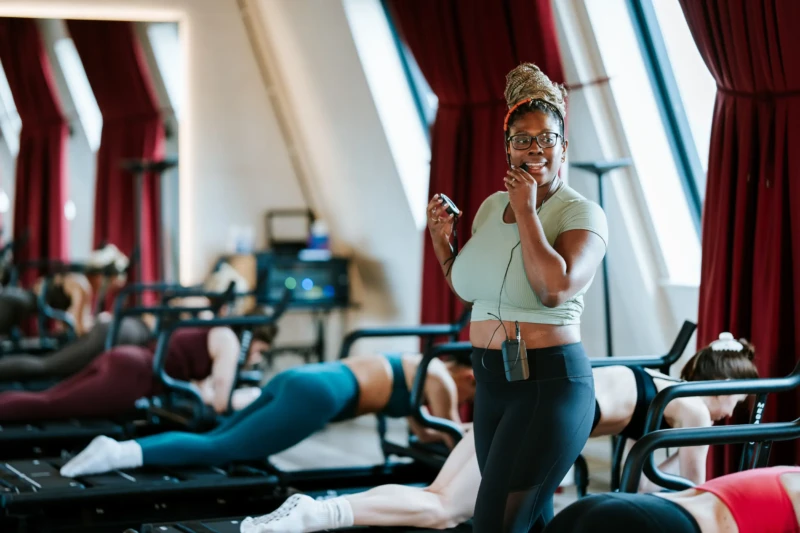
BST Lagree was built to help women train effectively. Every instructor is fully Lagree Method certified and completes rigorous training under Europe’s most experienced Lagree trainer. You have access to professionals who understand proper form, safe progression, and how to modify movements based on individual recovery needs.
A Women-Focused Environment That Builds Confidence
Postpartum women often feel unsure in traditional gym spaces, questioning whether they belong, if they’re lifting correctly, or whether others understand their body’s recovery. This hesitation creates friction that undermines consistency.
BST Lagree removes that friction by creating a women-focused space where postpartum recovery is understood and supported, not something requiring explanation or justification. When the environment prioritizes helping women feel comfortable and confident, showing up becomes easier. You’re training in a setting where your goals and challenges shape the program.
Efficiency That Fits Into a Limited Schedule
Traditional fitness programs separate strength training and cardiovascular conditioning into different sessions, requiring multiple weekly gym visits. For a new mother managing feeding schedules, naps, and the unpredictability of early parenthood, that time commitment is unsustainable and often leads to inconsistency, undermining progress.
Lagree training combines strength and cardiovascular conditioning in a single 45-minute class, using slow, controlled movements on the Megaformer to build muscular strength while challenging endurance. According to PowerCore Studio, 60% of women experience diastasis recti after pregnancy, making core-focused, low-impact training particularly valuable during postpartum recovery. This efficiency delivers intense training without requiring hours in the gym or multiple workouts.
Why is low-impact training essential during postpartum recovery?
High-impact exercise creates forces that postpartum bodies aren’t structurally ready to handle, especially early in recovery. Running, jumping, and plyometric movements stress the pelvic floor and connective tissues still healing. Yet many women want to train hard and feel challenged without compromising recovery.
How does Lagree training provide intensity without impact?
Lagree training solves this by offering high-intensity work through low-impact movements. The Megaformer uses spring resistance and slow, controlled tempos to create muscle fatigue and cardiovascular demand without joint stress or impact forces. You can push yourself, build strength, and improve endurance while maintaining movement quality that supports long-term recovery.
Knowing a training method exists differs from knowing whether it works for your specific recovery timeline and daily realities.
Related Reading
- Best Postpartum Exercises
- Pilates Exercises For Post Pregnancy
- Best Way To Lose Postpartum Belly Fat
- Postpartum Pilates Workout
- Beginner Postpartum Workout Plan
- How To Lose Pregnancy Belly After 2 Years
- Post Pregnancy Workout Plan
- Best Postpartum Ab Workout
- Best Postpartum Workout App
- Postpartum Gym Workout
Book a Lagree Class in London Today
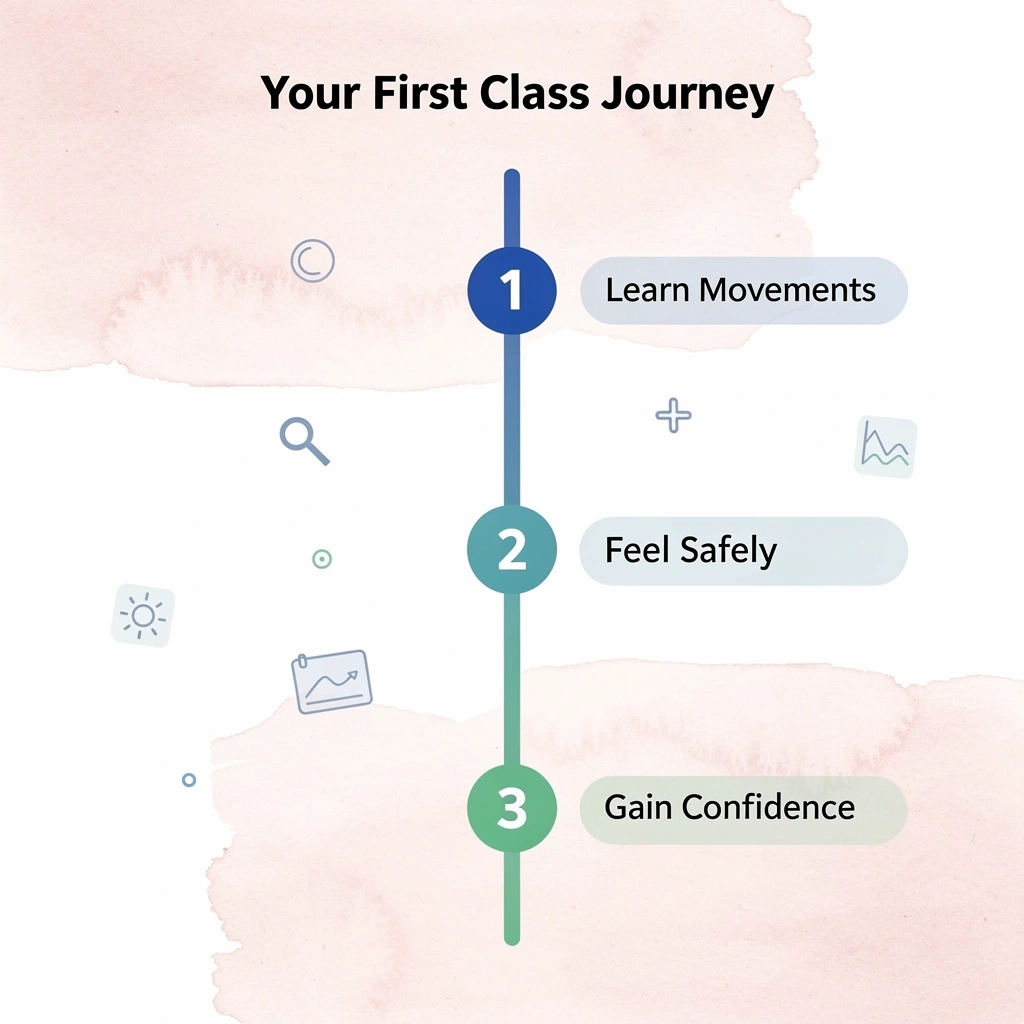
Your first session at BST Lagree won’t feel like a typical gym workout. You’ll move through controlled, low-impact exercises on the Megaformer that challenge your muscles without jarring your joints or straining your pelvic floor. Instructors trained in postpartum recovery will guide you through modifications that match where you are right now, not where you think you should be.
🎯 Key Point: Our Megaformer workouts are specifically designed for postpartum bodies, focusing on safe muscle engagement without high-impact stress on recovering joints and tissues.
“Low-impact exercise is essential for postpartum recovery, allowing new mothers to rebuild core strength and muscle tone without compromising healing tissues.” — Postpartum Exercise Guidelines, 2024

Book a class and experience how our structured, instructor-led training removes the guesswork from postpartum fitness. You’ll leave knowing exactly how to build strength safely while fitting movement into the unpredictable rhythm of early motherhood.
💡 Tip: Your first class is about learning the Megaformer movements and understanding how your body responds – there’s no pressure to perform at pre-pregnancy levels immediately.