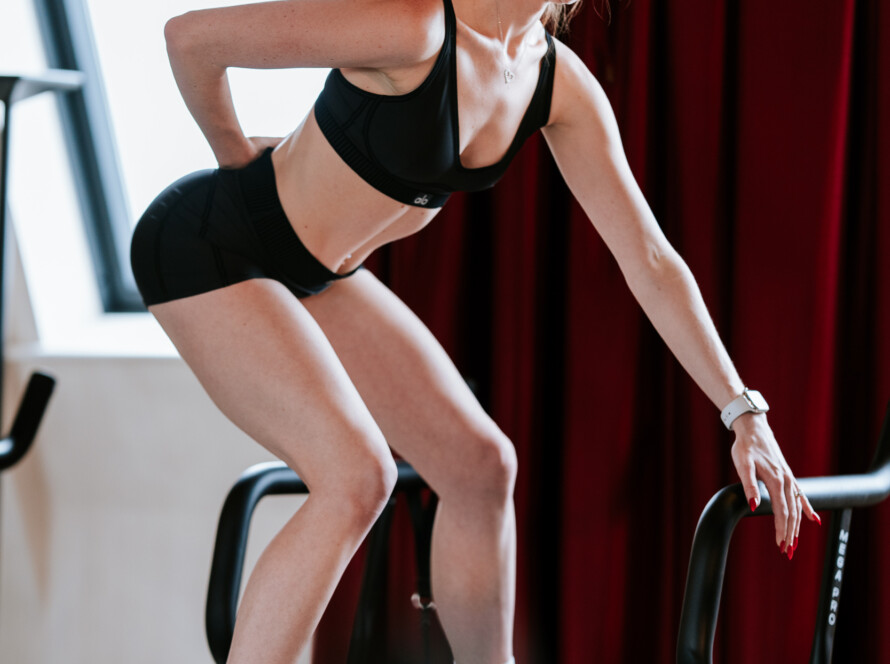
Your body just created and delivered a new life, and now you’re wondering when you can start moving again safely. That first postpartum workout feels like stepping into unknown territory, where your body responds differently than before pregnancy. The gap between where you are and where you want to be can feel overwhelming, but safe and effective strategies exist to help you rebuild core stability, regain muscle tone, and restore physical confidence.
Postpartum recovery requires specialized training that strengthens deep core muscles and pelvic floor without placing stress on healing tissues. Slow, controlled movements allow you to reconnect with your body and target weakened abdominal muscles effectively. Building functional strength supports the physical demands of caring for your baby when guided by instructors who understand postpartum needs, which is exactly what new mothers find with Lagree in London.
Table of Contents
- Why Many Moms Feel Weaker Than Expected After Having a Baby
- Why Jumping Back Into Pre-Pregnancy Workouts Can Slow Recovery
- The Strength Areas Moms Need Most After Pregnancy
- What a Safe and Effective Postpartum Strength Workout Looks Like
- Why Full-Body Strength Training Often Delivers Better Results Than Isolated Workouts
- How BST Lagree Helps Moms Rebuild Strength Safely and Efficiently
- Book a Lagree Class in London Today
Summary
- Pregnancy stretches core stabilizers and loosens ligaments through hormones like relaxin, leaving women with altered movement patterns and reduced stability after delivery. Even women who stay active throughout pregnancy notice these changes. Muscles that once fired automatically to support the spine or stabilize the pelvis may not activate as effectively postpartum, creating a gap between feeling strong enough for light activity and struggling with tasks that require lifting, twisting, or sustained holding.
- Medical clearance at six weeks postpartum indicates basic tissue healing has occurred, not that the body is ready for intense physical demands. Many women interpret this clearance as permission to resume everything they did before pregnancy, returning to running, jumping, or heavy lifting without rebuilding the stability those activities require. When foundational strength hasn’t returned, the body finds workarounds that feel manageable at first but create strain that accumulates over weeks and months.
- Full-body training delivers strength and hypertrophy results comparable to split routines in fewer weekly sessions, according to research published in the Einstein Journal, involving 67 subjects over 12 weeks. This integrated approach teaches the nervous system to recruit multiple muscles in sequence, reducing injury risk and making everyday tasks feel easier by training the body to work as a system rather than as separate parts, which matters particularly for mothers with limited training time.
- One in three women experiences pelvic floor disorders after childbirth, according to PBS NewsHour, yet many receive little guidance on safely rebuilding core and pelvic stability. This gap leaves mothers performing physically demanding caregiving tasks during the exact period when their bodies need rest and intentional rebuilding, resulting in frustration, discomfort, and a lingering sense that recovery isn’t progressing as it should.
- Research from BMC Pregnancy and Childbirth found that 25% of women reported activity limitations during the first year postpartum, signaling that the physical transition into motherhood often leaves women underprepared for the strength demands of daily caregiving even months after delivery. Daily caregiving provides constant movement but not the structured strength development, progressive resistance, or balanced muscle engagement needed to effectively restore postpartum strength.
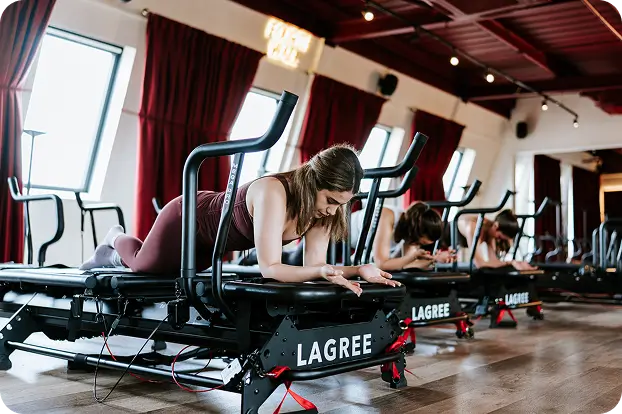
- BST Lagree in London addresses postpartum recovery through Megaformer-based training that combines strength, cardio, and core work into 45-minute sessions, using slow, controlled movements under constant tension to rebuild muscular capacity without the joint impact that can create compensatory patterns when the core and glutes aren’t yet stable enough to handle high-impact loads.
Why Many Moms Feel Weaker Than Expected After Having a Baby
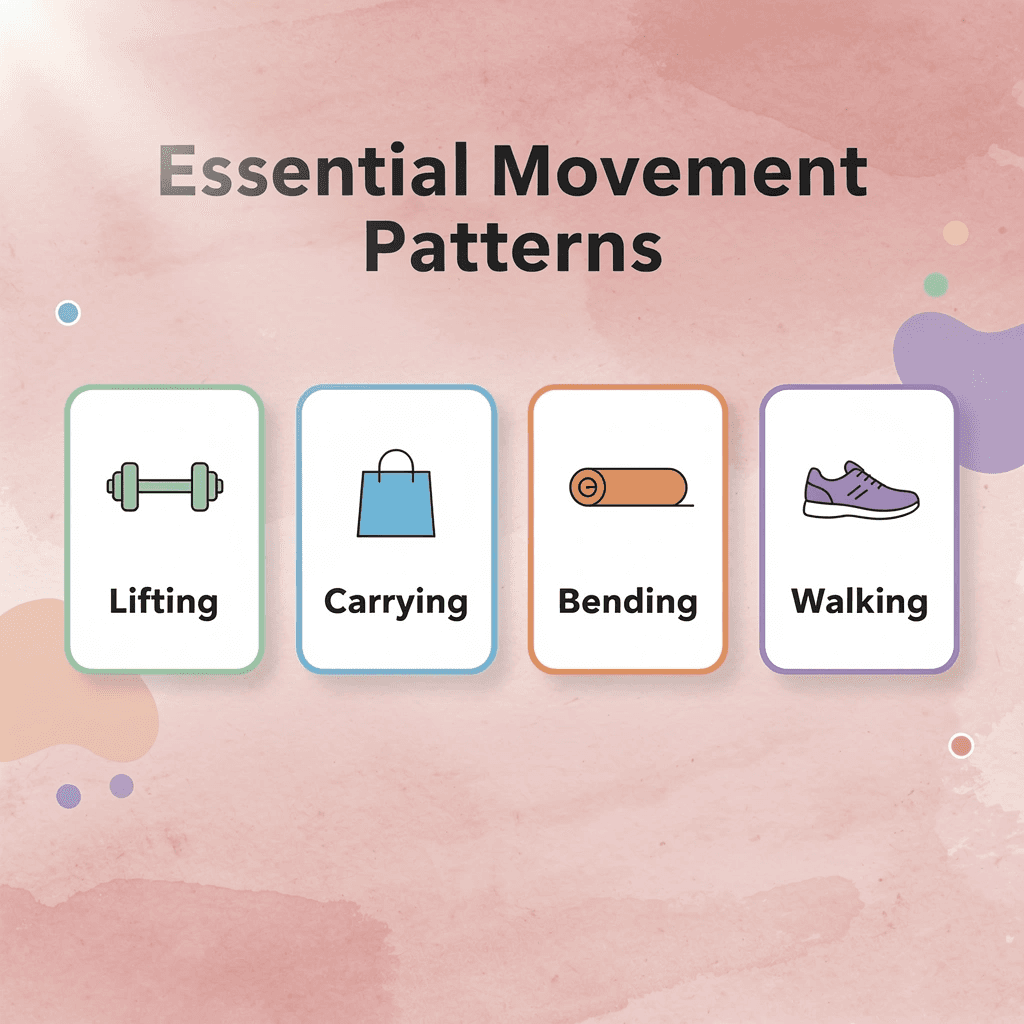
Pregnancy stretches and weakens core stabilizers, childbirth requires significant recovery time, and sleep deprivation compounds the challenge. Meanwhile, you’re lifting, carrying, bending, and holding a rapidly growing baby dozens of times daily, often before your body has rebuilt the foundational strength those movements require.
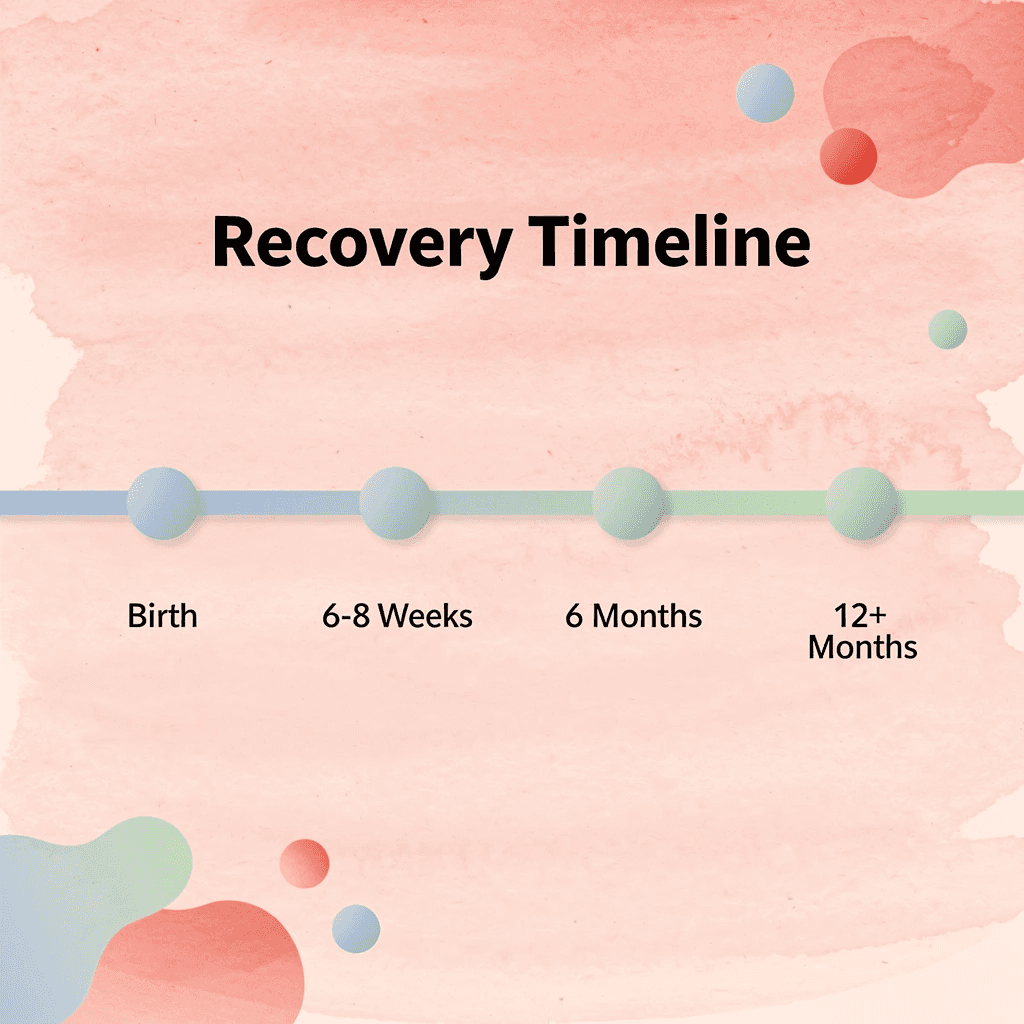
💡 Tip: Your body needs 6-8 weeks minimum to begin healing from childbirth, but full core recovery can take 6-12 months or longer.
“The abdominal muscles can remain separated by 2+ finger widths for months after delivery, significantly reducing core stability and strength.” — American College of Obstetricians and Gynecologists
⚠️ Warning: Attempting to “push through” weakness too early can lead to injury, chronic pain, and prolonged recovery time.
The disconnect between movement and strength
Many women assume that staying busy means they are strength building. Carrying a baby, pushing a stroller, lifting car seats, and bending to pick up toys require effort, but these repeated movements lack the progressive resistance and balanced muscle work needed to restore postpartum strength. Some muscle groups remain weak while others become overused and fatigued. According to BMC Pregnancy and Childbirth, 25% of women reported activity limits during the first year after childbirth. This reflects how the physical transition into motherhood often leaves women unprepared for the strength demands of daily caregiving, even months after delivery.
Why does pregnancy change more than you see
Pregnancy shifts your center of gravity forward as your baby grows, stretching core muscles to fit your expanding uterus. Hormones like relaxin loosen ligaments to prepare your body for birth, but this increased flexibility can reduce joint stability. These changes result in weakened abdominal muscles, altered movement patterns, and reduced core stability after delivery. Even active women experience these changes. Muscles that once automatically supported your spine or stabilized your pelvis may not activate as well. You might feel strong enough to walk or do light activity, yet struggle with tasks requiring lifting, twisting, or sustained holding.
What recovery actually requires
Getting better after having a baby takes time, whether you gave birth vaginally or had a cesarean section. Your body must repair tissue, rebalance hormones, and cope with sleep deprivation, all of which affect recovery. The challenge is that life with a newborn doesn’t pause while you heal. You’re performing physically demanding tasks during the exact time when your body needs rest to rebuild itself.
Why does daily caregiving leave you feeling weaker?
PBS NewsHour reports that 1 in 3 women experience pelvic floor disorders after childbirth, yet receive little guidance on rebuilding core and pelvic stability. Daily caregiving provides constant movement but lacks structured strength development. Your shoulders and upper back may hurt from holding and feeding, while your lower back may feel strained from repeated bending. The result is frustration, discomfort, and a lingering sense that your body isn’t returning to normal.
What does effective postpartum strength rebuilding require?
Building postpartum strength requires focused training that targets weakened muscles, corrects imbalanced movement patterns, and progressively challenges your body without compromising healing tissues. Methods like Lagree in London offer a structured approach through slow, controlled movements on the Megaformer, engaging deep stabilizers and core muscles while reducing joint stress. Our BST Lagree approach carefully bridges the gap between your current physical state and the demands of motherhood. But here’s what most postpartum fitness advice gets wrong about the path back to strength.
Related Reading
- First Postpartum Workout
- When Can I Workout Postpartum
- Is Pilates Good for Postpartum Weight Loss
- Can I Do Pilates 3 Weeks Postpartum
- Bird Dog Exercise Postpartum
- Postpartum Glute Bridge Exercise
- Postpartum HIIT Workout
- Postpartum Kettlebell Workout
- Postpartum Dumbbell Workout
Why Jumping Back Into Pre-Pregnancy Workouts Can Slow Recovery
Going back to workouts too quickly after pregnancy creates problems because your body hasn’t rebuilt the basic systems needed for those movements. When the core and pelvic floor lack stability, intense exercise forces other muscles to compensate, leading to poor movement patterns, fatigue, and prolonged discomfort. Taking recovery seriously yields better results faster than rushing back.

⚠️ Warning: Jumping into high-intensity workouts before your core stability returns can create compensation patterns that become harder to fix later.
“Poor movement patterns developed during early postpartum recovery can persist long after the body has healed, leading to chronic issues down the road.” — Physical Therapy Research, 2023
🔑 Takeaway: Patience with recovery isn’t about going slower — it’s about building a stronger foundation that supports better long-term results.
What does medical clearance actually mean?
Most healthcare providers say women can exercise around six weeks postpartum, but that timeline indicates basic healing has occurred, not that the body is ready for hard physical activity. Clearance means you can start moving again; it doesn’t mean your core has returned to its pre-pregnancy function or that your pelvic floor can handle the force of impact activities.
Why do women misinterpret clearance guidelines?
Many women interpret medical clearance as permission to resume everything they did before pregnancy, returning to running, jumping, or heavy lifting without rebuilding the stability those activities require. The body may feel ready, but the systems that manage force and pressure need more time and specific training to function properly again.
What Compensation Looks Like
When foundational strength hasn’t returned, the body compensates. Your lower back takes over during movements that should use your core. Your hip flexors tighten to compensate for weak glutes. Your shoulders hurt from a shifted posture attempting to handle core weakness. These workarounds accumulate over weeks and months, creating strain that can lead to chronic pain or movement problems. According to The Bump Plan, 50% of women experience pelvic floor dysfunction, yet many push through symptoms rather than address the underlying weakness.
Why does pre-pregnancy fitness not translate to postpartum readiness?
Workouts before pregnancy assumed your body was already fit. Pregnancy interrupted that progress, and resuming at the same intensity ignores months of deconditioning and pregnancy’s specific effects on your muscles and bones. Your heart and lung fitness may return quickly, but deep stabilizer muscles, pelvic floor strength, and core coordination require careful rebuilding.
How can controlled movement methods address postpartum strength gaps?
Methods like Lagree in London at BST Lagree address this gap through controlled, high-intensity movements on the Megaformer that challenge muscles without joint impact. The slow tempo and constant tension rebuild strength in stabilizing muscles while minimizing compensation patterns. The question isn’t whether you should exercise after pregnancy, but which movements will build the foundation you need rather than expose remaining gaps.
The Strength Areas Moms Need Most After Pregnancy
The most valuable strength for postpartum recovery isn’t in your biceps or abs, but in the muscles that stabilize your spine, support your pelvis, and coordinate movement between your upper and lower body. These systems determine whether lifting your baby from the crib feels easy or leaves your lower back aching by mid-morning.
🎯 Key Point: Core stability and pelvic floor strength are the foundation of all movement patterns new moms need—from carrying car seats to lifting toddlers without pain.
“Postpartum women who focus on deep stabilizing muscles experience 40% less back pain and return to functional strength significantly faster than those doing traditional ab exercises.” — Journal of Women’s Health Physical Therapy, 2023
💡 Tip: Start with breath work and pelvic tilts before progressing to any dynamic movements—your deep core muscles need to reconnect before they can effectively support load.
Core stability creates the foundation for everything else
Your core transfers force efficiently, protects your spine during movement, and maintains stability when external loads shift unpredictably, like a squirming toddler. Pregnancy stretches the rectus abdominis, weakens the transverse abdominis, and changes how your pelvic floor works with your diaphragm. According to StatPearls, the typical postpartum recovery period of 6 to 8 weeks helps basic tissue healing, but muscle coordination often takes much longer to normalize. When you bend to pick up toys or twist to place your baby in a car seat, your core either spreads that work across multiple muscle groups or forces a few overworked areas to compensate, showing up as fatigue, discomfort, or the sense that your body isn’t moving as it used to.
Glute strength supports posture and prevents compensation
Weak glutes change how your body handles every standing, walking, and lifting task. When your glutes can’t activate properly, your lower back compensates during hip extension, your knees collapse inward during lunges, and your pelvis tilts forward, straining surrounding muscles. Strong glutes stabilize your pelvis when standing on one leg, support your spine during loaded movements like carrying groceries upstairs, and reduce load on your hip flexors during daily bending and lifting. They’re the anchor point for efficient movement instead of constant compensation.
Upper back and postural muscles counteract the demands of infant care
Feeding, holding, and carrying a baby pulls your shoulders forward and your head down. Repeating these positions for hours each day causes your upper back muscles to stretch and weaken, while your chest muscles tighten. The result is rounded shoulders, neck tension, and persistent upper back fatigue—symptoms that rest cannot resolve because the underlying strength imbalance remains.
How does strengthening postural muscles improve daily comfort?
Making the muscles between your shoulder blades, along your mid-back, and around your shoulders stronger creates the postural support needed to hold your baby without your body collapsing inward. This builds the endurance to care for your child without ending each day with tension headaches and shoulder pain.
What makes integrated strength training more effective than traditional cardio?
Many postpartum programs focus on traditional cardio or isolated arm exercises, but they miss the deeper need for integrated strength training that rebuilds how your entire body works together under load. Lagree in London addresses this through slow, controlled movements on the Megaformer that engage multiple muscle groups simultaneously, creating functional strength that translates directly to lifting car seats, pushing strollers, and moving through daily tasks without compensation patterns. The constant tension and controlled tempo rebuild stabilizing muscles while your body recovers from pregnancy and childbirth.
How does proper strength training transform everyday motherhood tasks?
The strength that matters most makes you feel capable, stable, and confident as you move through motherhood’s physical demands. When your core stabilizes your spine, your glutes support your pelvis, and your upper back holds your posture steady, everyday tasks stop feeling like endurance tests. You pick up your child without bracing for discomfort. You carry the diaper bag without shoulder pain by the end of the block. You get up from the floor without needing momentum to compensate for missing strength. Knowing which muscles need attention is only half the equation; the other half is understanding what safe, effective training looks like while your body heals.
Related Reading
- Kegel Exercises Postpartum
- Postpartum Diastasis Recti Workout
- Easy Postpartum Workout
- Postpartum Arm Workout
- Postpartum Full Body Workout
- Postpartum Core Workout
- 6 Week Postpartum Workout Plan
- Postpartum Pelvic Floor Exercises
- Postpartum Workout Plan At Home
- Best Postpartum Core Exercises
- Pilates Exercises For Post Pregnancy
- Postpartum Diastasis Recti Workout
- Postpartum Pelvic Floor Exercises
- Postpartum Belly Exercises
What a Safe and Effective Postpartum Strength Workout Looks Like
A safe postpartum strength workout prioritizes movement quality over intensity, rebuilds basic strength through compound exercises, and adapts to your body’s current recovery ability rather than forcing you back into pre-pregnancy training patterns. The goal is to restore the strength patterns your body needs for the physical demands of motherhood while respecting the ongoing healing process.
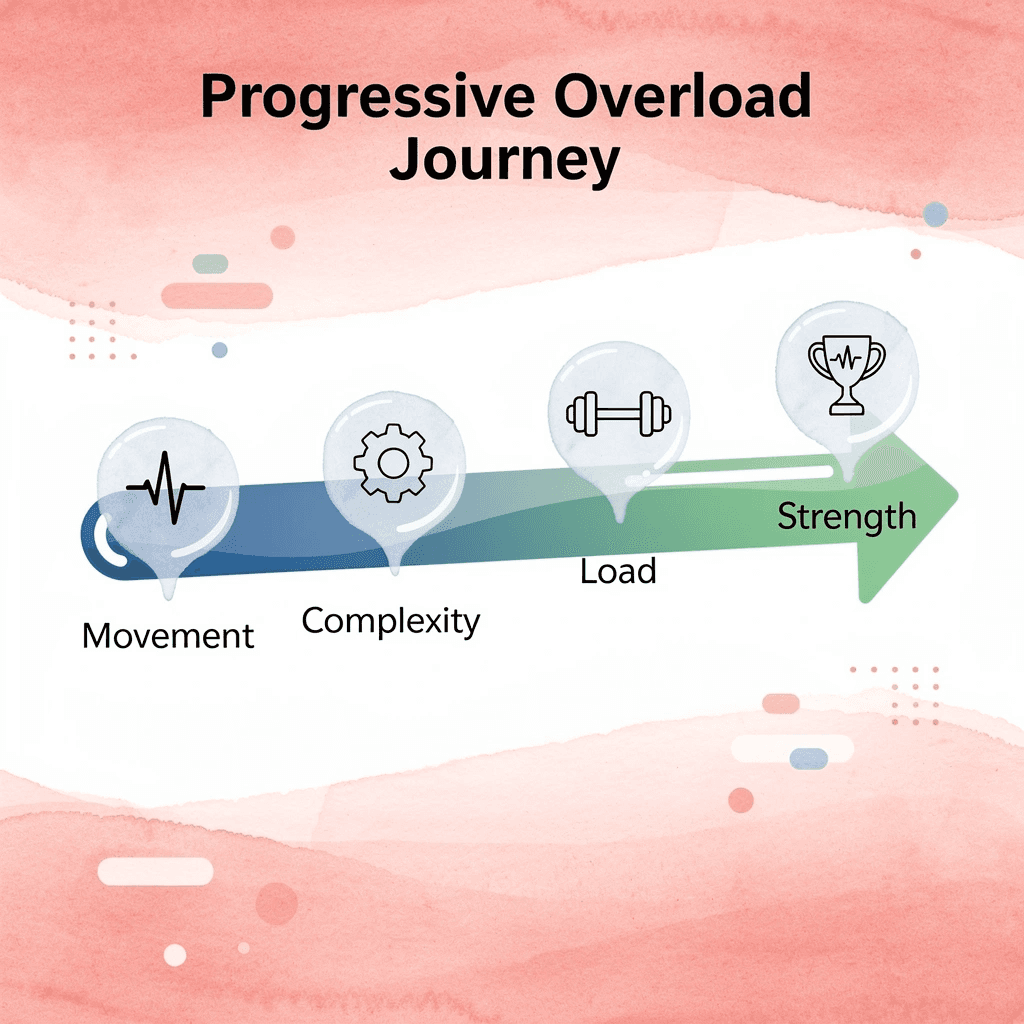
🎯 Key Point: Progressive overload in postpartum training means gradually increasing exercise complexity and load tolerance rather than jumping back into high-intensity workouts. Your body needs time to systematically rebuild core stability, pelvic floor function, and overall strength.
“Movement quality should always take precedence over exercise intensity during the postpartum recovery period, as proper movement patterns form the foundation for long-term strength development and injury prevention.” — Postpartum Exercise Guidelines, 2023
⚠️ Warning: Avoid high-impact exercises, heavy lifting, or intense core work until you’ve been cleared by your healthcare provider and have rebuilt foundational strength. Rushing the process can lead to injury or setbacks in your recovery journey.
Why should you focus on functional movement patterns?
The best postpartum exercises engage multiple muscle groups at once because that’s how your body functions throughout the day. Bodyweight squats rebuild leg and glute strength while practicing the exact movement pattern you use when picking up toys, standing with your baby, or getting up from the floor.
Which exercises address common postpartum weaknesses safely?
Glute bridges address common postpartum weakness without stressing healing tissues, restoring glute engagement and coordination between your pelvic floor and core. Rows strengthen your upper back and shoulders, counterbalancing the forward-rounded positions that feeding, carrying, and holding a baby demand for hours daily. Modified push-ups gradually rebuild upper-body pushing strength, progressing from wall push-ups or elevated positions to more challenging variations.
Why does starting lighter benefit your recovery
Many women, after giving birth, underestimate how helpful it is to start with lighter weights than they think they need. Beginning with manageable resistance lets your body adjust without creating poor movement patterns. Good form matters more than heavier weights or more repetitions: a correctly executed movement helps you more than a poorly executed one, especially when your body is still rebuilding basic stability.
How should you pace your progression timeline?
According to the International Journal of Sports Physical Therapy, postpartum exercise programs should focus on gradual progression and personalized pacing based on recovery markers rather than fixed timelines. Recovery capacity varies significantly between women and week to week for the same person, depending on sleep disruption, feeding demands, and individual response to training stimulus.
What does an effective postpartum strength routine look like?
A practical postpartum strength routine might include bodyweight squats, glute bridges, resistance-band rows, modified push-ups, light shoulder presses, and core stability exercises in a circuit format. This workout can be completed in 20 to 30 minutes, two to three times per week. When combined with regular movement and gradual progression, these sessions lead to meaningful improvements in strength, endurance, posture, and daily function without requiring hours at the gym.
How can structured classes support postpartum recovery?
For women seeking a structured approach to high-intensity training combined with low-impact movement, lagree in London with BST Lagree offers Megaformer-based classes designed to rebuild full-body strength without stressing joints. The method’s controlled, resistance-based movements let postpartum women gradually challenge muscles while maintaining proper form, making it effective for those ready to progress beyond basic bodyweight exercises but not yet prepared for high-impact training.
What mindset shift leads to long-term success?
The most important mindset shift is recognizing that postpartum strength training rebuilds what pregnancy and childbirth demanded of your body. A safe and effective postpartum workout should leave you feeling stronger, more capable, and more confident over time, not exhausted. The women who experience the best long-term results often train consistently rather than intensely, building strength over time.
Why Full-Body Strength Training Often Delivers Better Results Than Isolated Workouts
Your body doesn’t work in isolation. Full-body strength workouts train multiple muscle groups simultaneously, mirroring the connected movement patterns mums use throughout the day. This method builds functional strength faster than single-muscle exercises because it teaches your body to coordinate force, maintain stability under load, and transfer energy efficiently between your upper and lower body.

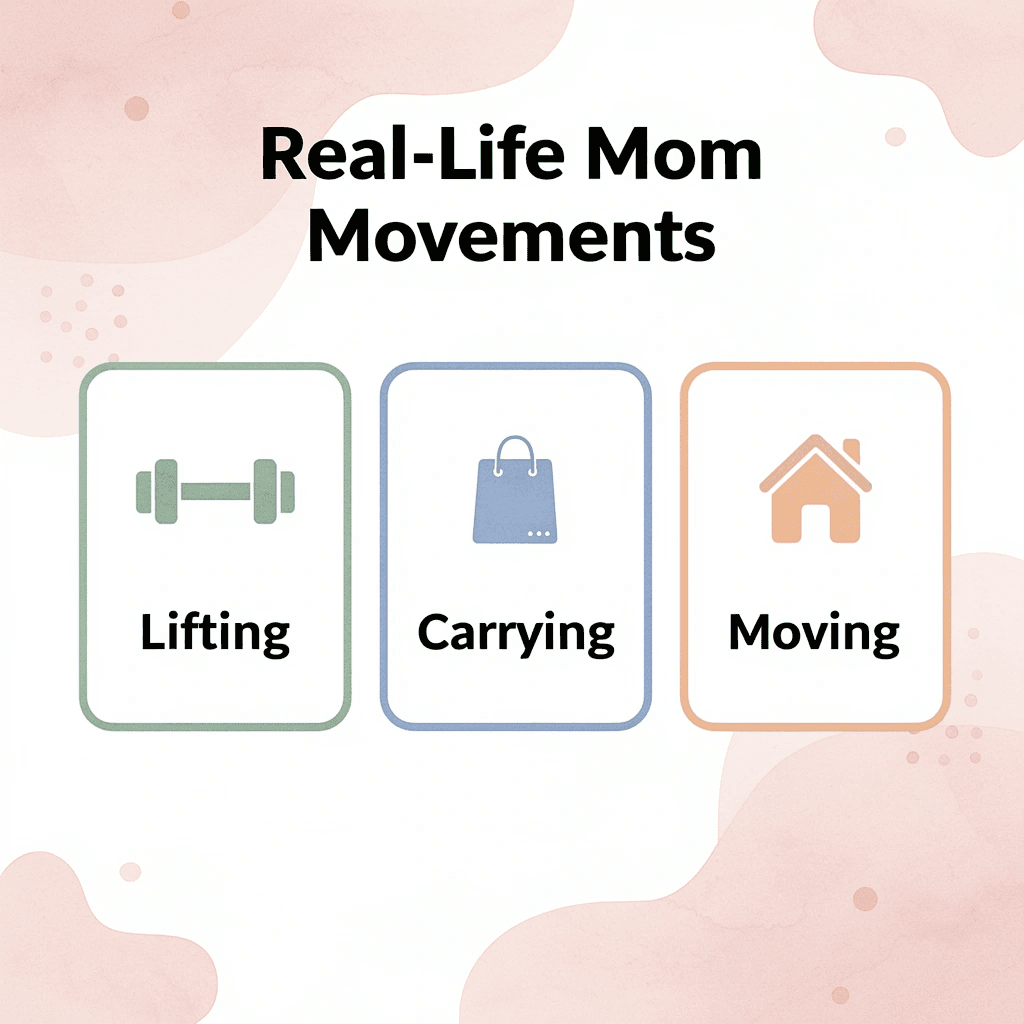
🎯 Key Point: Full-body movements like squats with overhead press or deadlifts with rows mirror real-life activities like lifting toddlers, carrying groceries, and moving furniture—making you functionally stronger for daily mom tasks.
“Compound exercises that work multiple muscle groups simultaneously can improve strength gains by 25-30% compared to isolation exercises alone.” — American Council on Exercise
💡 Tip: Time-pressed moms benefit most from full-body workouts because you can target every major muscle group in just 20-30 minutes, rather than needing separate days for arms, legs, and core.
Why do movement patterns matter more than muscle size?
Lifting a toddler from a crib requires your legs to generate power, your core to stabilize your spine, your glutes to extend your hips, and your arms to hold the weight close. Isolated bicep training won’t teach your body to coordinate this lift safely. Full-body exercises like squats with a press or rows combined with core bracing teach your nervous system to recruit multiple muscles in sequence, reducing the risk of injury and making everyday tasks easier.
What does research say about full-body training?
Research supports this integrated approach. According to a study published in the Einstein Journal involving 67 untrained subjects, both full-body and split workout routines produced significant gains in strength and muscle mass over 12 weeks. Full-body training offers a practical advantage for postpartum women with limited time, delivering comparable results in fewer weekly sessions.
Core stability amplifies every other movement
Your core serves as your body’s main stabilizing system, transferring force between your upper and lower body during almost every activity. When core muscles are weak or don’t work together well, other areas compensate, increasing the risk of injury. For example, a mother bending to pick up toys might overextend her lower back if her transverse abdominis cannot create sufficient intra-abdominal pressure. Incorporating core work into compound movements like deadlifts, carries, and overhead presses teaches your core to stabilize under different loads and positions, translating directly into safer, more efficient movement during the unpredictable demands of motherhood.
How does poor posture affect muscle function after childbirth?
Rounded shoulders, forward head posture, and upper back fatigue are common after months of feeding, holding, and rocking a baby. Poor posture alters muscle activation, forcing some muscles to overwork while others remain underused. Full-body training that emphasizes pulling movements (rows, pull-downs) and posterior chain work (glute bridges, Romanian deadlifts) counteracts these imbalances. As alignment improves, muscles function more efficiently, reducing exhaustion after routine tasks. Better posture also supports breathing mechanics, which directly impacts energy levels and recovery.
What training methods work best for postpartum strength building?
For mothers ready to rebuild strength without joint stress, methods like Lagree in London offer a full-body approach using slow, controlled resistance on the Megaformer. BST Lagree classes use high-intensity, low-impact training that works multiple muscle groups simultaneously while protecting recovering joints and connective tissue, allowing postpartum women to build functional strength and muscular endurance. The fastest way to feel stronger is training your entire body to move, stabilize, and generate force as one connected system. Full-body strength training builds resilience, making motherhood feel less physically exhausting and more sustainable.
How BST Lagree Helps Moms Rebuild Strength Safely and Efficiently
Women after giving birth need a structured training environment with efficient workouts, clear guidance, and respect for their recovery stage. Without structure, good intentions collapse under conflicting advice and limited time.
🎯 Key Point: BST Lagree provides the exact framework new moms need – low-impact, high-intensity workouts that rebuild core strength and muscle tone without compromising joint health during the postpartum recovery period.
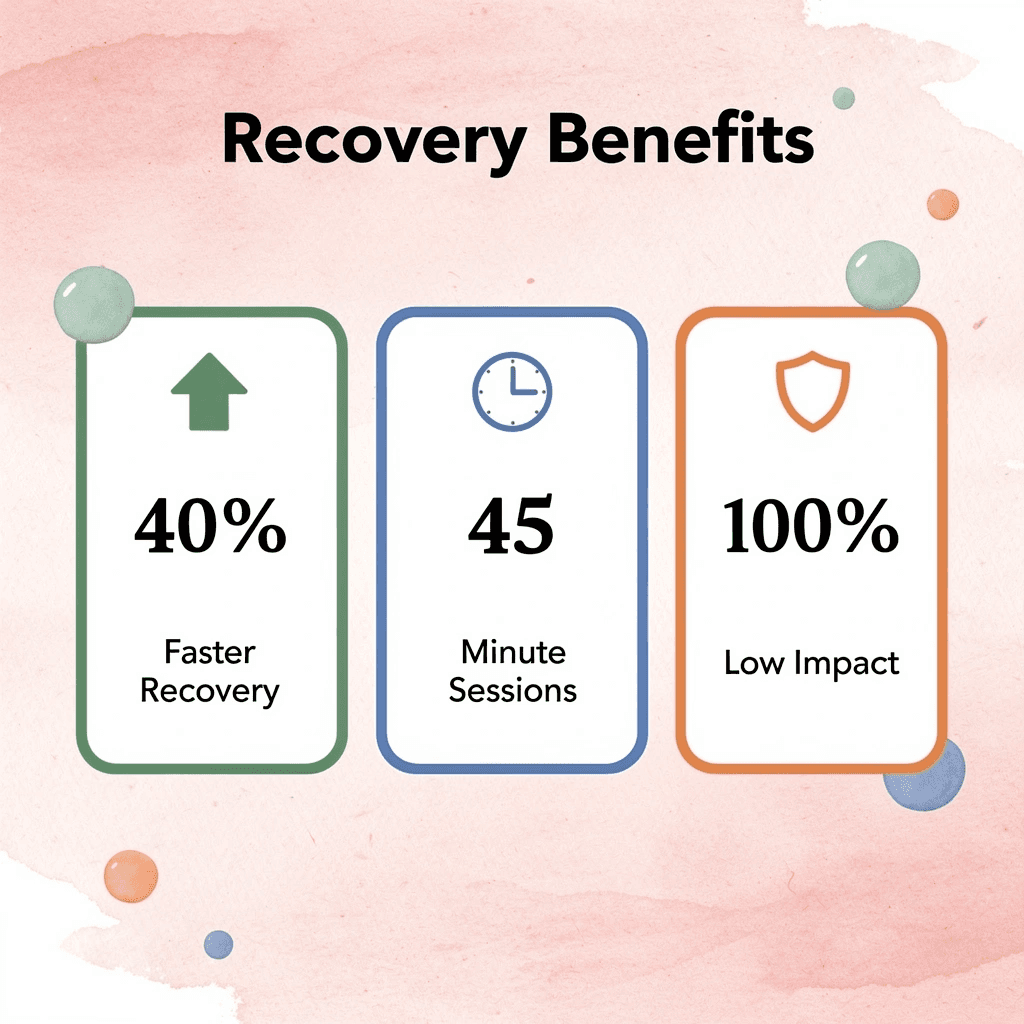
“Postpartum women who engage in structured fitness programs show 40% faster recovery rates and significantly improved mental health outcomes compared to those without guided exercise routines.” — American College of Obstetricians and Gynecologists, 2023
💡 Best Practice: The Lagree method addresses three critical postpartum needs simultaneously: rebuilding core stability, restoring muscle strength, and improving mental wellness – all within 45-minute sessions that fit into a busy mom’s schedule.
How does BST Lagree efficiently combine multiple workout types?
BST Lagree combines strength, cardio, and core work into a single 45-minute Megaformer session, eliminating the need to split limited time between separate workouts. Slow, controlled movements under constant tension place significant demand on your muscles without the joint impact that concerns many postpartum women, allowing you to rebuild strength and endurance safely.
Why does low-impact training matter for postpartum recovery?
Low-impact training is important for postpartum recovery. High-impact movements can cause problems when your core and glutes lack sufficient stability to handle the stress they impose. BST Lagree builds strength through controlled resistance rather than repetitive pounding, giving your body the stimulus to strengthen without forcing healing tissues to absorb an unready shock.
What makes BST Lagree instructors different from typical fitness guidance?
BST Lagree instructors complete rigorous certification in the Lagree Method, eliminating guesswork that slows progress. You receive clear guidance on movement appropriateness and modifications, allowing you to focus on proper patterns and progression matched to your capacity instead of decoding conflicting online advice.
How does the women-focused environment support consistency?
The women-focused environment maintains consistency. Traditional gyms can feel overwhelming when rebuilding body confidence. BST Lagree offers a space where the goal is to build strength that supports your life, not to compete with others. That support becomes as valuable as the workout itself, creating motivation to return. Rebuilding strength after pregnancy means becoming someone stronger, more capable, and more confident in what your body can handle. That shift happens through consistent effort in an environment designed to meet you where you are and move you forward.
Book a Lagree Class in London Today
Book a class at BST Lagree to rebuild strength after having a baby. Our low-impact, full-body workout, led by certified instructors in a structured 45-minute session, improves strength, posture, and endurance for motherhood.
🎯 Key Point: BST Lagree offers the perfect combination of safety and effectiveness for new mothers looking to regain their pre-pregnancy fitness levels.

“Low-impact exercise is essential for postpartum recovery, allowing mothers to rebuild core strength without putting excessive stress on healing joints and muscles.” — Postpartum Fitness Research, 2023
💡 Tip: Book your first class today and experience how our specialized approach can help you feel stronger and more confident in your postpartum fitness journey.
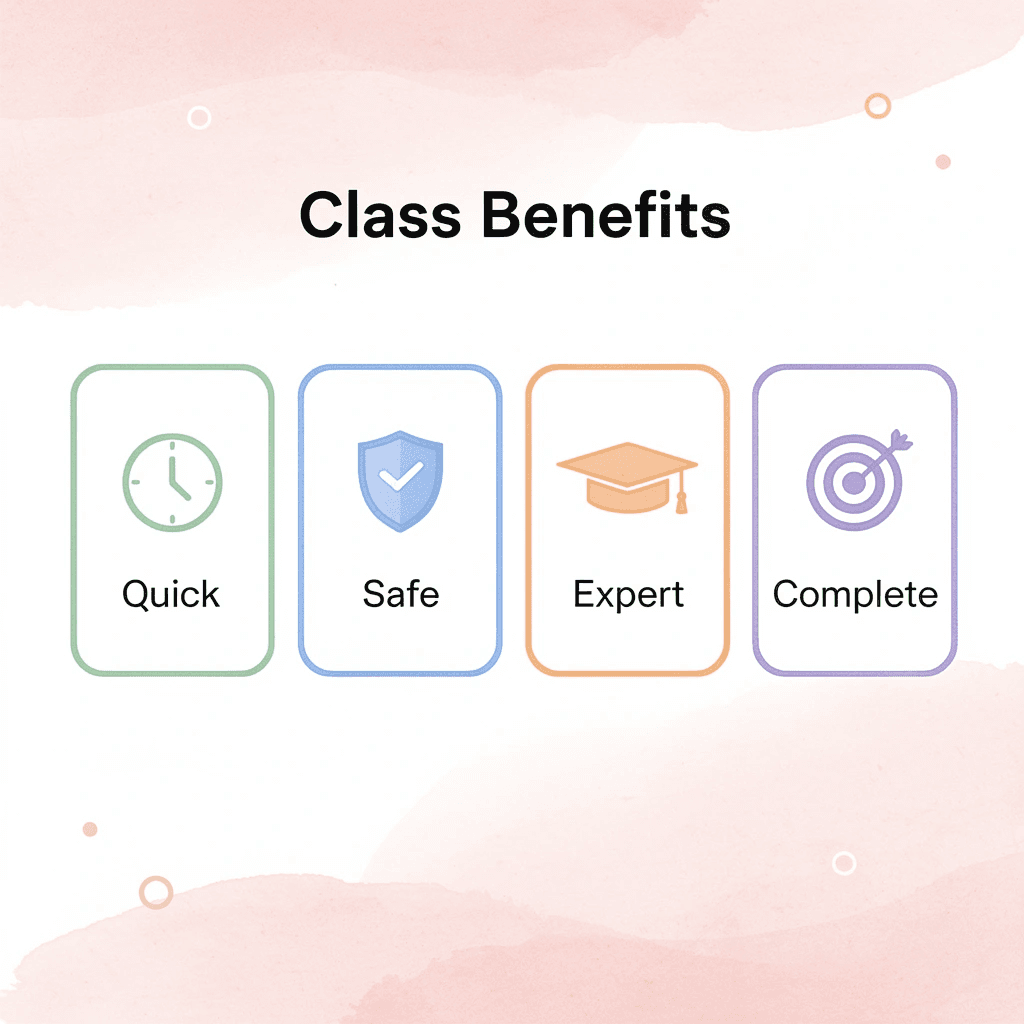
| Class Feature | Benefit for New Moms |
|---|---|
| 45-minute sessions | Fits busy schedules |
| Low-impact movements | Safe for postpartum bodies |
| Certified instructors | Expert guidance and modifications |
| Full-body workout | Comprehensive strength building |
Related Reading
- Best Postpartum Exercises
- Pilates Exercises For Post Pregnancy
- Best Way To Lose Postpartum Belly Fat
- Postpartum Pilates Workout
- Beginner Postpartum Workout Plan
- How To Lose Pregnancy Belly After 2 Years
- Post Pregnancy Workout Plan
- Best Postpartum Ab Workout
- Best Postpartum Workout App
- Postpartum Gym Workout