Returning to exercise after pregnancy requires careful planning and the right approach to rebuild strength safely. The first postpartum workout marks an important milestone, but many new mothers feel uncertain about how to balance their desire for challenging movement with their body’s ongoing recovery needs. A postpartum HIIT workout can effectively restore fitness when designed with appropriate modifications and controlled intensity. Understanding the timeline and safe progression methods helps ensure a successful return to regular exercise.
Low-impact, high-intensity training offers an ideal solution for new mothers seeking effective workouts without compromising recovery. This approach allows women to strengthen their core, stabilize their pelvic floor, and build endurance while avoiding the jarring movements that can strain healing tissues. For those ready to take this next step in their fitness journey, Lagree in London provides a controlled environment specifically designed to support postpartum recovery and strength building.
Table of Contents
- Why Many Postpartum Women Rush Into HIIT Too Soon
- What Is a Postpartum HIIT Workout?
- Signs Your Body May Not Be Ready for High-Impact HIIT Yet
- What an Effective Postpartum HIIT Workout Should Actually Include
- Why Strength-Based Conditioning Often Works Better Than Traditional HIIT After Pregnancy
- How BST Lagree Helps Women Approach Postpartum HIIT More Safely and Effectively
- Book a Lagree Class in London Today
Summary
- Postpartum recovery timelines don’t match social media transformation posts or celebrity fitness culture, yet medical clearance at six weeks doesn’t guarantee readiness for explosive movements. Research shows approximately 35% of women experience stress urinary incontinence in the first year postpartum, with higher rates among those returning to high-impact exercise before foundational strength is restored. The gap between permission and preparedness is where many women encounter setbacks that could have been avoided with better self-assessment and progressive training approaches.
- Strength-based conditioning rebuilds the structural foundation that pregnancy disrupts more effectively than immediate high-intensity intervals. According to the British Journal of Sports Medicine, pelvic floor muscle training during the first postpartum year reduced the odds of urinary incontinence by 37% and pelvic organ prolapse by 56%. These outcomes came from targeted strengthening protocols, not high-intensity cardio intervals, demonstrating that restoring muscular function and control in areas most affected by pregnancy creates better long-term results than intensity-first approaches.
- Postpartum life rarely accommodates the recovery demands of maximum-intensity training. Sleep deprivation, hormonal fluctuations, breastfeeding, and the physical demands of caring for an infant all affect how well the body recovers between workouts. Strength-based conditioning tends to create less systemic fatigue than repeated high-impact intervals, making it easier to train consistently without feeling depleted or increasing injury risk while still challenging cardiovascular and muscular systems.
- Low-impact movement patterns deliver cardiovascular demand without the pounding that postpartum bodies often can’t absorb safely yet. Controlled step-ups with tempo changes, resistance-band intervals, incline walking paired with upper-body work, and cycling sprints all elevate heart rate while reducing stress on the pelvic floor and joints. The intensity comes from sustained effort and strategic resistance, not from impact, allowing women to feel their hearts working hard without their bodies breaking down.
- Core and glute strength aren’t optional additions to postpartum workouts; they’re the framework on which everything else depends. Pregnancy stretches the abdominal muscles and shifts pelvic alignment, while childbirth stresses the pelvic floor, both of which affect how the glutes engage and how the core stabilizes movement. Without intentional work to restore these patterns through glute bridges, controlled planks, stability holds, and glute-focused resistance exercises in every session, other exercises become less effective or more risky.
- Lagree in London offers controlled, low-impact training on the Megaformer that creates muscular overload and cardiovascular demand without joint stress, allowing postpartum women to rebuild core stability, pelvic floor coordination, and full-body strength simultaneously without the recovery setbacks that traditional HIIT often creates too soon.
Why Many Postpartum Women Rush Into HIIT Too Soon
The pressure to “bounce back” starts before most women leave the hospital. Social media transformation posts, celebrity fitness culture, and comments about pre-baby bodies create an unspoken deadline. For many new mothers, high-intensity interval training feels like the fastest way back to confidence, strength, and control over a body that feels unfamiliar.

⚠️ Warning: The “bounce back” mentality can lead to premature exercise choices that may compromise recovery and increase injury risk during the critical postpartum healing period.
“The pressure to return to pre-pregnancy fitness levels immediately after childbirth can interfere with proper healing and may lead to long-term complications for new mothers.” — American College of Obstetricians and Gynecologists
🎯 Key Point: Your body needs time to heal from pregnancy and childbirth – rushing into high-intensity workouts can actually delay your fitness goals rather than accelerate them.
What structural changes affect postpartum exercise readiness?
After giving birth, your body needs time to recover from the major changes that affect how you move, stay stable, and heal. Your abdominal muscles stretched to accommodate your growing baby, weakening your core stability for months after delivery.
Your pelvic floor muscles endured significant stress during pregnancy and birth, so building foundational strength is essential before high-impact exercises. Hormonal changes during and after pregnancy affect your ligaments and connective tissues, temporarily reducing stability and increasing injury risk if you increase exercise intensity too quickly.
Why do medical experts recommend waiting six weeks?
According to the Expect Fitness Newsletter, most medical guidance suggests waiting at least six weeks after giving birth before resuming intense exercise. However, many women feel pressure to start sooner or progress faster than their bodies allow. Sleep disruption, hormonal fluctuations, physical healing, and demands of newborn care reduce recovery capacity and training tolerance.
What happens when you push too hard, too soon
I’ve watched women describe feeling completely worn out, unable to leave the couch, experiencing unusual bruising, and loss of strength. This decline happens quickly when nutritional deficiencies compound the physical demands of recovery and breastfeeding. What looks like laziness is often a body signaling it needs basic support, not higher intensity.
Why does traditional HIIT create postpartum setbacks?
High-impact movements like jumping, sprinting, burpees, and explosive exercises demand significant effort from your core, pelvic floor, joints, and stabilizing muscles. Without rebuilt foundational strength, your body compensates in ways that increase discomfort, reinforce poor movement patterns, or create instability. This may present as lower back discomfort, pelvic heaviness, difficulty controlling breathing, or an inability to generate strength effectively.
What makes low-impact alternatives more effective?
BST Lagree offers another option. The Lagree Method delivers high-intensity results through controlled, low-impact movements on the Megaformer that challenge muscular endurance, core stability, and cardiovascular fitness without the joint stress or pelvic floor strain of traditional HIIT. This lets you rebuild foundational strength while meeting the intensity demands of postpartum schedules.
How should intensity be introduced after pregnancy?
Intensity should be added in a planned way, with a strong foundation first. Building core control, glute activation, pelvic stability, and movement quality creates a safer path to higher-intensity training. Women who focus on foundational strength move toward advanced workouts with greater confidence and a reduced risk of injury. But what defines a postpartum HIIT workout, and how does it differ from pre-pregnancy training?
Related Reading
- First Postpartum Workout
- When Can I Workout Postpartum
- Is Pilates Good for Postpartum Weight Loss
- Can I Do Pilates 3 Weeks Postpartum
- Bird Dog Exercise Postpartum
- Postpartum Glute Bridge Exercise
- Postpartum Kettlebell Workout
- Postpartum Dumbbell Workout
What Is a Postpartum HIIT Workout?
A postpartum HIIT workout is interval-based training that rebuilds cardiovascular fitness and strength after pregnancy while respecting the body’s ongoing recovery needs. Unlike traditional HIIT, postpartum interval training emphasizes controlled effort, movement quality, and strategic progression over maximum intensity and explosive movements.

🎯 Key Point: Postpartum HIIT prioritizes safe progression over maximum intensity, making it ideal for mothers rebuilding their fitness foundation after childbirth.
“Postpartum exercise programs that emphasize controlled progression and movement quality show significantly better long-term adherence and injury prevention compared to high-intensity approaches.” — American College of Obstetricians and Gynecologists, 2023
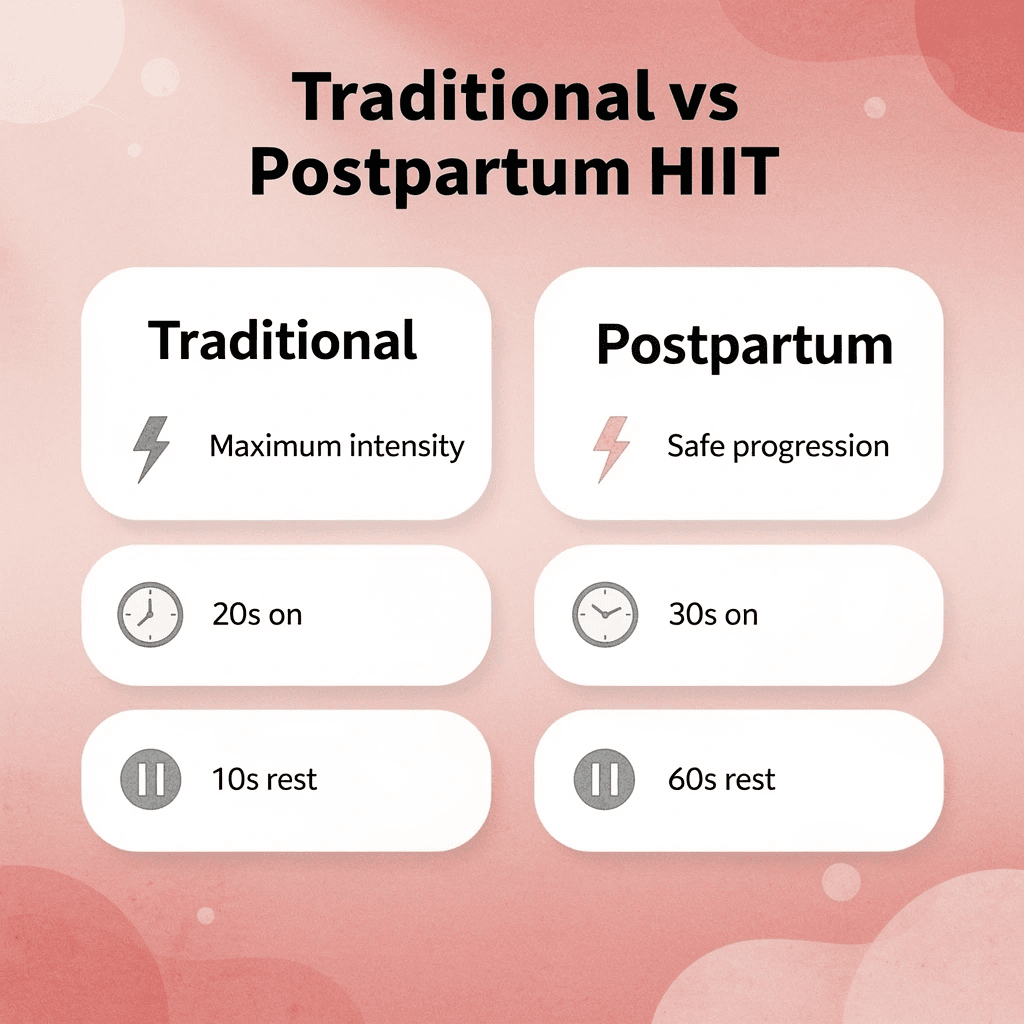
💡 Example: A typical postpartum HIIT session might include 30 seconds of modified squats followed by 60 seconds of rest, rather than the traditional 20 seconds on, 10 seconds off approach used in standard HIIT workouts.
What makes traditional HIIT challenging for postpartum recovery?
Traditional HIIT uses plyometric exercises such as jump squats, burpees, box jumps, and sprint intervals to quickly raise heart rate. These movements create significant ground reaction forces that travel through joints, connective tissue, and the pelvic floor. For postpartum bodies still rebuilding core stability, this approach is like asking a foundation under renovation to support the weight of a second story.
How does low-impact strength training create effective intervals?
Low-impact strength-based interval training uses resistance, tempo manipulation, and muscular endurance to create cardiovascular demand without repeated impact. Examples include controlled lunges with holds, resistance-band work with intentional breathing patterns, or incline walking intervals paired with upper-body strength movements.
According to the American College of Obstetricians and Gynecologists, women can gradually return to physical activity after giving birth, emphasizing rebuilding capacity rather than testing limits too soon. Heart rate still rises and muscles still tire, but the stress distributes differently, allowing women to work hard without compromising recovery.
What makes postpartum interval training different from regular HIIT
Good postpartum HIIT focuses on three elements that regular interval training often misses: core and pelvic stability in every movement, breathing that manages intra-abdominal pressure rather than breath-holding, and adjustable intensity based on fitness level. This allows women to push themselves while maintaining good form. A postpartum workout should build strength you notice daily—picking up your baby, carrying groceries, or rising from the floor—not just during exercise itself.
How can low-impact workouts still provide high intensity
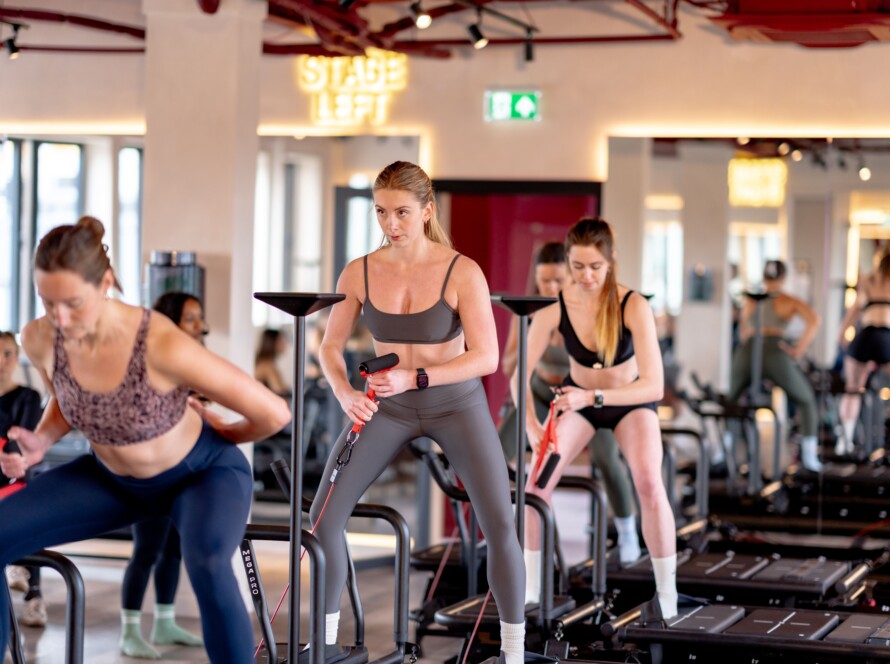
Low-impact doesn’t mean low-challenge. Slow eccentric squats, isometric holds, and controlled resistance work demand significant effort when performed with proper alignment and a full range of motion. The Lagree Method, practiced at studios like BST Lagree in London, demonstrates this through spring-based resistance training on the Megaformer, which creates muscular fatigue and cardiovascular demand without impact. The constant tension and slow, controlled tempo force muscles to work intensely while maintaining stability and alignment.
How should you approach progression in postpartum fitness?
Good postpartum interval training progresses from foundational movements to harder patterns as strength, stability, and recovery improve. This might mean starting with bodyweight exercises and controlled breathing before adding external resistance, or focusing on bilateral movements before progressing to single-leg stability challenges. Progress isn’t always consistent; some days will feel stronger depending on sleep, stress, and the frequency of nursing or pumping.
Why do expectations often clash with postpartum reality?
Frustration arises when expectations don’t match current capabilities. Women who previously ran half-marathons or performed advanced CrossFit workouts often struggle when their postpartum bodies function differently. Getting back to fitness after pregnancy isn’t about recovering what you lost—it’s about building something new that accounts for your body’s changes and the demands of caring for a baby. Women who feel most confident about their progress measure success by how their bodies feel and function, not by how quickly they return to their pre-pregnancy abilities.
How do you know if your body is ready for postpartum HIIT?
But knowing what postpartum HIIT should look like doesn’t tell you whether your body is ready for it or what warning signs suggest you’re pushing too hard, too soon.
Signs Your Body May Not Be Ready for High-Impact HIIT Yet
Getting approval from your doctor doesn’t mean you’re ready for hard, fast movements. You could be six weeks after giving birth, cleared by your doctor, and still not prepared for burpees or box jumps. A significant gap often exists between getting permission and being ready, and this is where many women encounter trouble that could have been avoided.
[IMAGE: https://im.runware.ai/image/os/a06dlim3/ws/3/ii/06cc380c-8910-4ba4-8db8-054fad4109ff.webp] Alt: Connection between medical clearance and fitness readiness
🎯 Key Point: Medical clearance is just the first step — your body needs additional time to rebuild strength, stability, and coordination before tackling high-impact exercises.
“There’s often a gap between getting permission and actually being ready, and this is where many women run into trouble that could have been avoided.” — Postpartum Fitness Reality
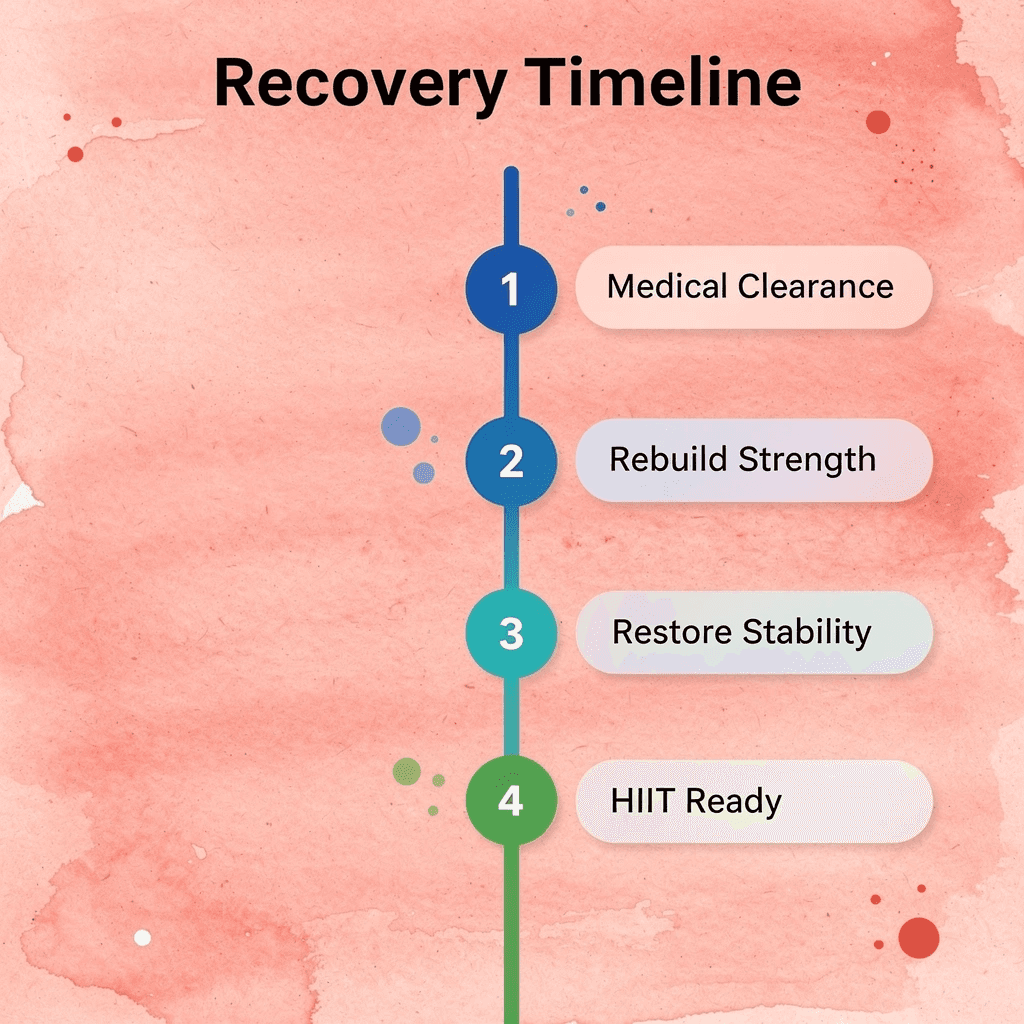
⚠️ Warning: Jumping into intense HIIT too early can lead to injury, setbacks, and prolonged recovery time that could have been prevented with a gradual approach.
What does pelvic heaviness during exercise indicate?
Feeling heaviness or downward pressure in your pelvis during exercise signals that your pelvic floor muscles cannot manage the pressure from impact. Women describe it as a dragging sensation, a feeling of fullness, or discomfort that worsens over the course of the workout. This indicates your pelvic floor muscles need time to rebuild coordination and strength before handling repeated impact.
Why shouldn’t urinary leakage be normalized during workouts?
Urinary leakage during jumping or running is not normal. Leakage indicates that the pelvic floor cannot provide adequate support under these demands. According to research published in the Journal of Women’s Health Physical Therapy (2019), about 35% of women experience stress urinary incontinence in the first year after giving birth, with higher rates among those returning to high-impact exercise before foundational strength is restored. Recognise that the body needs different training stimuli first; leakage need not be accepted as inevitable.
What do compensation patterns reveal about postpartum readiness?
Lower back discomfort during postpartum exercise reveals compensation patterns. When glutes and deep core muscles aren’t working efficiently, the lower back absorbs forces it wasn’t designed to handle. High-intensity intervals worsen these patterns because fatigue accelerates form breakdown. If your back hurts after a workout targeting legs and core, your primary movers aren’t ready yet.
Why does instability occur during postpartum movement?
Poor balance during single-leg movements or directional changes indicates incomplete neuromuscular recovery. Pregnancy shifts your center of gravity, loosens ligaments through hormonal changes, and alters movement patterns for months. Feeling unstable isn’t weakness; it’s your nervous system recalibrating how to control your body under dynamic loads. Pushing through instability with high-impact work increases injury risk without building the foundational stability you need.
What type of training builds postpartum strength safely?
Most postpartum bodies need intense, low-impact exercise with resistance that builds strength through controlled tension rather than explosive force. Lagree in London offers this combination through the Megaformer, which creates muscular overload and cardiovascular demand using slow, controlled movements that eliminate joint stress. The method rebuilds core stability, pelvic floor coordination, and full-body strength simultaneously, preparing women for any fitness goal without the premature setbacks high-impact training often causes. Recognizing you’re not ready yet matters only if you know what readiness looks like and what your workouts should include instead.
What an Effective Postpartum HIIT Workout Should Actually Include
A good postpartum HIIT workout rebuilds heart and lung strength while remaining gentle on joints, connective tissue, and core coordination. The goal is to create a new foundation that supports long-term strength and endurance, not to replicate pre-pregnancy intensity.

🎯 Key Point: Your postpartum body requires a completely different approach than your pre-pregnancy fitness routine – focus on rebuilding rather than returning to old intensity levels.
“The postpartum period requires 6-12 months for full recovery of connective tissue and core function, making gradual progression essential for long-term success.” — American College of Obstetricians and Gynecologists, 2023

⚠️ Warning: Jumping back into high-intensity workouts too quickly can lead to injury, pelvic floor dysfunction, and setbacks in your recovery journey.
Low-Impact Movement Patterns That Still Elevate Heart Rate
Traditional HIIT uses explosive, high-impact movements like box jumps, burpees, and sprinting that create repeated ground force, which postpartum bodies often cannot handle safely. Low-impact alternatives meet cardiovascular demand without the pounding: controlled step-ups with tempo changes, resistance-band intervals, incline walking paired with upper-body work, and cycling sprints all raise heart rate while reducing stress on the pelvic floor and joints. Intensity comes from sustained effort and strategic resistance, not impact.
Controlled Resistance Training Over Speed
Strength should come before speed in postpartum programming. Slow, deliberate resistance work restores muscle coordination and teaches the body to stabilize under load again. Pregnancy changes how muscles fire together: the core may compensate differently, and the glutes may not activate fully. Rushing through movements before these patterns reset creates compensation that surfaces later as pain or dysfunction. Controlled-tempo squats, resistance-based lower-body circuits, and stability-focused leg work build strength while allowing the nervous system to relearn proper sequencing. Speed can come later, once the foundation is solid.
Core and Glute Activation as Non-Negotiable Components
Core and glute strength form the foundation for everything else. Pregnancy stretches abdominal muscles and shifts pelvic alignment; childbirth stresses the pelvic floor. Both affect glute engagement and core stabilization during movement. Without the intentional restoration of these patterns, other exercises become less effective or riskier. Glute bridges, controlled planks, stability holds, and glute-focused resistance exercises should be included in every session to rebuild the structural support system that enables higher-intensity work without injury.
Why should postpartum HIIT focus on sustainable intensity?
Postpartum HIIT should challenge the heart and lungs without pushing into exhaustion. Sleep deprivation, hormonal shifts, and ongoing tissue healing all affect your body’s capacity to recover. According to the Expect Fitness Newsletter, effective postpartum intervals often use structures like 30 seconds of work followed by 30 seconds of rest, allowing sufficient effort without overwhelming the body’s recovery between sessions.
The goal is to finish workouts feeling energized and stronger, not depleted. Sustainable intensity builds capacity over time, while maximum effort too soon creates compounding fatigue across days and weeks.
How does the Lagree method support postpartum recovery?
Methods like the Lagree approach on the Megaformer naturally deliver this balance. Slow, controlled movements create muscular overload and cardiovascular demand without impact, allowing postpartum women to work at high intensity while protecting joints and pelvic floor function.
Sessions combine strength, endurance, and core work, rebuilding full-body capacity in 45 to 50 minutes without the recovery setbacks that traditional HIIT often creates. Our BST Lagree in London specializes in this methodology, offering certified instruction adapted to individual recovery timelines.
The best postpartum workouts build the strength, stability, and endurance that make future training safer and more effective. Low-impact intervals, controlled resistance, core and glute activation, and sustainable intensity create a lasting foundation.
Why Strength-Based Conditioning Often Works Better Than Traditional HIIT After Pregnancy
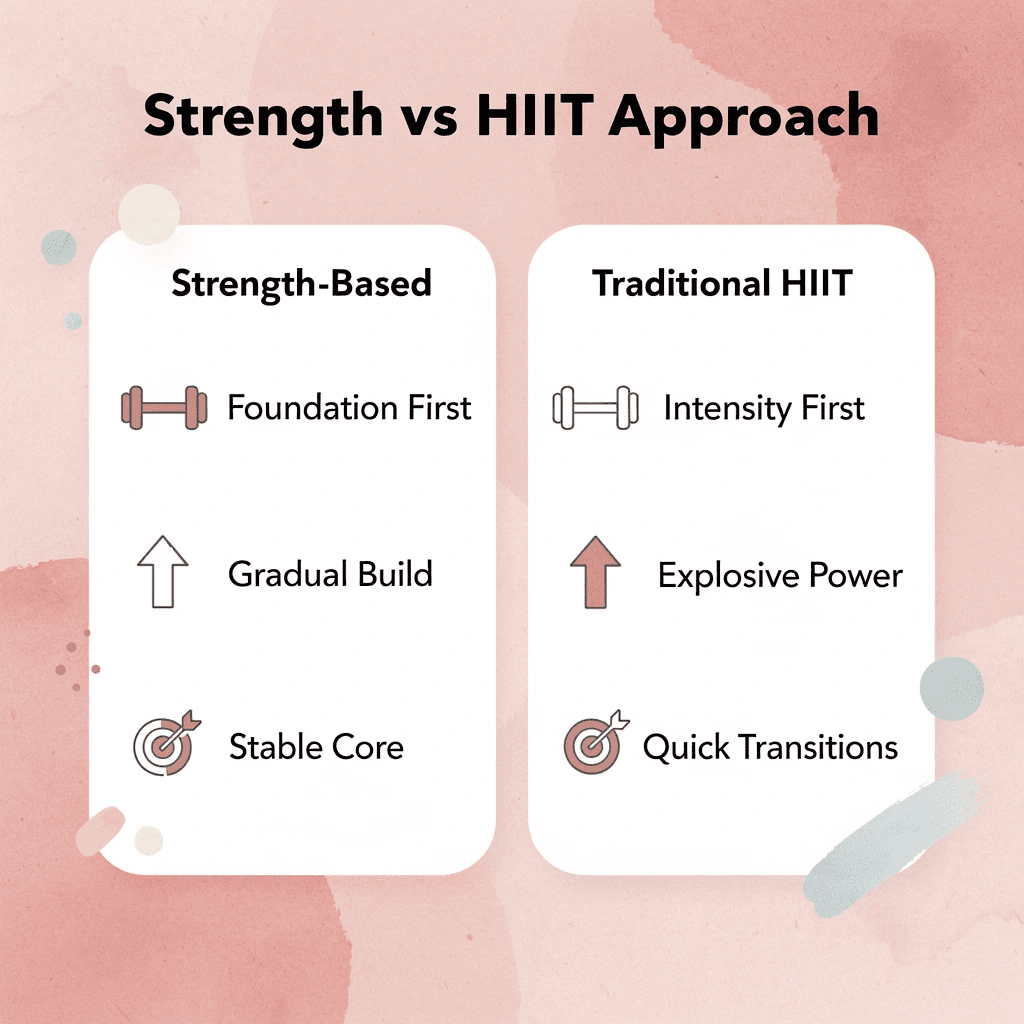
Strength-based conditioning rebuilds the structural foundation that pregnancy disrupts before adding intensity. Traditional HIIT demands explosive power, quick transitions, and high-impact movements from systems that may not yet be stable enough to handle that stress safely.

🎯 Key Point: Your body needs structural stability before it can handle high-intensity demands – rushing into HIIT too early can compromise both safety and long-term results.
“Strength training provides the foundational stability that allows new mothers to safely progress to more intense exercise modalities without risking injury to recovering tissues.” — Postpartum Exercise Guidelines, 2023
⚠️ Warning: Jumping straight into HIIT workouts without rebuilding your core stability and pelvic floor strength can lead to injury and setbacks in your overall recovery journey.
How does strength work create capacity for demanding training?
Getting back muscular strength, movement control, and coordination enables you to handle harder training later without compensating with weaker structures or risking injury.
Why do high-impact intervals require methodical preparation?
High-impact intervals require immediate force production and absorption through joints, connective tissue, and muscle groups that have spent nine months adapting to pregnancy. Strength work retrains those systems progressively, building tension tolerance and neuromuscular patterns before introducing speed or plyometrics.
Why do postpartum bodies respond better to progressive tension than immediate intensity?
Pregnancy changes how muscles fire, how joints stabilize, and how force transfers through the body. The core and pelvic floor stretch and weaken, glutes deactivate, and movement patterns shift to accommodate a growing belly and altered center of gravity. Jumping back into burpees or box jumps before reestablishing foundational patterns places stress on unprepared structures.
How does strength-based conditioning rebuild movement patterns safely?
Strength-based conditioning rebuilds these patterns through controlled resistance and intentional muscle engagement. Tempo squats teach the glutes to activate properly. Resistance band work retrains hip stability. Core-focused movements restore intra-abdominal pressure management. Progressive tension allows tissues to strengthen without impact forces that can overwhelm healing pelvic floors or unstable joints.
Why does research favor strength training over high-impact exercise postpartum?
According to the British Journal of Sports Medicine, pelvic floor muscle training during the first year after childbirth reduced urinary incontinence by 37% and pelvic organ prolapse by 56%. These improvements resulted from focused strengthening programs that restored muscle function and control in areas affected by pregnancy and childbirth.
How does strength training support long-term postpartum health outcomes?
The Journal of Physical Activity and Health found that women who performed regular resistance training during pregnancy had a significantly lower risk of gestational diabetes. Strength work creates metabolic and structural benefits beyond muscle building, supporting overall recovery and long-term health more effectively than intensity-focused approaches.
Strength training allows sustainable progression while managing real-world recovery constraints
Life after having a baby rarely allows time to recover from hard training. Sleep deprivation, hormonal changes, breastfeeding, and infant care all impair your body’s ability to recover between workouts.
Why does strength-based conditioning create less fatigue than high-intensity intervals?
Strength-based conditioning leads to less overall body fatigue than repeated high-impact intervals, making it easier to train consistently without excessive fatigue or increased injury risk. Combining strength work with controlled cardiovascular exercise produces better results than relying on intensity alone. Low-impact resistance circuits raise your heart rate while rebuilding muscle strength and improving movement quality.
How can controlled resistance work support postpartum recovery?
Places like BST Lagree offer this balance through high-intensity, low-impact training on the Megaformer, where controlled resistance builds strength, endurance, and cardiovascular fitness without the joint stress or pelvic floor pressure that traditional HIIT creates. Understanding how to apply strength-based conditioning to your specific recovery timeline and goals determines whether this approach supports your postpartum return to training.
Related Reading
- Kegel Exercises Postpartum
- Postpartum Strength Workout
- Postpartum Diastasis Recti Workout
- Easy Postpartum Workout
- Postpartum Arm Workout
- Postpartum Full Body Workout
- Postpartum Core Workout
- 6 Week Postpartum Workout Plan
- Postpartum Pelvic Floor Exercises
- Postpartum Workout Plan At Home
- Best Postpartum Core Exercises
- Pilates Exercises For Post Pregnancy
- Postpartum Diastasis Recti Workout
- Postpartum Pelvic Floor Exercises
- Postpartum Belly Exercises
How BST Lagree Helps Women Approach Postpartum HIIT More Safely and Effectively
The BST Lagree method removes the false choice between effective training and safe recovery. You achieve cardiovascular intensity through sustained muscular tension on the Megaformer, raising your heart rate without jumping. The slow, controlled resistance work forces continuous muscle engagement, building strength and endurance while protecting your pelvic floor and joints from impact stress.
🎯 Key Point: BST Lagree delivers the intensity of HIIT workouts without the high-impact movements that can compromise postpartum recovery.
“The slow, controlled resistance work forces continuous muscle engagement, building strength and endurance while protecting your pelvic floor and joints from impact stress.” — BST Lagree Method

⚠️ Warning: Traditional HIIT workouts with jumping and high-impact movements can strain your recovering pelvic floor and joints during the postpartum period.
How does Lagree combine strength and cardio for postpartum recovery?
Traditional postpartum fitness keeps strength work separate from cardio. The Lagree Method combines them. Each movement on the Megaformer requires you to maintain tension through a full range of motion: slow-tempo squats that burn through your glutes and quads while your heart rate climbs, and planks that demand core stability as your breath quickens. You’re building both capacities simultaneously in a format that respects the structural changes pregnancy created.
Why is controlled resistance important for healing tissues?
According to PowerCore Studio, 1 in 3 women experience pelvic floor dysfunction after childbirth. Lagree’s controlled resistance work allows you to build strength gradually without excessive stress on healing tissues.
How does expert guidance adapt to your recovery timeline?
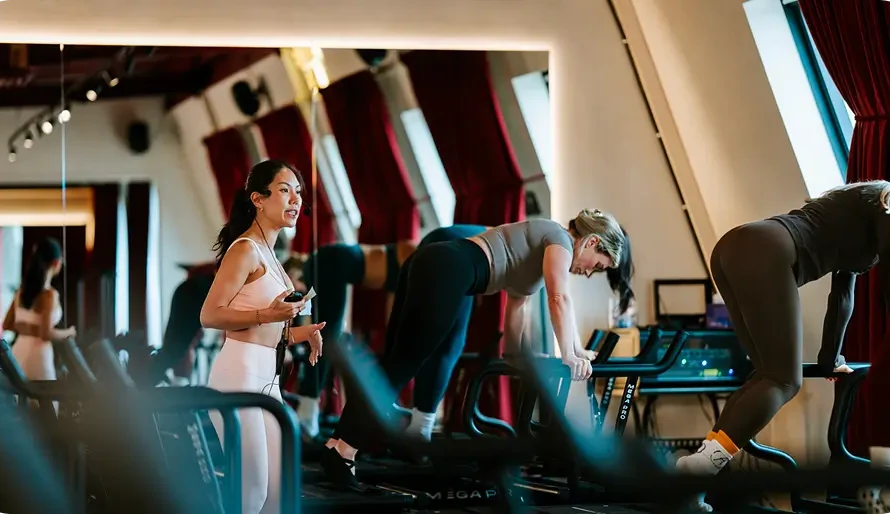
Every 45-minute class at BST Lagree in London includes certified instructors who understand postpartum bodies. They monitor your form, suggest modifications as needed, and help you progress at a pace matching your actual recovery rather than an arbitrary timeline. You’re not left guessing whether a movement is safe or sorting through conflicting online advice.
Why does removing mental load improve consistency?
This removes the mental load that often derails fitness after having a baby. You won’t spend energy looking up exercises, wondering if you’re doing too much or too little, or assembling workouts from YouTube videos. You show up, follow expert instruction, and leave knowing you trained effectively without compromising your recovery. For women managing the cognitive demands of new motherhood, that clarity creates consistency.
Building Sustainable Progress
The workout environment helps you stay committed rather than making you feel scared. Many women, after giving birth, feel disconnected from their bodies or worried about returning to group fitness. The women-focused atmosphere at BST Lagree recognizes those feelings without centering on them. You’re surrounded by others working through their own challenges, building strength in a space designed for support rather than comparison. This context makes it easier to stay consistent, which matters more than any single intense session. Understanding how the method works matters only if you’re ready to experience what consistent, intelligent postpartum training feels like in your body.
Related Reading
- Best Postpartum Exercises
- Pilates Exercises For Post Pregnancy
- Best Way To Lose Postpartum Belly Fat
- Postpartum Pilates Workout
- Beginner Postpartum Workout Plan
- How To Lose Pregnancy Belly After 2 Years
- Post Pregnancy Workout Plan
- Best Postpartum Ab Workout
- Best Postpartum Workout App
- Postpartum Gym Workout
Book a Lagree Class in London Today
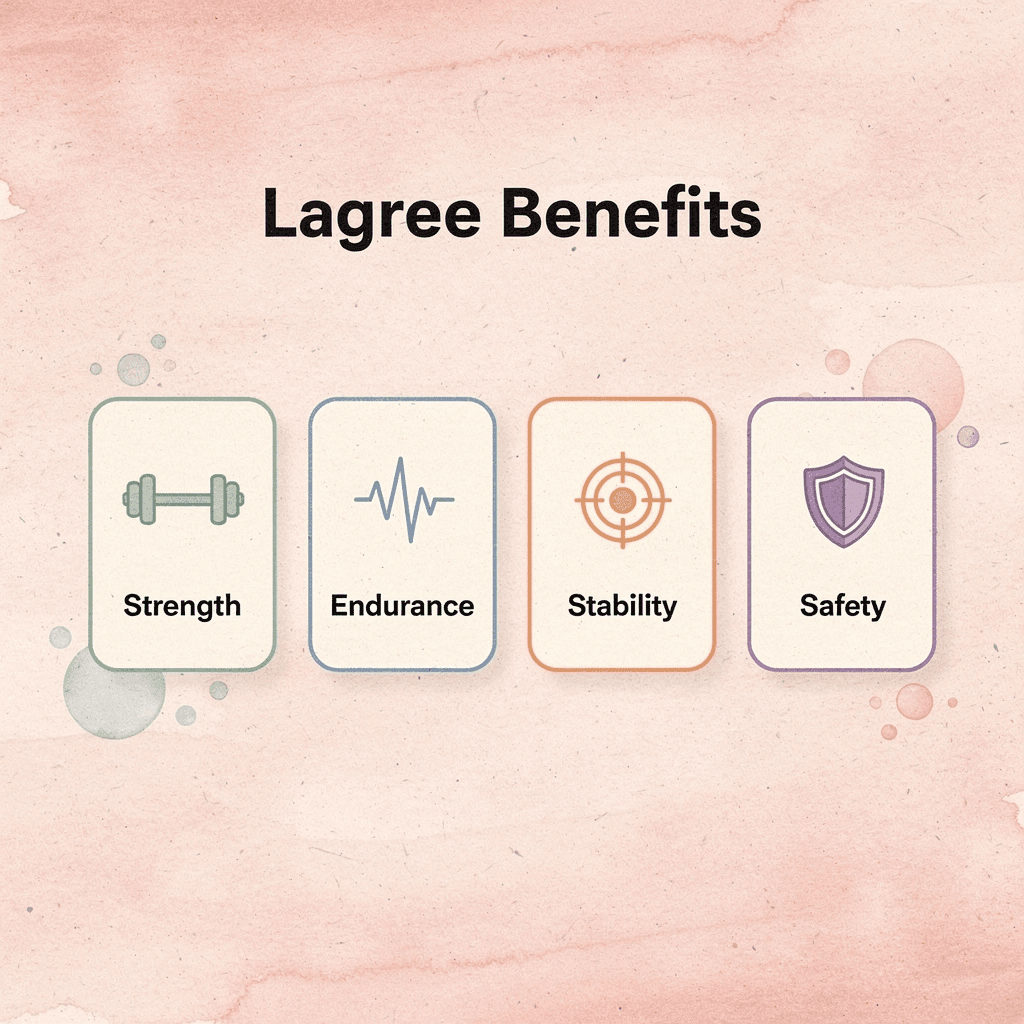
BST Lagree helps you train with the core principle that postpartum HIIT should build your body up rather than break it down. Book a class and experience a women-focused workout designed to improve strength, endurance, and stability through controlled, low-impact training. Strategic resistance-based intervals support postpartum fitness without excessive impact or exhausting workouts.
🎯 Key Point: BST Lagree’s approach prioritizes building strength while respecting your body’s postpartum recovery needs.

BST Lagree offers intensity and safety in 45 to 50-minute sessions that challenge your cardiovascular system and rebuild muscular strength simultaneously. London’s only all-Lagree certified studio, led by Europe’s most experienced trainer, provides expertise to guide you through movements that respect your body’s recovery timeline while delivering results.
“Strategic resistance-based intervals support postpartum fitness without excessive impact or exhausting workouts that leave you depleted.” — BST Lagree Method
💡 Tip: Choose a studio with certified expertise—proper guidance is essential for safe postpartum training progression.
Your first class won’t feel like traditional HIIT. You’ll work at an intensity that elevates your heart rate without jumping, running, or explosive movements that stress healing tissues. The Megaformer creates resistance that builds strength through controlled tempo and sustained tension, delivering cardiovascular challenge and muscle activation without joint impact.