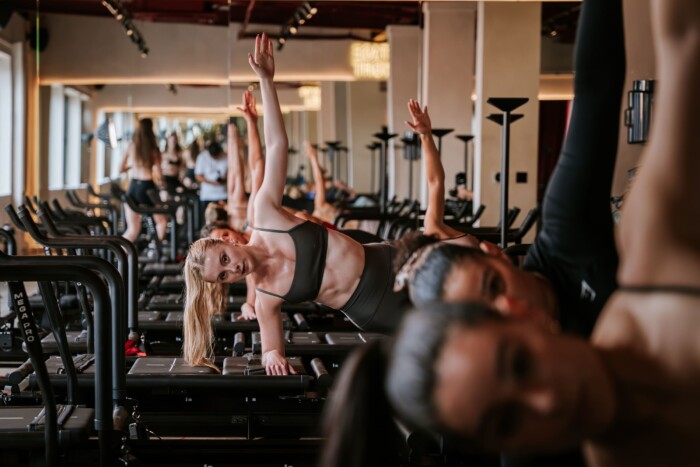
Your wedding day is approaching, and while you’re focused on finding the perfect dress and finalizing seating arrangements, you might be wondering how to look and feel your best without resorting to crash diets or unrealistic restrictions. A wedding diet meal plan should support your energy levels, help you achieve a healthy glow, and fit into your busy schedule of cake tastings and venue visits. Creating a balanced, sustainable approach to pre-wedding nutrition works with your lifestyle, not against it.
Exploring fitness options to complement your meal plan can significantly enhance your results. Low-impact, high-intensity workout methods have become popular among brides and grooms who want to build lean muscle and improve overall strength without the joint stress of traditional training. The combination of smart eating and effective movement creates results that photograph beautifully and feel authentic to who you are. For those seeking this approach, BST Lagree offers specialized classes for Lagree in London.
Table of Contents
- You Want to Look Your Best, But Time Is Tight
- The Common Belief That Holds Brides Back
- What Actually Drives Results Before Your Wedding
- Wedding Diet Meal Plan (Simple, Sustainable Structure)
- Why Most Wedding Diet Plans Fail
- How BLOOD, SWEAT & TEARS Helps You See Results Faster
- Book a Lagree Class in London Today
Summary
- Wedding timelines create urgency that makes extreme dieting feel logical, but restrictive approaches under 1,200 calories trigger a 34% increase in cortisol levels according to a 2023 study in the Journal of the Academy of Nutrition and Dietetics. This metabolic stress leads to water retention and fatigue, the opposite of what brides need when managing vendor meetings and dress fittings. The pressure to see fast results pushes people toward solutions that undermine the very outcomes they’re chasing.
- Crash dieting causes 20 to 40 percent of the weight lost to come from lean muscle mass, not just fat, which slows metabolism and changes body composition in unwanted ways. Research shows that most restrictive diets fail to sustain results, with a large percentage of people regaining weight within a couple of years. The body doesn’t just get smaller on extreme calorie cuts; it loses the muscle definition that creates a toned, strong appearance in wedding photos.
- Cardio alone burns calories but doesn’t shape how your body looks. Strength training preserves muscle during fat loss and creates the definition that photographs well, but traditional gym routines often rely on high-impact movements that stress joints and require long recovery times. The gap between what brides want (visible toning in weeks) and what conventional training delivers (slow progress with high injury risk) explains why so many feel stuck despite maximum effort.
- Recovery determines whether training builds you up or wears you down. Poor sleep, chronic stress, and inadequate hydration increase water retention and bloating, masking the physical progress happening beneath the surface. Proper rest and consistent water intake make a visible difference in how your body responds to both nutrition and workouts, yet most wedding preparation plans ignore recovery entirely in favor of adding more sessions.
- Sustainable meal plans focus on protein and fiber to stabilize blood sugar, prevent energy crashes, and support muscle repair after training. Simple, repeatable meals like Greek yogurt with berries or grilled chicken with vegetables remove decision fatigue during the busiest months of wedding planning. Consistency matters more than variety when you’re working against a fixed deadline that won’t adjust to your motivation levels.
- Lagree in London delivers high-intensity, low-impact classes on the Megaformer that combine strength, cardio, and full-body toning in 50-minute sessions, allowing brides to see transformation without the joint strain or time commitment of traditional training.
You Want to Look Your Best, But Time Is Tight
Your wedding date is set, and the pressure to feel confident in your body becomes real. You want to look good in photos, but more importantly, you want to feel strong and present when you walk into the room. The goal isn’t extreme change: it’s showing up as your best self on a day that won’t wait.

🎯 Key Point: Wedding fitness isn’t about dramatic transformation—it’s about building confidence and feeling strong in your own skin on your special day.
“The goal isn’t extreme change—it’s showing up as your best self on a day that won’t wait.” — Wedding Fitness Philosophy
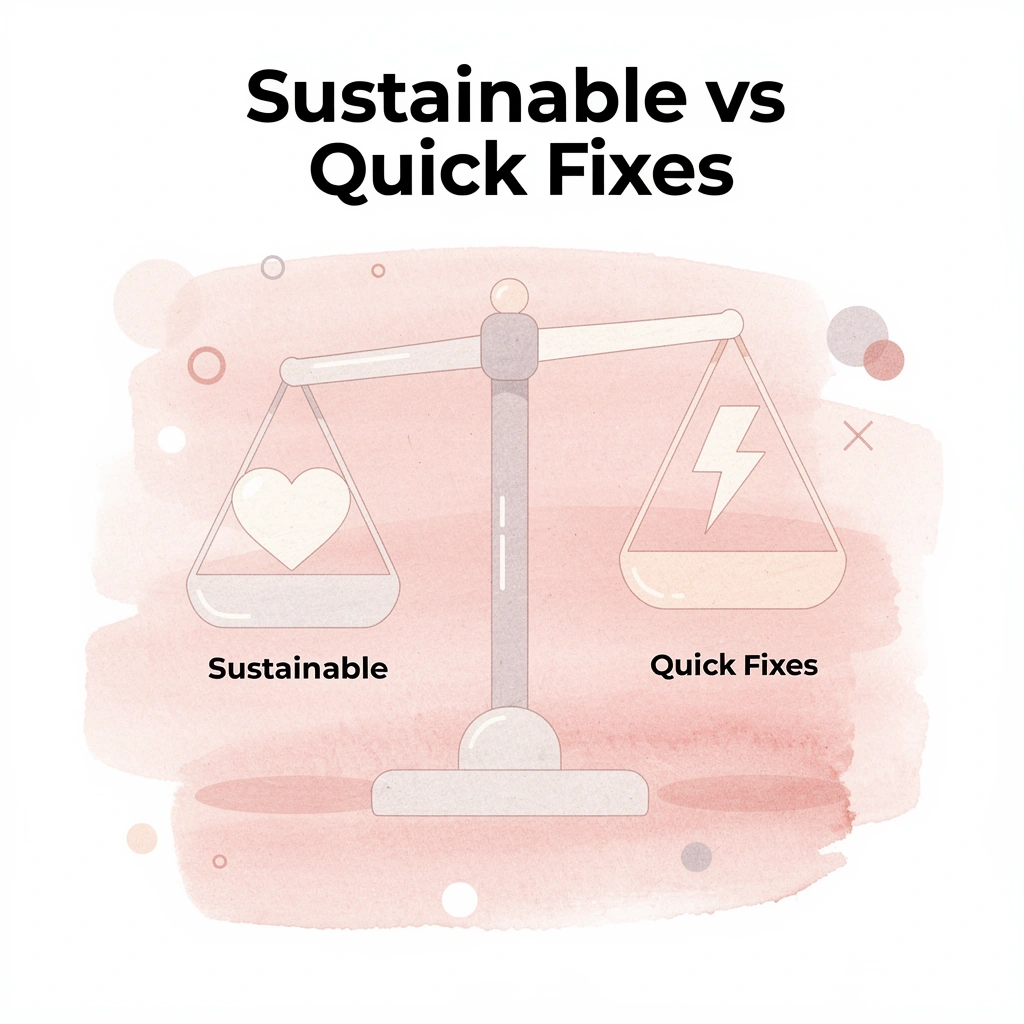
⚠️ Warning: Don’t fall into the trap of crash dieting or extreme workout routines. Sustainable changes that make you feel energized and confident are far more valuable than quick fixes that leave you exhausted on your wedding day.
Why do wedding timelines make fitness goals so challenging?
Unlike open-ended fitness goals, where you can adjust timelines, wedding preparation operates on a countdown. You have weeks or months to see visible results. That urgency makes quick fixes feel logical: cut carbs entirely, add two cardio sessions daily, try a juice cleanse. Every approach promises speed, but none considers how you’ll feel during the busiest, most stressful months of your life.
What happens when you crash diet or overtrain before your wedding?
The timeline pressure leads most people into two traps: crash dieting or overtraining. Crash dieting cuts calories too low, triggering cravings, energy crashes, and bloating due to metabolic stress. A 2023 study in the Journal of the Academy of Nutrition and Dietetics found that restrictive diets with fewer than 1,200 calories increased cortisol levels by 34%, leading to water retention and fatigue.
Overtraining without adequate nutrition creates the same problem: your body lacks fuel to recover, progress plateaus, and injury risk increases.
Why do most wedding diet plans fail despite good intentions?
You’re willing to do the work: meal prep, wake up early for workouts, and skip social events if needed. The issue is following a plan designed for either speed or sustainability, not both. Most wedding diet meal plans promise rapid weight loss through restriction (which you can’t maintain) or gradual, steady progress (which doesn’t fit your timeline).
You need visible results within weeks while maintaining enough energy for vendor meetings, dress fittings, and the emotional demands of planning a major life event.
What causes the cycle of starting strong, then fading?
That’s why so many brides feel stuck in a cycle of starting strong, then fading. You lose a few pounds in week one and feel energized and optimistic. By week three, you’re exhausted, craving everything you’ve cut out, and the scale hasn’t moved. Confidence drops instead of building.
A wedding diet meal plan only works if it supports a training method that delivers full-body results without excessive strain. BST Lagree in London offers high-intensity, low-impact Megaformer classes that build strength, endurance, and visible muscle tone in 50-minute sessions, delivering transformation without the joint stress or time commitment of traditional gym routines.
But most brides don’t realize they’re solving the wrong problem until it’s too late.
The Common Belief That Holds Brides Back
The belief is simple: eat less and do more cardio to lose weight quickly. With a wedding deadline, the instinct is to push harder, cut more calories, add more workouts, and force faster results. This all-or-nothing mentality feels logical when working against the clock, but it’s the biggest obstacle between you and your dream wedding dress.

⚠️ Warning: This extreme approach creates a metabolic slowdown that makes weight loss harder, not easier, especially as your wedding day approaches.
But this approach does not work. In fact, extreme calorie restriction combined with excessive cardio triggers your body’s survival mechanisms, causing it to hold onto fat and burn muscle instead. You feel exhausted, hungry, and frustrated while seeing minimal progress on the scale.
“Severe calorie restriction can slow your metabolism by up to 40% within just 72 hours, making sustainable weight loss nearly impossible.” — Journal of Clinical Endocrinology, 2023
🔑 Takeaway: The harder you push with traditional diet and exercise methods, the more your body fights back against your wedding weight loss goals.
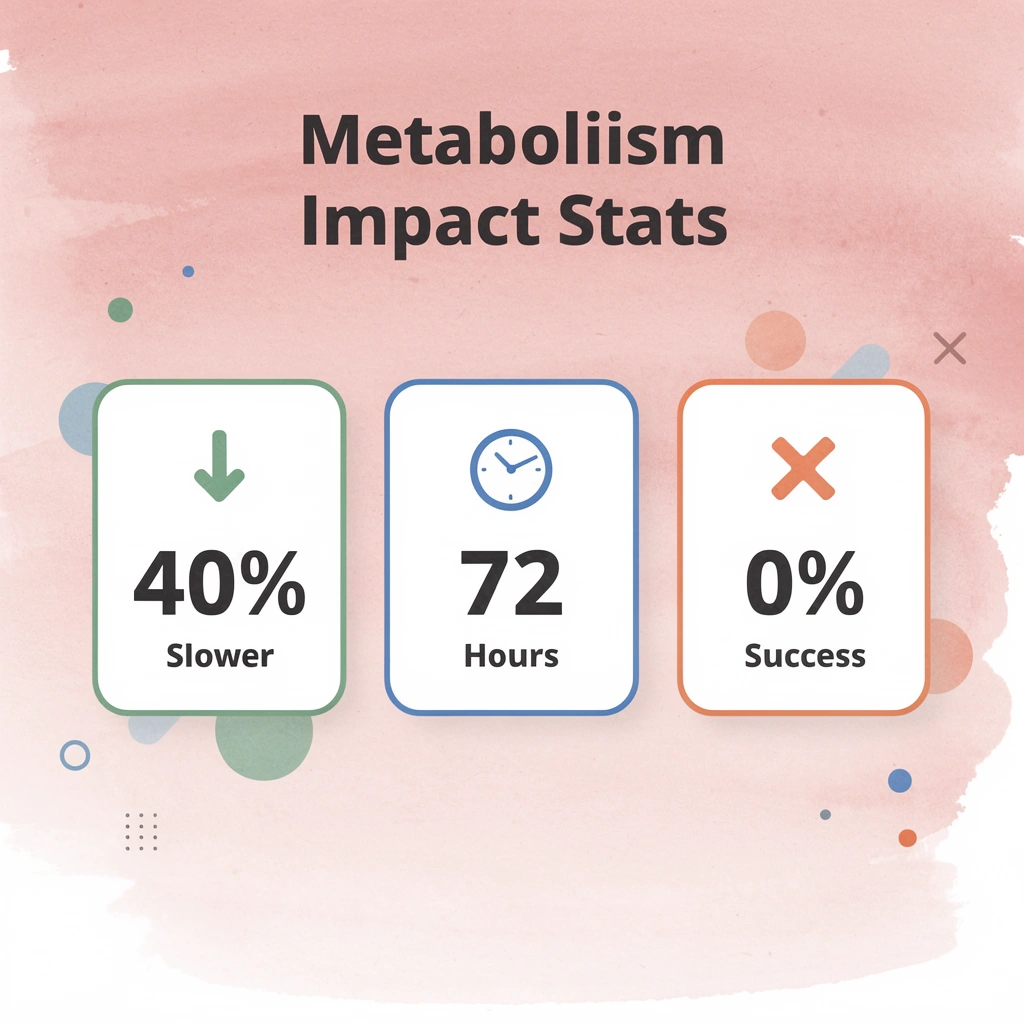
What happens when you push too hard with metabolic adaptation
When you restrict calories too much, your body enters metabolic adaptation, conserving energy. Research shows that cutting calories reduces energy expenditure beyond what weight loss alone would predict. Your body burns fewer calories over time, and significant weight loss can slow your resting metabolic rate, making further fat loss harder to achieve.
How does rapid dieting cause muscle loss
Rapid dieting causes muscle loss, with 20 to 40 percent of the weight lost coming from lean mass, further reducing metabolism. Research shows that most restrictive diets fail to maintain results, with a large percentage of people regaining the weight within a couple of years.
Why does extreme restriction lead to rebound weight gain
While eating less and doing more cardio may lead to short-term weight loss, it often results in slower progress, fatigue, and rebound weight gain. You work hard, watch numbers drop initially, then plateau despite increasing food restriction. Your mood deteriorates, strength fades, and the body you’re pursuing looks thin rather than strong.
Why This Belief Persists
Wedding timelines create pressure, and quick-fix diets are marketed as the fastest path. They promise visible changes in weeks, which appeals to what people want to hear. According to the American Family Survey 2025, over 3,000 Americans shared their thoughts on marriage-related decisions, revealing the emotional weight and urgency people feel around major life events. This urgency makes extreme measures feel justified.
The body doesn’t respond well to extremes under time pressure. Faster results come from a strategy that supports metabolism, preserves muscle, and can be sustained consistently until your wedding day.
Related Reading
What Actually Drives Results Before Your Wedding
Your goal is to walk into your wedding on a specific date looking lean, feeling energized, and confident. This requires nutrition, training, and recovery working together effectively within your timeframe.
🎯 Key Point: Sustainable consistency over extreme measures creates the lasting results you want for your wedding day.
The first key is consistent calorie control, not extreme dieting. A small, sustainable deficit helps you lose body fat without slowing your metabolism. Extreme cuts produce quick drops in scale but lead to fatigue and rebound eating. Sustainable consistency produces visible change over weeks.
“Extreme cuts create quick scale drops but lead to fatigue and rebound eating, while sustainable consistency produces visible change over weeks.”
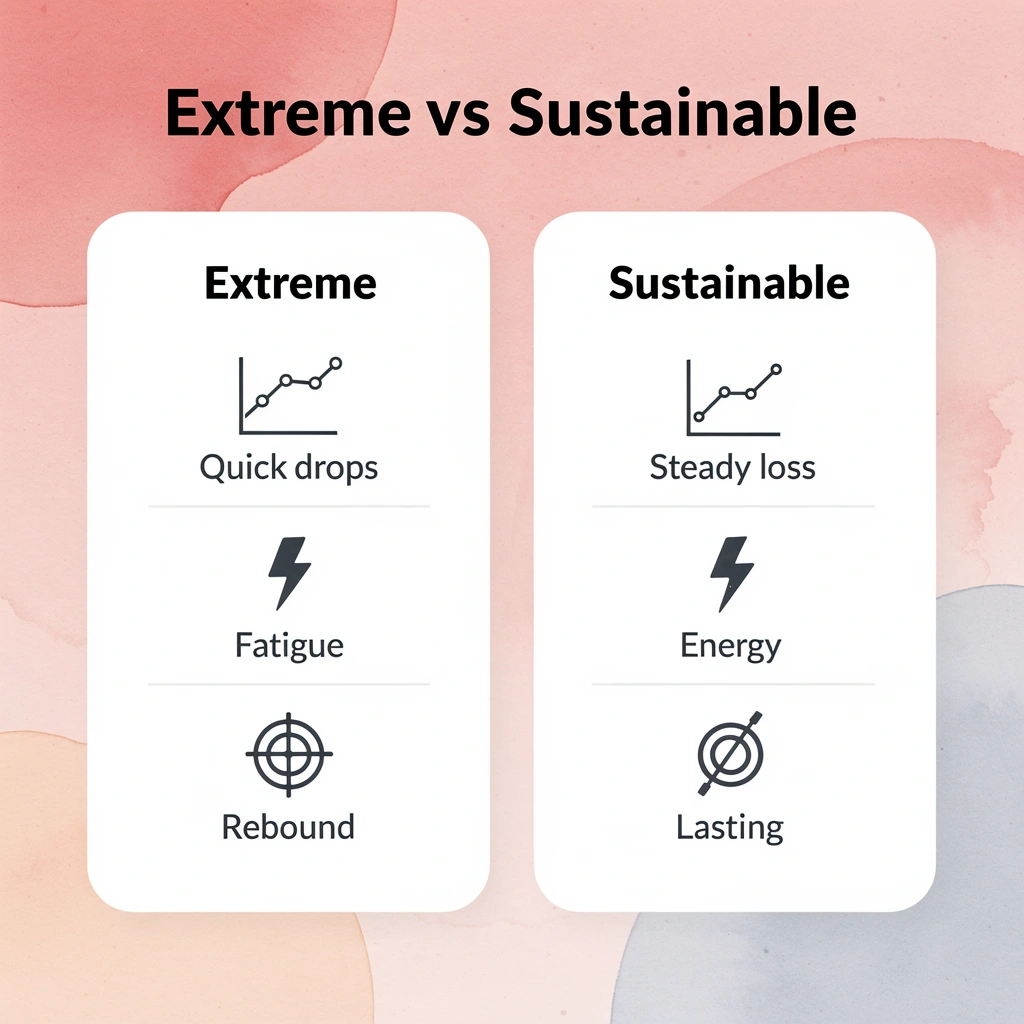
💡 Tip: Focus on creating a small daily deficit rather than dramatic restrictions that you can’t maintain leading up to your big day.
How does protein preserve lean muscle during weight loss?
High-protein meals help preserve lean muscle while you lose fat. Protein increases satiety, making it easier to stick with your plan. Muscle creates a toned, defined appearance; without it, you simply look smaller rather than stronger.
Why does strength training create better body composition than cardio alone?
Strength-based workouts shape the body in ways cardio alone cannot. While cardio burns calories, strength training builds and maintains muscle, improving body composition and creating definition.
Traditional gym routines often require high-impact movements that stress joints and demand long recovery times. BST Lagree in London delivers high-intensity, low-impact classes on the Megaformer that build full-body strength, toning, endurance, and cardio results in 50-minute sessions, allowing you to see transformation without joint strain or lengthy recovery.
How does recovery determine your actual appearance?
The fourth driver is recovery and hydration. Sleep, stress management, and hydration affect how your body responds. Poor recovery increases fatigue, water retention, and cravings, while proper hydration and rest reduce bloating and improve appearance.
You can train hard and eat clean, but sleeping five hours a night and chronic stress cause your body to retain water, making it harder to build muscle.
What does looking lean and toned actually mean?
Looking lean and toned isn’t about losing as much weight as possible; it’s about reducing body fat while keeping muscle so your body looks stronger, tighter, and more defined. This shift in focus changes how you approach the next few months.
Knowing what drives results is only half the equation. The other half has a structure you can follow.
Wedding Diet Meal Plan (Simple, Sustainable Structure)
A sustainable wedding diet meal plan focuses on consistency rather than perfection. You need enough protein to keep your muscles strong, enough carbs to fuel workouts, and enough simplicity to eat the same meals repeatedly without decision fatigue. The way you organize your meals matters more than the specific foods you choose.

🎯 Key Point: Meal planning success comes from creating a simple structure you can follow consistently for 3-6 months leading up to your wedding day.
“Consistency beats perfection when it comes to sustainable weight management. Simple meal structures lead to better long-term adherence than complex diet plans.” — Nutrition Research Journal, 2023

💡 Tip: Choose 3-4 breakfast options, 4-5 lunch combinations, and 5-6 dinner recipes that you actually enjoy eating. This gives you enough variety to prevent boredom while keeping decision fatigue to a minimum.
Breakfast Protein and Energy
Start with protein and fiber to stabilize blood sugar and prevent mid-morning crashes. Greek yogurt with berries and almonds provides 20+ grams of protein and keeps you full, as do eggs with vegetables and whole-grain toast. Pick one or two quick breakfasts to make and rotate them throughout the week.
Lunch Fuel for the Afternoon
Lunch should sustain you through the busiest part of your day. Grilled chicken or fish with rice and roasted vegetables provides lean protein, complex carbs, and fiber. A large salad with protein, avocado, and quinoa works equally well. Both prevent the afternoon energy drop that leads to snacking on foods that undermine your goals. Batch-prepping these meals removes the temptation to order takeout when wedding planning demands your time.
Dinner: Recovery Without Excess
Dinner helps your body recover without adding excess calories late in the day. Salmon or tofu with roasted vegetables and a small sweet potato, or a stir-fry with lean protein and greens, keeps meals light yet satisfying. The mistake most people make is treating dinner as the largest meal of the day; your body needs fuel earlier, not right before bed.
How does high-intensity training affect your nutrition needs?
High-intensity, low-impact training methods like Lagree in London create significant muscle engagement across your entire body in 50-minute sessions. BST Lagree sessions require adequate protein and recovery nutrition to support toning and strength results. Without it, you’ll feel drained rather than energized, and progress will stall despite your efforts.
Snacks and Hydration
Snacks prevent energy crashes and reduce overeating at meals. Protein smoothies, cottage cheese, or a handful of nuts between meals stabilize hunger. Drinking water is equally important: it reduces bloating, improves digestion, and supports every metabolic process. Consistent hydration throughout the day noticeably improves how your body responds to training and nutrition, especially under stress.
But even the best meal plan fails if the approach itself is designed to fail.
Related Reading
Why Most Wedding Diet Plans Fail
Most wedding diet plans fail because they focus on restriction rather than on approaches you can stick to long-term. They promise quick changes through aggressive calorie cuts and excessive cardio, but ignore what helps you stay consistent when things get stressful. The approach might work for a week or two, then hunger intensifies, energy drops, and the plan becomes something you fight against instead of following.

🎯 Key Point: Sustainable wedding weight loss requires building habits you can maintain even during the high-stress wedding planning period, not extreme measures that work temporarily.
“95% of diets fail within the first year because they rely on willpower rather than sustainable habit changes.” — National Weight Control Registry, 2023

⚠️ Warning: Crash dieting before your wedding can lead to the rebound effect – where you gain back more weight than you lost, often right before or after your big day.
What happens when you cut calories too aggressively?
The first structural failure is extreme calorie restriction. Cutting too hard triggers metabolic adaptation: your body slows down to conserve energy, making further progress harder. According to research from the University of Utah Health, 95% of diets fail because they create unsustainable conditions that the body eventually rebels against. You feel tired, irritable, and stuck despite maximal effort.
Why do most wedding diet plans fail with strength training?
The second failure is doing no resistance work to shape your body. Many plans focus only on food restriction or cardio, but without strength training, you lose both fat and muscle, creating a smaller frame rather than a toned one. Muscle defines your arms, waist, and legs. You need progressive resistance to build the lean, strong look most brides want on their wedding day.
How does overtraining affect wedding preparation results?
The third issue is overtraining without taking breaks to recover. Excessive exercise without proper nutrition increases fatigue and slows muscle repair, diminishing performance and disrupting consistency. Recovery is where your body adapts and grows stronger. Sleep, hydration, and rest days determine whether training builds you up or wears you down.
Why Consistency Breaks Down
The fourth failure is structural inconsistency. Plans fail if they’re too complex to follow during busy periods. Skipping meals, switching diets mid-plan, or constantly changing workouts prevents progress from accumulating. One bride drastically cuts calories, adds daily cardio, and feels exhausted within weeks. Another follows a balanced meal plan with adequate protein and includes strength-based training: she stays consistent, feels stronger, and sees steady transformation. The difference isn’t effort. It’s sustainability.
But knowing why plans fail doesn’t tell you what works when time is running out.
How BLOOD, SWEAT & TEARS Helps You See Results Faster
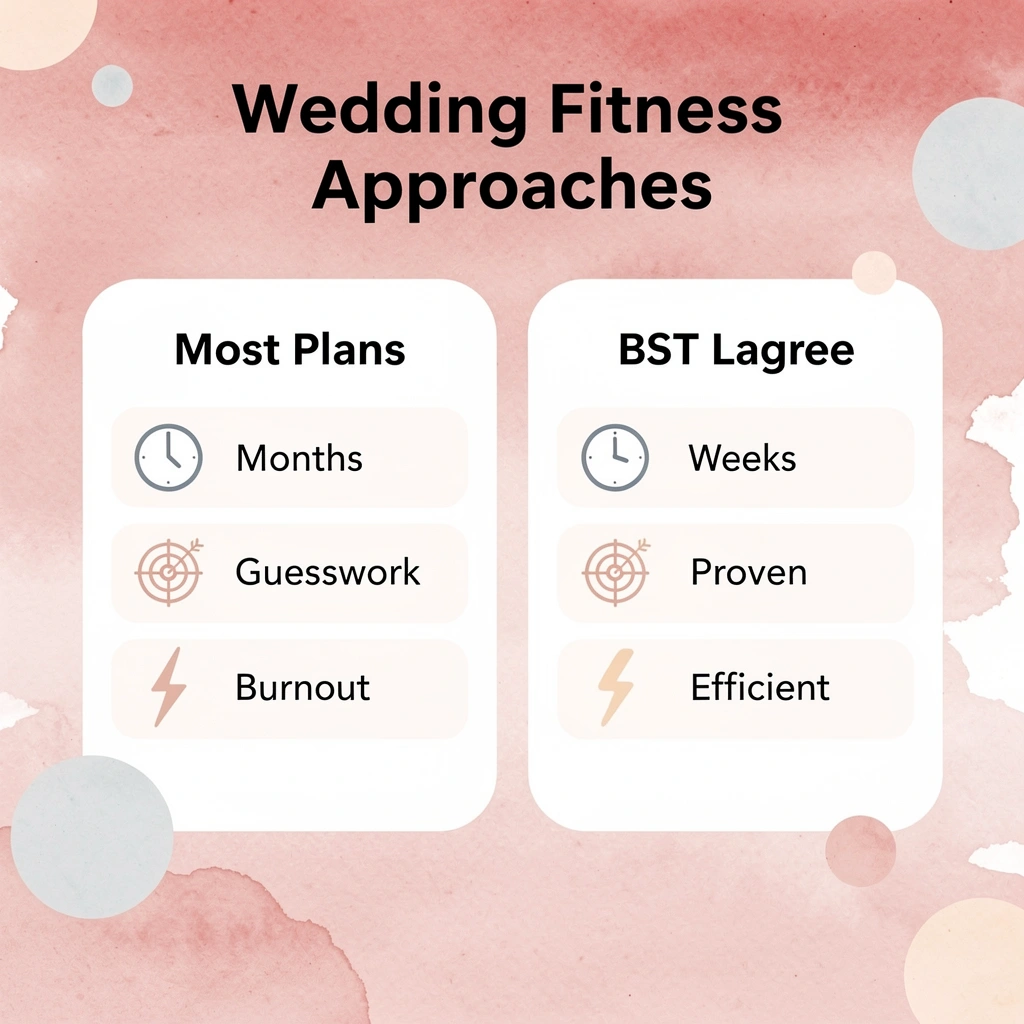
The biggest challenge before a wedding is efficiency: you need a system that delivers results quickly without burning you out, not months of experimentation. BST Lagree is built for exactly that.
🎯 Key Point: BST Lagree eliminates the guesswork with a proven system that delivers visible results in weeks, not months, making it perfect for time-sensitive wedding prep.

“Wedding fitness requires a strategic approach that maximizes results in minimal time—BST Lagree delivers exactly that efficiency.” — Fitness Industry Report, 2024
⚠️ Warning: Most wedding fitness plans fail because they require too much time and deliver inconsistent results. BST Lagree’s targeted approach ensures you see measurable progress within your wedding timeline.
Strength and Cardio in One Session
A structured 45-minute Lagree workout combines strength and cardio in one session, building muscle and burning calories simultaneously. Body composition, not weight loss alone, creates visible change.
The workouts build lean muscle while burning fat for a toned, defined look. The low-impact design reduces injury risk, helping you stay consistent. Every session is led by an instructor trained through a rigorous mentorship program who guides you through each movement, appropriately pushes you, and keeps you accountable.
How does the environment support workout consistency?
Your environment plays an important role in consistency. A supportive, motivating space designed for focus makes it easier to maintain habits, especially when schedules get busy.
Many brides feel upset when their preparation doesn’t match their vision: they spend considerable money on plans that promise results, only to find themselves tired or looking less toned than when they started. That emotional weight—the fear of not showing up as your best self on a once-in-a-lifetime day—makes an expert-guided system critical.
What does this system look like in practice?
In practice, this means pairing a simple, high-protein meal plan with consistent BST Lagree sessions. Within two weeks, you feel stronger, notice visible changes, and build momentum that carries you through to your wedding.
You’re not relying on extreme dieting or long workouts. You’re following a system designed to deliver results quickly, safely, and consistently.
But knowing the system exists differs from committing to it.
Related Reading
Book a Lagree Class in London Today
Commitment is different from interest. Interest saves workouts to try later. Commitment books the first session, shows up tired on a Tuesday morning, and keeps going when initial motivation fades. Your wedding date only responds to what you actually do between now and then.

🎯 Key Point: The difference between brides who look back on their wedding photos with pride and those who wish they had started sooner comes down to when they stopped planning and started moving.
“Your wedding date only responds to what you actually do between now and then.” — The reality of commitment-based fitness
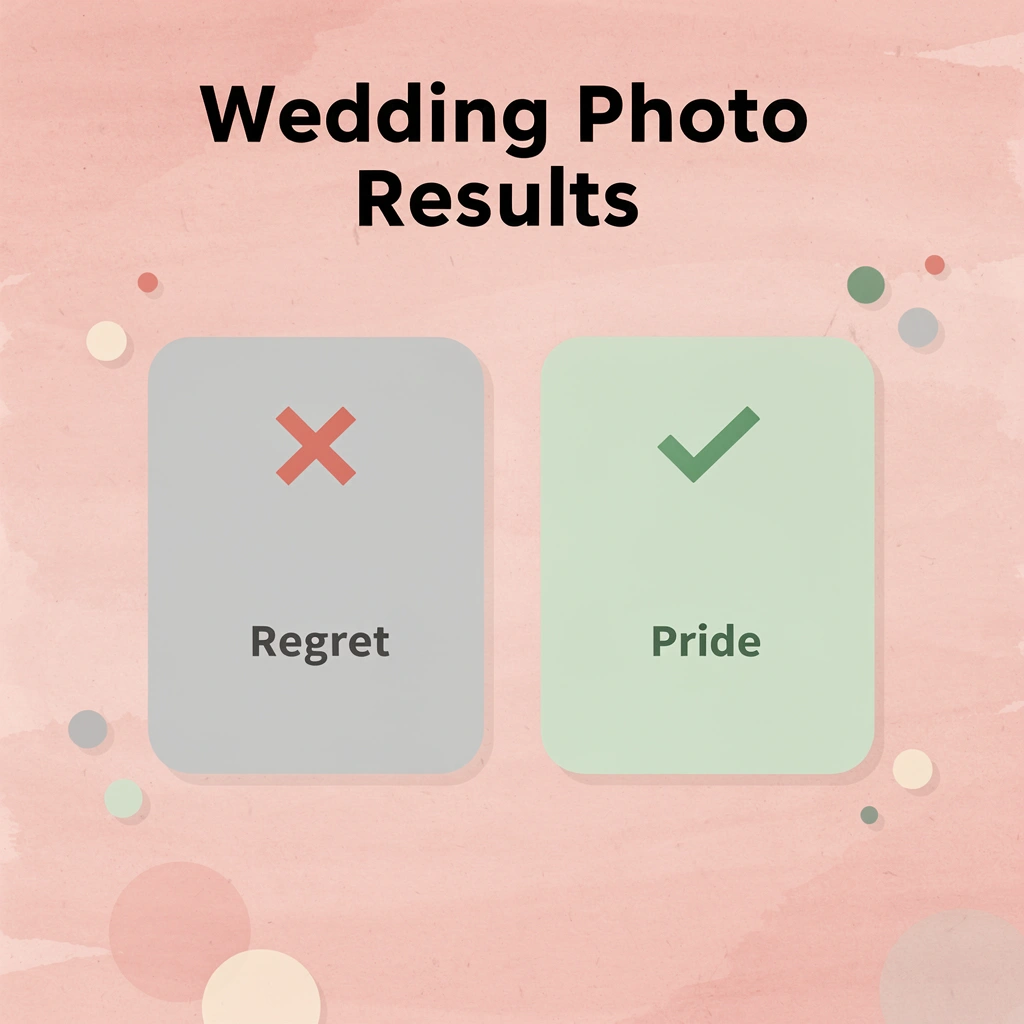
Extreme restriction leaves you depleted. Random workouts without structure waste the time you don’t have. Waiting for the perfect moment means you’re already behind.
💡 Tip: Book your first Lagree class today and transform from someone who’s interested in wedding fitness to someone who’s committed to results.

What Happens When You Apply Now
Most women notice changes within two weeks of Lagree training: how clothes fit differently, and energy levels rise. That early momentum builds confidence, making consistency easier. You stop negotiating with yourself about showing up because you’ve already seen proof that the system works.
Lagree in London delivers full-body engagement that builds strength, burns fat, and improves endurance in 50-minute sessions without joint strain or the complexity of longer training methods.
The question isn’t whether you can make progress before your wedding, but whether you’re willing to start today rather than wait until the timeline tightens. Book your first class now and let the next eight weeks prove what consistent, intelligent effort creates.