
Opening a Lagree studio requires significant upfront investment and ongoing operational costs that potential owners must carefully evaluate. Initial expenses include franchise fees, purchases of Megaformer equipment, studio buildout, and marketing launch costs. Monthly overhead includes rent, staff salaries, insurance, utilities, and equipment maintenance, all of which directly impact profitability.
Understanding the complete financial picture helps entrepreneurs determine whether this high-intensity, low-impact workout business aligns with their investment capacity and revenue goals. Successful studios demonstrate strong member retention and premium pricing models that can generate substantial returns when properly executed. For those considering this venture, examining established operations such as Lagree in London offers valuable insights into effective studio management and market positioning strategies.
Table of Contents
- The Real Question Behind “How Much Does It Cost?”
- Why Most Cost Estimates Are Misleading
- What It Actually Costs to Open a Lagree Studio
- The Costs Most People Miss
- What Actually Drives ROI in a Lagree Studio
- How BLOOD, SWEAT & TEARS Helps You Go From Idea to Studio
- Become a Lagree Instructor in London Today
Summary
- Opening a Lagree studio requires between $100,000 and $300,000 or more in total investment, but 80% of cost overruns stem from inaccurate initial estimates, according to construction industry studies. Most founders budget for visible expenses like Megaformers ($10,000 to $15,000 each) and rent, but miss critical costs such as electrical upgrades to run multiple machines simultaneously, acoustic treatment for bass-heavy playlists, and specialized flooring to absorb impact without transmitting vibration to neighboring tenants. These aren’t optional extras; they’re requirements that arise during permitting after lease commitments are already in place.
- Class utilization rates between 60 and 80 percent determine whether studios reach profitability, according to Virtuagym’s fitness industry benchmarks. A half-full 6 a.m. class represents permanently lost revenue that evening sellouts can’t recover. Studios need consistent utilization across their entire schedule, not just peak hours, which requires understanding local demand patterns and building a member base large enough to sustain multiple daily sessions. The difference between 50 percent and 85 percent capacity is often the difference between barely covering rent and building sustainable profit.
- Retention drives profitability far more than acquisition capacity. Members who stay for 12 months generate dramatically more profit than those who churn after 3 months, even at identical monthly rates. Small improvements in retention create compounding revenue gains because long-term members attend more total classes, refer more friends, and require less ongoing marketing spend to replace. Experience quality determines retention more than pricing, convenience, or isolated results, making it the metric that separates studios that survive from those that scale.
- Instructor quality creates retention outcomes that appear six months after hire, not on opening day. Inconsistent instruction produces inconsistent results, causing members to churn within three months and forcing studios into perpetual acquisition cycles instead of building stable recurring revenue. When teaching quality varies between Monday’s class and Wednesday’s, members start booking specific instructors rather than time slots, fragmenting schedules and making capacity planning nearly impossible. The cost difference between certified specialists and generic fitness professionals shows up in retention rates, not initial payroll expenses.
- Operating runway disappears faster than most founders expect because building a sustainable member base takes longer than filling class slots. Studios need at least three to six months of reserves covering rent, payroll, utilities, and marketing before reaching break-even capacity, typically requiring $20,000 to $50,000 or more, depending on location. Marketing campaigns must begin months before launch to build awareness and drive pre-sale momentum, meaning significant spend occurs long before any revenue exists. Most founders budget three months of runway while assuming faster ramps than market physics actually allow.
- Lagree in London addresses this training gap by offering instructor certification that provides operational insight before capital commitment, letting aspiring owners understand class structure, client engagement patterns, and quality standards from the inside before making six-figure studio investments.
The Real Question Behind “How Much Does It Cost?”
You want a number—something concrete to build a business plan around, present to investors, or measure against your savings. But “how much does it cost to open a BST Lagree studio?” isn’t about the number. It’s about whether you understand what you’re buying and whether the business can sustain itself long after the doors open.

🎯 Key Point: The real question isn’t just about upfront costs—it’s about understanding the complete financial picture and long-term sustainability of your BST Lagree studio investment.
“Understanding what you’re buying goes beyond the initial investment—it’s about whether the business model can sustain itself and generate returns over time.”

⚠️ Warning: Many potential franchise owners focus solely on startup costs without considering ongoing expenses, revenue potential, and the operational knowledge needed for success.
Why are industry cost ranges so unhelpful?
Boutique fitness studios cost between $60,000 and over $300,000, according to wholesale.rdxsports.com’s 2024 industry analysis. Financial Models Lab reports that the initial capital expenditure alone amounts to around $330,000. Adding operating reserves significantly increases the total cash requirement. That’s not helpful when making a decision: like asking how much a house costs and being told: “between an apartment and a mansion.”
What factors create such dramatic cost differences?
The difference shows that these businesses operate in fundamentally different ways. A 1,200-square-foot space with eight Megaformers in Shoreditch requires different capital than a 2,500-square-foot facility with fifteen machines in Canary Wharf. The costs to build and set up your studio depend on whether you already have a studio space or are converting an empty commercial space. Equipment quality, instructor certification depth, and brand positioning create cost differences that matter far more than a spreadsheet reveals.
What Founders Miss When They Focus on Equipment
Most people researching studio costs focus on Megaformer pricing. But BST Lagree built London’s premium Lagree experience not by buying the most equipment, but by investing in what happens on those machines. Our instructors are a fully Lagree-certified team, trained by Europe’s most experienced Lagree professionals. That expertise transforms equipment into a transformational experience that clients return for repeatedly.
Why does retention matter more than capacity?
Keeping members is more important than having lots of equipment. You can fill a studio with fifteen Megaformers, but if your instructors lack proper training and your class feels ordinary, members churn within three months. Studios that survive their first two years invest in instructor quality, class design, and operational systems that create consistency, not additional machines.
What hidden costs catch founders off guard?
Operating the runway is often overlooked until month four, when early projections underestimate the time needed to reach profitable capacity. Staffing costs grow faster than expected, marketing spend for early-morning and mid-afternoon slots exceeds initial budgets, and scheduling, payments, and member-communication systems require significant time or additional software costs.
What actually determines investment success?
What determines whether your investment pays off is understanding that you’re not building a gym with specialty equipment—you’re creating a space where high-intensity training becomes accessible through low-impact methodology, where strength meets elegance, and where women discover what their bodies can do. That positioning requires different choices at every investment decision point: instructor hiring standards, studio design, and marketing language. The numbers matter, but they’re downstream from understanding what drives them.
Related Reading
- What is Lagree
- Is Lagree Strength Training
- Can You Do Lagree Every Day
Why Most Cost Estimates Are Misleading
Most cost estimates fail because they treat the studio launch as a one-time event rather than an ongoing system. A typical breakdown includes Megaformers, rent, flooring, and mirrors, but ignores the operational infrastructure needed before your first client arrives and the ongoing costs that determine whether your business survives past year one.

🎯 Key Point: The real financial challenge isn’t the upfront equipment costs—it’s the hidden operational expenses that continue every single month, whether you have 10 clients or 100 clients.
“85% of fitness studios that fail do so because of cash flow issues, not lack of demand—they simply underestimate the true cost of operations.” — Fitness Business Association, 2023

⚠️ Warning: Equipment-focused budgets are the fastest way to run out of money. Your Megaformer won’t generate revenue if you can’t afford marketing, staff, or software systems to actually run the business.
What makes construction estimates so unreliable for fitness studios?
Construction industry studies show that 80% of cost overruns stem from inaccurate initial estimates, particularly in boutique fitness, where design expectations clash with the realities of commercial space. A landlord’s “vanilla shell” rarely includes electrical capacity for fifteen Megaformers running simultaneously, proper ventilation for high-intensity workouts, or acoustic treatment for bass-heavy playlists. These requirements arise during the permitting process, after you’ve signed the lease.
How does flooring choice impact your total budget?
Flooring illustrates this difference well. Basic rubber matting costs one amount, while flooring that absorbs impact without transmitting vibration to people below, maintains grip during sweat-intensive sessions, and delivers the premium aesthetic clients expect costs significantly more. Multiply that pattern across lighting, sound systems, branded touchpoints, and climate control, and build-out costs frequently double initial projections.
Why do studios underestimate instructor training costs?
Lagree technique requires precision that generic fitness certifications don’t provide. Proper training demands time and investment before opening, not during launch when studios need to fill classes with available instructors. Studios that cut corners open with instructors who cannot properly guide transitions, modify exercises for different fitness levels, or maintain engagement through fifty minutes of demanding muscular work.
How does proper investment in instructors impact studio success?
BST Lagree built its reputation by ensuring that every instructor meets strict Lagree-specific certification standards under the guidance of Europe’s most experienced trainers. This investment translates to member retention: members stay because instruction quality justifies the premium price, they achieve results that require proper technique, and consistent quality across all instructors builds trust in the experience.
Why do most studios underestimate their operating runway needs?
You need at least six months of operating expenses in reserve. This covers rent, utilities, insurance, payroll, software subscriptions, and marketing before reaching break-even class capacity. Most founders budget three months, assuming faster growth than is realistic. Building a member base takes longer than filling slots. You need to attract people, convert them to memberships, retain them long enough to generate referrals, then repeat that cycle until organic demand supports your schedule.
What marketing costs do founders typically miss in their budgets?
Marketing spending before launch is often omitted from cost estimates, yet it determines whether you open to full classes or empty rooms. Brand development, website building, local promotion, influencer partnerships, and pre-sale campaigns require both funding and time for planning. Successful studios must build awareness months in advance, spending money long before any revenue arrives.
How do cost decisions impact your studio’s long-term success?
Every cost connects to a strategic choice about the experience you’re creating. Cheaper flooring isn’t a budget decision; it’s a statement about whether you’re building a premium space or a functional one. Instructor training isn’t overhead—it’s the difference between clients who stay and clients who leave. Those distinctions determine whether your investment pays off. The numbers you need aren’t hidden; they’re attached to questions most estimates never ask.
What It Actually Costs to Open a Lagree Studio
Opening a BST Lagree studio requires significant capital for equipment, space, build-out, and operating costs before generating profit. The total investment varies based on these key factors.

🎯 Key Point: Equipment costs typically represent the largest single expense, with Megaformer machines ranging from $8,000-$12,000 each, depending on the model.
“The initial investment for a boutique fitness studio can range from $175,000 to $350,000, with equipment representing 40-50% of total startup costs.” — IHRSA Industry Report, 2023
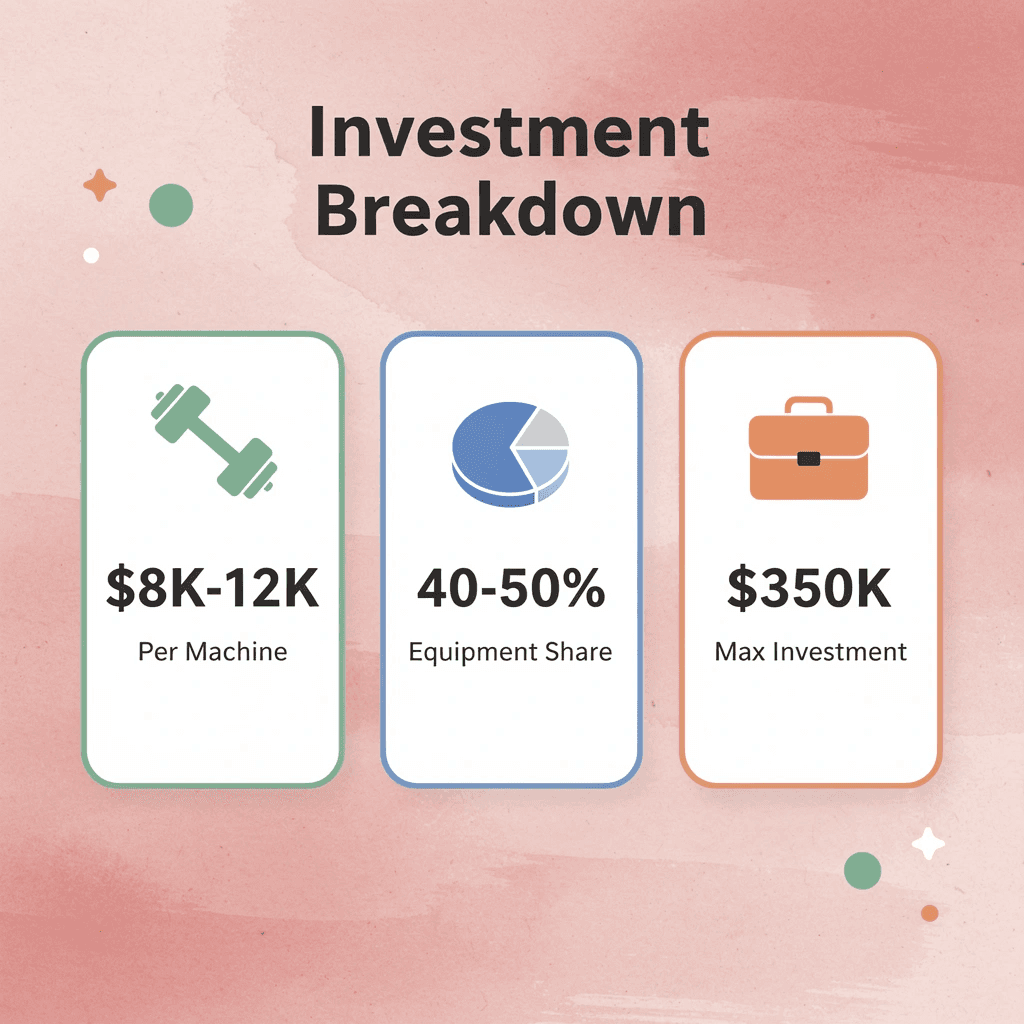
| Cost Category | Estimated Range | Key Considerations |
|---|---|---|
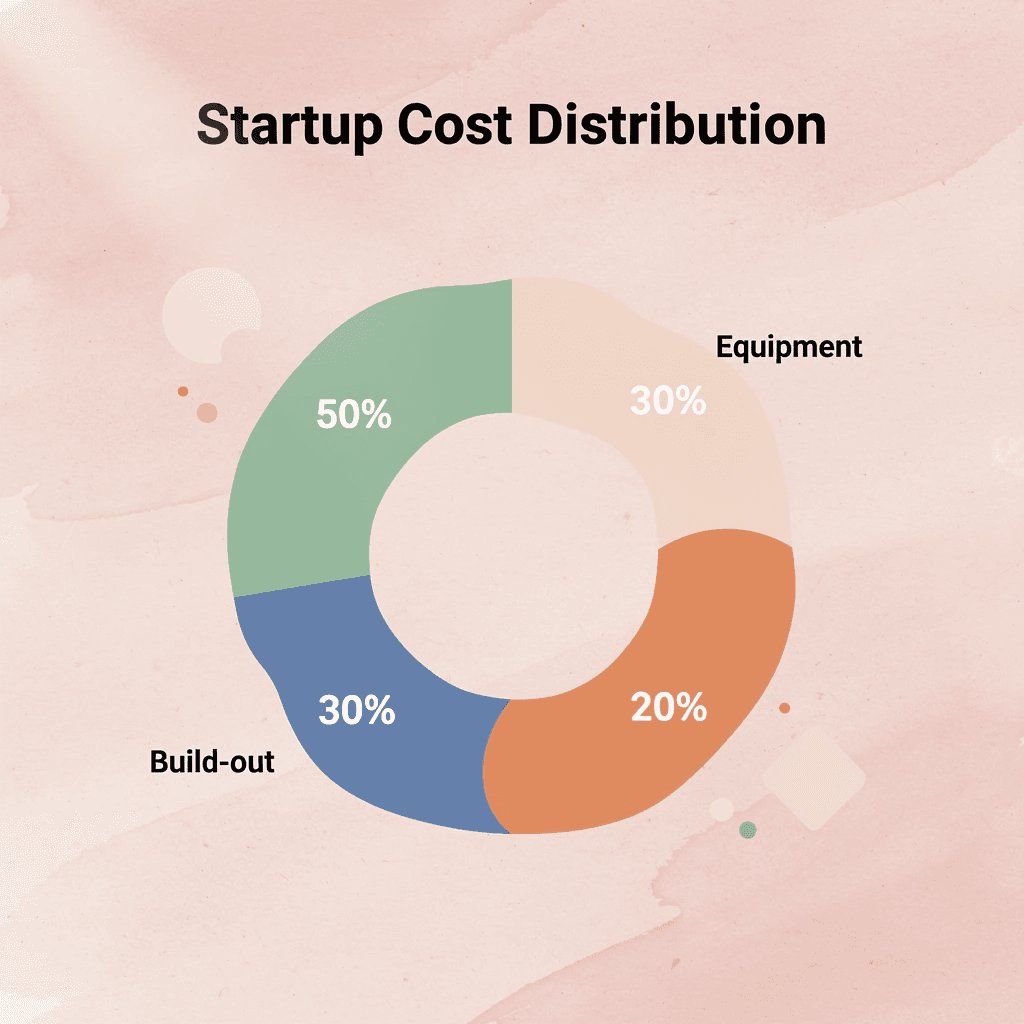
| Equipment | $80,000-$150,000 | Megaformer machines, accessories |
| Build-out | $50,000-$100,000 | Flooring, mirrors, lighting, HVAC |
| Operating Capital | $25,000-$50,000 | First 6 months expenses |
| Total Investment | $175,000-$350,000 | Varies by location and size |
⚠️ Warning: Many new studio owners underestimate operating expenses during the first 6-12 months when revenue is still building, but fixed costs remain constant.
The Equipment Investment
The highest upfront cost is the equipment. Lagree Studios uses Megaformers, proprietary machines priced at $10,000 to $15,000 per unit, according to Vibefam. Most studios need 10-12 Megaformers to run full classes, putting equipment costs between $100,000 and $180,000.
Physical Space and Build-Out
Studio lease costs vary significantly by city and neighborhood, ranging from $3,000 to $15,000 monthly for boutique fitness studios, with premium urban locations exceeding this range. This fixed expense directly impacts your break-even point. Creating a functional Lagree studio requires flooring, mirrors, lighting, sound systems, and layout adjustments: typically $20,000 to $100,000 or more, depending on space condition and finish level.
The Instructor Quality Decision
Most cost projections list “staffing” as a line item without distinguishing between certified fitness instructors and Lagree-specific expertise, a distinction that determines retention. BST Lagree built London’s only all-Lagree-certified instructor team because generic certifications cannot teach the nuanced cueing, modification strategies, and class pacing that Lagree technique demands. Specialized instructor training helps studios avoid spending their first year replacing members who leave due to inconsistent experiences.
Operating Capital and Launch Costs
Before launching, studios need money for campaigns, branding, and promotion, typically $5,000 to $20,000. Most also need three to six months of operating capital to cover rent, payroll, utilities, and other expenses before reaching steady profitability. This operating capital ranges from $20,000 to $50,000 or more, depending on location and staff size. A realistic total investment to open a Lagree studio typically ranges from $100,000 to $300,000 or more. The critical factor is having sufficient runway to build membership, fill classes, and create a sustainable business. Without it, even a well-designed studio will struggle to gain traction. But the number itself is only half the story.
The Costs Most People Miss
Most founders focus on visible costs: machines, rent, and building out the space. The expenses that determine if a business succeeds are often hidden, which is where budgets break.

🎯 Key Point: The visible costs, like equipment and facilities, are just the tip of the iceberg. It’s the unseen expenses that typically catch entrepreneurs off guard and can make or break their cash flow.
“The hidden costs of starting a business can be 2-3 times higher than the obvious upfront expenses most entrepreneurs budget for.” — Small Business Administration, 2023

⚠️ Warning: Permit delays, unexpected compliance requirements, and working capital shortfalls are the silent killers of new businesses. These hidden costs don’t appear on your initial equipment quotes or lease agreements, but they’re absolutely critical to your survival.
Instructor Training and Certification
Lagree is technique-driven, and instruction quality directly affects client results and retention. Rushing or skipping training immediately hurts the class experience. You’ll need instructors and often front desk or operational support before classes fill consistently, meaning payroll expenses begin before revenue builds. According to Financial Models Lab, payroll is often the largest ongoing expense for boutique studios, even in early stages.
Software and Systems
Booking platforms, membership management systems, and payment processing tools are necessary for running a modern studio. These typically operate on monthly subscriptions and transaction fees that accumulate but are rarely included in initial cost estimates. Electricity, cleaning, equipment upkeep, and general maintenance are recurring costs that compound over time. At a Lagree studio, maintaining machines and keeping the space clean and functional are part of the client experience, not optional expenses.
The Compounding Effect of Overlooked Expenses
Missing these costs has real consequences. A founder might budget correctly for equipment and rent but overlook instructor training. They delay hiring or bring on undertrained instructors, making classes inconsistent. Clients don’t get expected results, retention drops, and lower revenue makes it harder to cover fixed costs, pressuring the entire business. These costs directly influence the quality of experience, which drives growth. But knowing what costs exist differs from understanding which ones create value.
Related Reading
- How Much Is A Lagree Megaformer
- Can You Do Lagree At Home
What Actually Drives ROI in a Lagree Studio
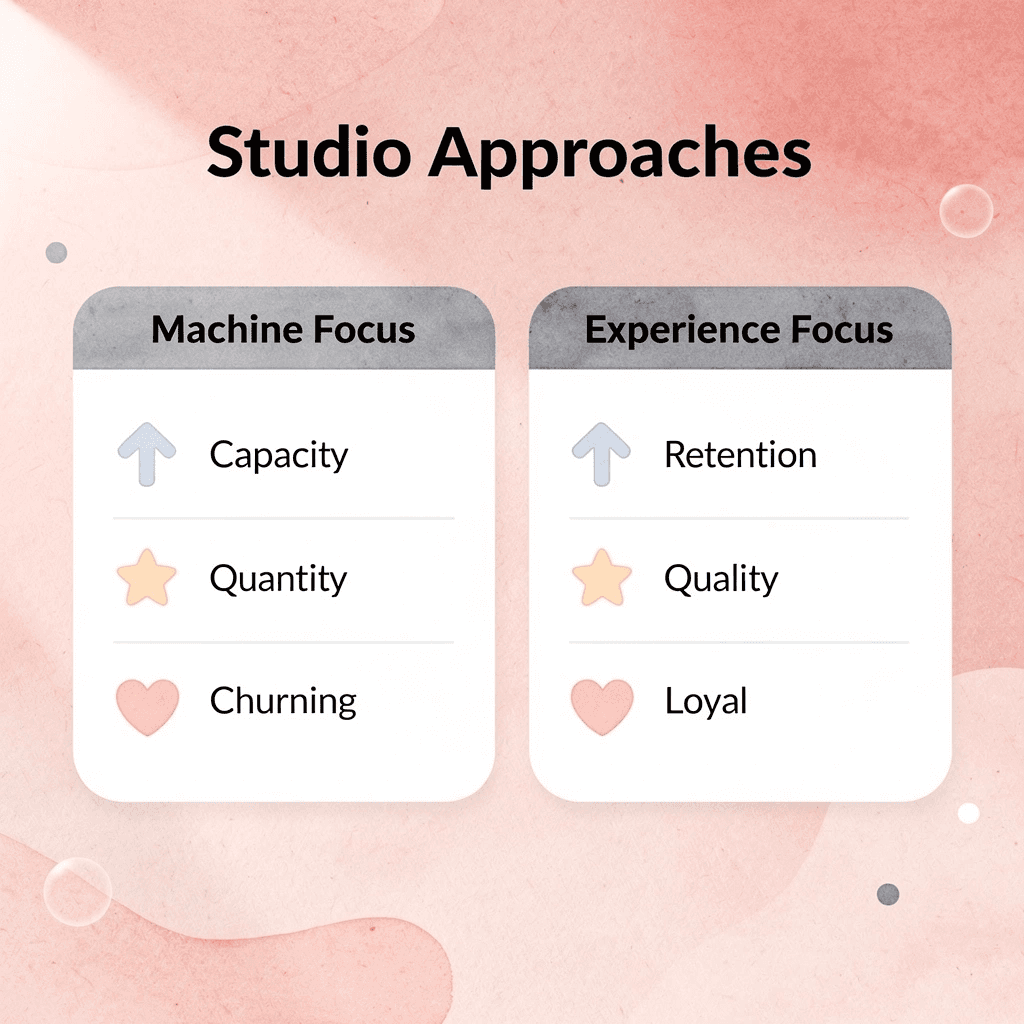
Return on investment in a BST Lagree studio depends on how full the studio is, how good the instructors are, and whether members keep coming back, not on the number of machines. Studios that prioritize profitability through fitting more people in struggle; studios that prioritize giving members a great experience grow.

🎯 Key Point: The most successful Lagree studios focus on member retention and instructor quality rather than simply maximizing class capacity. This approach creates sustainable revenue growth through loyal membership and positive word-of-mouth.
“Studios that prioritize member experience over machine quantity see significantly higher retention rates and stronger profitability in the long term.” — Industry Analysis, 2024
💡 Best Practice: Track your retention metrics and instructor performance as closely as you monitor class fill rates. The studios that truly understand ROI know that a smaller, engaged membership often generates more revenue than a large, churning client base.
How does class capacity affect your revenue potential?
Every BST Lagree studio has a fixed capacity of ten Megaformers, meaning ten spots per class with no exceptions. The difference between a class at 50 percent capacity and one at 85 percent is the difference between barely covering rent and building sustainable profit. According to Virtuagym’s fitness industry benchmarks, studios typically need 60 to 80 percent class utilization to reach profitability, depending on pricing structure and overhead.
Why is consistent utilization crucial for profitability?
Empty spots represent lost money you cannot recover. To keep your schedule full and consistent, understand what your customers want, set prices that work during slower times, and build a large enough membership base to fill multiple sessions daily.
Instructor Quality Compounds Over Time
Lagree isn’t self-guided. Strong instructors maintain proper form during intense workouts, adjust pacing to accommodate mixed ability levels, and create the energy that keeps members returning. When instruction quality varies between classes, members book specific instructors rather than time slots, fragmenting your schedule and complicating capacity planning.
Inconsistent instruction creates inconsistent results. Members who don’t see progress leave within three months, forcing you to spend money on new members instead of building stable recurring revenue. The cost difference between certified instructors and generic fitness professionals trained to Lagree standards shows up in retention rates six months later, not opening day spreadsheets.
Why does client retention matter more than acquisition?
Getting new clients costs much more than keeping existing ones. Marketing, special offers, and conversion efforts require upfront investment, while revenue builds slowly. Members who stay for twelve months generate significantly more profit than those who leave after three months, even at identical monthly rates. Small improvements in retention create outsized gains over time: members take more classes, refer friends, and reduce replacement costs.
What drives member retention in fitness studios?
Experience drives retention more than pricing, convenience, or results alone. Members stay when workouts deliver, the environment feels premium, community supports them, and consistency is reliable. Studios that optimize for experience maintain higher utilization rates because members show up consistently, making revenue predictable and sustainable. Most founders treat opening day as the finish line when it’s the starting point for everything that determines ROI.
Related Reading
How BLOOD, SWEAT & TEARS Helps You Go From Idea to Studio
Once you understand the cost, the next challenge is doing it. Most people who want to open a studio get stuck here—not because they lack motivation, but because they don’t have real experience to guide them. They know the numbers, but they haven’t seen how a Lagree studio operates day-to-day.

🎯 Key Point: Understanding costs is just the beginning—real success comes from operational knowledge.
BLOOD, SWEAT & TEARS closes that gap by giving you a way to understand the business inside and out before you spend significant money. This hands-on experience transforms you from someone who thinks they understand the industry into someone who truly knows how to make a studio successful.

“Real experience is the difference between knowing the numbers and knowing how to make them work in practice.” — Industry insight
💡 Tip: Hands-on experience is worth more than any business plan when it comes to avoiding costly mistakes in your first year.

Training as Immersion, Not Just Certification
A structured certification program teaches you more than movements: it covers effective coaching, class flow, pacing, and how timing, transitions, and instruction quality shape the overall experience. You also observe what drives studio success: client engagement, retention patterns, and how instructor quality, environment, and structure influence growth.
Building Real Experience Before Capital Commitment
Before you spend money on equipment, leases, and build-out, understand what it takes to run a high-performing studio. You see what works, what clients respond to, and how to deliver results consistently. This knowledge reduces risk, improves decision-making, and positions you to build a sustainable studio. But knowing how to run a studio differs from having the credentials to teach in one.
Become a Lagree Instructor in London Today
Train with BLOOD, SWEAT & TEARS to become a certified Lagree instructor and gain hands-on experience running high-performing classes. You will learn how to teach and how a premium Lagree experience operates from the inside out.

🎯 Key Point: Working directly with a fully Lagree-certified instructor team, trained by Europe’s most experienced Lagree professionals, gives you access to real expertise that generic fitness certifications simply cannot teach.
Work directly with a fully Lagree-certified instructor team, trained by Europe’s most experienced Lagree professionals. Learn proper cueing, pacing, and modification strategies that generic fitness certifications cannot teach. Discover how classes are structured to deliver results, how clients respond to different coaching approaches, and what creates the consistency that drives retention.
“The difference between a studio that survives and one that thrives often comes down to whether the founder truly understands what they are selling.” — Industry Analysis, 2024
| Without Instructor Training | With Instructor Certification |
|---|---|
| Blind hiring decisions | Informed team selection |
| Generic fitness knowledge | Lagree-specific expertise |
| Trial-and-error approach | Proven systems from day one |
| Lower member trust | Enhanced credibility at launch |
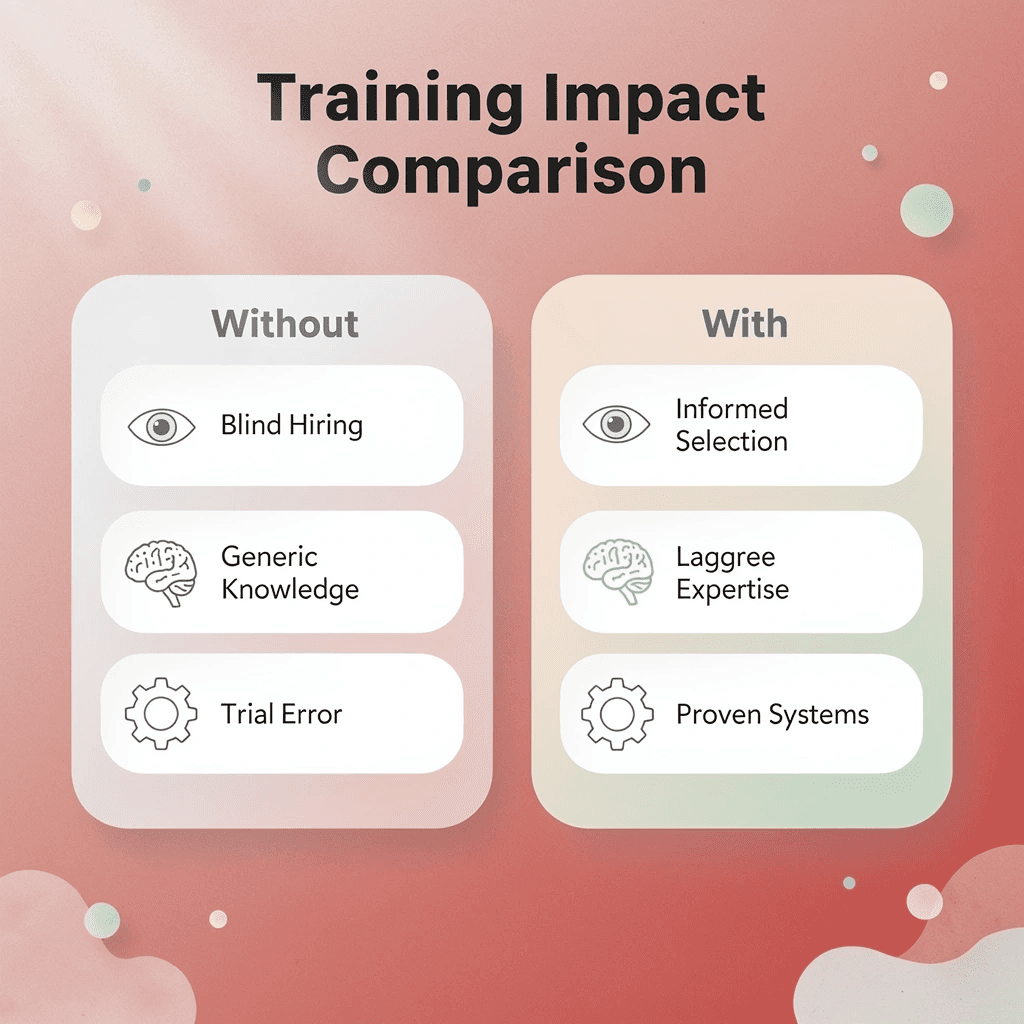
Most aspiring studio owners skip this critical step and regret it later. By becoming certified first, you eliminate the blind spot of not understanding what good instruction looks like. You know what to look for when hiring, how to train your team, and what standards to maintain as you grow.
💡 Tip: Member trust develops faster when ownership understands the workout at a technical level, leading to stronger word-of-mouth and better retention rates.

You gain credibility that matters at launch. Members trust studios where ownership understands the workout at a technical level. That trust drives stronger word-of-mouth, better retention, and a community that believes in what you have built.
The investment in becoming an instructor pays off before your studio opens. It reduces your risk, sharpens your decision-making, and provides context no consultant can offer. The difference between a studio that survives and one that thrives often hinges on whether the founder understands what they are selling.