You want a more substantial, leaner body, but you are torn between Lagree and traditional weight lifting. Reformer pilates body transformation demonstrates how tempo, continuous resistance, and core focus can alter the appearance and function of your muscles. At the same time, weight training provides clear paths to strength and muscle growth. Which approach fits your schedule, injury history, and goals for muscle tone, endurance, or hypertrophy? This article breaks down Lagree versus weight lifting so you can choose the right mix of resistance training, functional fitness, and metabolic conditioning.
To help with that decision, BLOOD, SWEAT & TEAR’s Lagree in London offers studio sessions that combine Megaformer-style resistance, core stability work, interval training, and joint-friendly movement to target strength, balance, flexibility, and calorie burn.
What is Lagree Training?
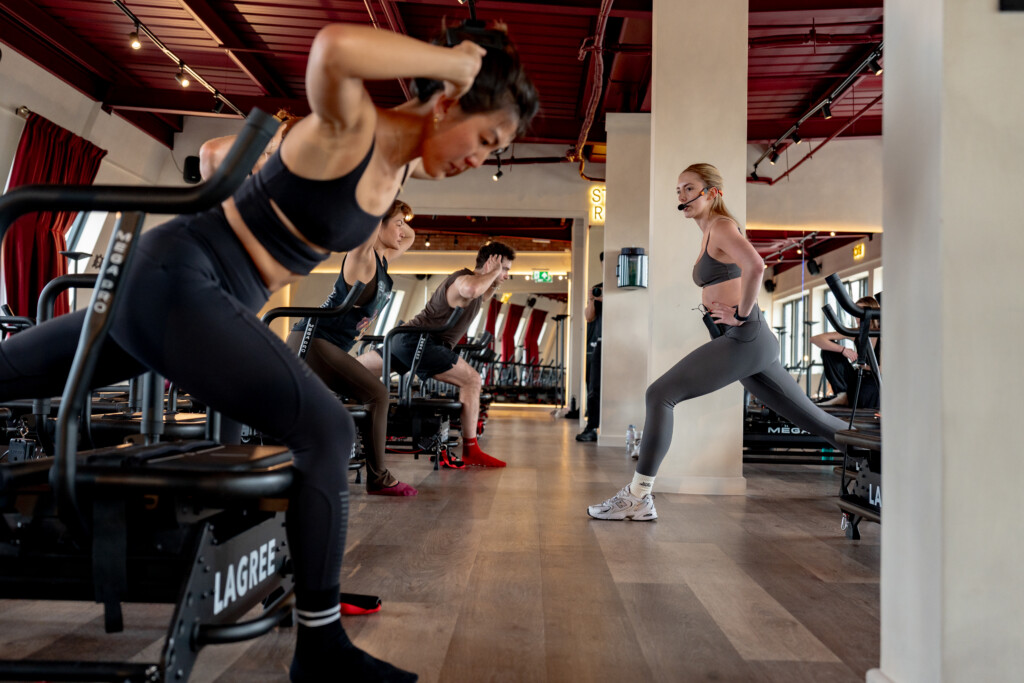
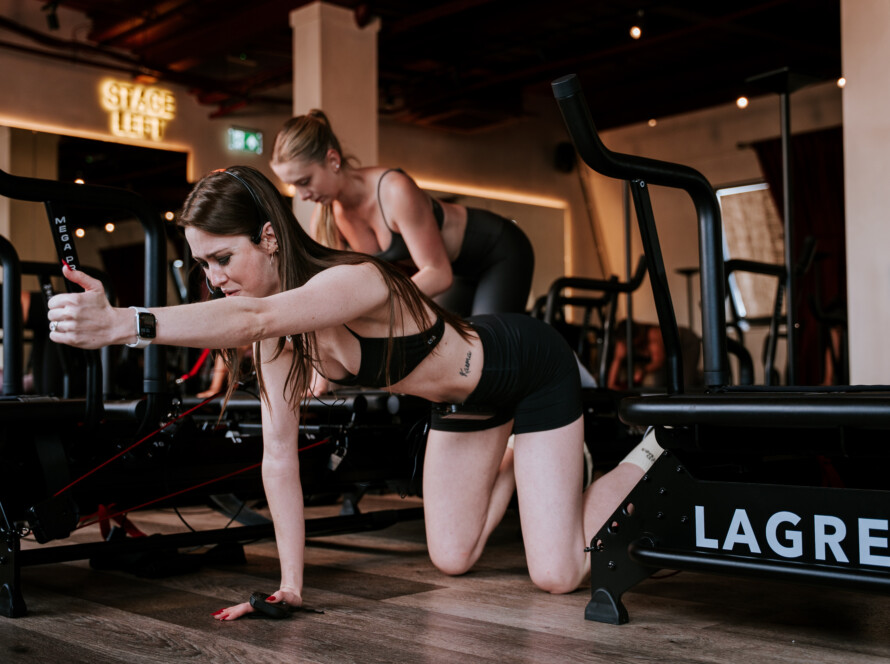
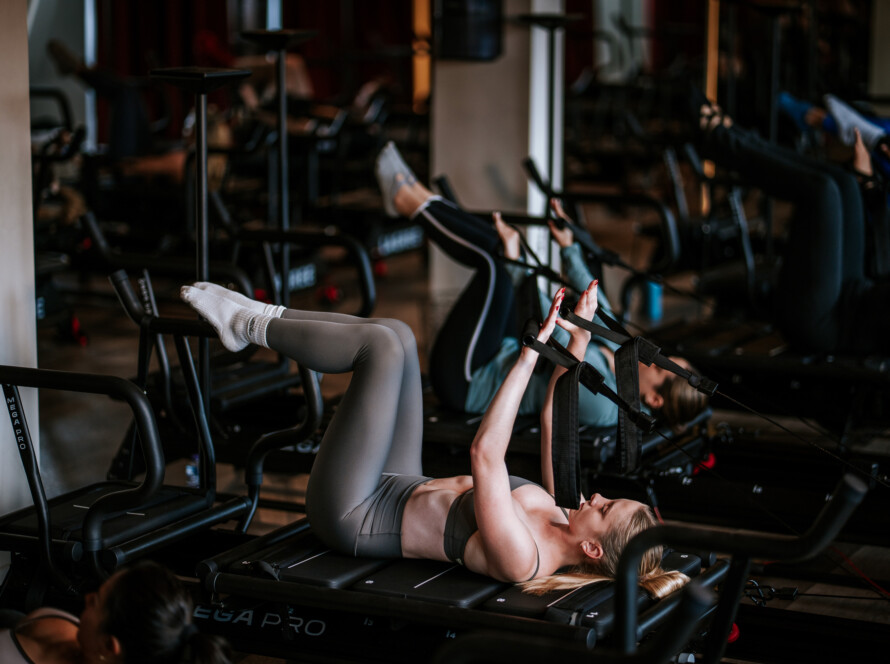
Lagree Training uses a machine called the Megaformer to deliver a full-body workout that blends muscular:
- Endurance
- Strength
- Cardio
Slow Tension and Full-Body Engagement
You perform slow, controlled movements against variable spring resistance while the carriage and platforms slide. The method emphasizes sustained tension over time and continuous muscle engagement rather than heavy external loading. Expect compound moves that require core stability, balance, and coordination as much as raw strength.
How a Typical Session Feels on Your Body
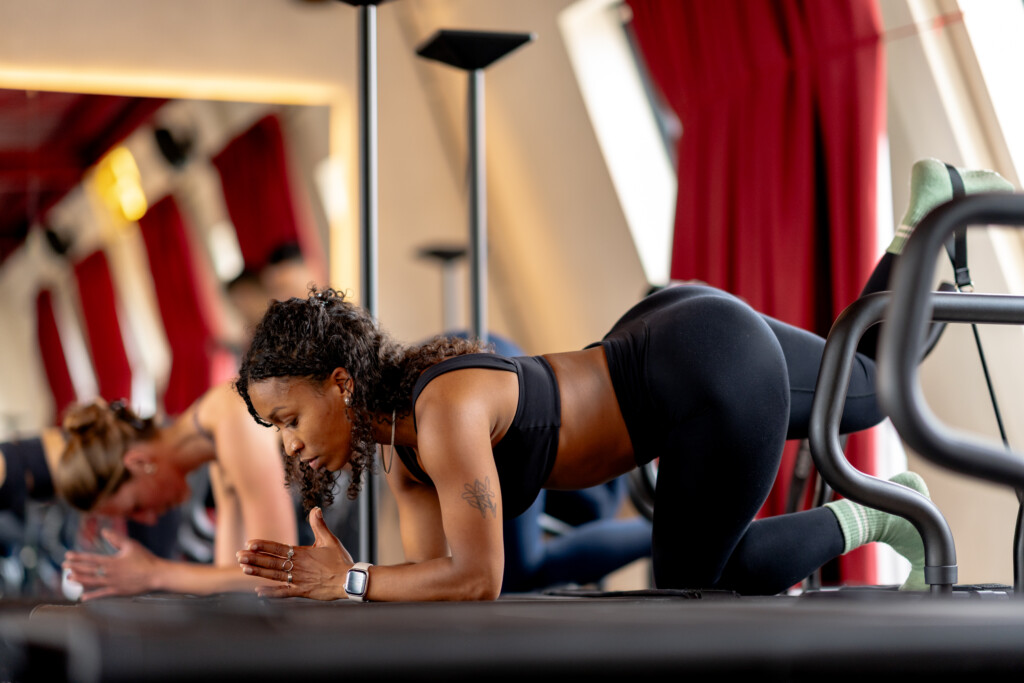
You will move slowly and deliberately, often at counts that keep tension on the muscles for 30 to 60 seconds or longer. Muscles will shake and fatigue quickly because the spring resistance creates a constant load through concentric and eccentric phases. Heart rate rises without impact on the joints or spine because there is no jumping or heavy axial loading.
Classes combine sequences of squats, lunges, planks, rows, and isolated leg or arm work, targeting multiple muscle groups in each block.
Primary Benefits of Lagree Training
- Low impact and joint-friendly while still high intensity for muscles and metabolism.
- This exercise builds muscular endurance and muscular strength through extended time under tension.
- This activity improves core control, postural strength, and balance because many exercises require stabilization on moving surfaces.
- Burns calories and increases metabolism through an afterburn effect due to sustained muscle fatigue and cardiovascular demand.
- Easy to modify for injury, pregnancy, or recovery phases because resistance and range of motion are controlled by springs and tempo.
How Lagree Compares with Traditional Weight Lifting
What does Lagree offer that weight lifting does not, and where does it fall short for strength goals?
- Load type: Lagree uses spring-based resistance with a long time under tension. Weight lifting uses gravity-loaded free weights and machines that allow high absolute loads.
- Strength and hypertrophy: Heavy barbell work produces greater gains in maximal strength and myofibrillar hypertrophy when you use progressive overload with heavy loads and low reps—Lagree favors muscular endurance and sarcoplasmic hypertrophy with medium to low external loads and long sets.
- Time under tension: Lagree maximizes time under tension per set, which stresses metabolic pathways and muscular endurance. Weight lifting can vary in time under tension, but typically targets max force production with higher loads.
- Joint stress and injury risk: Lagree reduces compressive and impact forces because the Megaformer supports movement and isolates torque through springs. Free weight lifting places higher compressive loads on joints when you lift heavy, although proper programming and technique reduce risk.
- Functional strength and movement patterns: Both approaches use compound movement patterns. Weight lifting often transfers better to maximal load tasks and sports that require heavy force. Lagree shines at control, balance, and neuromuscular coordination under continuous tension.
- Metabolic conditioning: Lagree blends strength and cardio in one session, producing an elevated heart rate and afterburn. Weight training can produce similar metabolic effects if programmed as complex circuits or high-density sessions, but conventional sets with long rest focus more on strength than conditioning.
When to Use Lagree and When to Prioritize Free Weights
Ask what your primary goal is. Do you want maximal strength and heavy lifting performance, or do you want lean muscle tone, endurance, joint-friendly conditioning, and core control? Choose weight lifting if you need absolute strength, power, or aggressive hypertrophy that requires progressive loading.
Choose Lagree when you want efficient, complete body conditioning, low-impact training, improved posture, and higher muscular endurance. Use both if you wish for well-rounded fitness.
How to Combine Lagree and Weight Lifting in a Program
- Alternate modalities across the week: heavy free weight sessions two to three times per week and Lagree sessions two times per week for conditioning and mobility.
- Use Lagree as active recovery or deload: lower load, higher control days on the Megaformer reduce joint stress while keeping volume.
- Periodize: focus on strength phases with barbell progressions for 4 to 8 weeks, then shift to Lagree-based conditioning blocks to increase work capacity and manage load.
- Complementary sequencing: perform heavy lifting earlier in the week when you are fresh and Lagree later to tax endurance systems without heavy eccentric damage.
Programming, Progression, and Measurable Outcomes
Lagree progression relies on adjusting spring tension, range of motion, tempo, and exercise complexity rather than simply adding weight. Track improvements by:
- Increasing reps
- Extending time under tension
- Reducing rest
- Using heavier springs
For weight lifting, use progressive overload with sets, reps, and load changes. Track performance metrics like one rep max, rep max at submax loads, stopwatch tempo for Lagree holds, balance test result,s and body composition measures.
Safety, Modifications, and Who Benefits Most
Lagree is suitable for a wide range of populations because instructors can scale resistance and tempo. Pregnant clients, people recovering from joint issues, and those with connective tissue concerns often tolerate it well. Athletes who need sport-specific maximal strength may still require barbell training.
Always communicate injuries and ask instructors for regressions or progressions to protect the spine and soft tissue.
What the Research and Observational Data Say
Research shows that resistance training and high-intensity resistance circuits increase calorie burn and improve muscle endurance and metabolic rate. A study at Sacred Heart University found that resistance training produced prolonged post-exercise calorie burn.
Clinical and Field Benefits
Clinical reviews available through PubMed Central report that low-impact resistance methods can build strength and preserve joint health while improving functional capacity. Field data from studios indicate substantial improvements in posture, core control, and muscular endurance among regular participants.
Practical Tips for Your First Lagree Class
- Wear form-fitting clothes so the instructor can correct alignment.
- Bring grip socks to use on the Megaformer platforms.
- Start with lighter spring settings and focus on tempo and breath.
- Ask the instructor for modifications if you have knee, hip, or shoulder limitations.
- Track session intensity by perceived exertion and how long you can hold controlled positions.
Questions to Help You Decide
- What are your goals for strength, size, and performance?
- How much joint loading can you tolerate?
- Do you prefer a single efficient session that combines endurance and strength or targeted heavy lifts to build maximal force?
Your answers will point you toward Lagree, weight lifting, or a hybrid plan.
Related Reading
What is Weight Lifting?
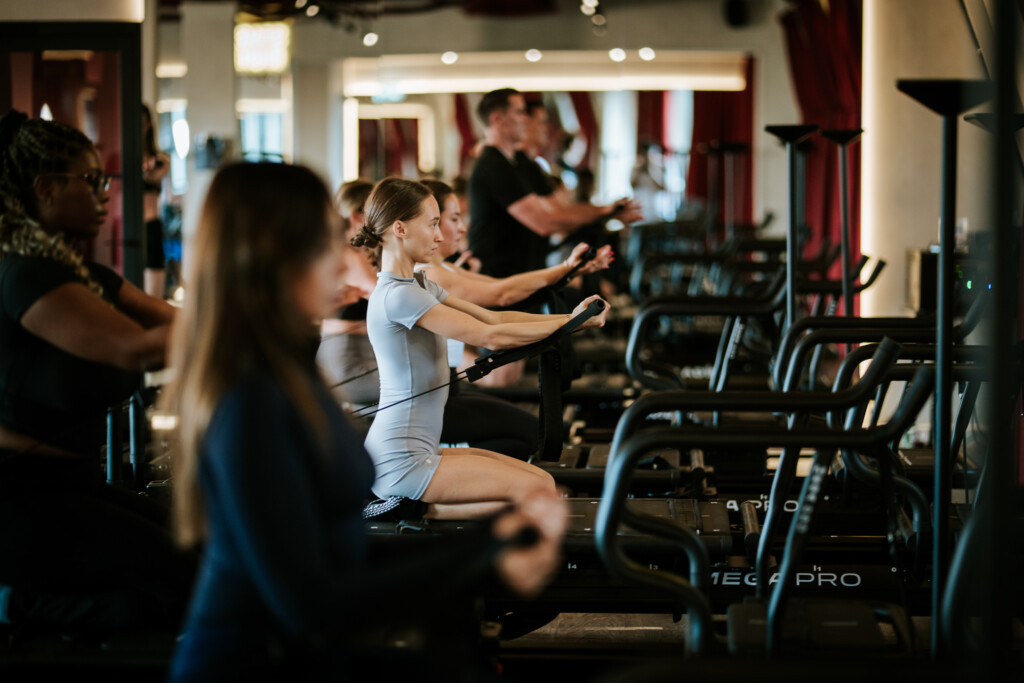
Weight lifting is a form of resistance training that forces muscles to produce force against an external load. That load can be free weights like dumbbells and barbells, machines, elastic tubing, or your own body weight. The goal can be to:
- Build strength
- Increase muscle size
- Improve endurance
- Change body composition
- Set program sets, reps, and rest to match each aim
Tools and Common Methods You Will See in the Gym
Free weights, machines, and body weight each change how your nervous system and muscles recruit effort. Free weights require more balance and stabilizer activation and are suitable for compound lifts such as:
- Squats
- Deadlifts
- Presses
Machines guide movement, reduce instability, and make isolation work easier. Elastic tubing and medicine balls provide portable resistance options, and everyday objects like filled milk jugs work well when equipment is unavailable.
How Progression and Programming Work
Progressive overload drives adaptation. You increase the challenge by:
- Adding weight
- Raising reps
- Adding sets
- Shortening rest
- Changing tempo
Training Goals and Load/Rep Schemes
Want strength? Use heavier loads for lower reps. Want hypertrophy? Target moderate loads with moderate reps and controlled eccentric work. Want endurance? Use lighter loads and higher reps or circuit formats for metabolic conditioning. Variable tempo, periodized plans, and consistent tracking let you push capacity while limiting plateaus.
Muscle and Bone Benefits From Lifting
Tension on muscle fibers stimulates growth and neuromuscular adaptation. Over time, consistent resistance training improves force production and motor control. Placing stress on bone through load-bearing signals can trigger bone remodeling and can slow age-related bone loss. Stronger muscles and denser bone lower the risk of common injuries and make daily tasks easier.
Everyday Function and Movement Quality
Strength training transfers directly into functional skills like carrying groceries, climbing stairs, and reducing fatigue during long days. Compound lifts teach the body to move force efficiently across multiple joints, so your posture and movement patterns improve as strength increases. Strong posterior chain and core control reduce low back strain during everyday lifting.
Body Composition and Metabolism Effects
Muscle mass increases resting metabolic demand, so maintaining or building muscle helps preserve caloric burn through the day. When you lose weight, weight training helps retain lean tissue. Combining resistance work with caloric control gives better body composition results than diet alone.
Balance, Posture, and Injury Risk Reduction
Targeting legs, glutes, and core stabilizers improves balance and reduces fall risk. Strengthening the back and shoulders reinforces posture and reduces chronic pain from prolonged sitting. Programmed progression and using appropriate loads protect joints, so you build durable movement rather than fragile strength.
Mental Health and Confidence Outcomes
Resistance training raises endorphins and provides measurable performance milestones that boost confidence. Many people report reduced anxiety and improved mood after regular sessions, and skill gains give clear feedback that helps sustain training.
How Weight Lifting Compares to Lagree Method Workouts
Both weight lifting and the Lagree Method use resistance to change muscle behavior, but they differ in tempo, loading style, and joint impact. Lagree uses the Megaformer to combine slow controlled micro repetitions, isometric holds, and continuous tension for high muscle fatigue and metabolic load.
Traditional weight lifting relies more on discrete sets with heavier external loads for progressive overload and maximal strength gains. If you want maximal hypertrophy from heavy compound lifts and progressive overload, free weights serve well.
The Lagree Method fits the bill if you want time-efficient full-body conditioning with low impact and sustained tension that targets:
- Endurance
- Core stability
- Metabolic conditioning
Strength, Cardio, and Safety in a Women-Focused Studio
Want to explore a studio option that blends strength and cardio in a safe, women-focused environment? BLOOD, SWEAT & TEARS provides a women-focused fitness space that helps clients achieve their goals faster than other workouts without the risk of injury; book a class to experience Lagree in London and see how a 45-minute session delivers both strength building and cardio.
All instructors are certified and complete a rigorous mentorship program, ensuring every class remains fun, motivating, effective, and safe. Many clients notice a difference in just two weeks.
Key Differences Between Lagree and Weight Lifting
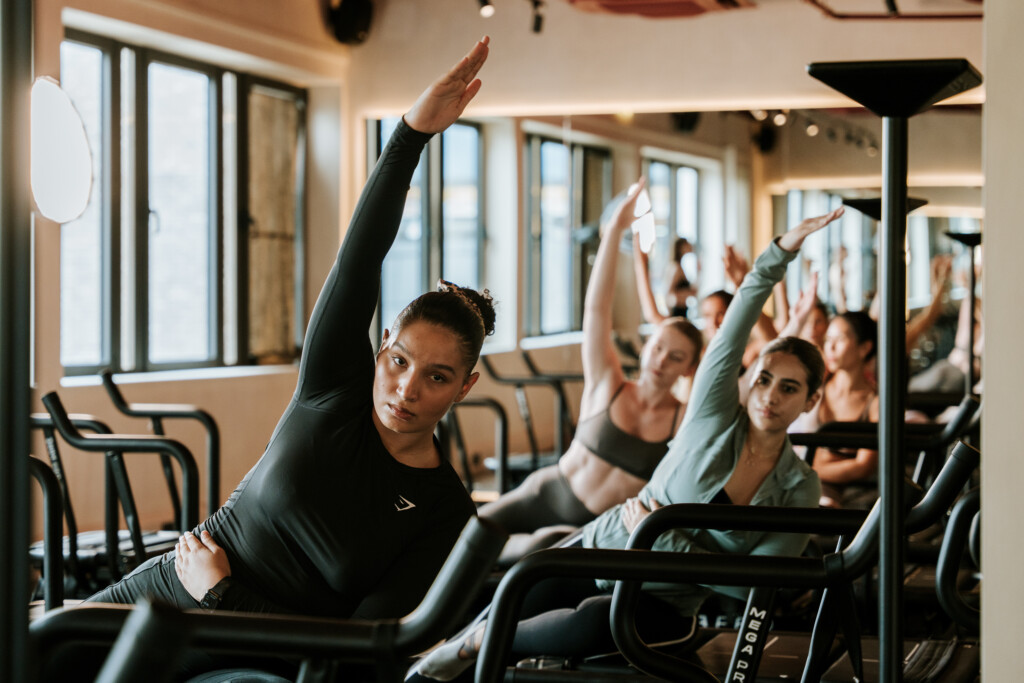
Lagree trains muscular endurance, control, and balance by forcing muscles to work under long periods of tension. Reps are slow and controlled, so muscles reach fatigue through sustained effort rather than heavy external load. Weight lifting targets maximal strength, hypertrophy, and power through progressive overload and planned increases in resistance and volume.
Which do you need: steady time under tension to sculpt and stabilize, or heavy loading to add size and maximal force?
Equipment That Shapes the Workout: Machines, Bars, and the Megaformer
Lagree uses the Megaformer, a spring-based carriage that creates constant resistance and instability to force continuous engagement. The machine blends resistance training with sliding platforms, straps, and small gear changes instead of plates.
Versatile Gear and Targeted Loading
Weight lifting uses barbells, dumbbells, kettlebells, cables, and selector machines to offer a broader resistance range and precise loading. That gear allows linear progression in weight and many exercise variations for targeted muscle work.
Movement Style: Tempo, Control, and Power Delivery
Lagree emphasizes slow, precise movements and high-tempo control to keep muscles under tension the whole set. Techniques focus on micro adjustments, breath control, and stabilization through a controlled range of motion.
Control vs. Explosive Power
Weight Lifting mixes controlled reps with explosive efforts when training power movements like cleans or jumps, and uses varying tempos for different goals. Which movement style fits your training personality: steady control and flow, or measured sets with occasional explosive lifts?
Impact on Joints and Recovery: Who Needs Low Impact
Lagree is low-impact and joint-friendly because it distributes load through springs and controlled motion, making it well-suited for:
- Rehab
- Beginners
- Those managing joint issues
Expect continuous core engagement to stabilize joints and reduce shear forces. Weight lifting impact depends on load, technique, and exercise choice; with good form and programming, it supports:
- Joint health
- Mobility
- Bone density
How you program load, volume, and recovery will shape the joint outcome.
Muscle Engagement: Which Muscles Work and How
Lagree forces core and stabilizer recruitment constantly, so smaller stabilizing fibers and postural muscles get heavy work alongside prime movers. Exercises tend to be whole body and metabolic, blending unilateral and anti-rotational challenges.
Weight Lifting can isolate muscles or use compound lifts to load multiple large muscle groups at once, which optimizes hypertrophy and strength gains through progressive overload. Do you want better balance and endurance or targeted size and maximal strength?
Calorie Burn and Metabolic Effects: Immediate Burn and Long-Term Rate
A Lagree class often raises heart rate and burns a high number of calories per session because of sustained muscle engagement and metabolic conditioning. Weight lifting burns fewer calories during a short session than high-intensity classes might, but it builds lean muscle that raises the resting metabolic rate over time. The Mayo Clinic notes that more lean muscle increases resting metabolism and daily calorie needs.
Choose Lagree for high session intensity and time under tension, or weight lifting to drive long-term metabolic change through muscle mass.
Programming and Goals: When to Pick Which Method
Use Lagree to improve muscular endurance, core control, posture, and functional movement under long continuous tension. Use weight lifting when the goal is progressive strength, maximal force, athletic power, or targeted hypertrophy. You can also combine both: use weight lifting for heavy compound work and Lagree for:
- Metabolic conditioning
- Movement control
- Active recovery
What outcome matters most this season: endurance and lean conditioning, or heavier strength and size gains?
Related Reading
- Body Sculpting for Women
- What Are the Benefits of Pilates Reformer
- Reformer vs Mat Pilates
- Is Reformer Pilates a Good Workout
- How Many Calories Does Reformer Pilates Burn
- How Often Should You Do Reformer Pilates
Which is Best for Your Goals?

Strength and Tone: Which One Wins for Muscle Definition
Lagree uses a reformer-style machine and slow, controlled sequences to create long-term tension. You hold resistance through the full range of motion while small and large stabilizer muscles stay engaged. That builds muscular endurance and a lean, sculpted look without adding heavy bulk.
Progressive Overload and Strength Focus
Weight lifting forces the body to adapt through progressive overload. When load is added, the neuromuscular system and muscle fibers respond by increasing strength and cross-sectional area. If your goal is raw strength, which leads to faster gains in one rep max and visible muscle mass, do heavier lifts and compound movements better support your gym goals?
Fat Loss and Body Composition: Short-Term Burn Versus Long-Term Metabolic Change
Lagree sessions can produce high calorie burn during class by combining constant resistance, minimal rest, and elevated heart rate. Those sessions function like metabolic conditioning and can accelerate immediate calorie expenditure.
Metabolic Benefits and Fat Loss Timeline
Weight lifting increases lean muscle mass, which raises resting metabolic rate and improves body composition over weeks and months. That means more calories burned at rest and better long-term fat loss potential. Use both if you want session-level calorie burn and sustained metabolic change—what kind of timeline do you want for fat loss?
Safety and Sustainability: Which Keeps You Training Longer
Lagree’s spring-based resistance and controlled tempo reduce impact on joints. Movements emphasize core stability, balance, and mobility while limiting abrupt loading, making them suitable for people rehabbing injuries or those who want low-impact conditioning.
Safety, Technique, and Sustainable Progression
Weight Lifting stays safe when you prioritize technique, progression, and recovery. Poor form, sudden heavy loading, or inadequate rest raise the risk of injury. Planned progression, mobility work, and periodization make strength training sustainable for years. Do you prefer low impact with steady control or progressively heavier loading with technical priorities?
Which Workout Should You Choose Based on Specific Goals
If you want low-impact, full-body conditioning, improved posture, and a strong core without gaining size, choose Lagree and reformer Pilates style training. You get muscular endurance, stability, and joint-friendly resistance in a single session.
If your priority is strength, hypertrophy, or athletic power, focus on weight lifting with compound lifts, progressive overload, and structured sets and reps: track load, reps, and intensity to measure progress.
Combining Strength and Control for Balanced Training
If you want both control and power, combine them. Example weekly split: two heavy strength sessions focusing on squat press, deadlift, and pull patterns, two Lagree sessions for core stability and conditioning, plus active recovery and mobility. Alternate modalities across microcycles and monitor recovery, sleep, and nutrition to prevent overreach. Which combination fits your schedule and recovery capacity?
Practical Tips to Choose and Track Progress
Test a month of each. For Lagree track workout, RPE rep control, and core endurance, follow these guidelines for weight lifting, log load, sets, reps, and one rep max trends. Measure body composition with a scale and tape, and track performance markers like heavier lifts or longer hold times.
Prioritize form over intensity. Warm up the shoulders, hips, and ankles before heavy lifts and use Lagree sessions for active recovery and movement pattern reinforcement. Want a template to start your first four-week plan?
Related Reading
- Does Reformer Pilates Help You Lose Weight
- Best Toning Exercises for Women
- Benefits of Lagree
- Beginner Pilates Reformer Exercises
- Low Impact Strength Training Exercises
Is Lagree strength training?
Yes. Lagree is resistance training: you push and pull against the Megaformer’s springs, slowly, keeping your muscles under tension for the whole set, and a class works the legs, glutes, core, back, chest, shoulders and arms. That fits the NHS definition of strengthening activity for adults, which is work for all the major muscle groups on at least 2 days a week (NHS). The difference from lifting is the type of strength: Lagree uses lighter loads and longer sets, so it builds strength and muscular endurance rather than the heaviest weight you can lift once. If a bigger one-rep max is your goal, add heavy barbell work alongside your classes.
Book a Lagree Class in London Today

BLOOD, SWEAT & TEARS builds a training space designed for women who want real results without the awkward gym scene. Classes run 45 minutes on the Megaformer, combining strength building and cardio sequencing to drive muscle endurance, metabolic conditioning, and fat loss.
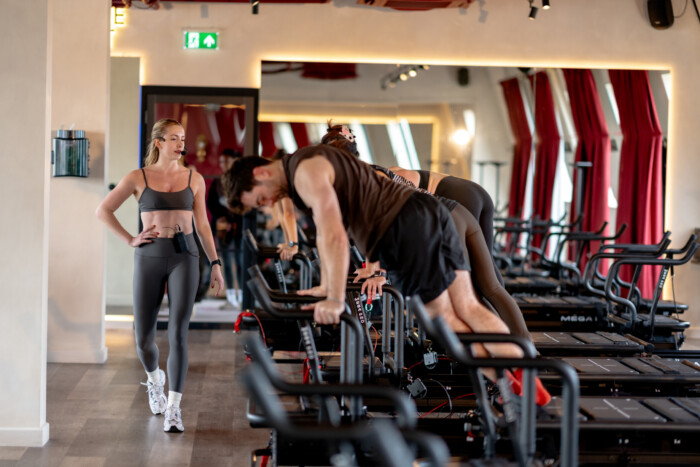
Instructors hold certifications and complete a structured mentorship program that enforces consistent coaching, safe progressions, and precise form cues for every client.
How the Workout Stays Safe and Effective
The Lagree Method used at the studio emphasizes time under tension, controlled tempo, isometric holds, and continuous resistance instead of pounding loads. That approach lowers joint stress while targeting muscle activation across the posterior chain, core, and glutes, which reduces injury risk compared with careless heavy lifting.
Class formats layer progressive resistance and tempo shifts so you gain strength and conditioning without chasing maximal single rep loads.
What You Will Feel in Two Weeks
Consistent attendance produces clearer posture, tighter midline, improved muscular endurance, and more tone in as little as two weeks when you match effort with quality recovery. Coaches cue breathing, alignment, and range of motion to accelerate neuromuscular control, allowing you to notice better movement and more stable joints during everyday activities.
Lagree Versus Traditional Weight Lifting: How They Differ
Lagree focuses on high rep, low weight resistance, holding the tension for a long time, and compound low-impact movements performed on a reformer-style machine. Traditional weight lifting relies on free weights like barbells and dumbbells, often using heavier loads for lower reps to stimulate hypertrophy and maximal strength through progressive overload.
Each method places different demands on muscle fibers, nervous system recruitment, and the endocrine response to training.
Strength Gains Versus Muscle Endurance
If you want absolute one rep maximum improvements for barbell lifts, weight lifting with periodized loading and progressive overload remains the direct route. Suppose you want lean muscle shaping, core stability, and high rep muscle endurance that carries into daily function and cardio capacity.
In that case, Lagree delivers efficient adaptation through sustained tension and isometric control.
Fat Loss and Metabolic Conditioning Compared
Lagree classes combine resistance intervals and cardio-style pacing to raise heart rate and extend calorie burn during and after class through metabolic conditioning. Heavy resistance training increases metabolic rate and stimulates muscle hypertrophy, raising resting metabolism over time.
Nevertheless, it often requires longer sessions or separate conditioning work to match Lagree-style cardiovascular effects.
Injury Risk, Joint Load, and Recovery
Lagree reduces impact by controlling eccentric loading and using constant resistive tension, which makes it joint-friendly for many clients. Heavy weight lifting increases load on the spine and joints when technique breaks down or programming does not include mobility and recovery protocols.
Recovery needs differ: heavy lifting often requires more extended rest between intense sessions, while Lagree allows higher frequency with shorter recovery windows for most people.
Programming and Progression
Weight programs rely on measurable progressive overload, sets and rep schemes, and periodization to drive strength and hypertrophy. Lagree progression involves increasing resistance on the machine, adjusting tempo, adding isometric holds, and gaining greater control over the range of motion to increase challenge without adding heavy external loads. How do you track progress changes with each method?
Who Should Choose Which Method
If your goals include maximal strength, competitive lifting, or moving heavy loads, prioritize barbell and dumbbell training. Suppose you want time-efficient full-body conditioning, core-focused results, low-impact sculpting, and fast visible changes. In that case, Lagree provides an accessible option that blends resistance training and cardio into a single session. Which feels better for your body and schedule will guide your choice.
Can You Combine Both Approaches?
Yes. Many clients get the best of both by pairing Lagree for conditioning, core stability, and movement control with focused weight lifting sessions for targeted strength and hypertrophy. That hybrid can balance neuromuscular control, functional fitness, and progressive overload while keeping joint load manageable during higher frequency weeks.
Why Instructor Quality Matters at BLOOD, SWEAT & TEARS
Certified instructors and a rigorous mentorship system ensure sessions stay effective, motivating, and safe. Coaches correct alignment, scale exercises, and tailor tempo to individual needs, which reduces injury risk while maximizing muscle activation and endurance gains during class.