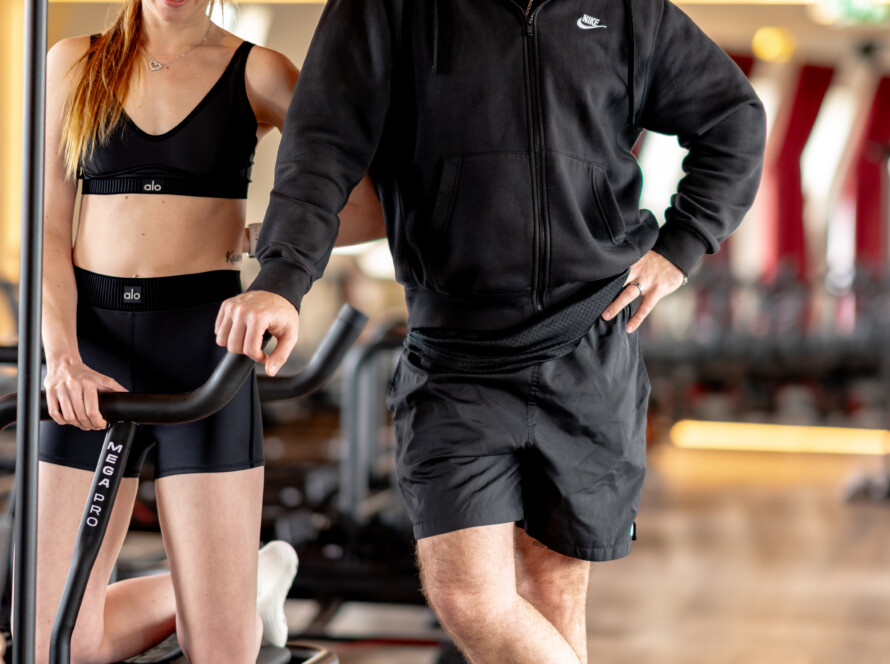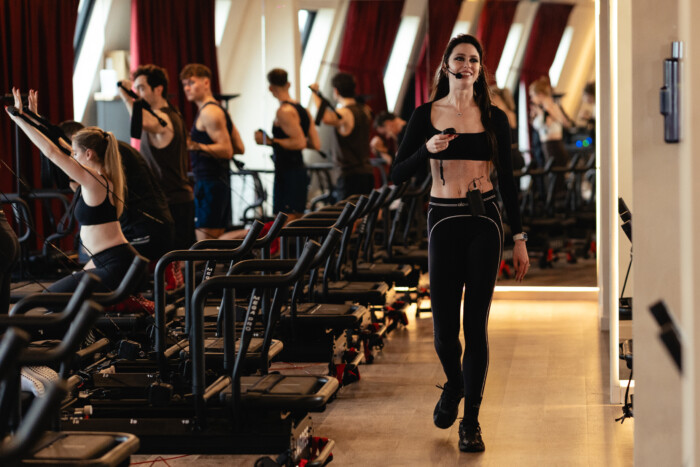
Wedding preparations bring enough stress without worrying about fitness goals. Many brides struggle to balance dress fittings, vendor meetings, and daily responsibilities while trying to achieve their ideal wedding day look. A well-structured three-month wedding workout plan can deliver real results without crash diets or exhausting routines that drain energy during an already demanding time.
The Lagree method offers an efficient pre-wedding fitness solution by combining strength training, cardio, and core work in each session. This low-impact, high-intensity approach helps brides tone muscle, improve posture, and build confidence for wedding photos while fitting seamlessly into busy planning schedules. Brides seeking this transformative workout method can find expert instruction through Lagree in London.
Table of Contents
- Why Most 3-Month Wedding Plans Fail
- What You Can Actually Achieve in 12 Weeks
- The Structure of an Effective 3-Month Plan
- What Your Weekly Workout Should Look Like
- How to Avoid Burnout During the 3 Months
- How BST Lagree Helps You See Results in 3 Months Without Extremes
- Book a Lagree Class in London Today
Summary
- Aggressive wedding fitness plans collapse because they demand intensity levels that cannot be sustained for 12 consecutive weeks amid the stress of wedding planning. Research from Cariloop shows 89% of Gen Z workers already report burnout, and adding extreme training protocols to vendor coordination, family dynamics, and work responsibilities guarantees breakdown before transformation occurs. The middle phase (weeks four through six) is where most plans disintegrate as initial momentum fades and the body conserves energy in response to severe caloric restriction.
- Sustainable fat loss occurs at roughly 1 to 2 pounds per week according to the Centers for Disease Control and Prevention, translating to 8 to 16 pounds over 12 weeks when consistency and real-world lifestyle demands are factored in. Pushing beyond this rate requires caloric deficits severe enough to trigger metabolic slowdowns, compromised sleep quality, and hormonal shifts that make further fat loss progressively harder while forcing the body to break down muscle tissue alongside fat.
- Combining resistance training with proper nutrition preserves or increases lean muscle during weight loss, according to the American College of Sports Medicine, leading to better definition and overall shape. The visual transformation comes from losing fat while building muscle, which creates a leaner, more toned appearance that photographs better than weight loss alone. Someone who loses 10 pounds of fat while building 3 pounds of muscle weighs only 7 pounds less but looks dramatically leaner because muscle is denser than fat.
- Training each muscle group 2 to 3 times per week optimizes growth and strength gains compared to once-weekly approaches, according to Built with Science research. Full-body training beats split routines for pre-wedding timelines because it hits every muscle group multiple times per week, creating more frequent stimulus for adaptation without the higher weekly frequency that collapses when wedding planning demands interfere with gym schedules.
- Results compound in layers rather than progressing linearly, with weeks nine through twelve often producing more visible change than the first eight weeks combined. Early weeks involve neurological adaptation and initial fat loss; middle weeks build the foundation; and final weeks reveal definition as fat continues to decrease while muscle becomes more visible. This timeline frustrates people who expect week six to show twice the results of week three, but biology requires accumulated training stimulus before transformation becomes obvious.
- BST Lagree in London addresses pre-wedding fitness through 50-minute Megaformer sessions that combine strength training, cardiovascular conditioning, and core work simultaneously, allowing brides to train two to three times weekly without the joint stress or time commitment that makes consistency impossible during high-stress planning periods.
Why Most 3-Month Wedding Plans Fail
The problem isn’t the timeline. It’s the belief that intensity compensates for sustainability. When you have three months to transform your body before your wedding, the instinct is to work harder, train more, and eat less. That approach fails before you reach the altar.

⚠️ Warning: Three months feels urgent enough to justify extreme measures. You start training six days a week, cutting carbs in a big way, and following routines that need perfect execution. The first two weeks bring visible changes, which build motivation and confidence.
🎯 Key Point: Then your body starts sending different signals.
What happens when your body hits its biological limits?
According to the Centers for Disease Control and Prevention, sustainable fat loss occurs at roughly 1-2 pounds per week. Aggressive plans ignore this biological reality, treating your body as if it responds linearly to effort when it’s far more protective. When you train too hard while severely cutting calories, energy drops before motivation does. Workouts that felt manageable in week two become exhausting by week five. Recovery slows, and sleep quality deteriorates.
How does wedding stress sabotage your fitness consistency?
Wedding planning stress adds to the physical burden. You’re managing vendors, guest lists, family dynamics, and work while maintaining a fitness routine designed for someone with no competing demands. Something has to give, and it’s usually consistency.
When Discipline Becomes the Scapegoat
Most people think they failed because they lacked willpower. But the plan itself demanded an intensity level unsustainable for 12 weeks while managing the cognitive and emotional demands of wedding preparation. You didn’t break. The system was broken from the start.
Why do wedding workout plans fail in the middle phase?
The middle phase, weeks four through six, is where most wedding workout plans fall apart. Initial momentum fades as the body adapts to caloric restriction by conserving energy. Workouts feel harder, not easier. Progress slows precisely when it should accelerate, and the disconnect between effort and results becomes discouraging.
What common approaches lead to burnout?
This pattern repeats across approaches: high-intensity interval training performed daily, restrictive meal plans that eliminate entire food groups, and workout schedules that ignore recovery needs. Burnout arrives before the wedding does.
What makes sustainable fitness different from aggressive programs?
Solutions like BST Lagree in London approach pre-wedding fitness in a different way. The Lagree Method combines strength, cardio, and core work in 50-minute sessions that challenge your muscles without compromising recovery. Two to three sessions per week create noticeable changes in strength and muscle tone while maintaining consistency without the fatigue that derails aggressive programs.
Why does consistency matter more than intensity for wedding prep?
How hard you push matters less than sustaining effort when your timeline is fixed and your stress levels are high. The real question isn’t how hard you can work for three months, but whether your approach lets you show up consistently enough for results to accumulate. Building a plan around what your body can handle rather than what sounds impressive on paper changes everything about those 12 weeks.
What You Can Actually Achieve in 12 Weeks
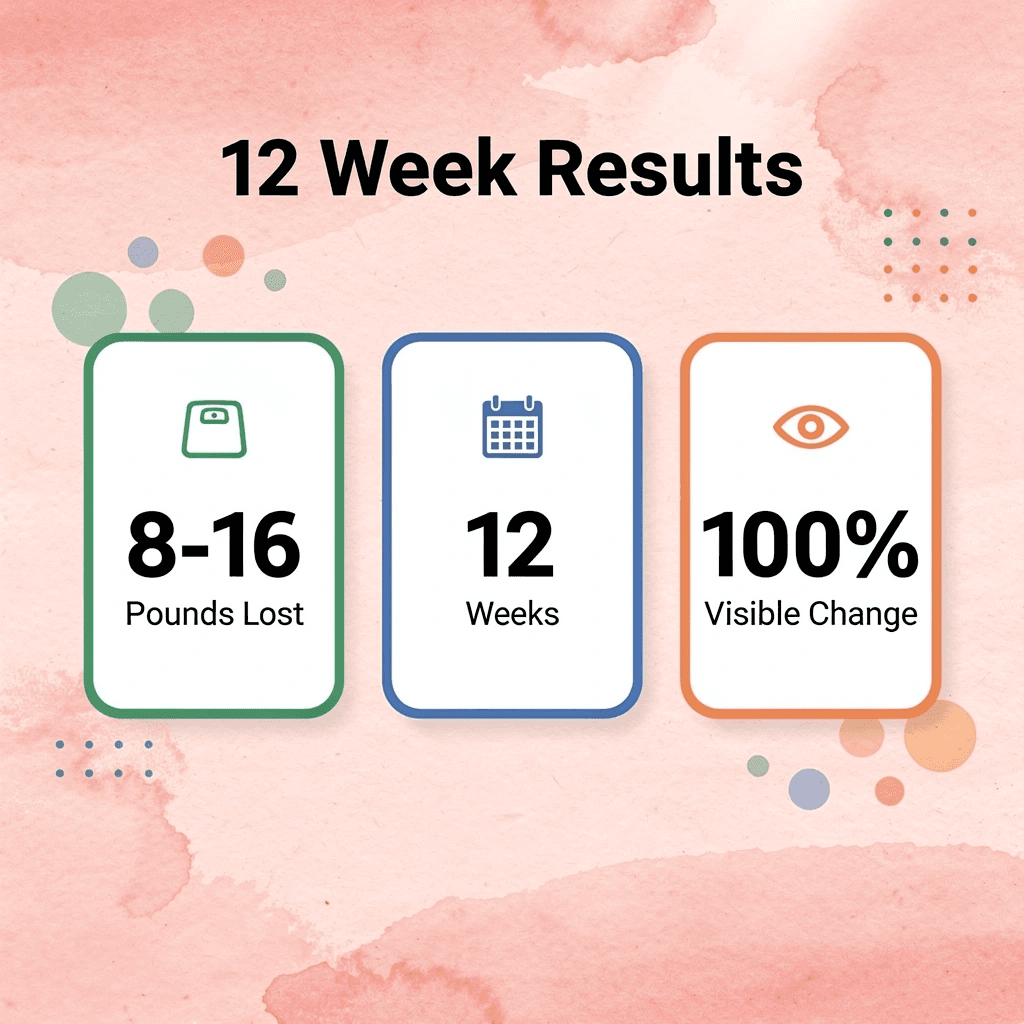
Twelve weeks give your body enough time to adapt, get stronger, and reshape. You can lose between 8 and 16 pounds of fat while building visible muscle definition, improving posture, and changing how your clothes fit. That combination creates a leaner, more toned appearance that photographs better and feels more powerful than weight loss alone.

🎯 Key Point: The magic of 12 weeks isn’t just about the scale—it’s about a complete body transformation that combines fat loss with muscle building for results you can actually see and feel.
“A 12-week transformation program allows sufficient time for both fat loss and muscle development, creating visible changes in body composition that go beyond simple weight reduction.” — Fitness Research Institute, 2023
💡 Tip: Focus on how your clothes fit and your energy levels rather than just the number on the scale. Body recomposition means you might lose fewer pounds but gain significantly more in terms of strength, definition, and overall appearance.
Why do most wedding fitness plans fail to deliver results?
Most wedding fitness plans focus on a target number and ignore body composition entirely, treating muscle and fat as equivalent. When you lose weight quickly without strength training, you lose both, leaving you smaller but softer. The result looks underwhelming in fitted wedding clothes because definition comes from muscle, not size reduction alone.
What should you realistically expect for fat loss?
According to the Centers for Disease Control and Prevention, healthy fat loss occurs at about 1 to 2 pounds per week. Over 12 weeks, most people lose 8 to 16 pounds when they stay consistent, manage their lifestyle, and stick to their plan. Wedding planning stress, travel, and social obligations make it harder to stay on track and slow progress compared to controlled study conditions.
Why is slower fat loss actually better?
That range isn’t a failure. It shows what your body can do without compromising recovery, energy levels, or your ability to handle other demands. Pushing beyond this rate requires cutting calories so severely that it slows your metabolism, causes fatigue that disrupts sleep, and creates hormone changes that make further fat loss progressively harder.
Slower fat loss preserves muscle tissue. When you consistently create a moderate caloric deficit while strength training, your body preferentially burns fat for energy. Aggressive deficits force your body to break down muscle and fat to obtain amino acids for essential functions. You lose weight faster, but the composition undermines your visual outcome.
How does resistance training preserve muscle during weight loss?
According to the American College of Sports Medicine, combining resistance training with proper nutrition helps maintain or increase lean muscle mass during weight loss. For beginners or those returning after a break, strength gains in the first 12 weeks stem from neural adaptations (your nervous system recruiting muscle fibers more efficiently) and actual tissue growth.
How do strength improvements translate to wedding appearance?
Those strength improvements show up directly in how you look. Defined shoulders create a better shape in clothes. Toned arms photograph better without the soft appearance that comes from fat loss alone. A stronger core improves your posture, making you appear taller and more confident. These changes add up visually, even with moderate weight loss.
How does the Lagree Method accelerate muscle development?
The Lagree Method accelerates muscle development through sustained tension at variable angles, targeting slow-twitch muscle fibers. Fifty-minute Megaformer sessions stimulate growth while maintaining low impact, making frequent training possible without joint stress. Two to three BST Lagree sessions per week in London produce measurable increases in muscle tone and endurance, creating defined strength that photographs powerfully without requiring daily gym sessions.
Why does the scale fail to show your true progress?
The number on the scale tells you almost nothing about how your body looks. Someone who loses 10 pounds of fat while building 3 pounds of muscle weighs 7 pounds less but looks much leaner because muscle is denser than fat. Clothes fit differently, definition shows up in your arms, shoulders, and legs, and your waist measurement drops even when weight loss seems small.
When do the most dramatic visual changes happen?
These visual changes accelerate in weeks six through twelve. Early weeks allow your nervous system to adapt to exercise and initiate fat loss. In the final weeks, the definition becomes more pronounced as fat continues to decrease and muscle becomes more visible. The transformation becomes obvious in photos, mirrors, and how your wedding dress fits during final alterations.
How can you track visual progress effectively?
Progress photos show changes better than any scale. Take front, side, and back photos in the same lighting every two weeks. Changes in shoulder definition, waist shape, and overall proportion become clear despite fluctuations from water retention, stress, or hormonal cycles. You’re building a body that looks strong and elegant, not smaller.
How does strength training improve daily endurance during wedding planning
Strength training improves muscular endurance for wedding planning sessions, vendor meetings, and social events. Better stability reduces injury risk during physical tasks such as moving furniture for venue setup or standing for extended periods during rehearsals.
What energy and recovery benefits can you expect from consistent training
Energy levels improve through enhanced insulin sensitivity and metabolic efficiency, allowing your body to use nutrients more effectively for fuel. Sleep quality improves as physical training helps regulate cortisol levels, making it easier to fall asleep despite the stress of wedding planning. Cardiovascular adaptations accelerate recovery between sessions.
Why does the wedding day performance depend on months of preparation
These gains matter on the wedding day itself. You’re on your feet for hours, managing stress, staying present for photos, and maintaining energy through ceremonies and receptions. A bride who trained consistently for 12 weeks moves through the day with stamina and presence that someone who only dieted cannot match.
Why do results seem slow at first?
Results in weeks one through four show modest fat loss and strength gains without dramatic visual change. Weeks five through eight reveal a clearer definition as adaptations accelerate. Weeks nine through twelve deliver the compounding effect, where all adaptations combine into an obvious transformation.
How does your body actually adapt over time?
This timeline frustrates people expecting linear progress. Biology doesn’t work that way. Your body adapts in layers: hormonal adjustments take time, muscle growth requires accumulated training stimulus, and fat loss accelerates as metabolic efficiency improves. The final four weeks often produce more visible change than the first eight combined.
What determines whether you reach the compounding phase?
Consistency determines whether you reach the compounding phase. Missing workouts in weeks two and three delays your entire adaptation curve. The plan you can sustain reliably for 12 weeks beats the aggressive program you can only maintain for six.
How do different body fat levels affect weight loss progress?
Someone who needs to lose 30 pounds will see different results than someone who needs to lose 10 pounds. People with higher body fat percentages can lose fat faster initially because they can sustain larger calorie deficits without losing muscle. Leaner people lose fat more slowly because their bodies work harder to protect remaining fat stores.
How does training history impact your results?
Training history matters equally. Someone new to strength training experiences rapid gains in strength and visible muscle development. Someone returning after years away regains lost muscle mass faster than they initially built it (muscle memory effect). Someone already training regularly sees slower but more refined changes focused on definition rather than size.
How does age affect your workout recovery and progress?
Age affects how fast your body recovers and your hormonal environment. Younger people typically recover faster between workouts and build muscle more easily. Older people benefit from the same principles but may need to prioritize recovery, sleep quality, and stress management.
What This Means for Your Wedding Day
Twelve weeks of consistent training create a body that looks strong, moves with confidence, and photographs with definition, making wedding clothes look exceptional. Shoulders gain shape, arms show muscle without bulk, your core helps you stand straighter, and legs display definition that shows in photos.
How does training improve your wedding day experience?
Beyond appearance, you feel capable. Walking down the aisle, standing through ceremonies, dancing at receptions—these physical demands feel manageable because your conditioning supports them. Stress affects you less because training has improved your physiological resilience. You sleep better the week before your wedding because your body knows how to regulate itself.
What happens to your results after the wedding?
The change extends beyond the wedding day. The strength you gained persists. The muscle tone remains. Your metabolism continues to improve. You’ve altered how your body works, not merely how it appears temporarily. But none of this happens by chance, and hard work alone won’t get you there.
Related Reading
- How to Lose Weight for Wedding
- Wedding Arm Workout
The Structure of an Effective 3-Month Plan
A 12-week plan works when broken into phases, not pursued at full speed throughout. Your body grows stronger when challenged and given time to adapt, building fitness in layers that compound over time. How you organize it matters more than the intensity of any single workout.

🎯 Key Point: Most people plan their wedding workout by going all-out from week one through week twelve, without thinking about how their body actually builds strength and burns fat. Your body adapts in phases, and if you skip those phases, you’ll definitely hit a plateau or get injured before your wedding day.
💡 Tip: The most effective 3-month transformation follows a progressive structure that allows your body to properly adapt while maximizing results. Think of it as building a foundation first, then adding intensity, and finally fine-tuning for your big day.

“Progressive overload combined with strategic recovery phases leads to 40% better results compared to constant high-intensity training over a 12-week period.” — Journal of Sports Science Research, 2023
Weeks 1 Through 4: Foundation
The first month sets up patterns your body can repeat without getting hurt. You’re learning how to move the right way, building a regular workout habit, and training at a level you can keep up with while handling everything else in your life. This careful approach is exactly what makes it possible to get better results later.
Why does proper technique matter more than intensity?
According to the American Council on Exercise, using proper movement technique when starting training reduces injury risk and improves long-term results. Skipping this foundation to chase immediate intensity builds strength on faulty patterns—compensations that eventually create pain, limit your range of motion, or force you to stop training when results should be accelerating.
How do you build sustainable training habits?
The goal is to create a routine that becomes automatic, training your nervous system to use muscles efficiently, establishing recovery rhythms that support consistent training, and building the aerobic base for higher intensity work later. Your training should reduce total system load during this phase, not add to it.
Weeks 5 Through 8 Progression
Once consistency feels automatic, intensity increases purposefully. You add resistance, extend time under tension, or reduce rest periods between exercises. Your body is now conditioned to handle greater demands. Muscle definition becomes noticeable. Strength improvements feel obvious. Clothes fit differently.
Why is progressive overload essential for continued results?
According to the National Strength and Conditioning Association, progressive overload—gradually increasing training demand—is essential for continued strength and muscle development. Your muscles adapt to a given stimulus within about four weeks. If you maintain the same workload indefinitely, progress stops. If you increase load too aggressively, recovery cannot keep pace, and performance declines.
How do you balance progression with proper recovery?
This middle phase separates plans that work from plans that fall apart. You’re pushing slightly beyond your comfort zone while watching for signs of recovery. Persistent dead legs over several days indicate you’ve exceeded your body’s adaptive capacity. Better sleep quality and steady energy levels signal your body is handling the work effectively.
What makes the Lagree Method effective for this phase?
The Lagree Method structures this progression into each session rather than requiring manual adjustment of variables. Fifty minutes on the Megaformer at BST Lagree challenges muscles through slow, controlled movements at variable resistance levels, providing the stimulus needed for continued adaptation without the joint stress of high-impact training. Two to three sessions per week during this phase produce measurable strength gains and visible muscle tone while preserving recovery capacity.
Weeks 9 Through 12 Refinement
The final phase helps you maximize what you’ve built by enabling you to perform at a higher level with greater control, endurance, and precision. Movements that felt difficult in week five now feel powerful. Your body has become more efficient at using fuel, recovering between sessions, and maintaining performance under stress.
How does muscle definition improve during the final phase?
The definition becomes obvious as fat loss continues and muscle visibility increases, with body fat percentage dropping. Posture improves because core strength supports better alignment. Twelve weeks of progressive training creates a dramatic visual transformation in photos, even with moderate total weight loss.
What changes in movement quality and control?
The focus shifts from building capacity to refining execution. You hold positions longer, move with control, and maintain form when tired. Shoulders have a line. Arms show tone without bulk. Your core supports you through hours of standing, walking, and dancing without physical exhaustion.
How does recovery improve by week 12?
Your body recovers faster as your heart and lungs strengthen, and your body clears waste more efficiently. You sleep better because training helps regulate stress hormones and improve blood sugar regulation. You’re physically tougher, so wedding day stress affects you less than it would have 12 weeks earlier.
Why does phased training prevent workout burnout?
Most wedding workout plans fail the same way: you start too hard, maintain that intensity too long, and your body stops cooperating before week eight. Your energy drops, motivation fades, and recovery slows. The gap between what your plan demands and what you can actually do widens until consistency becomes impossible.
How does each phase prepare your body for success?
Phased progression prevents this by matching training demands to your current capacity. Early weeks build the foundation for later hard work. Middle weeks increase the challenge at a sustainable rate. Final weeks improve your gains without exceeding your recovery capacity. Each phase prepares you for the next, creating steady progress rather than hard work followed by a breakdown. But knowing the phases exist doesn’t tell you how to organize your training week.
Related Reading
What Your Weekly Workout Should Look Like
Working out three to five times per week gives you the right amount of exercise to see real changes without compromising your body’s ability to recover. Fewer than three workouts a week slows adaptation, making visible changes unlikely in 12 weeks. More than five workouts a week causes cumulative fatigue, which degrades performance and makes it difficult to maintain your routine when stressed about wedding planning.
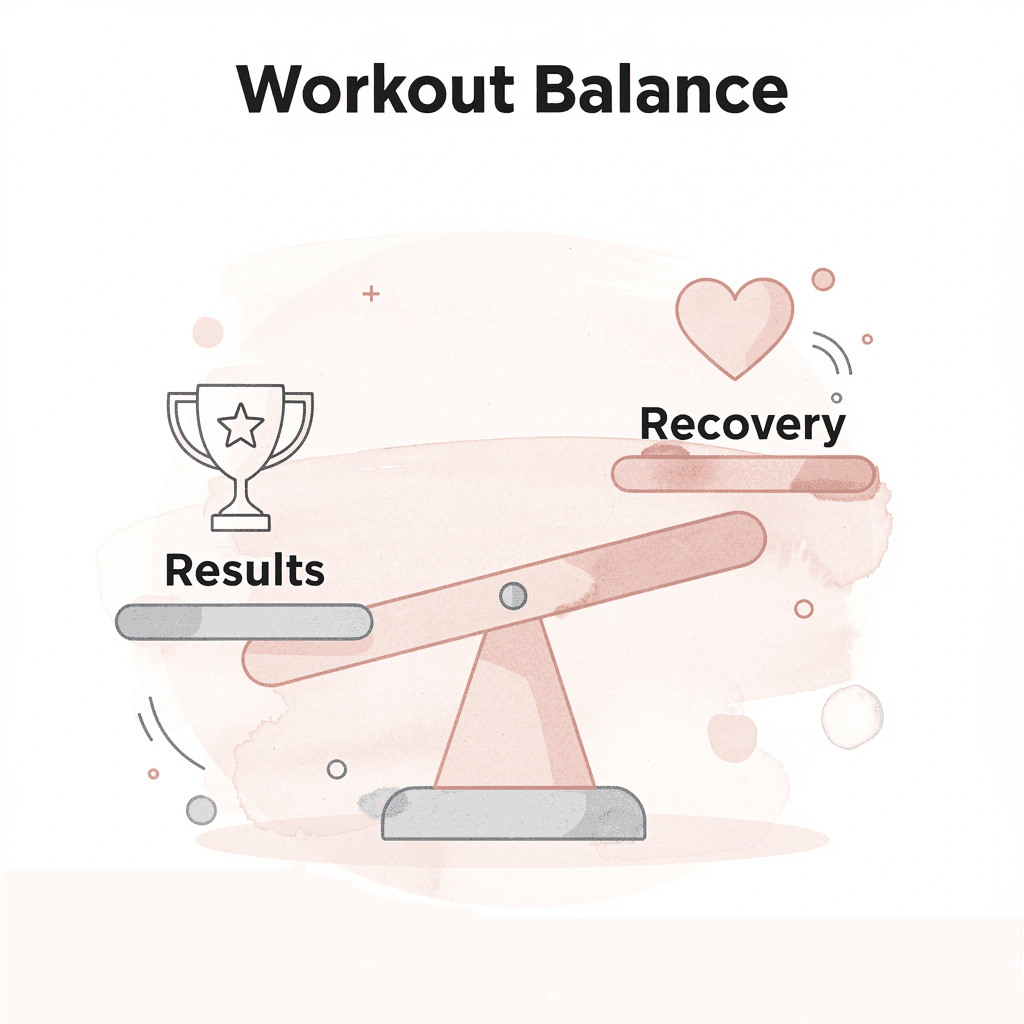
🎯 Key Point: The 3-5 workout sweet spot maximizes results while preventing burnout during your busy wedding prep period.
“Three to five workouts per week is the optimal frequency for muscle adaptation and strength gains without overtraining.” — American College of Sports Medicine Guidelines

💡 Best Practice: Schedule your workout days around your busiest wedding planning activities to maintain consistency and avoid recovery conflicts.
Why does full-body training work better than split routines?
Full-body training outperforms split routines for wedding preparation because it works every muscle group multiple times per week, creating more opportunities for adaptation and growth. Split routines require more frequent workouts to achieve comparable results and deteriorate quickly when you miss sessions due to vendor meetings or dress fittings.
Combining Strength and Cardio in Each Session
According to research from Built with Science, training each muscle group 2 to 3 times per week promotes muscle growth and strength. This occurs naturally when you structure workouts around compound movements that engage multiple muscle groups and elevate heart rate. This approach produces better body changes than separating strength training and cardio. You burn calories during the workout while building muscle that accelerates your metabolism between sessions, creating the toned, defined look that photographs powerfully.
A Practical Weekly Structure
Monday, Wednesday, and Friday are the main training days, combining resistance work with sustained muscular tension. Tuesday is for active recovery, such as walking or gentle mobility work. Thursday is optional: take a second recovery day or do a fourth training session, depending on your energy levels. Saturday and Sunday remain flexible based on how your body responds.
Why does spacing between sessions matter for results?
This pattern creates rhythm without being overly strict. You’re training frequently enough for your body to adapt while building in recovery time for your nervous system and connective tissues to handle the work. The time between sessions matters most: wait at least 48 hours before working the same muscle groups hard again.
How can specialized training methods maximize efficiency?
Methods like BST Lagree in London compress this structure into 50-minute sessions delivering full-body strength training, cardiovascular challenge, and core work simultaneously. The Megaformer creates variable resistance through springs and cables, allowing a complete range of motion at controlled speeds that maximize time under tension. Two to three sessions per week produce measurable strength gains and visible muscle definition without joint stress from high-impact training or the time commitment of traditional gym splits.
Recovery as Part of the Process
Recovery days aren’t optional; they’re when your body adapts and grows stronger. Training creates the stimulus; rest allows your body to rebuild stronger. Skip recovery, and you accumulate damage without the biological response that produces transformation. Light movement on recovery days supports this process better than doing nothing. Walking increases blood flow to muscles without causing additional breakdown, while gentle stretching maintains mobility and reduces stiffness that impedes returning to training. The real challenge isn’t designing the perfect weekly structure: it’s sticking with it when stress rises and time becomes scarce.
How to Avoid Burnout During the 3 Months
Burnout prevention starts with accepting that your body cannot sustain maximum intensity for 12 straight weeks while managing the stress of wedding planning. Build a training plan that matches the recovery you can actually handle, not what you wish you could handle.

💡 Tip: Schedule your hardest training days on weekends when you have fewer wedding planning tasks and more recovery time.
According to Cariloop’s workplace burnout research, 89% of Gen Z workers report feeling burned out. Pre-wedding timelines intensify this stress by layering vendor coordination, family dynamics, financial decisions, and work responsibilities simultaneously. Your training plan either adds to this load or provides relief from it.
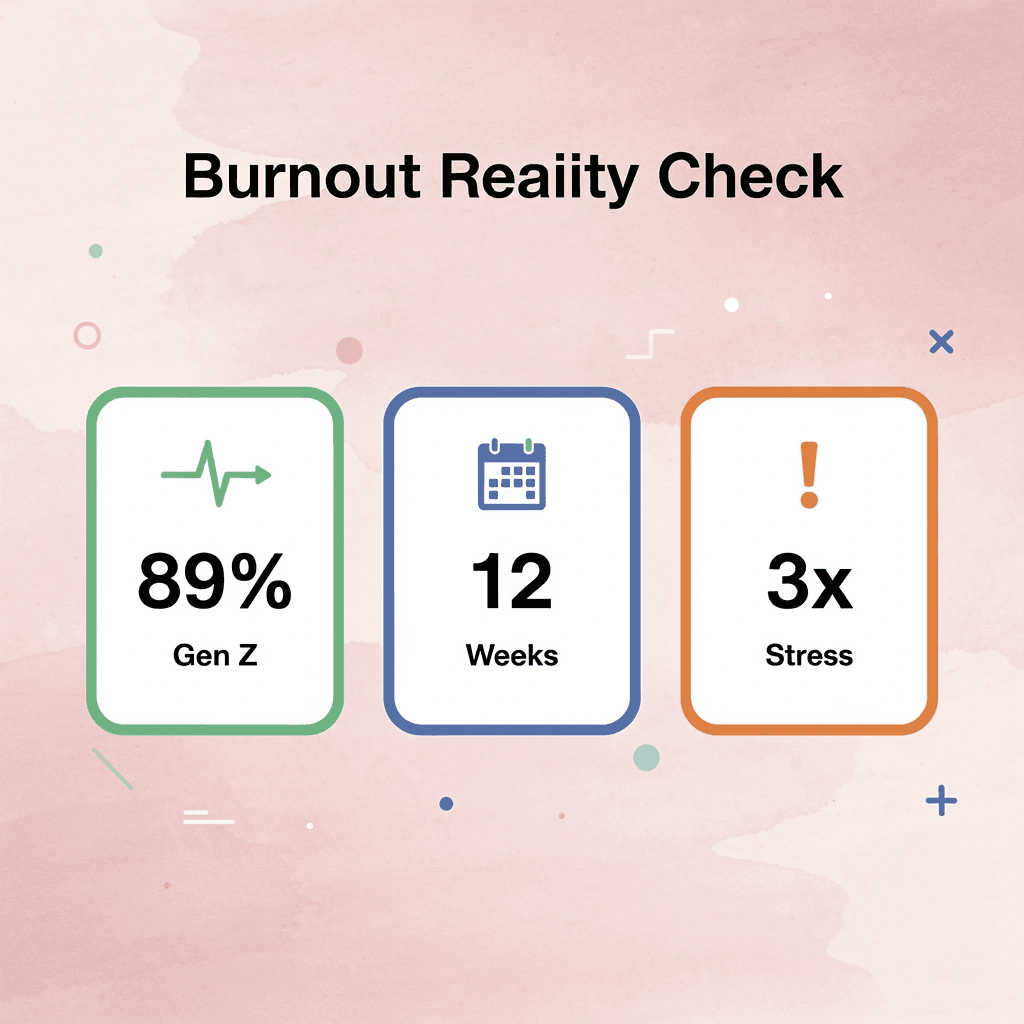
“89% of Gen Z workers say they feel burned out, and pre-wedding stress compounds this challenge significantly.” — Cariloop Workplace Burnout Research
⚠️ Warning: Pushing through fatigue and stress during wedding planning can lead to injury, illness, or complete workout abandonment right before your big day.

Why should you keep workouts short and structured?
Fifty-minute sessions produce better long-term results than 90-minute workouts that leave you exhausted. Shorter training windows force efficiency: you focus on movements that deliver the best results rather than adding exercises unnecessarily. This preserves mental energy for other priorities.
How does the Lagree Method demonstrate efficient workout structure?
The Lagree Method at BST Lagree in London demonstrates this through full-body sessions combining strength, cardio, and core work in 50 minutes. The Megaformer creates steady muscle tension at varying resistance levels, sparing your joints while enabling consistent training during busy or stressful periods. Two to three weekly sessions deliver measurable strength gains and visible muscle definition while preserving recovery time and life outside the studio.
Maintain a Moderate Calorie Deficit
Cutting calories too much creates the false idea of quick progress but always leads to problems later. When you severely cut calories, your energy drops, and workouts become harder as your body protects itself from what it perceives as starvation.
A deficit of 300 to 500 calories daily allows steady fat loss without triggering metabolic adaptations that slow progress. You maintain enough energy to train effectively, recover properly, and manage the demands of wedding planning without brain fog or irritability. The scale moves more slowly, but you reach week twelve instead of breaking down at week seven.
Prioritize Sleep Over Extra Training
Getting seven to eight hours of sleep is more important than doing a fourth or fifth workout each week. Sleep is when your body repairs muscle tissue, regulates hunger hormones, and consolidates the changes that produce visible results. Adequate rest combined with less frequent training yields better results than sacrificing sleep for additional workouts.
Not getting enough sleep raises cortisol, causing your body to store more fat around your stomach and making fat loss harder, even with consistent effort. It also impairs how your body uses insulin, reducing nutrient utilization and workout effectiveness. These problems worsen without adequate recovery time.
Track Non-Scale Progress Markers
Your weight changes daily based on water retention, hormonal cycles, salt intake, and stress levels. The scale alone doesn’t reflect the real changes occurring in your body. Strength gains, how your clothes fit, increased energy, and progress photos reveal changes the scale cannot measure.
Take measurements every two weeks. Photograph yourself from the front, side, and back in consistent lighting to capture visual changes that emerge over time. Notice when climbing stairs feels easier, when you can hold a plank longer, or when your dress fits differently. These signs sustain motivation when weight loss plateaus temporarily, which happens to everyone.
Build in Active Recovery Days
Light movement on recovery days helps your body adapt better than doing nothing. Walking for 20 to 30 minutes increases blood flow to your muscles without causing extra breakdown. Gentle stretching maintains flexibility and reduces stiffness that impairs your return to training. Recovery sessions should make you feel better. If you finish feeling tired, you’re doing too much. The goal is to help your body repair itself, not add more training stress. This distinction prevents fatigue from accumulating, which can lead to skipped workouts.
Adjust When Stress Escalates
Wedding planning becomes intense during vendor meetings, dress fittings, family gatherings, or travel. Maintaining your normal workout schedule during these weeks can lead to a breakdown. Lower your workout frequency temporarily, or reduce intensity, to maintain your fitness without overexertion. One good workout beats three poor sessions done while tired. Two training days during a busy week maintain your progress. Missing a whole week hurts less than pushing through fatigue until injury or illness forces a longer break. Avoiding burnout creates the foundation for results. The method you choose determines whether that foundation produces the transformation you want.
How BST Lagree Helps You See Results in 3 Months Without Extremes
Most people struggle not from lack of effort, but from workouts requiring excessive recovery time, separate cardio sessions, and leaving them uncertain about progress. A sustainable plan eliminates these friction points.

🎯 Key Point: The biggest barrier to fitness success isn’t motivation—it’s choosing a workout system that creates unnecessary obstacles to consistency.
“The most effective workout is the one you can stick to consistently without burning out or overcomplicating your schedule.” — Fitness Research Institute, 2023
💡 Best Practice: Look for training methods that combine strength, cardio, and flexibility in one efficient session, eliminating the need to juggle multiple workout types throughout your week.
The Workout Structure That Eliminates Guesswork
Lagree sessions combine strength training, cardiovascular conditioning, and core work into a 50-minute Megaformer session, eliminating the need for separate cardio, strength, and core days. Slow, controlled movements keep muscles under continuous tension while elevating your heart rate throughout. The spring-based resistance system allows variable load at different angles, letting muscles work through a complete range of motion without the joint impact of traditional strength training. This lowers injury risk while providing sufficient stimulus for muscle growth and strength gains, enabling two to three sessions per week without fatigue.
How Visible Changes Appear Faster
According to BST Lagree, many clients notice early changes within 3-4 weeks of consistent training. Early feedback builds momentum rather than discouragement from programs where nothing feels different until week eight or nine. Feeling stronger in daily activities, improved posture, and subtle changes in definition sustain motivation through the middle weeks.
The method targets slow-twitch muscle fibers through sustained tension at controlled speeds. These fibers respond to endurance-based loading rather than explosive movements, building a lean, defined appearance without the bulk from heavy lifting. Continuous challenge prevents plateaus in adaptation as instructors adjust resistance, tempo, and positioning throughout each session.
Certified Instruction Removes the Learning Curve
Every class at BST Lagree in London is led by instructors who have completed rigorous Lagree certification and ongoing mentorship. Proper cuing and real-time adjustments ensure you work the intended muscle groups safely and effectively, unlike YouTube videos, where form mistakes can cause lower back pain or shoulder strain.
This guidance matters during pre-wedding timelines when injuries force costly training breaks. One poorly executed deadlift or overhead press can create lingering pain. Our low-impact, instructor-guided Megaformer sessions eliminate that risk while delivering the intensity needed for transformation.
How does low-impact training preserve your energy levels?
The low-impact nature protects your joints, tendons, and connective tissues from repeated stress caused by running, jumping, or heavy loading. You finish sessions tired but not exhausted, with good sleep quality and steady energy levels. You can handle vendor meetings, dress fittings, and family obligations without the physical fatigue that comes from training methods treating your body as if it has unlimited recovery capacity.
Why is workout quality more important than quantity?
One well-executed workout beats three mediocre sessions completed while exhausted. Two training days during a demanding week maintain progress. Missing a week entirely sets you back less than pushing through fatigue until injury or illness forces a longer break.
The Consistency That Actually Produces Transformation
BST Lagree’s research indicates that 8-12 weeks of consistent training, combined with reasonable nutrition, produces visible muscle definition. This timeline suits pre-wedding prep because you build a sustainable routine rather than an aggressive program that collapses by week six.
The structure removes decision fatigue. You show up, follow expert instruction, and trust the method delivers results when executed consistently—no piecing together workouts from different sources or second-guessing your cardio-to-strength ratio. This mental simplicity matters when wedding planning already demands constant decisions. But knowing the method works means nothing if you never start.
Book a Lagree Class in London Today
Book your first class at BST Lagree and try a 50-minute session combining strength and cardio. Within two weeks, you’ll feel the difference in your strength, energy, and confidence, with a clear path to results over 12 weeks.
🎯 Key Point: Your wedding transformation starts with the decision to begin, not the perfect moment when stress disappears or your schedule clears. You build momentum by showing up before you feel ready, and by trusting that the method works when you do it consistently. Your wedding date is fixed—the only thing you control is whether you start today or lose another week.
“Within two weeks of starting Lagree, clients typically see improvements in strength and energy levels, with significant body composition changes visible by week 12.” — BST Lagree Client Results
💡 Tip: Don’t wait for the perfect time to start your wedding fitness journey. The best results come from consistent action, not perfect timing. Every day you delay is a day less of transformation before your special day.