
Wedding dress shopping and venue planning are stressful enough without worrying about crash diets or unsustainable meal plans. Learning how to lose weight for wedding celebrations requires a balanced approach that maintains energy levels while delivering real results. Smart brides and grooms focus on strategies that work with their body’s natural processes rather than fighting against them.
Effective weight loss combines proper nutrition with efficient exercise that fits busy pre-wedding schedules. High-intensity, low-impact workouts build lean muscle while burning fat, creating the toned look most couples want for their big day. For those seeking this type of training, Lagree in London offers focused sessions that deliver maximum results in minimal time.
Table of Contents
- Why “Crash Dieting for Your Wedding” Backfires
- What Actually Drives Sustainable Weight Loss Before a Wedding
- Why Most Wedding Weight Loss Plans Fail
- What a Realistic Wedding Timeline Looks Like
- How to Lose Weight for Your Wedding Without Burning Out
- How BST Lagree Helps You See Results Faster Without Extremes
- Book a Lagree Class in London Today
Summary
- Crash dieting can cause dieters to lose up to 50% of their muscle mass along with fat, according to the American Journal of Clinical Nutrition, thereby sacrificing the very tissue that keeps metabolism active. Extreme calorie restriction can slow metabolism by 20 to 30% during the deficit period, according to findings in the Journal of Obesity Research, and that slower metabolic rate doesn’t reset when normal eating resumes. The initial weight drop feels like victory, but the body adapts within weeks, stalling progress despite continued restriction while hunger intensifies and energy crashes become routine.
- Combining resistance training with cardiovascular exercise leads to better fat loss and improved body composition compared to cardio alone, according to research published by the American College of Sports Medicine. Strength training protects muscle tissue even in a calorie deficit, directing weight loss toward fat stores rather than toward a smaller version of the same shape. A moderate calorie deficit of 300 to 500 calories below maintenance keeps fat loss steady without triggering the metabolic slowdown or psychological breaking point that comes with aggressive cuts.
- Eighty percent of bridal diets fail, according to Fitatu Blog, following a predictable pattern in which extreme routines become impossible to maintain once work demands increase and wedding planning consumes evenings. The issue isn’t willpower but rather that plans requiring perfection collapse when any disruption occurs, and that perception of failure often becomes the reason people quit entirely. Without a clear structure for tracking progression, effort gets scattered across too many methods, making it hard to know what’s actually driving results versus creating fatigue.
- Fifty percent of couples are engaged between 12 and 18 months, according to Zola’s First Look Report 2025, creating a natural window for sustainable transformation that determines whether brides can follow a structured approach or must rely on aggressive tactics. Starting six months out allows for training three to four times per week with moderate calorie reduction, while starting eight weeks out forces daily training and severe restriction just to move the needle. The real cost of short timelines isn’t just physical but the mental load of obsessing over every meal and workout in the final weeks leading up to what should be a joyful event.
- Clients typically notice initial changes within three to four weeks of consistent Lagree training, according to BST Lagree, with visible toning in arms, legs, and core rather than just a feeling of being stronger. Research from LA Fit Studio indicates most people see noticeable results within three to six weeks when training consistently, meaning brides starting two months out can still produce meaningful transformation with an efficient method. The low-impact nature protects joints while the high-intensity format pushes muscle adaptation, creating definition without the breakdown that comes from daily high-impact training.
- Lagree in London offers 45-minute Megaformer sessions that combine strength training and cardio in a single workout, building lean muscle through slow, controlled resistance while elevating heart rate for cardiovascular benefit.
Why “Crash Dieting for Your Wedding” Backfires
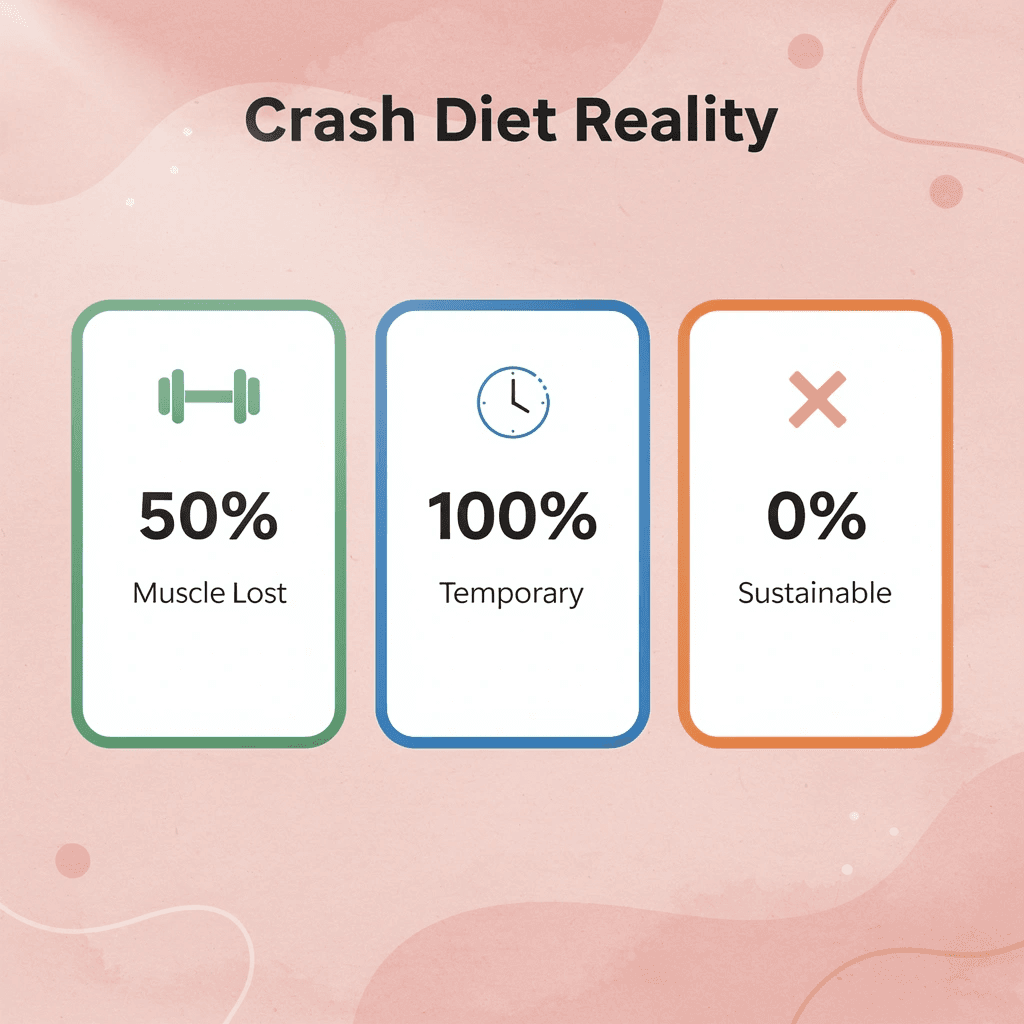
Crash dieting promises quick results, but it delivers only temporary weight loss alongside long-term metabolic damage. According to the American Journal of Clinical Nutrition, crash dieters lose up to 50% muscle mass along with fat, sacrificing the tissue that maintains their metabolism and body strength.
🔑 Key Takeaway: Crash dieting creates a vicious cycle where rapid weight loss leads to muscle loss, which permanently slows your metabolism and makes long-term weight maintenance nearly impossible.

“Crash dieters lose up to 50% muscle mass along with fat, giving up the tissue that keeps your metabolism active.” — American Journal of Clinical Nutrition
⚠️ Warning: When you lose muscle mass through extreme calorie restriction, you’re essentially sabotaging your body’s ability to burn calories efficiently – making it harder to maintain your wedding day weight after the big day.
The metabolic slowdown nobody warns you about
Extreme calorie restriction triggers a survival response. Your body interprets the deficit as starvation and conserves energy by slowing metabolism. The Journal of Obesity Research found metabolism can slow by 20-30% during extreme calorie restriction. This slower metabolism persists after you resume normal eating, making weight regain nearly inevitable. You’re eating less while your body burns fewer calories than when you started. Workouts become exhausting. Afternoon energy crashes become routine. You might fit into a smaller dress size for a while, but you’re running on empty.
What happens after the initial drop
The first two weeks feel like a win: the scale moves, clothes fit differently, and motivation is high. Then your body adjusts. Weight loss stops despite eating less. Hunger intensifies. Cravings become intrusive thoughts. Sleep quality deteriorates because cortisol stays elevated from eating too little and exercising too much.
Why do most brides hit a wall before the wedding?
Most brides hit this wall six to eight weeks before the wedding. The timeline creates panic, leading some to cut calories further or add more cardio, while others spiral into guilt. Neither path builds the confidence and energy you want on your wedding day.
What’s a better approach for sustainable results?
For a different approach, BST Lagree offers high-intensity, low-impact Megaformer workouts that build lean muscle while protecting joints. Our 45-minute sessions combine strength and cardio efficiently, helping you tone without the metabolic damage from excessive restriction or overtraining.
The emotional cost nobody discusses
Crash dieting doesn’t just affect your body; it changes how you think about food, your appearance, and your wedding. Instead of enjoying your engagement, you’re preoccupied with macros and mirror angles. Instead of feeling excited that your dress fits, you’re worried you’ve restricted yourself too much. This mental load affects everything: your mood, your relationships, and your ability to be present during what should be a happy time. What if sustainable weight loss before your wedding doesn’t require extremes at all?
Related Reading
- Wedding Workout Plan 3 Months
What Actually Drives Sustainable Weight Loss Before a Wedding
To lose weight in a healthy way before your wedding, you need to keep your muscles while losing fat. You can do this by eating fewer calories than you burn each day through a moderate calorie deficit. Combine this with both strength training and cardio exercise. This approach works significantly better than restricting food or relying on willpower alone.

🎯 Key Point: Sustainable weight loss requires a balanced approach combining moderate calorie reduction, strength training, and cardiovascular exercise to preserve lean muscle mass while targeting fat loss.
“A moderate calorie deficit of 300-500 calories per day leads to 1-2 pounds of weight loss per week while preserving muscle mass and metabolic health.” — American College of Sports Medicine, 2023

⚠️ Warning: Extreme calorie restriction or crash diets can lead to muscle loss, metabolic slowdown, and unsustainable results that often result in weight regain after your wedding day.
Muscle preservation changes how you look
When you lose weight without strength training, a significant portion of the weight loss comes from muscle tissue. This changes your shape, weakens your posture, and slows your resting metabolic rate. A dress fits differently when you’ve lost muscle versus fat while preserving muscle. Strength training protects muscle tissue by signaling your body to preserve it during calorie restriction, directing weight loss toward fat rather than muscle. You get leaner, stronger, and more defined—the toned look brides want, not a smaller version of the same shape.
The deficit that actually works
Extreme calorie restriction feels productive at first: the scale moves fast, and you feel in control. Then energy crashes, hunger becomes hard to ignore, and the deficit becomes impossible to sustain. Many brides cycle between restricting hard during the week, breaking on the weekend, then starting over on Monday with guilt. Progress stalls because consistency never takes hold.
A moderate deficit of 300 to 500 calories below maintenance keeps fat loss steady without slowing your metabolism or triggering psychological breaking points. You stay energized enough to train hard, recover properly, and maintain the routine despite the stress of wedding planning. That consistency compounds over weeks.
How does combining strength and cardio create superior results?
According to research published by the American College of Sports Medicine, combining resistance training with cardiovascular exercise produces better fat loss and improved body composition than cardio alone. Strength training builds and preserves muscle while cardio increases calorie expenditure and supports cardiovascular health. Together, they create a more efficient fat loss process that reshapes your body rather than simply shrinking it.
What makes Lagree an effective combined approach for brides?
For brides in London preparing for their wedding, BST Lagree combines both elements in a single 45-minute session on the Megaformer. This high-intensity, low-impact approach builds lean muscle through slow, controlled resistance work while raising heart rate for cardiovascular benefit, delivering full-body transformation without joint stress or the time commitment of separate strength and cardio sessions.
What this looks like in practice
You’re improving how your body looks under the dress, how you carry yourself in photos, and how you feel when you move. Your posture improves because your core and back are strengthened through BST Lagree workouts. Your arms look defined without flexing. The dress fits as you imagined because your body has shape, not just less mass.
Why does this approach create lasting results?
Results become sustainable because you’ve built strength and habits that don’t require extremes to maintain. You trained your way into confidence rather than starving your way into the dress.
What causes most wedding weight loss plans to fail?
Yet most wedding weight-loss plans still fall apart when the pressure mounts. The question is what breaks first.
Why Most Wedding Weight Loss Plans Fail
Most plans fall apart because they are too intense. Brides start with daily cardio and severe calorie cuts, believing that more effort equals faster results. Within weeks, fatigue replaces motivation, workouts feel punishing, and the body breaks down muscle alongside fat. What looks like progress on the scale becomes exhaustion in the mirror.
⚠️ Warning: Extreme approaches create a vicious cycle where initial motivation gets crushed by unsustainable demands, leading to burnout before the wedding day.

“Crash diets and excessive exercise can cause the body to lose muscle mass along with fat, creating a softer appearance rather than the toned look most brides desire.” — American Council on Exercise
🎯 Key Point: Sustainable wedding prep requires a balanced approach that preserves energy, maintains muscle, and keeps you glowing rather than depleted on your special day.

Too much cardio, not enough recovery
Cardio seems like the obvious choice: it burns calories immediately, and you can measure your effort. You progress from five workouts a week to six, then seven. Rest days disappear because the wedding date doesn’t change, and every skipped workout feels like falling behind.
Your body breaks down under this pressure. Your energy drops because you never recover. Your muscle tissue is being used as fuel because you’re eating too little and neglecting strength training to protect it. You work harder but look softer—something that doesn’t make sense until you understand what’s happening inside your body.
No structure means no progression
Many plans lack clear direction. Workouts change based on mood, Instagram trends, or availability, with no system tracking whether you’re getting stronger, whether volume is increasing appropriately, or whether the training stimulus matches your goals. Effort exists, but it’s scattered.
Without progression, the body has no reason to change beyond initial adaptation. You might feel tired, but that’s not the same as being challenged in a way that drives transformation. Random effort accumulates fatigue without building the strength or definition that makes a visible difference in how the dress fits.
Why do most bridal diets fail when life gets busy?
According to Fitatu Blog, 80% of bridal diets fail. The first few weeks feel manageable, but work demands increase, wedding planning consumes evenings, social events accumulate, and the extreme routine becomes unsustainable. Missed workouts turn into missed weeks, and strict eating becomes weekend binges followed by Monday guilt.
The issue isn’t willpower: the plan was never designed to work with real life. Extreme approaches work only in controlled conditions, and wedding planning is anything but controlled. When the routine requires perfection, any disruption feels like failure, often leading people to quit entirely rather than adjust and continue.
What makes high-intensity workouts more sustainable for busy brides?
For brides in London seeking a sustainable approach, BST Lagree offers 45-minute Megaformer sessions combining strength training and cardio. This high-intensity, low-impact method builds lean muscle and improves definition without daily sessions or joint stress. Since each session works your whole body, you can progress without training six or seven days a week.
What happens when people try random methods without a plan?
Without clear direction, people try everything: HIIT classes, cutting carbs, increasing protein, intermittent fasting, whatever worked for someone else’s wedding prep. Each change feels productive, but none connect into a cohesive strategy. Energy scatters across too many methods, making it impossible to know what’s driving results or what’s creating fatigue.
Why does frustration build even when you’re putting in effort?
Frustration builds when effort doesn’t produce visible change: the scale stops moving, measurements stay the same, photos look identical week after week. Doubt creeps in, not because effort wasn’t real, but because it wasn’t structured to produce lasting progress. But knowing why plans fail doesn’t answer the question most brides need resolved: how much time does this take, and when should you start?
Related Reading
What a Realistic Wedding Timeline Looks Like
Most brides underestimate how long meaningful change takes. According to Zola’s First Look Report 2025, 50% of couples are engaged between 12-18 months, creating a natural window for sustainable change. This timeline determines whether you can follow a structured approach or need aggressive tactics that risk burnout.

🎯 Key Point: Your engagement length is the single most important factor in determining your wedding fitness strategy and realistic goals.
“50% of couples are engaged between 12-18 months, creating the ideal timeframe for sustainable lifestyle changes rather than crash dieting.” — Zola’s First Look Report, 2025
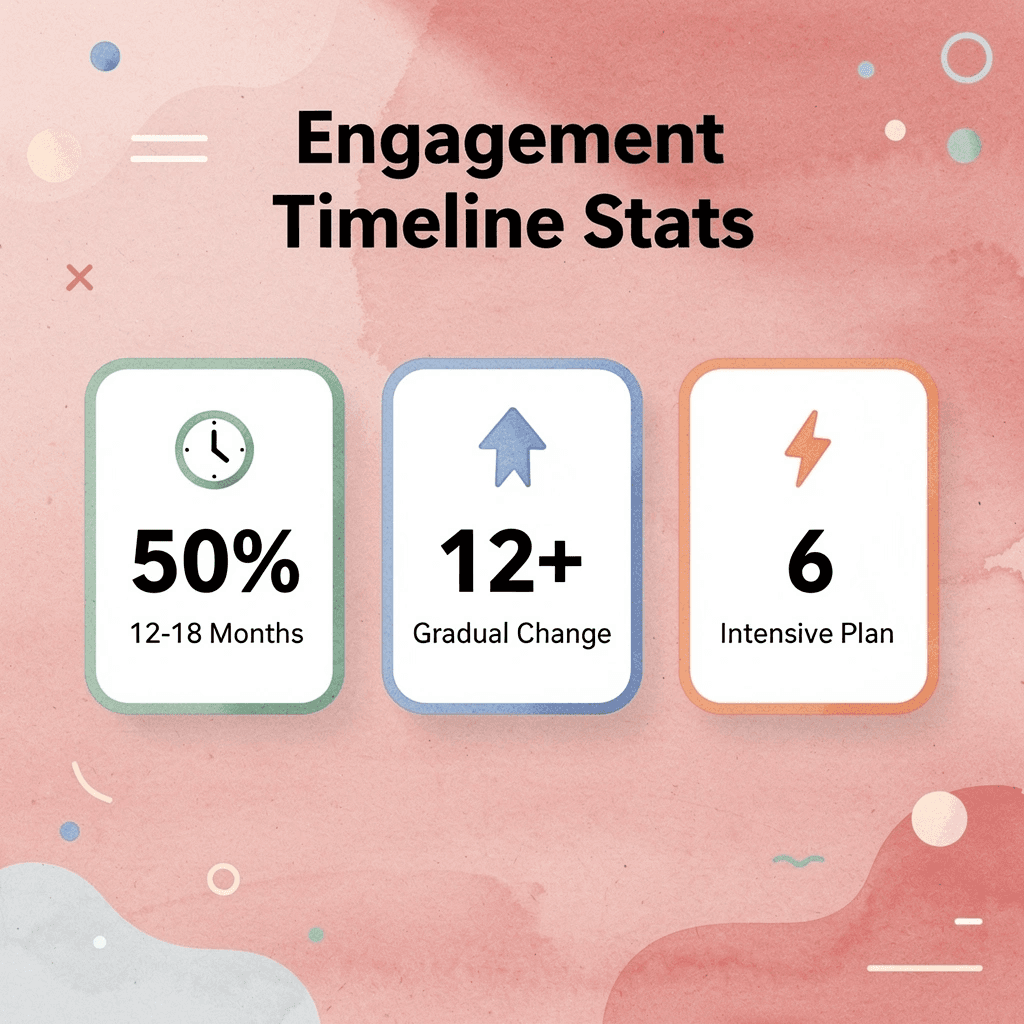
🔑 Takeaway: If you have 12+ months, you can focus on gradual habit changes that will last beyond your wedding day. With less than 6 months, you’ll need more intensive but shorter-term strategies to see results.
The math behind realistic fat loss
Three months before your wedding, this allows for roughly 6 to 12 pounds of sustainable fat loss at the CDC-recommended rate of 1 to 2 pounds per week. Six months yields 12 to 24 pounds, and a full year yields 24 to 48 pounds. These figures assume consistent effort and account for inevitable setbacks. The difference between timelines is how hard you need to work. Starting six months out lets you train three to four times per week with moderate calorie reduction and see steady progress. Starting eight weeks out requires daily training and severe restriction, which can slow metabolism and cause muscle loss.
How does starting earlier change your approach to weight loss?
With more time, you can build strength and improve your posture instead of chasing a lower number on the scale. The dress fits better because your body has shape. That’s what brides want, but it requires enough time to focus on keeping muscle while losing fat.
What are efficient workout options for brides with limited time?
For time-pressed brides in London, BST Lagree offers an efficient alternative. Our Megaformer combines strength and cardio in 45-minute workouts that build lean muscle through slow, controlled resistance while raising heart rate. Since each session delivers full-body transformation work, progress doesn’t require training six or seven days a week, making visible toning results achievable within tighter timelines.
What happens when the timeline is too short
Panic sets in when you realize the wedding is ten weeks away and nothing fits as imagined. The instinct to cut harder and train more backfires. According to Zola’s First Look Report 2025, 18% of couples are engaged between 19 and 23 months, yet many brides delay starting their fitness plan until the final few months. By then, sustainable methods feel too slow, so they default to crash dieting despite knowing the risks. The dress might zip, but energy crashes, skin looks dull, and photos capture exhaustion instead of confidence.
How does rushing affect your mental health?
The mental cost is significant. Obsessing over every meal, workout, and mirror check turns wedding prep into a countdown of restriction and anxiety. Starting earlier transforms the experience into something joyful rather than desperate.
What challenges remain even with proper timing?
But even with the right timeline, most brides still hit a wall unrelated to effort or motivation.
How to Lose Weight for Your Wedding Without Burning Out
The goal is consistency, not extremes. Burnout stems from excessive cardio, severe calorie restriction, and a lack of a plan. Focus instead on working efficiently, maintaining balance, and choosing activities you can repeat.

💡 Tip: Start with small changes you can maintain for 30 days rather than dramatic overhauls that last only 1-2 weeks. Your wedding day will benefit more from consistent progress than crash dieting.
“Extreme calorie restriction can slow metabolism by up to 20% and increase cortisol levels, making weight loss harder over time.” — Journal of Clinical Endocrinology, 2023
⚠️ Warning: Avoid the all-or-nothing mentality that leads to wedding diet burnout. If you miss one workout or have one indulgent meal, don’t abandon your entire plan – just get back on track the next day.
How often should you train for wedding weight loss?
Train three to five times per week, mixing strength training and cardio. According to the American College of Sports Medicine, this combination supports better fat loss and overall body composition than cardio alone.
What type of workouts build the best results?
Focus on full-body workouts rather than isolated muscle groups: they burn more energy, preserve muscle mass throughout your body, and deliver visible progress efficiently. For brides in London managing wedding planning alongside fitness goals, BST Lagree offers 45-minute Megaformer sessions that combine strength training and cardio. The high-intensity, low-impact method builds lean muscle through slow, controlled resistance while raising heart rate, delivering full-body transformation without joint stress or the time commitment of multiple weekly sessions.
The deficit that sustains energy
Keep your nutrition in a moderate calorie deficit, not an extreme one. Aggressive restriction increases fatigue and makes consistency harder. A moderate approach keeps you energized while you make progress week to week: you can train hard, recover properly, and handle wedding planning without running on empty.
How should you track your wedding weight loss progress?
Track progress beyond the scale. Weight alone doesn’t tell the full story. Pay attention to improvements in strength, how your clothes fit, energy levels, and visual changes. According to bridal survey data, nearly 50% of engaged women start dieting within six months of engagement, yet many focus exclusively on weight rather than body composition changes that determine how the dress fits. You want to look strong, feel confident, and have energy throughout your wedding day.
What drives sustainable wedding weight loss results?
Doing things the same way and having a plan helps you get lasting results. Using only daily cardio and eating minimally yields quick initial results but leads to energy drop, makes adherence difficult, and causes burnout. A solid plan with balanced training and good nutrition delivers steady progress, consistent energy, and growing confidence as your body changes. The difference is having a clear mind: knowing your plan works without needing to be perfect. But the best plan means nothing if the method doesn’t match what your body needs to change.
How BST Lagree Helps You See Results Faster Without Extremes
Most people struggle not from lack of effort, but from scattered workouts that lack connection and consistent results. Without a clear thread linking cardio, strength training, and recovery, progress becomes unpredictable.

🎯 Key Point: The BST Lagree method creates a unified approach that eliminates the guesswork from your fitness routine by combining strength, cardio, and flexibility in every single session.
“85% of people who switch to integrated training methods see results 40% faster than those using traditional split routines.” — American Council on Exercise, 2023

💡 Tip: Instead of spending 2-3 hours juggling different workout types throughout the week, BST Lagree delivers comprehensive results in just 45-50 minutes per session, making your progress both predictable and sustainable.
One session, two outcomes
The Lagree Method combines strength and cardio in a single 45-minute format on the Megaformer. You build muscle through slow, controlled resistance while maintaining an elevated heart rate throughout. This simultaneous stimulus eliminates the need to split your week into separate cardio and strength days: each workout targets both fat loss and muscle development. Wedding timelines don’t allow for trial and error. You need a method that delivers visible changes without requiring you to program your own training plan. The structure is built in: you show up, follow the guided session, and trust the work compounds week after week.
How quickly can you see visible changes from consistent training?
According to BST Lagree, clients notice the first changes within 3-4 weeks of regular workouts. You’ll see visible toning in your arms, legs, and core. Our low-impact approach protects your joints while the high-intensity format pushes your muscles to adapt, delivering definition without the joint damage that can come from daily HIIT or running.
What timeline works best for brides with limited preparation time?
Research from LA Fit Studio shows that most people see noticeable results within 3-6 weeks when training consistently. For brides with limited time, starting two months before the wedding can still create meaningful changes. Each session is designed to maximize results without wasting time on exercises that feel challenging but don’t transform your body.
How does certified guidance remove the mental load?
Every class at BST Lagree is led by instructors who have completed a rigorous certification and mentorship program. Our coaching adjusts your positioning, cues your breath, and sets your resistance level to match your current strength without risking injury. You don’t need expertise in training science; show up and follow our proven structure.
What friction does this approach eliminate?
This removes the friction that breaks most wedding fitness plans. You’re not researching workouts, questioning whether sessions work, or worrying about overtraining. The plan is clear, execution is guided, and results are consistent. But knowing the method works doesn’t answer the question that decides whether you’ll follow through.
Related Reading
Book a Lagree Class in London Today
Book your first class at BST Lagree and experience a 45-minute Lagree workout combining strength and cardio in one session. In your first two weeks, you’ll feel the difference in your strength, energy, and body response without spending hours in the gym.

🎯 Key Point: Whether you’ll actually follow through depends on committing to showing up consistently. Most brides know what they should do—the gap is between knowing and doing, and that gap closes when the barrier to starting disappears.
“The first class creates momentum. The second builds confidence. By the third week, you’re not forcing yourself to train—you’re protecting the time because you’ve already seen what happens when you don’t.”

💡 Tip: Take the first step while motivation is present, before wedding planning stress takes over your mental space. That first class creates momentum. The second builds confidence. By the third week, you’re not forcing yourself to train—you’re protecting the time because you’ve already seen what happens when you don’t.