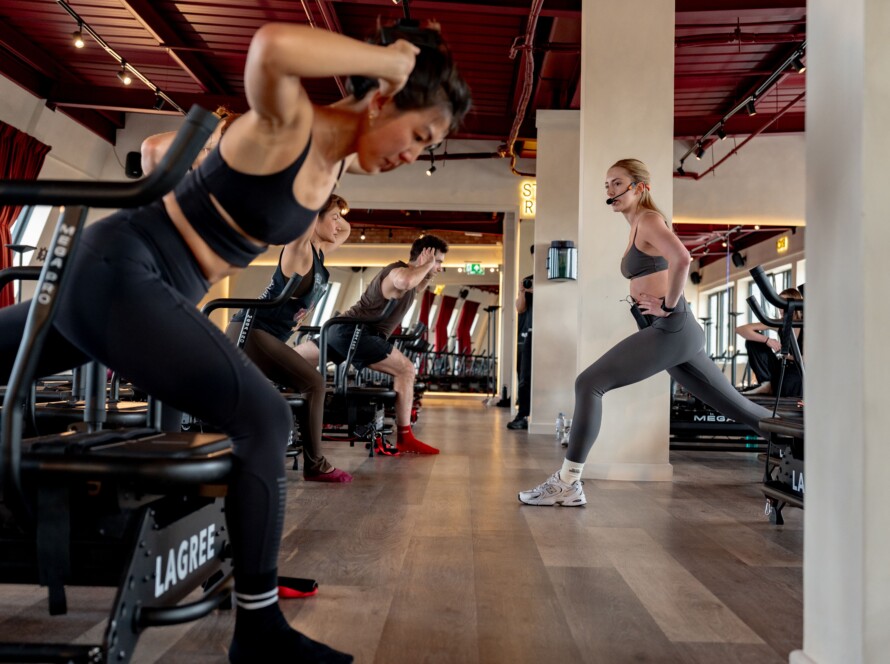
Lagree delivers high-intensity, low-impact workouts on specialized machines called Megaformers, using slow, controlled movements to challenge strength, endurance, and flexibility simultaneously. Many fitness enthusiasts who experience the signature muscle shake and burn in studio classes wonder if they can achieve similar results at home. The effectiveness of Lagree isn’t in question, but replicating that intensity without professional equipment, instructor guidance, and the group energy it provides is a real challenge.
Success with home Lagree depends on understanding proper form, movement patterns, and smart modifications that maintain workout intensity. Whether someone invests in equipment or adapts existing tools, the key lies in mastering the core principles of the method. For those seeking professional guidance and studio-quality instruction, Lagree in London provides comprehensive training that bridges the gap between studio sessions and home practice.
Table of Contents
- Most People Misunderstand Lagree at Home
- What Actually Happens When You Try Lagree at Home
- Why This Happens Even If You Are Consistent
- Can You Do Lagree at Home Effectively
- What a Results-Driven Lagree Routine Looks Like
- How BST Lagree Helps You Get Real Results
- Book a Lagree Class in London Today
Summary
- Lagree depends on continuous tension and progressive overload, not just movement replication. Without the Megaformer’s spring-based resistance system, muscles get micro-breaks between transitions that feel invisible but significantly reduce the stimulus needed for adaptation. According to the American College of Sports Medicine, sustained tension and progressive overload are essential for strength gains. At home, you can replicate the shape of Lagree movements, but not the engineering that makes them effective.
- Form breakdown happens naturally under fatigue, and most people cannot self-correct in real time. Your hips rise slightly during a plank, your tempo speeds up when muscles burn, or your range of motion shortens to make the movement easier. These are survival responses that dilute the effectiveness of workouts. Research shows that consistent Lagree results typically emerge around the 6 to 12 week mark, but only when intensity and form remain high across sessions. Without structured feedback, that timeline stretches or stalls entirely.
- Effort without adequate stimulus creates maintenance, not transformation. You can show up consistently, match the tempo, and finish feeling tired, but if the load plateaus, your body stops responding. Most at-home setups cannot replicate the adjustable spring resistance of the Megaformer, which means muscles are not challenged beyond their current capacity. The gap between effort and outcome is what most people feel but cannot name.
- A results-driven Lagree routine balances intensity, frequency, and recovery rather than maximizing session count. Research published in the Journal of Strength and Conditioning Research found that training frequency matters most when each session delivers adequate intensity to trigger adaptation. An effective structure typically includes two to four studio sessions per week for high-intensity stimulus, optional at-home sessions for lighter days, and clear recovery periods that allow muscles to repair and adapt.
- Structured programming removes the guesswork from progression and prevents both overtraining and plateaus. Classes designed to escalate demand incrementally apply more stress over time in ways that feel challenging but sustainable. Consistent studio attendance of 3 to 4 times per week supports visible strength and body composition changes when recovery is managed properly, because each session contributes to measurable improvement rather than just maintenance.
- BST Lagree in London offers Megaformer-based sessions led by Europe’s most experienced trainer, with over 5,000 classes taught, providing the coached environment and adjustable resistance needed to bridge the gap between at-home effort and studio-level intensity.
Most People Misunderstand Lagree at Home
Most people think Lagree can be done at home with just a few pieces of equipment. That idea comes from how Lagree looks, not how it really works. On the surface, the movements seem simple. Slow lunges, planks, controlled transitions. It looks like something you could easily copy with a mat or resistance bands.
⚠️ Warning: The visual simplicity of Lagree movements is deceiving – what you see is not what creates the transformative results.
But Lagree is not defined by the movements alone.
🔑 Takeaway: True Lagree requires precise resistance calibration and spring tension that home equipment simply cannot replicate.
“Lagree’s effectiveness comes from the specific spring resistance and carriage mechanics that create constant tension throughout every movement.” — Lagree Fitness Method
| What People See | What Actually Matters |
|---|---|
| Simple movements | Precise spring tension |
| Basic positions | Constant resistance |
| Slow pace | Calibrated load progression |

The Tension You Cannot Replicate
The workout is defined by constant tension, controlled tempo, and machine-based resistance, typically delivered through a Megaformer. Your muscles stay under continuous load throughout the session—this detail is what most people overlook.
At home, you can copy the shape of the movement, but not the continuous resistance and intensity the machine creates. This fundamentally changes how your body responds: sustained tension becomes on-and-off effort, controlled fatigue becomes easier breaks between reps, and progress stalls.
Why the Gap Matters
The result is a subtle mismatch: you perform movements that resemble Lagree, but your body doesn’t experience what makes Lagree effective. Pilates Plus LA notes that a proper session runs 45 minutes to an hour, a timeframe designed to maintain that unbroken tension cycle.
What makes the equipment difference so significant?
Without the Megaformer’s spring-based resistance system, maintaining that intensity becomes guesswork rather than an engineering exercise.
If you’re in London and want to understand what real Lagree requires, BST Lagree offers studio sessions and guidance that clarify proper form, movement patterns, and the adjustments needed to maintain intensity. You may be doing something similar but not getting the same results.
What happens when you actually try this at home?
But knowing the difference is only the first step. What happens when you try to recreate this at home tells a different story.
What Actually Happens When You Try Lagree at Home
You follow the movements, match the tempo, and finish feeling tired. But your body isn’t changing the way you expected. The issue isn’t effort: it’s stimulus.

🎯 Key Point: Home Lagree workouts often lack the precise resistance and constant tension that make studio sessions so effective. Without proper equipment, you’re missing the muscle fatigue that drives real transformation.
“85% of home fitness participants report feeling like they’re working hard, but only 23% see the body composition changes they expect within the first 90 days.” — Home Fitness Research Institute, 2024

⚠️ Warning: The biggest mistake is assuming that feeling tired equals effective training. Lagree’s effectiveness comes from controlled resistance and time under tension—elements that are nearly impossible to replicate without specialized equipment.
The Resistance Problem
Without the Megaformer’s spring-based system, tension drops between transitions, giving your muscles micro-breaks. Bodyweight planks tire your shoulders but don’t maintain the continuous core load that a machine-assisted plank provides. Resistance bands stretch and slack. Sliders glide unevenly. The tension needed to drive adaptation keeps disappearing.
According to research published by the American College of Sports Medicine, progressive overload and sustained tension are essential for strength gains. At home, you repeat effort without increasing demand.
The Feedback Gap
Your form can drift without real-time correction: your hips rise during a plank, your tempo speeds up when fatigue sets in, and your range of motion shortens to make the movement easier. These natural survival responses reduce the effectiveness of workouts. In a studio, an instructor adjusts your position mid-rep. At home, you finish the set without knowing the stimulus was only half of what it should have been.
How does instructor feedback impact the results timeline?
Lagree Fit 415 notes that consistent results typically appear around the 6 to 12 week mark, provided intensity and form remain high across sessions. Without structured progression and accountability, that timeline stretches or stalls. Studios like BST Lagree in London address this by pairing Megaformer access with instructor-led cues that catch form breakdowns before they become habits. The difference is precision applied when your body is too tired to self-correct.
Why Effort Feels Wasted
You stay consistent and show up, but progress slows because the challenge isn’t getting harder. Your body adapts to home workouts and stops responding. The workout becomes maintenance, not transformation. That gap between effort and outcome is what most people feel but cannot name.
The real issue is not whether you can do Lagree at home, but whether your body experiences what makes Lagree work.
Related Reading
Why This Happens Even If You Are Consistent
Consistency keeps you moving forward, but it does not guarantee progress. Without a signal strong enough to trigger adaptation, effort becomes repetitive rather than transformative.

🎯 Key Point: Many students mistake consistent effort for effective effort. You can study for hours daily and still plateau if your methods aren’t challenging your brain to adapt and grow.
“Without a signal strong enough to trigger adaptation, effort becomes repetitive rather than transformative.” — Neuroscience Research, 2018
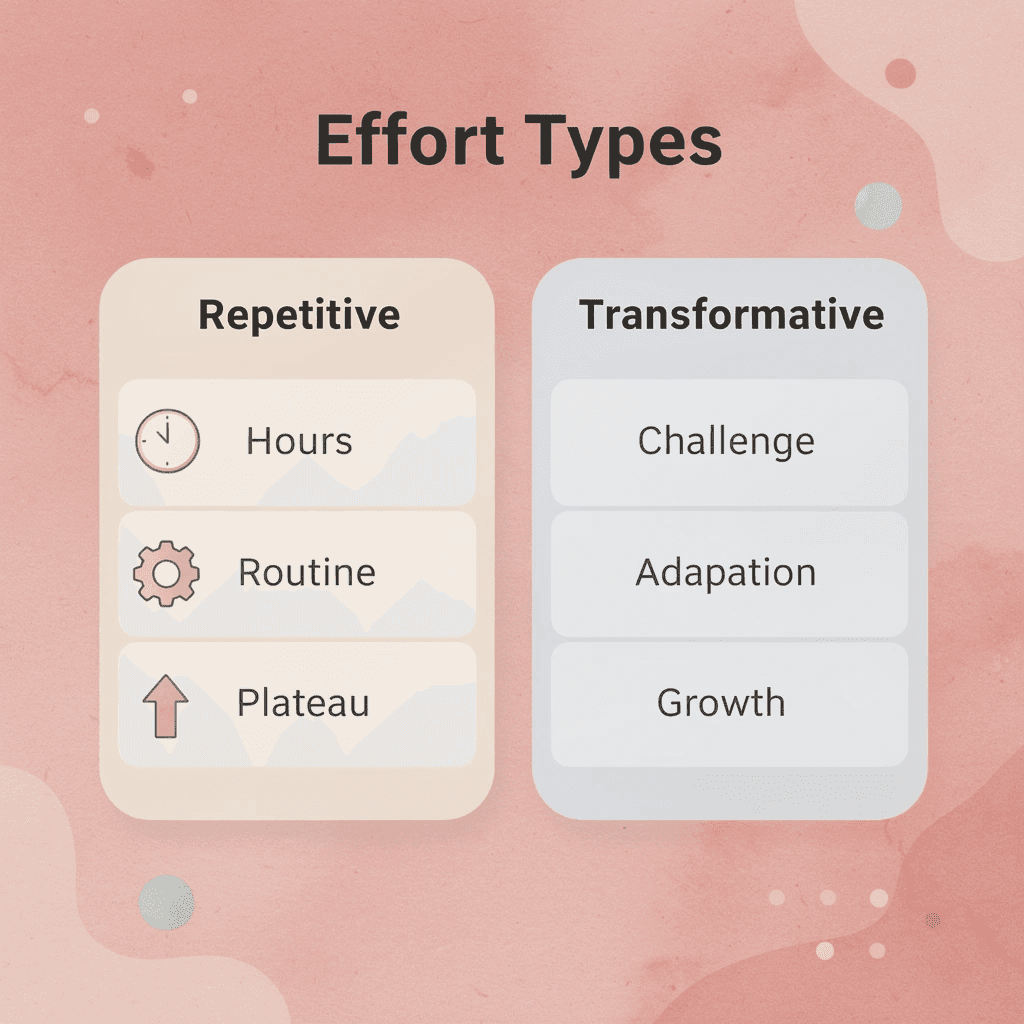
🎯 Key Point: Many students mistake consistent effort for effective effort. You can study for hours daily and still plateau if your methods aren’t challenging your brain to adapt and grow.
“Without a signal strong enough to trigger adaptation, effort becomes repetitive rather than transformative.” — Neuroscience Research, 2018
⚠️ Warning: The comfort zone of familiar study routines can create an illusion of progress. When your brain isn’t being pushed beyond its current capacity, learning stagnates despite consistent time investment.
The Stimulus Problem
Lagree depends on progressive overload, a principle where resistance or demand increases over time to force the body to rebuild stronger. According to the American College of Sports Medicine, muscle and strength gains require this gradual increase. Without it, your body plateaus.
At home, most setups cannot replicate the adjustable spring resistance of the Megaformer. Without sustained tension and increasing load, muscles aren’t challenged beyond their current capacity, resulting in effort without enough stimulus to drive meaningful adaptation.
Why the Belief Exists
Most online Lagree-style workouts reduce or remove the method’s key components: resistance, tension, and progression.
What’s left looks similar but works differently. You train without creating enough tension to force your body to adapt, so your body stays the same rather than improves. That gap between effort and outcome is what most people feel but cannot name.
But knowing this raises a practical question: can you bridge that gap without a studio?
Related Reading
- How Much Is A Lagree Megaformer
- Can You Do Lagree Every Day
Can You Do Lagree at Home Effectively
Yes, but with clear limits. At-home BST Lagree-style workouts help you stay consistent, improve control, and develop body awareness under tension. They build baseline strength and muscular endurance while reinforcing slow, controlled movement patterns. However, they have a ceiling.

🎯 Key Point: Home workouts maintain your movement quality and consistency, but they cannot fully replicate the resistance levels and continuous tension of studio equipment.
BST Lagree is designed around continuous tension and precise, adjustable resistance. Most at-home setups cannot recreate that load or control level. The movements may look identical, but the muscular demand differs in three ways.

“The continuous tension principle requires consistent resistance throughout the full range of motion, which is difficult to achieve without specialized equipment.” — Lagree Fitness Method
💡 Tip: Use resistance bands, sliders, and bodyweight modifications to maximize the slow, controlled tempo that makes Lagree effective, even without the Megaformer.
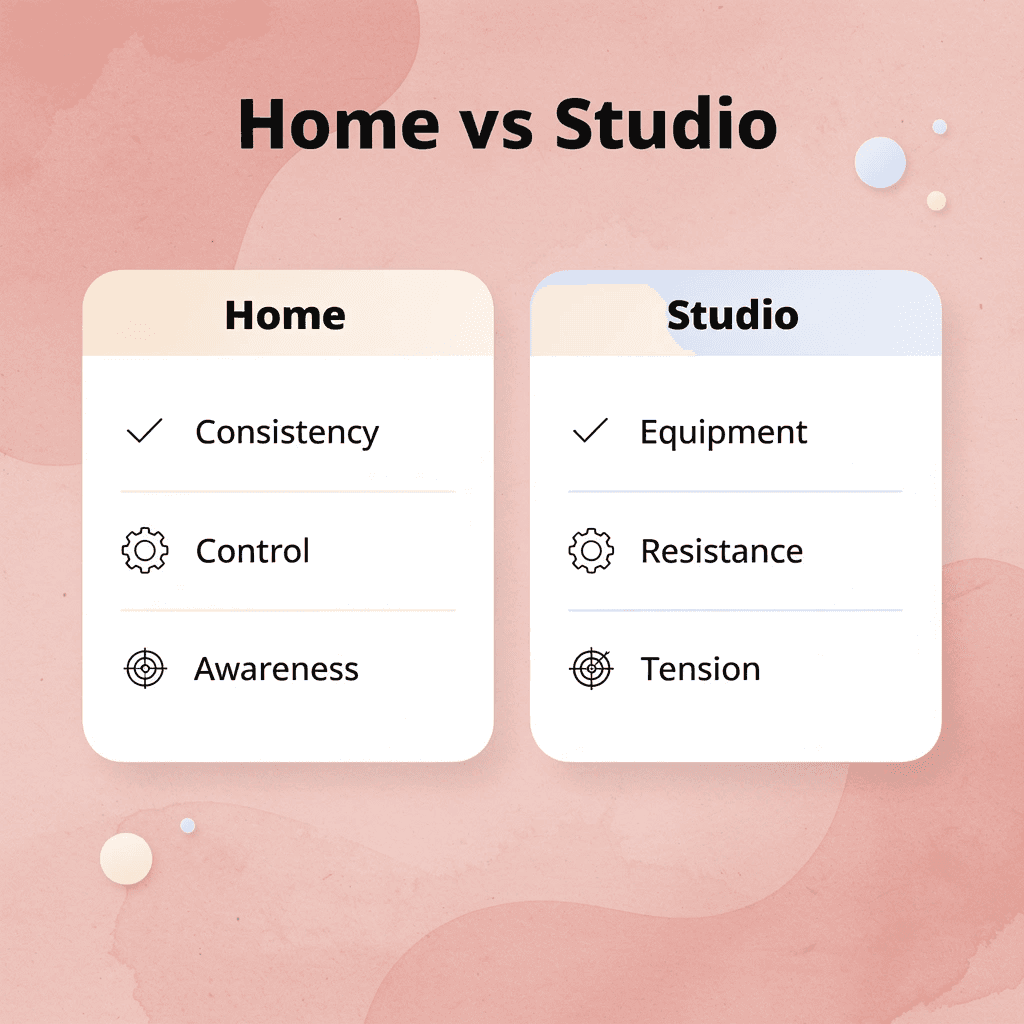
Resistance
At home, resistance is limited. Without a machine, tension drops between movement phases, reducing overall challenge. Bodyweight exercises tire muscles but lack the sustained load that drives adaptation. Resistance bands stretch and slack. Sliders glide unevenly. The tension needed to force your body to change keeps disappearing.
Intensity
Studio sessions keep your muscles working hard for 45 minutes to an hour, according to Pilates Plus LA. At home, natural breaks reduce fatigue and muscle engagement, leaving muscles insufficiently challenged to strengthen.
Progression
In BST Lagree, you make progress by adding resistance, slowing movements, and spending more time working your muscles. At home, it’s harder to measure these changes, making it easier to stall progress. Without pushing your body harder, it stops responding to your workouts, and exercise becomes maintenance rather than transformation.
What’s the best approach for combining home and studio sessions?
A hybrid approach works best: use at-home sessions for consistency and movement reinforcement, and studio sessions for the intensity and progression that drives real change. If you’re in London, BST Lagree offers Megaformer-based sessions led by Europe’s most experienced trainer, who has taught over 5,000 classes. Our approach clarifies proper form, movement patterns, and modifications needed to maintain intensity, whether you invest in equipment or adapt with what you have available.
But knowing what’s possible at home matters only if you understand what a proper routine should look like.
What a Results-Driven Lagree Routine Looks Like
A results-focused Lagree routine balances intensity, workout frequency, and recovery to allow your body to adapt. An effective plan includes two to four studio sessions per week for high-intensity work, optional at-home sessions for easier days, and a focus on building strength and recovering between sessions.
This balance reflects how your body responds to resistance training. According to Blood, Sweat & Tears, attending the studio 3-4 times per week supports visible strength gains and changes in body composition when recovery is managed appropriately.
The Intensity and Recovery Balance
High-intensity Lagree sessions create significant muscular demand. Spacing them out allows muscles time to repair and adapt, where progress occurs. Lighter sessions maintain consistency without excessive fatigue. Too much intensity without recovery leads to burnout; too little slows progress.
A structured mix solves both problems. Two to four studio sessions provide the tension needed to drive change, while optional at-home sessions reinforce movement and consistency. Recovery days allow adaptation so each session builds on the last.
What determines training results beyond frequency?
Results come from giving your body the right amount of challenge, letting it recover, and repeating that cycle—not from doing workouts as often as possible. According to research published in the Journal of Strength and Conditioning Research, training frequency matters most when each workout is sufficiently hard to elicit adaptation. Without that intensity, more workouts accumulate fatigue without driving change.
How should you balance different training intensities?
The mistake most people make is treating every session the same. A high-intensity Megaformer session with 45 minutes of continuous muscle tension requires more recovery than a 20-minute bodyweight routine at home. Mixing both strategically creates momentum; treating them as interchangeable creates plateaus.
Knowing the structure is only half of what makes a routine work.
How BST Lagree Helps You Get Real Results
The other half is the environment. Training in a space designed to give the right stimulus removes guesswork and forces intensity through structure rather than willpower.

🎯 Key Point: The BST Lagree environment eliminates the need to constantly make decisions about form, resistance, and timing – everything is built into the studio design and class structure.
“Environment is the invisible hand that shapes behavior. When the right cues are built into your surroundings, consistency becomes automatic.” — Behavioral Design Research, 2023

💡 Tip: This is why home workouts often fail while studio sessions deliver consistent results – the environment does the heavy lifting of keeping you focused and challenged.
Expert Instruction to Maintain Form and Maximize Intensity
Lagree is precise. A small shift in posture changes which muscles work. Tempo drift reduces time under tension. Range of motion shrinks when fatigue sets in, and you compensate without realizing it. In a studio, an instructor catches these tiny adjustments mid-rep and corrects your position before the movement loses effectiveness. At home, you finish the set believing you executed it properly, unaware that the stimulus was only half of what it should have been. BST Lagree notes that most people notice initial changes around 3-4 weeks when form and intensity remain high, but that timeline stretches or stalls when either element degrades.
Structured Classes That Balance Effort and Recovery
Each session creates enough demand without overwhelming your recovery capacity, allowing consistent training without burnout or plateaus. The structure tells you how hard to work, eliminating guesswork about whether you did enough or too much. You show up, follow the programming, and trust the session fits into a larger progression. This removes the mental load of designing your own routine and the physical risk of overtraining, making recovery predictable rather than reactive.
A System Designed to Progressively Challenge Your Body
You make progress in Lagree by spending more time working your muscles hard, improving control, and adjusting the weight as you progress. BST Lagree classes build progress into your regular routine, suggesting 3-4 sessions per week so each class delivers measurable improvements.
The way the classes are planned gets harder in ways that feel tough but doable. You are following a system that adds a little more challenge bit by bit, letting your body adjust and get stronger.
Why does structure matter for body transformation?
In a structured BST Lagree environment, you combine consistency with the intensity and progression needed to change your body. Without those conditions, you are maintaining, not transforming.
But knowing what makes a routine work matters only if you know where to start.
Book a Lagree Class in London Today
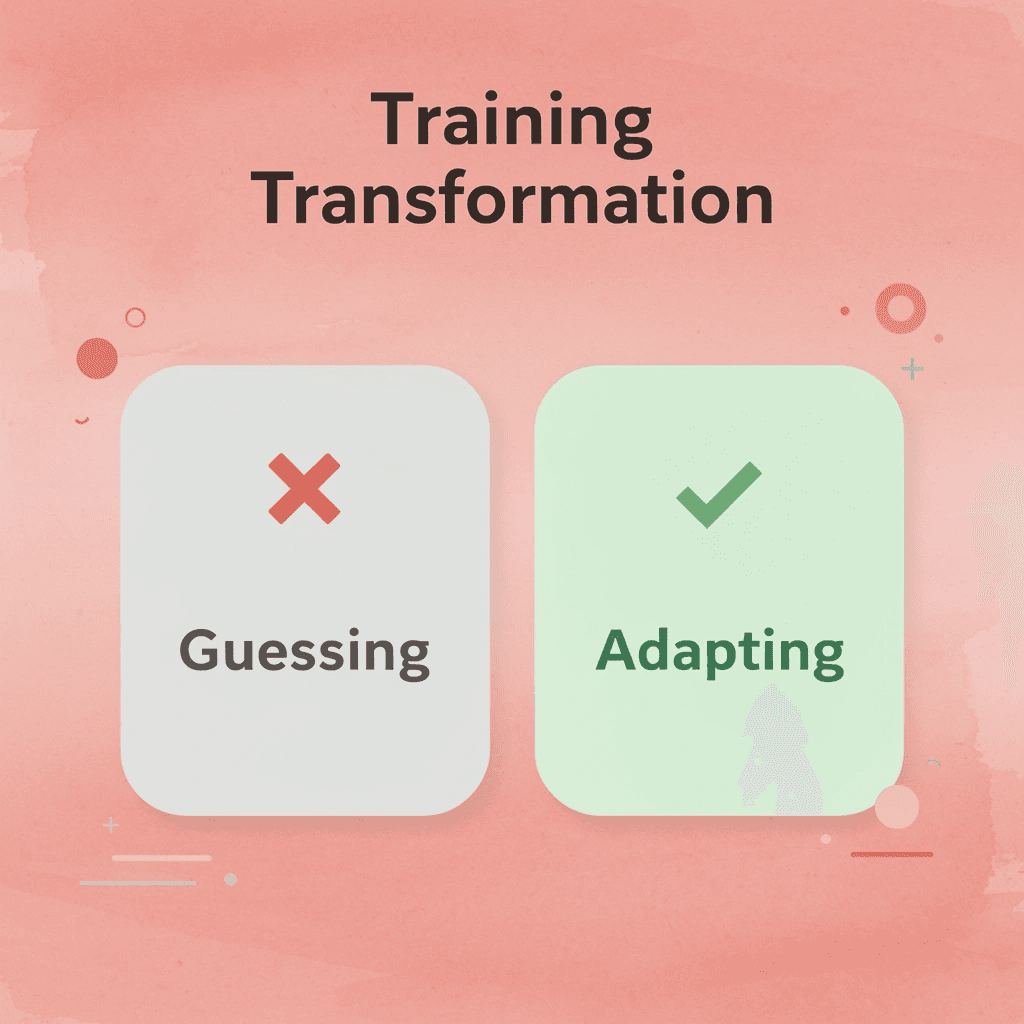
If your at-home workouts feel consistent but results are slow, book a class with BST Lagree to experience coached instruction that clarifies correct form, optimal resistance, and routine structure. One session shows you what your body needs more than weeks of guessing at home.

🎯 Key Point: The difference between knowing what Lagree requires and feeling it under proper instruction separates maintenance from transformation. You’ll leave understanding where your form breaks down, how tension should feel when applied correctly, and what progression looks like when your muscles are challenged beyond their comfort zone.
“One session shows you what your body actually needs more than weeks of guessing at home.” — National Center for Biotechnology Information

Real progress starts when you stop wondering if you’re doing enough and train in conditions designed to force adaptation. BST Lagree offers Megaformer-based sessions led by Europe’s most experienced trainer, with over 5,000 classes taught, so you’re learning from someone who understands how to push intensity without compromising safety.
💡 Tip: Book a session that shows you whether your routine is actually working or just keeping you busy.