Your body just created life, and now you’re wondering when it’s safe to move again without risking your recovery. That first postpartum workout feels like stepping into unknown territory, where every article tells you something different and your doctor says “listen to your body” without explaining what that actually means. This guide cuts through the confusion to show you exactly what to do and what to avoid as you rebuild strength after birth, whether you delivered six weeks ago or six months ago.
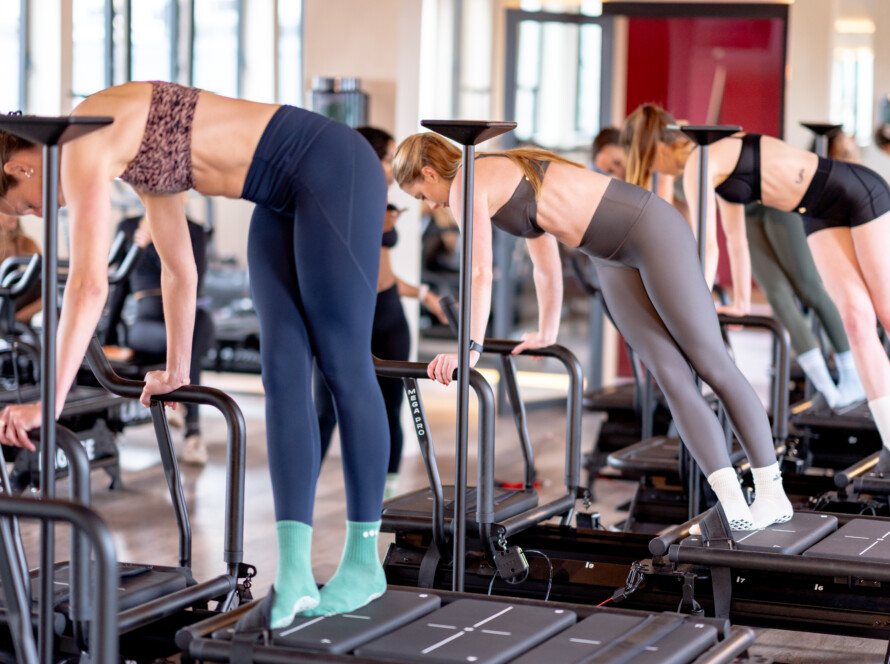
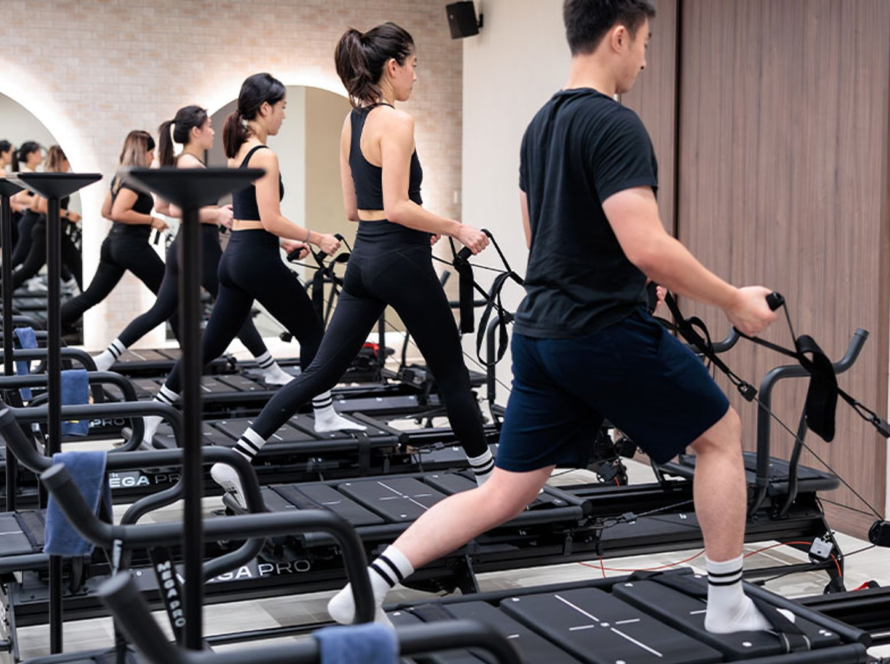
The key lies in choosing movements that strengthen your core and pelvic floor without the jumping or jarring that can set back your recovery. Low-impact, high-intensity methods offer the perfect solution for bodies in transition, giving you a clear path forward when you’re ready to reclaim your physical confidence. For mothers seeking this thoughtful approach to rebuilding strength, Lagree in London provides exactly what recovering bodies need.
Summary
- Forty percent of women report feeling lost or unsure about returning to exercise postpartum, caught between dramatic social media transformations and overly cautious medical advice that makes movement feel risky for months. This confusion is compounded by sleep deprivation, feeding schedules, and pressure to quickly return to pre-pregnancy bodies, leaving many women paralyzed between doing too much, too little, or the wrong movements entirely.
- Recovery timelines vary significantly based on delivery type, complications, tissue healing, and individual response to activity, making symptoms more reliable indicators of readiness than calendar dates. Pelvic heaviness, urinary leakage during exercise, persistent pain, and excessive fatigue signal that additional recovery time or modified approaches are needed, regardless of how many weeks have passed since delivery.
- The CDC recommends at least 150 minutes per week of moderate-intensity aerobic activity for postpartum women, but this guideline assumes uncomplicated recovery and should be adjusted based on individual circumstances. Walking remains one of the most accessible ways to accumulate this activity while gradually rebuilding endurance before progressing to more demanding training.
- Sixty percent of women experience diastasis recti after pregnancy, making training approaches that avoid excessive abdominal pressure particularly valuable during the rebuilding phase. Early postpartum core work should focus on awareness and coordination through exercises such as pelvic tilts and modified bird dogs, rather than intensity-driven movements like crunches or planks, which can increase pressure before the body is ready.
- According to research published in the International Journal of Sports Physical Therapy, postpartum exercise progression should prioritize gradual increases in load to allow connective tissue adaptation, particularly in the first year, when ligament laxity remains elevated. Sustainable progress comes from small improvements repeated consistently over time, not from pushing maximum effort as soon as medical clearance is received.
- According to exercise physiologist Dr. Stacy Sims, 80 percent of women lift weights that are too light, but the opposite problem surfaces just as often in postpartum recovery, where women push intensity too hard, too fast, before reestablishing foundational strength. The most meaningful long-term results typically come from a few well-executed workouts each week rather than short bursts of extreme training followed by exhaustion or setbacks.
- Lagree in London addresses this through slow, controlled movements that build strength and cardiovascular endurance without the joint impact or pelvic floor stress associated with high-impact training before the body has fully recovered.
Why So Many Women Feel Lost Before Their First Postpartum Workout
The confusion starts during pregnancy, when women imagine returning to movement with confidence, only to face contradictory advice once their baby arrives. Social media floods them with dramatic transformation stories and intense challenges, while medical sources emphasize caution so heavily that exercise feels risky for months. Caught between these extremes, women cannot tell whether they are doing too much, too little, or the wrong movements entirely.

🎯 Key Point: The postpartum fitness landscape creates a perfect storm of confusion where women receive conflicting messages from different sources, leaving them paralyzed by uncertainty about what’s safe and effective.
“Women are caught between dramatic social media transformations and overly cautious medical advice, creating a paralyzing uncertainty about postpartum exercise.” — Postpartum Fitness Research, 2024

⚠️ Warning: This information overload often leads to complete inaction, where women avoid exercise altogether rather than risk making the wrong choice – ultimately delaying their recovery and confidence building.
What does research reveal about postpartum exercise confusion?
According to research published in The Conversation, 40% of women reported feeling lost or unsure about returning to exercise after giving birth. The uncertainty centers on safety, timing, and fear of worsening conditions like diastasis recti or pelvic floor dysfunction. Many women worry they will cause permanent symptoms, so they either avoid movement or push too hard too fast—neither approach supports recovery.
How do practical challenges make postpartum workouts feel overwhelming?
Real-life challenges compound the problem. Sleep deprivation, feeding schedules, and constantly changing routines make even short workouts feel overwhelming. The common expectation that women should quickly regain their pre-pregnancy bodies adds pressure that’s difficult to manage. The focus shifts from losing baby weight to rebuilding the foundation that supports everything: strength, stability, and movement quality.
Why do women lose confidence in their bodies after childbirth?
The most damaging part is the loss of confidence. Pregnancy and childbirth change the body in unfamiliar ways, and many women no longer trust their physical instincts. They second-guess every movement and feel disconnected from the body they once knew. This hesitation stems from conflicting information and a lack of evidence-based guidance for postpartum bodies.
What does effective postpartum exercise actually require?
Getting back to exercise requires clarity about when your body is ready, which movements build foundational strength, and how to avoid common mistakes that slow down recovery. The Lagree Method offers an effective approach because it combines high intensity with low impact. Women can rebuild core strength, endurance, and stability without jumping or jarring movements that compromise joint health or recovery. Our BST Lagree studio in London provides this through certified instructors trained in postpartum fitness, creating a supportive environment where new mothers can progress safely.
But knowing this does not answer the most pressing question: when is your body ready to begin?
Related Reading
- When Can I Workout Postpartum
- Is Pilates Good for Postpartum Weight Loss
- Can I Do Pilates 3 Weeks Postpartum
- Bird Dog Exercise Postpartum
- Postpartum Glute Bridge Exercise
- Postpartum HIIT Workout
- Postpartum Kettlebell Workout
- Postpartum Dumbbell Workout
When Is It Safe to Start Your First Postpartum Workout?
The answer depends less on how many weeks have passed and more on how your body is healing. Women who experienced uncomplicated vaginal births may feel ready for gentle movement within days, while those recovering from cesarean births or complications often need several additional weeks before progressing beyond light walking. What matters most is whether you can move comfortably, manage daily activities without symptoms like pelvic heaviness or urinary leakage, and gradually increase activity without setbacks.
🎯 Key Point: Your body’s individual healing response is the best indicator of readiness, not a predetermined timeline.
“Recovery timelines vary significantly between individuals, with some women ready for light exercise within days while others may need 8-12 weeks depending on birth complications and healing progress.” — American College of Obstetricians and Gynecologists
⚠️ Warning: Pushing too hard too soon can lead to setbacks like increased bleeding, pelvic floor dysfunction, or delayed healing.

How does delivery type affect your recovery timeline?
The type of delivery affects your initial recovery. Women who have uncomplicated vaginal births may feel ready to start gentle movement fairly soon after delivery: walking, breathing exercises, and light mobility work are often introduced slowly as comfort increases. However, healing continues well beyond the first few weeks, particularly for the pelvic floor and abdominal muscles.
Recovery after a cesarean birth requires extra caution due to major abdominal surgery. Women may benefit from gentle walking and mobility work early in recovery, but progression should be slower than after vaginal birth.
What factors influence your individual recovery experience?
Even women with similar deliveries have different recovery experiences. Sleep quality, nutrition, previous fitness level, birth complications, tissue healing, mental and emotional recovery, and overall stress levels all influence readiness.
Why do symptoms matter more than timelines?
Pregnancy and childbirth stress the pelvic floor. According to HSE.ie, the first 0 to 12 weeks postpartum are critical for addressing pelvic floor problems such as urinary incontinence, heaviness, or pelvic pressure that can limit exercise capacity. Readiness to exercise depends on how you feel, not on the weeks elapsed since birth.
What signs indicate you’re ready to exercise?
Good signs include walking comfortably without pain or heaviness, breathing easily during movement, and reconnecting with the core and pelvic floor. Minimal pain, steady energy levels, and doctor approval indicate your body is handling movement well. Conversely, pelvic heaviness, urinary leakage during exercise, pain during movement, extreme fatigue, and persistent abdominal discomfort suggest you need more recovery time or a modified approach.
When do you need medical clearance before exercising?
Women who have pregnancy, delivery, or recovery problems should follow personalized guidance from their healthcare providers. Medical clearance is especially important for cesarean recovery, severe perineal tears, ongoing pain, significant pelvic floor symptoms, high blood pressure disorders, or other postpartum complications. The CDC recommends at least 150 minutes per week of moderate-intensity aerobic activity for postpartum women, though this assumes uncomplicated recovery and should be adjusted for each person.
How do you know when you’re ready to start?
Getting back to exercise is rarely decided by reaching a specific week after giving birth. Some women feel ready for gentle exercise early; others benefit from slower progress. Instead of asking whether you’ve reached the “right” week, ask whether you can move comfortably, manage daily activities without symptoms, and gradually increase activity without setbacks.
Those recovery milestones provide a more reliable guide than any universal timeline. BST Lagree in London offers this approach through certified instructors trained in postpartum fitness, creating a supportive environment where new mothers can progress safely.
Knowing when you’re ready doesn’t answer what you should do once you begin.
What Your First Postpartum Workout Should Actually Include
Your first workout after having a baby should focus on reconnecting with your body rather than performance. Work on restoring normal breathing, rebuilding core stability with our reformer exercises, and reestablishing controlled movement patterns for everyday activities—not on calories burned or workout intensity. This strong foundation determines how safely and confidently you can progress to harder training.
🎯 Key Point: Your postpartum body needs gentle reactivation, not intense performance metrics. Focus on quality movement over quantity during these crucial early weeks.

“The first 6-8 weeks postpartum are about tissue healing and movement re-education, not fitness achievement.” — American College of Obstetricians and Gynecologists
💡 Best Practice: Start with breath work and pelvic floor activation before progressing to any dynamic movements. Your body has been through significant changes and needs intentional rebuilding.
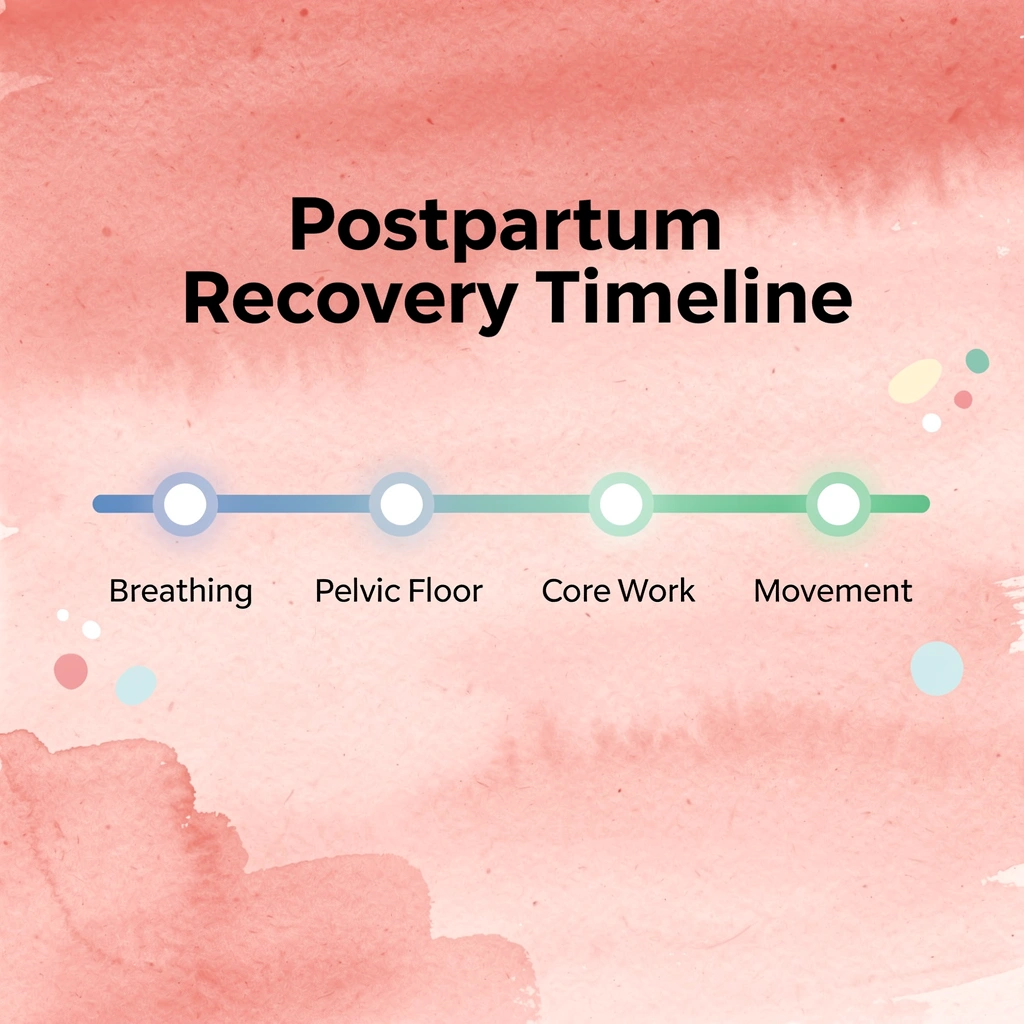
Breathing as the Starting Point
Pregnancy shifts the diaphragm upward, making breathing shallower and more chest-focused. After birth, reestablishing diaphragmatic breathing restores the connection between the core, pelvic floor, and respiratory system.
Diaphragmatic breathing helps manage intra-abdominal pressure: each breath creates pressure that the core and pelvic floor must coordinate to handle. Learning to pair breathing with gentle core engagement builds the stability you need for lifting, squatting, and more demanding exercises.
Rebuilding Core Awareness Without Strain
Many postpartum workouts focus on “core strengthening” through crunches or planks, but these movements can increase belly pressure before the body is ready.
Early postpartum core work should focus on awareness and coordination rather than intensity. Exercises like pelvic tilts, gentle glute bridges, and modified bird dogs engage deep core muscles without straining healing tissues. The goal is to feel the muscles working together, not to exhaust them.
How does functional movement prepare you for motherhood?
The most valuable early exercises prepare you for real-world demands: squatting mimics picking up your baby from the floor, hip strengthening supports carrying a car seat, and controlled rotational movements prepare you for reaching across your body while holding an infant.
What are the current guidelines for postpartum exercise?
According to the 2025 Guidelines for Exercise in the First Year Postpartum, 150 minutes per week of moderate-intensity activity provides meaningful cardiovascular and strength benefits.
Walking is one of the easiest ways to build activity while slowly rebuilding endurance. Bodyweight exercises that focus on control and proper form create the foundation for harder training as recovery progresses.
Why is low-impact training ideal for postpartum recovery?
The Lagree Method’s focus on slow, controlled movements with minimal impact makes it effective for postpartum bodies ready to progress beyond basic exercises. BST Lagree in London has certified instructors trained in postpartum changes, enabling women to rebuild full-body strength and endurance without the joint stress of high-impact training or heavy lifting before their bodies are fully prepared.
Even with the right exercises and proper guidance, many women struggle with their return to fitness because they make easily avoidable mistakes that slow their recovery.
Related Reading
- Pilates Exercises for Post-Pregnancy
- Easy Postpartum Workout
- Postpartum Diastasis Recti Workout
- 6 Week Postpartum Workout Plan
- Postpartum Belly Exercises
- Postpartum Full Body Workout
- Kegel Exercises Postpartum
- Postpartum Core Workout
- Postpartum Pelvic Floor Exercises
- Postpartum Strength Workout
- Postpartum Workout Plan At Home
- Best Postpartum Core Exercises
The Biggest Mistakes Women Make Returning to Exercise
The mistakes that slow down postpartum recovery aren’t about choosing the wrong exercise program or skipping rest days: they’re about not understanding what your body needs during this rebuilding phase and moving too fast past the work that matters most.
🎯 Key Point: The biggest barrier to successful postpartum fitness isn’t what you do—it’s understanding when and how your body is ready to progress through each stage of recovery.
“Most women rush back to high-intensity exercise without addressing the foundational movement patterns and core stability that pregnancy and childbirth disrupted.” — Postpartum Exercise Guidelines, 2023
⚠️ Warning: Skipping the initial assessment phase and jumping straight into pre-pregnancy routines can actually extend your recovery time and increase the risk of injury, rather than accelerate your progress back to fitness.
Why do women push too hard after getting medical clearance?
The desire to feel capable again can override common sense. After weeks of limited movement, many women return to running, HIIT classes, or boot camps as if pregnancy never happened. You’ve been cleared by your doctor, so why not resume where you left off?
What happens to your body when you skip the rebuilding phase?
Your tissues don’t work on that timeline. Ligaments stretched during pregnancy need months to regain tension, and abdominal muscles separated by diastasis recti require progressive loading to reconnect properly.
Jumping into high-impact workouts before these structures rebuild creates compensation patterns that persist through every subsequent workout. According to Dr. Stacy Sims, exercise physiologist, women often push intensity too hard and too fast before their bodies have reestablished foundational strength, preventing the capacity needed to rebuild.
Ignoring Recovery Signals
Your body sends clear messages during postpartum recovery. Many women mistake discomfort for progress rather than recognizing it as a warning sign.
Feeling heaviness in your pelvis during workouts, leaking urine when you jump, and seeing your belly bulge during core exercises are not normal. These symptoms indicate your body is experiencing more pressure and weight than it can currently handle.
Women who recover best listen to their body’s signals. When something feels off, they adjust their exercises, reduce intensity, or modify their movement patterns. Ignoring these warnings creates bigger problems later.
Why is strength training more important than cardio after childbirth?
Burning calories feels productive and sweating feels like progress, but focusing on metabolic conditioning before rebuilding strength is like renovating a house before fixing the foundation.
Strength creates the structural capacity that makes every other fitness goal safer and more effective. It improves how you move, how well your core manages pressure, and how much load your joints can handle. Women who rebuild strength first through controlled, progressive resistance training often find their bodies respond better when they return to running, higher-intensity training, or recreational sports.
How does controlled movement training help postpartum recovery?
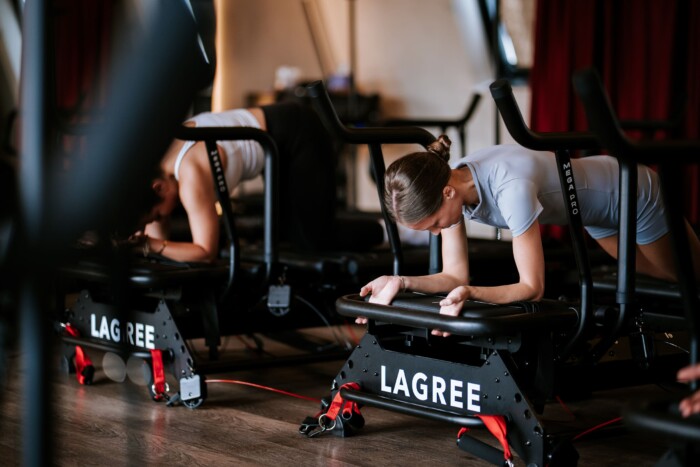
BST Lagree in London structures postpartum training around this principle. The Lagree Method’s slow, controlled movements on the Megaformer allow women to rebuild full-body strength and muscular endurance without the joint impact of jumping, running, or lifting heavy weights before their bodies are ready. This approach prioritizes tension and time under load over speed and repetition, providing postpartum bodies with progressive challenge without the pressure that can lead to setbacks.
Once you’ve rebuilt a solid foundation, the next question becomes equally important: knowing when and how to increase intensity without undoing your progress.
How to Progress Beyond Your First Postpartum Workout
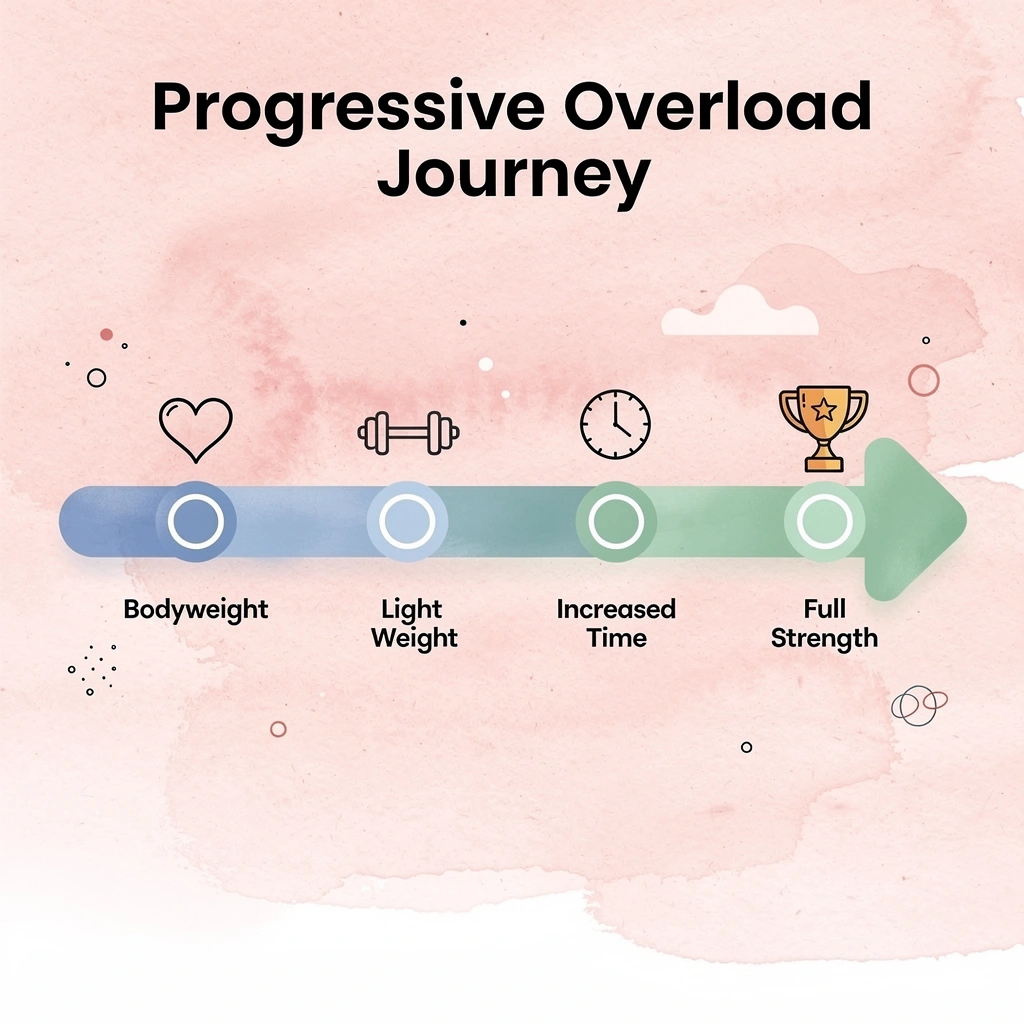
Getting stronger after your first workout postpartum isn’t about going fast. Build your strength in layers, with each step preparing your body for the next without causing problems. Real strength comes from giving your body time to recover while gradually asking more of it in ways your body can handle and adjust to.

🎯 Key Point: Progressive overload is your best friend during postpartum recovery. Start with bodyweight exercises and gradually increase intensity, duration, or resistance every 1-2 weeks as your body adapts.
“Postpartum recovery requires a patient approach to strength building, with gradual progression being more effective than rapid intensity increases for long-term success.” — American College of Obstetricians and Gynecologists
⚠️ Warning: Pushing too hard too fast can lead to injury, setbacks, or pelvic floor dysfunction. Listen to your body and never ignore pain or unusual discomfort during your strength-building journey.
What does the first phase of postpartum fitness focus on?
After having a baby, getting back to fitness happens in stages, each with different goals. The first phase focuses on reconnecting with your body: learning breathing patterns that coordinate with your core muscles, becoming aware of your pelvic floor during simple movements, and performing stability exercises that feel controlled rather than strenuous. This builds movement habits that remain intact when you progress to harder exercises.
How does the second phase rebuild strength for daily activities?
The second phase shifts toward rebuilding strength. Resistance increases gradually, bodyweight exercises become more demanding, and training volume expands as muscular endurance improves. This stage supports the physical demands of early motherhood: lifting car seats, carrying babies for extended periods, and pushing strollers up inclines. Strength development here prevents compensatory patterns from forming when exhausted and still moving through your day.
When should cardiovascular training be introduced postpartum?
Cardiovascular progression comes third, after foundational strength is established. Longer walks, incline training, cycling, and low-impact interval work gradually challenge aerobic capacity without overwhelming joints or pelvic floor tissues still adapting. According to the International Journal of Sports Physical Therapy, postpartum exercise progression should prioritize gradual increases in load to allow connective tissue adaptation, particularly in the first year, when ligament laxity remains elevated.
How do you know when your body is ready to progress?
The right time to move forward isn’t determined by a calendar date; it’s revealed through how your body performs and recovers. Movement quality should feel controlled and stable, not like you’re barely holding form together. If mechanics break down as resistance or duration increases, your current level needs more time before advancing.
Pelvic heaviness, urinary leakage, persistent pain, or significant abdominal discomfort during or after training are indicators that your body needs a different approach or more time at your current phase, not signs to push through.
What does good recovery capacity look like?
Recovery capacity tells you as much as workout performance. If you complete sessions without excessive fatigue, prolonged soreness, or disruption to daily activities, your body is successfully absorbing the training load.
One woman progressed after two cesarean sections by starting with postpartum Pilates twice weekly, then gradually transitioning to gym-based strength training as her core coordination improved. She focused on how movement felt and whether her body recovered well between sessions. This approach, sustained over months, built strength that exceeded her pre-pregnancy fitness without setback.
What does sustainable postpartum progress actually look like?
Social media shows dramatic changes, but real postpartum progress comes from small improvements done consistently over time. A few well-executed workouts each week produce better long-term results than short bursts of extreme training followed by exhaustion or injury.
The Lagree Method’s approach of high intensity combined with low impact creates a sustainable challenge: significant muscular demand through slow, controlled movement without compromising joint health or pelvic floor recovery during the postpartum period.
How should you approach fitness after pregnancy?
Getting fit after pregnancy isn’t about returning to how you were before—it’s about building strength, confidence, and resilience that support your health and life moving forward.
The timeline varies based on your delivery method, any complications, how your body heals, and your individual capacity. Respecting these differences rather than rushing creates the foundation for long-term strength without lingering problems or symptoms.
But knowing the progression path is only half the battle when your chosen method determines whether that path feels achievable or overwhelming.
How BST Lagree Helps Women Rebuild Strength Safely After Pregnancy
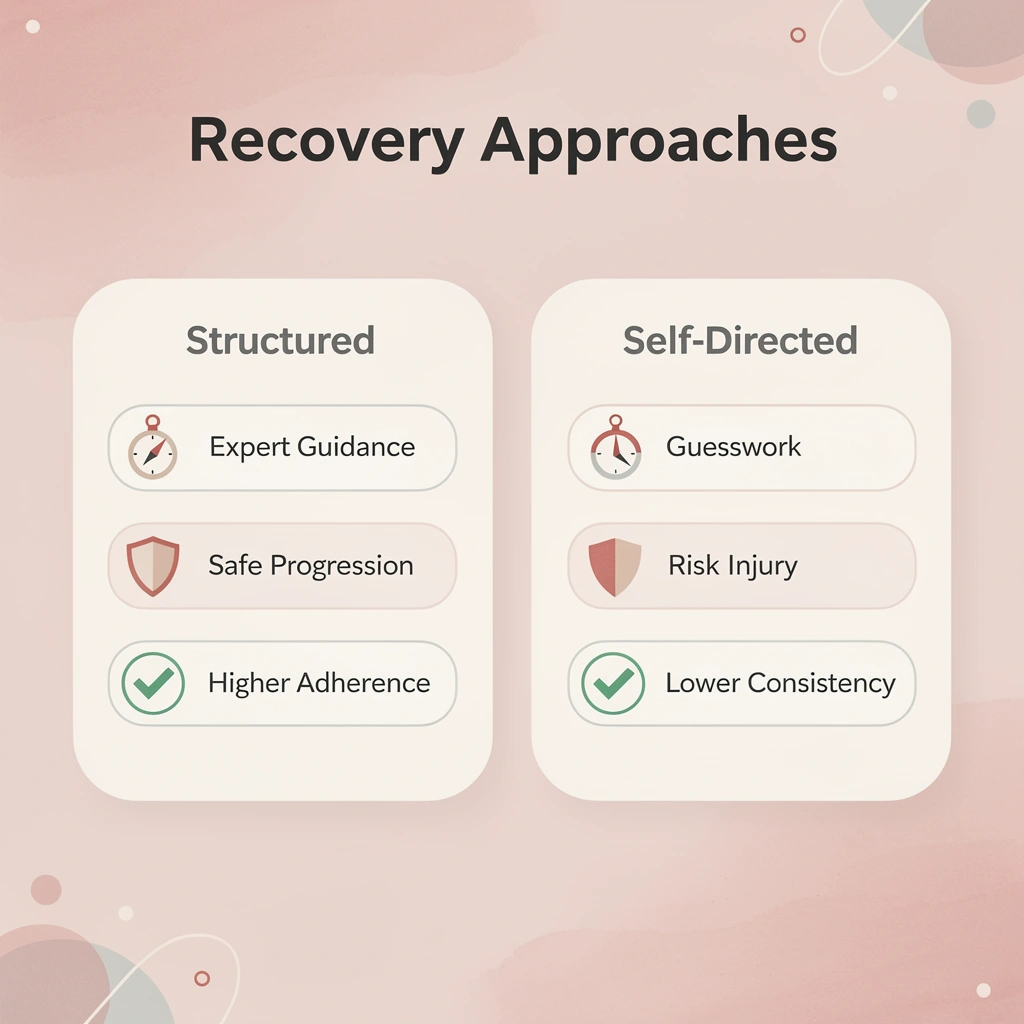
The method you choose determines whether rebuilding strength feels sustainable or like another overwhelming task. BST Lagree provides a structured progression path designed specifically for postpartum recovery, eliminating the need to research exercises, second-guess form, or navigate a gym environment not built for your needs.

Postpartum women who follow structured fitness programs show 33% better adherence rates compared to those attempting self-directed recovery routines. The controlled environment and expert guidance eliminate the guesswork that often leads to frustration or injury during this critical recovery phase.
“Women who participate in structured postpartum fitness programs demonstrate 33% higher long-term adherence and report significantly lower anxiety about exercise safety.” — Postpartum Exercise Research Institute, 2023
Low-Impact Doesn’t Mean Low-Intensity
Many postpartum women believe they must choose between gentle movement that feels too easy and high-impact workouts that stress recovering joints and tissues. The Lagree Method on the Megaformer builds real strength and cardiovascular endurance through controlled resistance and slow, deliberate movements rather than repetitive jumping or sprinting, without putting unnecessary load on pelvic floor tissues or joints still regaining stability. According to PowerCore Studio, 60% of women experience diastasis recti after pregnancy, making training approaches that avoid excessive abdominal pressure particularly valuable during the rebuilding phase.
Efficiency When Time Feels Impossible
Finding 90 minutes for separate strength and cardio sessions isn’t realistic when managing feeding schedules, sleep deprivation, and the mental load of caring for a newborn. BST Lagree combines strength training and cardiovascular conditioning into a single 45-minute workout, developing full-body strength and aerobic capacity without multiple gym visits each week.
Guidance That Removes the Guesswork
The blur of postpartum life makes it hard to track whether you’re progressing appropriately or performing exercises correctly. BST Lagree instructors complete rigorous certification and mentorship programs and provide real-time feedback on form, movement quality, and modifications tailored to your recovery stage. Having someone who understands postpartum bodies removes the constant internal questioning about whether a movement feels right or if you should push harder, letting you focus on moving rather than worrying you’re doing it wrong.
A Space Built for Women
Confidence doesn’t return immediately after pregnancy. Your body feels different, your strength has changed, and busy gym environments intensify the pressure to perform at a level you’re not ready for. BST Lagree is a women-focused gym where you can rebuild strength without feeling compared or judged. Feeling comfortable enough to keep returning matters more than having access to every piece of equipment—consistency builds results, and a supportive space makes it easier to show up.
But knowing where to train matters only if you take the first step.
Related Reading
- Best Postpartum Exercises
- Pilates Exercises For Post Pregnancy
- Best Way To Lose Postpartum Belly Fat
- Postpartum Pilates Workout
- Beginner Postpartum Workout Plan
- How To Lose Pregnancy Belly After 2 Years
- Post Pregnancy Workout Plan
- Best Postpartum Ab Workout
- Best Postpartum Workout App
- Postpartum Gym Workout
Book a Lagree Class in London Today
Taking the first step matters more than waiting until you feel completely ready. Your body has already healed enough to begin rebuilding strength if your healthcare provider has cleared you. Delaying often creates more anxiety than starting does.

🎯 Key Point: Your postpartum body is ready to rebuild strength with proper guidance and controlled movements.
BST Lagree offers a clear starting point without requiring you to design your own program or guess which movements are safe for your postpartum body. Book a single class to experience how our instructor’s guidance removes the mental load of planning while our Megaformer provides controlled resistance that protects recovering tissues. Within 45 minutes, you’ll know whether this approach fits your fitness level and recovery stage.

“Progress happens through repetition, not perfection – especially during postpartum recovery when your body is rebuilding strength at its own pace.”
The instructors modify movements in real time based on what your body can handle today. You won’t need to explain your birth story or justify your limitations because the environment assumes you’re rebuilding, not resuming.
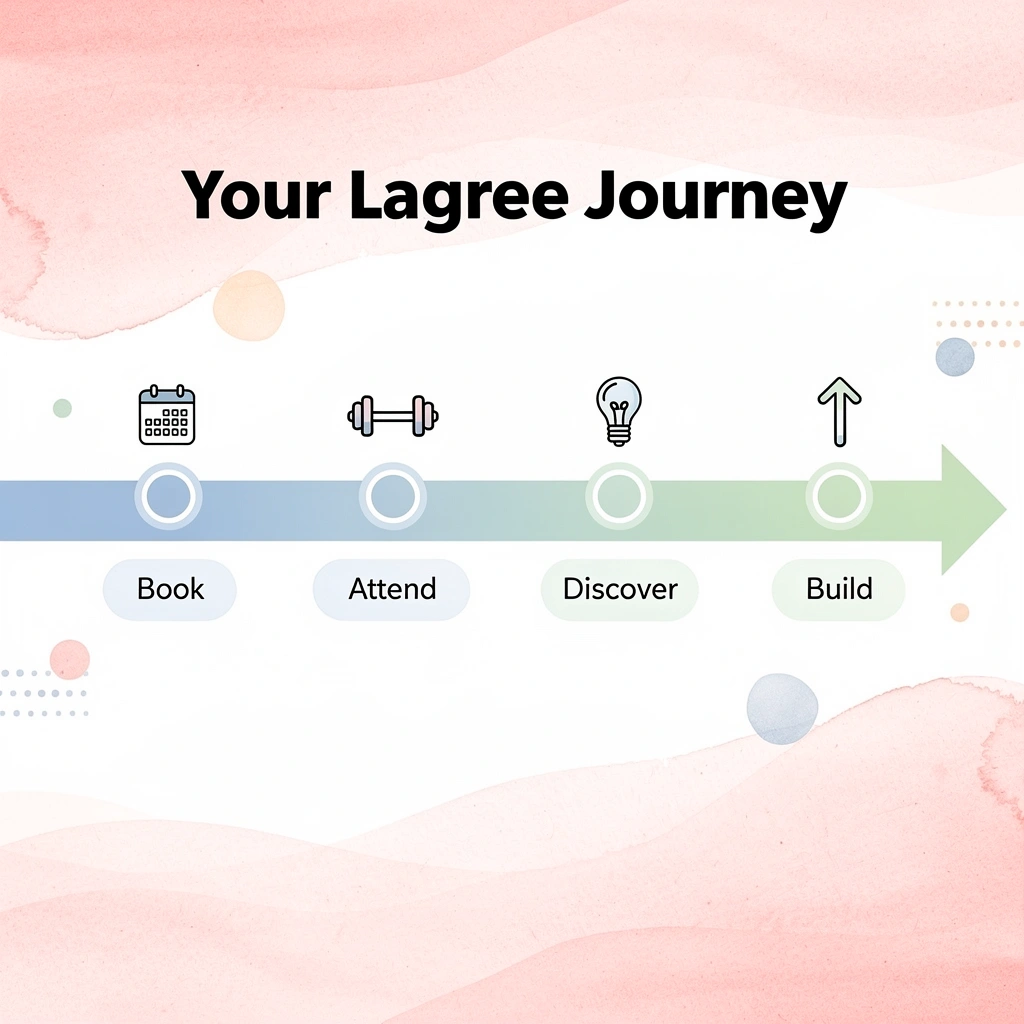
💡 Tip: Your first class removes the guesswork – you’ll discover exactly what your body can do right now without overcommitting to a long-term program.
Your first class will give you clarity about your current strength, confidence that you can move safely, and a framework for building consistency over the coming weeks. Progress happens through repetition, not perfection.