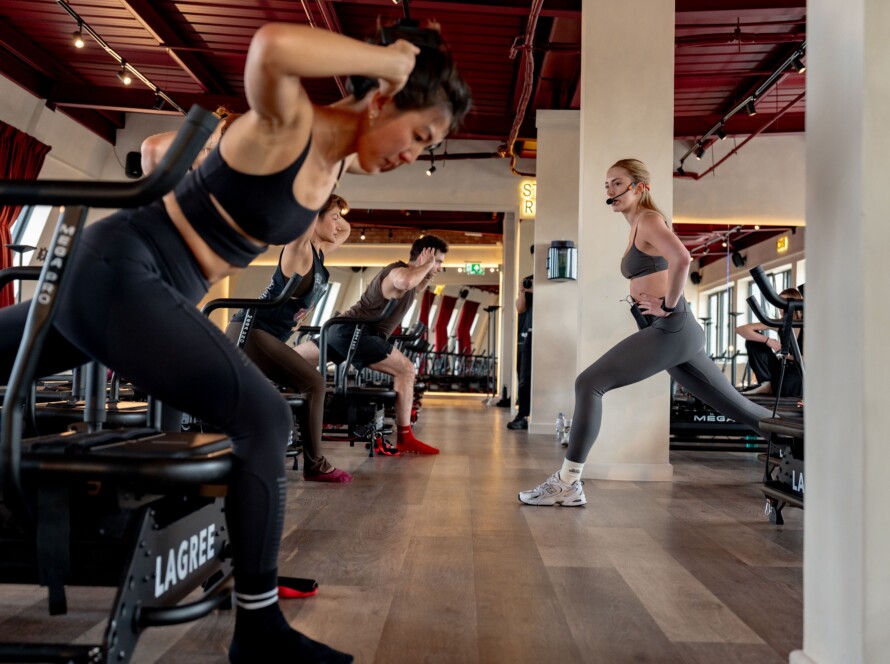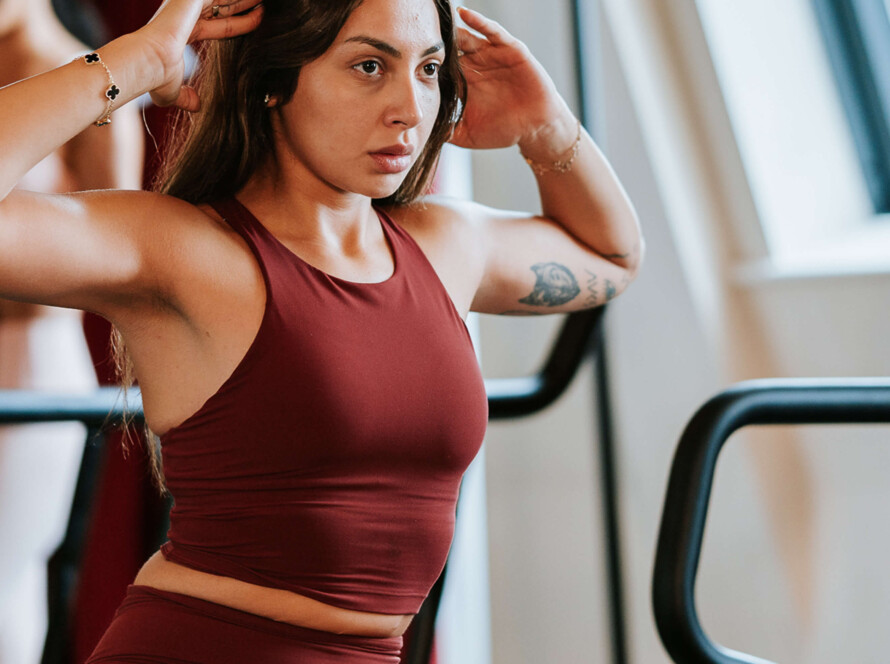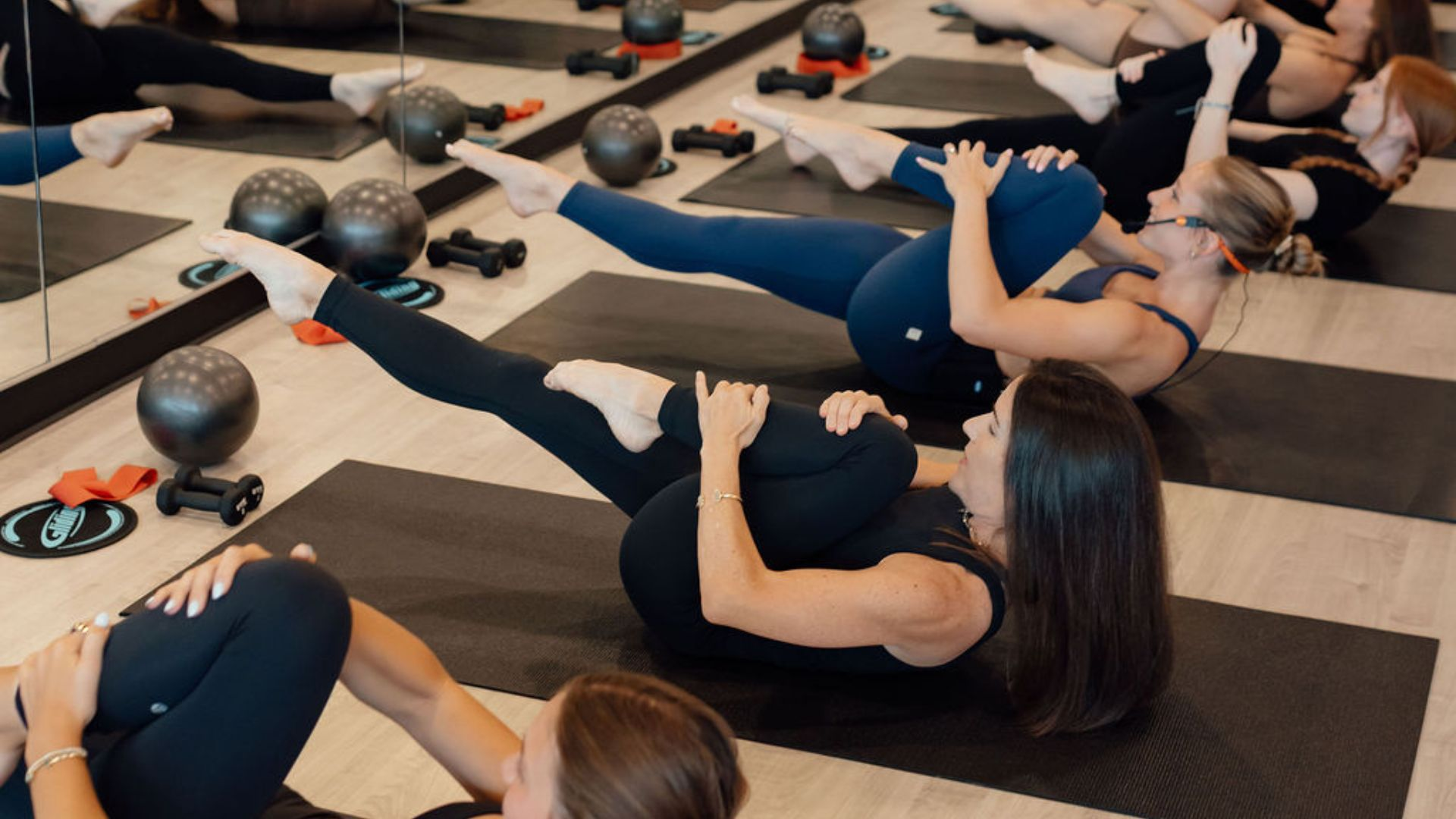
Not every Pilates app is a reformer app. Here are the 13 that actually are, ranked by methodology, level, and the specific gap they fill.
Picking the wrong Pilates app costs more than a monthly subscription. It costs training time. Most Pilates plateau-ers and wellness explorers assume that the right Pilates reformer app, with enough variety and harder progressions, will get their results moving again, and so they treat the category label “Pilates app” as a reliable guide to what they actually need.
But that label covers everything from pure mat sequences shot in someone’s living room to structured reformer programming built around spring resistance and carriage mechanics. Those are not the same product, and treating them as interchangeable is where most searchers go wrong before they even hit download. See our Lagree London for how this works in practice.
Level 1, Mat Versus Reformer – The Category Problem Most Searchers Miss
Most Pilates apps are mat-first products. As Elina Pilates noted in 2024, many apps focus exclusively on mat Pilates, meaning users searching for reformer-specific guidance must verify that an app explicitly covers reformer workouts before downloading. The tell is in the library structure. A genuinely reformer-built app organises its content around spring settings, footbar positions, and carriage drills. If you have to click three levels deep to find the reformer section, that section is an afterthought. You will exhaust it in a fortnight.
Level 2, Equipment Access and the Form-Correction Gap Apps Cannot Close
Reformer apps also assume you already own or have regular access to a machine. Home reformers start around £800 for entry-level foldable models and climb past £3,000 for studio-grade equipment, so the app subscription is often the smallest cost in the stack. Spring tension is the other variable apps cannot control for you. A video instructor will say “add a spring” but cannot see whether your carriage is drifting or your load is appropriate. That form-correction gap is structural, not a flaw in any individual app. The three axes that actually separate useful reformer apps from mat apps with reformer cameos are:

- Library size and variety
- Methodology (classical versus contemporary or athletic approach)
- Pricing model
The methodology axis is the one most searchers ignore and later regret. Classical Pilates follows a fixed sequence with precise anatomical cues; contemporary approaches remix that sequence and treat the reformer as a resistance tool rather than a corrective device. Neither is wrong; they serve different goals. Once you know which variable matters most, the ranked list below becomes a genuine decision tool. Here are the 13 best Pilates reformer apps, each assessed against exactly those axes.
Key takeaways
- The best Pilates reformer app streams a class to your living room, it has never once corrected your form mid-spring or given your body a reason to adapt after class 50.
- Library size is the wrong filter. The gap between a large content catalogue and content that is genuinely challenging, well-cued, and matched to your level is wider than most app reviews admit.
- Most subscriptions get cancelled within weeks because people collapse three separate questions, library depth, methodology purity, and their own training gap, into one: which app has the most classes.
- Fifty-plus reformer classes in and your body looks the same as it did eight weeks ago. That is not a motivation problem. It is physics, and no app update fixes it.
- The Megaformer is not a reformer upgrade, it is a different machine with different physics, which is why Lagree (Hollywood’s most popular workout) produces results that reformer programming, however well-designed, cannot replicate.
- BST Lagree in Angel, Islington runs 45-minute group Lagree classes that deliver strength building and cardio in one session, alongside a health-focused café and official Lagree instructor certification courses, the point where the app plateau ends.
The 13 Best Pilates Reformer Apps Ranked for 2026
Library size turns out to be the wrong filter, even though it dominates most buying conversations. Finding genuinely high-quality reformer content, content that is challenging, well-cued, and matched to your level, is harder than it looks, and the gap between what is freely available and what actually moves your training forward is real. Most practitioners cycle through free YouTube channels precisely because paid studio alternatives can feel either too expensive or too generic to justify the cost. The real question is not which app has the most classes, but which one matches your current level, your specific reformer setup, and the single gap in your training that is actually holding you back. Every entry below leads with a verdict and closes with a ceiling note, because knowing what an app cannot do is more useful than any star rating.
Pros and cons at a glance
For practitioners who want the Joseph Pilates lineage taught by instructors who trained directly under the original students, Pilatesology is the clearest choice. Pricing sits at approximately $18 per month, with full iOS, Android, and Chromecast support. The classical order is non-negotiable here: exercises are taught in sequence, with minimal modification, which is a strength for purists and a frustration for anyone who prefers a more flexible structure. Ceiling: the classical method’s deliberate pace and limited variation will feel restrictive to practitioners seeking athletic intensity or cross-training variety.
1. Pilates Anytime – Best Overall Pilates Reformer App
“I find it difficult to discover quality reformer apps and websites without extensive manual searching, highlighting a gap that a ranked list like ‘The 13 Best Reformer Apps Ranked for 2026’ directly addresses.”
— what we hear from Pilates enthusiasts
Pilates Anytime earns the top slot for sheer breadth: more than 1,000 dedicated reformer classes, filterable by duration (10 minutes to a full hour) and skill level, making it the strongest single destination for intermediate practitioners who want structured progression without committing to one teacher’s style. The platform’s Intermediate Reformer program sequences 40-minute classes with built-in modifications and progressions, a practical solution for practitioners who struggle to discover structured reformer content without hours of manual searching. Once you have worked through the intermediate catalog, the spring-resistance ceiling is a hardware problem, and no additional subscription fixes that.
2. Pilatesology – Best App for Classical Pilates Methodology
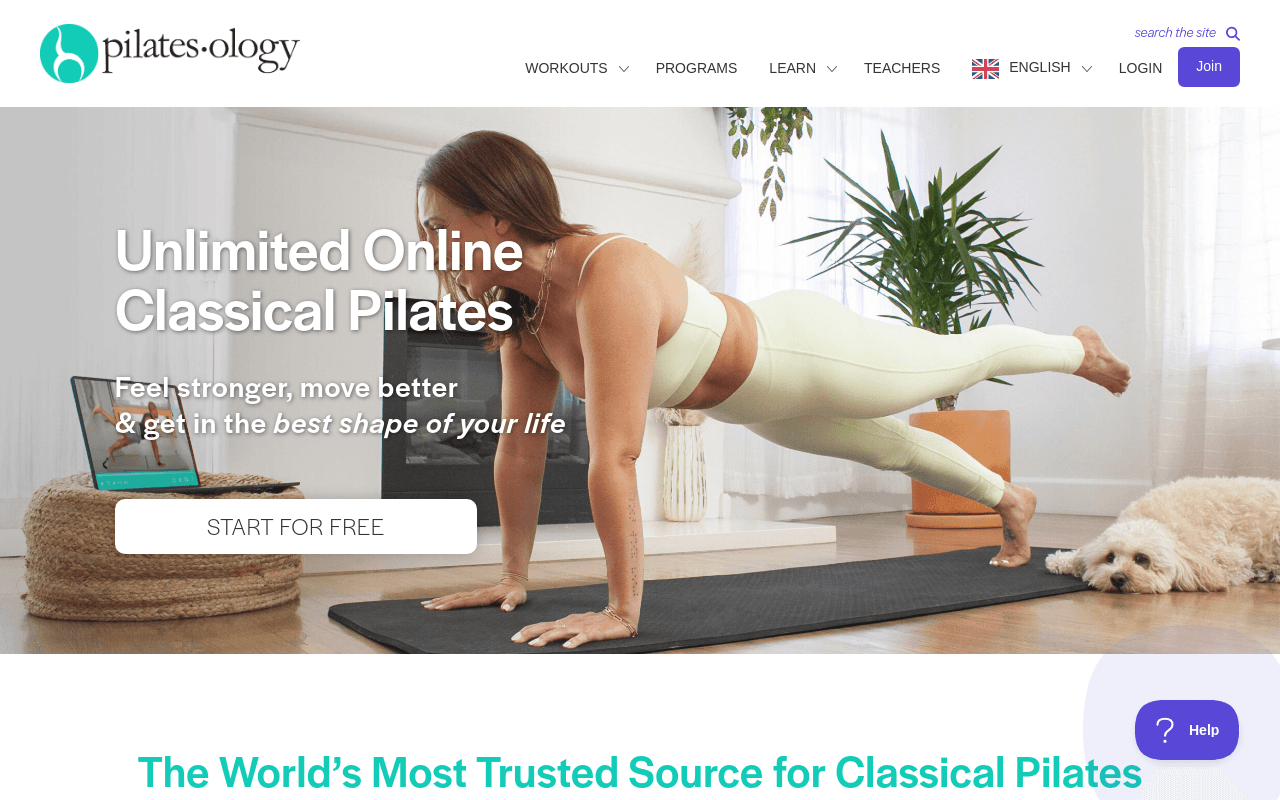
Pilatesology is the definitive choice for practitioners committed to authentic Joseph Pilates methodology. Its curated roster of classically trained instructors teaches the original order with precise spring settings and transitions, exactly what purists demand. Instructors frequently recommend it for students who want to deepen their classical foundation. The limitation: contemporary-style practitioners or beginners may find the strict classical format less accessible and the content library smaller than broader platforms.
3. John Garey TV – Best App for Beginners on the Reformer
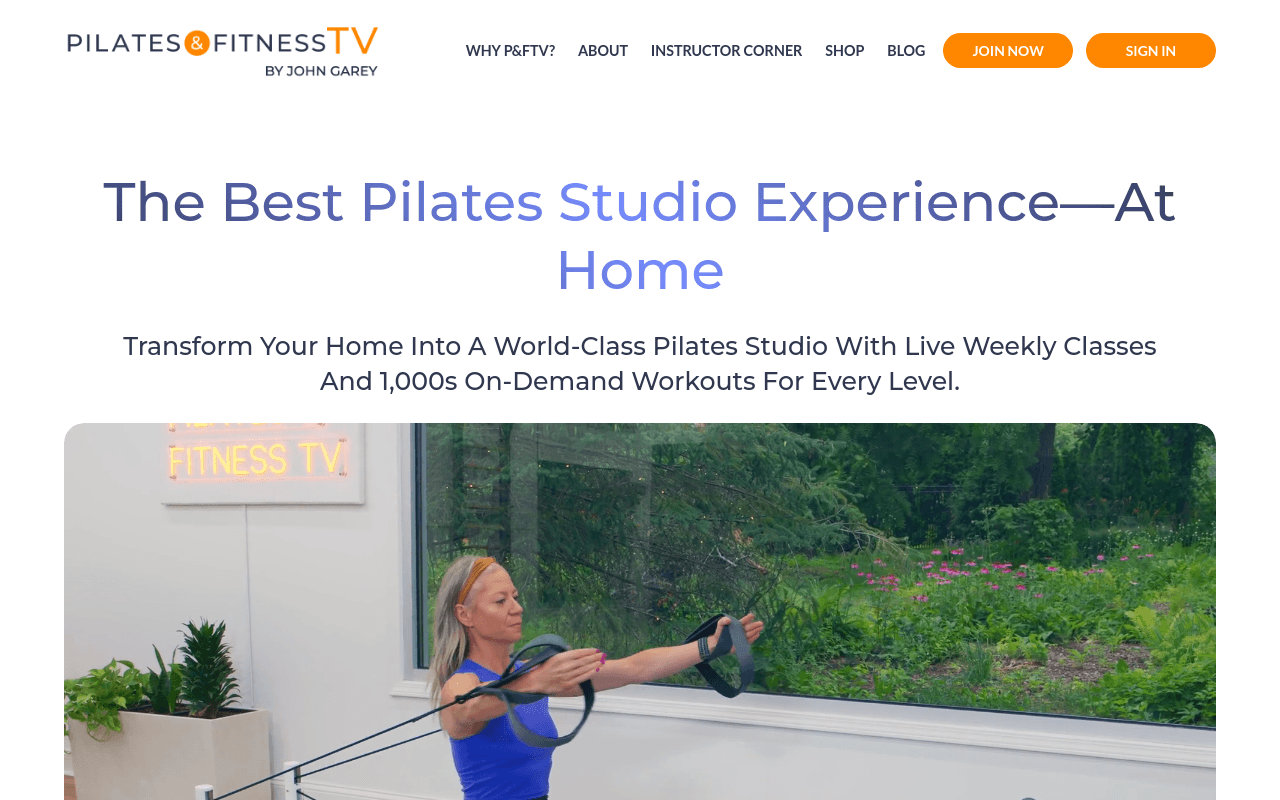
John Garey TV is frequently cited as the safest entry point for first-time reformer users, and the Reformer-specific plan costs $18/month, with a full all-access plan at $22/month, so it sits among the more accessible paid options. Garey’s cueing style is methodical, his beginner-specific reformer programs build spring awareness gradually, and the library includes enough variety to sustain six to eight months of consistent practice before the catalog starts to feel familiar. Intermediate and advanced practitioners will outgrow the content quickly; this is a launchpad.
Your Reformer (also known as the Fold App in some markets) is built specifically for home-reformer owners who want periodised programming rather than a library of standalone classes. The structured blocks progress week by week, which removes the decision fatigue of self-cueing through a large catalog. It is a strong pick for anyone who owns a machine and finds themselves defaulting to the same five classes out of habit. Ceiling: the instructor roster is smaller than larger platforms, so if teaching style matters as much as structure to you, the limited variety will surface within a few months.
4. Your Reformer – Best At-Home Reformer App for Structured Programs
Your Reformer is purpose-built for the at-home reformer owner, offering structured weekly programs designed around common consumer-grade equipment rather than studio Gratz or Balanced Body machines. This makes it one of the most practical answers to ‘best at-home Pilates reformer’ searches. The app’s clean interface and program-based format suit self-directed learners. The limitation is a smaller total class count compared to Pilates Anytime, meaning advanced users may exhaust content faster.
5. B the Method – Best App for Prenatal and Postnatal Reformer Pilates
Prenatal and postnatal reformer content is underserved across most platforms, and B the Method fills that gap with instructor-led classes designed around the specific loading and positioning needs of pregnancy and the fourth trimester. The programming accounts for pelvic floor considerations, diastasis recti, and trimester-specific modifications in a way that general reformer apps do not. Ceiling: outside the prenatal and postnatal context, the library is narrow; once a practitioner has cleared postnatal recovery, she will need a different platform to continue progressing.
6. Align by Bailey Brown – Best App for Cycle-Syncing Reformer Workouts
Align by Bailey Brown is the only reformer-focused app that structures its programming around the four phases of the menstrual cycle, adjusting intensity, spring load recommendations, and recovery emphasis accordingly. For practitioners who have noticed their energy and strength output vary significantly across the month, this framing makes the programming feel responsive rather than generic. Ceiling: the cycle-syncing structure only delivers its full benefit when followed consistently over multiple cycles; practitioners who want high-intensity, non-periodised training will find the pacing too conservative.
7. Amanda Blauer – Best App for Form-Focused Reformer Instruction
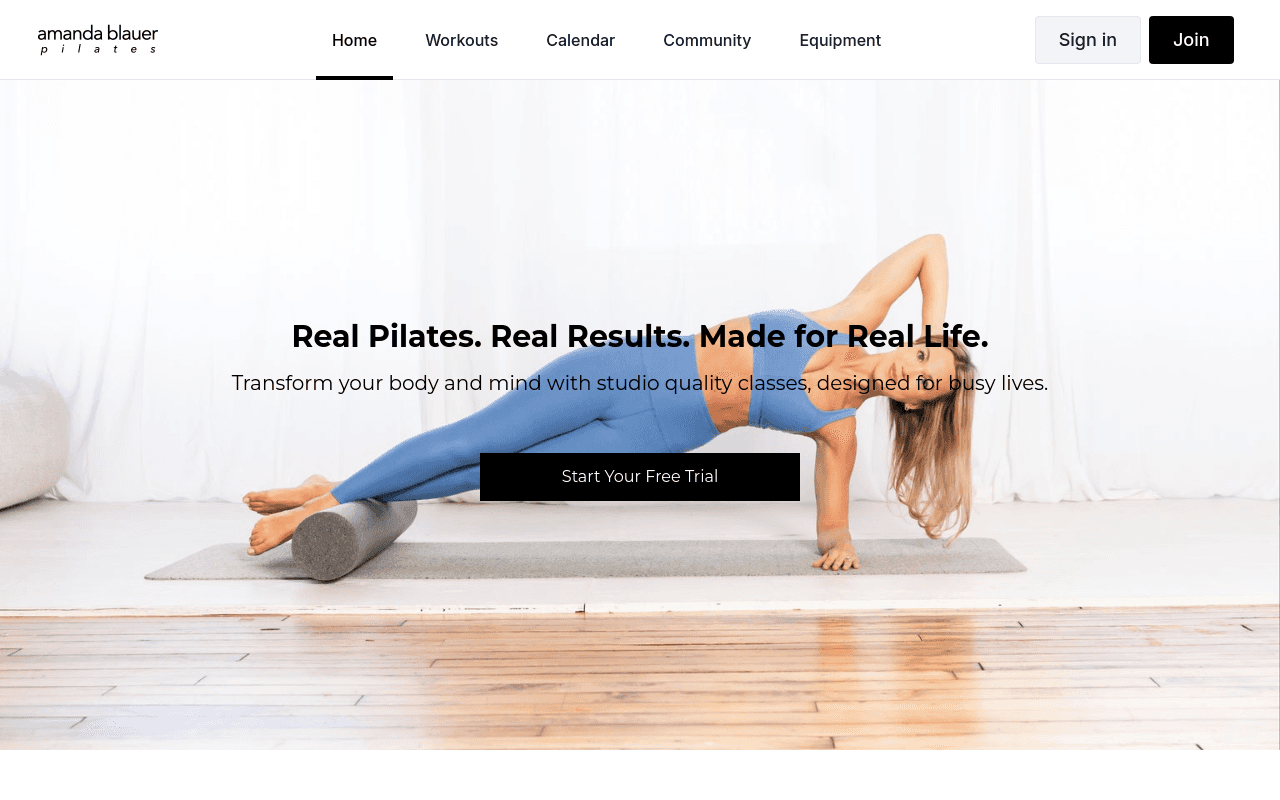
Amanda Blauer’s platform is built around one core conviction: most home-reformer practitioners are moving through exercises with compensations they cannot see, and those compensations compound over months. Her cuing is unusually precise, with frequent pauses to address alignment before adding load. This makes her content the strongest choice for practitioners who have been training independently for a year or more and suspect their form has drifted. Ceiling: the class library is smaller than the major platforms, and the deliberate pacing will feel slow to practitioners who prioritise intensity over technique refinement.
8. Xponential+ – Best App for Club Pilates and Pure Barre Reformer Fans
Xponential+ bundles reformer content from the Club Pilates brand alongside Pure Barre, Stride, and other formats under a single subscription, so practitioners who already train across multiple Xponential formats pay one monthly charge. The reformer content follows a consistent, branded methodology that feels familiar if you have attended in-person Club Pilates sessions. Ceiling: the methodology is proprietary and relatively uniform, so practitioners seeking classical instruction or instructor diversity will find the catalog limiting.
9. The Pilates Class (TPC) – Best App for High-Energy Contemporary Reformer
The Pilates Class, led by instructors including Jacqui, JT, and Jenny, prices at approximately $30 per month and is consistently ranked among the highest-energy contemporary reformer platforms, its production quality and music-driven format are cited as differentiating factors in multiple independent app roundups. The production quality is high, the music-driven pacing keeps sessions moving, and the community feel is genuine. It is the right pick for practitioners who find traditional Pilates instruction too quiet and too slow.
Here is where the ceiling note matters most. If you have been training with TPC for three or more months and the intensity is there but the visible progress is not, the problem is not the app. The on-demand format cannot detect that your footbar is set two inches too high, cannot see that you are gripping through your hip flexors on every long stretch, and cannot increase the resistance beyond what your home reformer’s springs allow.
That gap, between the intensity you feel and the adaptation your body is no longer making, is the hidden cost of training without live resistance feedback or real-time correction. Keeping the low-impact feel of Pilates while still building visible strength and tone requires a stimulus that an on-demand subscription, however good, cannot manufacture on its own. Some practitioners reach a point where the next level is not a different subscription; it is a fundamentally different stimulus.
That is precisely the layer that a live, instructor-led Lagree class at a premium London studio like BST Lagree (Angel) provides: 45-minute sessions where the resistance and the instructor’s real-time eye work together in ways no home reformer setup can replicate. For those who want to try it before committing, BST Lagree offers a free intro workshop class for new clients via the on-site lead form, your first class at no cost, with a complimentary coffee included. 90 per class). The transformation that practitioners are looking for materialises with consistent attendance over time, it is not a replacement for the apps, but the live, load-based step above them.
10. Melanie Lopez Pilates – Best YouTube Channel for Free Reformer Workouts

For practitioners who want high-quality reformer content, Melanie Lopez Pilates operates a subscription platform (with a free trial) rather than being purely a free YouTube channel, meaning not all reformer content is freely available. The sessions are well-paced for intermediate home-reformer owners who want structured programming with clear spring-setting guidance. Ceiling: the free model means no structured progression, no periodisation, and no accountability layer; it works best as a complement to a paid program rather than a standalone training plan.
11. Function Pilates – Best Free YouTube Channel for Detailed Reformer Cues

Function Pilates is a brick-and-mortar Pilates studio and teacher training academy with multiple Arizona locations (Gilbert, Chandler, Tempe). The studio is a practical resource for practitioners who want to understand the “why” behind each exercise rather than follow along. Ceiling: the production cadence is slower than paid platforms, so the catalog updates less frequently; practitioners who need new content weekly will exhaust the library within a few months.
12. Lesley Logan Online Pilates Classes – Best App for Classical Reformer at Home

Lesley Logan’s platform occupies a specific niche: classical Pilates instruction designed for home-reformer practice, with a teaching approach that emphasises intention and precision over volume. Logan’s background in classical methodology is evident in the sequencing, and her content is particularly well-suited to practitioners who have dabbled in classical Pilates in a studio setting and want to continue that lineage at home. Ceiling: like Pilatesology, the classical framework limits variety by design; practitioners who want a broader mix of contemporary and classical content will find the catalog narrow.
13. Holistic Movement Pilates – Best Free YouTube Option for Mindful Reformer Practice
Holistic Movement Pilates brings a slower, breath-led approach to free reformer content on YouTube, making it the strongest free option for practitioners recovering from injury, managing chronic tension, or returning to training after a break. The sessions integrate mindfulness cues alongside movement instruction in a way that most reformer apps do not attempt. Ceiling: the intensity ceiling is low by design; practitioners who are physically ready for progressive loading will find the sessions insufficiently challenging within a few weeks, and the free format offers no structured path forward.
Thirteen apps, thirteen honest ceilings. The right one depends on three variables that no star rating captures: your current level, your reformer setup, and the specific gap in your training. The next section turns those variables into a simple self-selection framework so you can match yourself to the right platform in under two minutes.
Related Reading
- Lagree Before and After 3 Months
- What To Bring To Pilates Reformer Class
- How Many Times A Week Should You Do Pilates Reformer
- Can You Do Reformer Pilates While Pregnant
- What To Wear To Pilates Reformer Class
- What Reformer Does Club Pilates Use
How to Choose the Right Pilates Reformer App for Your Level and Goals
The framework that actually works runs three axes separately: library depth, methodology purity, and real price-per-session. Across the market, exactly these three dimensions emerge as the meaningful comparison points: depth of class library, how faithfully the app follows a coherent Pilates methodology, and cost-per-session relative to the headline subscription price. A £15/month subscription sounds cheap until you realise you are using three classes a month, which puts your effective rate at £5 per session. A £30/month app you use four times a week costs under £2. A 300-class library built around a single movement vocabulary will plateau you faster than a 60-class library with genuine progressive overload baked into its sequencing.
A 300-class library built around a single movement vocabulary will plateau you faster than a 60-class library with genuine progressive overload baked into its sequencing.

£2 Effective cost per session at £30/month app
Broader industry trends are direct: reformer-specific programming is most valuable for home-machine owners, while mat-focused or hybrid apps suit those who rely on studio equipment.
When Instructor Credentials Outweigh Class Volume for Beginners
Beginners should weight instructor qualifications and cueing quality more heavily than class volume, because poor movement habits reinforced across hundreds of sessions are harder to undo than they are to avoid. Run this matrix honestly and you will land on the right app for where you are right now.
| Your Situation | Best-Fit Pick from This List |
| New to reformer Pilates, need hand-holding on spring setup | John Garey TV |
| Want the Joseph Pilates classical sequence, no modifications | Pilatesology or Lesley Logan |
| Own a home reformer and want periodised week-by-week blocks | Your Reformer (Fold App) |
| Pregnant, postnatal, or managing pelvic floor considerations | B the Method |
| Energy/strength varies across the month; want cycle-aware programming | Align by Bailey Brown |
| Training 6+ months independently; suspect form has drifted | Amanda Blauer |
| Already use Club Pilates in person; want matched at-home content | Xponential+ |
| Want high-energy contemporary reformer with strong production quality | The Pilates Class (TPC) |
| Broadest library, intermediate-level, multiple instructor styles | Pilates Anytime |
| Zero budget; want free content to supplement a paid plan | Melanie Lopez Pilates or Function Pilates |
| Recovering from injury or returning after a break; mindful pace | Holistic Movement Pilates |
Library depth needed, Low (1-2 classes/week) · Medium (3-4) · High (daily)
Methodology preference, Classical (fixed sequence) · Contemporary (remix) · Athletic (load-first)
Real price-per-session, Divide monthly cost by realistic weekly sessions × 4; anything above £6/session warrants a second look at usage habits before subscribing. The harder question is what happens when the app has done everything it can for you. That ceiling is closer than most reformer users expect, and when you hit it, finding the next level of a workout that feels familiar but actually progresses your strength is nearly impossible to do alone through a screen. That is the point at which instructor-led, in-room correction earns its weight. At BSTL Lagree in Angel, London, the Speakeasy class format is structured as a 45-minute session that fuses strength and cardio under live progressive resistance, something no subscription tier can replicate. New clients can claim a free Lagree workshop class via the on-site lead form (it also comes with a complimentary coffee), which makes the decision to test the in-person experience a zero-cost one. From there, the Speakeasy class packs let you build attendance at a pace that suits your schedule: a single drop-in is £25, a 3 Class Speakeasy Pack brings the per-class cost to £23, a 5 Class Pack to £21.80, and a 10 Class Pack to £19.90 per session, a structure that rewards the consistent attendance through which transformation-focused training actually materialises over time. When the matrix stops being relevant, BSTL Lagree is where to go next.
Why Even the Best Reformer App Stops Working After a While
Research published in Cold Spring Harbor Perspectives in Medicine makes the mechanism plain: early strength gains in the first four to eight weeks are mostly neurological, but everything after that window requires progressive increases in mechanical load. A standard spring-based reformer offers a fixed mechanical range, and once your body has adapted to that range, the constraint is a hardware problem.
Key takeaway: No subscription tier ships you new springs.
Form drift compounds the problem. It happens across weeks, not sessions, and no algorithm catches it. A streamed cue cannot see your body in real time, so it cannot correct the habits quietly stealing your results.
This is one of the most common frustrations beginners we work with carry through the door: they’ve been putting in the time, sometimes months of it, but they’ve been doing it alone, without anyone to tell them their form has quietly drifted. Getting back in shape without having to figure it all out by yourself matters, and it’s something a screen cannot provide.
More Content vs. a Different Stimulus
A harder programme inside the same spring-resistance ceiling is still the same ceiling, dressed differently. Lagree London at BST, located at Angel in London, is built around exactly this gap: instructor-led sessions on the Megaformer, where variable resistance, live form correction, and a slow-twitch muscular endurance stimulus that a fixed-spring reformer cannot replicate are part of every class by design. And because every session runs to 45 minutes, it fits inside a packed workday without negotiation.
That combination of accountability and efficiency is a straightforward way to build the consistency that the research shows is necessary for results beyond the initial neurological window. What comes next is a different machine, a different stimulus, and a different result entirely.

Related Reading
- What Reformer Does Club Pilates Use
- What To Bring To Pilates Reformer Class
- Lagree Before And After 3 Months
- Can You Do Reformer Pilates While Pregnant
- How Many Times A Week Should You Do Pilates Reformer
- What To Wear To Pilates Reformer Class
What Lagree Is and Why It Feels Familiar but Hits Differently
That different machine is the Megaformer, and the gap between it and a reformer is roughly the gap between a racing bike and a commuter: same category, completely different physics. If you’ve genuinely loved your reformer app and can’t figure out why the results have quietly stopped arriving, the answer isn’t the instructor or the programming. It’s the equipment itself.
The Megaformer Is Not a Reformer With Extra Steps
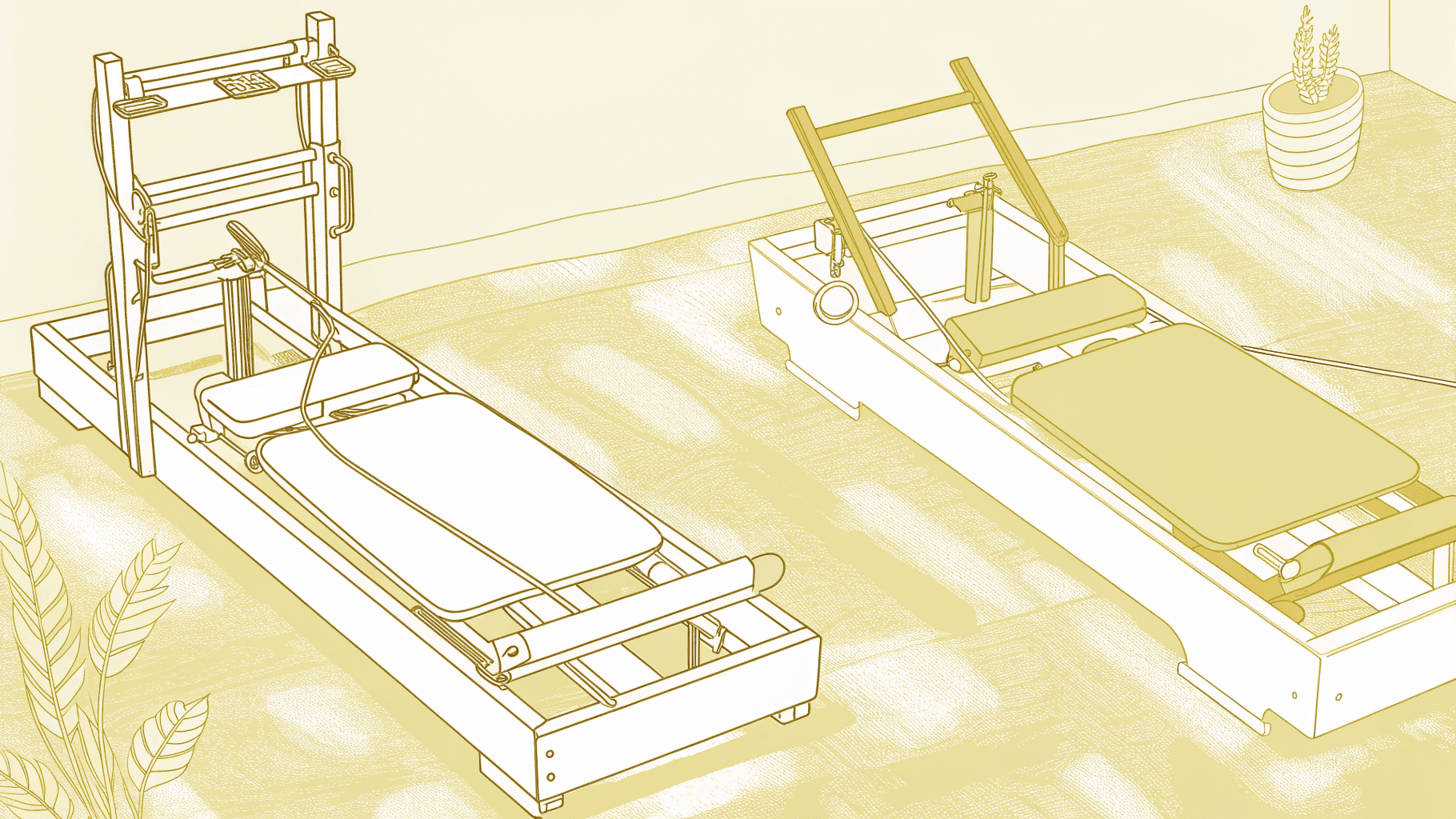
A standard Pilates reformer uses fixed springs: you load a resistance, push or pull through the movement, and at the end of each rep, tension releases. That release is the problem. Your muscles get a rest, momentum bleeds into the movement, and the slow-twitch fibres responsible for endurance strength never fully fatigue. The Megaformer, developed in Los Angeles by Sebastien Lagree, applies continuous, variable resistance through the entire range of motion with no slack point and no rest phase between reps. The machine itself is the stimulus, not the choreography layered on top of it. That is why switching apps cannot replicate this: the reformer’s mechanical ceiling is structural, not programmable.
Why Slow-Twitch Fatigue Under Constant Tension Cannot Be Streamed
Slow-twitch muscle fibres are recruited last and fatigue slowest. Reaching them requires sustained time-under-tension at continuous load, not repeated short bursts separated by a slack phase. The Megaformer maintains that load throughout the full range of motion, pushing slow-twitch fibres to genuine fatigue in a way a spring-based reformer physically cannot produce.
Key takeaway: An instructor streaming to your living room can cue your form, but she cannot adjust your resistance mid-set, and that mid-set adjustment is exactly where Lagree’s adaptation signal lives.
How Lagree Delivers Strength and Cardio in 45 Minutes
Lagree London at BST’s Angel studio runs 45-minute group classes that deliver both muscular strength and cardiovascular conditioning in a single session, because the Megaformer’s constant-tension loading keeps heart rate elevated throughout. The format collapses what most people split across two or three weekly sessions into one. For anyone juggling a packed working week, that compression is the practical argument, not just the aesthetic one. For home-reformer practitioners who have genuinely exhausted what a spring-based machine can offer, the Megaformer represents the next measurable stimulus, not a replacement for the apps above, but the live, load-based layer above them.
Next steps
If your body has stopped responding to reformer Pilates despite months of consistent sessions, the path forward starts with accepting that the problem is not the app. Once your neuromuscular system has adapted to a fixed spring-resistance range, no new playlist, harder progression, or bigger library can restart genuine strength gains. The ceiling is the hardware, not the content. Start with our Lagree classes in London.
The fact that streamed classes cannot detect compensatory movement patterns means you may have been training dysfunction with greater consistency, not building the deep intrinsic strength the method promises. The fact that a genuinely different resistance stimulus is the only variable that can restart adaptation after a reformer plateau means more subscriptions are the wrong answer. Together, they point to a single logical next step: a live, load-based environment where an instructor watches your body in real time and the machine applies continuous tension your home reformer physically cannot replicate.
Start with Lagree classes in London at BST’s Angel studio. New clients can claim a free introductory Lagree workshop class via the on-site form, no prior Lagree experience required, complimentary coffee included. Single drop-in Speakeasy classes are £25, or step the per-class cost down with a pack: three classes for £69, five for £109, ten for £199.
Frequently Asked Questions
Do most Pilates apps actually include reformer workouts?
No, most Pilates apps are mat-first products. As noted in the post, many apps focus exclusively on mat Pilates, so you need to verify that an app explicitly covers reformer workouts before downloading. The tell is in the library structure: a genuinely reformer-built app organises its content around spring settings, footbar positions, and carriage drills.
What’s the real cost of getting into a Pilates reformer app?
The app subscription is often the smallest cost in the stack. Home reformers start around £800 for entry-level foldable models and climb past £3,000 for studio-grade equipment, so you need to factor in machine access before the app price becomes relevant.
Which app is best for complete beginners on the reformer?
John Garey TV is frequently cited in the post as the safest entry point for first-time reformer users, with beginner-specific programs that build spring awareness gradually. That said, the post is clear that on-demand apps, however well-cued, cannot detect compensations or adjust resistance in real time the way a live instructor can, which is precisely what a session at BST Lagree provides.
Why does an on-demand app stop working even when the workouts still feel intense?
The post explains this directly: the on-demand format cannot detect that your footbar is set too high, cannot see that you are gripping through your hip flexors, and cannot increase resistance beyond what your home reformer’s springs allow. The gap between the intensity you feel and the adaptation your body is no longer making is the hidden cost of training without live resistance feedback or real-time correction, which is the layer that a live, instructor-led class at BST Lagree (Angel) provides.
What are the three main things to compare when choosing a Pilates reformer app?
According to the post, the three decision axes are library size and variety, methodology (classical versus contemporary or athletic approach), and pricing model. The methodology axis is the one most searchers ignore and later regret, since classical Pilates follows a fixed sequence while contemporary approaches treat the reformer as a resistance tool, and neither serves every goal.