You’ve set the date, found the dress, and now there’s one nagging thought keeping you up at night: how to lose weight for wedding day photos that you’ll treasure forever. The pressure to look your absolute best can lead many brides and grooms down the path of extreme restriction, skipping meals, and punishing workouts that promise rapid results. Wedding crash diet approaches typically fail, leaving you stressed, exhausted, and possibly even heavier than when you started.
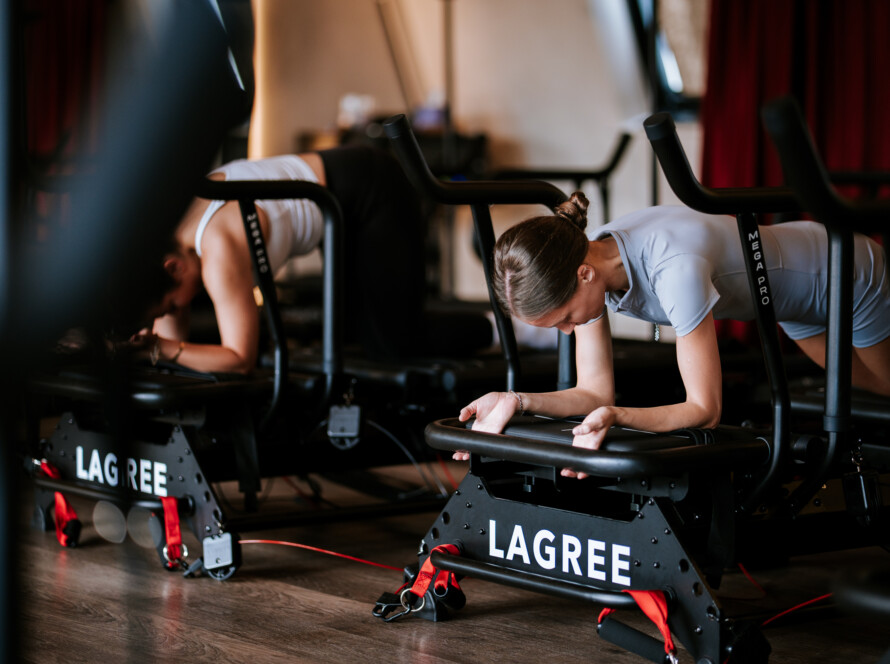
Instead of falling into the crash diet trap, consider a method that builds strength and transforms your body composition without the misery of starvation. The Lagree method works because it challenges your entire body through slow, controlled movements that create definition without the joint stress or burnout that comes from extreme exercise regimens. This approach offers sustainable results that last well beyond your wedding day, making it the perfect complement to sensible eating habits as you prepare for your celebration. For brides and grooms seeking this transformative workout, lagree in London provides the expertise to help you feel confident walking down the aisle.
Table of Contents
- Why So Many Brides Turn to Crash Diets Before the Wedding
- What a Wedding Crash Diet Actually Does to the Body
- Why Extreme Wedding Dieting Usually Backfires
- What Actually Helps Brides Feel Stronger and More Confident Before the Wedding
- Why Workout Environment and Structure Matter During Wedding Prep
- How BST Lagree Helps Brides Build Sustainable Results Without Crash Diet Extremes
- Book a Lagree Class in London Today
Summary
- Seventy percent of brides diet before their wedding, and most choose aggressive restriction over balanced plans, according to The Knot. The urgency created by shrinking timelines and social media comparison drives women toward extreme measures that promise fast results. This pressure transforms gentle health intentions into obsessive calorie-cutting, meal-skipping, and punishing exercise routines that create more stress than confidence.
- Crash diets can slow metabolism by up to 23 percent, meaning the body burns significantly fewer calories at rest even after returning to normal eating patterns. This metabolic adaptation doesn’t reverse quickly and often remains suppressed for weeks or months. Extreme calorie restriction below 1,200 calories daily can trigger a 25 to 30 percent loss of muscle mass, making the body smaller but softer rather than lean and sculpted.
- Eighty percent of bridal diets end in failure because restriction creates unsustainable cycles of rigid adherence followed by reactive eating. The pattern is predictable: initial progress stalls, hunger intensifies, willpower fades, and rebound eating follows with guilt and frustration. Brides who feel strongest heading into their wedding aren’t surviving on deprivation but building sustainable routines that improve body composition, posture, and energy without emotional exhaustion.
- Ninety-five percent of diets fail within one to five years, according to the National Eating Disorders Association. Most brides discover this too late, after weeks of fighting hunger and fatigue, only to watch results disappear. The visual difference on the wedding day between a bride who restricted aggressively and one who trained consistently with adequate nutrition shows in skin quality, posture, energy levels, and overall presence.
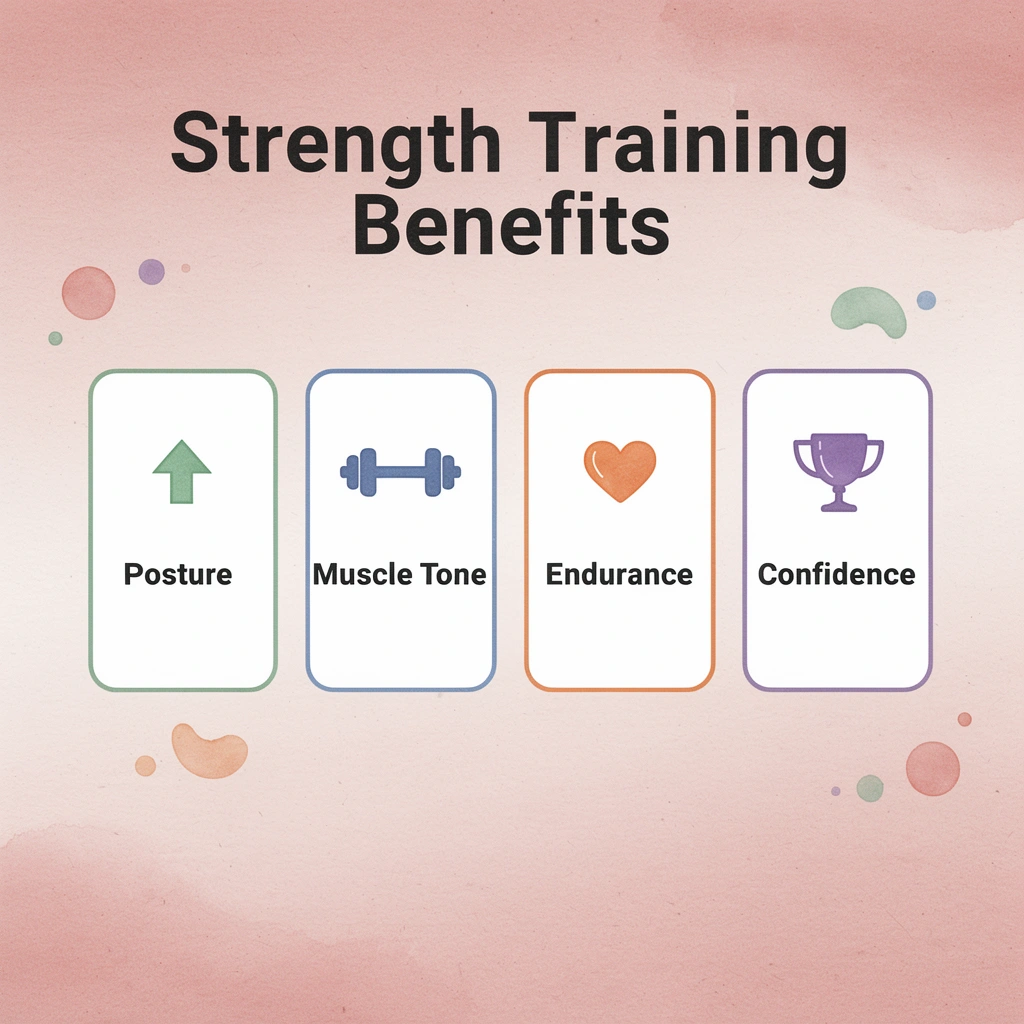
- Regular physical activity improves not only physical health but mood, stress management, sleep quality, and mental well-being, according to the CDC. Strength training builds better posture, visible muscle tone, improved endurance, and the kind of physical presence that translates into confidence. The bride who feels physically capable rather than just smaller often radiates more self-assurance in body language and energy throughout the wedding day.
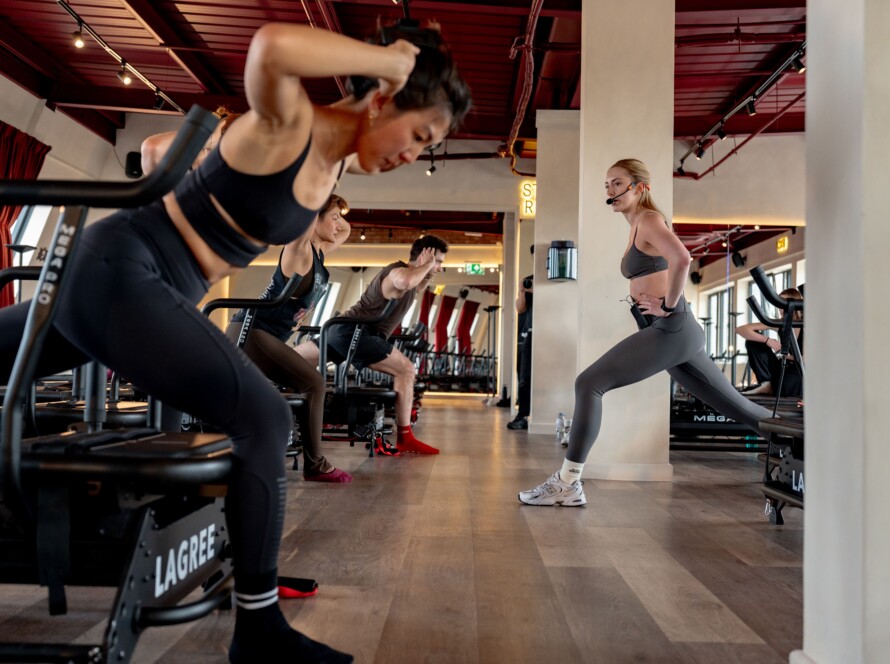
- Research from the American Council on Exercise shows that accountability and social support improve long-term exercise adherence far more than motivation alone. Structured classes remove the mental friction of deciding what to do and how hard to push, which can become exhausting when layered on top of wedding-planning logistics. Lagree in London addresses this by combining strength, cardio, and flexibility into guided 45-minute Megaformer sessions that build lean muscle and conditioning without the joint stress or burnout that comes from extreme restriction and high-impact training.
Why So Many Brides Turn to Crash Diets Before the Wedding
The pressure starts quietly, then speeds up fast. You book a venue, choose a dress size, post engagement photos online, and suddenly, every week until the wedding feels important. A gentle intention to feel healthier becomes urgency around looking visibly different, driving many women toward extreme restriction.

🎯 Key Point: The wedding timeline creates an artificial deadline that transforms healthy intentions into a crash diet mentality.
“The combination of social pressure and a fixed deadline makes weddings one of the highest-risk periods for developing disordered eating patterns.” — Research on Pre-Wedding Diet Behaviors
⚠️ Warning: What starts as wanting to feel confident can quickly escalate into dangerous restriction when the wedding date feels like a non-negotiable deadline for physical transformation.
Why do crash diets feel so appealing for wedding preparation?
Crash diets promise quick results, which seems necessary when time is running out. Cut carbs completely, eat 1,200 calories, run every morning, and skip meals after 6 pm. These approaches feel effective because the scale moves quickly and wedding timelines reward visible change. According to The Knot, 70% of brides diet before their wedding, and most choose fast results over balanced, gradual plans, even when those results come with physical and emotional costs.
What happens when you cut calories too aggressively?
Cutting calories too aggressively moves the scale but rarely makes you feel better. Low energy becomes normal. You grow more irritable. Workout recovery slows because your body lacks fuel to repair muscle or sustain intensity. Food becomes an obsession rather than fuel, and the mental stress of tracking, restricting, and resisting compounds the stress of wedding planning.
Why do most bridal diets fail?
Fitatu Blog reports that 80% of bridal diets fail. Restriction works temporarily, then stops. Hunger increases, willpower fades, and rebound eating follows, often accompanied by guilt. The brides who feel strongest on their wedding day aren’t surviving on willpower and deprivation—they’ve built sustainable routines that improve body composition, posture, and energy without emotional exhaustion.
How does social media amplify wedding body pressure?
Social media amplifies insecurity through bridal transformation posts, before-and-after photos, and “wedding body” messaging that create unrealistic timelines. Seeing someone lose 15 pounds in six weeks sets false standards, though those results often rely on unsustainable methods that lead to burnout or weight gain after the wedding. Rapid weight loss doesn’t equal confidence—strength, endurance, posture, and stress recovery shape how you feel in your body far more than dress size.
What training approach builds lasting confidence?
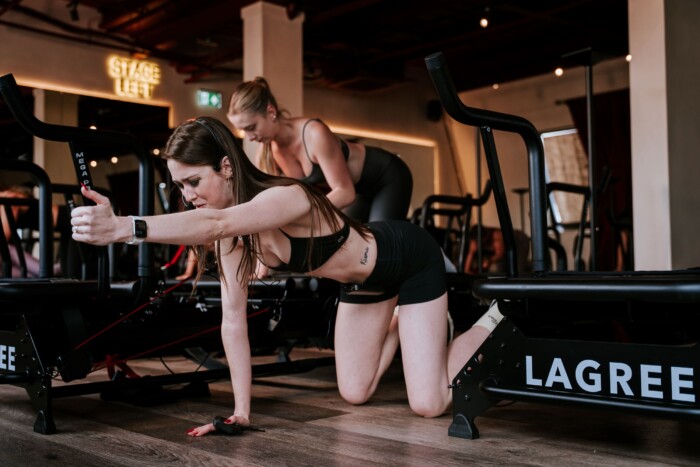
Lagree training in London offers a different approach. Instead of extreme cardio and calorie restriction, slow, controlled movements on the Megaformer build lean muscle, create visible tone, and protect your joints and energy levels. Our BST Lagree method helps brides feel powerful and grounded: qualities that matter far more on your wedding day than achieving a smaller size through deprivation.
Extreme restriction causes significant damage while occurring, a reality most brides overlook.
Related Reading
What a Wedding Crash Diet Actually Does to the Body
When the body undergoes extreme food restriction, it doesn’t lose weight in isolation. Instead, it adapts, compensates, and protects itself in ways that work against a bride’s goals. Crash diets trigger body responses affecting metabolic rate, muscle preservation, and energy processing in the weeks and months ahead.

🎯 Key Point: Your body’s survival mechanisms kick in during severe calorie restriction, often causing metabolic slowdown and muscle loss rather than the lean, toned look most brides want.
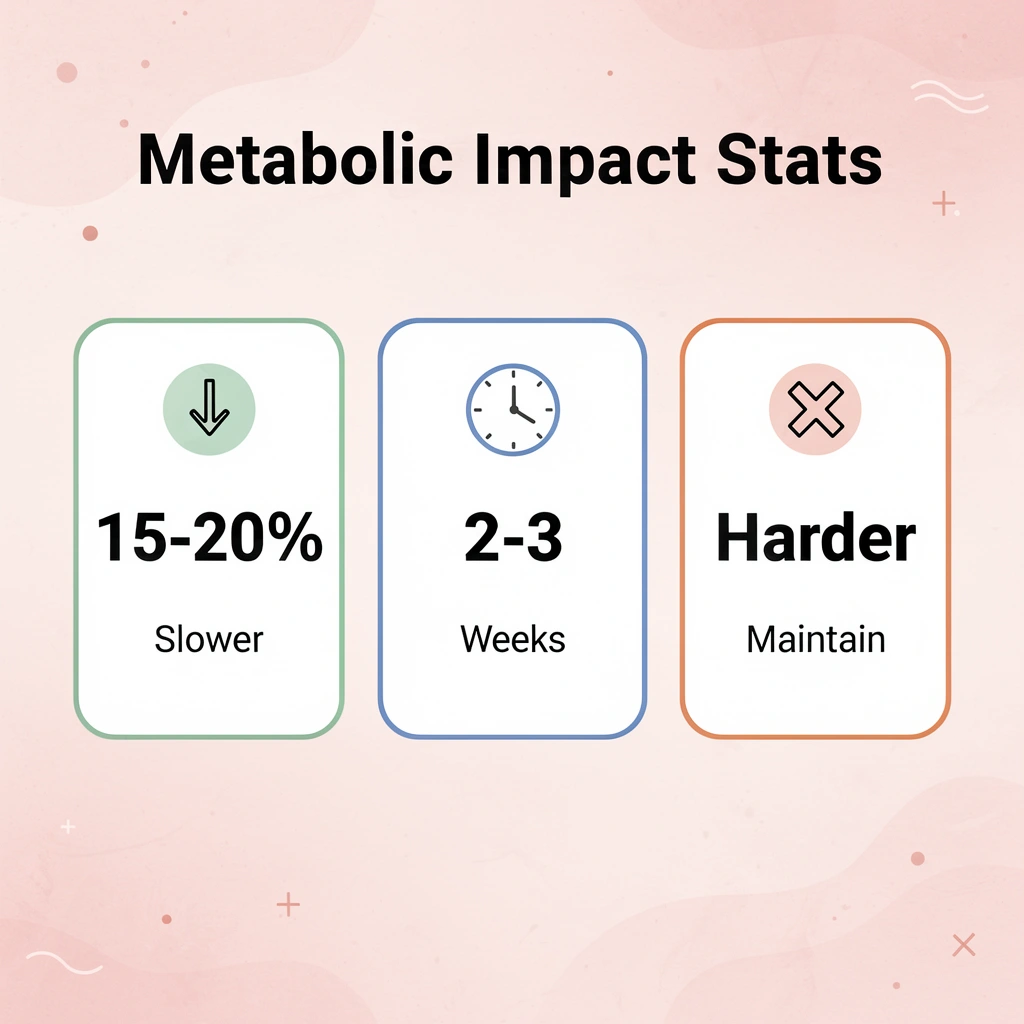
“Extreme calorie restriction can reduce metabolic rate by up to 15-20% within just 2-3 weeks, making it harder to maintain weight loss long-term.” — Journal of Clinical Endocrinology & Metabolism
⚠️ Warning: Wedding crash diets can leave you feeling tired, irritable, and looking less radiant on your special day – the exact opposite of what you’re hoping to achieve.
The metabolic slowdown happens faster than expected
When calorie intake drops sharply, the body interprets this as a survival threat and conserves energy. Dr. For Life reports that crash diets can slow metabolism by up to 23%. This change doesn’t reverse quickly: metabolic rate often stays suppressed for weeks or months, making weight regain easier and progress harder to maintain.
Muscle loss becomes unavoidable under severe restriction
When you eat too few calories, your body breaks down muscle tissue for energy, especially without adequate protein intake and without adequate recovery from resistance training. Research published by Dr. For Life shows that consuming fewer than 1,200 calories per day can cause you to lose 25 to 30 percent of your muscle. Since muscle provides shape, tone, and definition, losing it means your body gets smaller but softer, not leaner or more sculpted.
Hormonal disruption affects more than hunger
Crash dieting alters the hormones controlling hunger, metabolic rate, and stress response. Leptin levels drop, increasing hunger and slowing metabolism. Elevated cortisol promotes fat storage around the midsection and impairs sleep and recovery. Ghrelin, the hunger hormone, rises and often remains elevated after dieting ends, intensifying food cravings. These hormonal shifts create conditions where your body resists further weight loss and prepares to regain weight rapidly.
Recovery capacity collapses under chronic underfueling
Training performance declines when the body lacks sufficient fuel. Strength diminishes, endurance drops, and workouts feel exhausting. Poor nutrition impairs sleep quality, weakens immune function, and increases the risk of illness. Without adequate nutrition, the body cannot repair tissue, build muscle, or adapt to training, reducing the effectiveness of strength training and high-intensity workouts. Methods like Lagree, which combine strength, cardio, and flexibility in a single efficient session, require proper fueling to build the lean, toned physique most brides want, not the depleted state crash dieting creates.
The psychological toll compounds the physical damage
Restriction consumes your thoughts, making you constantly think about food, feel more irritable, and lose the sense of control that extreme dieting promises. Many brides find themselves thinking about their next meal during meetings, feeling guilty after eating anything unplanned, and alternating between strict eating and reactive eating episodes. Mental exhaustion becomes as draining as physical tiredness, worsening as the wedding date approaches, despite this being unsustainable.
Why Extreme Wedding Dieting Usually Backfires
Extreme dieting creates a short-term illusion of progress that rarely lasts beyond the wedding day. According to the National Eating Disorders Association, 95% of diets fail within 1-5 years. The stricter the plan, the harder it becomes to maintain physically and mentally. Most brides watch their results disappear after the event.
“95% of diets fail within 1-5 years – the stricter the approach, the higher the failure rate.” — National Eating Disorders Association
🔑 Key Takeaway: Extreme wedding diets set brides up for inevitable disappointment, as restrictive approaches make long-term success nearly impossible.
⚠️ Warning: The more extreme your pre-wedding diet, the more likely you are to experience weight regain and negative psychological effects after your big day.

The burnout timeline
Severe restriction feels manageable for the first two weeks because novelty and motivation mask the strain. By week three, fatigue becomes harder to ignore. Workouts feel impossible, recovery slows, and mental energy drains faster than willpower can replenish it. Sleep quality drops, focus fractures, and emotional stability needed for wedding planning stress disappear under constant hunger.
Why consistency collapses
Your body doesn’t respond well to prolonged fasting, so most people swing between strict rules and reactive eating episodes they can’t control. A bride might follow her 1,200-calorie plan perfectly for five days, then find herself eating directly from the fridge at midnight because her body demands fuel. That restriction-rebound cycle destroys the consistency needed for sustainable progress.
When training suffers
Not eating enough food impairs your body’s performance, with effects that worsen over time. Strength progress halts because muscles lack the resources to recover and grow. Endurance drops from insufficient stored energy. A bride relying on extreme restriction may lose weight, but also lose muscle tone and energy. Methods like Lagree in London offer a different path: our BST Lagree studio builds lean muscle and endurance through high-intensity, low-impact strength training. The Megaformer delivers full-body transformation by working with your physiology, not against it.
What actually shows on the wedding day
The visual difference between a bride who restricted aggressively and one who trained consistently with adequate nutrition is striking. Skin quality, posture, energy levels, and overall presence all reflect how the body was treated in the months leading up to the event. Crash dieting shrinks the scale but rarely produces the glowing, strong, confident appearance most brides want.
What approach helps brides feel powerful and prepared instead of exhausted and desperate?
What Actually Helps Brides Feel Stronger and More Confident Before the Wedding
Strength training builds better posture, visible muscle tone, improved endurance, and physical presence that translates directly into confidence. Low-impact cardio supports conditioning without damaging joints or leaving you exhausted during an already stressful planning period. Planned routines create the consistency that drives visible progress, while random bursts of motivation fade quickly.

🎯 Key Point: The most confident brides focus on strength training over extreme cardio because it creates lasting physical changes that show up in photos and how the dress fits.
“Strength training not only improves physical appearance but also enhances mental resilience and self-confidence through measurable progress and achievement.” — American Council on Exercise
💡 Best Practice: Choose 3-4 strength exercises you can do consistently rather than attempting complex routines that become overwhelming during wedding planning stress.
How does strength training change your physical presence?
Lifting weights changes how you move through space. Better posture makes you stand taller, stronger muscles improve how clothes fit across your shoulders and back, and increased endurance lets you dance, greet guests, and stay present during a long wedding day without fatigue by hour three.
Why does physical capability matter more than just being smaller?
Many brides underestimate how much confidence comes from feeling physically capable rather than smaller. The woman who can hold a plank for two minutes or complete a full workout without modification often radiates more self-assurance than someone who restricted calories until the scale dropped. That shift from “I look acceptable” to “I feel strong” shows up in body language, energy levels, and overall presence.
Recovery Determines Whether Progress Actually Sticks
Sleep, rest days, and stress management help your body adjust to training. Ignoring recovery makes workouts harder to sustain, reduces performance, and limits progress despite increased effort. According to the CDC, regular physical activity improves physical health outcomes, mood, stress management, sleep quality, and overall mental well-being.
Sustainable nutrition habits support recovery better than strict dieting. Structured eating patterns stabilize energy, improve workout performance, and enable consistent changes in body composition. A bride who fuels her training properly often sees better results than one who cycles between deprivation and rebound eating, even if the latter seems to weigh less on paper.
How does the training environment impact workout consistency?
The difference between a workout you dread and one you show up for often comes down to environment and expertise. Methods like BST Lagree combine high-intensity strength work with low-impact movement on specialized equipment, allowing brides to build muscle tone and endurance without joint stress or the mental exhaustion of punishing cardio.
Structured classes led by experienced instructors remove guesswork, create accountability, and maintain consistency when motivation fluctuates during wedding planning.
What builds true confidence for your wedding day?
Confidence before a wedding rarely comes from weight loss alone. It comes from standing taller, moving comfortably, feeling stronger, and maintaining consistent energy levels. The bride who builds these qualities through sustainable training feels more powerful on her wedding day than one who simply restricts calories.
Even the best training plan struggles to deliver results when the environment works against consistency and recovery.
Why Workout Environment and Structure Matter During Wedding Prep
Why do most brides quit their fitness routines?
Most brides don’t quit because they lack discipline. They quit because deciding what to do, how hard to push, and whether they’re making progress correctly becomes mentally exhausting when added to vendor emails, dress fittings, and family logistics. Workouts that require constant decision-making become another draining task instead of something that builds energy and confidence.
How does structure eliminate workout decision fatigue?
Structured classes remove this friction entirely. The workout is planned, the timing is set, and an instructor guides you on intensity and form. You show up, follow the plan, and leave knowing you accomplished what mattered. Research from the American Council on Exercise (2023) shows that accountability and social support improve long-term exercise adherence far more than motivation alone. This matters because motivation fades quickly once wedding stress, work deadlines, and fatigue accumulate.
What makes traditional gyms feel intimidating for brides?
Many women find traditional gym environments intimidating or repetitive, and unstructured cardio sessions can feel like punishment rather than progress.
One bride tried the gym multiple times before her wedding but quit after a few months. The routine required too much mental energy alongside her other commitments, and she was uncertain whether she was training effectively or simply going through the motions.
How does uncertainty affect workout consistency?
That uncertainty creates inconsistency. Without clear programming, many brides either under-train from caution or over-train from anxiety, neither producing the toned, strong results they want.
Structured environments like Lagree classes eliminate guesswork by delivering high-intensity, low-impact workouts on the Megaformer that combine strength, cardio, and Pilates principles in one efficient session. The workout is designed, intensity is guided, and progress becomes visible.
How does coaching quality impact your wedding fitness results?
Good coaching directly impacts safety and results. Instructors who understand proper form, progression, and movement changes prevent plateaus, injury, and frustration, which undermine consistency during wedding prep. Expert coaching ensures every session builds strength and endurance rather than simply burning calories.
Why does empowering training lead to better consistency?
Workouts that feel empowering are easier to repeat consistently than routines built on restriction and punishment. When training makes you feel capable rather than depleted, it requires less constant willpower to maintain. The environment shifts from something you force yourself to do into one that genuinely improves how you move and feel during demanding periods.
But even the most structured training environment only works if the method itself delivers results without requiring unsustainable effort.
Related Reading
How BST Lagree Helps Brides Build Sustainable Results Without Crash Diet Extremes
Lagree training delivers visible results without requiring major sacrifices. These focused 45-minute sessions combine strength, endurance, and cardio to transform your body composition efficiently, building muscle tone and conditioning faster than traditional gym routines, which matters when wedding planning already demands so much of your time.

🎯 Key Point: BST Lagree delivers maximum impact in minimal time, making it the perfect solution for busy brides who need efficient workouts that fit into their hectic schedules.
“Lagree training transforms your body composition through high-intensity, low-impact movements that build lean muscle while burning calories—giving brides the toned, strong physique they want without the time commitment of traditional fitness routines.”
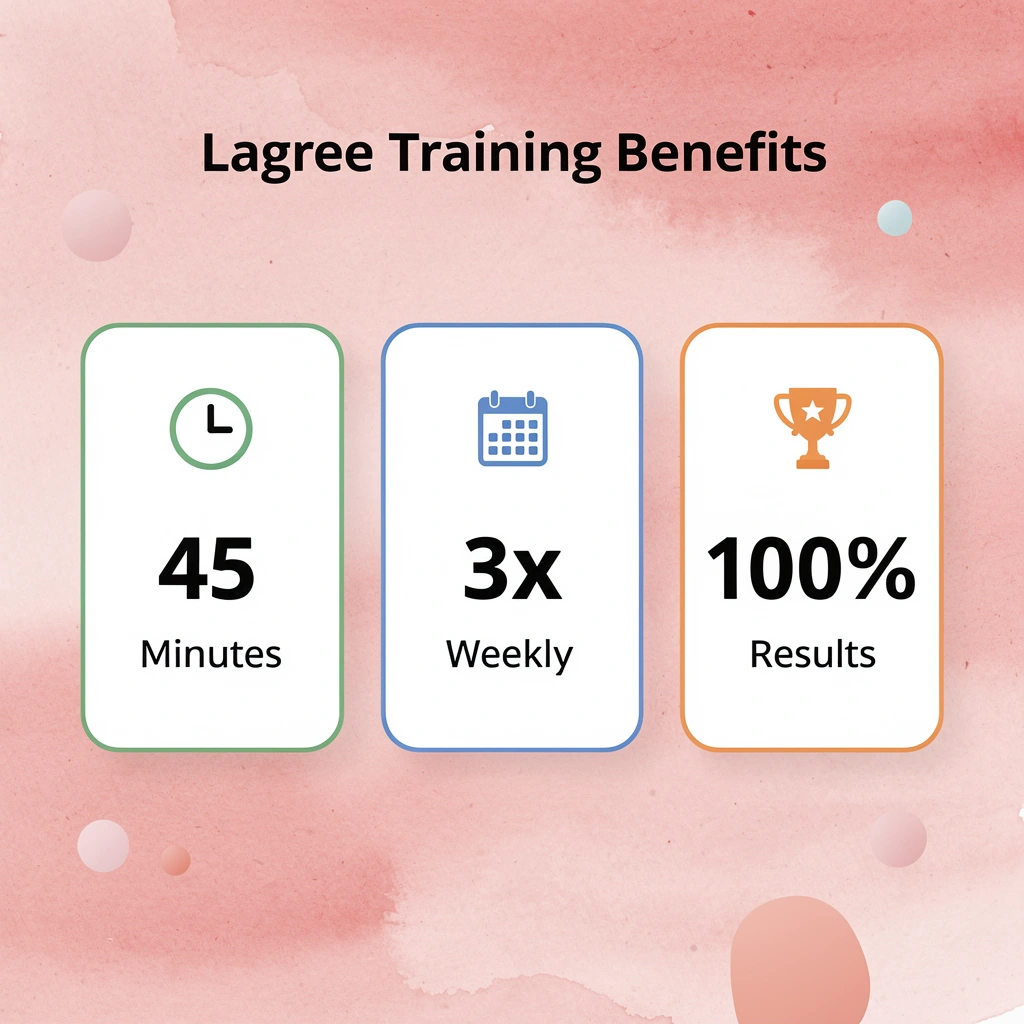
💡 Best Practice: Focus on consistency over intensity—just 3 sessions per week can deliver the sustainable results you need for your big day, while still allowing time for dress fittings, vendor meetings, and all the other wedding essentials on your to-do list.
How does Lagree compare to traditional workout efficiency?
Traditional strength programs require four to six gym visits per week to train the entire body. BST Lagree targets every major muscle group in a single session through slow, controlled movements on the Megaformer that create constant tension. A bride who previously spent five hours weekly at a gym can achieve comparable (often superior) muscle engagement and cardiovascular conditioning in three 45-minute classes. This time compression works because the movement design engages multiple systems simultaneously rather than isolating them.
Why does low-impact training prevent wedding prep burnout?
The low-impact structure protects against the injury-and-burnout cycle that derails aggressive wedding prep programs. High-impact cardio and heavy lifting create joint stress and require longer recovery periods, particularly when combined with calorie restriction. Our BST Lagree spring-based resistance eliminates impact while maintaining intensity, enabling consistent training without the inflammation and fatigue from pounding pavement or lifting near-maximal loads.
How does coaching quality determine workout consistency?
BST Lagree uses a mentorship-based training process where instructors complete extensive practical hours before teaching independently. This preparation shows in how our instructors deliver form corrections, adjust resistance for different fitness levels, and pace sessions to challenge without overwhelming you.
When you’re not wondering if you’re doing movements correctly or questioning whether the instructor knows what they’re teaching, you can focus on the work itself.
Why does a women-focused environment reduce workout barriers?
The women-focused environment removes another common source of friction. Many brides describe traditional gyms as intimidating spaces where they feel watched, judged, or uncertain about using the equipment.
A studio built specifically for women with structured classes eliminates guesswork about what to do next, shifting the experience from anxiety-inducing to supportive. This psychological shift matters as much as the physical programming when maintaining consistency during an already stressful period.
How does the operational transformation happen in stages?
Before Lagree, a typical bride might limit calories to 1,200 daily, attempt morning runs three times weekly (missing half due to exhaustion), feel constantly hungry and irritable, watch the scale drop, then plateau, and end up eating more than planned, erasing her progress.
After adding structured BST Lagree sessions, she follows a set class schedule that fits her existing commitments, eats enough to fuel training and recovery, builds visible muscle definition in her arms, shoulders, and core, maintains high energy throughout wedding planning, and sees steady changes in body composition. The difference isn’t willpower. It’s a method.
What’s the difference between knowing and doing?
Knowing that a sustainable approach exists and taking the step to experience it are two different things.
Book a Lagree Class in London Today
Book a class. Show up. Move through a 45-minute session that builds strength without hurting your joints or disrupting your schedule. At BST Lagree, you’ll train on the Megaformer under instructors who’ve led over 5,000 classes and know how to build lasting results during life’s busiest seasons.

🎯 Key Point: Your wedding preparation doesn’t have to compromise your fitness goals – Lagree classes offer the perfect balance of efficiency and effectiveness.
“A 45-minute Lagree session can deliver the same strength-building benefits as traditional workouts in half the time, making it ideal for busy schedules.”
💡 Tip: Book your first Lagree class in London today and start building the strength and confidence you want to carry into your wedding day. The sooner you start, the more dramatic your transformation will be.
| What You Get | Why It Matters |
|---|---|
| 45-minute sessions | Fits into any busy schedule |
| 5,000+ class experience | Expert instruction you can trust |
| Joint-friendly training | Build strength without injury risk |
| Megaformer technology | Maximum results in minimum time |