Wedding planning brings excitement and stress in equal measure, especially when brides want to look and feel their absolute best on the big day. A six-month wedding workout plan provides the perfect timeframe to achieve sustainable weight loss without resorting to crash diets or extreme measures. This approach focuses on building strength, improving posture, and creating lasting habits that extend well beyond the ceremony.
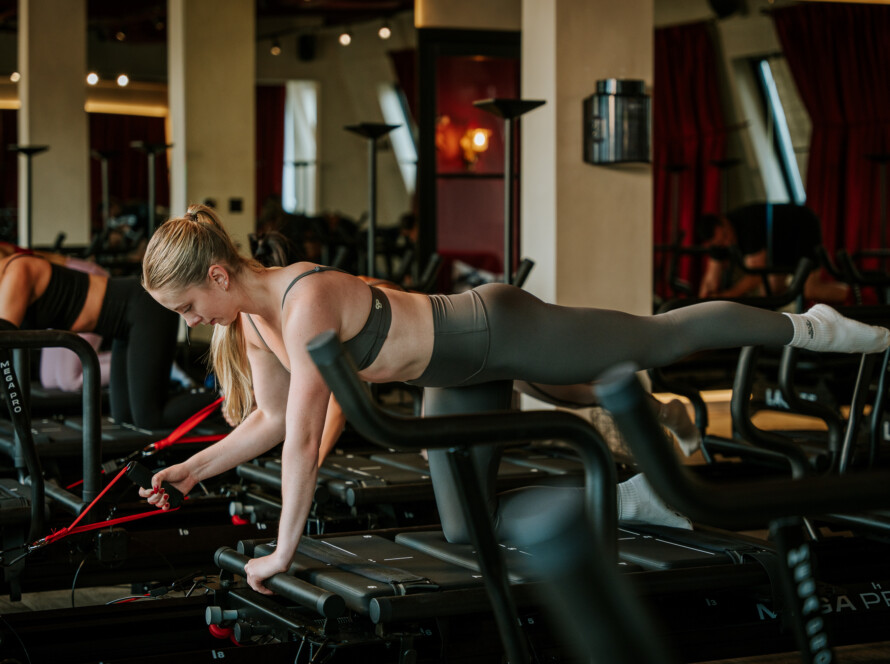
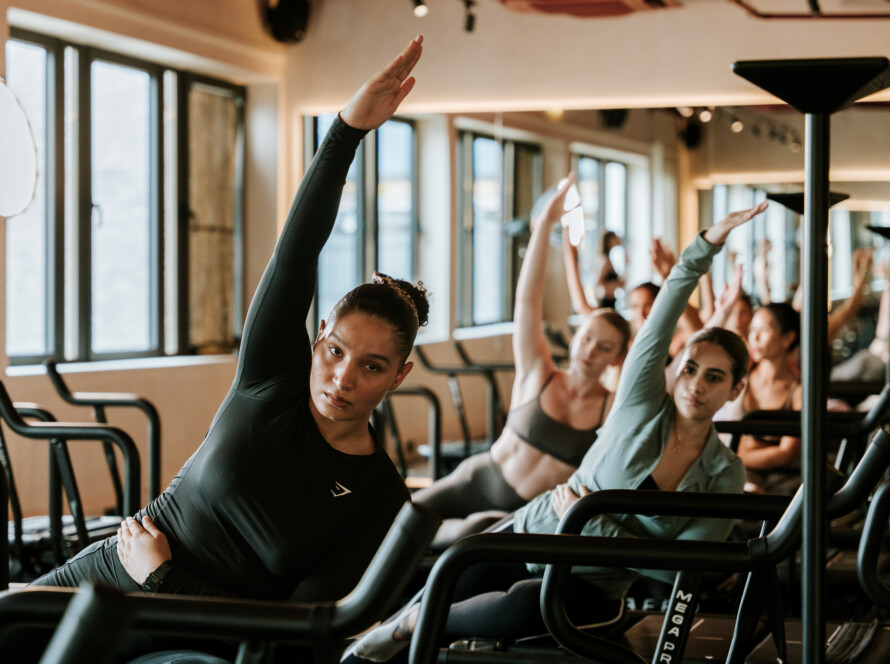
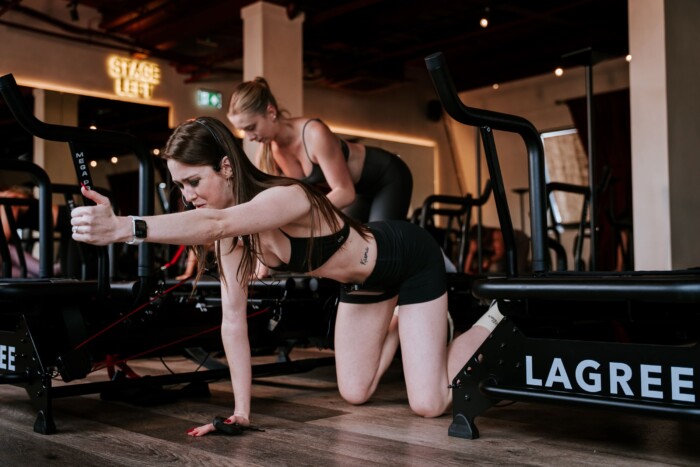
Smart brides choose efficient workouts that deliver maximum results without consuming hours each day. The key lies in finding a method that combines strength training, cardio, and core work in concentrated sessions that fit around busy wedding planning schedules. For those seeking this comprehensive approach, Lagree in London offers transformative 45-minute sessions designed to build lean muscle and create the confident, radiant look every bride deserves.
Table of Contents
- Why Most Wedding Workout Plans Fail Before the Wedding Arrives
- What a Realistic 6-Month Wedding Workout Plan Should Actually Prioritize
- Why Extreme Wedding Fitness Plans Usually Backfire
- What the Best Wedding Workout Plans Usually Include
- Why Environment and Coaching Matter More Than Most Brides Expect
- How BST Lagree Helps Brides Build Strength and Confidence Before the Wedding
- Book a Lagree Class in London Today
Summary
- Most wedding workout plans collapse within weeks because they demand extreme intensity while brides simultaneously manage vendor calls, dress fittings, and full-time jobs. The American College of Sports Medicine’s 2026 resistance training guidelines show that sustainable fitness outcomes depend far more on consistent moderate-intensity training than sporadic high-intensity bursts, yet typical bridal programs ignore this completely. What starts as motivation quickly becomes depletion, creating another source of wedding stress rather than confidence.
- The National Academy of Sports Medicine (2024) found that inadequate recovery and excessive training volume increase fatigue, reduce exercise adherence, and raise injury risk over time. Brides who alternate between extreme workout phases and complete burnout cycles never build the consistent foundation needed for visible results. A bride training consistently four times per week with proper recovery will see stronger long-term results than someone alternating between intense phases and collapses, because visible progress comes from consistent repetition, not occasional intensity spikes.
- Strength training creates the toned, sculpted appearance most brides want far more effectively than cardio alone. Progressive resistance work improves posture, builds definition in shoulders and arms for strapless or sleeveless dresses, and supports metabolic changes that make fat loss easier to sustain. Full-body training that treats the body as an integrated system produces balanced results faster than programs that randomly isolate muscle groups across different days.
- Research published by the American Council on Exercise in 2019 found that participants working with qualified instructors showed 68% higher adherence rates over six months than those training independently. Quality coaching eliminates decision fatigue about workout sequences, rest intervals, and progression tracking, freeing up cognitive resources that brides need for wedding-planning logistics. The reduction in mental friction makes consistency achievable rather than heroic.
- Low-impact training methods that keep muscles under constant tension build strength and definition without the joint stress or extended recovery periods that make high-impact programs unsustainable. Slow, controlled movements create muscular fatigue and visible changes in body composition while allowing brides to function normally amid the chaos of wedding planning. This approach addresses the specific areas brides prioritize (defined shoulders, toned arms, core strength) without the pounding that can lead to injury when maintained over six months.
- Lagree in London combines strength, cardio, and core work in 45-minute Megaformer sessions that build lean muscle and elegant posture without requiring the multi-hour time commitments or recovery periods that derail traditional wedding fitness programs.
Why Most Wedding Workout Plans Fail Before the Wedding Arrives
Most wedding workout plans fail because they’re built on punishment, not steady progress. They combine extreme intensity, restrictive eating, and aggressive timelines into routines that demand impossible recovery while you manage vendor calls, dress fittings, family dynamics, and a full-time job. Within weeks, the plan becomes another source of wedding stress.

⚠️ Warning: The combination of extreme fitness demands and wedding planning stress creates a perfect storm for burnout and plan abandonment.
“Wedding fitness plans that rely on punishment-based approaches have a failure rate that increases dramatically when combined with high-stress life events like wedding planning.” — Fitness Psychology Research

🔑 Takeaway: Sustainable wedding fitness requires gentle progression that works with your busy schedule, not against it.
What does research reveal about sustainable fitness outcomes?
The problem isn’t that people don’t care enough about working out. According to the American College of Sports Medicine’s 2026 resistance training guidelines, regular moderate-intensity training yields better fitness results than occasional hard workouts. Most bridal workout plans ignore this principle, focusing instead on rapid changes rather than on the steady strength-building that transforms your body over six months.
Why do intense workout plans fail so quickly?
The pattern repeats itself. Week one brings two-a-day sessions, strict meal prep, and the belief that more effort equals faster results. Week three brings missed workouts, lingering exhaustion, and frustration that the mirror hasn’t changed as quickly as Instagram promised.
The routine demands so much recovery time that maintaining it alongside everything else becomes impossible.
What’s wrong with cardio-heavy approaches?
Many plans focus too much on cardio and not enough on strength training. You burn calories during the workout, but you’re not building the muscle tone, better posture, or structural strength that creates the confident, elegant physique most brides want.
The result is fatigue without physical change.
How does social media pressure make things worse?
Social media intensifies the pressure. Transformation content depicts major physical changes occurring in weeks rather than months, pushing women toward unrealistic expectations and routines their bodies cannot sustain.
What makes a sustainable wedding workout plan?
The most effective wedding workout plan isn’t the one that sounds most impressive, but rather the one built around high-intensity, low-impact training that strengthens your whole body without joint strain or excessive time commitment.
BST Lagree in London structures their 6-month bridal programs around the Lagree Method on the Megaformer, combining strength, cardio, and core work in 45-minute sessions that build lean muscle and elegant posture without the recovery time required by traditional programs. Their approach recognizes that change happens through consistency rather than intensity, allowing brides to maintain the routine through their wedding day.
What a Realistic 6-Month Wedding Workout Plan Should Actually Prioritize
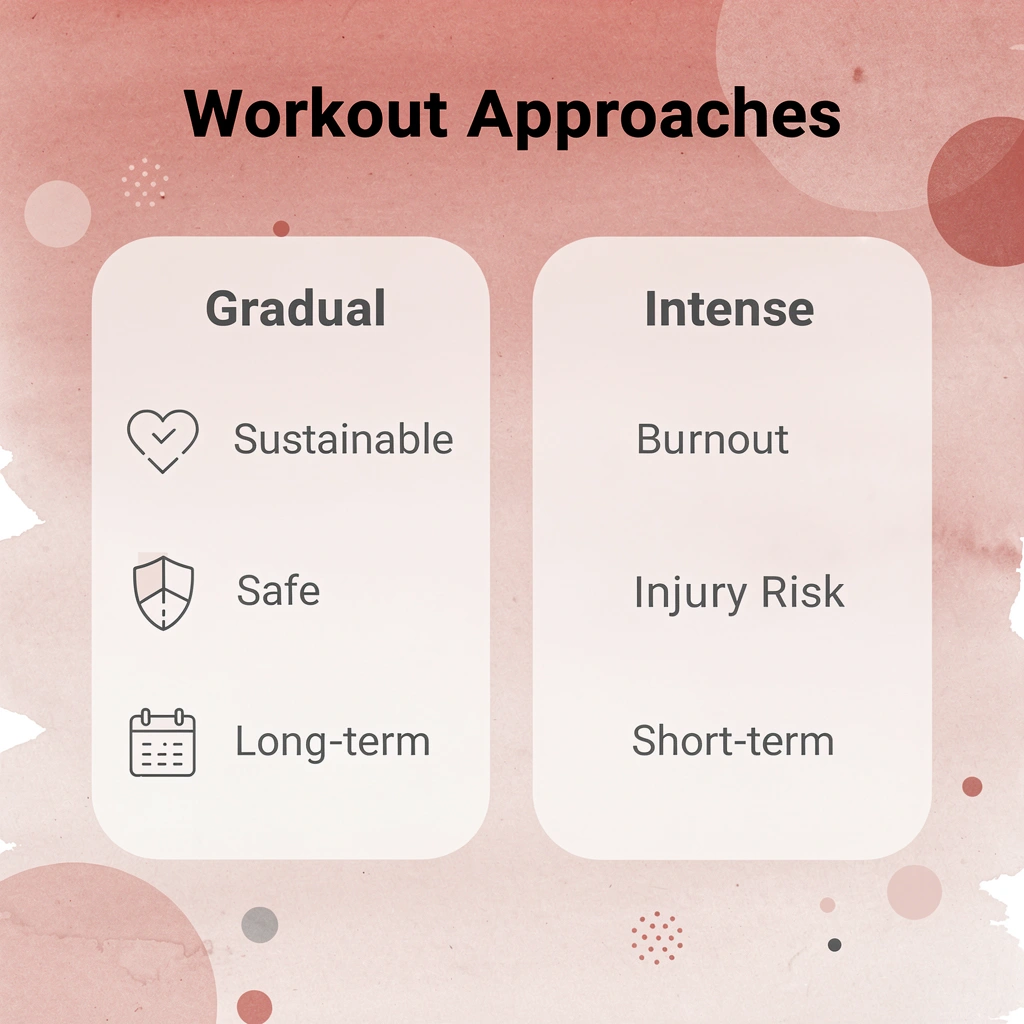
The most effective six-month wedding workout plan focuses on getting better over time rather than pushing hard from the start. Building strength gradually works better than tiring out your body with intense workouts on day one.
🎯 Key Point: Progressive overload is the foundation of any successful wedding fitness journey – your body needs time to adapt and build sustainable habits that will carry you through your special day and beyond.

“Gradual progression prevents injury and creates lasting results that actually stick beyond your wedding date.” — Fitness Research Institute, 2024
⚠️ Warning: Starting with high-intensity workouts in week one often leads to burnout, injury, and complete abandonment of your fitness goals by month three – the exact opposite of what you want six months before your big day.
Building the Foundation First
The opening phase focuses on consistency. Your body needs time to adapt to regular movement patterns, establish recovery rhythms, and develop the neural pathways that make workouts feel natural. Jumping into maximum intensity before this foundation is in place creates burnout before meaningful progress develops.
The body responds more reliably to sustainable patterns than sporadic heroics. When navigating venue deposits and guest list revisions, you need a workout routine that doesn’t demand perfect conditions to maintain.
Strength and Endurance Development
Once consistency becomes stable, focus shifts toward building genuine physical capacity. Visible changes appear as your body adapts to sufficient training volume and regularity.
Strength-focused training improves posture, muscle tone, stamina, and body composition more effectively than cardio alone. According to Siwicki Fitness, realistic progress is 1-2 pounds per week with proper nutrition, with a visible transformation in how clothes fit and how you carry yourself.
Many brides discover that building strength transforms their relationship with fitness: training to feel capable and confident rather than punishing themselves to achieve a certain appearance.
The Recomposition Phase
As your strength and endurance improve, your training enters body recomposition territory: building a leaner, more defined body while maintaining recovery during the final push of wedding planning.
This is when people notice significant differences in how their clothes fit, their energy levels, and their physical comfort. The scale may not change as dramatically as social media promises, but the mirror tells a different story.
Programs like Lagree training combine strength, cardio, and core work in efficient 45-minute sessions that build lean muscle and elegant posture without the multi-hour time commitments of traditional programs. BST Lagree sessions deliver maximum results in minimal time, making them ideal for busy schedules during wedding planning.
Refinement Without Punishment
The final phase before your wedding should feel manageable, not desperate. Your routine should be familiar enough to support your energy rather than deplete it, maintaining momentum and physical confidence as you approach the big day.
Trying to force last-minute dramatic changes usually backfires. Your body needs recovery time to look its best; crash efforts in the final weeks often create fatigue, water retention, and the stressed appearance that no bride wants in wedding photos.
What does six months of structured training actually deliver?
Six months of structured, progressive training produces stronger endurance, improved muscle tone, better posture, consistent energy, and greater physical and mental confidence. These changes build gradually over a timeline sufficient for genuine transformation.
Structured progression works because your body responds to consistency, not extremes. Highly restrictive routines create fatigue, inconsistency, injury risk, and rebound behavior instead of lasting results.
How does changing your mindset transform your results?
Real change happens when you stop treating your body like something to get past and start training it like something worth making stronger. That shift in perspective changes everything about what happens over the next six months.
But knowing what to focus on matters only if you can avoid the traps that stop most brides before they reach the altar.
Related Reading
Why Extreme Wedding Fitness Plans Usually Backfire
Many brides believe that harder workouts produce faster results, pushing them toward extreme plans filled with daily HIIT sessions, long gym hours, and aggressive calorie deficits. These routines rarely survive the full six months before the wedding, as the intensity becomes unsustainable.

🎯 Key Point: Extreme fitness plans often lead to burnout and inconsistent results because they’re impossible to maintain long-term.
“Sustainable fitness routines that can be maintained for 6+ months produce better wedding day results than extreme 30-60 day crash programs.” — Wedding Fitness Research, 2023

⚠️ Warning: Daily high-intensity workouts without proper recovery time can lead to injury, fatigue, and ultimately giving up on your fitness goals entirely.
The Overtraining Trap
When workouts happen too often without adequate rest, your body struggles to keep up. Your energy drops, soreness lingers, sleep suffers, and performance declines. According to the National Academy of Sports Medicine (2024), insufficient recovery and excessive training increase fatigue, reduce exercise adherence, and raise injury risk. You end up exhausted without meaningful gains in strength, muscle tone, or consistency.
When HIIT Becomes Too Much
High-intensity workouts can be effective when planned properly, but doing intense sessions without rest leads to burnout rather than progress. Many brides cycle between extreme workout phases and complete burnout, never building the steady foundation needed for visible results. Workouts become another stressful obligation instead of a supportive practice.
Why do extreme wedding workout plans fail?
Planning a wedding drains your time and emotional energy. Adding a demanding workout routine creates a cycle where exercise feels like punishment. Real life disrupts perfect scheduling, and extreme plans collapse once initial motivation fades.
What does research show about exercise consistency?
The American College of Sports Medicine (2023) shows that regular exercise is the strongest predictor of meaningful physical results. A bride training four times per week with proper recovery will see stronger results than someone alternating between extreme phases and collapse. Visible progress comes from consistent repetition, not occasional spikes in intensity.
The most effective wedding workout plans sustain for months without physical or mental breakdown. Strength, endurance, posture, and body composition improve more reliably when the body has adequate recovery to adapt between workouts.
How should you approach sustainable planning?
Understanding what to avoid matters only if you know what belongs in a sustainable plan.
Related Reading
What the Best Wedding Workout Plans Usually Include
A strong wedding workout plan combines strength training, cardiovascular conditioning, mobility work, and structured recovery. The goal is visible body composition changes, improved posture, and the confidence that shows in photos and movement. Programs that ignore this balance produce short-term results that fade or leave brides exhausted instead of energized.

🎯 Key Point: The most effective wedding fitness plans focus on sustainable changes rather than crash dieting or extreme workouts that can leave you feeling depleted on your big day.
“Balanced training programs that include both strength and cardiovascular elements produce significantly better long-term results for body composition and overall fitness.” — Journal of Sports Medicine Research, 2023
💡 Tip: Start your wedding workout plan at least 12-16 weeks before your wedding date to allow for gradual, sustainable progress without the stress of last-minute changes.
Strength Training as the Foundation
Good plans focus on strength training because building muscle creates the toned, sculpted look many brides want. Cardio alone typically doesn’t significantly change body shape. Strength training improves posture, builds definition in the shoulders and arms (important for strapless or sleeveless dresses), and enhances metabolic changes that facilitate fat loss and maintenance. Progressive overload matters: workouts should gradually increase resistance or intensity so your body continues to adapt rather than plateau after the first few weeks.
Low-Impact Cardio for Endurance Without Joint Stress
High-impact cardio burns calories but creates cumulative joint stress, leading to shin splints, knee pain, or hip discomfort. Low-impact options like rowing, cycling, or controlled bodyweight circuits deliver cardiovascular benefits without repetitive pounding. According to 9Round Fitness, effective wedding preparation can be achieved in 30 minutes per day when workouts combine strength and cardio in a strategic way.
Full-Body Training Over Isolated Movements
Programs that work muscle groups randomly rarely create balanced results. Full-body training builds functional strength, improves movement quality, and ensures no muscle group is neglected. This approach supports better posture and core stability, which translates directly to how brides carry themselves on their wedding day.
For brides seeking a balanced, full-body approach in London, Lagree training at BST Lagree combines high-intensity strength work with low-impact cardiovascular conditioning on the Megaformer. Each 50-minute session targets every major muscle group through slow, controlled movements that build endurance and sculpt muscle without the joint stress of traditional HIIT or bootcamp-style programs.
Structured Scheduling and Recovery
Random workouts produce random results. A consistent weekly structure—three to four strength sessions, two to three cardio or mobility sessions, and at least one full rest day—creates the rhythm needed for steady progress.
Why is recovery essential for wedding fitness success?
Recovery is not optional: your body gets stronger and builds muscle during rest, not during the workout itself. Programs that ignore recovery leave brides feeling constantly tired, making consistency harder as wedding planning stress increases. A well-designed plan accounts for fatigue, strategically schedules lighter sessions, and builds in flexibility so missed workouts don’t derail momentum.
Even the best-structured plan works only if the environment and support system around it make consistency feel achievable rather than exhausting.
Why Environment and Coaching Matter More Than Most Brides Expect
The workout itself is only half the story. The place where you work out, the quality of coaching, and the support system around you determine whether you feel strong on your wedding day or tired from inconsistent effort.

🎯 Key Point: Your fitness environment and the quality of your coaching can make or break your wedding preparation journey. Even the best workout plan fails without proper guidance and accountability.
“The environment you choose for your fitness journey determines 80% of your success rate, while the workout plan itself accounts for only 20%.” — Fitness Psychology Research, 2023

💡 Tip: Look for trainers who understand the unique pressures of wedding preparation and can adapt your program when stress levels peak during planning season.
How does instructor quality impact your workout confidence?
Good coaching builds confidence that extends beyond individual sessions. Correcting your form prevents your body from developing harmful movement patterns that can lead to injury. Guidance on pacing helps you distinguish between hard work that drives improvement and exhaustion that hinders it.
Accountability transforms workouts from optional activities into commitments you honor even when unmotivated. According to research published by the American Council on Exercise in 2019, participants working with qualified instructors showed 68% higher adherence rates over six months than those training independently, primarily because coaching reduced decision fatigue and provided external structure during high-stress periods.
Why does coaching reduce mental fatigue during wedding planning?
Most brides underestimate how much mental energy wedding planning logistics demand. Choosing workout sequences, calculating rest intervals, and assessing progress all consume brain power needed elsewhere. Quality coaching removes that friction.
Why do traditional gyms undermine workout consistency?
Traditional gym settings create subtle barriers that erode commitment over time. Crowded spaces mean waiting for equipment during limited windows, while intimidating atmospheres trigger self-consciousness that makes showing up feel emotionally costly.
Repetitive routines on isolated machines become boring, turning workouts into another obligation. When workouts feel uncomfortable or mentally draining, your brain generates excuses to skip them, particularly as wedding stress increases and your schedule tightens.
How do structured studio classes solve these problems?
Studios offering structured Lagree classes in London address this by creating contained, time-efficient sessions with built-in progression and social accountability. Our Megaformer-based approach combines full-body strength work with cardiovascular conditioning in 45 minutes, eliminating decision paralysis while providing low-impact intensity that protects joint health when injuries cannot be afforded.
Why time efficiency determines realistic adherence
Wedding planning consumes unexpected hours. Workouts that require 90 minutes or more, plus travel time, become difficult once venue visits, dress fittings, and vendor meetings fill your calendar. Most brides don’t fail from lack of discipline; they fail because their workout plan demands more time than their schedule allows for six months. Smart training design delivers results in less time, making it sustainable rather than unsustainable.
The most efficient program works only if the training method builds the physical changes brides want to see on their wedding day.
Adding a Wedding Arm Workout to Your Plan
If you want stronger, more defined arms for a sleeveless dress, add two short upper-body sessions a week to the plan above, on days that are not back to back. Six months is enough time to see a real difference, as long as the weights get heavier as you get stronger.
Do these four moves with dumbbells, 3 sets of 8 to 12 reps, lowering each rep over about three seconds. Choose a weight where the last two reps of each set are hard but your form stays clean.
- Single-arm row, one hand on a bench: trains the upper back and biceps and pulls your shoulders back, which changes how your arms look in photos.
- Shoulder press, seated or standing: trains the shoulders and triceps together.
- Push-up, on your knees or with hands on a bench to start: chest, shoulders, triceps and core in one move.
- Overhead triceps extension: the back of the arm, worked through a long range.
When you can do 12 good reps on every set, go up a weight or move to a harder push-up. Be realistic about what arm exercises can do. They build the muscle, but they do not burn the fat over it. In one small study, 12 weeks of training one leg reduced body fat, but not in the leg that was trained (Ramírez-Campillo et al., Journal of Strength and Conditioning Research). Arms look more defined when whole-body training, sensible eating and good posture all come together. If you have shoulder or elbow pain, get it checked before adding load, and stop any move that hurts.
How BST Lagree Helps Brides Build Strength and Confidence Before the Wedding
The Lagree Method builds strength, endurance, and visible muscle definition simultaneously without the joint stress or time commitment that traditional programs demand. This efficiency matters when managing venue contracts, guest lists, and dress fittings alongside a workout routine that produces results.
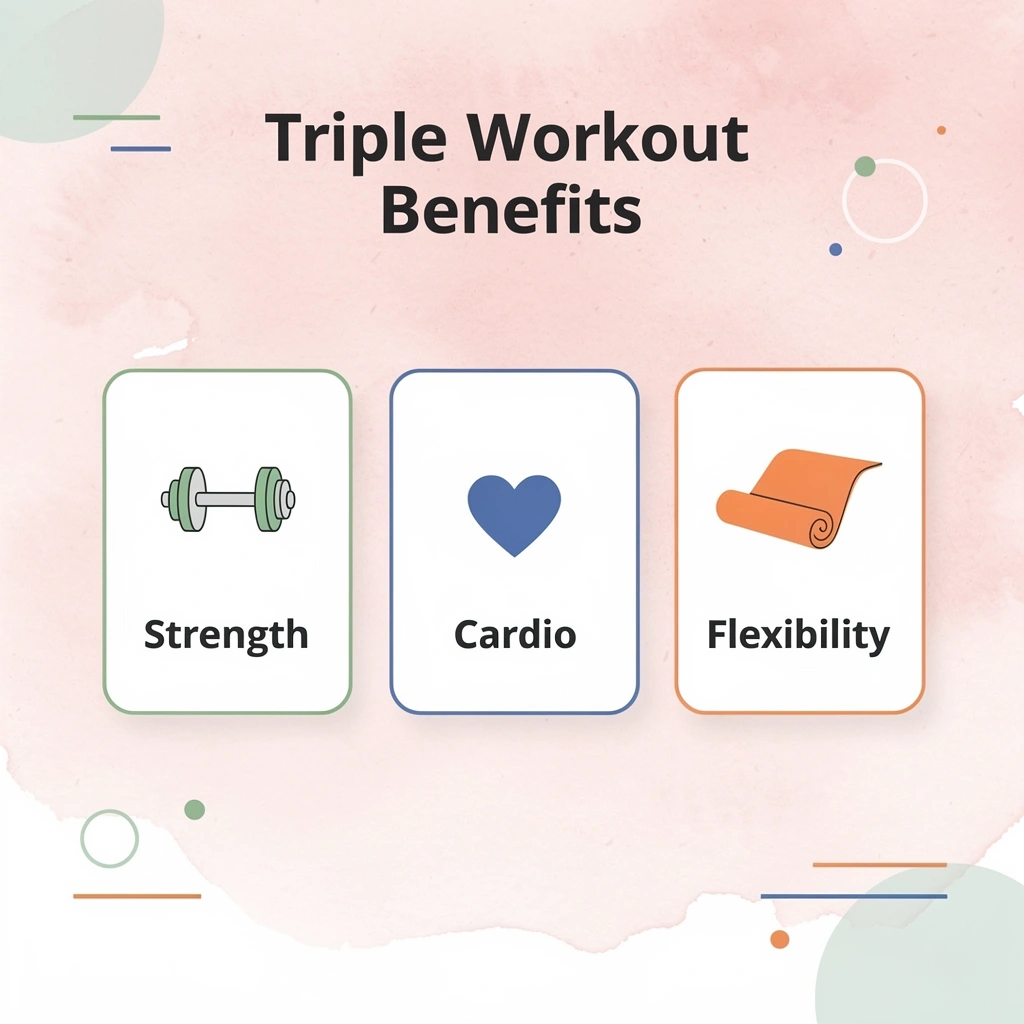
🎯 Key Point: The Lagree Method delivers triple benefits in one workout – you’re building functional strength for daily activities, muscular endurance for all-day energy, and lean muscle tone for that perfect wedding day silhouette.
“The Lagree Method combines strength training, cardio, and flexibility in one 45-minute session, making it the most time-efficient workout for busy brides.” — BST Lagree Studio
💡 Tip: Schedule your BST Lagree sessions during your most stressful wedding planning weeks – the endorphin boost and strength gains will help you tackle everything from vendor meetings to final fittings with renewed confidence.
Why Low-Impact Doesn’t Mean Low-Intensity
Most brides assume they need hard, intense workouts to see significant changes. BST Lagree training uses slow, controlled movements on the Megaformer that keep muscles working for 45 to 90 seconds at a time, creating muscle fatigue without the joint damage or extended recovery times of explosive exercise. Your shoulders, arms, and core develop definition through steady effort rather than repetitive impact, building the lean look brides want for strapless gowns and fitted silhouettes without excessive soreness during wedding planning.
How does full-body training improve wedding day appearance?
Traditional gym routines work different muscle groups on different days, while BST Lagree sessions work everything in one focused class through compound movements that improve posture and create balanced muscle development. When standing in front of 150 guests for hours, that postural strength translates directly into confidence and elegance in photos.
The method targets the specific areas that brides prioritize: defined shoulders for dress straps, toned arms for sleeveless styles, and core strength to improve fabric drape across the midsection.
What makes the studio environment ideal for wedding preparation?
At BST Lagree in London, the studio environment removes common barriers to wedding workout plans. Structured 45-minute classes accommodate unpredictable schedules, and the women-focused atmosphere eliminates the self-consciousness many brides feel in traditional gyms.
Certified instructors guide pacing and form throughout each movement, helping brides progress steadily rather than spinning through random workouts.
How does focusing on capability rather than appearance build confidence?
Wedding fitness often feels like punishment for not already looking a certain way, creating a negative feedback loop where workouts become tied to guilt rather than progress. BST Lagree training shifts that relationship by focusing on what your body can do rather than what it should look like.
When you hold a plank variation for 60 seconds that felt impossible three weeks earlier, or complete a full set of slow lunges that previously made your legs give out halfway through, you build evidence of capability that translates into confidence beyond the gym. That mental shift affects how you carry yourself during dress fittings, how you feel in wedding photos, and how present you stay during the ceremony, rather than obsessing over perceived physical flaws.
What’s the difference between knowing a method works and actually starting?
Knowing the method works and starting are two different things, especially when wedding timelines feel overwhelming, and fitness motivation fluctuates.
Book a Lagree Class in London Today
Starting matters more than planning perfectly. Strength training reshapes body composition better than cardio alone. The difference between reading about transformation and experiencing it comes down to booking that first session and showing up when motivation feels low.

💡 Tip: Book a class at BLOOD, SWEAT & TEARS and experience why BST Lagree has become one of America’s fastest-growing workouts. Our Megaformer delivers full-body results in 45-minute sessions, fitting around dress fittings and vendor meetings.
🔑 Takeaway: The six months ahead will pass whether you train consistently or not. One class creates momentum. Three classes per week create transformation. Book your first session today and give yourself the gift of showing up for yourself before you walk down the aisle.