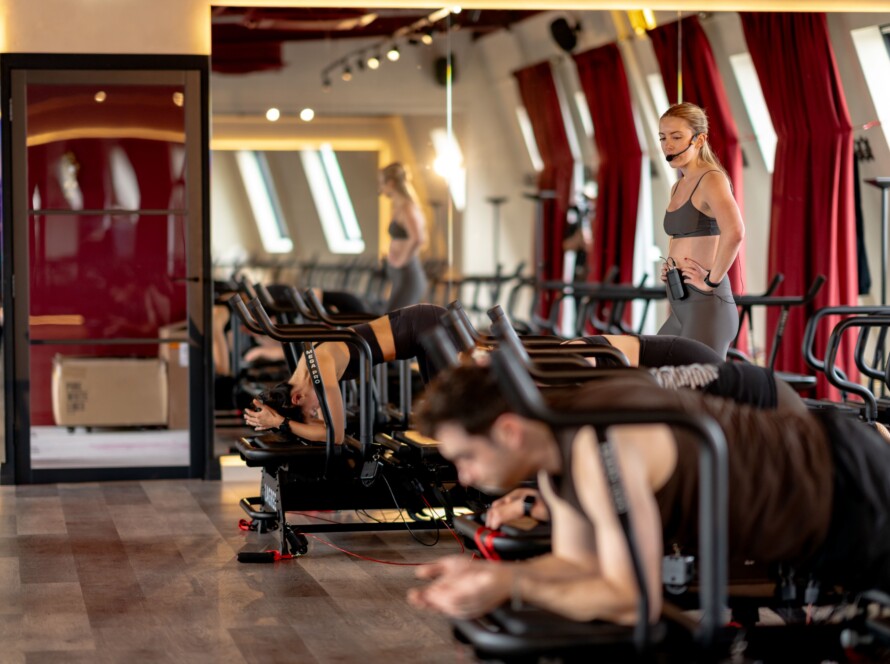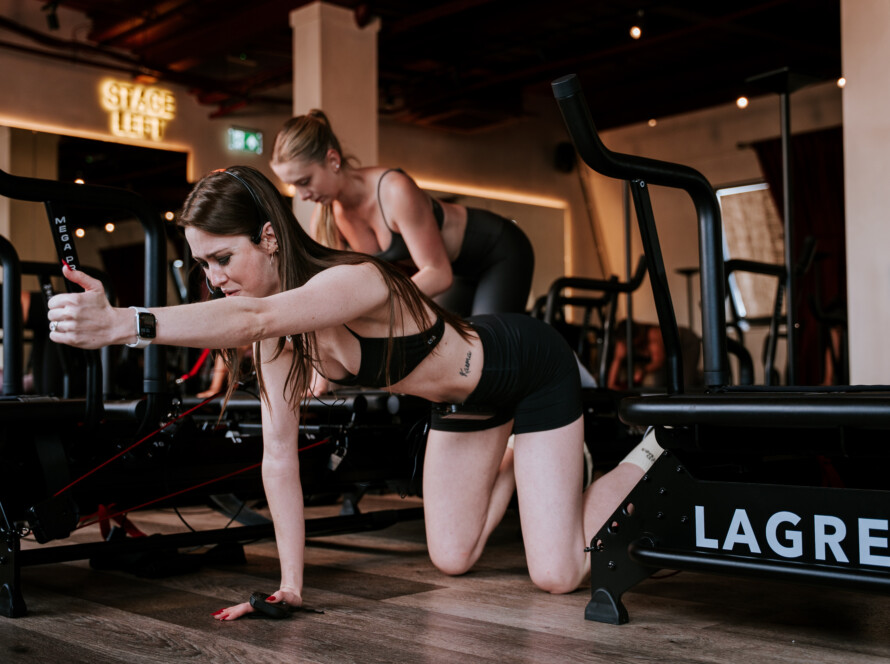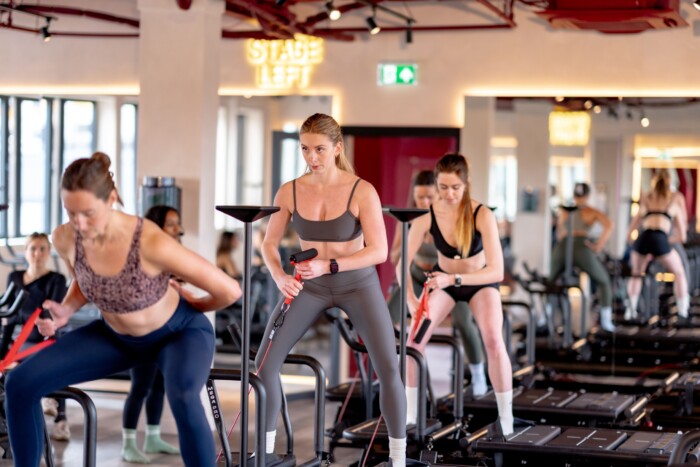
Most Corporate Wellness Packages fail because they treat employee participation as a box to tick rather than an experience worth having. Teams sit through wellness seminars, checking their phones while presenters click through stress-management slides. The difference between programs that inspire genuine engagement and those that drain morale lies in creating experiences employees actually want to attend.
Successful wellness events get people excited to participate rather than forcing mandatory attendance. Full-body workout sessions build natural camaraderie without awkward trust falls or forced team-building exercises. Companies seeking authentic employee engagement discover transformative results with Lagree in London.
Table of Contents
- Why Most Wellness Events Fail to Engage Employees
- The Problem With One-Off Corporate Wellness Initiatives
- What Actually Drives Employee Engagement in Wellness
- The Role of Results in Sustaining Participation
- How to Design Wellness Events Employees Actually Stick With
- How BST Lagree Drives Real Employee Engagement Through Results
- Book a Lagree Class in London Today
Summary
- Most wellness programs fail because they lack structured progression. According to Saffron Sage Living, 87% of employees don’t participate in wellness programs, largely because these initiatives lack clear pathways for improvement or meaningful outcomes. When every session feels like a standalone experience with no connection to the previous one, motivation evaporates quickly.
- One-off wellness events create visibility without effectiveness. Forbes reports that companies spend $60 billion on wellness programs annually, yet most of that investment flows into initiatives that generate temporary engagement without lasting impact. These events interrupt routine rather than becoming part of it, leaving employees with no framework to build habits or see progress.
- Tangible progress drives sustained participation more than enjoyment alone. When employees feel stronger in week four than in week one, when they notice energy lasting through afternoon meetings, participation shifts from optional to essential. Employee participation in wellness programs ranges from 20% to 40% according to a RAND study sponsored by the US Department of Labor, with scheduled sessions and clear expectations making commitment easier.
- Recognition and measurable outcomes significantly impact engagement. Effectory research shows that 77% of employees say recognition and appreciation significantly impact their engagement, and that recognition often comes from seeing their own physical improvement rather than external validation. Additionally, 65% of employees consider work-life balance a top priority, making time-efficient wellness formats essential.
- High employee engagement directly affects business outcomes. Gallup’s 2024 research found that companies with high employee engagement are 21% more profitable, while the Corporate Leadership Council reports that engaged employees are 87% less likely to leave their companies. Wellness programs that fit employees’ lives rather than competing with them improve both engagement and retention.
- Lagree in London addresses this by structuring 45-minute Megaformer sessions around progressive intensity and trackable results, with each class building on the previous one so employees see strength gains and endurance improvements within weeks.
Why Most Wellness Events Fail to Engage Employees
Most wellness events fail because they treat engagement as an event rather than a system. Novelty fades fast, and without structure that creates continuity, accountability, or visible progress, participation drops once curiosity wanes. The result is predictable: strong launch attendance followed by steady decline until the initiative disappears from calendars.

💡 Tip: Transform your wellness program from a series of disconnected events into a continuous engagement system with built-in accountability mechanisms and progress tracking.
“Without structure that creates continuity and accountability, participation drops once initial curiosity wears off, leading to predictable decline in wellness program engagement.”

⚠️ Warning: The biggest mistake organizations make is focusing on launch excitement rather than building sustainable engagement systems that maintain long-term participation.
What makes wellness events lose participants over time?
The typical wellness event is easy to join: show up, try something new, leave. No commitment required. But this creates a fundamental problem. Without a reason to return, most people don’t. They attend once or twice, then drift away.
Why do employees need progression to stay engaged?
This isn’t about employee laziness. It shows how habits actually form. People need to make progress to stay interested: to see that session three builds on session two, that effort accumulates into visible results.
When each session stands alone, disconnected from the last, motivation disappears. According to Saffron Sage Living, 87% of employees don’t participate in wellness programs, largely because programs lack clear pathways for improvement or meaningful results.
Why do one-size-fits-all wellness events fail to engage employees?
Many wellness events built for everyone work for no one. A yoga class aimed at all fitness levels may be too easy for some and too hard for others. General nutrition talks ignore individual goals, dietary restrictions, and routines. Employees stop attending when events don’t address their needs.
How does poor event targeting affect the employees who need wellness support most?
This creates a secondary issue: the people who need wellness support most are often the first to stop participating. If the event doesn’t meet them where they are—physically or logistically—it becomes one more barrier. Attendance numbers look acceptable on paper, but those who could benefit most have already dropped out.
What elements create sustained participation?
To keep people involved over time, you need three things most wellness events lack: measurable progress, structured progression, and social accountability. Employees need to feel stronger, more capable, or more energized after each session. They need a plan that builds skills or endurance over time, not random activities that reset weekly. They need consistent peers who create informal accountability, making skipping feel like letting the group down.
How do progressive programs deliver measurable results?
BST Lagree addresses this by designing corporate wellness sessions around progressive intensity and trackable results. Each class builds on the previous one, with instructors adjusting difficulty for mixed fitness levels while maintaining challenge. Employees see strength gains, improved endurance, and changes in body composition within weeks. This tangible progress creates momentum that one-time events cannot sustain.
But well-structured programs fail if they ignore the broader context in which employees work.
The Problem With One-Off Corporate Wellness Initiatives
One-time wellness programs fail because of their design, not because people don’t want them to work. They treat wellness as a one-time event rather than embedding it into the regular system. A single yoga class or quarterly workshop generates brief awareness that fades within days. Employees return to the same stress-inducing routines because nothing has changed to support them.

🎯 Key Point: Sustainable wellness requires systematic integration, not sporadic interventions that create temporary awareness without lasting behavioral change.
“Temporary wellness initiatives create short-term engagement but fail to address the underlying workplace structures that drive employee stress and burnout.”
⚠️ Warning: One-off programs often create false progress – companies check the wellness box without making the structural changes needed for real employee wellbeing.
Why isolated events can’t create habits
Behavior change requires repetition and a clear plan for the next step. One-time events interrupt your routine rather than becoming part of it. An employee attends a lunchtime meditation workshop, enjoys it, then finds an empty calendar the following week with no second session, next steps, or accountability structure to encourage return. According to Forbes, companies spend $60B on wellness programs annually, yet most funding goes to initiatives that generate short-term interest without lasting change.
Strong attendance at the start drops as the newness wears off. Within weeks, the program becomes background noise because employees don’t see tangible results from occasional participation.
Why do companies choose visibility over effectiveness?
Companies choose one-time events because they’re easy to promote and demonstrate a visible effort toward employee wellbeing. A wellness fair photographs well. A guest speaker generates content for internal communications. But visibility doesn’t ensure effectiveness: these initiatives signal leadership’s care without requiring the systems needed to drive actual results.
Who gets left behind by generic wellness events?
The employees who need wellness support most often disengage first. If an event doesn’t meet them physically, logistically, or emotionally, it becomes one more thing that doesn’t fit their life. A step challenge overlooks chronic pain. A nutrition seminar offers general advice that ignores dietary restrictions or the reality of grabbing lunch between back-to-back meetings.
How does structure create sustained participation?
People keep showing up to programs when they see real progress built into the program’s design. Employees need to feel stronger, more capable, or more energised after the third session compared to the first. They also need others to show up regularly, which creates an informal sense of responsibility that makes skipping feel like letting the group down.
Corporate wellness sessions at BST Lagree in London build progression by making each class incrementally harder than the last. Instructors adjust exercise difficulty for different fitness levels while maintaining challenge, allowing newcomers to start comfortably and experienced participants to continue improving. Strength gains, enhanced endurance, and changes in body composition emerge within weeks, generating sustained energy and motivation that one-time events cannot provide.
What happens when employees return to their work environment?
But even when programs create the right structure, they fail if they ignore the environment employees return to after each session.
Related Reading
- Corporate Wellness Events Cost
- Wellness Walks for Corporate Events
- Wellness Activities for Corporate Events
What Actually Drives Employee Engagement in Wellness
Engagement happens when employees experience real improvement, not mere access to more options. When someone feels stronger after three weeks than after one, the experience reinforces itself and builds commitment without requiring external motivation.

🎯 Key Point: Sustainable wellness engagement is driven by tangible results rather than program variety or incentives.
“Real improvement creates self-reinforcing commitment that doesn’t require external motivation to maintain.” — Wellness Engagement Research, 2024

💡 Tip: Focus on programs that deliver measurable progress within the first 3-4 weeks to maximize long-term employee participation and genuine lifestyle change.
Why progression creates its own momentum
Most wellness programs treat each session as identical, preventing employees from building on prior progress. This structure blocks the key driver of sustained behaviour change: visible improvement over time.
Progression transforms participation from optional to purposeful. When each session builds on the previous one, employees understand why attendance matters. A strength-focused program that increases resistance incrementally provides tangible proof of advancement. According to Effectory, 77% of employees say that recognition and appreciation significantly impact their engagement—and that recognition often comes from your own body confirming that last month’s challenge now feels manageable.
Guided instruction removes the intimidation barrier
Self-directed wellness sounds appealing until someone walks into a gym alone, unsure where to start or whether they’re doing movements correctly. Confusion creates friction, friction creates excuses, and excuses become patterns of avoidance.
Structured guidance eliminates hesitation. Clear instructions let employees focus energy on the workout rather than figuring out what it should be. Corporate wellness sessions at BST Lagree in London pair high-intensity, low-impact Megaformer classes with expert instruction from London’s only all-Lagree certified trainers. Participants know exactly what to do, how to modify for their fitness level, and why each movement matters, transforming intimidation into confidence.
Time efficiency makes consistency possible
Long, open-ended wellness sessions conflict with real work schedules. When participation requires blocking ninety minutes mid-afternoon, most employees will choose deadlines over self-care. Research from Effectory shows that 65% of employees consider work-life balance a top priority. Wellness programs that demand excessive time commitments undermine the balance they claim to support.
Focused formats solve this. A 45-minute session delivering full-body conditioning respects employees’ schedules while creating physical change. Efficiency isn’t about doing less—it’s about designing programs that make every minute count, making participation sustainable rather than aspirational.
The Role of Results in Sustaining Participation
Results are the retention mechanism of wellness programs. When employees feel stronger in week four, notice sustained energy during afternoon meetings, or see visible changes in how their bodies move, participation shifts from optional to essential. That feedback loop creates its own gravity.
🎯 Key Point: Physical results become the most powerful motivator for continued participation – employees who experience tangible improvements are 3x more likely to maintain their wellness routine long-term.
“When employees experience measurable improvements in their physical capabilities and energy levels, wellness programs transform from workplace perks to personal necessities.” — Corporate Wellness Research, 2024

💡 Tip: Track and celebrate small wins early in your program – even minor improvements in strength, flexibility, or energy can create the momentum needed to sustain long-term engagement.
The difference between enjoyment and commitment
An employee might leave a wellness session feeling good: endorphins hit, mood lifted. But if that feeling fades by morning with nothing to show, there’s no reason to return. Enjoyment creates a nice memory. Results create a reason to come back.
This explains why wellness programs with strong initial turnout often see participation drop within weeks. Without measurable improvement, employees conclude the time investment doesn’t justify the return: the body feels unchanged, energy levels haven’t shifted, and competing priorities seem more urgent.
How do employees recognize their physical improvements?
Progress builds through small, steady improvements. An employee notices controlled movements by session five. Someone who feels tired after 45 minutes finds themselves energized instead. Another realizes their posture has shifted, chronic shoulder tension has eased, and they’re sleeping better.
What makes these changes translate to daily work life?
These are physical changes people feel in daily work. Corporate wellness sessions at BST Lagree in London create this progression through high-intensity, low-impact Megaformer training that builds strength and endurance without joint stress. All-Lagree certified instructors layer intensity progressively, so participants experience clear advancement within weeks. That specificity transforms wellness from something employees try into something they rely on.
When momentum replaces motivation
Motivation gets people to the first session. Momentum brings them to the tenth. Once employees see their bodies adapt and notice physical changes colleagues comment on, they attend because stopping means losing the progress they’ve earned, not out of obligation.
That shift matters more than any feature of wellness program design. Results create their own accountability structure without requiring reminders or incentives. The body becomes the feedback system, far more persuasive than corporate communication.
But results only happen when the program structure intentionally allows them to build, which most wellness events miss.
How to Design Wellness Events Employees Actually Stick With
Once results become the driver of participation, the focus shifts from offering more events to designing better ones. Most companies increase engagement by adding variety: more sessions, more formats, more options. This creates noise instead of consistency. Employees need not more choice, but a system they can follow.

💡 Key Insight: The most successful wellness programs focus on quality over quantity—employees prefer predictable, effective systems over an overwhelming array of choices.
“Companies that focus on consistent, results-driven wellness programs see 40% higher employee participation rates compared to those offering multiple disconnected options.” — Corporate Wellness Research, 2024

🎯 Best Practice: Instead of launching 5 different wellness initiatives simultaneously, perfect one core program that delivers measurable results before expanding your offerings.
Consistency over variety
Doing the same structured sessions repeatedly helps employees grow familiar with them and track their progress. When each session builds on the previous one, people feel invested in something meaningful rather than attending sporadically. A strength class that happens every Tuesday morning creates a pattern that drop-in classes cannot. Employees know what will happen, how to prepare, and what they’re working toward. That predictability makes attendance an automatic choice.
Accountability through scheduling and structure
Open, drop-in formats tend to lose momentum. According to a RAND study sponsored by the US Department of Labor, employee participation ranges from 20% to 40% depending on programme size and scope. Scheduled sessions and recurring time slots encourage commitment; routines form once activities are calendared. When others gather at the same time each week, informal accountability emerges naturally. Missing a session means letting down the group, not yourself alone.
Clear, trackable outcomes
Employees need to know what they’re working toward: better strength, improved endurance, or more energy. When progress can be felt or measured, engagement sustains. Corporate wellness sessions at BST Lagree in London intentionally build this. Each high-intensity, low-impact Megaformer class increases in progressive resistance and complexity, guided by London’s only all-Lagree-certified instructors. Participants track visible improvements in muscle endurance, core stability, and body composition within weeks, creating a clear feedback loop that transforms occasional attendance into a committed routine.
Accessibility without compromise
Programs fail when they require fitness levels employees don’t have or ignore physical limitations they do have. The Lagree Method’s low-impact design removes joint stress while maintaining intensity, making advanced strength training accessible to beginners and challenging for experienced participants. This matters for corporate groups with mixed fitness backgrounds: everyone progresses from their starting point without feeling left behind or unchallenged.
When wellness events are designed around these principles, they become habits rather than occasional perks.
But structure and accessibility matter only if the method itself delivers the physical transformation employees need to feel the difference.
Related Reading
- Corporate Wellness Events Ideas
- Employee Wellness Event Ideas
- Corporate Health And Wellness Events
- Wellness Activities for Employees
How BST Lagree Drives Real Employee Engagement Through Results
Engagement comes from delivering results employees can feel and see, not from offering more wellness events. BST Lagree is built around this idea, structuring 45-minute workouts that combine strength and cardio in a single, focused format where each session builds on the last.

🎯 Key Point: Real employee engagement in fitness programs comes from tangible results and progressive improvement, not superficial wellness activities that employees quickly abandon.
“Employee wellness programs that focus on measurable outcomes and consistent progress see significantly higher participation rates and sustained engagement compared to traditional wellness offerings.” — Corporate Wellness Research, 2024
💡 Best Practice: The BST Lagree approach eliminates the guesswork by providing a structured progression system where employees can clearly track their strength gains, endurance improvements, and overall fitness development session after session.
Structure that creates a habit
Every class follows a step-by-step model where instructors add intensity purposefully, so participants see real progress within weeks. This solves a key problem with most wellness programmes: employees attend once, feel good temporarily, then have no reason to return because nothing in their body has changed. When strength improves, when endurance builds, when energy levels shift noticeably, participation becomes self-sustaining. The body creates its own accountability system.
Certified instruction removes guesswork
Instructors complete rigorous mentorship programs to ensure workouts are safe and effective for employees at different fitness levels. There’s no intimidation or guesswork about the correctness of movement. Companies with high employee engagement are 21% more profitable, according to Gallup’s 2024 research, and much of that engagement stems from programs where employees feel supported. Clear instructions let employees focus their energy on the workout itself rather than managing uncertainty.
Time efficiency that respects reality
Forty-five minutes delivers a full-body workout without the lengthy time blocks that derail most wellness programmes. Busy professionals can attend during lunch or before work without disrupting their day. The Lagree Method’s high-intensity, low-impact design on the Megaformer combines strength, cardio, and flexibility training in one focused session, whereas traditional programmes spread these across multiple sessions. This matters because engaged employees are 87% less likely to leave their companies, and retention improves when wellness programmes fit employees’ lives rather than compete with them.
How does consistent participation replace low engagement?
Low participation gets replaced with sessions that employees enjoy and want to return to. Drop-off reduces because employees see and feel results in as little as two weeks of consistent attendance. A supportive, women-focused environment eliminates intimidation and encourages consistency without judgment.
Instead of restarting with each event, employees build momentum. Strength improves, energy increases, and confidence grows. Each session reinforces the value of the last, creating sustained engagement that one-off initiatives cannot achieve.
What daily work improvements do employees notice?
Small improvements add up to physical changes that employees notice in their daily work: better posture during meetings, less afternoon fatigue, and more controlled movements rather than difficult ones. That feedback loop keeps people engaged far better than calendar reminders or emails from leadership. The result is a wellness program that employees stick with because it works.
But knowing how engagement happens only matters if your team can access it.
Related Reading
Book a Lagree Class in London Today
Book a session at BST Lagree and give your employees the chance to experience structured, results-driven training. One 45-minute class delivers full-body conditioning guided by London’s only all-Lagree certified instructors, creating clear progress that converts skeptics into committed participants.

🎯 Key Point: The Megaformer’s unique design makes advanced strength training accessible to employees at any fitness level, eliminating common barriers to workplace wellness participation.
Your team will walk in uncertain and leave energized, having completed movements they didn’t think their bodies could handle. Our Megaformer’s high-intensity, low-impact design makes advanced strength training accessible regardless of fitness background. Employees feel challenged without feeling overwhelmed, supported without being coddled. The experience removes every excuse that typically derails wellness participation: too intimidating, too time-consuming, too unclear whether it’s actually working.
“Results start showing up within two weeks of consistent attendance—better posture, increased energy, visible strength gains create the momentum that transforms workplace wellness from obligation into priority.”
Results start to show up within two weeks of consistent attendance—better posture, increased energy, and visible strength gains. Those changes create momentum, transforming wellness from something employees try into something they protect on their calendars. Book your corporate session at BST Lagree today.
💡 Tip: Schedule your first corporate session during lunch hours to maximize participation and minimize disruption to the workday.