Your employees are burned out, stressed, and scrolling through job postings during lunch breaks. The disconnect between company culture and employee well-being costs organizations talent, productivity, and money. Selecting the right Corporate Wellness Event Company requires understanding what makes wellness programs effective and how to evaluate providers who can transform workplace environments into spaces where people actually want to show up.
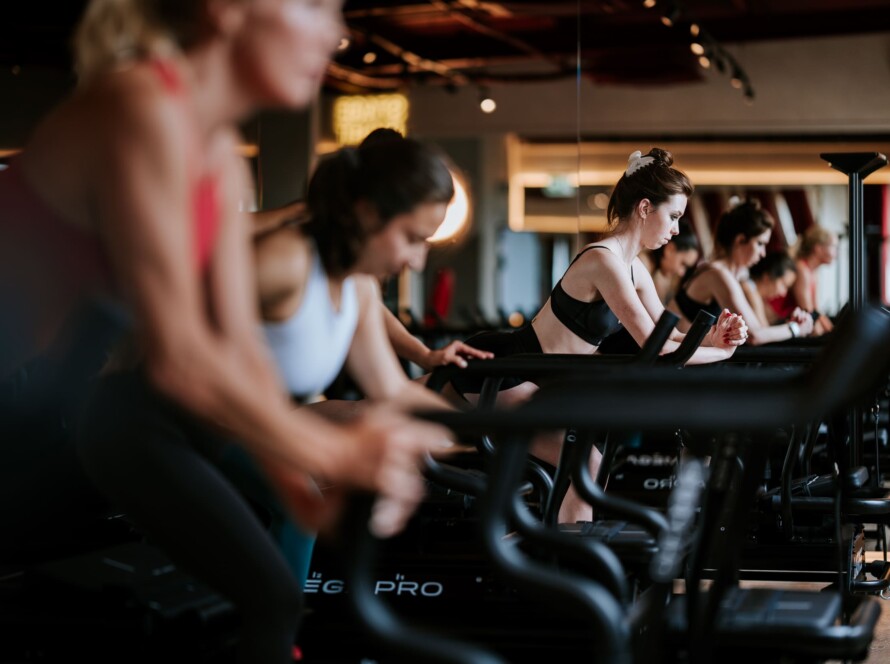
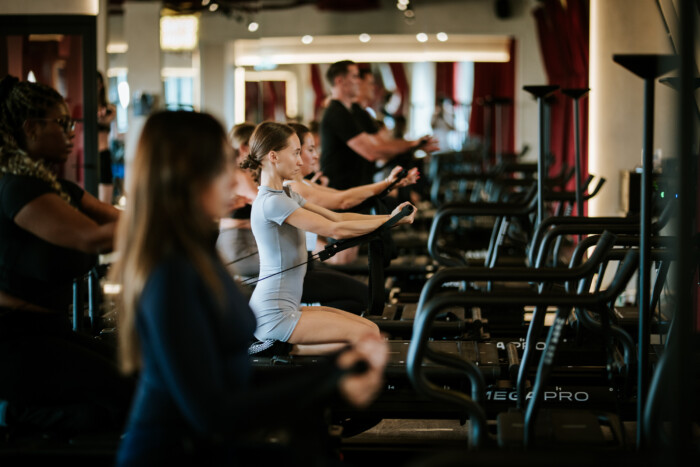
Moving beyond generic wellness initiatives means partnering with specialists who understand movement and energy. Effective wellness programs deliver measurable results rather than simply checking boxes on benefits lists. Companies seeking comprehensive wellness solutions that bring high-intensity, low-impact workouts directly to their teams can explore Lagree in London.
Table of Contents
- The Hidden Problem With Corporate Wellness Events
- The Cost of Low Engagement in Corporate Wellness Programs
- Why One-Off Wellness Events Rarely Change Behavior
- What Actually Makes a Corporate Wellness Program Work
- How Companies Can Choose the Right Corporate Wellness Event Company
- How BST Lagree Helps Companies Run Engaging Corporate Wellness Events
- Book a Lagree Class in London Today
Summary
- Most corporate wellness initiatives fail because they’re designed as events, not systems. A single yoga class or step challenge generates excitement in the moment, but without structured progression or consistent instruction, employees return to old habits within days. The RAND Workplace Wellness Programs Study found that typical participation rates in workplace wellness programs range between 20 percent and 40 percent of eligible employees in any given year, meaning the majority never participate regularly enough for meaningful health improvements to occur.
- Research at University College London found that it takes an average of 66 days for a behavior to become automatic. One workshop, one class, or one wellness fair cannot provide the frequency needed to cross that threshold. The experience might feel positive in the moment, but it doesn’t create the neural pathways or physical adaptations that sustain new behaviors after the event ends.
- According to Gallup’s 2025 State of the Global Workplace report, $438 billion is lost globally due to low engagement. That staggering figure reflects how disengaged employees underperform, take more sick days, and contribute less to team outcomes. Corporate wellness programs should reduce this drain by improving physical health and mental resilience, but only if employees actually participate consistently enough for those benefits to materialize.
- Companies spend $60 billion on wellness annually, according to Forbes, yet the $8.8 trillion cost of burnout persists. That gap reveals a fundamental mismatch between wellness spending and wellness outcomes. Money flows toward programs that look good on benefits pages but don’t create the sustained behavior change that actually improves employee health.
- Organizations with comprehensive wellness programs report a 28 percent reduction in employee turnover, according to the Society for Human Resource Management. That reduction doesn’t come from occasional wellness events. It comes from programs that create consistent touchpoints where employees build physical capacity, manage stress more effectively, and feel supported in maintaining their health while meeting demanding professional responsibilities.
- Research published in the International Journal of Sport and Exercise Psychology found that group-based physical activity programs significantly improve adherence compared with individual exercise programs, largely because social interaction and accountability increase motivation to continue participating. Community-based programs achieve high adherence rates, sometimes approaching 70 percent, because participants benefit from enhanced social support and the opportunity to exercise identity.
- Lagree in London addresses this by bringing structured, progressive training directly to corporate teams through recurring sessions where employees experience consistent expert instruction that builds strength, flexibility, and endurance over time rather than through isolated wellness moments.
The Hidden Problem With Corporate Wellness Events
Most corporate wellness programs fail because they’re designed as one-time events rather than ongoing systems. A single yoga class or step challenge may generate excitement briefly, but without structured progression or consistent instruction, employees revert to old habits within days. The problem is that one-time activities create temporary engagement without building lasting behavior change.

🎯 Key Point: Sustainable wellness requires consistent systems, not sporadic events that fade after the initial excitement wears off.
“85% of corporate wellness programs fail to create lasting behavior change because they focus on short-term engagement rather than long-term habit formation.” — Corporate Wellness Research, 2023
⚠️ Warning: If your wellness program doesn’t have a follow-up strategy and ongoing support structure, you’re essentially throwing money at temporary motivation instead of building real health improvements.
What do participation rates reveal about wellness programs?
The numbers reveal how quickly interest drops off. The RAND Workplace Wellness Programs Study, led by health policy researcher Soeren Mattke at the RAND Corporation, found that typical participation rates range between 20 and 40 percent of eligible employees annually. Most employees never participate consistently enough to achieve meaningful health improvements.
Why don’t one-time wellness events create lasting change?
When wellness becomes sporadic rather than routine, employees treat it as an optional activity rather than a lifestyle practice. A single fitness workshop may teach proper form or breathing techniques, but without follow-up sessions to reinforce those skills, the knowledge fades. Behavioral change requires repetition, accountability, and measurable progress over weeks, not hours.
How does skill development apply to workplace wellness?
Corporate wellness works using the same principles as learning any physical skill. You don’t master a tennis serve from one class—you need regular coaching, feedback, and time to build muscle memory. A wellness fair four times a year may introduce employees to new ideas, but real change requires ongoing involvement, not sporadic participation.
What happens when wellness becomes a checkbox exercise?
The challenge deepens when companies treat wellness as a checkbox rather than a business imperative. Leadership approves funding, HR hires a vendor, employees attend the program, and everyone moves on. No one tracks repeat participation, measures health outcomes, or adapts the program based on employee feedback. The program exists in name only, not to drive meaningful change.
Why do one-time wellness events fail to create lasting impact?
Event-based wellness struggles with accessibility. A single yoga session at 10 a.m. on Tuesday excludes employees who are in meetings, on different shifts, or caring for family members. When wellness appears as isolated moments rather than flexible options, participants tend to be those with schedule control, leaving out employees who might benefit most from stress reduction.
What’s missing is continuity. Employees need a wellness partner who shows up regularly, understands their fitness levels, and creates programs that build strength over time. The difference between a wellness event and a wellness system mirrors the difference between a motivational speech and ongoing mentorship: one feels good briefly; the other changes how you operate.
How do structured programs build real employee wellness?
Solutions like BST Lagree bring structured, progressive training directly to corporate teams through ongoing programs rather than single classes. Employees experience high-intensity, low-impact training in 45-50 minute sessions, building real strength, flexibility, and endurance through consistent, specialized instruction week after week.
When Participation Becomes Performance Theater
Companies often measure wellness success by attendance rather than outcomes. A hundred employees might attend a wellness fair during work hours for free food, but that doesn’t mean they adopted healthier behaviours afterward. What matters is who returned, who reported feeling stronger, and who experienced measurable improvements in energy or stress levels.
Why do wellness investments fail to deliver results?
According to Forbes, companies spend $60B on wellness annually, yet burnout costs organisations $8.8T in lost productivity. This gap reveals that most company wellness investments fail to address the root causes of employee stress and physical decline.
Events make it look like companies care, but they provide no substantive support that changes employee health outcomes.
What does real transformation require from both sides?
Change requires commitment from both the company and the worker. Companies must provide expert training, maintain consistent schedules, and offer programmes that accommodate busy work lives. Workers must show up consistently, persevere through the difficult beginning, and believe that incremental progress compounds.
Neither side can treat wellness like a task to finish. But even when companies see these limits, they face a harder question: what does low engagement cost?
The Cost of Low Engagement in Corporate Wellness Programs
When participation drops below critical mass, wellness programs become expensive gestures rather than health interventions. Costs extend beyond wasted program fees to preventable health issues, declining productivity, and turnover that the program was designed to address, but failed to reach enough people to solve.
🎯 Key Point: Low engagement transforms wellness investments into costly missed opportunities that compound over time.
“Companies with low wellness program participation rates see 23% higher healthcare costs and 18% more sick days compared to organizations with high engagement.” — Corporate Wellness Association, 2023

⚠️ Warning: Programs that fail to achieve meaningful participation rates often create negative employee sentiment, making future wellness initiatives even harder to implement successfully.
What is the financial impact of disengaged employees?
According to Gallup’s 2025 State of the Global Workplace report, $438 billion is lost annually due to worker disengagement. Disengaged employees underperform, take more sick days, and contribute less to team goals. Companies offer wellness programs to address this by improving workers’ physical and mental health. However, these programs only succeed when employees use them consistently enough to see real benefits.
Why do wellness programs fail to reach those who need them most?
A company starts a wellness program with good intentions. At first, many people show up, but over time, fewer participate. Within three months, only the same small group of already-active employees continues to come. The people who could benefit most—those dealing with ongoing stress, sitting at a desk all day, or feeling burned out—never return after the first session.
How does low engagement create hidden productivity problems?
Low engagement creates a second-order problem most companies miss. When wellness programs exist but few employees use them, leadership assumes the offering satisfies their responsibility to support employee health. The budget line item gets checked. The benefits page lists wellness options. Yet employees struggling with back pain from desk work, stress-related sleep issues, or declining cardiovascular health remain unsupported.
What happens when health issues go unaddressed at work?
Health problems don’t stop while employees decide whether to participate. Musculoskeletal issues worsen. Stress accumulates. Energy levels decline. These conditions directly affect employee performance, task completion speed, teamwork under pressure, and retention.
Consider someone with chronic lower back pain. They sit through meetings feeling uncomfortable, take longer to focus after changing position, and finish exhausted from managing discomfort rather than doing productive work. A structured program that builds core strength and improves posture could address the root cause, but only with regular participation. A single stretching workshop cannot solve chronic pain.
How does sporadic attendance undermine physical transformation?
Physical transformation follows biological timelines. Strength gains require progressive overload applied consistently over weeks. Flexibility improves through repeated stretching that gradually increases the range of motion. Cardiovascular endurance builds when the heart and lungs adapt to sustained, boosted effort. None of these changes occurs from sporadic effort.
When employees attend a wellness class once or twice, they feel good immediately: energized after class or sleeping better that night. But without continuing to exercise, the body reverts to its previous state. The employee who attended one strength class in January and another in March won’t build the muscular endurance needed to reduce fatigue during long workdays.
Why do most corporate wellness programs fail to build lasting results?
Most corporate wellness programs prioritize convenience over effectiveness. Drop-in classes prevent instructors from building progressive training. Employees attend whichever class fits their schedule, receiving disconnected workouts rather than a structured program that systematically builds strength.
Solutions like BST Lagree address this through ongoing corporate programs that provide employees with specialized Lagree Method instruction weekly. The high-intensity, low-impact format delivers full-body conditioning in 45–50 minute sessions, and consistent programming led by Europe’s most experienced Lagree trainer builds genuine strength, flexibility, and endurance rather than isolated wellness moments.
How does wellness engagement secretly influence employee decisions?
The connection between wellness engagement and employee retention operates quietly in workforce decisions. Employees rarely cite “lack of wellness options” when leaving their jobs; instead, they mention burnout, stress, feeling undervalued, or health issues that made their role unsustainable. Yet these outcomes often stem from declining physical and mental resilience that an effective wellness program could have prevented.
Why do stressed employees become flight risks?
When someone experiences chronic stress and poor sleep quality, they become less able to handle workplace challenges. Small frustrations feel magnified, and recovery from difficult projects takes longer. This stress buildup pushes them toward jobs with better work-life balance. A wellness program that teaches stress management skills and builds physical energy might have prevented their departure.
What’s the real cost of missing wellness opportunities?
Replacing an employee costs between 50 percent and 200 percent of their annual salary, including recruiting, onboarding, lost productivity, and ramp-up time. Wellness programs that fail to engage employees most at risk of burnout-driven turnover miss their highest-value opportunity.
Why do corporate wellness investments fail to deliver results?
According to Forbes, companies spend $60 billion on wellness annually, yet the $8.8 trillion cost of burnout persists. This gap reveals a fundamental problem: money funds programs that appear attractive on benefits pages but fail to create lasting behaviour change that improves employee health.
The waste extends beyond money. Inactive, stressed employees with declining physical fitness represent a missed opportunity for their own well-being and organisational contribution.
What separates effective wellness programs from expensive theater?
What separates effective corporate wellness from expensive theater is whether the program creates conditions for genuine physical adaptation. This requires expert instruction, progressive programming, consistent scheduling, and a format that respects busy professional lives while delivering sufficient intensity to drive change.
Understanding the cost of low engagement matters only if companies know what drives employees to show up repeatedly and commit to real change.
Related Reading
- Corporate Wellness Events Cost
- Wellness Walks for Corporate Events
- Wellness Activities for Corporate Events
Why One-Off Wellness Events Rarely Change Behavior
Changing behaviour requires doing something repeatedly in a predictable way, not trying it once in a while. Without continued practice, your body and mind revert to their previous state. Most corporate wellness programs fail because they fail to bridge the gap between a single experience and integrating it into your daily life.
🎯 Key Point: Behavioral change is built on repetition and consistency, not one-time experiences that create temporary motivation.
“Without continued practice, your body and mind go back to how they were before – highlighting the critical gap between single wellness experiences and lasting daily habits.”

⚠️ Warning: One-off wellness events may feel impactful in the moment, but they rarely translate into the sustained practice needed for real behavioral transformation.
How long does it actually take to form lasting habits?
Research at University College London found that it takes an average of 66 days for a behaviour to become automatic, with some habits requiring longer, depending on their complexity. One workshop, class, or wellness fair cannot occur frequently enough to reach that threshold.
The experience may feel good briefly, but it doesn’t create the brain connections or physical changes needed to sustain new behaviours after the event ends.
Why don’t single fitness sessions create lasting change?
Physical improvement follows biological timelines that don’t align with corporate calendars. Strength develops through progressive overload across multiple sessions. Flexibility increases through repeated stretching that extends the range of motion. Cardiovascular capacity builds as the heart and lungs adapt to sustained, high-intensity effort over weeks.
A single fitness class leaves someone feeling energized that afternoon, but their body won’t retain that adaptation. The employee who attends a strength workshop in January and another in April experiences two isolated workouts rather than a training progression.
How do occasional wellness events limit employee health improvements?
Their muscular endurance doesn’t improve. Their posture doesn’t change. The chronic lower back pain from desk work persists because a single session of core activation exercises cannot rebuild the stabilising muscles weakened by years of sitting.
When companies schedule wellness as occasional events rather than ongoing programmes, they eliminate the possibility of progression. Employees cannot build on what they learned because each session starts from zero.
Why does routine create stronger wellness habits than motivation?
Habits form when behaviours repeat in the same context: same time, place, instructor, and format. This predictability reduces mental friction, making participation automatic rather than a weekly negotiation.
One-off wellness events require fresh decisions each time. Employees see an email, check their calendar, and weigh whether to attend. Without recurring commitment, decision fatigue accumulates, and participation feels optional rather than routine.
What happens when employees try to maintain wellness independently?
Many professionals experience this pattern: they start with good intentions after a positive wellness experience, plan to continue independently, but without a scheduled class, familiar instructor, or group accountability, momentum collapses within days.
According to On The Goga, 66% of employees say they would participate more in wellness programs if they were personalized. Employees want programs that recognize their fitness level, track progress over time, and adjust intensity as capacity builds. One-time events cannot provide this continuity.
Why do employees practice incorrectly without guidance?
Without ongoing instruction, employees practice incorrectly for months because no one corrects their technique, and the feedback needed for safe, effective progress never arrives.
How does accountability require a relationship in wellness programs?
Accountability requires a relationship. When instructors see the same participants weekly, they notice who’s getting stronger, who’s compensating due to injury, and who needs encouragement. One-time events eliminate this: the instructor meets strangers, delivers generic instruction, and never sees them again.
How do ongoing partnerships transform wellness into practice?
Programs like BST Lagree address this through ongoing corporate wellness partnerships. Our high-intensity, low-impact Megaformer delivers full-body conditioning in 45–50 minute sessions. Because participants return regularly, our instructors track individual progress and adjust intensity as strength improves. Continuity transforms wellness from an event into a practice.
Why do employees forget wellness information so quickly?
People forget details quickly without reinforcement. An employee might leave a nutrition workshop planning to apply what they learned about meal timing or protein intake, but three weeks later, they remember the workshop happened—not the actionable details.
The information didn’t transfer into behaviour because there was no follow-up session to reinforce it, no accountability check-in to discuss implementation challenges, and no ongoing support structure to help them troubleshoot when motivation waned.
How does stress affect newly learned wellness habits?
The same applies to physical training. Someone learns breathing techniques during a stress management class, practises once or twice, then reverts to shallow chest breathing when a deadline hits because the new pattern hasn’t become automatic. One exposure introduces the concept but doesn’t create the muscle memory needed under pressure.
What does behavioral science say about habit formation?
Behavioral science confirms this: new behaviors require consistent repetition to replace existing patterns. One-off wellness events ask employees to maintain new behaviors without structured support, shifting responsibility to individual willpower—which research shows is an unreliable foundation for long-term behavior change.
Why do wellness events fail to create lasting habits?
Wellness events lack the social support needed to sustain new habits. A single class with strangers doesn’t build real relationships or accountability: nobody notices absences, there’s no group coordination, and individual effort feels disconnected from a larger community.
One-time events create excitement that fades without a plan to sustain it. The inspired employee returns to their desk alone, and that good feeling competes with everything else until it disappears.
How do ongoing programs build community differently?
Regular programs build community through repeated interaction. Participants get to know one another, cheer each other on through challenging exercises, and celebrate wins together. This social connection keeps people returning when motivation wanes. People commit not only to their own goals but also to others who depend on their presence.
What does research show about habit formation?
Understanding why isolated events fail matters only if companies know what structure creates lasting change. Research shows that habits typically require 66 days to form, far longer than a single event can provide.
What Actually Makes a Corporate Wellness Program Work
Good corporate wellness programs function as organized systems with regular sessions, trained instructors, and workouts that progress in difficulty. Programs maintain employee interest through repeated sessions, feedback on exercise form, and measurable improvements over weeks rather than days.

A few key design ideas separate programs that make lasting changes from those that create short-term excitement.
How does predictable scheduling create routine?
When wellness sessions happen at the same time each week, employees stop debating whether to join. The choice becomes automatic. Tuesday at noon means fitness. Thursday morning means movement. Predictability makes participation easier.
Why does random scheduling reduce participation?
Random scheduling does the opposite. An email announcing a wellness class next Wednesday at 2 p.m. requires employees to check their calendars, consider competing commitments, and decide whether to attend. Most won’t.
What results do comprehensive wellness programs achieve?
According to the Society for Human Resource Management, organizations with comprehensive wellness programs report a 28% reduction in employee turnover. This reduction stems from programs that establish regular check-ins where employees build physical fitness, manage stress, and feel supported in maintaining their health while handling demanding work responsibilities.
Why does guided instruction outperform self-directed wellness?
Guided sessions work better than solo wellness because employees receive real-time feedback on form, pacing, and intensity. Someone practising exercises alone might repeat an incorrect technique for months, increasing injury risk rather than building strength. An experienced instructor corrects this immediately.
How does professional instruction adapt to different skill levels?
The feedback loop matters more as employees progress. Beginners need encouragement to push through initial discomfort. Intermediate participants need tips to increase intensity without compromising form. Advanced participants need variations that continue challenging them as they adapt. Professional instruction adjusts to where each person is, not where a generic program assumes they should be.
What happens when corporate wellness programs skip professional instruction?
Most corporate wellness programs treat instruction as optional, offering app-based workouts or self-guided resources. This eliminates the accountability and expertise that drive sustained behaviour change. Without someone tracking progress and adjusting programming, employees plateau quickly and lose motivation.
Why do most corporate fitness programs fail to retain employees?
Programs designed for a single fitness level exclude most workers. A hard-core bootcamp intimidates beginners; a gentle stretching class bores experienced exercisers. When classes don’t allow people to adjust intensity, attendance drops after the first session.
The answer isn’t to separate beginner and advanced classes, which feel exclusionary and complicate scheduling. Better programs let people adjust intensity during the same class, so everyone exercises at their appropriate level.
How do low-impact formats accommodate all fitness levels?
Low-impact formats deliver this naturally. High-intensity, low-impact training like the Lagree Method challenges strength and endurance without putting stress on joints, making it accessible to people with old injuries or mobility limitations. Participants control their resistance and range of motion, scaling difficulty to match their fitness while working alongside colleagues at different levels.
Corporate wellness partnerships with specialized studios like BST Lagree bring expert-led, progressive Lagree training directly to company teams. Our Megaformer-based sessions deliver full-body conditioning in 45–50 minutes, and because our format accommodates all fitness levels within the same class, employees build strength, flexibility, and endurance together.
How do group dynamics sustain commitment?
Exercising with coworkers transforms wellness from a solitary obligation into a shared activity. People show up because their coworkers expect them, and they work harder during tough exercises because the group’s energy sustains them through moments when they might otherwise quit.
What does research show about group exercise adherence?
Research published in the International Journal of Sport and Exercise Psychology found that group-based physical activity programs significantly improve exercise adherence compared with individual programs, largely because social interaction and accountability increase motivation. Community-based programs achieve adherence rates approaching 70 percent.
Why do individual wellness programs fail?
That gap in follow-through explains why company wellness programs that focus on individual activities, such as gym reimbursements or fitness app subscriptions, rarely sustain engagement. Without social support or organized programs, most employees stop participating within weeks.
Why do employees need to see tangible results?
Employees need to see that their effort produces results. After six weeks, participants should feel noticeably stronger, move with better flexibility, or recover from work stress more effectively. Without clear improvement, participation becomes mere box-checking rather than meaningful investment.
How do progress tracking programs create natural feedback?
Programs that track progress naturally create this feedback. Instructors who see the same participants weekly notice when someone holds a plank longer, completes more repetitions, or maintains better form under fatigue. That recognition validates effort and motivates continued commitment.
Understanding what makes programs work only helps if companies can evaluate providers who claim to deliver these elements.
Related Reading
- Corporate Wellness Events Ideas
- Employee Wellness Event Ideas
- Corporate Health And Wellness Events
- Wellness Activities for Employees
How Companies Can Choose the Right Corporate Wellness Event Company
Figure out whether a provider offers structured, recurring programming or isolated events. This critical difference determines whether employees build lasting capacity or simply attend once and forget. Look for programs with regular participation schedules, professional instruction that adapts to individual progress, and formats accommodating different fitness levels.
🎯 Key Point: Recurring wellness programs deliver 3x higher employee engagement compared to one-off events that lack follow-through and measurable outcomes.
“Companies with structured wellness programming see 25% better employee retention and sustained behavior change compared to those offering sporadic wellness events.” — Corporate Wellness Association, 2024
⚠️ Warning: Avoid providers who only offer single-session workshops without ongoing support systems or progress tracking mechanisms – these rarely produce lasting wellness improvements.
| Program Type | Employee Engagement | Long-term Impact |
|---|---|---|
| Structured/Recurring | High retention | Lasting behavior change |
| One-off Events | Limited participation | Minimal lasting effect |
| Hybrid Approach | Moderate engagement | Some sustained habits |
What makes a progressive training approach essential for corporate wellness?
A wellness partner worth hiring should demonstrate how their programming builds over weeks, not offer disconnected workouts. Ask potential providers to explain their progression model: How do they adjust intensity as employees adapt? What happens when someone misses sessions and returns? How do they prevent plateaus that kill motivation?
How can you identify providers with structured progression models?
Providers who respond with vague statements such as “listening to participant feedback” or “keeping things fresh” likely lack a structured approach. Those who describe specific progressions—increasing resistance, extending time under tension, adding complexity to movement patterns—understand that physical adaptation requires systematic overload applied consistently over time.
A trainer who programmes your next workout based on your last performance creates transformation. One who delivers the same generic routine to everyone creates only attendance.
What happens when programs segregate by fitness level?
Programs that separate participants by fitness level create logistical problems and social awkwardness. Nobody wants to be labelled a “beginner.” Better programs let people adjust intensity within the same session, so a desk worker returning to exercise can train alongside a marathoner, with both challenged at the right level.
How do low-impact formats solve inclusion challenges?
Low-impact formats solve this naturally because joint stress doesn’t limit participation. High-intensity, low-impact training challenges muscular strength and endurance without the pounding that excludes people with old injuries or mobility restrictions. Participants control their own resistance and range of motion, scaling difficulty to match their current capacity while working alongside colleagues at different levels.
Why do poorly designed programs fail to reach target employees?
When wellness programming forces employees to choose between “too easy” or “too hard,” participation collapses. Athletic employees skip insufficiently challenging sessions while sedentary employees avoid intimidating ones. Only a small middle group participates, and the program fails to reach employees who need it most.
Why does instructor experience matter more than certification?
Getting certified matters less than effectively teaching the specific method. A provider might hire certified personal trainers, but if those trainers learned the format only recently, they lack the pattern recognition that comes from teaching thousands of sessions.
They won’t notice compensatory movement patterns that signal injury risk or know how to cue someone struggling with an exercise without disrupting the entire class.
What return on investment can quality instruction deliver?
According to research by Holisticare on comprehensive employee wellness programs, companies save $6 in healthcare costs for every $1 spent when programs deliver measurable health improvements.
That return occurs only when good instruction leads to lasting behaviour change.
How can you evaluate an instructor’s teaching experience?
Ask how long the lead instructor has been teaching their specific format and how many sessions they’ve led. The difference between 500 classes and 5,000 classes is the difference between being good at something and being great at it: you can see this in how fast they fix your form, how clearly they explain changes you can make, and how well they push you to work hard without risking injury.
Does the Format Respect Professional Schedules?
Sessions of forty-five to fifty minutes fit into lunch breaks and time before work without requiring employees to shower and change twice. Longer formats reduce participation: someone might attend an hour-long class once, but when it stretches to ninety minutes with transition time, they stop attending because it disrupts their workday.
A program that delivers full-body conditioning in under an hour respects that employees have meetings, deadlines, and responsibilities beyond wellness. The format should leave them energized rather than exhausted for afternoon tasks.
How should companies evaluate wellness providers?
Most corporate wellness programs fail because companies choose providers based on cost per session rather than employee retention rates. A cheap provider offering basic programming that nobody attends wastes more money than a premium provider whose specialized instruction keeps employees returning week after week.
Companies that treat wellness as a performance investment rather than a benefits checkbox evaluate providers differently. They ask about instructor experience, progression models, and accessibility across fitness levels, recognizing that transformation requires expertise, not just enthusiasm.
How BST Lagree Helps Companies Run Engaging Corporate Wellness Events
The Lagree Method keeps employees engaged by combining professional instruction with a format that accommodates different fitness levels while delivering measurable physical results. Employees return when they experience the right amount of challenge without joint stress or intimidation, and they commit when they see strength gains within weeks.
🎯 Key Point: The Lagree Method’s adaptability makes it perfect for diverse corporate groups with varying fitness backgrounds.
BST Lagree corporate sessions use slow, controlled resistance training on the Megaformer. Precise tension adjustments allow someone rebuilding core strength after years of desk work to train alongside someone who runs regularly: both working at their edge, both challenged, neither excluded.
“The Lagree Method delivers measurable strength gains within weeks while accommodating all fitness levels in a single session.” — BST Lagree Corporate Wellness Program
💡 Tip: This inclusive approach ensures maximum participation and long-term engagement from your entire team, regardless of their current fitness level.
| Traditional Corporate Fitness | BST Lagree Method |
| Intimidating for beginners | Inclusive for all levels |
| Limited equipment options | Megaformer precision training |
| Inconsistent results | Measurable gains in weeks |
| High injury risk | Low-impact, joint-friendly |
How does controlled movement remove participation barriers?
High-impact exercises exclude employees with old injuries, joint problems, or bodies unaccustomed to sudden, explosive movement. A bootcamp-style class might energize 20 percent of your team while deterring everyone else from exercising permanently. Low-impact training removes that barrier.
Why does time under tension build strength without inflammation?
The Lagree Method builds muscular endurance by keeping muscles working hard for longer periods rather than repeating movements quickly. Slow movements require sustained muscle engagement, strengthening muscles without causing inflammation and enabling consistent training without soreness-related recovery time.
How can accessibility maintain workout intensity?
Someone with a knee injury from ten years ago can participate fully because the format never requires jumping, running, or impact that aggravates vulnerable joints. The person beside them with no physical limitations still reaches muscular failure because resistance scales independently of movement type. Accessibility doesn’t dilute intensity.
How does instructor experience impact employee engagement?
According to Corporate Wellness Magazine, employee engagement in wellness programs increases by 60% when activities are interactive and group-based. Professional instruction creates a shared challenge rather than an isolated effort.
What makes experienced instructors more effective?
BST Lagree’s lead trainer has taught over 5,000 Lagree classes. This experience enables them to spot patterns in real time: noticing when people use their lower back instead of their core, correcting form before injury occurs, and distinguishing between a good challenge and overexertion.
Being an expert in one thing matters more than being competent at many things. An instructor who has taught only Lagree for years develops mastery in ways that fitness teachers who teach everything cannot match. This shows up in how they give directions, correct form without stopping class, and calibrate difficulty levels.
What happens when corporate wellness programs lack structure?
The critical failure point in corporate wellness occurs around week six when initial enthusiasm fades. Programs without structured progression lose participants precisely when physical adaptation should become visible.
How do progression models build sustainable engagement?
BST Lagree corporate programs build intensity step by step across sessions. First-time attendees work at a baseline that challenges without overwhelming. By session five, participants hold positions longer. By session ten, they add resistance. The programming adjusts individual challenges while keeping the group together.
This structure prevents the plateau problem that kills motivation. When employees repeat the same generic workout, their bodies adapt, and gains stall. Progressive overload continuously increases stimulus, forcing muscles to keep adapting and strength to keep building. Employees feel the difference in how they move through their workday.
How does efficient session timing maximize participation?
Forty-five to fifty minutes delivers a full-body workout without consuming your lunch break or requiring early arrival. Every minute counts toward training, with no lengthy warmups or cooldowns. Work starts immediately and remains intense throughout.
Why do most corporate wellness sessions fail to optimize time?
Most corporate wellness sessions run too long, forcing a choice between participation and productivity, or too short to help people build strength. The Lagree Method works well because it keeps muscles engaged throughout: muscles work during every second of every exercise, with minimal rest time since low-impact recovery allows people to maintain intensity without stopping completely.
How does proper session design support workplace performance?
Employees can attend a morning session, shower quickly, and start their workday energized rather than tired. The intensity challenges muscle endurance without the overall fatigue that impairs afternoon focus. This determines whether employees view wellness as complementary to performance or as undermining it.
How does group format create social reinforcement?
Training alongside colleagues transforms individual effort into a shared experience. When someone struggles through the final thirty seconds of a plank, the collective energy in the room carries them through moments when they’d quit on their own. This social reinforcement occurs naturally when the format allows everyone to participate at the right intensity level.
Why does informal accountability build a wellness community?
The same dynamic creates informal accountability. Employees notice when familiar faces miss sessions and check in to encourage their return. These interactions build community around wellness participation, making attendance feel less like personal discipline and more like showing up for people who expect to see you.
But structured programming and expert instruction matter only if your company implements them rather than continuing to schedule isolated wellness events that employees forget within days.
Book a Lagree Class in London Today
Your team’s wellness program needs structure, not sporadic events. Book a corporate wellness session with BST Lagree. Your first session includes a guided Lagree workout on the Megaformer and instructor insights on structuring recurring sessions for sustained engagement. You’ll see whether this format fits your employees’ fitness levels and whether our low-impact, high-intensity approach delivers transformation.
🎯 Key Point: A single trial session reveals whether Lagree’s structured approach aligns with your team’s wellness goals and fitness capabilities.

The session answers most implementation questions. You’ll experience how 45-50 minutes delivers full-body conditioning without time overhead that conflicts with productivity. You’ll see how participants at different fitness levels work together, each controlling their own resistance and intensity. You’ll understand why employees return week after week when our programming builds capacity systematically rather than repeating generic workouts that plateau within a month.
💡 Tip: The self-controlled resistance system means beginners and advanced participants can train together effectively in the same session.
“45-50 minutes delivers full-body conditioning without time overhead that conflicts with productivity.” — Corporate Wellness Benefits
| Session Benefits | What You’ll Discover |
|---|---|
| Time Efficiency | How 45-50 minutes maximizes results |
| Scalability | How do different fitness levels train together |
| Sustainability | Why employees return week after week |