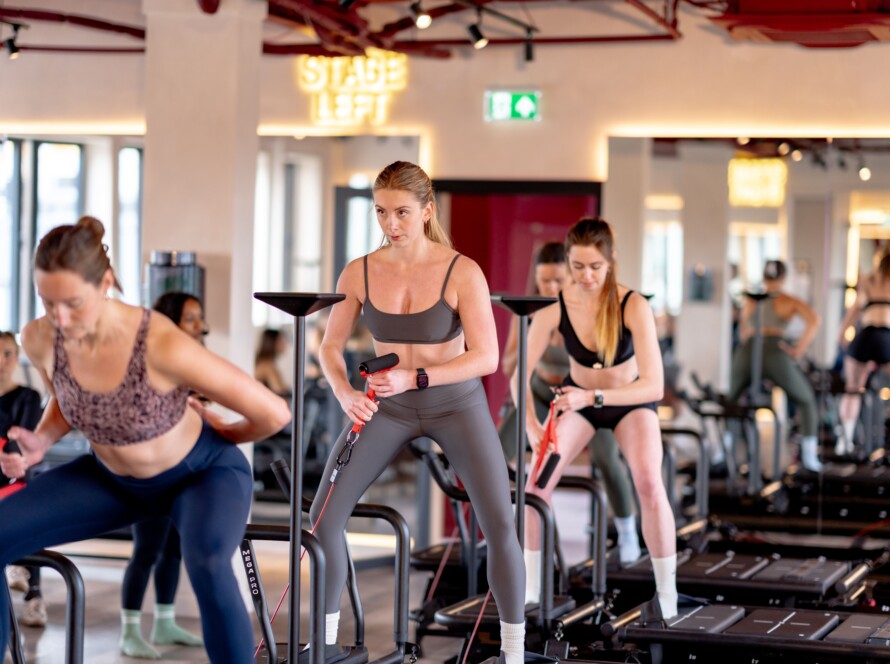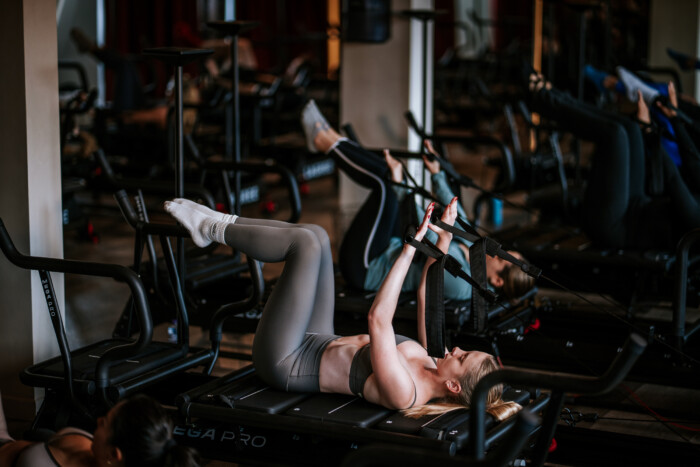
Many seniors notice that everyday tasks such as rising from a chair or climbing stairs become more difficult as hip strength and mobility decline. Within flexibility and strength training, focused hip work does more than add muscle, it improves balance, reduces joint pain, and lowers fall risk through glute and hip abductor activation, gentle range-of-motion practice, and simple resistance-band or chair exercises. Want safe, low-impact routines that keep you independent and moving with confidence? This article outlines clear progressions, injury-aware tips, and easy drills to improve joint health, stability, and functional movement.
To help you put these ideas into practice, BLOOD, SWEAT & TEARS offers Lagree in London classes that use controlled, low-impact resistance to build hip strength, improve balance, and make daily movement easier.
Summary
- Hip strength is a primary determinant of daily safety because even small losses increase fall risk; by age 65, one in three people will fall each year.
- Falls have outsized consequences for independence, with research showing that after a hip fracture, 50% of people will not regain their previous level of function.
- Many hip programs fail due to poor dosing rather than exercise selection. Use concrete stopping rules that target controlled fatigue at about 8 to 12 reps, and retest progress every two weeks.
- Balance and lateral control should be prioritised in programming, with twice‑weekly focused hip sessions that emphasise single-leg stability, slow eccentric control, and core integration.
- Time under tension drives usable strength. For example, slowing eccentrics to about 4 to 6 seconds and adding 2 to 3-second isometric holds at weak points exposes stability failures you can correct.
- Innovative coaching and simple tech increase accountability and adoption, with ACSM reporting that 60% of fitness enthusiasts adopt innovative strength methods and that over 40% of gyms offer related classes.
BLOOD, SWEAT & TEARS’ Lagree in London addresses this by providing supervised 45-minute classes with adjustable spring resistance, precise tempos, and continuous instructor cues that make progressive, measurable hip loading practical for older adults.
Why Hip Strength Matters More as We Age
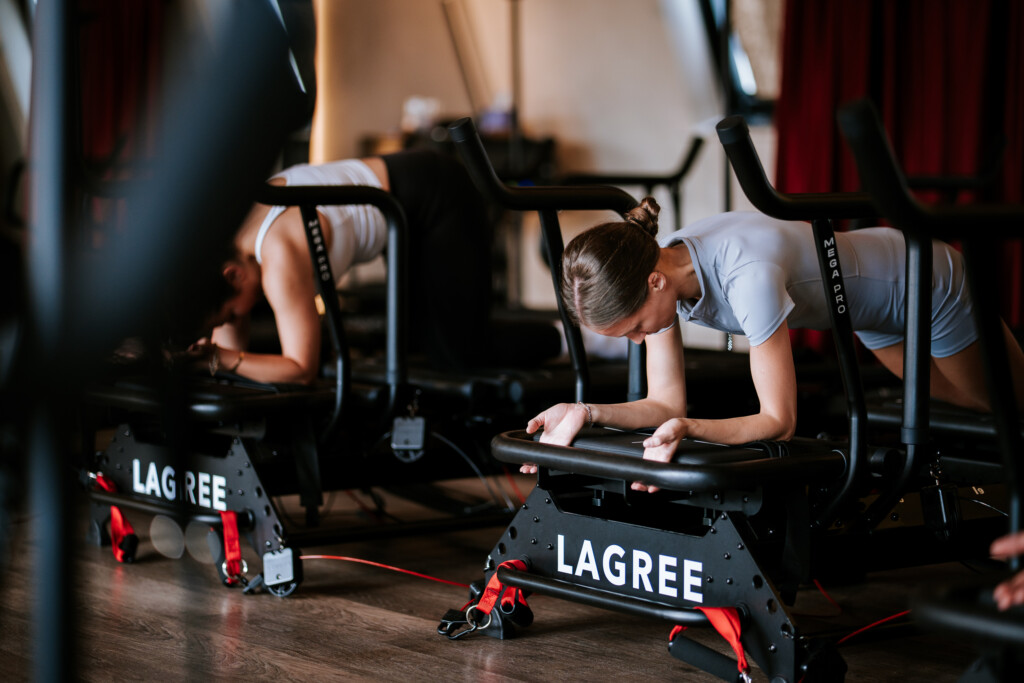
Hip strength matters more as we age because the hips control the tiny shifts that keep you upright and moving without thinking, and losing that control quickly turns routine tasks into hazards. Strong hips reduce the need for compensations in the knees and lower back, so you move more confidently, use less energy, and fall less often.
How Do Weak Hips Create Everyday Breakdowns?
Weak hip abductors and external rotators allow the pelvis to drop and the leg to track inward during walking, which transfers load to the knees and lumbar spine and increases joint pain and instability.
After working with older women through progressive, low-impact resistance sessions, the pattern became clear: when hip control is poor, standing from a chair or stepping up feels effortful and precarious, not just tiring. That constant extra effort makes minor missteps more likely and wears down confidence.
Why is Strength Safer Than Stretching Alone?
Flexibility gives range, but control is what keeps you safe when equilibrium is challenged. Muscles absorb and direct force, and stretching without progressive loading leaves them unable to stabilize under load.
By age 65, one in three people experiences a fall each year, underscoring the importance of preventive strength training to protect daily function and maintain independence.
What are the Real Consequences of a Single Fall?
Falls are serious events for older adults. Following a fracture, recovery is often incomplete, and the long-term consequences can include a significant loss of independence and quality of life.
After a hip fracture, 50% of individuals do not regain their previous level of function, demonstrating that such an injury can not only extend hospital stays but also permanently reduce a person’s daily abilities.
Why Stretching and Walking Aren’t Enough
Most people manage this by stretching and light walking because it feels safe and familiar. That provides comfort, but it overlooks the stabilizing muscles that prevent falls; as a result, weaknesses persist, and problems compound over time.
Solutions like BLOOD, SWEAT & TEARS’ Lagree approach use high-intensity, low-impact, core-centric resistance and time under tension to safely load the hips, building functional control and endurance while minimizing joint stress.
How Should Training Shift as Capacity Changes?
If mobility is poor, begin with controlled isometric holds and low-range strengthening, then load progressively in small increments to maintain clean movement quality. This pattern appears across rehab and studio settings: when progression is rushed, compensations return and pain spikes; when progression is too slow, you stall.
Aim for twice-weekly focused hip sessions that prioritize single-leg balance, slow eccentric control, and core integration, and insist on supervision or clear cues so form remains the filter for progression.
Think of the hip like the keel of a small boat: subtle and often unseen, but without it the vessel lists, and every turn becomes risky. Restoring hip strength steadies every movement and brings back calm.
Related Reading
- Flexibility and Strength Training
- How to Grow Glutes
- HIIT vs Strength Training
- Are Wall Sits Good for Knees
- Lifting Weights With Shoulder Arthritis
- How to Strengthen Weak Muscles Naturally
- Low Impact Strength Training
15 Common Hip Strengthening Exercises for Seniors
1. Clamshells
- How to do it: Lie on your side with knees bent, feet together, hips stacked. Open the top knee while keeping feet in contact, then lower under control.
- Coaching cues: Keep the pelvis stable, avoid rolling backward, initiate movement from the gluteus medius. Breathe evenly.
- Regression/progression: Regression is isometric holds with a slight lift; progress by adding a light resistance band above the knees or performing slower eccentrics.
- Common mistakes: Lifting the hips, rotating the torso, and forcing range beyond comfort.
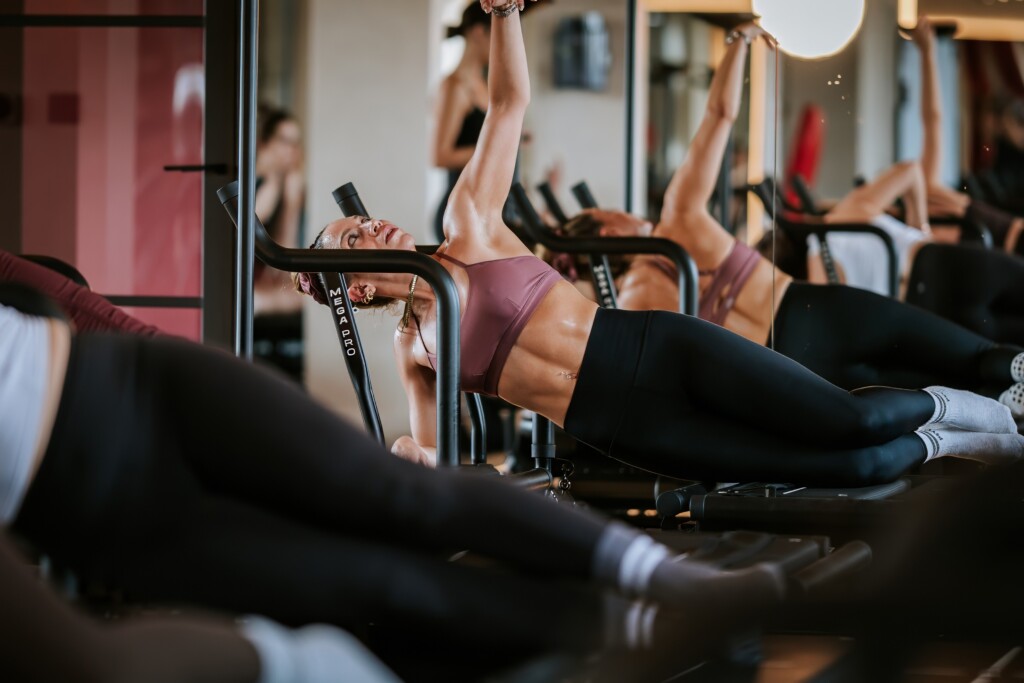
- Lagree adaptation: On the Megaformer carriage, perform a slow, spring‑resisted side‑lying abduction with constant tension and the stability pole for support.
2. Hip Bridges
- How to do it: Lie on your back, knees bent. Drive through the heels to lift hips until the body forms a straight line from knees to shoulders, squeeze glutes, then lower.
- Coaching cues: Keep ribs down, press through heels, pause at the top to recruit glutes.
- Regression/progression: Regression is a partial bridge or single‑leg supported bridge; progress by holding a mini band at the knees or lifting one leg at the top.
- Common mistakes: Include overworking the lower back, pushing through the toes, and rushing the lowering phase.
- Lagree adaptation: Use carriage resistance for supine hip lifts, with a slow four-count up-and-down, emphasising eccentric control.
3. Side Leg Raises
- How to do it: Lie on your side, bottom knee bent for support, top leg straight. Lift the top leg vertically, then lower slowly.
- Coaching cues: Point toes forward, lead with the heel, keep hips stacked.
- Regression/progression: Regression with bent top knee; progress by adding ankle weight or a resistance band.
- Common mistakes: Tilting the pelvis or rotating the torso to cheat height.
- Lagree adaptation: Side leg work on a stable platform with adjustable spring tension provides smooth resistance and protects the lower back.
4. Standing Hip Abduction
- How to do it: Stand tall, holding a chair. Keep the working leg straight and lift it sideways, moving it up and down in a controlled motion.
- Coaching cues: Maintain upright torso, keep toes neutral, do not lean away.
- Regression/progression: Regression with a smaller range; progress by wearing ankle cuff weights or using a cable at low resistance.
- Common mistakes: torso lean, foot rotation, and quick momentum.
- Lagree adaptation: Perform with the carriage set for lateral leg pull, using slow tempo and the poles for balance.
5. Standing Hip Extension
- How to do it: Stand behind the support. Keeping the knee straight, extend the leg backward by contracting the glutes, then return the leg.
- Coaching cues: Keep pelvis level, avoid arching the lower back, and squeeze glutes at end range.
- Regression/progression: Regression with small range and toe taps; progress to resisted band or single‑leg deadlift variations for strength transfer.
- Common mistakes: Include arching the lumbar spine, driving through the toes, and relying on momentum.
- Lagree adaptation: Front-platform leg extension against spring resistance allows seniors to load their hips safely with constant tension.
6. Seated Hip Marches
- How to do it: Sit upright in a sturdy chair. Alternatively, lift your knees toward your chest in a marching rhythm, controlling the descent.
- Coaching cues: Keep the chest lifted, draw the belly button slightly in, and ensure the heel stays under the knee on the ascent.
- Regression/progression: Regression with a smaller lift; progress by increasing tempo or holding light ankle weights.
- Common mistakes: Slouching, using momentum, and letting the foot slap down.
- Lagree adaptation: Use carriage straps for assisted seated leg drives that maintain core engagement and controlled resistance.
7. Single Leg Stands
- How to do it: Stand near a support and lift one foot off the floor, balancing on the other for 10 to 30 seconds.
- Coaching cues: Soften the standing knee, keep hips level, look at a fixed point.
- Regression/progression: Regression with toe‑tap returns; progress by closing eyes or adding small reach tasks with the free hand.
- Common mistakes: Include locking the standing knee, holding breath, and sudden shifts.
- Lagree adaptation: Use the stability bars during timed single‑leg holds, then progress to micro‑movements under resistance.
8. Mini Squats
- How to do it: Stand feet hip‑width apart, bend knees slightly (10 to 30 degrees), then rise. Keep weight through heels.
- Coaching cues: Knees track over toes, chest stays upright, activate glutes to return.
- Regression/progression: Regression with wall support or shallower range; progress to deeper squats as form allows or add light resistance.
- Common mistakes: Knees collapsing inward, forward weight shift, rapid descent.
- Lagree adaptation: Wall or carriage squats with spring assistance reduce joint stress and provide constant loading throughout the motion.
9. Step‑Ups (Low Step)
- How to do it: Step onto a low, stable platform with one foot, bring the other foot up, step down with control.
- Coaching cues: Push through the heel of the leading foot, keep hips level, use hand support as needed.
- Regression/progression: Regression using a lower step; progress by increasing step height or adding a weighted vest.
- Common mistakes: Pushing off the trailing leg too much, leaning forward, and unstable landing.
- Lagree adaptation: Use the Megaformer platform to set a controlled step pattern with resistant carriage, training concentric and eccentric control.
10. Hip Circles
- How to do it: Stand with support, lift one leg slightly, and trace small circles from the hip in both directions.
- Coaching cues: Keep torso still, move only at the hip, start small and increase range gradually.
- Regression/progression: Regression with smaller circles; progress to larger circles and longer sets.
- Common mistakes: Include swinging at the waist, relying on momentum, and holding your breath.
- Lagree adaptation: Slow, controlled circular patterns against spring resistance simultaneously build multi‑planar hip stability and mobility.
11. Standing Fire Hydrants
- How to do it: Standing with support, bend the knee to 90 degrees and lift the thigh out to the side, then return.
- Coaching cues: Keep pelvis square, lead with the knee, not the foot, control the lowering phase.
- Regression/progression: Regression with a smaller lift; progress by adding a resistance band or ankle weight.
- Common mistakes: Torso lean, hip hiking, jerky motion.
- Lagree adaptation: On the carriage, perform hip abduction with a bent knee against steady spring tension to emphasise a slow tempo and recruit stabilisers.
12. Leg Swings (Forward and Back)
- How to do it: Stand and swing one leg forward and back in a controlled pendulum motion, keeping your torso stable.
- Coaching cues: Use hip hinge to limit lumbar movement, move from the hip, and keep breathing relaxed.
- Regression/progression: Regression with smaller swings; progress by increasing range or tempo under control.
- Common mistakes: Overarching lower back, swinging too fast, shifting weight.
- Lagree adaptation: Controlled forward/back leg drives on the Megaformer allow dynamic strengthening while preserving joint safety.
13. Wall Squats
- How to do it: Back against a wall, slide down to a comfortable, shallow squat and hold for 10 to 20 seconds.
- Coaching cues: Keep weight over heels, maintain a slight natural curve in the low back, and press the knees to track over the toes.
- Regression/progression: Regression with higher squat position and shorter hold; progress to longer holds or deeper angles as tolerated.
- Common mistakes: Knees collapsing, sliding too low too quickly, breath holding.
- Lagree adaptation: Carriage squats with handrail access mimic wall support while adding spring resistance through the entire range.
14. Lateral Step‑Overs
- How to do it: Place a low object on the floor, step sideways over with one foot, then the other, reversing back.
- Coaching cues: Step deliberately, control the return, keep the chest lifted, and keep the hips level.
- Regression/progression: Regression with a minor obstacle; progress to a higher obstacle or faster tempo while maintaining control.
- Common mistakes: crossing feet without balance, leaning the upper body, and rushing.
- Lagree adaptation: Side-stepping drills on the carriage provide controlled lateral loading, improving adductor and abductor coordination.
15. Lagree Method (Modified for Seniors)
- How to do it: Perform slow, controlled movements on the Megaformer that target hip extensors, abductors, and stabilisers using variable spring tension.
Coaching cues: Emphasise time under tension, core bracing, four‑count tempos, and precise alignment.
Regression/progression: Regression uses lighter spring settings and handrail support; progression increases spring tension, range, or unilateral focus.
Common mistakes: Allowing momentum, losing core connection, and increasing resistance before form is solid.
Why it works for seniors: The method gives constant resistance without impact, promoting muscular endurance, joint‑safe loading, and better motor control.
External reference: This curated set aligns with guides cataloguing senior‑appropriate hip exercises, including 15 targeted movements designed to improve strength and mobility.
The Anxiety-First Coaching Strategy
When coaching older clients in studio sequences, a clear pattern emerges: balance and lateral control dominate their list of anxieties, so exercises that pair single‑leg stability with slow eccentric control win trust faster than flashy strength moves. That observation shapes how you stack progressions, prioritising single‑leg holds before adding load.
Most people manage hip work with walking and a few home stretches because they feel safe and familiar, which is understandable. The hidden cost is that subtle control and time‑under‑tension are missed, leading to stalled strength gains and compensations reappearing.
Precision Loading for Longevity
Studios like BLOOD, SWEAT & TEARS in Angel, London, apply Lagree principles to bridge that gap, using spring‑based resistance, stability bars, and slow tempos to help seniors progressively load their hips while preserving alignment and reducing joint stress.
This roster also appears in other practitioner lists, such as Ryman Healthcare’s senior hip exercise guides, confirming the common practice of combining lying, seated, and standing patterns to develop both isolated strength and functional transfer.
Fluency in Functional Movement
Think of the hip program as a language, not a single sentence; you teach a few reliable words first, then add phrases that let a person move without thinking. That image explains why focused drills such as clamshells and single‑leg stands matter as foundational work before higher‑load patterns are introduced.
Every exercise above has simple, nontechnical progressions: reduce range, add tempo control, then add resistance, constantly checking balance and breath. If a senior loses form during an exercise, regress immediately to a supported or isometric version and re‑establish control before reintroducing load.
The following section will show how what seems effective on paper can still fail in real life.
Where Many Hip Exercises Fall Short for Seniors
Most hip routines fail because they treat movement as reassurance rather than as a measurable stimulus that must translate into real-world tasks. The gap is rarely the chosen exercise; it is how load, feedback, and transfer to function are measured and tightened over weeks.
How is Load Being Mismeasured?
Coaches and home programmes often use vague prescriptions such as “do 3 sets of 10” without an outcome target, so seniors end up repeating movements that never become challenging. The critical mistake is not having a simple stopping rule: if the set finishes with the same effortless quality as it started, the hips were not loaded enough to drive adaptation.
Precision Dosing for Hip Power
Use concrete checks instead, for example, aim for controlled fatigue within a session where form begins to fail on rep 8 to 12, or use progressive small increases in resistance every 1 to 2 weeks until that quality threshold moves. This is not theory; it is a dosing problem, and dosing is what builds durable hip power.
Why Does Sensory Feedback Matter More Than Exercise Choice?
This problem appears consistently across studio and clinical settings: when seniors train without timely external feedback, perceived effort drifts and compensations sneak in. The emotional toll is real; clients tell us they feel frustrated when a movement “looks right” but does not actually make them stronger.
Provide objective signals, not opinions: tactile cues, mirrors, stopwatched tempos, or a partner counting quality reps. Those signals keep the load on the intended muscles, prevent lumbar takeover, and replace guesswork with measurable progress.
What Are the Transfer Failures That Trainers Miss?
Many programmes train isolated motions but never test whether strength transfers to everyday tasks under load or fatigue. The failure mode is predictable: a person can perform 20 slow side leg raises on the mat but wobble when stepping onto a curb.
Add measurable transfer drills that stress single‑leg control under resistance, then retest a functional task with the same demands. If the transfer is absent after four weeks, change the dose, not the motivation.
The Stagnation Penalty: Beyond Initial Comfort
Most teams use low-impact repetition for hip work because it feels safe and familiar, which helps preserve comfort early on. As comfort accumulates, however, the hidden cost is a measurable weakening and greater risk when a slip occurs.
Solutions such as studios like BLOOD, SWEAT & TEARS in Angel, London, apply time under tension, adjustable, constant resistance, and continuous instructor cueing so movement quality is the filter for adding load, which narrows the gap between clinical exercise and everyday resilience.
The Critical Window of Hip Resilience
The stakes are not hypothetical: research on fall-related hospitalizations among seniors shows that falls account for 85% of injury-related hospital admissions, placing significant strain on acute care. In addition, hip fractures are among the most serious fall-related injuries, with 20% of seniors dying within a year of the fracture, underscoring why programs must deliver measurable strength gains, not just range of motion.
What Does Better Coaching Look Like in Practice?
Replace vague sets with tight checkpoints, for instance: target a tempoed set that reaches controlled near‑failure, then log whether single‑leg balance under load improved that week. Use tiny, repeatable progressions, such as 5 to 10 percent resistance increases, or add a 2 to 5 second pause in the most vulnerable range to expose weak points.
Track improvement with a straightforward metric you can retest every two weeks, then make program changes only when that metric stalls. That structure removes the emotional guessing game and replaces it with steady evidence of change.
Think of the usual approach as tuning a car at idle, then expecting it to climb a hill without testing it under load; a brief uphill drive exposes every weakness the idle check missed.
From “Gentle Hip Movement” to Smart Strength Training
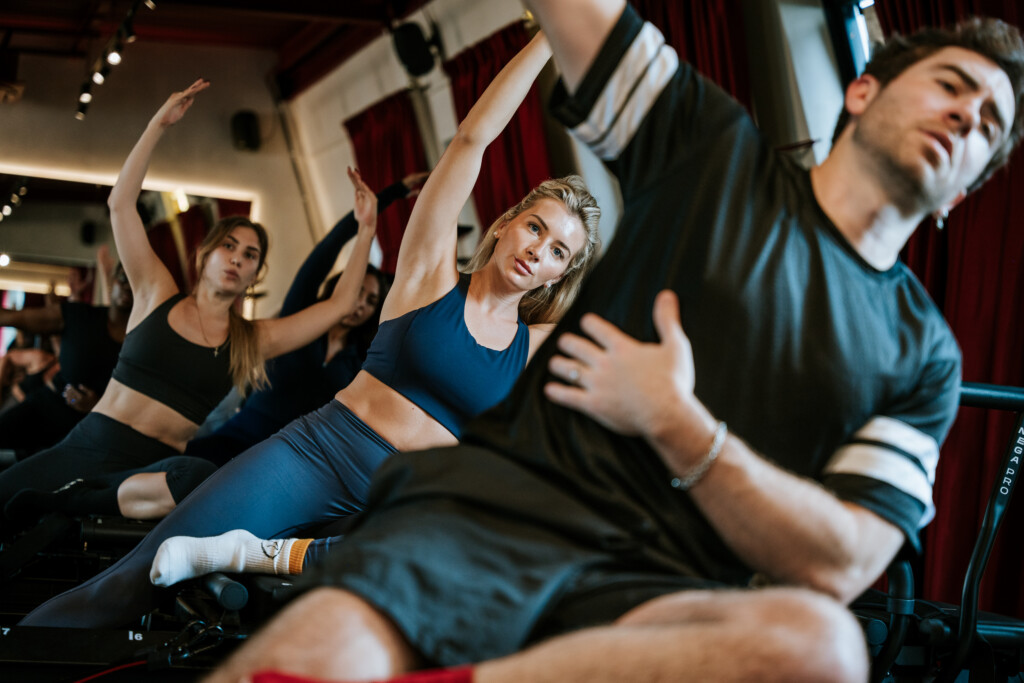
The shift moves hip care from reassurance through gentle motion to deliberate, measurable loading that trains hips to do work reliably in everyday life. You still move gently at times, but the priority becomes progressive resistance, feedback, and functional transfer so strength actually shows up when balance is challenged.
How Should Progress Be Measured, Not Guessed?
Set clear, repeatable performance checks tied to daily tasks, then use those checks to direct programming. I recommend a three‑metric panel you can retest every two weeks: a timed sit-to-stand, a single‑leg stance time, and a short gait speed trial over 4 metres, each scored for both quality and quantity.
If the sit-to-stand fails to improve after two consecutive tests, change the loading pattern or the exercise variation rather than blindly adding volume. That rule provides a quick signal about transfers; it replaces guesswork and keeps sessions honest.
Which Safety Signals Should Prompt an Immediate Change to the Plan?
Pain that sharpens during a rep, numbness, or any new knee buckling are nonnegotiable stop signs; muscle soreness that settles within 48 hours is not. Track perceived exertion on a simple 1-10 scale and aim for consistent effort across sessions so you can detect a sudden spike that signals fatigue or overreach.
Use objective form checkpoints too, for example, a pelvic drop greater than 2 centimetres on single leg tasks, or trunk rotation that appears before rep eight, both indicating the load is exceeding control, and you should regress.
Most people default to light movement because it feels safe and familiar, and that makes sense. The hidden cost is slow drift: weeks of comfort without measurable improvement in the tasks that matter, so stamina and confidence stall.
Precision Conditioning for Joint Longevity
Studios like BLOOD, SWEAT & TEARS in Angel, London, offer an alternative, providing adjustable spring resistance, continuous instructor cueing, and time under tension, giving practitioners a way to progressively load their hips while preserving joint alignment and providing clear feedback.
How Do Smart Tools and Class Formats Change the Work?
Innovative strength is not a gadget trend; it changes coaching cadence and accountability. Group classes can use simple tech like tempo timers and mirrors, and low‑cost wearables or pressure mats let you see force symmetry in real time, which keeps compensations from becoming habits.
The New Hybrid Standard
According to the ACSM’s report on top fitness trends for 2025, 60% of fitness enthusiasts are now incorporating innovative strength training into their routines, highlighting that coaches are increasingly expected to blend technology with hands-on guidance.
The report also notes that over 40% of gyms are offering classes centered on this approach, making it easier for seniors to access group formats that safely scale intensity while maintaining motivation.
What Programming Habits Separate Progress From Plateaus?
- Treat every exercise as an experiment with three variables: tempo, resistance, and range, and change only one variable at a time so you know what caused improvement.
- Record the result, then repeat or adjust based on a predefined rule, for example, add 5% resistance when form holds for two sessions at a given tempo, or shorten range to expose a weak point with a 3 to 5 second isometric hold. That discipline turns vague workouts into a small data set you can act on, and it forces coaching conversations to be specific and practical.
From Safety Nets to Self-Correction
Think of the old model as teaching someone to walk on a balance beam with a safety net, while the more innovative way teaches them how to steady themselves when the net is gone. The next part raises a question you will not want to skip: what exactly does Lagree bring to that more innovative method, and why does it change outcomes so predictably?
Related Reading
- Do Squats Help Pelvic Floor
- Strength Training and Menopause
- Physical Therapy Strength Training
- Combining Cardio and Strength Training
- Lower Back Arthritis Exercises
- Strength Training for Women over 40
- Joint Friendly Exercises
How Lagree Fits Hip Strengthening for Seniors
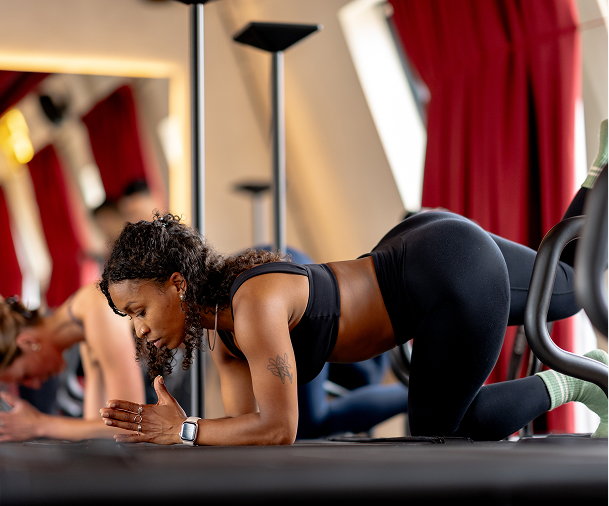
Lagree’s hip-strengthening program for seniors turns steady, low‑impact resistance into precise, measurable practice that forces hip stabilisers to work under control rather than through spurts of momentum. In a supervised 45‑minute class, you get repeatable tempos, targeted unilateral loading, and instructor feedback that ensures the hips, not the low back, take the load.
How Exactly Does Lagree Load the Hip Differently?
Lagree uses constant spring tension so the muscle never gets a free ride, primarily during the eccentric phase, where most functional control is learned. I programme tempos that slow the lowering to 4-6 seconds, add a 2-3-second isometric at the weak point, then return with a shorter concentric drive, which exposes small stability failures you can correct on the spot.
This pattern produces greater usable strength than quick reps because it requires the glute medius and deep external rotators to maintain position while single‑leg and lateral tasks are performed.
How Do Instructors Do Progress Without Guessing?
We treat every exercise as a small experiment. Change one variable at a time, for example, extend eccentric duration by one second or increase spring tension one notch, then run that change for two sessions and record whether the client holds pelvic alignment.
Identifying Technical Thresholds
I coach teachers to watch for specific breakdowns, such as a pelvic hike or a trunk rotation appearing before the last third of a set, and to regress immediately to an isometric hold or a reduced range. That keeps the load sufficient for adaptation while avoiding compensatory patterns that create pain.
Most people stick to walking and light stretching because it feels safe, which is understandable, but that approach misses how progressive, measurable loading actually changes tissue quality and coordination.
Integrated Longevity Protocols
Studios like BLOOD, SWEAT & TEARS Lagree in Angel, London provide adjustable spring resistance, certified instructors trained in progressive templates, and a class format that combines strength, balance, and mobility work into one guided session, so seniors receive consistent, incremental stimulus without guesswork.
What Coaching Cues Make the Work Transfer to Daily Life?
We use concrete, tactile cues that seniors can reproduce at home: cueing “press the heel, lift the knee” to activate the posterior chain, counting a four‑beat eccentric to slow the descent, and having the client place a hand at the iliac crest so they feel evenness.
Instructors also model compensations and show the minimal regression—two toes on the floor, micro‑step returns, or half‑range holds—so clients learn that progress is about controlled quality, not flashy range.
How Does Lagree Help Bone Health and Fall Prevention?
The method’s slow, controlled resistance both loads the muscles. It applies repeated, direction-specific stress to the bones, promoting bone adaptation and improving coordination, according to Lagree Fit 415’s guide on aging and strength.
That coupling of muscular and skeletal stimuli matters because it trains the body to resist perturbations as an integrated system, not as separate parts.
Why Start With Unilateral and Multiplanar Drills Before Adding Load?
Unilateral drills reveal side‑to‑side asymmetry that double‑leg work can hide, and multiplanar patterns teach the hips to control forces that actually occur when you pivot, step down, or carry a bag. I structure progressions so a client masters a supported single‑leg hold under tension, then we add slow lateral movement against the carriage, and finally increase spring tension or range.
Each step is validated by a simple, observable check: the client completes the movement under the prescribed tempo without pelvic or trunk corruption.
What Are Practical, Everyday Signs That the Hips Are Getting Stronger?
Look for fewer lateral sways when turning in tight spaces, steadier descent on a single stair without using the rail, and the ability to carry a light load while stepping sideways without the knee collapsing inward. Those are real transfers you feel in daily life, and they tell you the time‑under‑tension work is sticking.
Think of Lagree training like tuning a car’s suspension: minor, deliberate adjustments to tension and damping make the ride steadier and safer. The goal is not raw power; it is dependable control when the road tilts.
That next step raises a simple, uncomfortable question about commitment and access, and it changes everything if you answer it honestly.
Related Reading
- Arm Exercises for Women Over 50
- Long Resistance Band Exercises
- Low Impact Exercise Machines
- Leg Strengthening Exercises for Seniors
- Low Impact Workouts for Seniors
- Low Impact Exercises for Knee Pain
Book a Lagree Class in London Today
I respect sticking with gentle, familiar routines because they feel safe, but that comfort can quietly leave hip control undertrained until a slip or step exposes the weakness. Studios like BLOOD, SWEAT & TEARS Lagree in Angel, London, offer a practical alternative, pairing women‑focused classes with calibrated spring resistance and clear coaching checkpoints.
Hence, you rebuild usable hip strength and balance. Try a class and see how guided, measurable progress builds confidence in everyday movement.