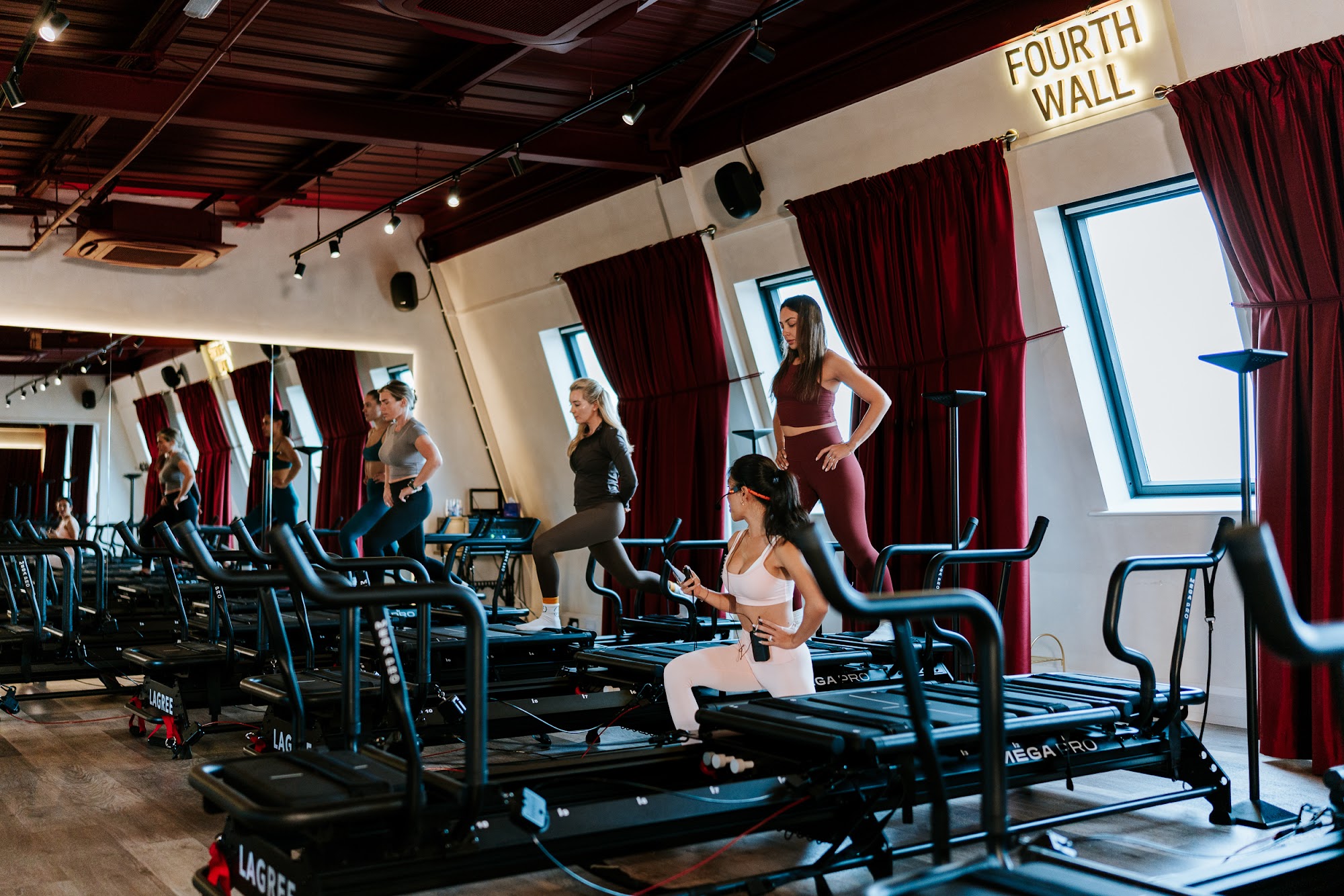
After 40, muscle loss, a slower metabolism, and stiffer joints can make everyday tasks like lifting a bag or climbing stairs feel more difficult. Flexibility and strength training offer a straightforward way to rebuild muscle, protect bone density, and regain mobility without endless hours at the gym. This article outlines evidence-based strength-training approaches for women over 40, including practical routines, recovery tips, and strategies to manage hormonal changes and improve balance and joint health.
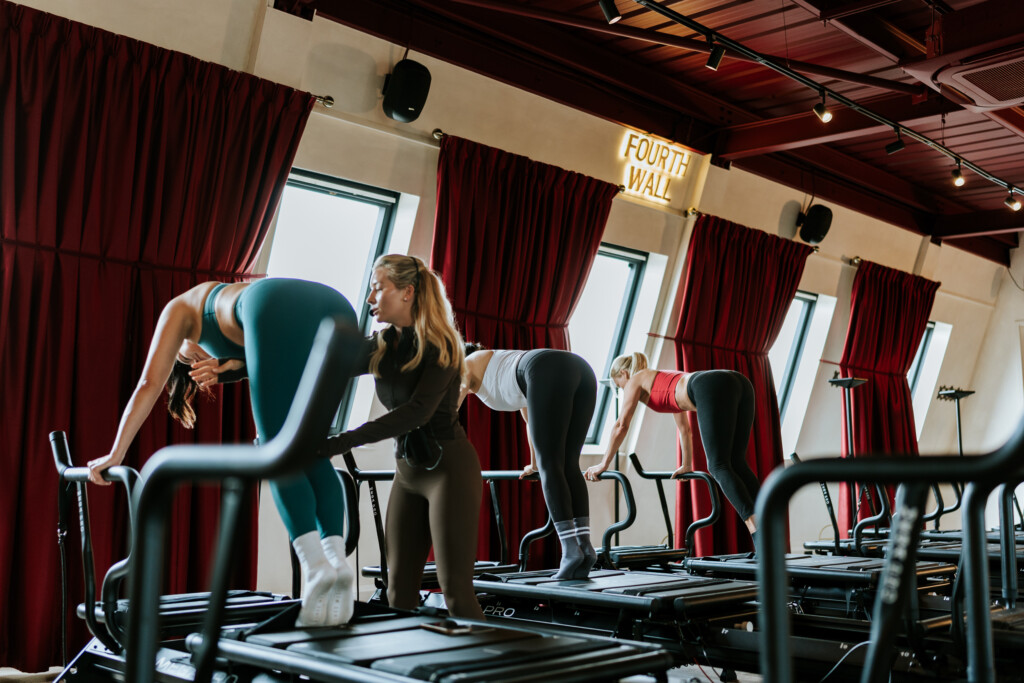
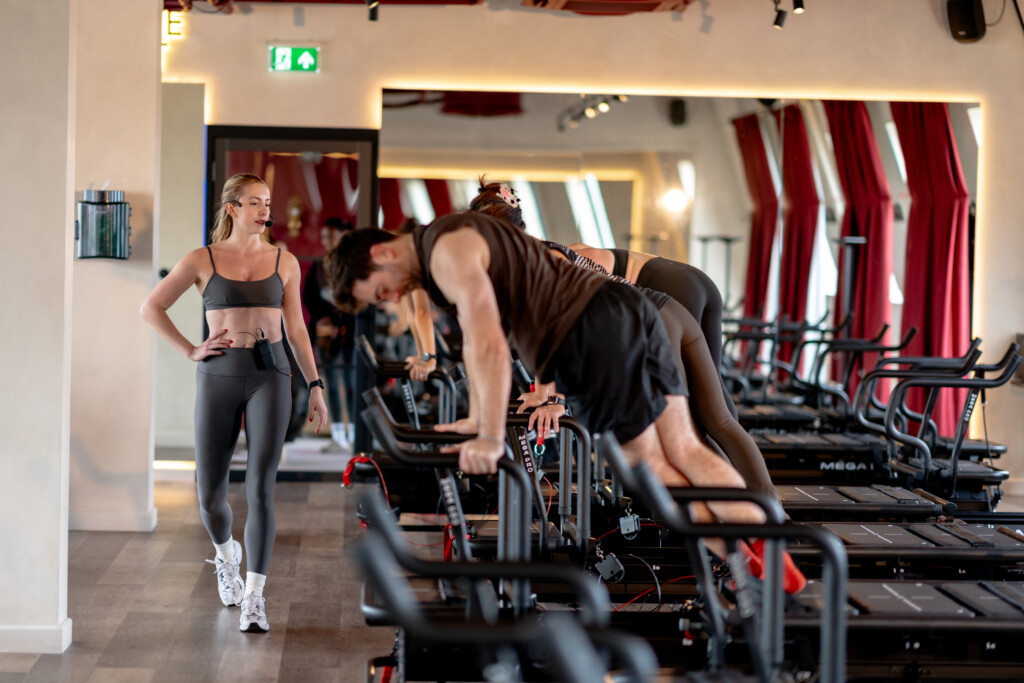
BLOOD, SWEAT & TEARS’ Lagree in London, offers guided sessions that blend resistance training, core stability, and mobility to help you build strength, protect your joints, and move with more confidence.
Summary
- After 40, muscle mass declines by about 1% per year, so targeted progressive resistance and time under tension are necessary to protect functional strength rather than relying on high-rep, low-load work.
- Bone density typically declines by about 0.5% to 1% per year after age 40, making controlled, progressive loading with clear tempo more effective for skeletal health than repeated high-impact loading.
- Aging alters physiology, with up to 8% muscle loss per decade and a roughly 2% to 4% decline in metabolism per decade, underscoring the urgency of preserving lean tissue through deliberate strength training.
- Adherence is the real bottleneck: 70% of gym-goers abandon strength routines within three months, and only 15% persist after one year. Early clarity, measurable progress, and a manageable load are critical.
- Environmental and coaching factors matter: 70% of women over 40 report hot flashes and 60% experience sleep disturbances, so class timing, airflow, and prescriptive cueing materially affect attendance and consistency.
- Program design that uses measurable microcycles and autoregulation performs better, for example, 4 to 6 week blocks, 45 to 50 minute sessions, weekly RPE tracking, and simple rules like leaving two reps in reserve to sustain progress without overloading tissues.
BLOOD, SWEAT & TEARS’ Lagree in London addresses this by offering guided, low-impact 45 to 50-minute sessions with precise tempo and autoregulated load steps that align progression with recovery windows.
What Changes in the Body After 40

Strength, recovery, and tissue tolerance all change after 40, but those changes are manageable and predictable when you train with intention. The practical truth is this: you lose muscle and bone more easily than before, and your connective tissue asks for smarter loading and steadier recovery rather than more impact.
What Happens to Muscle After 40?
Muscle becomes more fragile without targeted resistance. That is not a fate sentence, it is a training signal. As muscle mass declines after 40, the margin for error narrows, so workouts that rely on high reps with little progressive overload do not protect functional strength.
When we restructured programming around controlled resistance and time under tension, the predictable result was steadier progress and fewer days lost to joint flare or soreness.
Why Does Recovery Take Longer, and Tissue Feel Stiffer?
Metabolic, hormonal, and microtrauma processes slow the repair process. Tendons and ligaments have less blood flow and recover over longer windows, so the same training volume that worked in your 30s now accumulates fatigue. The practical implication is harsh and straightforward: tempo, volume, and frequency become the levers you must manage, not just load or intensity.
Slow eccentric work, shorter stimulus per session, and planned recovery days keep progress moving without breaking the system.
How Does Bone Respond to Training as You Age?
Bone becomes more responsive to targeted, well-applied load and less tolerant of repeated shock. After age 40, bone density decreases by approximately 0.5% to 1% per year, making bone loading more critical than ever.
Controlled resistance, applied with clear time under tension and progressive overload, promotes adaptation, whereas repeated impact without adequate strength support typically increases risk rather than benefit.
What About Joints and High-Impact Work?
If your knees and hips handle plyometrics well, you can layer in safe impact carefully; when they do not, high-impact becomes a bottleneck for consistency. The most common failure mode I see is people trying to “keep up” with younger workouts, then pausing for weeks due to soreness or pain.
Slow, loaded movements and isometric holds preserve joint health while still building lean muscle and posture.
The Consistency Trap
Most people handle this by pushing intensity and adding impact because it feels efficient, and that familiarity is understandable. The hidden cost is that this approach disrupts training consistency and causes stop-and-start progress, especially for women juggling busy schedules and hormonal shifts.
Solutions like Lagree programming in London centralize the best path, offering high intensity. These low-impact sessions use time under tension and managed resistance in 45- to 50-minute formats, with instructor training to ensure programming consistency and scalability across classes.
How Should You Change What You Actually Do?
When programming shifts from high-rep circuits to controlled resistance with defined progressions, trainees report less anticipatory dread about workouts and more reliable strength gains.
Training for Longevity
Practically, prioritize slower tempos, manage total weekly load, treat recovery as part of the dose, and choose modalities that deliver progressive overload without repeated impact. That way, strength training stops being adversarial to your joints and becomes the tool that protects mobility and independence.
You think this is just a technical tweak, but it subtly changes how people feel about training and their bodies. That shift is only the start, and the stakes are deeper than you think.
Why Strength Training Matters More After 40

Strength training after 40 matters because it buys you reserve, not vanity. You do more than preserve tissue; you preserve options: the ability to move without pain, to recover from setbacks faster, and to stay in control of your life as demands change.
How Does Strength Translate to Daily Resilience?
Think of strength as a reserve battery for movement. It is the margin that keeps minor problems from becoming crises. When that reserve thins, ordinary tasks—carrying heavy shopping, bending to play with kids or grandchildren, stepping onto a curb—become points of friction.
These small challenges can compound into avoidance and, eventually, loss of independence. Targeted resistance work prevents this. Minor stresses stop accumulating. They remain small, fixable interruptions rather than events that force lifestyle changes.
Why Does the Physiology Make This Urgent Now?
The clock isn’t a metaphor; it’s a mechanical shift: muscle mass can decline by up to 8% per decade after 40. That number is not an abstract trend; it is the shrinking of your buffer against injury and fatigue, which directly raises the stakes on every training choice you make. At the same time, metabolism decreases by 2% to 4% per decade.
Metabolic slip changes how your body stores energy and responds to food, so maintaining lean tissue through resistance work is the single most practical lever you have to keep energy balance and movement economy working in your favour.
What Common Patterns Sabotage Progress, and How Do People Feel About It?
This challenge appears across studio clients and active adults. When visible results don’t appear, quick fixes like supplements or high-volume cardio runs don’t deliver immediate change; frustration grows, and training becomes sporadic. Folks tell us they stop creatine for a few weeks, notice workouts feel heavier, and that gap often marks the moment consistency unravels.
The emotional cost matters; frustration and fatigue aren’t abstract, they erode motivation and push people toward safer, less effective habits.
The Legacy Trap
Most people manage midlife fitness by layering in more of what worked in their 30s, because it’s familiar and easy to access. That approach works for a while, but as recovery windows lengthen and tolerance narrows, the familiar routine creates a slow leak of progress: training becomes stop-start, soreness multiplies, and gains stall.
Precision Over Impact
Studios like BLOOD, SWEAT & TEARS in London take a different approach, offering high-intensity, low-impact classes with controlled time under tension in 45- to 50-minute formats, and certified instructors to ensure consistent programming, helping trainees sustain progress without relying on high-impact work or constant supplementation.
How Should You Change the Way You Think About Effort Versus Design?
Effort alone is a poor strategy after 40. Replace brute force with designed stimulus: clearer progressions, movement specificity, and measurable micro-goals that reward consistency. When training is designed around predictable overload and recovery windows, people report fewer fear-driven adjustments—less cutback after a sore week, fewer skipped classes, and steadier momentum.
That steadiness compounds: 10% better adherence over months beats any short sprint of maximal intensity. You’ve seen the mechanics and felt the frustration; next, we need to look at where traditional strength programs actually fail people, and why those failures matter more now than ever.
Related Reading
- Flexibility and Strength Training
- How to Grow Glutes
- HIIT vs Strength Training
- Are Wall Sits Good for Knees
- Lifting Weights With Shoulder Arthritis
- How to Strengthen Weak Muscles Naturally
- Low Impact Strength Training
Where Traditional Strength Training Often Breaks Down

Traditional strength training often crumbles not because the exercises are wrong, but because the system around them fails: poor progression, inconsistent coaching, and scheduling friction turn good intentions into stop-start habits. When programs ignore how training fits into a busy life and how bodies adapt over months, effort outpaces results, and motivation collapses.
Why Do People Burn Out So Quickly?
This usually begins with vague goals and no small wins. Programs that mix too many modalities, change exercises every week, or leave progression to chance make early gains feel accidental rather than earned. 70% of gym-goers abandon their strength routine within the first 3 months, highlighting the first quarter as a fragile window where clarity, progress markers, and manageable load matter more than intensity theatre.
How Does Coaching Break Down on the Floor?
When instruction becomes a one-size-fits-all script, movement quality slips and small compensations become chronic. The pattern is predictable: instructors focus on class flow rather than individual regressions, clients adopt imperfect patterns under fatigue, and those micro-errors accumulate into lingering soreness or fear.
That emotional drain is real; clients tell us they feel defeated, not just tired, and that feeling is why many skip the next session rather than ask for a modification.
What Role Does Habit Friction Play Over the Long Haul?
You can train with discipline for a month yet miss the consistency that matters over the years. Only 15% of people who start a strength training program continue after one year. Long-term adherence is the real bottleneck; it is not rare bad luck but a predictable failure when programming does not align with life constraints, recovery capacity, or simple scheduling rhythms.
Most people manage this by increasing intensity because it feels efficient, and familiarity makes the problem hard to spot. The hidden cost is a cycle of peaks and pauses, where flare-ups make consistency impossible and progress resets.
Studios like BLOOD, SWEAT & TEARS address that gap by training instructors to deliver consistent, scalable progressions and pain-aware regressions in every class. Hence, clients receive measurable load steps without repeated impact, preserving momentum rather than dissipating it.
If programs do not measure basic variables, you will have to guess your way forward. Without baseline movement tests, session-level load tracking, or basic feedback loops, coaches cannot determine whether a change reflects accurate adaptation or short-term compensation. The fix is low-friction metrics:
- A 6-week microcycle with weekly RPE
- A visible load log
- Movement checkpoints that trigger regressions, not more volume.
The mistake is not intensity; it is invisible design choices that punish consistency; think of it like stacking boxes in a hallway without checking the ceiling height, then wondering why the top box keeps falling. That problem feels resolved until you realise the next question is personal and surprising.
Related Reading
- Do Squats Help Pelvic Floor
- Strength Training and Menopause
- Physical Therapy Strength Training
- Combining Cardio and Strength Training
- Lower Back Arthritis Exercises
- Strength Training for Women over 40
What Women Over 40 Respond To

Women over 40 respond to training that respects fluctuations in energy, temperature, and sleep, delivering evident, measurable progress and a predictable class rhythm you can plan your week around. They select programs that reduce surprises, build small wins, and allow them to choose their effort based on how they feel that day.
Which Environmental Details Change Whether a Session Lands?
Temperature and recovery are not minor comforts; they shape whether you finish a class or bail. Because 70% of women over 40 report experiencing hot flashes, studios that control airflow, avoid overheating drills, and offer quick cool-down options maintain steady attendance. Sleep loss also reduces tolerance for late workouts.
Adaptive Environments
With 60% of women over 40 experiencing sleep disturbances during menopause, early-morning or mid-afternoon classes often produce better energy and fewer cancellations than late-evening sessions. Small facility choices, like chair options for short rests and visible fans, matter more than people expect.
How Should Coaches Speak So Effort Feels Achievable Rather Than Punishing?
Coaching language is a training lever. When we redesigned cueing for midlife clients over a 12-week microcycle, replacing abstract exhortations with specific, repeatable anchors—for example, “two controlled reps plus a 3-second hold” and “stop when your control slips”—reported anxiety around sessions dropped, and consistency improved.
Use prescriptive micro-tasks that create small, trackable wins: a single extra rep, 2.5 kg added this week, or a 1-second more extended hold. Those micro-wins convert effort into visible progress, and visible progress protects motivation when life or hormones make training harder.
What Do Measurement and Progression Need to Look Like?
The pattern that breaks programs is invisible progress. Choose simple, low-friction metrics that reflect real adaptation, not vanity numbers: weekly baseline strength checks on 2 compound moves, a short mobility screen, and a session-quality note (did form hold on the last set?).
Autoregulation matters, so teach people to pick loads by feel using a clearly defined rule, for example, selecting a weight that leaves two manageable reps in reserve. This keeps progress honest without forcing an all-or-nothing mentality that breaks down as fatigue sets in.
Why Do Social and Scheduling Cues Amplify Adherence?
Most women juggle work, family, and sleep debt. Group dynamics that emphasize mutual reliability beat solitary intensity. When classes build predictable pacing, start on time, and include a 60-second community check-in, attendance becomes a social contract, not optional theatre.
Social contract reduces decision fatigue on busy days and turns consistency into a habit. Offer flexible attendance options and clear microprogress plans so the class fits life, not the other way around.
The Familiarity Trap
Status quo: why the usual “one-size, high-volume” habit feels safe but costs you time and gains
Most people stick with generic class-style workouts because they are familiar and easy to book. That works at first, until symptoms, life demands, or sleep changes interfere and intensity becomes inconsistent. The hidden costs are stop-and-start progress, increased soreness, and diminished confidence.
Solutions like Lagree studios in London offer predictable 45- to 50-minute low-impact formats with trained instructors who consistently scale and regress load, reducing flare-ups and preserving training momentum while still delivering measurable strength gains.
The Micro-Experiment Framework
What practical, immediate adjustments change whether training becomes a habit or a headache? Treat every week as a small experiment. Schedule one session targeting a strength marker, one focusing on mobility, and one prioritizing recovery or load management. Use a single rule to autoregulate effort, log one number after class, and pick one micro-goal each week.
Those constraints transform decision fatigue into clarity, and clarity is the difference between trying hard and getting better.
Think of training like tuning a radio, not slamming the volume button: minor adjustments find the station and keep it there. That shift feels sensible until you realise one method ties these pieces together in a way that changes how you plan a year of training.
How Lagree Fits Strength Training After 40

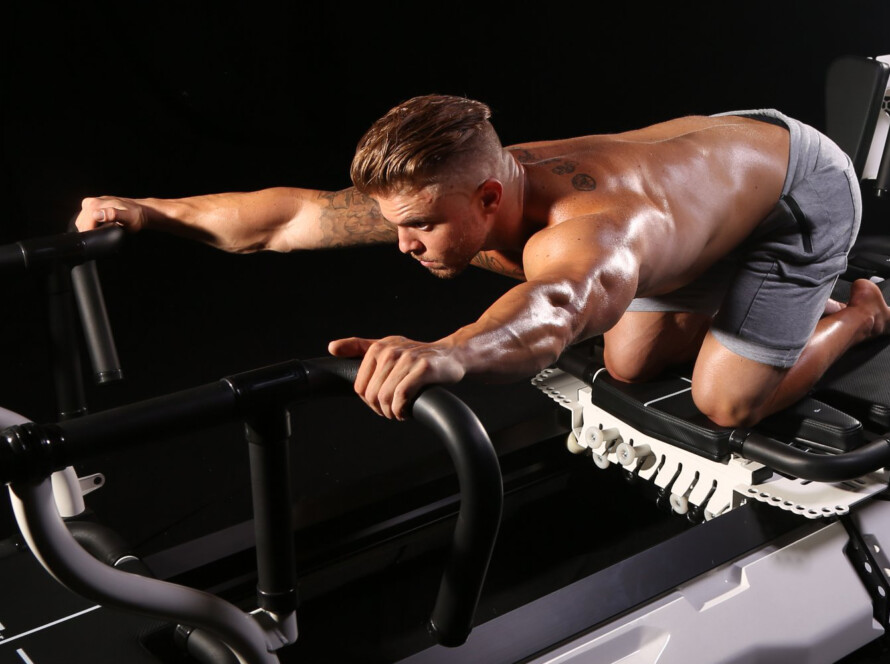
Lagree’s strength-training approach for people over 40 provides a safe, measurable progression and movement specificity that drives adaptation without relying on heavy loading or high-impact work. It does this through precise tempo prescriptions, autoregulated load steps, and integrated mobility checks so your sessions become predictable signals for growth, not guessing games that cost weeks of recovery.
How Do You Progress Without Piling on Weight?
Progression is a series of small, planned bets, not sudden leaps. We use defined microcycles — 4 to 6 weeks long—that change one variable at a time—tempo, range, or resistance—so you can track real strength gains without chasing bigger plates. The practical rule we teach is simple: add control first, then range, then resistance.
When any of those breaks down, regress immediately and rerun the same microcycle at higher quality to create repeatable wins and keep tissue load manageable.
What Do You Do When Recovery Is Limited or Fluctuating?
Treat each week as an autoregulated experiment. Pick one strength session where you aim for a controlled failure at two reps in reserve, then subsidize it with one mobility-driven session and one low-load stability day. Use short isometric and eccentric emphasis within sessions to create a demanding yet low-impact stimulus.
Those elements preserve capacity on bad weeks and accelerate progress on good ones, so training momentum survives life’s interruptions.
Why Focus on Movement Quality and Load Sequencing?
Poor sequencing hides compensation and anchors weak links into daily life. When we audit programming, the pattern is clear: routines that prioritise pace and volume over precise control leave clients with inconsistent strength and persistent niggles, especially those managing bone density or metabolic risk.
Fixing sequencing is like tuning a bicycle chain: minor adjustments keep everything running smoothly. In practice, that means weekly movement checks, a couple of baseline compound lifts, and a single, low-friction metric logged after class.
The Effort Illusion
Most people manage this by sticking with familiar high-rep class formats because they are easy to book and feel immediately tiring, which feels like work. That approach works in the short term, but as demand increases, consistency erodes and progress stalls.
Solutions like studios in London that teach Lagree methods centralise predictable session design, consistent regression rules, and instructor training, so load steps scale across clients while reducing flare-ups and preserving training rhythm.
How Does Lagree Address Age-Related Tissue Loss and Bone Health?
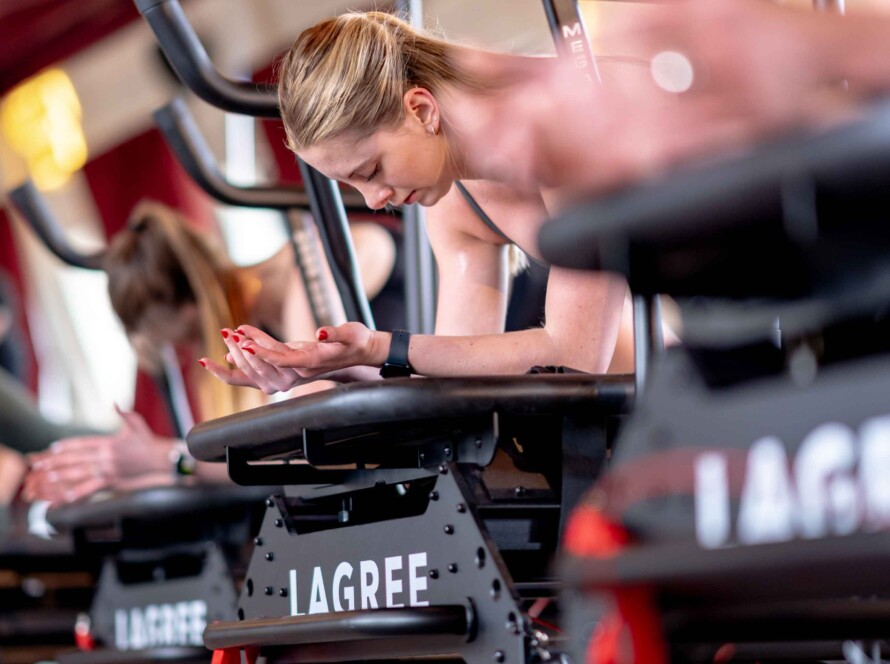
As we age, we naturally lose muscle mass due to sarcopenia, shifting the focus to rebuilding lean tissue through repeatable, stimulus-rich sessions that respect recovery. The slow, controlled resistance used in Lagree training stimulates bone adaptation while developing stability and coordination, both critical for fall prevention.
Practically, this means leaning into multi-planar holds, controlled single-leg work, and progressive resistance that challenges bone-loading angles without shock.
What Does Great Coaching Look Like on the Floor?
Coaches cue prescriptive micro-tasks, not vague hype. For midlife clients, we set targets such as “three controlled reps, two-second hold at the end range,” and we assess progress with short weekly checkpoints rather than vague effort cues. That language reduces anxiety and preserves form, thereby increasing adherence.
Good coaching also trains clients to self-regulate using one rule, for example, selecting a resistance that leaves two manageable reps in reserve, which keeps progression honest across fluctuating days.
A Practical Programming Checklist to Use Next Week
- Pick two compound movements to track across a 6-week block.
- Use tempo variations and a single load increment while maintaining form.
- Schedule one mobility/stability session and one recovery-oriented session each week.
- Log a single post-session number, such as last-set RPE or range quality.
These steps keep decisions simple and make adaptation visible without extra work. This approach is precise, measurable, and patient, but one booking detail quietly changes everything.
Book a Lagree Class in London Today
We know choosing the right program after 40 feels like guesswork, so try a single BLOOD, SWEAT & TEARS’ Lagree class in London as a low-stakes experiment and see whether guided strength training for women over 40 makes daily movement feel easier. If it clicks, we’ll help you fold targeted flexibility and steady resistance into a simple, sustainable routine that builds lean muscle and confidence without empty promises.
Related Reading
- Low Impact Exercise Machines
- Long Resistance Band Exercises
- Leg Strengthening Exercises for Seniors
- Arm Exercises for Women Over 50
- Low Impact Exercises for Knee Pain
- Joint Friendly Exercises
- Hip Strengthening Exercises for Seniors
- Low Impact Workouts for Seniors