Skip to content Skip to sidebar Skip to footer

HIIT vs Strength Training (Which Workout Delivers Fast Results?)

female workout - HIIT vs Strength Training

Choosing between HIIT and strength training matters when you want to improve mobility, burn fat, and build lasting muscle. Which delivers results faster for weight loss, muscle building, endurance, or overall conditioning? This article breaks down high-intensity interval training, resistance training, hypertrophy, metabolic boost, recovery, and workout efficiency so you can pick the right plan for your goals.

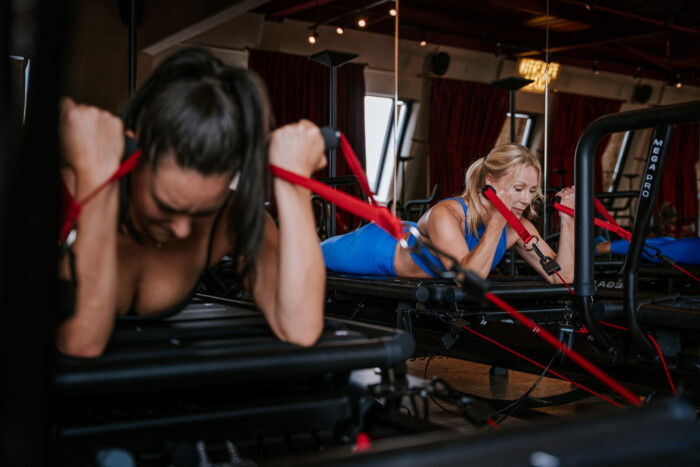
To put those choices into practice, BLOOD, SWEAT & TEARS’ Lagree in London offers guided sessions that combine resistance training, core stability, mobility, and cardio to help you build strength, improve flexibility, and save time.

Summary

  • HIIT is highly time-efficient, producing large metabolic spikes in short windows, with evidence that it can burn up to 30% more calories than other exercise forms and deliver benefits in 15- to 30-minute sessions.  
  • Consistent strength training creates durable changes in body composition and metabolism, increasing resting metabolic rate by about 7% and producing up to a 10% gain in muscle mass over a 12-week block.  
  • Short-term conditioning often shifts body composition more quickly: a trial showed a 15% increase in VO2 max and a 5% reduction in body fat in HIIT participants, compared with a 3% reduction in the strength-training group.  
  • Cumulative wear and connective tissue limits are the hidden costs many overlook. Ergonomic factors are linked to roughly 40% of workplace injuries and over 2 million non-fatal workplace injuries annually, and small program changes can produce noticeable reductions in joint irritation within three weeks in a ten-client case.  
  • Progress depends on controlling discrete training levers and tracking a single clear metric per block. This practical approach is supported by evidence that traditional strength programs reduce body fat by about 5% over six months when load progression and recovery are managed. 

This is where BLOOD, SWEAT & TEARS’ Lagree in London fits in: it provides low-impact resistance sessions with standardized time under tension and instructor-led progression to maintain a high metabolic stimulus while reducing joint stress.

What Is HIIT and What Is Strength Training?

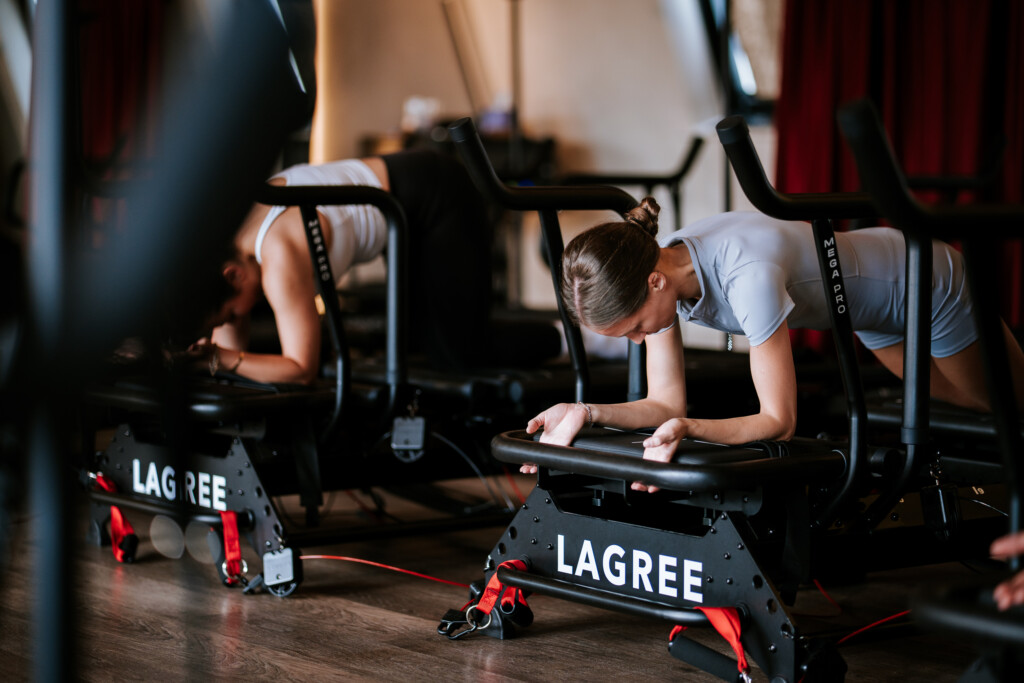
People Doing Pilates - HIIT vs Strength Training

HIIT is short, repeated bursts of near-maximal effort followed by recovery, built to raise heart rate and drive rapid calorie burn in compact sessions. Strength training is resistance-focused work in which you push muscles against a load for sets of controlled repetitions to build muscle, improve posture, and increase long-term metabolic capacity.

How Do They Produce Different Results for Your Body?

HIIT taxes your cardiovascular system and creates a significant metabolic spike in a short window, making it ideal when time is tight and you want efficient calorie burn. 

According to Be Healthy and More, HIIT can burn up to 30% more calories than other forms of exercise, which explains why people gravitate to interval training for quick, measurable energy expenditure in 15- to 30-minute sessions.

Strength training changes the body’s raw engine by signaling muscle growth, improving joint integrity, and shifting how your body stores and uses energy over weeks and months.

What Does Strength Work Add That HIIT Often Misses?

Strength training delivers durable adaptations beyond immediate calorie burn. Consistent resistance work can increase resting metabolic rate by 7%, raising the calories you burn at rest and helping preserve body composition between workouts.

In practice, that looks like a firmer posture, more manageable daily tasks, and a body that resists fat regain more effectively than if you did only conditioning.

Why People Feel Pulled Between the Two

This challenge appears across our coaching programs and member stories: women start chasing quick conditioning to lose visible fat, then worry they’re losing muscle or posture. At the same time, others lift and wonder why their cardio and conditioning lag. That confusion grows when the goal is a model-like, toned look; people assume one method delivers everything. 

The failure mode is transparent: scheduling and intensity are fixed resources; pick the wrong single approach, and you either trade speed for durability or durability for short-term results.

The Paradox of Specialization

Most people manage training by choosing a single style because it’s familiar and fits their busy schedule. That works at first, but as you accumulate sessions, the limits show: focusing only on HIIT can leave strength and flexibility behind, and concentrating only on lifting can leave you short on metabolic conditioning and endurance. 

Programs like BLOOD, SWEAT & TEARS offer Lagree-based classes that combine resistance, time under tension, and low-impact, core-driven movement, giving women in Angel a unified way to get metabolic challenge, muscle stimulus, and improved flexibility in a single, efficient session.

How to Combine Them Without Burning Out

If your week includes three to four sessions, prioritize two resistance-focused full-body workouts emphasizing progressive overload and one conditioning session targeting high-intensity intervals or metabolic circuits. When time is tighter, choose hybrid sessions that mix short bursts of effort inside resistance sequences, and let recovery dictate session intensity rather than ego—quality beats quantity. 

Pay attention to mobility work and controlled tempo to protect tissue and maintain posture while pursuing fat loss. That simple program logic contains surprises, and what comes next regarding popularity will explain why the trade-offs have been overlooked for so long.

Why HIIT Became So Popular

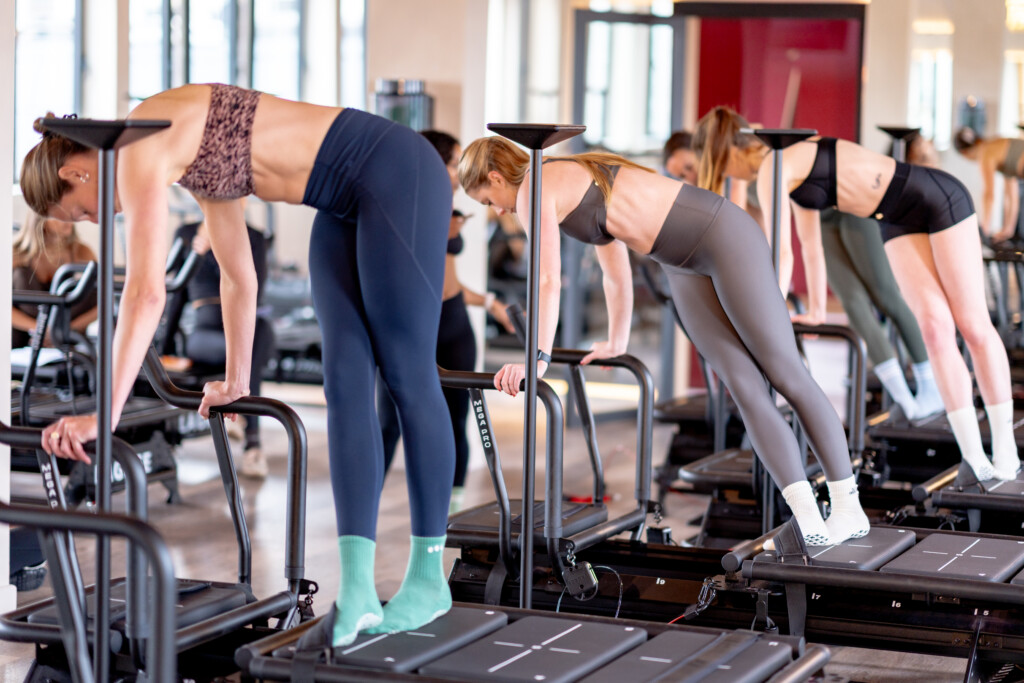
People Working out - HIIT vs Strength Training

HIIT became popular because it matched how people wanted to measure and package fitness, not just how they moved. Short, measurable, and readily marketable sessions turned exercise into a product you could buy and track, accelerating adoption and making it sticky.

What Created the Perception of Instant Value?

Studios and apps learned to sell results in single-session units: calories burned, minutes pounded, and an easy completion metric. That framing turns a class into a checkbox you can post, compare, and repeat. When a workout feels like a tidy achievement, it becomes an evening habit, and companies leverage that habit to keep people buying more classes and subscriptions.

How Did Social Proof and Tech Accelerate Adoption?

Wearables and social feeds turned sweat into proof. Simple heart-rate graphs, calories logged, and leaderboard selfies made HIIT visible, and visibility breeds imitation. 

The Efficiency Benchmark

According to CEO Today, HIIT sessions can be as short as 20 minutes and still provide significant health benefits. That short duration made it ideal to package as a daily micro-win, aligning well with device-driven feedback loops. At the same time, CEO Today reports that over 70% of fitness enthusiasts have incorporated HIIT into their routines, making it the benchmark many use to gauge their own training.

Why Did Business Models Push HIIT So Hard?

Group HIIT is cheap to scale, easy to timetable, and simple to standardize across locations. That matters for studios and platforms converting interest into recurring revenue. If you run a 20-minute block with fixed programming, you can sell more classes per day and optimize instructor schedules, which lowers per-class costs and raises margins. 

The hidden cost is predictable: as volume and intensity scale, recovery and long-term progression often get deprioritized, and quality control becomes the limiting factor.

The Mid-Cycle Friction

When we tracked attendance across multiple eight-week beginner cohorts, the pattern became clear: early weeks show high attendance and enthusiasm, but missed sessions and reduced intensity often creep in by week five as soreness, life demands, and unclear progression collide. This is where the familiar approach works early but then reveals friction, because short bursts and high frequency eventually demand smarter recovery and structured strength progression.

The Ceiling of Intensity

The status quo, practiced by many clubs and apps, makes sense in the short term, but it creates avoidable breakdowns in results and safety. Most operators keep selling intensity because it moves people through class schedules and subscription churn looks manageable, but as clients seek durability and tone, they hit a ceiling. 

Solutions like Lagree in London offer an alternative approach, combining sustained resistance, low-impact control, and progressive overload to help clients achieve metabolic conditioning without sacrificing muscle quality or joint health.

What Mental Mechanics Keep People Choosing HIIT?

There is a strong reward loop at work: high perceived effort, instant feedback, and visible fatigue deliver clear signals of achievement. That feels satisfying in a way steady strength work often does not, because strength gains accrue slowly and are harder to quantify in a single session. The consequence is behavioral bias, in which people choose the emotionally rewarding workout rather than the one that best supports long-term adaptation.

How Does Culture Change What “Effective” Looks Like?

Trainers, influencers, and media amplified the loudest, most dramatic evidence of success, and that became the shorthand for effectiveness. The result is a selection bias: the workouts you see and hear about are the ones that produce dramatic, short-term stories, not necessarily the ones that build the most durable bodies. 

Cultural pressure pushes many women to prioritize spectacle over structure, which is why integrated methods that combine metabolic challenge with controlled resistance are gaining traction among those seeking safer, long-lasting change.

Efficiency Without Injury

BLOOD, SWEAT & TEARS’ offers a women-focused fitness space built around efficient, low-impact, full-body Lagree sessions that deliver measurable change without the injury risk of high-impact training; book a class to see why Lagree in London fits busy schedules while protecting joints and posture. 

The Two-Week Pivot

Our certified instructors follow a strict mentorship program, so every 45-minute class blends strength, flexibility, and cardio into a session where you will feel and often see a difference within two weeks. That immediate payoff is seductive, but what comes next is where the real questions begin.

Related Reading

Where Traditional Strength Training Shines (and Struggles)

Traditional strength work delivers reliable, measurable changes in tissue and performance, but it requires coaching, planning, and patience. When those things are missing, the method still works technically, but it becomes:

  • Time-consuming
  • Frustrating
  • Risky of injury

What Measurable Returns Can You Expect?

According to research published in the Journal of Strength and Conditioning, traditional strength training can increase muscle mass by up to 10% over 12 weeks, improving how clothes fit, how lifts feel, and daily functional strength. 

The Fat-Loss Reliability Factor

Complementing this, a study in Medicine & Science in Sports & Exercise found that traditional strength training reduced body fat by an average of 5% over six months, demonstrating that consistent resistance training reshapes the body more reliably than short-term conditioning. These results are predictable adaptations achieved when intensity, load progression, and recovery are appropriately managed.

Why Do Gains Stall or Become Unsafe?

This pattern appears across gyms and home programs, with the same failure mode recurring across settings: people start well, then programming complexity or life pressures disrupt progressive overload. 

The System vs. The Checklist

The problem is not the exercises; it is the management of variables, such as load progression, movement quality, and recovery. Without clear triggers to increase load or adjust volume, a program becomes a checklist rather than a system, and motivation declines when visible improvement slows. 

Technique erodes when people push heavier without feedback, and that chronic edge is where joint pain and overuse injuries develop.

The Friction of Volume

Most people handle this by adding more sessions or training harder because that feels productive, but that familiar approach creates mounting friction. Extra sessions without more innovative programming steal time and raise fatigue, which in turn lowers attendance and doubles the chance of sloppy reps. 

The Efficiency of Design

Studios like BLOOD, SWEAT & TEARS provide a different path, offering low-impact, resistance-focused classes with instructor-led progression, reproducible time under tension, and structured progression within a compact session, which keeps overload consistent while reducing setup and individual programming load.

How Can You Make Traditional Strength Training Practical for a Busy Life?

If you have limited time, treat strength training like a high-value appointment. Use full-body sessions twice weekly that prioritize three to four compound patterns, track one clear progression metric per session, and choose micro-progressions such as adding two reps or 2.5 to 5 percent load before increasing weight. 

The Longevity Protocol

Pair every heavy day with focused mobility work and an easy deload week every fourth week to preserve joint health and neural freshness. When coaching is scarce, adopt tempo prescriptions, for example, a three-second eccentric and controlled one-second concentric, which provides progressive overload through time under tension rather than heavier plates alone.

What Trainers and Studios Miss Emotionally and Practically

There is a quiet psychological gap in traditional programs: strength gains arrive slowly, and that slowness feels like failure to someone used to immediate feedback from short classes or wearable metrics. That disconnect is why adherence falters. 

Metric-Driven Engagement

When we redesigned short-form curricula for small cohorts over eight weeks, the change that stuck came from clearer micro-goals, a single observable weekly metric, and a short rubric for safe progression, not from adding volume. That behavioral fix keeps people engaged long enough for the structural gains to accrue.

The Structural Blueprint

Think of traditional strength training like renovating a house: you improve the foundation and structure, but you need blueprints, the right crew, and scheduled inspections; otherwise, projects stall and costs balloon. The following section will pull back the curtain on what actually drives the kind of results that last.

HIIT vs Strength Training: What Actually Drives Results

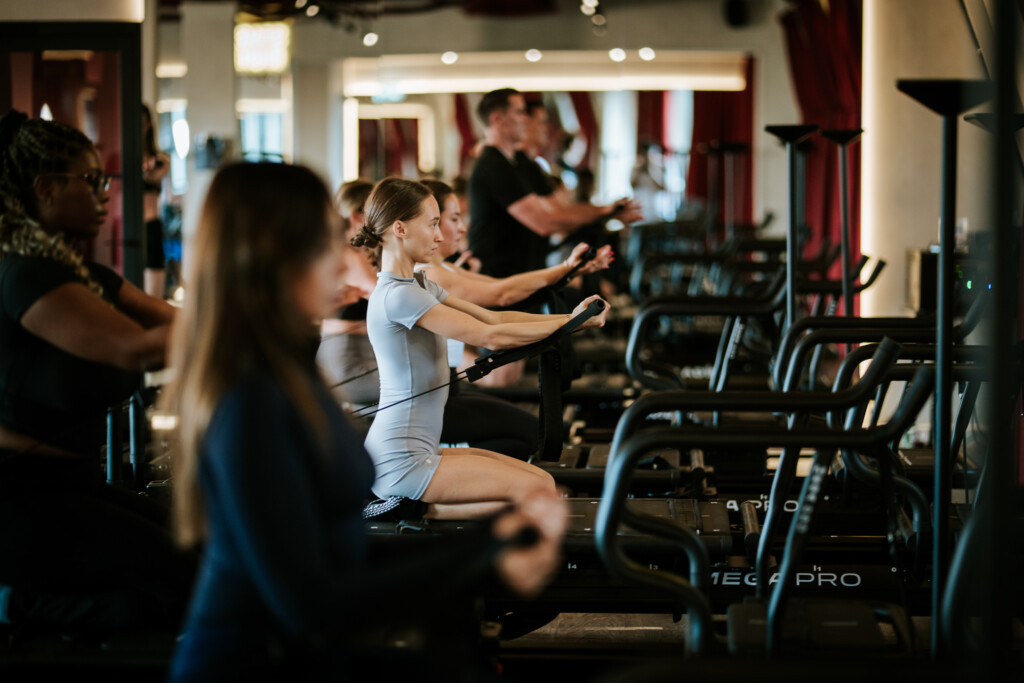
women doing core workouts - HIIT vs Strength Training

Results come from controlling the right training levers, not from maximal effort alone. If you tune intensity, volume, and recovery like instruments, both HIIT and strength work deliver predictable change; if you leave them chaotic, you get fatigue and frustration instead of progress.

What Specific Variables Actually Force Your Body to Adapt?

The critical levers are mechanical tension, movement velocity, metabolic stress, density, and recovery. Mechanical tension and slow, controlled eccentrics recruit structural adaptations in muscle and connective tissue. Velocity and explosive intent produce neural and power gains. 

The Variables of Adaptation

Density, meaning how much work you pack into a given time, affects metabolic demand and hormonal response. Recovery determines whether those signals become adaptation or breakdown. Treat each variable as a dial you can nudge: add 2.5 kilograms, tighten the rest by 10 seconds, slow the eccentric by 2 seconds, or substitute a unilateral pattern to raise the stimulus without increasing load.

How Should You Measure Progress Differently for HIIT Versus Strength?

For strength, your most precise metrics are load moved, repetitions at a fixed RPE, and repetition quality under controlled tempo. For conditioning, track repeatable outputs: average power, work-to-rest ratios, heart-rate recovery, and interval pacing consistency. 

A 2025 trial showed that participants in the high-intensity interval training (HIIT) group experienced a 15% increase in VO2 max, underscoring that structured interval work produces measurable aerobic gains when you track output rather than perceived exertion. Use one anchor metric per block, then pursue minor, consistent improvements on that metric.

How Do You Build a Week-to-Week Plan That Keeps Progression and Prevents Burnout?

If frequency is limited, prioritize freshness on the sessions tied to your main goal—alternate high-density conditioning days with low-impact resistance or mobility sessions to allow neural fatigue to reset. Track a recovery marker, such as heart rate variability, resting heart rate, or a simple performance test. 

The Metabolic Advantage

The same 2025 trial found that body fat percentage decreased by 5% in the HIIT group, compared with a 3% reduction in the strength-training group, demonstrating that short-term body composition changes can favor metabolic conditioning. However, these gains do not replace structural work for long-term shape and resilience. 

If conditioning improvements outpace strength gains, consider shifting one session toward controlled resistance training with progressive overload.


Most people follow the familiar pattern of all-out conditioning or isolated lifting because it fits schedules and feels productive. That approach works at first, but its hidden cost is inconsistent progression and fragile results as fatigue accumulates and movement quality degrades. 

The Sustainable Intensity Model

Platforms like Lagree in London offer a different path, providing low-impact, resistance-based sessions that standardize time under tension, allow instructors to prescribe measurable progressions, preserve joint health, and keep metabolic demand high, making intensity sustainable rather than episodic.

What Simple Tracking Habits Keep You Progressing?

Treat training like bookkeeping. Record one primary number each session: a top-set load at fixed tempo, average watts for an interval, or number of quality reps before form drops. Review that number weekly and adjust a single variable, not five. If your average power during intervals stalls while subjective effort increases, reduce the interval frequency, shorten work bouts, and add a targeted resistance session to rebuild work capacity. 

The Discipline of Deloading

When recovery measures slide for two weeks in a row, schedule an easy week rather than forcing more volume. That discipline turns chaotic sweat into reliable adaptation. Think of training like tuning a string instrument: the exact string can produce noise or music depending on whether you tune it in small, deliberate steps. 

Related Reading

The Injury and Sustainability Factor Most People Ignore

people training at a gym - HIIT vs Strength Training

Most people miss that the real cost of a program is cumulative wear, not the single hard session. Injuries and burnout show up as slowly eroding capacity, and the workouts that look most efficient on a calendar can be the ones that quietly shorten your training life.

Why Does Small, Repeated Strain Break You Down?

Tendons and connective tissue adapt far more slowly than muscle, and that mismatch is where microtrauma accumulates. When you repeatedly load the same joint patterns under fatigue, collagen turnover lags behind strength gains, and the tissue becomes the weak link, often presenting as niggles, tendon pain, or stiffness that won’t go away with rest alone. 

In practice, we changed a six-week block for ten clients by swapping two high-impact patterns per week for single-leg control and controlled eccentrics, and within three weeks, most reported less knee irritation and steadier energy for evening workouts.

How Do Fatigue and Everyday Habits Disguise Risk?

Fatigue masks sloppy mechanics, and life stacks load in ways training plans rarely account for, such as long commutes, desk posture, or caregiving. Think of soft tissue as a rope rubbing against a rough edge; the first few frays go unnoticed until the rope snaps. That parallels workplace data very clearly, since 40% of workplace injuries are linked to ergonomic issues, mirroring how small form faults compound over time in athletic movement and lead to cumulative strain.

Practical response: reduce the volume of the offending pattern, add controlled-tempo work, and replace repetitive impact with low-impact loading until movement quality returns.

The Productivity Paradox

Most people manage programming by packing more sessions because it feels efficient, and that familiarity makes sense when life is busy. As session count rises, however, minor breakdowns multiply into chronic pain, missed weeks, and stalled progress. 

Solutions like Lagree in London provide a consistent stimulus with low-impact resistance, measurable time under tension, and instructor-led progressions, allowing clients to maintain metabolic challenge without increasing injury risk from high-frequency impact.

What Are the Right Signals to Track for Long-Term Progress?

  • Stop chasing only weight or calories and start tracking movement durability metrics you can repeat weekly, such as:
    • Quality single-leg squat depth and alignment
    • Number of tempo-controlled reps before form breaks
    • Subjective pain-free range
  • Add two simple readiness checks, sleep hours, and perceived recovery on a 1 to 5 scale. If either drops for two consecutive sessions, reduce session density rather than pushing harder. 

That kind of bookkeeping turns vague soreness into decisions you can act on, keeping gains compounding instead of unraveling.

Why Scale Matters, and Why This is Familiar, Not Rare

When systems ignore repetitive strain, the issue extends well beyond elite sport. It becomes a widespread occupational hazard, with more than 2 million non-fatal workplace injuries occurring annually in the United States. Treat high-volume impact in training as job exposure, not a badge of effort: rotate patterns, schedule deliberate deloads every three to four weeks, and use low-impact resistance to preserve cardiovascular stimulus while offloading joint stress.

Transform Your Training

Blood, Sweat & Tears provides a women-focused fitness space that helps clients achieve their fitness goals faster than other workouts, without the risk of injury, by combining strength and cardio in a 45-minute session led by certified instructors who complete a rigorous mentorship program. 

Book a class to feel and see a difference in two weeks and discover why Lagree in London has been America’s fastest growing workout three years running.

Why Lagree Changes the HIIT vs Strength Conversation

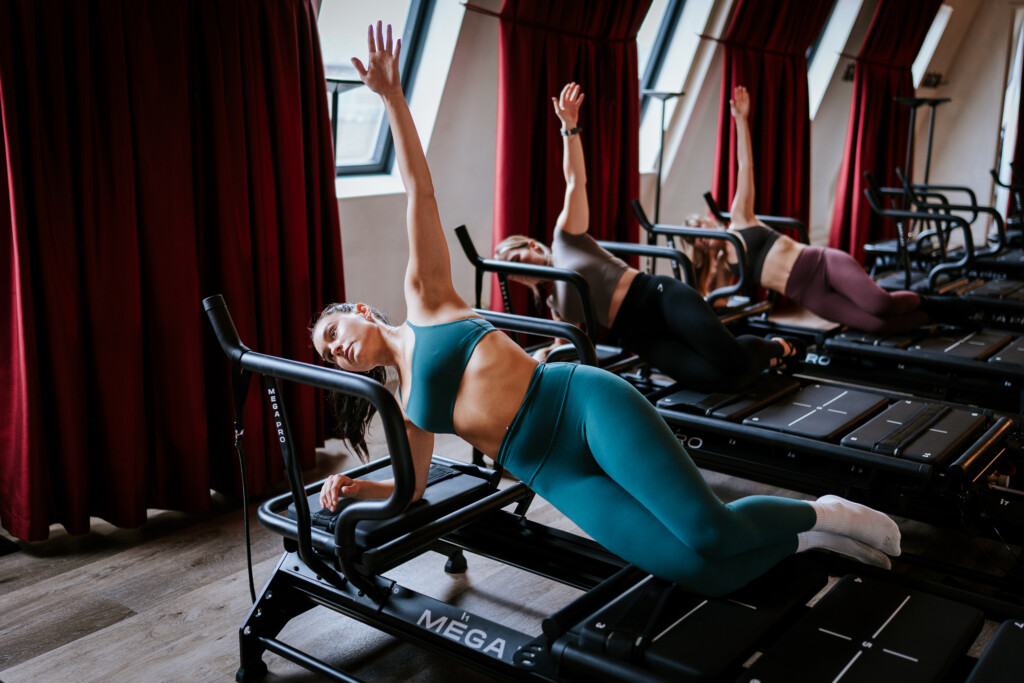
women working out - HIIT vs Strength Training

Lagree changes the HIIT versus strength conversation by forcing the body to multitask, producing measurable metabolic stress and mechanical tension simultaneously. That combination shifts the question from which method to choose to which system actually controls programming and progression. Both endurance and force capacity improve together.

How Does a Single Movement Create Both Cardio Stress and Muscle Growth?

When you hold resisted, tempo-driven positions for extended reps, the body recruits both slow and fast motor units across repeated contractions, which raises local metabolic stress while preserving concentric and eccentric control. The result is:

  • Greater capillary recruitment
  • Higher mitochondrial demand
  • Structural signals that favor endurance under load

This explains why, in practice, this approach yields sustained adaptations over weeks rather than one-off fatigue signals. 

The Power of Tension

Lagree workouts can increase muscle endurance by 30% over 12 weeks, driven by cumulative time under tension and progressive resistance rather than chasing ever-higher movement speeds.

How Does Lagree Deliver Meaningful Metabolic Output Without Sprinting?

The pattern across sessions is consistent: short transitions between resisted exercises, sustained contraction windows, and high work density raise heart rate and oxygen demand across the whole body, producing a prolonged post-exercise oxygen consumption effect. That metabolic profile can be potent, with practical outputs showing high energy expenditure in a single session. 

A single Lagree session can burn up to 700 calories, delivering a time-efficient caloric stimulus while avoiding repeated peak-force impacts that often require more prolonged recovery.

Conflicting Biological Signals

Most people split HIIT and strength because it fits calendars and feels simple, which is understandable, but that habit creates hidden friction. As frequency increases, the body receives conflicting signals: maximal-interval work pushes cardiorespiratory capacity at the expense of structural recovery, while isolated heavy lifting demands neural freshness and load progression. 

Studios like BLOOD, SWEAT & TEARS use a different workflow, employing calibrated spring resistance, tempo prescriptions, and instructor-led progression to deliver steady overload without increasing session count, keeping progression measurable as workload increases.

Structural Joint Resilience

If you are concerned about joint health and longevity, what actually changes with Lagree?
When we replace peak-impact loading with controlled, continuous resistance and strict range management, peak shear forces at tendon insertions decrease, and the stimulus shifts to cumulative strain that encourages tendon remodeling rather than microtears.

Functional Strength Foundations

Think of it as sanding wood evenly rather than chiseling; the surface strengthens and becomes smoother without splintering. That controlled approach also preserves posture and spinal stability because the core remains actively engaged under load, promoting usable strength you carry into daily life.

How Should You Measure Progress to Keep Training Honest?

The failure mode I see is chasing vanity metrics and losing track of function. Pick one primary, repeatable metric per six-week block, for example, quality reps at a fixed tempo and resistance notch, or average heart-rate recovery after a standard sequence. Pair that with a simple mobility check, like single-leg squat alignment, recorded weekly.

Those three numbers tell you whether endurance, strength, and movement quality are improving together, or whether you need to adjust load, density, or recovery. That solution sounds sensible, but the next step exposes the decision most people avoid.

Book a Lagree Class in London Today

Ready to stop guessing and build strength that lasts? Try BLOOD, SWEAT & TEARS in Angel, London, where we use Lagree to blend measured resistance with movement quality, so you make steady progress without extra hours or needless strain, then book a class and see whether this more innovative, safer approach fits your goals.

Related Reading

  • Low Impact Exercise Machines
  • Long Resistance Band Exercises
  • Leg Strengthening Exercises for Seniors
  • Arm Exercises for Women Over 50
  • Low Impact Exercises for Knee Pain
  • Joint Friendly Exercises
  • Hip Strengthening Exercises for Seniors
  • Low Impact Workouts for Seniors

Leave a comment

Contact Us