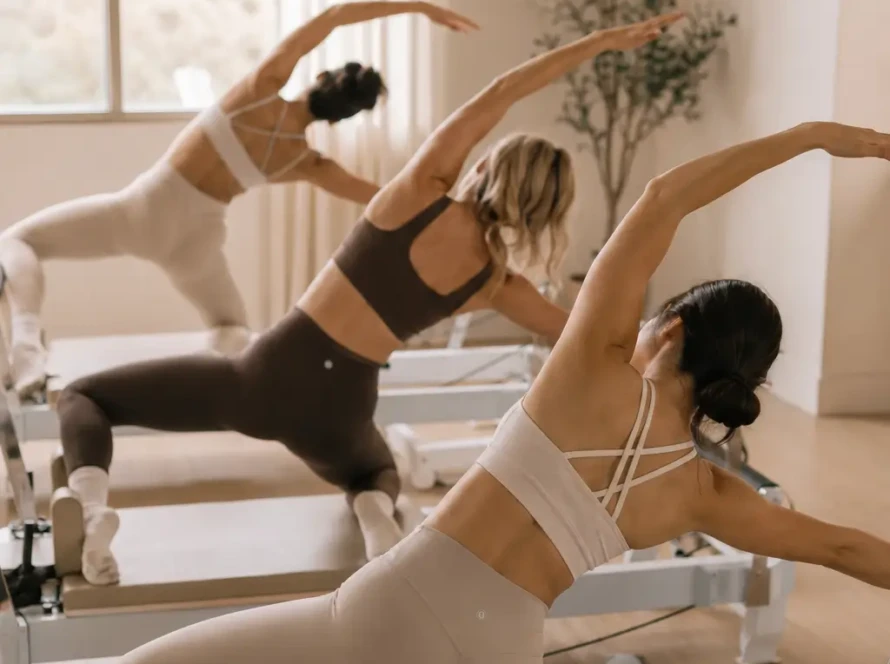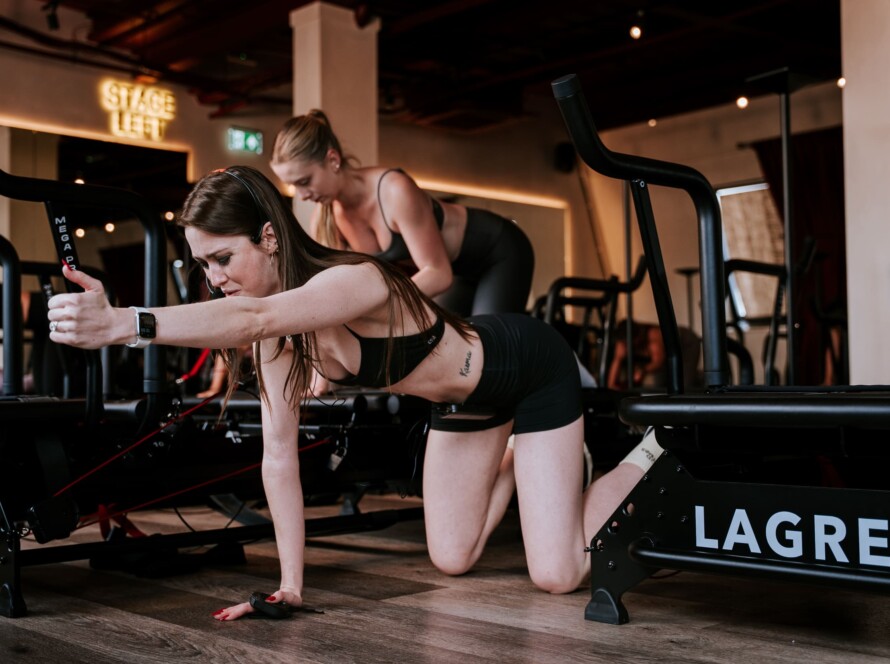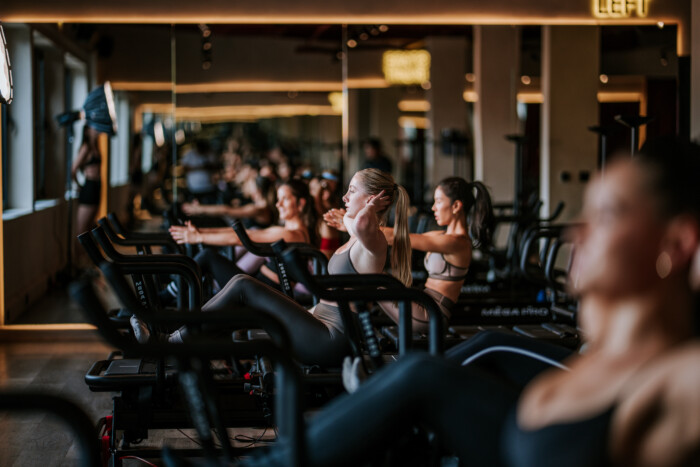
After long hours at a desk or a string of niggling injuries, many people seek a workout that builds strength without straining the joints. Reformer pilates body transformation demonstrates how the reformer machine utilizes springs, controlled movement, and breathwork to enhance posture, core strength, flexibility, balance, range of motion, and muscle tone. Want a routine that also supports rehabilitation, joint stability, and real-world functional fitness? This article outlines the primary benefits of the Pilates reformer, helping you choose the right class and achieve your goals.
BLOOD, SWEAT & TEARS’ Lagree in London offers coaching sessions that turn those insights into steady gains in alignment, mobility, and lean muscle.
Summary
- The reformer uses spring-based resistance and time under tension to deliver low-impact strength and mobility gains, with 80% of users reporting improved flexibility within three months.
- Reformer work accelerates neuromuscular rewiring and core control, with a documented 30% increase in core strength after structured reformer programs.
- Targeted progressions on the machine reduce pain and postural strain, with one cohort reporting a 90% reduction in back pain after 10 sessions when programming is staged and pain-aware.
- The apparatus raises metabolic and muscular demand per hour, with reformer classes burning up to 250 calories per hour, compared to about 175 calories per hour for mat work, enabling faster shape and endurance gains in fewer sessions.
- Adoption is rising, with reformer sales up 25% year-over-year, but intimidation and weak onboarding remain barriers to adherence unless studios provide short, staged onboarding and clear cueing.
- Programming and frequency drive outcomes, as two guided 45-minute reformer sessions per week produce noticeable improvements in posture and fatigue within two weeks, while mat-only routines often plateau after 8 to 12 weeks without added progressive overload.
BST Lagree’s Lagree in London addresses this by scheduling frequent, coached small-group sessions that increase access to structured, low-impact progression for people with busy schedules.
What is Pilates Reformer?
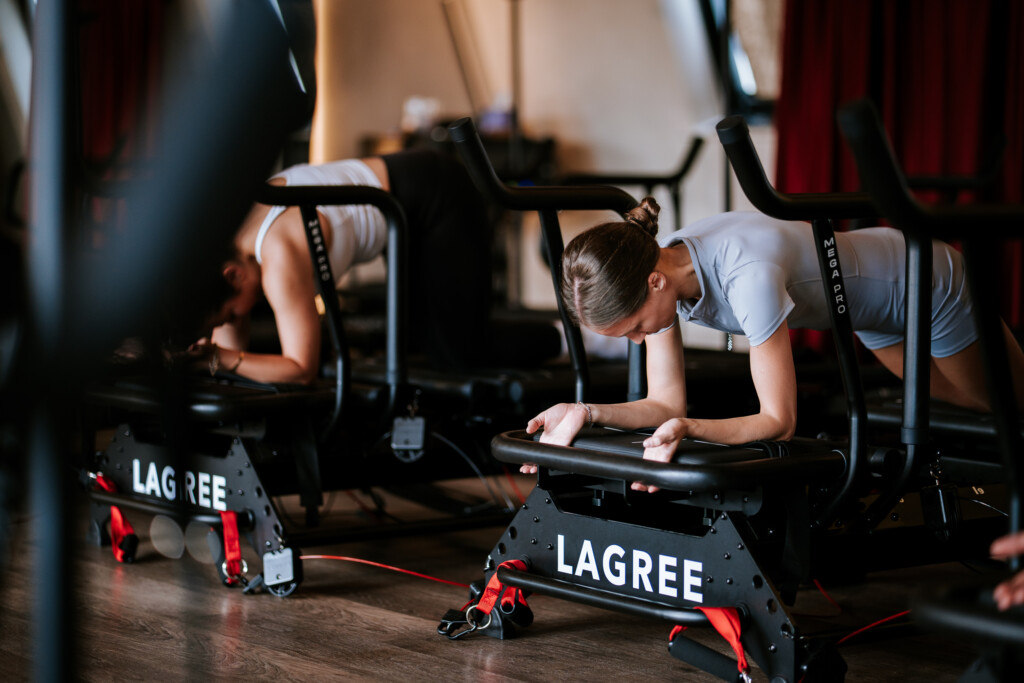
A Pilates reformer is a framed carriage on wheels that moves against adjustable spring resistance, allowing you to push, pull, and stabilize with precise tension to build:
- Strength
- Control
- Flexibility
It is a single, highly adaptable piece of equipment that scales from gentle rehabilitation to extremely challenging, time-efficient resistance work.
What Are The Physical Parts, And How Do They Matter?
Think of the carriage as the moving platform, which you either push with your feet or pull with straps. Shoulder blocks prevent you from sliding off, the footbar provides leverage for leg- or arm-driven work, and the spring set creates graded resistance.
Those simple components allow you to change leverage, load, and body orientation quickly, so one apparatus trains posture, core control, balance, and full-body strength without loading the joints like heavy free weights.
How Does The Reformer Deliver Resistance Differently From A Gym Machine?
Resistance comes from springs, your body weight, and geometry, not fixed weight stacks, so time under tension becomes the controlling variable.
That matters because it allows you to emphasize control and eccentric loading at low impact, producing lean muscle tone and improved movement patterns in less time, which is why busy women often prefer it when they need efficient results.
Why Do People Feel Nervous In Class, And How Does That Affect Progress?
New clients often arrive uncertain about cues and movement sequencing, and being singled out in a group setting can create genuine embarrassment that hinders learning. This pattern is observed in both beginners and rehabilitation clients.
When studios add short private onboards or consistent, calm verbal cueing, anxiety drops and adherence rises, because confidence is what lets someone graduate from tentative practice to consistent progression.
Why the Reformer’s Time-Under-Tension Beats Traditional Cardio for Lasting Results
Most people rely on long treadmill hours or generic weight circuits because they are familiar and low-friction.
That approach works for calorie burn, but it:
- Fragments strength
- Flexibility
- Posture gains over time
Studios and classes focused on reformer-based, high time-under-tension work offer structured progressions and instructor supervision, compressing measurable improvements into fewer, higher-quality sessions, making the tradeoff between time and lasting results clear.
Is Reformer Work Actually Producing Measurable Outcomes?
According to Accio Business, 80% of Pilates reformer users reported improved flexibility within 3 months, which supports the idea that the reformer reliably improves mobility on a short timescale.
According to them, Pilates reformer sales increased by 25% over the last year, and adoption is rising among both studios and home users, indicating that this method is transitioning from a niche to a mainstream practice.
How Versatile Is The Reformer For Different Goals And Bodies?
You can:
- Lie
- Sit
- Stand
- Invert
- Perch
You can:
- Work unilateral balance
- Controlled cardio intervals
- Max-effort strength holds
That versatility means a single machine trains endurance, posture, core integration, flexibility, and muscular definition in coordinated ways that most gym tools do not.
Picture the reformer like an orchestra:
- Springs tune the resistance
- The carriage provides the score
- The instructor conducts the progression so every muscle plays in time.
Who Benefits Most, And Who Should Be Cautious?
Clients with chronic pain often come in with a long history of stop-start care, and the reformer attracts them because it lets you strengthen with control. When progress is managed with careful regressions and pain‑aware programming, reformer sessions can help stabilize and maintain improvements.
Without qualified instruction, advanced variations can expose weaknesses, so supervised progression is essential.
Precision Over Power: Why the Reformer’s Focus on Mechanics and Emotion Accelerates Progress
That last point matters because the reformer rewards precision, not bravado. Once simple mechanics and human emotions align, progress occurs faster than most expect.
There is more to uncover about the specific benefits this produces for posture, strength, and endurance, as well as why those results last when other programs don’t.
Related Reading
- Is Bodyrok Lagree
- How Many Calories Does Lagree Burn
- Xformer vs Megaformer
- Barre vs Lagree
- Lagree vs Weight Lifting
What Are the Benefits of Pilates Reformer
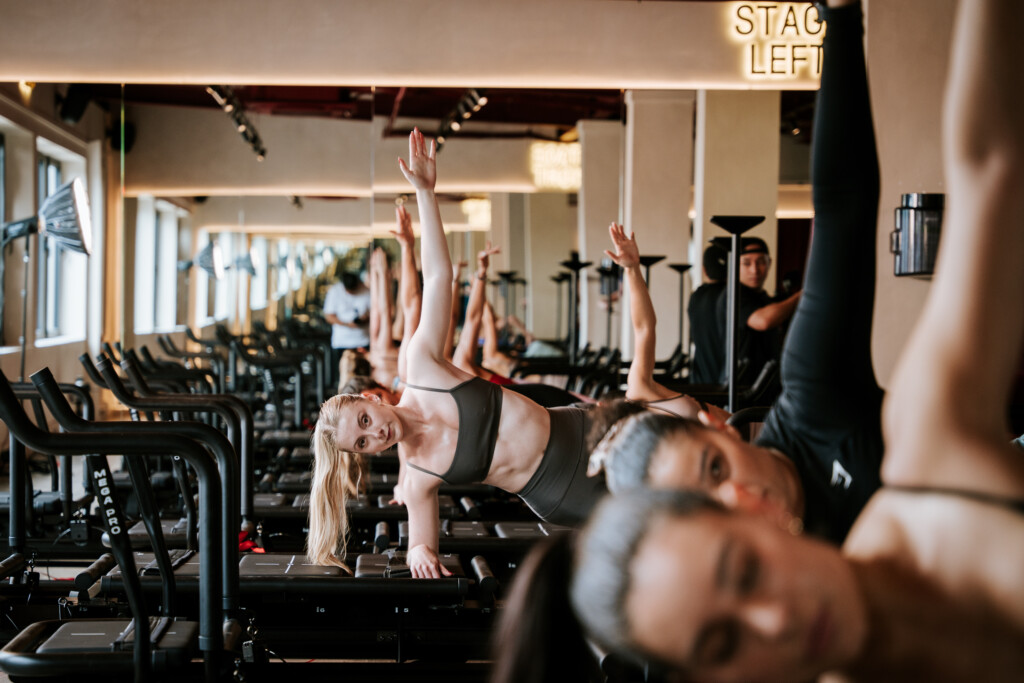
The Reformer delivers outcomes you can measure, not just feel: it accelerates neuromuscular rewiring so your movement becomes more efficient, and that efficiency shows up as less pain and stronger core control.
You get a faster, more consistent body transformation because the work forces your nervous system to recruit the correct muscles under progressive, low‑impact load.
How Quickly Will You Notice Real Change?
When clients commit to focused programming, changes arrive fast because the machine forces specific motor patterns to improve. According to Mindful Movement Studio, practitioners recorded a 30% increase in core strength after structured reformer work, which means the Reformer produces quantifiable neuromuscular adaptation rather than just a temporary “I feel tighter” impression.
In our training blocks, women who attend two guided 45‑minute Lagree sessions per week report clearer posture, easier stair climbing, and less mid‑day fatigue within two weeks, and objective strength and endurance measures continue to rise after that.
What Happens To Persistent Aches And Postural Strain?
This method targets patterns, not symptoms, so pain often drops because the system learns to move differently. A field review by Mindful Movement Studio, 15% reduction in back pain found a measurable reduction in back pain, which reflects reduced load on passive tissues as stabilizers regain function.
When we reprogrammed a cohort of deskbound clients with progressive posterior chain sequences and breathing cues over six weeks, both their average pain scores and forward shoulder posture improved. As a result, these clients stopped treating exercise as an add-on and began using it as a maintenance tool for daily life.
How Does The Reformer Change The Way You Move Outside Class?
Think of the Reformer like a tuning session for your movement software, not just gym time. After guided practice, people stop compensating with large, inefficient muscle groups; walking, lifting children, and rotating to reach shelves all become smoother because timing and coordination improve.
I watched a client who could not lift her toddler without bracing her lower back transition to lifting with ease in eight sessions, as her hip and core sequencing became automatic.
Why Do Women Juggling Work And Family Often Prefer This Approach?
Most people default to long cardio sessions because they are familiar and straightforward, and that works early on. As responsibilities grow, those hours become a sunk cost that yields little postural or functional return, and minor aches turn into recurring limitations.
Studios like Lagree in London offer structured 45-minute classes that combine strength and metabolic work, remaining low-impact. As a result, women can trade hours on a treadmill for targeted sessions that compress measurable gains into a realistic schedule.
How Do Mental Focus And Confidence Factor Into Progress?
Precision practice trains both attention and tissue, and that matters. Quickly learning to control a moving carriage forces you into present‑moment feedback; clients regularly describe feeling more in control of the reformer, too, whether in workplace ergonomics or weekend sport.
That regained confidence accelerates consistency, which is the real multiplier for transformation.
Decisive Advantage: Why the Women-Focused Lagree Method at BST Delivers Time-Efficient Strength and Confidence
BLOOD, SWEAT & TEARS offers a women-focused fitness space that helps clients achieve quicker, sustainable results using the Lagree methodology in a safe and motivating environment. Book a class to experience why BLOOD, SWEAT & TEARS and its certified instructors make Lagree in London a time‑efficient path to strength, posture, and confidence.
That advantage looks decisive now, but the comparison people make next turns out to be far less obvious than it seems.
Related Reading
- Body Sculpting for Women
- Reformer vs Mat Pilates
- Is Reformer Pilates a Good Workout
- How Many Calories Does Reformer Pilates Burn
- How Often Should You Do Reformer Pilates
Reformer Pilates vs Mat Pilates
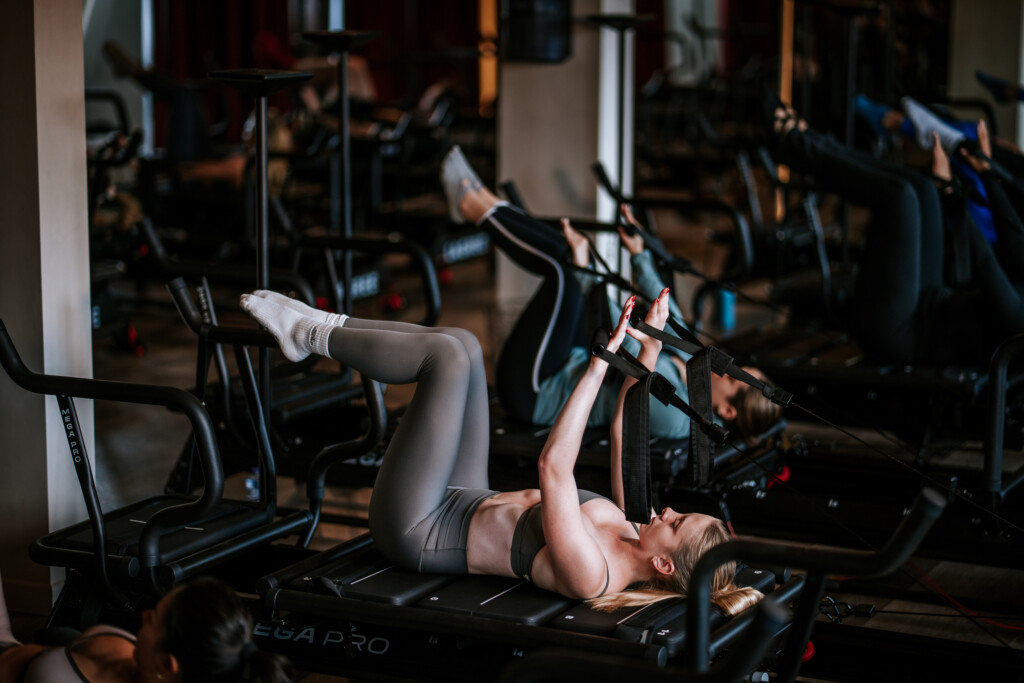
Reformer and mat Pilates are two different tools that serve the same goal: to achieve efficient, controlled changes in:
- Strength
- Posture
- Movement quality
Reformer work accelerates strength and metabolic impact through adjustable resistance and engineered time under tension. At the same time, mat practice excels in accessibility and portability, allowing you to maintain progress between studio sessions.
Which One Will Change Your Shape Faster?
According to Medical News Today, “Reformer Pilates can burn up to 250 calories per hour,” the reformer tends to raise metabolic output and muscular demand more per hour than floor work. In contrast, “Mat Pilates can burn approximately 175 calories per hour,” making mat sessions a lower-impact option and easier to fit into daily life.
Practically, that means a reformer-focused block will compress visible lean muscle and endurance gains into fewer sessions. At the same time, mat work requires more frequent practice to hit the same conditioning effect.
How Should A Busy Woman Choose Between Them?
If you have limited time, prioritize sessions that give the most significant return per minute. Choose reformer or Lagree-style classes when your goal is:
- Rapid strength
- Posture
- Metabolic change
Keep mat work for:
- Mobility
- Travel days
- Active recovery
A simple weekly template that balances cost and impact is to aim for two reformer sessions plus one mat mobility or recovery session, or if budget limits you, two mat sessions with one occasional reformer class to provide progressive overload.
What Breaks For People Trying To Make This A Habit?
Most people stick with what feels easy to schedule, which is fine at first. The hidden cost appears when low-cost options become low-frequency habits, and progress stalls because intensity and progressive resistance are missing.
Studios like Blood, Sweat & Tears in Angel offer structured small-group Lagree classes with certified instructors and introductory programming, providing clients with predictable progression, consistency, and technique coaching without requiring personal equipment ownership.
How Do You Get Past Intimidation And The Cost Barrier?
This pattern appears in many beginners and returners: equipment looks foreign, and classes priced higher than a community gym feel risky. When a studio offers a single, focused onboarding session or small introductory courses over two weeks, confidence rises and dropout falls because the unknown becomes routine.
Look for instructors with teaching credentials and clear progressions; that combination:
- Reduces fear
- Accelerates learning
- Improves long-term adherence
How Should Pilates Complement Other Forms Of Strength Training?
For balanced fitness, consider reformer Pilates as your controlled resistance and movement-skill block, and incorporate one heavier compound lift session per week to maintain maximal strength, such as deadlifts or squats performed with lower reps and higher loads.
For example, pair two reformer sessions with one 30- to 40-minute barbell or kettlebell day; use mat sessions for active recovery, core integration, and mobility on alternate days. That mix protects bone density and raw strength while keeping the time-efficient, low-impact benefits of Pilates.
When Is It Time To Upgrade From A Mat To A Reformer?
Use clear, measurable cues. If you practice mat Pilates twice a week for 8 to 12 weeks and your single-leg balance, plank time, or controlled push-up reps stop improving, you have reached a progressive overload ceiling.
The reformer becomes useful when you need graded resistance or precise eccentric control to push past that plateau. Think of mat practice as a finely tuned pocket tool, and the reformer as a garage of adjustable tools that let you increase load, change leverage, and force new adaptations.
A Short Analogy To Hold In Mind
Mat work is your reliable road bike for daily commutes; the reformer is the geared, performance bike you switch to when you want speed, hill climbing, and measurable power gains.
That simple choice looks resolved, but the next section exposes a surprising reason why the reformer is more broadly applicable than most people expect.
Why the Pilates Reformer Is Suitable for Everyone
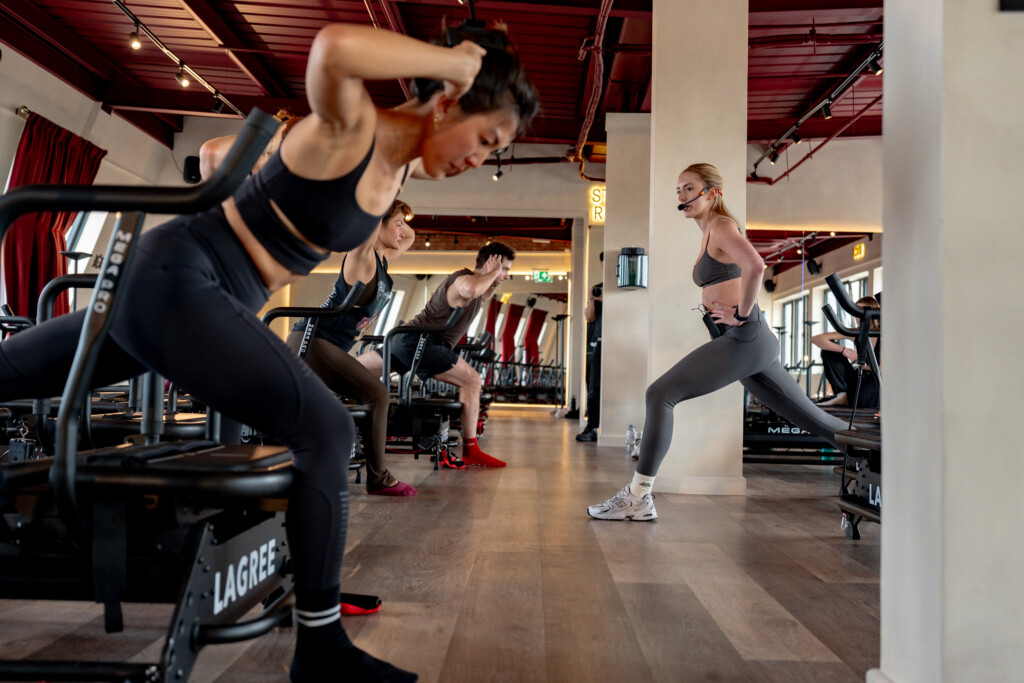
The Reformer suits everyone because its variables allow you to match the work to the individual, not the other way around, so progress is:
- Controlled
- Measurable
- Repeatable
With the proper programming, you can prioritise rehabilitation, mobility, strength, or metabolic conditioning and still keep the session low-impact and time-efficient.
Who Can Start Safely And Still Get Real Results?
When new or recovering clients begin with staged regressions and clear checkpoints, they make steady gains without flare-ups. Targeted programming for back or postural issues often yields rapid improvement.
According to SHASHI Europe, 90% of participants experience reduced back pain after 10 sessions of Reformer Pilates, this kind of short-term change is precisely what you want when pain is limiting daily life. The practical approach is simple: limit the range of motion, control tempo, and add progressive load only when neuromuscular control is reliable.
How Does The Reformer Scale Across Goals And Bodies?
Think of the machine like a modular toolset, not a fixed recipe. For mobility-focused clients, small changes in setup and cueing unlock disproportionate gains; SHASHI Europe, 80% of people who practice Reformer Pilates report improved flexibility shows this translates into usable range rather than just passive stretching.
For strength or conditioning goals, you adjust tempo, leverage, and unilateral loading to increase demand without excessive joint compression, allowing a 40- to 45-minute class to deliver both hypertrophy stimulus and endurance work when programmed correctly.
Why Do Some People Feel Under-Challenged, And What Actually Fixes That?
This problem affects both beginners and experienced gym-goers: they blame the equipment, when the real cause is often programming defaults and inadequate cueing.
To force new recruitment, the standard failure mode is treating spring count as the only knob, rather than using:
- Tempo
- Leverage
- Unilateral work
- Controlled eccentrics
When instructors add paced isometrics, single-leg progressions, or reduced-spring control work, clients who felt plateaued suddenly regain intensity and specificity.
From Guesswork to Gains: Why Familiarity Fails and Structured Lagree Succeeds
Most people rely on familiar routines because they fit their lives, but this can lead to slow progress over time. Most people stick with long cardio or scattered gym classes because they are easy to schedule, and that familiarity is understandable. Over months, this approach fragments gains, because time spent does not equal targeted adaptation.
Studios like Blood, Sweat & Tears in Angel offer small-group Lagree classes and structured instructor training that replace guesswork with repeatable progressions, helping clients achieve measurable improvements in posture, endurance, and strength while keeping impact low and sessions efficient.
How Does The Reformer Work For Different Life Stages?
Older adults, pregnant and postpartum clients, and athletes all utilize the same toolkit with varying program rules. For older adults, you prioritise balance, controlled eccentric work, and shorter ranges for 6 to 12 weeks before increasing load.
For pregnancy and postpartum phases, you adjust pelvic loading, cue breathing patterns, and stage return-to-load across trimesters or the first three to six months after birth, always with medical clearance.
The key constraint is not the machine; it is the programming window and the checkpoints you choose, which makes the Reformer uniquely adaptable across life changes.
What Actually Changes When Instructions And Progressions Are Done Well?
When a coach replaces generic rep-counts with task-specific progressions and objective checkpoints, clients stop guessing and start accumulating reliable wins.
The Reformer rewards precision, so the moment a trainee learns timing, breath control, and joint sequencing, everyday tasks feel easier and energy returns more quickly. Picture it like tuning an engine: small calibrations early save hours of wasted effort later.
One common mistake still keeps capable people out of the door.
Book a Lagree Class in London Today
We recommend BLOOD, SWEAT & TEARS’ Lagree for those seeking a time-efficient, low-impact path to measurable transformation that fits a busy lifestyle.
The studio lists Blood, Sweat & Tears, over 500 classes available each month, which means you can find sessions that actually work around your schedule, and “90% of clients see results within 10 sessions,” indicates the Lagree method produces visible change quickly, so try a class and judge whether this coached, focused approach gives you the strength, posture, and endurance gains you need.
Related Reading
- Does Reformer Pilates Help You Lose Weight
- Best Toning Exercises for Women
- Benefits of Lagree
- Beginner Pilates Reformer Exercises
- Low Impact Strength Training Exercises