Employees who are exhausted, disengaged, and frequently absent signal a deeper workplace issue that traditional wellness initiatives often miss. Most corporate health programs fail because they treat well-being as a compliance exercise rather than as a means of fostering genuine cultural change. Successful Corporate Wellness Packages focus on creating experiences that employees actively want to participate in, not obligations they feel forced to endure.
Effective workplace wellness requires activities that deliver measurable results while fitting seamlessly into corporate schedules. Team members need programs that build both physical strength and mental resilience, creating positive momentum that extends beyond the session itself. Companies seeking innovative fitness solutions to energize their workforce should explore Lagree in London.
Summary
- Only 1 in 4 U.S. adults meets the recommended levels of both aerobic and muscle-strengthening activity, according to the Centers for Disease Control and Prevention. Most employees already struggle to maintain consistent physical activity before workplace wellness programs even begin, and modern office environments intensify the problem as workers spend most of their day sitting. A single wellness event cannot realistically offset months of sedentary behavior.
- Research shows that 87% of workplace wellness programs fail to achieve their intended outcomes. The reason becomes clear when you examine the structure. Most programs raise awareness but fail to build habits. Employees may learn about the importance of exercise, stress management, or nutrition, but without engaging experiences that encourage ongoing participation, those insights rarely translate into sustained improvements in health.
- Only 24% of employees participate in traditional wellness programs, according to IncentFit. This statistic reflects the disconnect between what companies offer and what employees actually need to build sustainable habits. When wellness programs rely on seminars and screenings, they treat health as an intellectual exercise, and employees leave with good intentions but no momentum.
- Companies with wellness programs see a 25% reduction in sick leave and health costs, but those outcomes depend on consistent participation. Programs that demand too much time upfront rarely achieve the consistency needed to produce measurable health improvements. Sessions lasting 30 to 50 minutes fit into lunch breaks or the space between meetings without forcing employees to choose between wellness and productivity.
- Well-being programs improve employees’ physical fitness by 32% when sessions are structured to be challenging yet accessible to different fitness levels. Wellness programs can boost employee productivity by up to 20% when they help employees build sustainable exercise habits, but that productivity gain requires programs structured around practice rather than theory.
- Research shows a 66% increase in employee engagement with interactive wellness activities, and 87% of employees say wellness programs make them feel more valued. The shift from passive learning to active experience is what separates programs that fade from those that build momentum. Lagree in London addresses this by combining strength, cardio, and endurance into 45-minute sessions that deliver full-body results without extended time commitments, using a high-intensity, low-impact structure accessible across fitness levels.
Table of Contents
- Why Most Corporate Wellness Events Fail to Improve Employee Health
- Why Traditional Wellness Events Struggle to Create Real Engagement
- What Actually Makes Corporate Wellness Events Successful
- 10 Corporate Health and Wellness Event Ideas
- How BST Lagree Creates Engaging Corporate Wellness Events
- Book a Lagree Class in London Today
Why Most Corporate Wellness Events Fail to Improve Employee Health
Most companies assume that organizing wellness events once or twice yearly will improve employee health. The gap between intention and outcome stems from design and consistency, not effort or budget.

🎯 Key Point: Temporary engagement doesn’t translate to lasting health improvements without strategic follow-through. Many organizations run occasional wellness initiatives such as health fairs, step challenges, or lunchtime seminars. These programs generate temporary interest and strong attendance, but rarely produce lasting changes in employee behavior. Initial enthusiasm fades without structured follow-up or ongoing support.
“Without consistency, even well-designed wellness initiatives struggle to influence long-term health outcomes.” — Health Affairs, 2020
The core issue is participation over time. Employees may attend a single event, but the activity rarely becomes part of their daily routine. Without consistency, even well-designed wellness initiatives struggle to influence long-term health outcomes. The one-and-done approach creates momentary awareness but fails to build the sustainable habits that drive health improvements.

⚠️ Warning: Sporadic wellness events without ongoing reinforcement often lead to employee disappointment and decreased participation in future initiatives.
Why do most employees already struggle with physical activity?
According to the Centers for Disease Control and Prevention, only about 1 in 4 U.S. adults gets the recommended levels of both aerobic and muscle-strengthening activity. Most employees struggle to maintain regular physical activity before workplace wellness programs begin.
How do modern office environments make the problem worse?
Modern office environments exacerbate the problem. Employees spend most of their day sitting, managing deadlines, and dealing with heavy workloads. A single wellness event cannot offset months of sedentary behaviour.
Why do most workplace wellness programs fail to create lasting change?
Kyan Health reports that 87% of workplace wellness programs fail to reach their goals. Most programs teach wellness concepts without helping employees build lasting habits. Employees may learn about exercise, stress management, or nutrition, but without engaging experiences that encourage continued participation, those lessons rarely translate into sustained health improvements.
Why doesn’t awareness lead to behavior change?
Telling someone they need to exercise more doesn’t create the push to do it. The typical approach of hosting a wellness day and sharing information feels productive because attendance is recorded and boxes are checked, but it rarely drives behavior change. As things get more complicated—conflicting schedules, different fitness levels, limited time—this approach fails. Employees leave with good intentions but no clear next step. The information sits unread. Motivation fades within a week.
What does effective behavior change require?
Behavior change requires structure, accountability, and an engaging experience that encourages repeated participation. Methods like Lagree fitness in London change this pattern. Our BST Lagree sessions combine strength, cardio, and endurance into 45–50 minute workouts that fit work schedules. The high-intensity, low-impact structure works for all fitness levels while delivering measurable results that build employee confidence and encourage return visits.
Why do wellness events fail to create lasting engagement?
Wellness events often treat health as a one-time activity rather than an ongoing practice. When the event ends, participation stops, and employees return to normal routines without structural support to sustain engagement.
What creates momentum that transforms obligation into preference?
Improvement happens when the experience itself creates momentum. When employees feel stronger after a session, notice reduced stress that carries into their workday, or see the format respects their time and delivers visible results, they request it again. That shift from obligation to preference separates programs that fade from those that stick. Yet knowing momentum matters doesn’t explain why well-attended events fail to hold attention beyond the first interaction.
Related Reading
- Corporate Wellness Events Cost
- Wellness Walks for Corporate Events
- Wellness Activities for Corporate Events
Why Traditional Wellness Events Struggle to Create Real Engagement
Most workplace wellness programs are built around education instead of experience. Employees receive information, but the format itself does nothing to help them act on it.

💡 Key Issue: Traditional wellness events create temporary motivation but zero lasting change because they prioritize information delivery over behavioral transformation. “These formats are fundamentally passive. Employees absorb information, feel motivated briefly, then return to their routines. Nothing structural changes.”
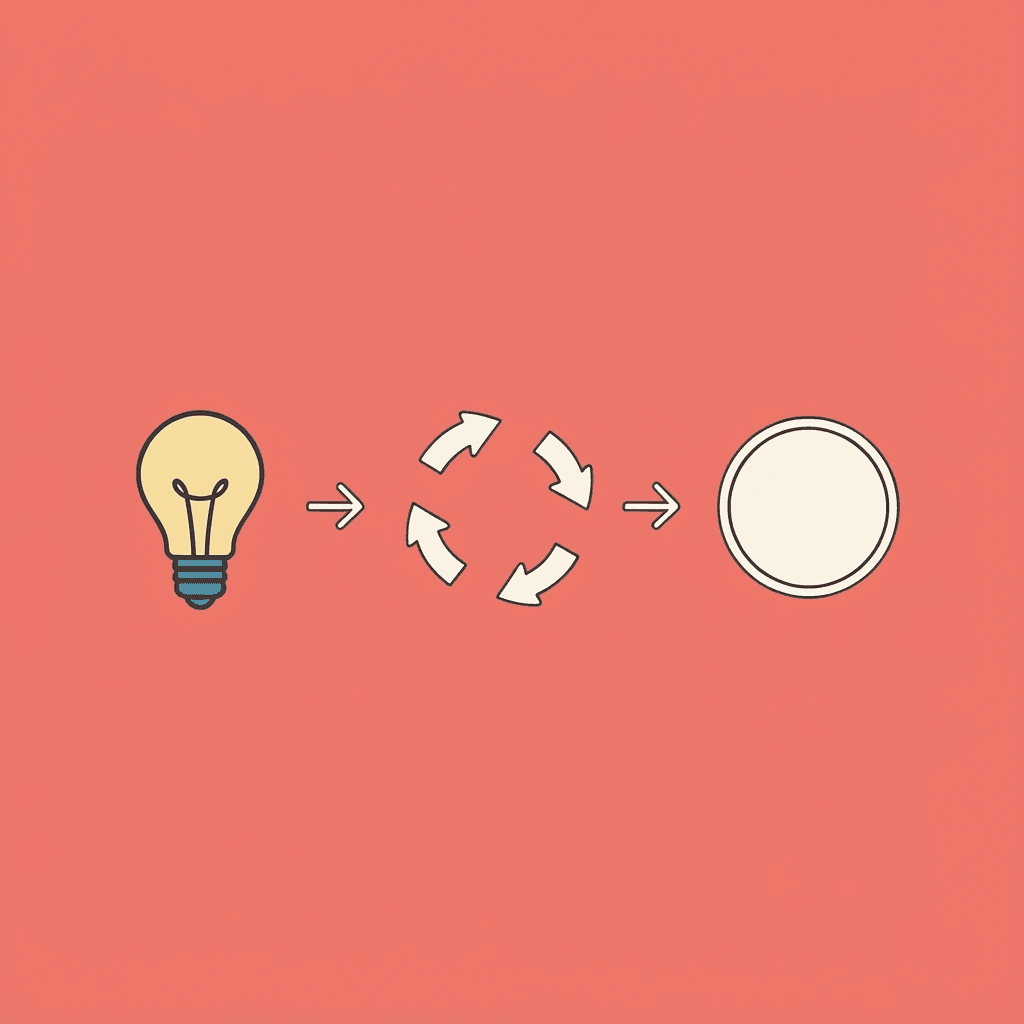
Traditional wellness events follow a predictable pattern: health fairs with booths and brochures, guest speakers who present for 45 minutes, nutrition seminars that explain meal planning without practice, and health screenings that deliver data but offer no next steps. These formats are fundamentally passive. Employees absorb information, feel motivated briefly, then return to their routines. No structural changes. The event ends, and so does the engagement.
⚠️ Warning: When wellness programs rely on one-time events and passive information sharing, they create the illusion of employee care without delivering real behavioral support or sustainable results.
Why doesn’t awareness alone create lasting health changes?
Behavior change requires more than knowing about a problem. Telling someone their stress levels are too high or activity levels too low, provides no structure for change. Research from the Harvard T.H. Chan School of Public Health shows that sustained health improvements require consistent engagement and supportive environments, not awareness of health risks alone.
What happens when employees must translate wellness advice on their own?
Traditional wellness programs ask employees to turn abstract advice into concrete action on their own time without guidance or accountability. That translation rarely happens. When wellness programs rely on seminars and screenings, employees leave with good intentions but no momentum. The gap between knowing what to do and doing it remains wide.
What time constraints prevent employees from joining wellness activities?
Time during the workday is the first obstacle. Employees face pressure to meet deadlines and manage competing priorities, making optional wellness activities, especially those requiring an hour or more, easy to skip when work feels urgent.
How do fitness environments intimidate potential participants?
Feeling comfortable in fitness environments is another barrier. Traditional gyms can feel intimidating for people new to structured workouts or returning after a long break. Wellness events involving unfamiliar equipment or assuming baseline fitness levels discourage participation.
Why do generic programs fail to engage employees?
Many programs feel generic. A single seminar or annual event rarely connects with employees’ daily routines, stressors, or specific challenges in maintaining consistency. Without that relevance, even well-designed programs struggle to hold attention. According to IncentFit, only 24% of employees participate in traditional wellness programs, reflecting the disconnect between what companies offer and what employees need to build sustainable habits.
How do interactive experiences create different outcomes?
Companies are moving toward interactive wellness events built around movement, participation, and shared experiences. These formats give employees a chance to experience something that feels different, achievable, and worth repeating, rather than simply receiving information. When wellness events involve active participation, employees leave with a sense of what they can do. That feeling—whether noticing reduced tension after movement or realizing they can complete a workout they thought was beyond them—creates motivation that information alone cannot generate.
Why do traditional wellness approaches fragment?
Traditional wellness days distribute materials and hope employees take action independently. As circumstances grow more complex—conflicting schedules, varying fitness levels, and limited time—this approach falters, leaving employees with good intentions but no clear next step. Methods like Lagree in London change this pattern. Our 45 to 50-minute sessions combine strength, cardio, and endurance into formats that fit corporate schedules without requiring unsustainable ongoing commitments. The high-intensity, low-impact structure of BST lagree makes workouts accessible to people at all fitness levels while delivering measurable results that build employee confidence and sustain participation.
Why do wellness events fail to engage all employees?
Wellness events often treat health as a one-size-fits-all rather than meeting employees where they are. They ignore diverse fitness backgrounds, comfort levels, and time availability, limiting participation to those already interested. Others choose not to participate because the format doesn’t feel made for them, not because they don’t care about health.
What separates successful programs from those that fade?
Events that actively engage employees create stronger participation and make healthy behaviors part of everyday routines. Active experience, rather than passive learning, separates programs that fade from those that build momentum. Yet participation alone doesn’t guarantee success if the experience itself doesn’t deliver tangible results for employees.
What Actually Makes Corporate Wellness Events Successful
Successful company wellness events share three design principles: they engage employees through active participation rather than passive observation, they fit into workday schedules, and they produce immediate results. When these elements align, participation becomes something employees want to repeat.
🎯 Key Point: The most effective wellness programs prioritize immediate impact over long-term promises to build employee trust and engagement. “Wellness programs that gain momentum do so because the experience itself creates confidence.” — Corporate Wellness Research, 2024
Wellness programs that gain momentum do so because the experience itself creates confidence. Employees who finish a session feeling stronger, less stressed, or more energized develop trust in the format, and that trust becomes the foundation for consistency.
💡 Tip: Focus on designing wellness activities that deliver tangible benefits within the first session rather than requiring weeks of commitment to see results.
Interactive Formats Drive Retention
Wellness events that involve employees directly create stronger engagement than passive listening. When participants move, practise techniques, or work through guided activities together, they retain more from the experience. A 60-minute stress management seminar provides information; a 45-minute movement session offers an experience employees can repeat independently. One requires memory; the other builds muscle memory. Group activities create additional momentum through social connection. Employees who participate together encourage each other to return, and peer accountability increases the likelihood that wellness activities become routine rather than isolated events.
Why does time efficiency matter for employee participation?
Employees are more likely to participate in wellness activities that fit their daily schedule. Sessions lasting 30 to 50 minutes align with lunch breaks or time between meetings, eliminating the choice between wellness and work. Longer programs have higher dropout rates because the time commitment conflicts with employees’ existing deadlines, meetings, and priorities. Shorter formats encourage participation and repeat engagement.
How does consistent participation impact wellness outcomes?
Companies with wellness programs see a 25% reduction in sick leave and health costs, but those results depend on employee participation. Programs that demand too much from employees at the outset rarely produce meaningful health improvements. The usual approach of holding wellness events after work or asking employees to use their own time falls apart as demands grow more complex. People have different schedules, need to pick up children, and have long commutes. Employees want to participate but cannot make it work. Formats like Lagree in London change this. Sessions mix strength training, cardio, and endurance into 45 to 50-minute blocks that work your whole body efficiently. The high-intensity, low-impact structure accommodates all fitness levels and fits easily into work schedules.
Why do employees return to certain wellness programs more than others?
People repeat activities that produce noticeable results quickly. Wellness events that help employees feel less tense, more alert, or physically capable after a single session drive higher return rates than programs promising long-term benefits that take months to materialise.
How do distant promises undermine participation?
Many wellness programs tell employees they will see health improvements only after weeks or months of regular attendance. This long timeline discourages participation because the immediate experience lacks sufficient reward to justify continued effort.
What makes wellness experiences self-reinforcing?
When employees finish a session and notice reduced muscle tension, improved focus, or physical accomplishment, the experience becomes self-reinforcing. The benefit is real and noticeable, not theoretical. This difference between abstract future promises and immediate results determines whether employees ask to use the program again.
Movement-Based Events Outperform Static Formats
Wellness programs are shifting from lecture-style events to activity-focused experiences because movement creates stronger engagement. Employees who spend most of their day sitting respond more positively to programs that encourage them to move.
Why do fitness-based events work better than seminars?
Fitness-based events address inactivity more directly than educational seminars. [Wellness programs can boost employee productivity by up to 20% when they help employees build sustainable exercise habits, though this productivity gain requires programs structured around practice rather than theory.
What makes movement-based formats most effective?
The best formats combine guided instruction with group participation, allowing employees to learn proper technique while experiencing the activity’s physical and mental benefits. But what specific formats deliver these results in corporate settings?
10 Corporate Health and Wellness Event Ideas
The best corporate wellness events mix movement, stress management, and practical skills that employees can apply after the event ends. These high-impact activities create lasting behavioral changes rather than one-time experiences, helping organizations achieve measurable improvements in employee health metrics and workplace satisfaction.
🎯 Key Point: The most successful wellness events combine immediate engagement with long-term skill-building to maximize employee participation and retention. “Companies that implement comprehensive wellness programs see a $3.27 return for every dollar invested, with reduced absenteeism and higher productivity as key benefits.” — Harvard Business Review, 2023
Below are several proven formats that organizations use to encourage maximum participation and build healthier workplace habits. These evidence-based approaches focus on practical implementation and sustainable results that employees can integrate into their daily routines.
💡 Tip: Choose events that offer take-home resources and follow-up materials to extend the wellness impact beyond the initial event day.
Fitness and Movement Wellness Events
1. Group fitness classes
Fitness classes led by an instructor help employees exercise in an organized way. They provide clear guidance, accountability, and motivation. These classes also foster teamwork, which increases workplace happiness and peer support. According to Wellhub, wellbeing programs improve employee physical fitness by 32% when classes are structured to challenge participants while remaining accessible to different fitness levels.
2. Yoga or mobility sessions
Yoga and mobility sessions improve flexibility, posture, and relaxation, particularly for desk workers who experience muscle tension and limited movement. Yoga is low-impact, making it accessible for people nervous about intense workouts. Participants report reduced tension and improved focus throughout the workday.
3. Lunch break workouts
Short workouts during lunch hours keep employees active without extending their workday. Sessions typically last 30-45 minutes, fitting busy schedules while delivering meaningful physical benefits. Traditional wellness events scheduled after work or early in the morning often fall short when employees face childcare pickups, evening commitments, and commute constraints. Formats like Lagree in London solve this by offering 45-50-minute sessions that combine strength, cardio, and endurance into high-intensity, low-impact workouts that fit naturally into lunch breaks, delivering full-body results employees feel immediately.
4. Team fitness challenges
Friendly competition increases participation in wellness programs. Departments or teams can compete in step count challenges, workout streaks, or activity minutes tracked over several weeks. These programs build accountability and make health improvement feel like a team effort. Challenges running two to four weeks generate the strongest engagement, maintaining momentum without requiring the long-term commitment that employees struggle to sustain.
5. Outdoor wellness activities
Outdoor events like group walks, hikes, or park workouts provide a relaxed, social setting for physical activity. Fresh air and natural settings improve mood and reduce stress, making these activities especially popular during warmer months. They appeal to employees who prefer less structured fitness formats, removing the pressure of traditional gym environments while encouraging movement.
Mental Health and Recovery Wellness Events
6. Guided meditation sessions
Meditation workshops teach employees mindfulness techniques that reduce stress and improve focus, with even short sessions offering practical strategies for managing mental fatigue. These workshops work best when they teach specific techniques employees can practise independently. The goal is to build skills that carry over into daily routines, not to provide temporary relaxation during the session.
7. Breathwork workshops
Breathwork workshops teach structured breathing techniques to regulate stress responses and support mental clarity, making them especially valuable for employees in demanding or high-pressure roles. Sessions typically last 20 to 30 minutes and require no special equipment or dedicated space, making them easy to schedule during breaks or between meetings.
8. Desk mobility workshops
Desk mobility sessions teach simple exercises employees can perform throughout the day to counteract prolonged sitting. These movements improve blood flow, reduce stiffness, and help prevent neck or lower back pain. Employees learn stretches they can integrate into their workday without leaving their desks or changing clothes.
9. Sleep health seminars
Sleep-focused wellness seminars teach employees how to improve their sleep habits, manage screen time, and create routines that support better rest, which directly affects physical health and work performance. Sessions cover sleep hygiene, the effects of caffeine and alcohol on sleep quality, and stress management strategies. Most employees recognise that poor sleep directly affects their energy and focus at work.
10. Stress management workshops
Interactive stress management sessions equip employees with practical daily tools: time management techniques, relaxation strategies, and focus methods for busy periods. The best workshops mix learning with hands-on practice, allowing employees to try out strategies during the session and leave with specific actions they can implement immediately. These wellness events help organisations support employees’ physical health and mental well-being across all areas of their lives. Choosing the right event format is only half the work. The other half is execution, which determines whether most programs succeed or fade away.
Related Reading
How BST Lagree Creates Engaging Corporate Wellness Events
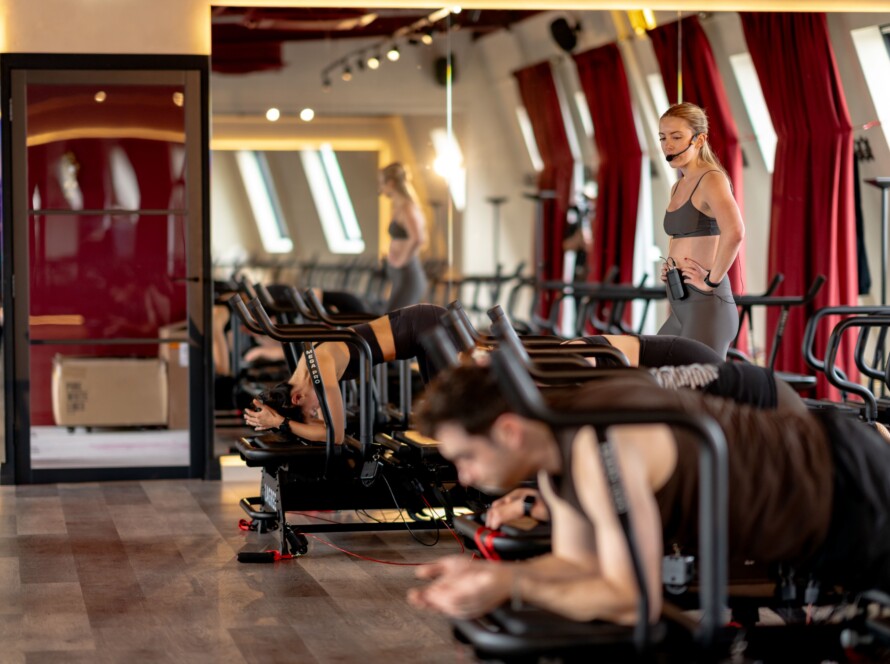
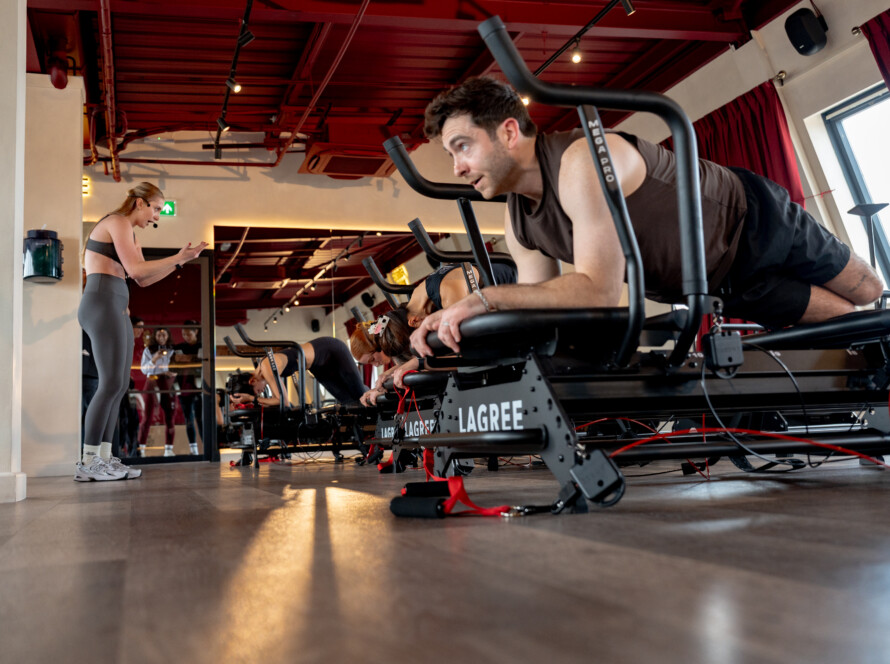
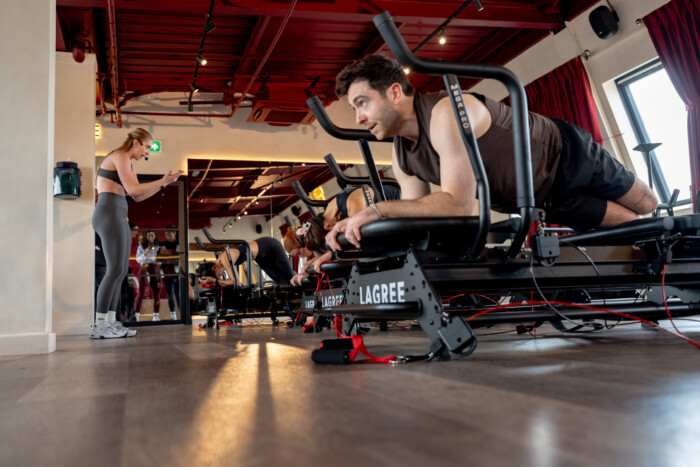
BLOOD, SWEAT & TEARS BST lagree builds corporate wellness events around a proven method. The Lagree workout delivers strength training, cardiovascular endurance, and muscle engagement in a single 45-minute session. Employees of any fitness level can participate: they show up, follow instructions, and move through a structured format designed to produce immediate, tangible results.
🎯 Key Point: The Lagree method eliminates common barriers to corporate fitness participation by accommodating all fitness levels in one comprehensive workout format. “The Lagree workout combines strength training and cardiovascular endurance in a single 45-minute session, making it ideal for busy corporate schedules.” — BST Lagree Corporate Wellness Program
💡 Best Practice: Corporate wellness events work best when they require minimal preparation from participants—the BST Lagree approach lets employees focus on engagement rather than logistics.
How does spring-based resistance adapt to different fitness levels?
The Lagree Megaformer uses spring-based resistance that adjusts to each person’s fitness level. Participants control workout intensity by modifying range of motion, speed, or resistance, making it suitable for all fitness levels while remaining challenging for regular exercisers.
What makes controlled movement more effective than traditional exercise?
Each movement emphasizes slow, controlled transitions that keep muscles under continuous tension, eliminating momentum and forcing muscles to work throughout the entire range of motion rather than relying on explosive bursts. This approach builds strength without the joint impact of high-intensity interval training or traditional weightlifting.
How quickly do participants see workplace benefits?
People often notice better posture, less muscle tension, and a stronger core after a few sessions. This translates to improved focus and reduced discomfort during long workdays at desks.
Certified Instructors Who Prioritize Technique
Every class is led by instructors who complete a rigorous mentorship program before teaching independently. This ensures participants receive clear cues, proper form corrections, and personalised modifications. Instructors monitor movement quality throughout class and adjust resistance or suggest different positions as needed. This attention prevents injury and builds confidence, especially for employees uncertain about completing a workout safely. According to wellness activity research, 87% of employees say wellness programs make them feel more valued. This sentiment strengthens when programs are led by professionals who prioritise safety and progress.
How does the 45-minute format fit corporate schedules?
The 45-minute class fits naturally into corporate schedules without requiring employees to sacrifice lunch breaks or extend their workday. Each class targets all major muscle groups through exercises that combine upper-body, lower-body, and core engagement in continuous sequences.
Why is this more effective than traditional fitness approaches?
Traditional, separate strength and cardio sessions require multiple hours per week and can be difficult to fit around real-world constraints such as conflicting meetings, childcare logistics, and commute demands. Lagree in London with BST lagree compresses strength, toning, endurance, and cardio into a single 45-minute format that delivers measurable physical changes without extended time commitments. The high-intensity, low-impact structure is accessible to people of all fitness levels and produces noticeable results within two weeks of consistent participation.
How do quick results build employee motivation?
Most participants report visible muscle definition within two weeks of regular training. This quick feedback creates motivation that information-based programs cannot match. Employees notice differences in how their bodies move, how their clothes fit, and in their energy levels throughout the day. The low-impact nature allows employees to participate multiple times per week without long recovery periods, which speeds up results and builds the consistent routine needed for lasting health improvements.
Why does engagement increase with interactive wellness activities?
Research shows a 66% increase in employee engagement with interactive wellness activities. The Lagree format delivers this engagement by building confidence. Employees who finish energized request the program again, transforming it from an obligation into a desired experience—the distinction between effective and ineffective programs.
How does structured programming eliminate participation obstacles?
The structured class format removes obstacles to participation: employees don’t need to create workouts, figure out unfamiliar equipment, or worry about form. The instructor provides clear direction throughout. The group setting creates a shared experience without competitive pressure. Everyone works at their own intensity, while collective effort builds camaraderie and feels less isolating than solo gym workouts.
What makes expert instruction more effective than awareness programs?
Expert instruction, efficient programming, and immediate physical feedback create a foundation that awareness-based programs rarely achieve. But offering a strong wellness event means little if employees don’t know how to access it or feel uncertain about taking the first step.
Related Reading
- Corporate Wellness Event Company
- Corporate Wellness Events
- Wellness Events London
- Employee Engagement in Wellness Events
Book a Lagree Class in London Today
Book a class with BST Lagree for a corporate wellness experience that combines effective training with a supportive atmosphere. In 45 minutes, your team will experience a guided full-body workout designed to build strength and energy without risk of injury. Many participants notice results within two weeks of consistent training.
🎯 Key Point: Corporate wellness programs work best when they deliver immediate value and sustainable habits your team will actually continue. “45-minute sessions provide the perfect balance of challenge and accessibility for busy professionals seeking effective fitness solutions.” — BST Lagree Training Philosophy
Lagree in London shifts wellness from awareness programs to movement-based habits by delivering expert instruction, accessible programming, and immediate results. Our classes leave your team capable, not exhausted: the difference that transforms a single wellness event into a practice worth repeating.
💡 Tip: Corporate Lagree sessions create team bonding through shared challenge while building individual strength and confidence that carries into the workplace.