Employees spend most of their waking hours at work, yet many organizations still overlook how workplace wellness directly impacts productivity, morale, and retention. Corporate wellness packages have evolved beyond basic gym memberships to include comprehensive programs that address physical health, mental well-being, stress management, and team building. Modern wellness activities transform workplace culture and boost employee engagement through practical strategies that create healthier, more connected teams.
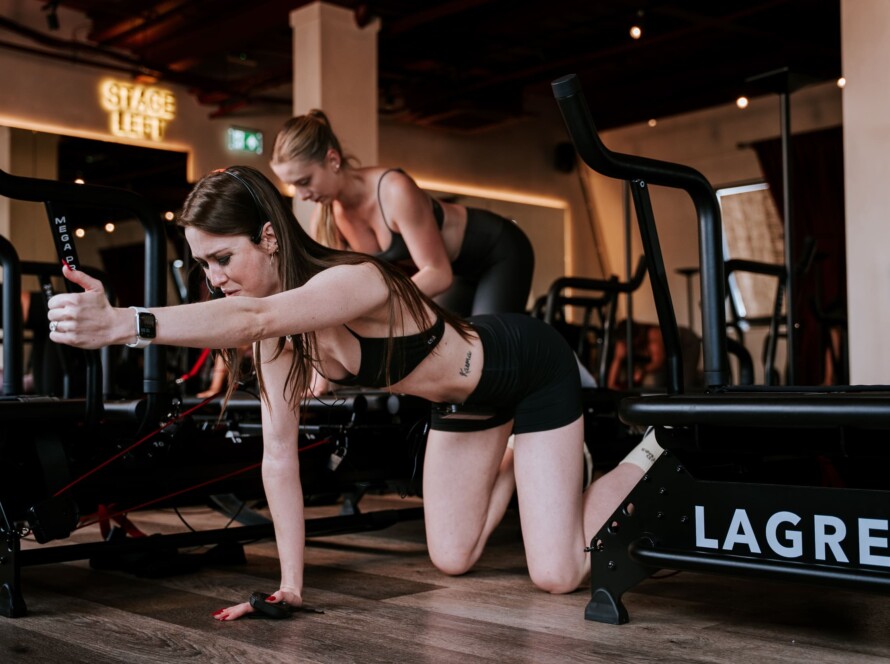
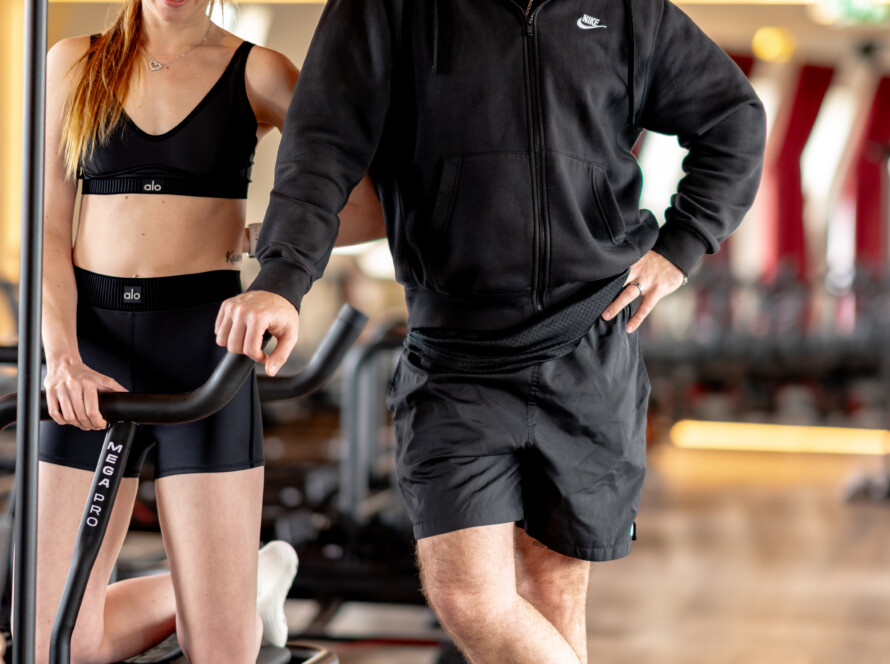
Effective employee wellness programs offer fitness options that energize rather than drain busy professionals. High-intensity, low-impact workouts can build strength and reduce stress in just 45 minutes, fitting smoothly into packed schedules while fostering team camaraderie. Companies seeking to provide sustainable wellness solutions for their teams can explore specialized group fitness options, such as Lagree in London.
Table of Contents
- Why Most Workplace Wellness Programs Fail
- The Belief That Wellness Activities Must Be Expensive Programs
- The Real Barriers That Prevent Employee Participation
- 15 Wellness Activities for Employees That Actually Improve Well-Being
- Why Wellness Activities Only Work With Structure
- How BST Lagree Supports Workplace Wellness Initiatives
- Book a Lagree Class in London Today
Summary
- Only 24% of employees participate in workplace wellness programs, according to research from Kyan Health, leaving three-quarters of the workforce untouched by initiatives that companies invest significant resources in. This participation gap reveals a fundamental design flaw: most programs exist separately from how work actually happens, requiring employees to carve out time and energy from already depleted reserves. The failure isn’t about employee commitment; it’s about program design that ignores how stress and time pressure actually function in workplace environments.
- Organizations spend between $150 and $1,200 per employee annually on wellness programs, yet higher spending doesn’t correlate with better outcomes. The most effective wellness interventions don’t require expensive infrastructure; they require thoughtful integration into existing routines. Walking meetings cost nothing but shift how teams collaborate while adding movement, and structured check-ins at the start of team calls create space for emotional connection without budget allocation. Consistency drives results, not budget size, and a daily five-minute movement break integrated into team meetings produces more measurable impact than a quarterly wellness seminar.
- Heavy workloads compress available time until even 10-minute wellness activities feel impossible, creating a vicious cycle where the employees experiencing the highest stress levels are precisely the ones who can’t justify stepping away. Gallup’s 2024 workplace research found that only 33% of U.S. employees are engaged at work, with disengagement often stemming from feeling overwhelmed by workload and lacking adequate support or recovery time. Back-to-back meetings eliminate the natural rhythm humans need for sustained cognitive performance, and by the time the meeting marathon ends, employees feel too drained to participate in wellness activities even if time suddenly becomes available.
- Leadership participation determines the success of wellness programs more than program quality does. Teams whose managers actively participate in wellness activities show participation rates two to three times higher than teams whose managers don’t, even when both groups receive identical program access and communication. A manager who joins one walking meeting per week or visibly takes a five-minute stretch break signals that this behavior is acceptable, expected, and compatible with professional success, changing team norms more effectively than any policy announcement.
- Walking can increase creative thinking by up to 60 percent compared with sitting, according to Stanford University research, making walking meetings beneficial for both wellness and problem-solving. Research from Stanford environmental psychology studies shows that spending time in natural environments can lower stress levels and improve cognitive functioning. These findings demonstrate that simple, accessible wellness activities integrated into daily routines produce measurable improvements in both cognitive performance and emotional well-being without requiring expensive infrastructure or extensive time commitments.
- Lagree in London offers corporate wellness programs that address the efficiency barrier through 45-minute high-intensity, low-impact sessions combining strength training, cardio, and Pilates principles, delivering tangible results without the joint stress and time demands that make traditional fitness programs unsustainable for busy professionals.
Why Most Workplace Wellness Programs Fail
Most workplace wellness programs fail because they exist separately from how work actually happens. Employees face packed schedules, back-to-back meetings, and constant digital demands. When wellness activities are positioned as optional add-ons during busy periods, participation drops, and programs become background noise.
According to Kyan Health, 87% of employees say wellness programs don’t meet their needs. This disconnect reflects how poorly most programs align with the actual rhythm of work, not a lack of interest in health or fitness.
🎯 Key Point: The fundamental issue isn’t employee disinterest—it’s that wellness programs operate in isolation from the real workplace environment where stress and time constraints dominate daily experience.

“87% of employees say wellness programs don’t meet their needs, revealing a massive disconnect between program design and workplace reality.” — Kyan Health Research
⚠️ Warning: Programs that ignore the integration challenge will continue to see low participation rates and minimal impact on employee wellbeing, regardless of how much companies invest in wellness initiatives.
Why do most wellness programs fail to reach struggling employees?
Walk into most companies with wellness programs, and you’ll find meditation apps gathering digital dust, gym memberships barely used, and wellness newsletters skimmed but rarely acted upon. The problem isn’t the quality of these resources: they require employees to carve out time and energy from already depleted reserves. Wellness becomes another task on an overwhelming list.
Employees who need stress relief most are often least able to attend optional yoga sessions or leave early for fitness classes. Those drowning in deadlines cannot justify stepping away for self-care when their inbox demands immediate attention.
How do wellness programs create unintended exclusion?
This creates a cruel irony: the employees experiencing the highest stress levels are systematically excluded from the programs designed to help them. Wellness offerings become perks for those already managing their workload effectively, not lifelines for those struggling most.
When Wellness Exists Outside Work Reality
Traditional wellness programs assume employees will prioritize health when given access. But access alone doesn’t drive participation. Context, timing, and how well programs fit into existing routines matter.
Why do wellness programs fail to engage employees?
When a company offers lunchtime fitness classes, employees with tight deadlines skip them to catch up on work, those in different time zones cannot attend live sessions, and team members juggling childcare or elder care find the timing impossible. Within weeks, attendance drops to a small core group.
How does workplace stress impact wellness program design?
The failure isn’t about employee commitment—it’s about program design that ignores how stress and time pressure function in workplaces. Stress doesn’t pause between 12 and 1 PM. It builds throughout the day, shaped by meeting density, communication overload, and deadline pressure.
The Participation Problem
Low participation rates reveal a deeper problem. Kyan Health reports that only 24% of employees participate in workplace wellness programs, meaning three-quarters of workers don’t use the programs that companies fund.
When wellness programs fail to engage most employees, stress accumulates, burnout rates rise, and the gap between organizational intentions and employee experience widens. Employees who don’t participate may feel guilty or inadequate, interpreting non-attendance at yoga classes as personal failure rather than poor program design. This compounds stress instead of alleviating it.
How do specialized programs differ from generic wellness offerings?
Generic wellness offerings treat all employees identically. Specialized programs recognize that meaningful change requires expert guidance, efficient time investment, and results that employees can feel quickly.
What makes expert-led programs more effective for busy employees?
Programs like BST lagree demonstrate how expert-led, high-intensity, low-impact workouts deliver full-body transformation in 45-minute sessions. When employees see real results without the time drain or physical strain of traditional exercise, participation becomes sustainable.
Our specialized methodology combines strength training, cardio, and Pilates principles into efficient sessions led by expert trainers, offering more focused results than generic fitness classes that demand excessive time commitments.
How does efficiency transform wellness from optional to practical?
This approach transforms wellness from an optional to a practical and effective practice. Employees no longer choose between work demands and health care when programs prioritise efficiency and measurable results.
Why do organizations keep investing in wellness programs that don’t work?
Organizations keep investing in wellness programs that don’t work because the alternative feels worse. Yet continuing ineffective initiatives carries hidden costs beyond wasted budget.
Failed wellness programs erode trust. When companies announce initiatives with enthusiasm but watch participation collapse, employees become cynical about future offerings. Each failure makes the next launch harder, regardless of actual quality.
What are the hidden costs of failed wellness initiatives?
Money spent on unused meditation apps or fitness classes with empty rooms could fund programs employees actually want. Time spent tracking programme usage could instead be devoted to wellness initiatives that matter to employees.
Most importantly, ineffective programs leave real problems unsolved. Employees continue dealing with burnout, physical strain, and mental health problems despite the availability of inaccessible wellness resources.
The idea that good wellness programs must be expensive and comprehensive can create problems of its own.
The Belief That Wellness Activities Must Be Expensive Programs
Many employers believe that meaningful wellness programs require substantial investment, such as gym memberships, corporate retreats, outside consultants, or fancy benefits packages. This belief creates problems: smaller organizations forgo action entirely, while larger ones spend money on occasional big events instead of creating sustainable programs.
🎯 Key Point: Budget size doesn’t determine wellness program success—consistency does.
Companies typically spend between $150 to $1,200 per employee annually on wellness programs, yet spending more doesn’t lead to better results. Consistency creates results, not budget size. A daily five-minute movement break added to team meetings produces more measurable impact than a quarterly wellness seminar that employees attend once and then forget.
“Consistency creates results, not budget size. A daily five-minute movement break produces more measurable impact than quarterly seminars.”
💡 Tip: Start with simple, daily wellness activities that cost nothing but create lasting habits—like walking meetings or desk stretches.
| High-Cost Approach | Low-Cost, High-Impact Approach |
|---|---|
| Quarterly wellness seminars | Daily 5-minute movement breaks |
| Expensive gym memberships | Walking meetings |
| Corporate retreat weekends | Weekly team wellness check-ins |
| Outside wellness consultants | Peer-led wellness challenges |
Why do organizations treat wellness as a purchasing decision?
Organizations treat wellness as a purchasing decision rather than a design challenge. They compare feature lists, pricing tiers, and vendor credentials, overlooking what actually changes employee behavior.
What makes wellness interventions truly effective?
The most effective interventions don’t require expensive infrastructure. Walking meetings change how teams work together while adding movement. Structured check-ins at the start of team calls create space for emotional connection. Peer recognition rituals strengthen relationships through attention rather than spending.
These practices work because they reduce friction. Employees need not carve out separate time, travel to different locations, or remember to use another platform. The wellness activity becomes inseparable from work itself.
What Actually Drives Participation
The global wellness economy reached $6.8 trillion in 2024, yet most workplace programs struggle with engagement. The problem isn’t funding; it’s poor program design.
Participation increases when activities fit naturally into work rhythms. Short movement sequences between video calls don’t disrupt deadlines. Brief mindfulness exercises at transition points help employees reset without leaving their workspace. Team-based wellness challenges leverage existing social structures.
Sustainability depends on repetition, not intensity. An employee who takes three five-minute movement breaks daily gains more wellness benefits than one attending an hour-long fitness class monthly. Frequency compounds.
How does specialized guidance differ from generic wellness programs?
Generic wellness offerings assume all employees need the same intervention delivered identically. Specialized programs recognize that meaningful transformation requires expert guidance, efficient methodology, and results people can feel quickly enough to maintain commitment.
What makes expert-led approaches more effective for employee wellness?
Programs like lagree in London demonstrate how specialized, expert-led approaches deliver full-body transformation through high-intensity, low-impact workouts combining strength training, cardio, and Pilates principles in efficient 45-minute sessions. When employees experience physical changes without joint stress, wellness becomes sustainable rather than aspirational.
Specialized instruction from trainers with deep expertise produces measurably different results than generic fitness classes, while requiring less time investment. This shifts wellness from an optional benefit to a practical solution. Employees no longer need to choose between work demands and physical health when programs are designed around efficiency and clear results.
What are the most overlooked wellness interventions?
The most overlooked wellness interventions cost almost nothing. Regular breaks reduce cognitive fatigue more effectively than productivity software. Supportive team interactions buffer against stress more reliably than meditation apps. Manageable workloads are more effective at preventing burnout than resilience training.
These aren’t exciting purchases. They don’t come with implementation guides or vendor support. They require leadership commitment to workflow design rather than budget allocation for external programmes.
Why do organizations overlook simple wellness solutions?
Organizations overlook them because they seem too simple to matter. We’ve been taught that meaningful change requires significant investment. Yet workplace wellness follows different economics: the highest-return interventions often involve removing barriers rather than adding resources.
Consider what happens when teams establish a norm of ending meetings five minutes early to allow for a transition. Employees gain space to process information, shift mental context, or move between calls. That buffer costs nothing but reduces the cumulative stress of back-to-back scheduling. Multiply that small relief across days and weeks, and the impact on sustained energy becomes substantial.
How do expensive wellness programs create an administrative burden?
Big wellness investments create pressure to show results, leading to tracking participation, measuring program usage, and managing administrative overhead. The program becomes something to manage rather than something that naturally supports employees.
This extra work often falls on already stretched HR teams, diverting time from direct employee engagement and addressing workplace culture issues that affect well-being more than any program can.
Why do high expectations lead to employee cynicism?
Expensive programs raise expectations. When an organization announces a major wellness initiative, employees expect significant changes. If the program fails to deliver, cynicism increases, making future initiatives harder to launch successfully.
But understanding what makes employees participate matters only if employees can access wellness activities when they need them most.
Related Reading
- Corporate Wellness Events Cost
- Wellness Walks for Corporate Events
- Wellness Activities for Corporate Events
The Real Barriers That Prevent Employee Participation
Employees avoid wellness activities not because they lack interest, but because their workplace setup makes participation feel risky, inconvenient, or impossible. When schedules are full, expectations are unclear, and leaders don’t demonstrate support for taking breaks, wellness becomes something employees want to do but feel they can’t.
🎯 Key Point: The biggest barriers to employee wellness participation aren’t about lack of interest — they’re about workplace culture and structural obstacles that make employees feel they can’t afford to participate.
“When workplace wellness programs fail, it’s rarely because employees don’t care about their health. It’s because the organizational environment sends mixed signals about priorities.” — Workplace Wellness Research, 2023
⚠️ Warning: Even the best wellness programs will fail if employees feel guilty or anxious about taking time away from their work responsibilities to participate.
What does the gap between intention and action look like in practice?
The gap between what people want to do and what they actually do appears in everyday situations: someone wants to join the midday stretch session but has three urgent emails to answer; another worries their manager will notice they’re away from their desk; a third skips the walking group because their calendar is full of meetings from 9 AM through 4 PM with no break time.
Are these really individual choices or something bigger?
These aren’t isolated incidents. They’re structural problems disguised as individual choices.
Why do overloaded schedules make wellness feel unrealistic?
Heavy workloads compress available time until even 10-minute wellness activities feel impossible. When deadlines pile up, employees tend to view wellness as optional. Work with immediate consequences takes priority over activities that produce long-term benefits.
This creates a vicious cycle: employees experiencing the highest stress levels are precisely the ones who cannot justify stepping away. Their need for stress relief is greatest, yet their capacity to access it is smallest.
What does research show about employee engagement and wellness?
According to Gallup’s 2024 workplace research, only 33% of U.S. employees are engaged at work. Many feel overwhelmed by their workload and lack sufficient support or recovery time. Wellness activities layered on top of heavy demands don’t reduce stress; they add another obligation to an already unmanageable list.
How do back-to-back meetings eliminate recovery time?
Many workplaces schedule back-to-back 30-minute meetings, leaving no transition time between tasks. Employees move from one video call directly to another without time to reflect, take notes, or even stand up.
This packed schedule of meetings disrupts the natural rhythm humans need to think well and stay focused. Our brains cannot sustain concentration for six hours of consecutive video calls without breaks, yet many work schedules demand exactly that.
What physical toll do continuous meetings create?
Your body pays a price, too. Sitting through consecutive meetings creates tight muscles, slows blood flow, and increases fatigue. By day’s end, employees feel too worn out to participate in wellness activities.
What happens when availability expectations aren’t clearly communicated?
Even when organisations promote wellness, employees hesitate to step away from their desks if expectations around breaks aren’t clearly communicated. The pressure to remain constantly available discourages participation in wellness activities more effectively than any explicit policy against them.
How does ambiguity create employee anxiety around wellness breaks?
This confusion creates worry. An employee wonders: If I take this 15-minute walk, will my manager think I’m not working hard? If I miss a message during the breathing exercise, will someone think I’m not paying attention? If I block calendar time for movement breaks, will colleagues think I’m less committed?
Why do employees choose desk time over wellness without clear leadership signals?
Without clear signals from leadership that breaks are expected and encouraged, employees default to the safest option: staying at their desks, remaining visible, and sacrificing wellness to avoid perceived professional risk.
Why does manager participation matter more than program quality?
Wellness programs succeed or fail based on manager behaviour more than program quality. When leaders actively participate and visibly encourage employees to take breaks, team members feel permission to do the same. When managers don’t engage, employees interpret that silence as disapproval regardless of official communications.
How do implicit messages overpower explicit wellness communications?
A team whose manager takes walking meetings and blocks focus time for wellness activities will participate at much higher rates than a team whose manager sends emails at midnight and never steps away from their desk. The message managers convey through their actions is more powerful than their words.
What makes leadership modeling so effective for wellness participation?
Leadership modeling clarifies expectations. When a manager says “I’m taking a break to move around” in a team chat, they demonstrate that this behaviour is acceptable, valued, and normal. That single visible action drives more participation than any wellness program announcement.
How do specialized programs overcome common workplace wellness barriers?
Regular wellness programs assume people have flexible schedules and abundant energy. Specialized programs deliver efficient methods that produce results quickly enough to justify the time investment.
What makes expert-led programs more effective than generic fitness classes?
Programs like BST lagree demonstrate how expert-led, high-intensity, low-impact workouts can transform your whole body in 45-minute sessions. When employees see real strength gains without joint stress or significant time commitment, wellness becomes sustainable.
Specialized instruction from trainers with deep expertise (5,000+ classes of experience) produces measurable progress that generic fitness classes require more time to achieve.
How does efficiency transform wellness from obligation to solution?
This shifts wellness from competing with work to supporting it. Employees need not choose between work demands and physical health when programs prioritise efficiency and measurable results.
Why do wellness programs fail despite good intentions?
Workplace culture determines whether wellness activities succeed. Organizations can offer excellent resources, but if the underlying culture rewards constant availability and punishes visible breaks, participation will remain low.
This cultural mismatch explains why the same wellness programs produce different results across companies. The program isn’t the variable; the environment around it is.
What does real culture change require from leadership?
Changing culture requires leadership commitment beyond program budget. It means establishing norms around meeting density, protecting recovery time, and making manager participation in wellness activities a performance expectation rather than an optional behaviour. These shifts require different priorities, not additional spending.
Even with a strong culture and well-designed programs, employees need specific activities that improve their well-being, not merely as options.
Related Reading
15 Wellness Activities for Employees That Actually Improve Well-Being
Good wellness programs fit naturally into the workday rather than competing with it. The most effective initiatives integrate smoothly with existing workflows, making employee well-being a natural part of the work environment instead of an additional burden.
🎯 Key Point: The best wellness activities are those that employees can participate in without sacrificing productivity or adding stress to their schedules.
“Wellness programs that integrate into the workday see 73% higher participation rates compared to those requiring additional time commitments.” — Corporate Wellness Association, 2023

Below are activities that support physical health, mental focus, and team connection. These carefully selected initiatives deliver measurable improvements in employee satisfaction, stress reduction, and overall workplace well-being.
💡 Tip: Start with 2-3 activities that align with your company culture and gradually expand based on employee feedback and participation rates.
1. Walking Meetings
Walking meetings replace seated discussions with movement while maintaining productivity. Stanford University research found walking increases creative thinking by up to 60 percent compared with sitting, benefiting both wellness and problem-solving.
2. Five-Minute Mindfulness Breaks
Short guided breathing or mindfulness exercises help employees reset during stressful work periods, improve concentration, and reduce mental fatigue.
3. Movement or Step Challenges
Movement challenges that track steps or physical activity motivate employees to stay active. According to the World Health Organization, regular physical activity reduces stress and improves overall well-being.
4. Weekly Recognition Rituals
Structured peer recognition, such as team shout-outs or appreciation boards, strengthens workplace relationships and boosts morale by making employees feel valued.
5. Flexible Wellness Time
Some organizations set aside 1 hour each week for employee wellness activities, such as exercise, meditation, or personal development. A dedicated time slot increases participation compared with optional after-work programs.
6. Desk Stretch Sessions
Short guided stretching sessions during the workday reduce muscle tension and improve posture for employees who spend long hours sitting. These sessions take only a few minutes between meetings.
7. Digital Detox Breaks
Taking regular breaks from screens helps reduce digital tiredness and stress at work. According to Microsoft’s Work Trend Index, excessive digital communication increases employee stress, making these breaks essential for mental recovery.
8. Team Wellness Challenges
Departments can participate in friendly competitions focused on healthy habits, such as drinking enough water, walking a set number of steps, or practising mindfulness, to engage people and strengthen team relationships.
9. Lunch-and-Learn Wellness Sessions
Classes on nutrition, sleep, or stress management help employees build healthier habits by combining learning with wellness support.
10. Gratitude or Reflection Exercises
Encouraging employees to reflect on positive moments or accomplishments shifts attention toward appreciation and progress, improving emotional well-being.
11. Outdoor Breaks
Encouraging employees to take short breaks outside improves mood and reduces stress. Research from Stanford environmental psychology studies shows that natural environments lower stress levels and improve cognitive functioning.
12. Social Connection Activities
Casual team activities like coffee chats and informal gatherings strengthen workplace relationships and boost employee engagement.
13. Mental Health Check-Ins
Managers can add short well-being check-ins during team meetings to encourage open discussions about workload and stress levels. These conversations normalize mental health discussions and make support visible without requiring disclosure of private details, closing the gap where employees don’t recognize that problems are being addressed.
14. Guided Relaxation Sessions
Guided relaxation or meditation sessions help employees manage stress and maintain focus during busy work periods.
15. Specialized, Expert-Led Fitness Programs
Generic fitness classes assume all employees need the same help. Specialized programs recognize that real change requires expert guidance, efficient methods, and results people can feel quickly enough to stay committed.
Programs like Lagree in London demonstrate how high-intensity, low-impact workouts on the Megaformer can produce full-body change in 45-minute sessions that combine strength training, cardio, and Pilates principles. When employees experience physical changes without joint stress and the time demands of traditional high-impact exercise, wellness becomes sustainable rather than aspirational. Specialized instruction from expert trainers produces measurably better results than generic fitness classes.
Volunteer or Community Activities
Organizing volunteer opportunities lets employees help their communities while building stronger team connections. Purpose-driven activities improve employee engagement and job satisfaction.
When wellness initiatives are simple, accessible, and integrated into daily routines, employees are more likely to participate and experience improvements in well-being.
But offering activities alone doesn’t guarantee they’ll become habits.
Why Wellness Activities Only Work With Structure
Wellness activities work best when integrated into regular routines. Without a set schedule, wellness programs lose momentum within a few weeks because employees must remember to join, find time to participate, and justify taking time off. A regular schedule eliminates these barriers by making wellness a clear, normal part of the workday.
According to a RAND study sponsored by the US Department of Labor, employee participation ranges from 20% to 40%, depending on program size and scope. Programs with higher participation rates feature consistent scheduling, leadership involvement, and clear communication systems that maintain visibility into wellness across teams.
“Employee participation ranges from 20% to 40% depending on program size and scope.” — RAND Study, US Department of Labor
🎯 Key Point: Consistent scheduling is the single most important factor that separates successful wellness programs from those that fade within weeks.
🔑 Takeaway: The difference between 20% participation and 40% participation comes down to structure – programs with regular schedules and leadership support consistently achieve the higher end of this range.

Inconsistent Scheduling Kills Momentum
Wellness activities scheduled at random times create confusion and undermine habit formation. Employees cannot build routines around irregular events, and a mindfulness session scheduled for “sometime next week” competes with other demands and typically loses priority.
How does consistent timing build employee engagement?
Compare that to activities scheduled at the same time each week. When employees know that Tuesday at 2 PM always includes a movement break, they protect that time and adjust their calendars accordingly. The activity becomes part of the weekly rhythm instead of an interruption.
Predictability demonstrates organizational commitment. Consistent scheduling signals that wellness merits permanent space in the work week, whereas random events feel like temporary experiments.
Visibility Determines Who Participates
The best wellness activities fail when employees don’t know they exist. Information gets buried in newsletters, lost in email threads, or mentioned once during an all-hands meeting and forgotten. Teams across time zones or departments miss announcements entirely.
How does systematic communication keep wellness visible?
Regular communication keeps wellness visible. Weekly calendar invites, Slack reminders in team channels, and manager mentions during standups reach employees through channels they already use, eliminating the need for them to remember or search.
How does visibility create social proof for participation?
Visibility creates social proof. When employees see colleagues participating, the activity feels normal rather than unusual. People hesitate to be first but join readily when others have already participated.
Leadership Participation Grants Permission
Managers who ignore wellness activities send a clear message regardless of official communications. Employees interpret the absence of leadership as evidence that participation isn’t valued or may be viewed negatively.
Teams whose managers actively participate in wellness activities show participation rates two to three times higher than teams whose managers don’t, even when program access and communication are identical.
Leadership involvement doesn’t require a significant time commitment. A manager who joins one walking meeting per week or takes a visible five-minute stretch break signals that this behaviour is acceptable and compatible with professional success, changing team norms more effectively than any policy announcement.
Tracking Reveals What Actually Works
Organizations that cannot measure participation struggle to improve their wellness programs. Without data, they cannot identify which activities employees value most, which timing works best, or which teams need additional support.
Companies spend $60 billion annually on wellness, yet many cannot identify which initiatives produce results. This disconnect stems from tracking systems that either don’t exist or capture vanity metrics rather than actual engagement.
Effective tracking requires simple attendance records, brief post-activity surveys, and quarterly participation reviews. The goal is understanding patterns well enough to remove barriers and amplify what works, not surveillance.
Integration Into People Strategy
Wellness activities set up as separate programs compete with “real work” for attention and resources. Successful programs get built into larger organizational systems around performance, communication, and team development.
This integration appears in performance reviews that include work-life balance and stress levels, in team meetings with well-being check-ins, in manager training on recognising burnout, and in professional development budgets covering wellness learning.
When wellness permeates organizational systems rather than being a standalone program, it becomes infrastructure rather than an initiative. Employees experience it as fundamental support rather than an optional extra.
Specialized Programs That Deliver Measurable Change
Regular fitness classes assume all employees need the same help. Specialized programs recognize that change requires expert guidance and efficient methods. Programs like BST Lagree in London demonstrate how high-intensity, low-impact workouts on the Megaformer deliver full-body transformation through 45-minute sessions combining strength training, cardio, and Pilates principles. When employees see physical changes without joint stress and excessive time demands, wellness becomes sustainable. Specialized instruction from expert trainers produces measurable results faster than regular classes.
This approach shifts wellness from a competing obligation to a practical solution that fits realistic time constraints while delivering clear results.
Structure as Competitive Advantage
Organizations that build a wellness structure gain advantages beyond employee health. Structured programs reduce decision fatigue, create shared experiences that strengthen team relationships, and demonstrate organizational values through consistent action rather than occasional gestures.
Candidates increasingly evaluate potential employers based on how they support well-being, not just what benefits they list. Structured wellness programs signal that an organization has moved beyond surface-level offerings to meaningful infrastructure.
But structure alone doesn’t guarantee that the right wellness activities get implemented or match employee needs.
How BST Lagree Supports Workplace Wellness Initiatives
BST Lagree works with organizations to establish workplace wellness programs centred on efficient, expert-led movement practices. The goal is to create accessible ways for people to engage in specialized fitness that delivers measurable physical results without requiring significant time commitment or placing stress on joints, unlike traditional gym routines.
🎯 Key Point: BST Lagree’s workplace wellness programs are designed specifically for busy professionals who need maximum results in minimum time while protecting their bodies from the wear and tear of conventional exercise.
“Workplace wellness programs that focus on low-impact, high-intensity training can deliver significant fitness benefits without the joint stress associated with traditional gym workouts.”

💡 Tip: Organizations looking to implement effective wellness initiatives should prioritize expert-led programs that offer real physical transformation rather than generic fitness solutions that employees may not actually use or benefit from.
Why do traditional corporate wellness programs often fail?
Corporate wellness programs often fail because they ask employees to adopt fitness habits that compete with professional responsibilities. BST Lagree offers 45-minute sessions designed for maximum efficiency. Our Lagree Method combines strength training, cardiovascular conditioning, and Pilates principles into a single workout format that produces noticeable body composition changes faster than conventional approaches, requiring 60 to 90-minute time blocks.
How does low-impact training create workplace advantages?
High-intensity, low-impact training on the Megaformer creates a clear advantage for workplace wellness programs. Employees experience muscle fatigue and cardiovascular challenge without the repeated joint stress that makes running programmes or traditional bootcamps unsustainable for many participants. Wellness initiatives collapse when physical strain becomes a barrier to consistency.
The low-impact nature removes common barriers, allowing employees recovering from previous injuries, managing chronic conditions, or concerned about joint health to participate fully without modification. This inclusivity increases participation rates across age ranges and fitness backgrounds.
What results can employees expect from corporate wellness programs?
Results appear within three to four weeks, when people typically notice stronger core muscles, better posture, and increased muscular endurance. These tangible changes create positive feedback loops that regular fitness classes struggle to generate within realistic corporate wellness timeframes.
How does expert instruction create lasting workplace benefits?
BST Lagree’s training approach focuses on teaching proper movement mechanics and body awareness that employees can apply to their daily work habits. Participants learn to engage core stabiliser muscles while sitting, maintain spinal alignment during desk work, and recognise early signs of muscle fatigue before they develop into chronic tension patterns.
An employee who understands how to activate postural muscles while working prevents the accumulated strain that drives afternoon fatigue and evening discomfort. This knowledge compounds across weeks and months into sustained behaviour change.
What makes experienced trainers essential for corporate programs?
Europe’s most experienced Lagree trainer brings 5,000+ classes of pattern recognition to corporate wellness programs. This expertise enables faster form correction, more precise cueing, and better adaptation to individual limitations within group settings. Participants progress safely without pushing through poor mechanics that create injury risk.
Integration With Existing Corporate Structures
Organizations set up BST lagree wellness programs through on-site sessions (instructors and portable equipment at company facilities during lunch or before work hours) or off-site partnerships at our London studio with flexible scheduling for rotating shifts and remote workers.
Flexible scheduling directly impacts participation: employees who choose morning, midday, or evening sessions based on their availability show substantially higher attendance than those assigned single time slots.
Some organizations structure wellness around team challenges using our BST Lagree measurable progression system. Departments track collective class attendance, strength improvements, or consistency metrics over monthly or quarterly periods, adding social motivation without extra administrative burden.
Why do traditional workplace fitness programs fail to account for employee energy levels?
Traditional workplace fitness programs assume employees have extra energy after working all day—an assumption that fails consistently. BST Lagree’s methodology recognizes that participants arrive tired, mentally drained, and short on time, and it designs workouts around these realities.
What is the optimal session length for working professionals?
Forty-five minutes is the longest time most working professionals can commit to during or after work hours. Sessions longer than this create scheduling conflicts that reduce participation, while shorter sessions lack sufficient training to create meaningful change.
How does the Lagree Method achieve workout efficiency?
The Lagree Method works because your muscles remain under constant tension throughout the workout. Rather than taking breaks between exercises, participants move continuously from one muscle group to another while maintaining core engagement. This efficient approach delivers results comparable to 90-minute conventional workouts.
How does consistency build lasting wellness habits?
BST Lagree helps organisations establish regular wellness routines instead of one-time events. Weekly standing reservations create predictability, allowing employees to save calendar time and remove the decision fatigue that comes from constantly evaluating variable schedule options.
The studio environment fosters commitment. Employees who attend classes with colleagues create mutual accountability absent in app-based or home workout programmes, transforming individual wellness activities into shared team experiences that strengthen workplace relationships.
What makes expert-led programs more effective than generic offerings?
Specialized, expert-led programs like Lagree in London demonstrate how corporate wellness transcends basic fitness offerings when organizations prioritize methodology, instructor expertise, and time efficiency. The BST lagree approach combines measurable results, sustainable intensity, and flexible implementation to create a wellness infrastructure that employees use.
But the most effective wellness methodology only matters if employees can access it when their schedules and work demands allow.
Book a Lagree Class in London Today
Wellness activities work best when integrated into your everyday work rather than treated as occasional efforts. If your organization wants to launch wellness programs with strong participation, book a session with BST Lagree to explore workplace wellness initiatives designed for modern teams.

🎯 Key Point: Expert instruction, efficient methodology, and measurable results create a wellness infrastructure that fits demanding professional schedules. Organizations offering specialized programs over generic fitness see higher participation rates because employees experience tangible changes quickly. When wellness delivers demonstrable value without unsustainable time investment, it supports work rather than competing with it.
💡 Tip: Lagree classes in London offer the perfect solution for busy professionals seeking maximum results in minimal time. The high-intensity, low-impact methodology delivers full-body transformation in just 40-50 minutes per session.
✅ Best Practice: Choose workplace wellness programs that integrate smoothly with your team’s schedule rather than adding another burden to their day. BST Lagree’s corporate packages are designed specifically for London businesses looking to boost employee wellbeing and productivity simultaneously.