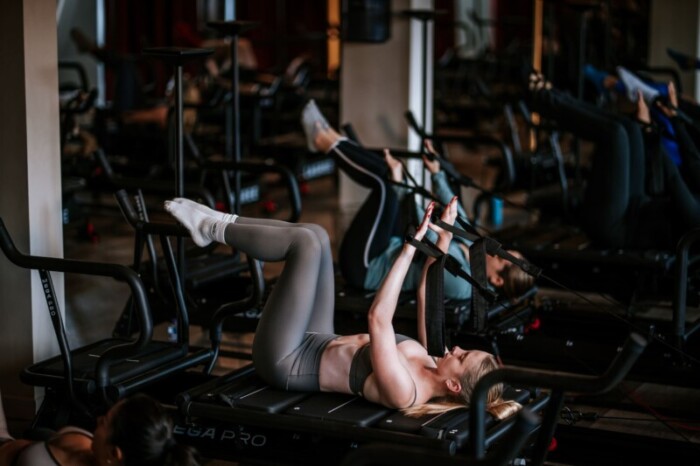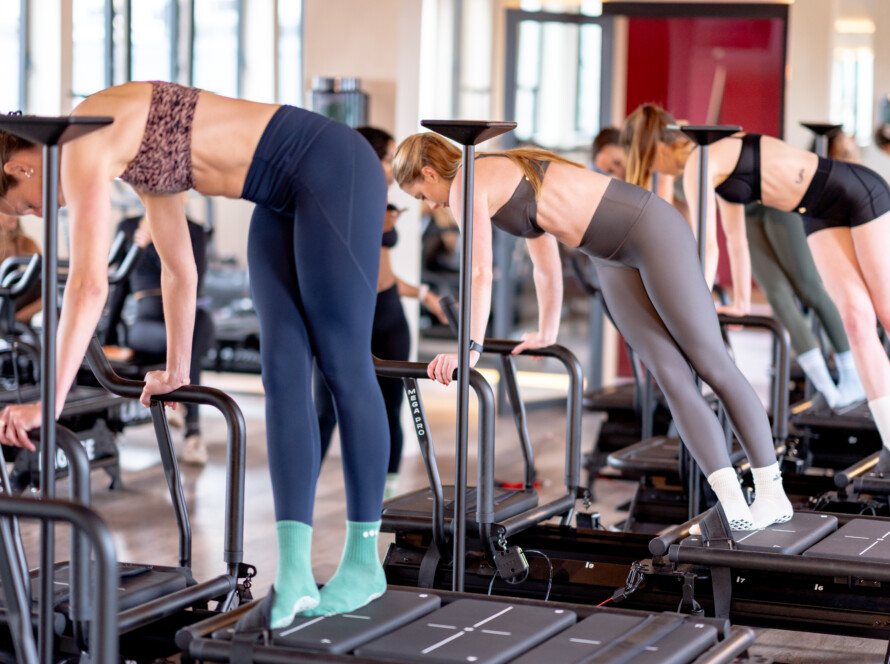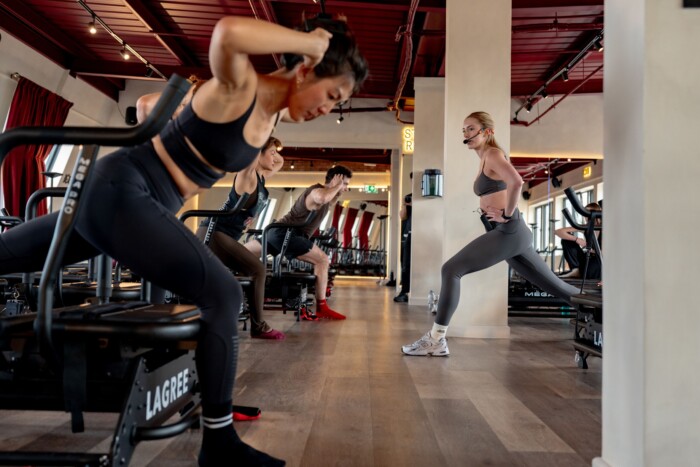
Corporate teams often struggle with wellness initiatives that feel forced and fail to engage employees meaningfully. Many companies are rethinking their Corporate Wellness Packages, moving away from one-size-fits-all approaches toward activities that actually get people moving, talking, and connecting. Walking together creates genuine connection and offers a refreshing break from conference rooms and screens. The challenge lies in sustaining energy and building real strength beyond these outdoor activities.
Effective employee wellness programs combine fresh-air movement with structured fitness training to deliver measurable results. Teams need physical challenges and mental resets that fit into busy schedules while building lasting habits. BST Lagree’s focused, efficient workouts complement outdoor team activities by providing the intentional strength training that walking alone cannot deliver. Companies seeking comprehensive wellness solutions can explore Lagree in London to give their teams the complete fitness experience they’re looking for.
Table of Contents
- The Appeal of Wellness Walks for Corporate Events
- The Belief That Light Activity Is Enough
- What Corporate Wellness Events Are Actually Trying to Solve
- Low-Intensity Activities Often Fall Short
- What High-Impact Corporate Wellness Experiences Should Deliver
- How BST Lagree Boosts Corporate Wellness Events
- Book a Lagree Class in London Today
Summary
- Corporate wellness programs that rely solely on light activities miss the physiological threshold required for muscular adaptation. Walking at a conversational pace slightly raises heart rate but doesn’t create the progressive overload needed to strengthen postural muscles, rebuild core stability, or reverse the specific imbalances caused by prolonged sitting. Research analyzing 1.6 million participants shows insufficient physical activity remains a global concern precisely because light movement alone doesn’t address the strength and functional capacity required for long-term health.
- Employee satisfaction with wellness events doesn’t correlate with physical improvement. Teams can rate a wellness walk highly while simultaneously experiencing chronic lower back pain that the activity did nothing to alleviate. The RAND Corporation found employee participation in wellness programs ranges from 20 to 40 percent, but participation metrics reveal nothing about whether attendees gained strength, reduced pain, or improved physical function. When companies measure attendance instead of outcomes, they conflate logistical success with functional effectiveness.
- Desk work creates predictable physical damage that casual movement cannot reverse. Chronic sitting shortens the hip flexors, weakens the glutes, disengages the core muscles, and reduces thoracic spine mobility, while forcing the lumbar spine to compensate. According to The Journal of Clinical Psychiatry, the average desk worker sits 10 to 12 hours daily. A 20-minute stroll temporarily breaks up static positioning but doesn’t provide the muscular stimulus needed to correct postural dysfunction or rebuild the strength required to maintain proper alignment for the remaining seven hours and forty minutes of the workday.
- Burnout costs the global economy $8.8 trillion annually, with much of that stemming from workplace conditions prioritizing productivity over physical sustainability. Forbes reports that wellness programs often fail because they address symptoms (such as excessive sitting) without addressing underlying issues (weak muscles and postural dysfunction). When corporate events track how many people show up rather than whether participants experience measurable strength gains or pain reduction, resources are invested in programs that create the appearance of progress while physical problems persist unchanged.
- Personalization drives engagement in wellness programs more effectively than generic programming. WellSteps’ 2025 Corporate Wellness Trends report found 45% of employees would engage more if their wellness program were personalized. Low-impact strength training allows this personalization because resistance adjusts to individual capacity; one participant can work at 60% while another pushes to 90%, and both experience meaningful stimulus without the intimidation factor that keeps people away from traditional strength training.
- Lagree sessions in London address this gap by delivering structured, instructor-led resistance training in 45-minute formats that challenge muscles through sustained tension rather than impact, building the core stability and postural strength that counteract sedentary work patterns.
The Appeal of Wellness Walks for Corporate Events
Wellness walks top every corporate event planner’s list because they require no trainers, equipment, or venue limitations. You can organize a group walk in fifteen minutes with a single email, and everyone from the intern to the CFO can participate without changing clothes or worrying about fitness level.
🎯 Key Point: Wellness walks require zero specialized resources while delivering maximum participation across all employee levels.

According to a Hilton Report published in January 2024, 73% of attendees want more wellness options at corporate events. Wellness walks meet this demand without requiring specialized knowledge, insurance waivers, or budget negotiations, making them an ideal way for companies to demonstrate commitment to employee wellbeing while preserving quarterly planning cycles.
“73% of attendees want more wellness options at corporate events.” — Hilton Report, 2024
🔑 Takeaway: The overwhelming demand for wellness programming makes walks a strategic investment that requires minimal resources yet delivers maximum employee satisfaction.
Why Accessibility Feels Like Progress
The average desk worker spends between 10 and 12 hours per day sitting, according to research published in The Journal of Clinical Psychiatry. Any movement breaks this pattern and has value, even if a 30-minute walk only slightly raises heart rate.
Wellness walks create space for informal conversation that doesn’t fit in conference rooms. Two colleagues walking side by side can discuss projects, frustrations, or ideas without the pressure of eye contact or the performance anxiety of speaking up in front of a group. Many teams report that wellness walks improve morale even when they don’t improve fitness.
The Corporate Wellness Checkbox
Companies use wellness walks because they align with health messages without requiring cultural change. Leaders demonstrate care, event planners check off the “movement activity” box, and workers gain an approved break from their screens.
This creates a feedback loop in which wellness walks become the default choice. They work well enough that people don’t question their efficacy, and their ease of implementation gets conflated with actual results.
But ease of access and meaningful physical impact exist on different levels, a gap that becomes clear when you consider what people gain from a 20-minute walk through a business park.
Related Reading
The Belief That Light Activity Is Enough
Most workplace wellness programs are based on the idea that any movement is good progress. Light activity seems sufficient because it breaks up sedentary patterns without creating barriers around fitness level, injury risk, or time commitment.
🎯 Key Point: There’s a crucial difference between temporary relief and actual physical correction.
But movement and real physical change happen on different timelines. A 20-minute walk provides a mental break and temporary boost to blood flow, but does not fix the muscular imbalances created by sitting for eight hours or strengthen the postural muscles that keep your spine stable. The difference between “moving more” and “fixing the damage from sitting” is bigger than most company wellness programs acknowledge.
“Light activity provides temporary relief, but structural postural problems require targeted intervention to create lasting change.”
⚠️ Warning: Confusing movement with corrective exercise can leave employees feeling like they’re addressing workplace health issues when they’re only treating symptoms.
When Light Activity Provides Real Value
Light physical activity offers significant benefits, particularly for sedentary individuals. According to the National Institutes of Health, daily step count may matter more for cancer risk than exercise intensity. For desk-bound employees, a wellness walk introduces movement into an otherwise sedentary routine.
What matters most is doing the activity regularly, not intensely. Regular light activity improves your mood, reduces stress, and creates chances for informal collaboration, results that are important in workplaces where employees spend whole days in meetings or at desks. The problem occurs when companies treat light activity as the final goal rather than the first step.
What physical problems does modern desk work create?
Desk work creates predictable physical patterns: sitting for long periods shortens hip flexors, weakens glutes, and reduces core engagement, while forward head posture from screen time strains neck muscles and compresses thoracic spine mobility.
Over months and years, these patterns compound into chronic discomfort, reduced strength, and postural dysfunction.
Why don’t wellness walks address these deeper issues?
A short walk provides temporary relief from staying in one position but lacks the muscle work needed to rebuild strength or fix imbalances. The body adapts to what you ask of it, and light activity demands little.
This creates a mismatch between what employees need physically and what corporate wellness events typically provide. Wellness walks encourage movement but fall short of helping employees feel stronger, more capable, and physically resilient amid the sedentary demands of work.
Why Intensity Matters for Adaptation
Your muscles get stronger when you push them harder than they’re used to, then give them time to recover and adapt—a process called progressive overload. Light activity maintains your current strength but doesn’t build new strength.
If an employee has lower back pain from weak core muscles or shoulder tension from poor posture, a walk might provide temporary relief. But it won’t address the underlying problem. Without targeted exercises or sustained muscle engagement, the weakness and desk-work patterns persist.
Some corporate wellness programs include stretching or basic bodyweight exercises, but they’re limited to what feels easy and non-intimidating. This results in programming designed around comfort rather than effectiveness.
What’s the difference between accessible and effective wellness programs?
Being accessible and effective need not be opposites. Wellness programs should work for people at different fitness levels and physical abilities while delivering real results. High-intensity, low-impact training methods challenge muscles without stressing joints, build strength without intimidating participants, and fit into work schedules.
How can corporate wellness events deliver real transformation?
Studios like BST Lagree demonstrate this through Lagree Method training on the Megaformer, which combines resistance-based strength work with controlled, slow-tempo movements. This approach accommodates different fitness levels while maintaining high intensity for muscle growth. Corporate wellness events could adopt similar principles, offering employees accessible, effective movement experiences.
Most companies choose what feels safe instead of what works. Light activity poses no risk of failure or discomfort, but it also offers only a limited chance of real change.
Why do companies track attendance instead of health outcomes?
Corporate wellness programs often track participation rates rather than outcomes. How many employees attended the walk? Did engagement increase compared to last quarter? These metrics reflect logistical success but reveal nothing about physical impact.
If companies measured gains in strength, posture improvements, or reductions in reported pain, the limitations of light activity would become obvious. Outcome measurement requires baseline assessments, follow-up evaluations, and acknowledgment that wellness initiatives should produce tangible change. Most programs avoid this accountability because it exposes the gap between effort and results.
What happens when no one measures actual improvements in wellness?
The belief that light activity is enough persists because no one questions whether it works. Employees appreciate the break from sitting. HR teams value its simplicity. Leadership appreciates how it appears. Everyone benefits from seeming to care about wellness without examining whether wellness actually improves.
If corporate events are meant to support employee health rather than merely appear to care, the question shifts from “Did people show up?” to “Did they learn or gain something meaningful?” That’s where the real conversation about workplace wellness begins.
What Corporate Wellness Events Are Actually Trying to Solve
Corporate wellness programs address one problem: the damage caused by sitting for long periods. The question is whether the activities they offer fix that damage or merely create the appearance that the company cares about it.
🎯 Key Point: Most wellness initiatives target the symptoms of a sedentary work culture, not the root cause of prolonged sitting.
According to Forbes, burnout costs the global economy $8.8 trillion, much of it stemming from workplace conditions that prioritize getting work done over keeping workers physically healthy. Sitting for eight hours fails to engage the muscles that stabilize your spine, support your posture, and maintain your physical capability.
“Burnout costs the global economy $8.8 trillion.” — Forbes
⚠️ Warning: Traditional office setups prioritize productivity over the physical health systems that sustain long-term performance.
What happens to your body during prolonged desk work?
Sitting for long periods creates muscle imbalances: hip flexors tighten, glutes weaken, core muscles disengage, and the thoracic spine loses mobility while the lumbar spine compensates, causing pain.
These problems manifest as lower back pain that worsens throughout the day, shoulder tension that impairs focus, and fatigue that caffeine cannot resolve. The body is not designed for prolonged stillness. Remaining in the same position all day triggers discomfort, weakness, and eventual dysfunction.
Why don’t wellness walks solve the underlying problem?
Wellness walks address the symptom (too much sitting) without addressing the underlying issue: weakened muscles and postural dysfunction. A 20-minute walk breaks the sitting pattern but doesn’t rebuild the strength required to maintain proper alignment during the remaining seven hours and forty minutes of your workday.
What do employees actually need from corporate wellness
The goal should be to fight back against the physical changes that sitting at a desk all day creates by requiring muscle work intense enough to build strength, improve endurance, and fix posture balance.
Why do most corporate wellness programs fall short
Most corporate wellness events avoid this intensity due to concerns about injury liability, varying fitness levels, and employee resistance. They stick with safe, inclusive activities that don’t create meaningful physical change.
How can intensity and accessibility work together
Studios like BST Lagree demonstrate that challenging workouts and accessibility need not be opposites. The Lagree Method uses controlled, slow-speed resistance training on the Megaformer to challenge muscles without stressing joints. The approach scales across fitness levels while delivering the stimulus needed for strength gains. Companies could apply similar principles to employee wellness programmes, offering movement experiences that feel approachable yet produce measurable results.
The Gap Between Participation and Outcomes
Research from the RAND Corporation, sponsored by the US Department of Labor, shows that employee participation in wellness programs ranges from 20 to 40 percent, depending on program size and scope. However, participation numbers don’t reveal whether participants gain strength, reduce pain, or improve physical function.
A wellness walk that attracts 100 employees but produces no measurable improvement in desk-work-related issues succeeds in attendance but fails in impact. Wellness initiatives consume budget, time, and organizational attention. If they don’t produce real outcomes, they waste resources and create the appearance of progress while underlying problems persist.
How do companies measure wellness program success?
Companies measure wellness program success by tracking attendance, engagement scores, and employee satisfaction surveys. These metrics capture how people feel about the event, not what it accomplished for their health.
Wellness walks improve mood, create social connections, and provide mental breaks. However, these benefits operate independently of the physical outcomes that workplace wellness programs claim to address. You can enjoy a walk with colleagues and still struggle with chronic lower back pain caused by weak core muscles.
Why does the distinction between feeling good and getting stronger matter?
The difference between feeling good and getting stronger matters: one provides temporary relief, while the other builds strength you can use throughout your workday and beyond.
What happens when companies realize that light activity alone cannot solve the physical problems desk work creates?
Related Reading
- Corporate Wellness Events Ideas
- Employee Wellness Event Ideas
- Corporate Health And Wellness Events
- Wellness Activities for Employees
Low-Intensity Activities Often Fall Short
Low-intensity activities like wellness walks fail to produce lasting physical change because they don’t create sufficient muscular demand to trigger adaptation. Your body strengthens in response to stress that exceeds current capacity. A comfortable walk operates below that threshold, maintaining existing function without building new strength or correcting the postural imbalances that desk work creates.
🎯 Key Point: Your body only adapts when challenged beyond its current comfort zone – gentle movement maintains the status quo but won’t reverse the effects of prolonged sitting.
“Your body strengthens in response to stress that exceeds current capacity – comfortable activities maintain function without building new strength.”
⚠️ Warning: Many people mistake feeling good during low-intensity exercise for making progress – but adaptation requires discomfort and progressive overload to create meaningful change.
What stimulus do muscles need for adaptation?
Muscles respond to progressive overload. When challenged beyond their current capacity, they adapt by growing stronger, more resilient, and more capable. This requires intensity, sustained tension, or resistance that forces muscles to work harder than they do during daily activities.
Walking at a conversational pace primarily engages the cardiovascular system at minimal intensity. These effects support general health for sedentary populations, but cardiovascular engagement and muscular strengthening operate through different mechanisms.
Why doesn’t light movement address long-term health needs?
According to research published in The Lancet Child & Adolescent Health, analyzing data from 1.6 million participants, light movement alone doesn’t address the strength and functional capacity required for long-term health. The body needs resistance, tension, and progressive challenge to build muscle mass, improve bone density, and develop postural stability that counteracts the effects of sedentary strain.
A 20-minute wellness walk provides none of that stimulus. Hip flexors remain shortened, glutes stay weak, and core muscles disengage. The physical patterns created by eight hours of sitting persist unchanged.
Why doesn’t high participation translate to wellness results?
Company wellness events draw strong attendance and positive feedback. Employees appreciate the break and time with coworkers, though these events address mental and social needs more effectively than physical ones.
The confusion arises when companies conflate employee happiness with physical improvement. A team member might rate a wellness walk highly on a post-event survey while still managing chronic lower back pain that the walk failed to address. The event succeeded socially but not in its intended physical outcome.
What physical problems does desk work actually create?
Sitting at a desk for long periods can lead to specific muscle weaknesses and imbalances. The muscles supporting your spine weaken from disuse, posture deteriorates, and unhealthy movement patterns develop. Over months and years, these changes accumulate, leading to chronic pain, reduced mobility, and physical problems that light activity cannot resolve.
What’s the fundamental difference between movement and strength training?
Movement breaks up static positioning. Strength builds capacity to maintain proper alignment despite static positioning. One provides temporary relief; the other creates lasting change.
Many wellness programs stop at movement because strength training feels intimidating. Companies worry about injury liability, varying fitness levels, and the perception that resistance work requires specialized knowledge or equipment, so they default to accessible activities that don’t produce the outcomes employees need.
How can high-intensity training remain accessible for corporate wellness?
Studios like BST Lagree demonstrate that high-intensity training need not sacrifice accessibility. The Lagree Method uses controlled, slow-tempo resistance on the Megaformer to challenge muscles through sustained tension rather than impact or speed. The format scales to different fitness levels while maintaining the stimulus required for muscular adaptation.
The question isn’t whether light activity has value. For most employees dealing with postural dysfunction, muscular weakness, and chronic discomfort from desk work, the real question is whether that value extends to solving these physical problems. For most, the answer is no.
Why does feeling good during wellness walks create false confidence?
People often describe wellness walks as enjoyable and energizing. However, feeling good during an activity doesn’t mean it’s making your body stronger or fixing the imbalances that cause pain.
You can enjoy a walk with colleagues and still have weak glutes that fail to stabilize your pelvis during movement. You can appreciate the mental break and still return to a workday that demands postural endurance your body hasn’t developed. The experience and outcome operate independently.
How do wellness programs succeed at engagement while failing at results?
This creates a trap where wellness initiatives succeed at engagement while failing at effectiveness. Employees participate willingly and report positive experiences, yet underlying physical issues persist because the program lacks sufficient intensity to drive physiological change.
The real measure of a wellness event is not attendance or how people felt afterward, but whether participants got stronger, improved their physical function, or reduced the strain that desk work creates. Most wellness walks score high on engagement and near zero on results.
But what happens when companies start measuring results instead of participation?
What High-Impact Corporate Wellness Experiences Should Deliver
Good corporate wellness events should focus on the physical challenges of modern work, not participation rates or mood. Desk jobs create consistent strain patterns: prolonged sitting, weak core muscles, tight hips, and poor posture. Well-planned wellness activities help workers counter these patterns through structured physical activity.
🎯 Key Point: The most effective corporate wellness programs target the specific physical problems that desk workers face daily, rather than generic fitness activities.
“Sedentary work creates predictable muscular imbalances that affect every office worker, making targeted physical interventions essential for workplace health.”

💡 Best Practice: Design wellness experiences that directly address the core weaknesses and postural issues that develop from prolonged sitting and computer work.
Instructor-Led Sessions
Guided instruction ensures employees perform movements safely and effectively. An experienced instructor demonstrates proper form, modifies exercises for different fitness levels, and explains how movements relate to everyday work posture.
Instructor-led sessions achieve better engagement because structured guidance transforms an event into purposeful training. An instructor who adjusts intensity, corrects alignment, and maintains momentum keeps participants actively engaged. Without this, movement sessions often become social gatherings with minimal physical activity.
Full-Body Muscle Engagement
Corporate wellness activities should engage the entire body rather than focusing on single movements. Full-body engagement activates key muscle groups that support posture, stability, and endurance: the core, glutes, legs, and upper back, which are often underused during long hours of desk work.
Targeting these areas builds strength that supports better physical resilience throughout the workday. When the glutes fire properly, the lower back stops compensating. When the core stabilizes the spine, the shoulders relax. When legs generate power efficiently, the entire kinetic chain functions better. Wellness events that isolate one muscle group miss the interconnected nature of how bodies move.
What makes low-impact strength training effective for workplace wellness?
High-impact workouts can discourage participation or raise injury concerns in workplace settings. Low-impact strength training offers an effective alternative.
Using controlled resistance and slow, deliberate movements, low-impact training challenges muscles while minimizing joint stress. Intensity comes from sustained tension rather than speed or impact, making it suitable for employees across fitness levels without intimidation or excessive soreness.
How does personalization increase employee engagement in strength training?
According to WellSteps’ 2025 Corporate Wellness Trends report, 45% of employees say they would be more engaged if their wellness program were personalized. Low-impact strength training enables personalization through adjustable resistance, tempo, and movement scaling, allowing one participant to work at 60% capacity while another pushes to 90%, with both experiencing meaningful results.
Why does structured programming matter for corporate wellness?
Corporate wellness sessions must fit into real work schedules. Sessions lasting 40 to 45 minutes work well at corporate events, off-sites, or wellness days without disrupting the schedule. A clear structure lets participants move through the session efficiently while receiving a good workout.
Most companies underestimate the importance of structure. Without a clear beginning, middle, and end, wellness activities become unstructured time that feels optional. Employees need to know what they’re signing up for, how long it will take, and what they’ll gain. That clarity drives participation and ensures the session delivers on its promise.
How do professional studios deliver effective, structured sessions?
Studios like BST Lagree demonstrate how structured, instructor-led sessions using the Lagree Method on the Megaformer deliver full-body strength training in 45-minute formats. The controlled resistance and slow-tempo movements create high intensity without impact, making the method accessible to people at varying fitness levels while maintaining the muscular demand required for adaptation.
When these elements come together, the purpose of a wellness event shifts. Rather than functioning solely as a morale activity, the experience becomes performance-driven. Employees leave with muscles engaged, supporting posture, strength, and resilience in their daily work.
But how do you translate that intensity and structure into a corporate setting without specialized equipment or a permanent studio space?
How BST Lagree Boosts Corporate Wellness Events
BST Lagree offers corporate wellness experiences built around the Lagree method, a high-intensity, low-impact strength training system designed to improve muscular endurance, posture, and core stability. These structured workouts counteract the effects of prolonged sitting through slow, controlled resistance movements that maintain constant muscle tension, building strength and endurance without excessive joint stress.
🎯 Key Point: The Lagree method specifically targets the physical challenges of modern office work by counteracting the negative effects of prolonged sitting through targeted muscle engagement.

“High-intensity, low-impact training systems like Lagree can improve muscular endurance and core stability while minimizing joint stress.” — National Center for Biotechnology Information
💡 Tip: Corporate teams benefit most from Lagree sessions when they’re scheduled during natural energy dips like mid-afternoon, providing both physical activation and mental refreshment that carries through the rest of the workday.
Structured 40 to 45 Minute Sessions
Each 40 to 45-minute session fits within corporate schedules while delivering a complete workout. The time limit forces efficiency: every movement serves a purpose, with no wandering between exercises or waiting for equipment. Participants move through sequences that target specific muscle groups in succession, maintaining intensity while preserving the physical stimulus required for adaptation.
Core-Focused Resistance Training
The Lagree method focuses on core engagement, which stabilizes the spine and supports better posture, especially for desk workers. When your core works properly, your lower back stops compensating for weakness elsewhere, your shoulders drop away from your ears, and chronic tension built up during meetings encounters a counterforce that actively rebuilds your ability to maintain alignment when tired.
Low-Impact Intensity for All Fitness Levels
Lagree workouts are low-impact yet intense. Controlled resistance movements reduce joint stress while delivering high levels of muscular engagement, making sessions accessible to employees with varying fitness levels. Someone who hasn’t exercised in months can work alongside regular trainers because resistance adjusts to individual capacity. Intensity comes from sustained tension rather than speed or impact, allowing participants to challenge themselves without the intimidation factor of traditional strength training.
Small Group Instruction for Accountability and Technique
BST Lagree sessions in small group formats allow instructors to guide participants through each movement, provide real-time feedback on technique, and correct form before poor habits lead to injury.
The instructor’s presence transforms the experience into a purposeful training session. Participants stay engaged because someone coaches them and holds them accountable to their commitment.
The result is structured training designed to improve strength, posture, and physical resilience, helping employees return to work with greater energy and body awareness.
But knowing what makes a session effective and implementing it within your organization’s calendar are two different challenges.
Book a Lagree Class in London Today
If your company is planning wellness activities for a corporate event, BST Lagree offers structured, low-impact strength training that delivers measurable physical results. A single session demonstrates how our targeted resistance training improves posture, core strength, and energy throughout the workday.

🎯 Key Point: Booking a Lagree class in London means choosing an experience that creates physical change rather than simply filling time on the agenda. Our investment in your team builds muscular capacity that helps them sit straighter, move better, and finish the day with less pain and more strength.
“Low-impact strength training delivers measurable physical results that improve workplace wellness and employee productivity throughout the workday.” — BST Lagree Corporate Wellness Program
💡 Tip: Corporate Lagree sessions provide immediate benefits that employees can feel and apply during their workday, making it a high-impact wellness investment for your team’s long-term health and productivity.