Waking up with sharp, shooting pain down your leg during pregnancy can turn what should be a joyful time into a daily struggle. When sciatic nerve pain strikes, even simple movements feel impossible, and finding safe relief becomes a priority for expectant mothers everywhere. Morning stretches for women, particularly those targeting pregnancy-related sciatica, offer a gentle way to ease discomfort without medication, helping you reclaim comfort and mobility throughout your day. This article will guide you through effective pregnancy sciatica stretches designed specifically for safe pain relief, giving you practical tools to manage lower back pain, hip tension, and leg numbness during this special time.
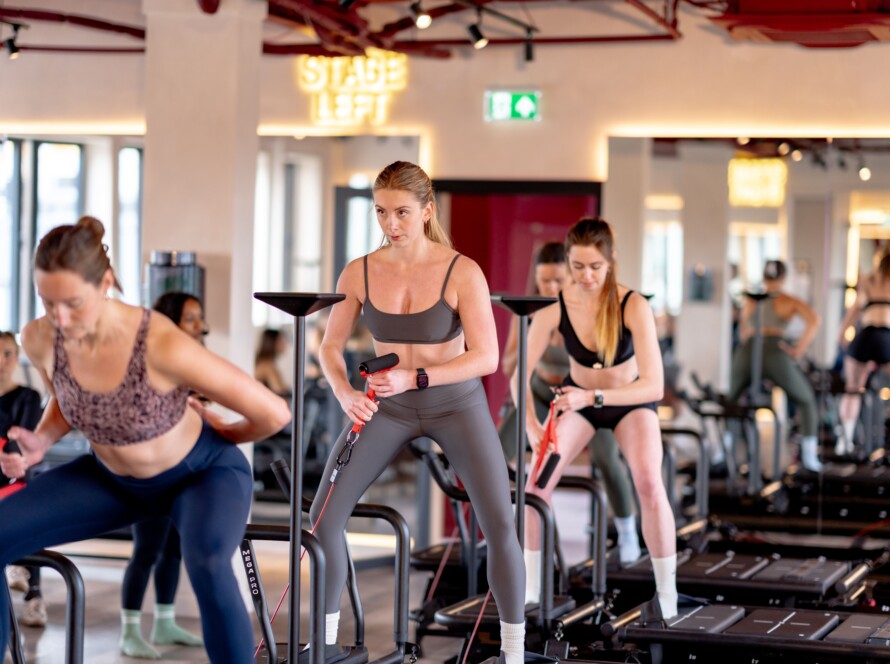
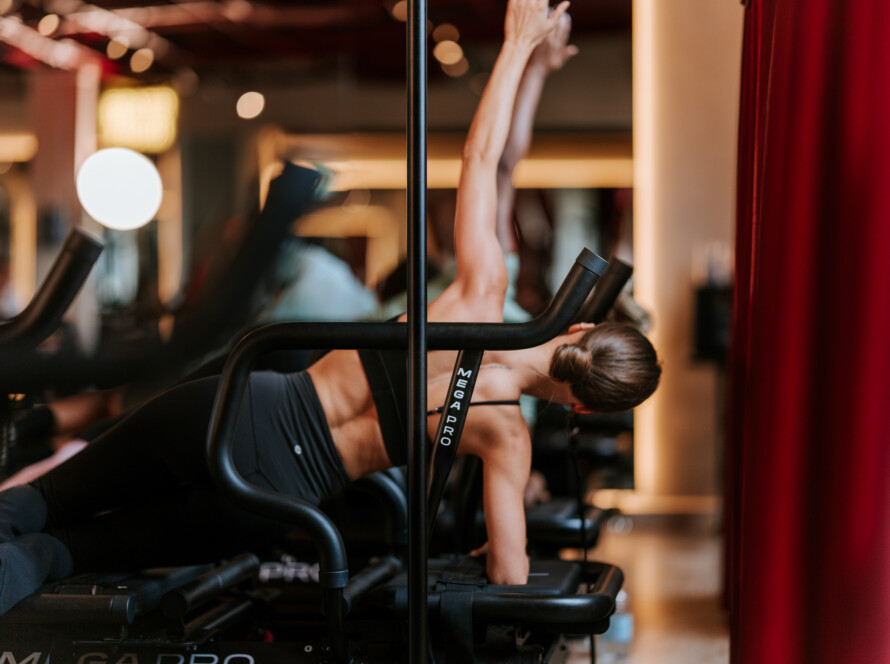
If you’re looking for expert guidance beyond at-home routines, BLOOD, SWEAT & TEARS’ Lagree in London provides specialized support for pregnant women seeking safe, effective movement practices. Their Lagree method offers low-impact, controlled exercises that strengthen the muscles supporting your spine and pelvis while maintaining proper alignment, which can directly address the root causes of sciatic pain during pregnancy.
Summary
- Sciatic nerve pain affects approximately 50% of pregnant women, making it one of the most common physical complaints during pregnancy. The pain stems from hormonal changes that loosen ligaments, weight distribution shifts that alter spinal curves, and direct pressure from the expanding uterus on nerve pathways. While stretching provides relief when muscle tightness drives symptoms, it can worsen pain when the nerve itself is inflamed, making it critical to distinguish between muscular tension and acute nerve compression before beginning any flexibility routine.
- Sleep positioning dramatically impacts overnight nerve irritation and daytime symptom severity. Placing a pillow between the knees during side-lying sleep maintains spinal alignment and prevents the top leg from pulling the pelvis out of position, reducing strain on the sciatic nerve pathway throughout the night.
- Weak stabilizing muscles, not tight muscles, cause most pregnancy sciatica cases. When the glutes, deep hip rotators, and core cannot support the body’s changing structure, other muscles compensate by overworking, creating the tightness and spasms that compress the sciatic nerve. Stretching those tight muscles offers only temporary relief because the underlying weakness remains, causing tension patterns to return unless strength work addresses the root mechanical instability.
- About 1% of pregnant patients receive a formal sciatica diagnosis, though actual symptom prevalence is far higher because many cases get dismissed as typical pregnancy discomfort. True sciatica produces sharp, shooting pain that travels down one leg, often with tingling or numbness, while other pregnancy-related back pain stays localized or radiates equally to both legs.
- Prolonged sitting or standing in static positions increases compression of the sciatic nerve and fatigues the pelvic stabilizers, leading to compensatory muscle tightness. Clinical recommendations for pregnancy-related back pain emphasize changing positions every 30 minutes to interrupt sustained compression and maintain circulation to tissues surrounding the nerve.
Lagree in London builds strength in the deep core, glutes, and hip stabilizers through controlled, low-impact resistance work that protects vulnerable joints while creating the muscular endurance pregnancy demands to prevent sciatic nerve compression.
Why Sciatic Pain Is So Common During Pregnancy
Sharp pain that shoots from your lower back down through your hip and leg isn’t a sign that something’s gone wrong. It’s your body responding to one of the most dramatic physical transformations it will ever undergo. The sciatic nerve, which runs from your lower spine through your pelvis and down each leg, becomes vulnerable when pregnancy shifts nearly every system that protects it.
The Hormonal Shift That Loosens Everything
Relaxin floods your system during pregnancy, softening ligaments to prepare your pelvis for birth. That flexibility is essential for delivery, but it comes with a tradeoff.
When the joints that normally stabilize your hips and lower back become looser, surrounding muscles compensate by tightening. That muscular tension can press directly on the sciatic nerve or pull your pelvis into positions that create compression.
Movement Strain and Nerve Pain
The instability doesn’t just affect alignment. It changes how you move. Walking, standing, and even shifting weight from one foot to the other require muscles to work harder to maintain balance. That constant low-level strain accumulates, and for many women, it shows up as nerve pain that seems to appear without warning.
Weight Distribution and Postural Changes
Your center of gravity moves forward as your abdomen grows, pulling your spine into a deeper curve. Increased lumbar lordosis places sustained pressure on the lower vertebrae and the nerve roots that branch from them.
According to UT Southwestern Medical Center, about 1% of pregnant patients receive a formal sciatica diagnosis, though the actual number experiencing symptoms is far higher because many cases get dismissed as typical pregnancy discomfort.
Front-Loaded Weight and Sciatic Pain
The extra weight isn’t distributed evenly. Most of it sits at the front of your body, which means your back muscles, glutes, and hip stabilizers work overtime to keep you upright. When those muscles fatigue or tighten unevenly, they can pull on the pelvis or create trigger points that refer pain down the leg, mimicking or worsening true sciatic nerve irritation.
Direct Pressure From The Growing Uterus
As your baby grows, the uterus expands into the surrounding space. In some cases, it presses against the sciatic nerve or the piriformis muscle (a small muscle deep in the hip that the nerve runs beneath or through). That direct compression can cause sharp, shooting pain that worsens with certain movements or positions.
The pressure isn’t constant. It shifts as your baby moves, which is why sciatic pain can feel unpredictable. One day you’re fine, the next you can barely get out of bed. That variability makes it hard to pinpoint a single cause, but it also means relief often comes from changing positions, stretching tight muscles, or strengthening the structures that support proper alignment.
Why Movement Matters More Than Rest
Most women instinctively want to avoid activity when nerve pain flares. The fear is understandable. Sharp sensations down your leg feel like a warning signal. But prolonged inactivity often makes stiffness worse. Muscles that aren’t regularly moving lose their ability to support your joints, increasing the likelihood of compression and misalignment.
Low-Impact Strength for Stability
Controlled, intentional movement that strengthens without jarring the joints offers a better path. Low-impact work that builds endurance in the muscles supporting your spine and pelvis can reduce the mechanical stress that triggers nerve irritation in the first place.
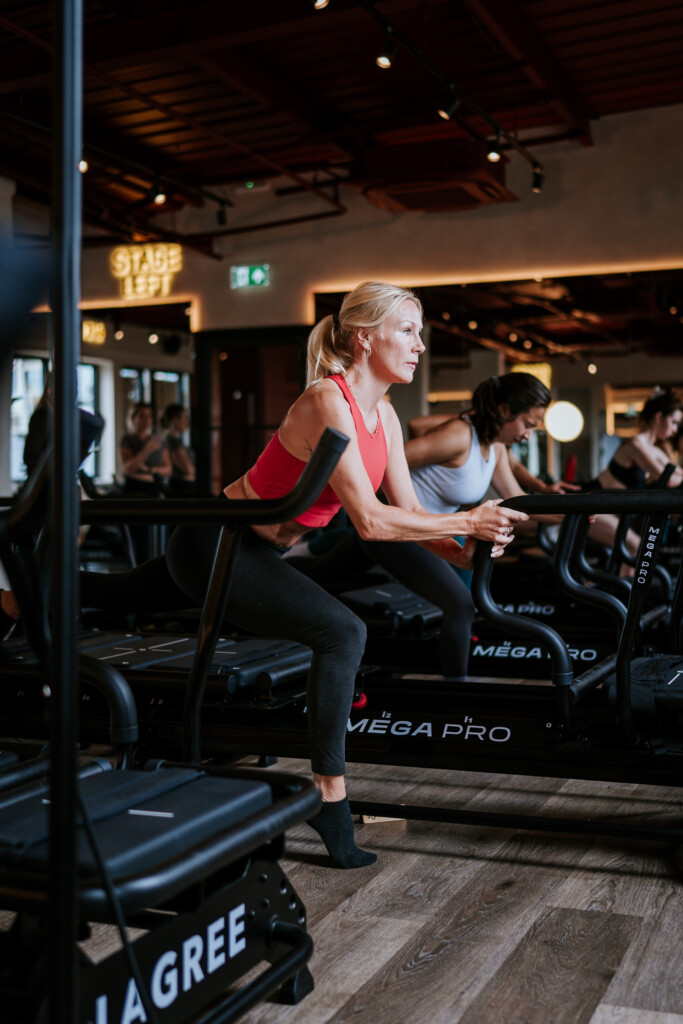
Lagree in London offers a method designed around this principle: high-intensity engagement with zero impact, allowing pregnant women to maintain strength and stability without the joint stress that traditional exercise can create during this vulnerable time.
Managing Pregnancy Sciatica Intensity
The intensity of pregnancy sciatica varies widely. Some women feel occasional twinges. Others struggle with pain that disrupts sleep, limits mobility, and creates constant worry about whether they’re doing something wrong.
Neither experience is unusual, and both respond to the same foundational approach: supporting your body’s changing structure with movement that builds strength without adding strain.
Related Reading
- Morning Stretches for Women
- Why Am I Not Flexible
- How Long Does It Take to Get Flexible
- Does Flexibility Increase Strength
- Mobility Stretching Routine
- Full Body Stretching Routine for Flexibility
- Pregnancy Stretching Routine
What Causes Pregnancy Sciatica and What Makes It Worse
The pain originates from pressure, instability, and compensation. Your body undergoes structural changes that compress or irritate the sciatic nerve, and the muscles meant to protect it often end up contributing to the problem instead. What starts as a mechanical shift becomes a feedback loop where tightness creates more pressure, which triggers more tightness.
Uterine Expansion and Nerve Compression
The growing uterus doesn’t just expand outward. It shifts the position of organs, alters the tilt of your pelvis, and narrows the spaces where nerves pass through bone and soft tissue.
In some positions, particularly when sitting or lying on your back, the uterus can press directly against the sciatic nerve or the structures surrounding it. That compression produces the sharp, radiating pain that feels like an electric shock down your leg.
Shifting Pressure and Nerve Flare-Ups
The pressure isn’t uniform. It changes as your baby moves, as you shift positions, and as your body adjusts to carrying more weight in the front. Some days, the nerve has room to glide freely. Other days, it’s pinched between expanding tissue and rigid bone, and even small movements can trigger intense pain.
Relaxin and Ligament Laxity
Relaxin softens the connective tissue holding your pelvis together, preparing your body for childbirth. That flexibility is essential for delivery, but it removes the structural support your spine and hips rely on for stability.
When ligaments loosen, muscles must compensate by contracting harder and holding tension longer. That sustained muscular effort often leads to spasms, trigger points, and imbalances that compress the sciatic nerve from multiple angles.
Persistent Instability and Pelvic Support
The instability doesn’t resolve until after delivery. Throughout pregnancy, your joints remain more mobile than usual, which means the muscular compensation continues. Stretching alone won’t fix this. You need to build strength in the muscles that stabilize your pelvis, so they can support your changing structure without creating painful tension patterns.
Pelvic Misalignment and Uneven Loading
Subtle shifts in how your pelvis tilts or rotates can compress one side of the sciatic nerve pathway more than the other. This explains why symptoms often affect only one leg. The misalignment usually stems from uneven weight distribution, habitual postures like standing with weight shifted to one hip, or muscle imbalances that pull the pelvis out of neutral alignment.
Asymmetrical Loading and Posture Impact
Crossing your legs while sitting, slouching into one hip while standing, or sleeping in positions that twist your spine all contribute to asymmetrical loading. Over time, these habits reinforce the misalignment, leading to more frequent and intense nerve irritation. Correcting posture and rebalancing the muscles that control pelvic position often reduces symptoms faster than passive treatments.
Piriformis Tightness and Deep Hip Tension
The piriformis muscle sits deep in the hip, and the sciatic nerve runs beneath or through it, depending on your anatomy. When the piriformis tightens, it can press directly on the nerve, producing pain that radiates down the back of the leg. Pregnancy increases the likelihood of piriformis tension because your gait changes, your hip stabilizers work harder, and your pelvis tilts forward, all of which alter how the muscle functions.
Stretching the piriformis helps, but only if you also strengthen the surrounding muscles. A tight piriformis often signals weak glutes and hip stabilizers. When those muscles can’t do their job, the piriformis overworks and locks up. Addressing the weakness prevents the tightness from returning.
What Makes Symptoms Worse
Prolonged sitting increases pressure on the lower spine and compresses the sciatic nerve, especially on soft surfaces like couches or car seats. Poor posture, whether sitting or standing, amplifies the problem by unevenly shifting your weight across your pelvis and spine. Sleeping on your back in later pregnancy can allow the uterus to press against major blood vessels and nerves, worsening pain overnight.
Inactivity, Stiffness, and Controlled Movement
Inactivity creates stiffness. Muscles that don’t move regularly lose their ability to support your joints, which increases mechanical stress on the sciatic nerve. The instinct to rest when pain flares is understandable, but extended rest often makes the underlying instability worse.
Controlled movement that builds endurance without jarring the joints offers a better path. High-intensity work that engages muscles deeply while eliminating impact, like the approach used in Lagree in London, allows pregnant women to maintain strength and stability without the joint stress that traditional exercise can create during this vulnerable time.
Distinguishing Sciatica From Other Pregnancy Pain
Not all lower back pain involves the sciatic nerve. Pelvic girdle pain, sacroiliac joint dysfunction, and general muscle strain are extremely common during pregnancy and produce symptoms that overlap with sciatica.
True sciatica typically causes sharp, shooting pain that travels down one leg, often accompanied by tingling, numbness, or a burning sensation. The pain follows the nerve rather than remaining localized to the lower back or pelvis.
Differentiating Sciatica from General Back Pain
If your pain stays in your lower back, radiates equally into both legs, or feels more like a deep ache than a sharp shock, it may not be sciatic nerve compression. Understanding the distinction helps you choose the right relief strategies. Treating all pregnancy back pain as sciatica can lead to ineffective approaches that don’t address the actual source of discomfort.
When Stretching Is Helpful and When to Avoid It
Stretching helps when muscle tightness drives the pain, not when the nerve itself is already inflamed. If your discomfort stems from postural strain, hip tension, or compensatory tightness in the glutes and lower back, gentle mobility work can ease symptoms and restore range of motion. But when the sciatic nerve is acutely compressed or irritated, aggressive stretching can worsen inflammation and prolong recovery.
The difference matters because pregnancy already destabilizes your joints. Relaxin loosens ligaments to prepare for birth, which means your body relies more heavily on muscular support to maintain alignment. Stretching without strengthening that support system can leave you more vulnerable, not less.
When Stretching Provides Relief
Stretching works best for pain rooted in muscular tension rather than direct nerve compression. If your symptoms feel like a deep ache in your hip or lower back, improve with movement, and don’t radiate sharply down your leg, you’re likely dealing with tight muscles pulling on your pelvis or spine. Gentle stretches that target the piriformis, hip flexors, and lower back can reduce that tension and create space for the nerve to glide freely.
Controlled movement also improves circulation to affected tissues, which supports healing. Sitting for hours tightens the hips and compresses the lower spine. Standing and moving through a few deliberate stretches breaks that cycle, restoring blood flow and relieving the stiffness that builds when muscles stay contracted too long.
When Stretching Makes Things Worse
Sharp, shooting pain that travels down your leg signals nerve irritation, not just muscle tightness. Stretching an already inflamed nerve can increase compression and aggravate symptoms.
If you feel electric shocks, burning sensations, or worsening numbness during a stretch, stop immediately. The nerve needs rest and reduced pressure, not more mechanical stress.
Hormones and Stretching Risks
Pregnancy hormones amplify this risk. Ligaments that normally stabilize your pelvis are already lax, so pushing into deep stretches can destabilize joints rather than relieve them.
I’ve watched too many women assume that more flexibility equals less pain, only to find themselves unable to walk the next day because they overstretched into an unstable position. The body interprets that instability as a threat and responds by tightening muscles even more, creating a feedback loop that worsens the original problem.
Positions That Protect Versus Positions That Strain
Not all stretches are created equal during pregnancy. Lying flat on your back after the first trimester can compress the vena cava, reducing blood flow to you and your baby.
Deep twists that rotate the spine or pelvis may feel satisfying in the moment, but can pull on already vulnerable ligaments. Bouncing or forcing a stretch to increase the range of motion ignores the signals your body sends when it reaches a safe limit.
Supported Positions for Safe Stretching
Side-lying stretches, seated positions with support, and hands-and-knees postures allow you to move without compromising stability. Pillows, bolsters, and chairs provide external support that compensates for the internal laxity pregnancy creates. These modifications aren’t about doing less. They’re about doing what works without adding risk.
Strengthening As The Missing Piece
Stretching alone rarely solves pregnancy sciatica because the root issue is often weakness, not tightness. When your glutes, deep hip stabilizers, and core muscles can’t support your changing structure, other muscles overwork to compensate. That overwork creates the tightness you feel, but stretching those muscles without addressing the underlying weakness just resets the cycle.
Pelvic Strength and Controlled Stability
Building strength in the muscles that stabilize your pelvis reduces the mechanical stress that triggers nerve irritation in the first place. High-intensity engagement that targets those stabilizers without jarring your joints offers a more sustainable path than passive stretching.
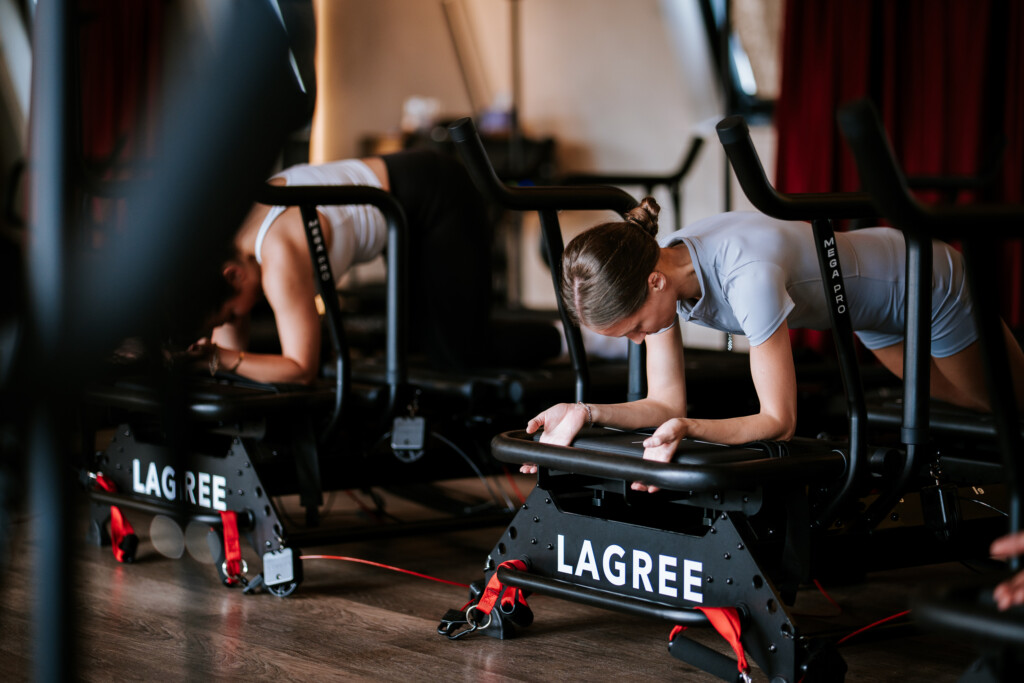
Lagree in London uses slow, controlled movements on the Megaformer to build endurance in the exact muscles pregnancy demands most, creating the kind of deep stability that prevents compensatory tension from forming. It’s not about flexibility. It’s about control.
When To Stop and Seek Guidance
Certain symptoms require professional evaluation, not self-treatment. Progressive leg weakness, loss of sensation in the groin or inner thighs, or difficulty controlling your bladder or bowel signals serious nerve compression that demands immediate medical attention.
Severe, unrelenting pain that doesn’t respond to rest or position changes also warrants a clinical assessment to rule out conditions beyond typical pregnancy sciatica.
Seek Professional Evaluation
Even without red flags, persistent symptoms that interfere with daily function deserve more than guesswork. A physiotherapist trained in prenatal care can assess whether your pain stems from muscular tightness, joint instability, or nerve compression, then guide you toward movements that address the actual source rather than just the sensation.
Matching Stretches to the Problem
The real question isn’t whether to stretch, but whether the stretch you’re doing matches the problem you’re trying to solve. Knowing which movements ease tension and which ones add strain makes the difference between relief and frustration.
Related Reading
- Stretches for Women Over 50
- Quad And Hamstring Stretches
- Ballet Stretches
- Split Stretches
- Aerial Yoga Stretches
- Sacrum Stretches
7 Best Pregnancy Sciatica Stretches for Relief
Gentle, well-supported stretching eases pressure on the sciatic nerve by reducing muscle tension and improving pelvic alignment without stressing the abdomen or joints. The key during pregnancy is comfort, stability, and slow, controlled movement rather than deep flexibility. According toHealthline, 50% of pregnant women experience sciatic discomfort, making targeted relief strategies essential for maintaining mobility and quality of life.
1. Seated Piriformis Stretch (Figure 4)
This targets the piriformis muscle, a common source of sciatic nerve irritation that sits deep in the hip and often tightens as your gait changes and your pelvis tilts forward.
How to Do the Seated Figure-4 Stretch
Sit tall on a sturdy chair. Cross one ankle over the opposite knee. Gently hinge forward from the hips until a stretch is felt in the outer hip. Keep your spine long, not rounded. Flex the top foot to protect the knee. Breathe slowly into the stretch for 20 to 30 seconds.
Support Over Depth
The position allows gravity to assist the stretch without requiring balance or floor work, which becomes increasingly difficult as pregnancy progresses. Support matters more than depth. If you can’t hinge forward comfortably, the stretch still works sitting upright. You’re looking for sensation, not performance.
2. Modified Pigeon Pose (Supported)
A traditional pigeon pose can be too intense, but a supported version provides deep hip relief safely by allowing you to control the angle and pressure through pillow placement.
How to Do a Supported Hands-and-Knees Stretch
From hands and knees, bring one knee forward toward the wrist. Extend the opposite leg back comfortably. Place pillows or a bolster under the front hip and torso. Keep hips level, avoiding collapse to one side. Stay upright or fold only as far as comfortable. Use slow, steady breaths to release tension.
Why External Support Matters
The external support compensates for the ligament laxity pregnancy creates. Without it, you’re asking already unstable joints to hold a position they can’t safely maintain. The pillows aren’t a modification for weakness. They’re structural support that lets the right muscles lengthen without forcing vulnerable joints into compromise.
3. Cat-Cow Stretch
This gentle spinal movement reduces stiffness and relieves pressure in the lower back by alternating between compression and decompression throughout the vertebrae.
How to Do the Cat-Cow Stretch
Start on hands and knees with wrists under shoulders and knees under hips. Inhale, drop the belly slightly, and lift the chest (cow). Exhale, round the back gently (cat). Move slowly with no forceful arching. Keep neck neutral. Match movement to breath.
The Importance of Slow, Mindful Movement
The rhythm matters as much as the position. Rushing through the sequence turns it into a mechanical exercise. Slowing down lets you feel where tension lives and where movement flows easily. That awareness helps you identify which areas need more attention in other stretches.
4. Child’s Pose With Wide Knees
A restorative position that lengthens the lower back and hips while making room for the belly, reducing compression on both the spine and the uterus.
How to Do the Child’s Pose Stretch
Kneel with knees wider than hips. Sit back toward heels (or as far as comfortable). Rest your torso on pillows or the floor. Support the chest to avoid abdominal pressure. Let the hips relax backward. Take slow breaths into the back ribs.
Focus on Effort, Not Final Position
This isn’t about achieving a specific shape. It’s about finding a position where your body can release holding patterns it’s been maintaining all day. If your hips don’t reach your heels, that’s irrelevant. The stretch happens in the attempt to move backward, not in the final position.
5. Standing Hamstring Stretch (Supported)
Tight hamstrings pull on the pelvis and aggravate sciatic symptoms by tilting the pelvis posteriorly and flattening the lumbar curve, which increases pressure on the lower spine.
How to Do a Supported Hamstring Stretch
Place one heel on a low step or chair. Keep the standing leg slightly bent. Hinge forward from the hips. Keep back flat rather than rounding. Avoid locking the knee. Stop before any nerve-like pain appears.
Finding the Right Height and Alignment
Height matters here. A surface too high forces you into a rounded spine, which defeats the purpose. Too low and you won’t feel anything. The right height lets you maintain a neutral spine while feeling a gentle pull along the back of the thigh. If you feel sharp pain down your leg, you’ve gone too far.
6. Side-Lying Hip Stretch
Ideal later in pregnancy when floor positions become uncomfortable and lying flat on your back compresses major blood vessels.
How to Do a Side-Lying Hip Stretch
Lie on your side with pillows supporting your head and belly. Bend the top leg and gently draw it forward. Hold behind the thigh if comfortable. Keep hips stacked. Support the knee with pillows if needed. Relax into slow breathing.
Benefits of Gravity-Free, Supported Position
The position removes gravitational load from your spine while still allowing hip movement. Most women find this more sustainable than floor-based stretches because it doesn’t require getting up and down repeatedly. You can hold it longer, which gives tight muscles more time to release.
7. Pelvic Tilt (Hands-and-Knees or Wall)
This gentle movement reduces lower-back strain by improving pelvic positioning and engaging the deep core stabilizers that support your changing structure.
How to Do Pelvic Tilts
On hands and knees or standing against a wall, gently tuck the pelvis under and slightly flatten the lower back. Return to neutral. Use small, controlled motion. Avoid forceful squeezing. Exhale during the tuck.
Retraining Neutral Spine Alignment
The movement retrains your body to find neutral alignment rather than defaulting to the exaggerated lumbar curve pregnancy creates. It’s not a stretch in the traditional sense. It’s a repositioning exercise that teaches muscles how to support your pelvis without overworking. That control translates into less compensatory tension throughout the day.
Daily Habits That Reduce Sciatic Pain Between Stretches
Most relief doesn’t come from the 10 minutes you spend stretching. It comes from the positions you hold, the surfaces you sit on, and the way you move through the other 23 hours of the day. Pregnancy sciatica responds more to sustained mechanical changes than to isolated flexibility work. Posture, sleep setup, movement frequency, and muscle endurance determine whether nerve irritation resolves or compounds.
Sleep Positioning with Pillows
Nighttime matters because your body stays in one position for hours, and poor alignment during that time can undo everything you gained from daytime movement. Lying flat on your back after the first trimester allows the uterus to press against the inferior vena cava and the structures surrounding the sciatic nerve. That compression restricts blood flow and increases nerve irritation.
How to Sleep Safely During Pregnancy
Side-lying sleep with strategic pillow placement keeps your pelvis level and reduces twisting forces on the spine. According to the Sleep Foundation, placing a pillow between your knees prevents the top leg from pulling your pelvis out of alignment, which reduces strain on the lower back and sciatic nerve pathway.
A second pillow under your abdomen supports the weight of your belly without requiring your back muscles to hold that load all night. Research published in Very Well Health confirms that a pillow between the legs maintains spinal alignment and relieves nerve-related pain, such as sciatica, even outside pregnancy.
Gentle Movement Throughout the Day
Sitting for extended periods compresses the lower spine and hips, increasing pressure on the sciatic nerve. Standing in one position for too long can fatigue the muscles that stabilize your pelvis, leading to compensatory tightness. Clinical recommendations for pregnancy-related back pain emphasize avoiding prolonged static postures and changing positions regularly, according to guidance from the OBGYN of Hampton.
Movement doesn’t need to be formal exercise. Walking to the kitchen, standing to take a phone call, or shifting from sitting to standing every 30 minutes helps prevent muscle stiffness and maintain circulation to the tissues surrounding the nerve. The goal is to interrupt sustained compression, not to achieve a specific step count or intensity level.
Building Muscular Endurance for Sciatic Relief
Strength work that builds endurance in your stabilizing muscles reduces the mechanical stress that triggers nerve irritation in the first place. When your glutes, deep hip rotators, and core can support your changing structure without fatiguing, you don’t develop the compensatory tension patterns that lead to sciatic flare-ups.
High-intensity engagement that targets those stabilizers without jarring your joints builds the deep muscular endurance pregnancy demands. Lagree in London uses slow, controlled movements on the Megaformer to build endurance while eliminating the impact traditional strength training can create, allowing pregnant women to maintain powerful workouts that protect rather than stress vulnerable joints.
Supportive Footwear
Your feet are the foundation of your entire kinetic chain. During pregnancy, weight gain and ligament laxity flatten arches and alter gait patterns, which shift how force travels up through your ankles, knees, hips, and spine. Unsupportive shoes amplify that misalignment, increasing stress on the lower back and sciatic nerve pathway.
Footwear for Spine Support
Obstetric guidance consistently recommends low-heeled, supportive footwear for pregnancy-related back pain, according to Mayo Clinic standards. Proper arch support distributes the load evenly across your foot, reducing compensatory strain higher up the chain.
Flat shoes without structure are just as problematic as heels because they offer no support for the arch collapse pregnancy creates. The right footwear doesn’t eliminate sciatica, but it prevents your feet from worsening the problem.
Heat or Cold Therapy (If Approved)
Thermal therapy addresses pain through two different mechanisms. Warmth relaxes tight muscles and improves blood flow to the area, helping tissues heal and reducing the spasm that often accompanies nerve irritation. Cold reduces inflammation and numbs acute pain by constricting blood vessels and slowing nerve conduction.
Warming the Lower Back Safely During Pregnancy
Clinical guidance from sleep and pain specialists notes that warming the lower back before bed may improve comfort for people with sciatica, according to the Sleep Foundation. Pregnancy-specific use requires caution around temperature and placement to avoid overheating or affecting blood flow to the uterus. Always discuss thermal therapy with your healthcare provider before using it regularly.
Choosing Heat or Cold for Pain Relief
The choice between heat and cold depends on whether your pain feels like deep muscular tightness or sharp, inflamed nerve irritation. Heat works better for chronic, achy discomfort. Cold helps more with acute flare-ups that feel hot or swollen.
Prenatal Strength Work
Weak stabilizers are the root cause of most pregnancy sciatica cases. When the muscles that control pelvic position can’t do their job, other muscles compensate by overworking. That compensation creates the tightness, spasms, and imbalances that compress the sciatic nerve. Stretching those tight muscles provides temporary relief, but the tension returns unless you address the underlying weakness.
Prenatal Strength Training for Back and Pelvic Stability
Cochrane reviews of prenatal exercise interventions show that structured strength programs focusing on core, glutes, and pelvic stability reduce pregnancy-related back pain and improve function. Stronger stabilizers maintain pelvic alignment under load, reduce compensatory muscle overuse, and decrease the mechanical irritation that triggers nerve pain.
The work doesn’t need to be high-impact to be effective. Controlled, sustained engagement builds the endurance your body needs to support itself through an entire day without breaking down into pain-producing compensation patterns.
Why Strength Work Beats Stretching Alone
Sciatic pain during pregnancy is rarely caused by a single tight muscle. It’s the result of sustained mechanical stress that builds when your body can’t stabilize itself under changing loads. Daily habits, especially sleep setup, movement frequency, and strength work, often determine whether symptoms improve or persist, even when stretching is done correctly.
But strength work during pregnancy requires a different approach than most fitness programs offer, and understanding why makes the difference between relief that lasts and exercises that add strain rather than support.
A Simple Daily Pregnancy Stretching Routine
If you want a general stretching routine for pregnancy rather than sciatica relief alone, this 10-minute sequence covers the areas that often feel tight: neck, chest, back, hips and calves. Check with your midwife or GP before starting, especially if you have any complications.
- Seated neck stretch: sit tall, tip one ear towards your shoulder and hold for 20 to 30 seconds on each side.
- Doorway chest stretch: forearms on the door frame at shoulder height, step one foot through until you feel a gentle stretch across the chest, and hold for 30 seconds.
- Cat-cow on hands and knees: 8 slow rounds, moving with your breath.
- Wall calf stretch: hands on a wall, one leg back with the heel down, and hold for 30 seconds on each leg.
- Seated figure-4 (stretch 1 above): 30 seconds on each side, sitting on a chair.
- Child’s pose with wide knees, resting your chest on pillows: 5 slow breaths.
Go only to a mild stretch, never to the end of your range, and keep your breathing easy. The NHS advises avoiding activities that involve lying flat on your back for more than a few minutes in later pregnancy, because it can make you feel dizzy and is not good for your baby, and to stop if you feel uncomfortable, too hot or unwell (NHS). That is why every stretch here is seated, standing or on hands and knees. If you have pelvic pain, bleeding or pain that does not settle, stop and speak to your midwife.
How BLOOD, SWEAT & TEARS’ Lagree Training Supports Strength, Alignment, and Pain Relief During Pregnancy

Pregnancy sciatica responds best when you strengthen the stabilizers that hold your pelvis and spine in place while your ligaments loosen and your weight shifts forward. BLOOD, SWEAT & TEARS’ Lagree training builds that structural support through controlled, low-impact resistance work that protects joints while targeting the muscles most vulnerable to weakness during pregnancy.
The method addresses the root cause of nerve irritation, not just the symptoms, by creating endurance in the deep core, glutes, and hip stabilizers that prevent compensatory tension from forming in the first place.
Deep Core Engagement Without Abdominal Strain
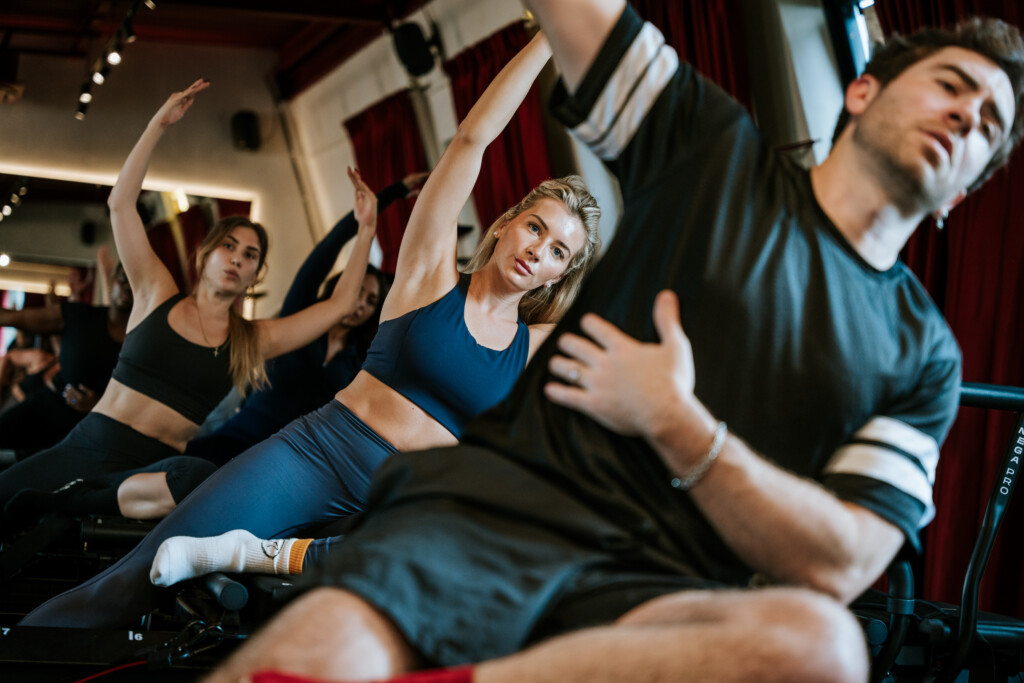
Traditional core work often compresses the abdomen or requires positions that increase intra-abdominal pressure, both of which become problematic as your uterus expands. Lagree movements engage the transverse abdominis and pelvic floor through isometric holds and slow, controlled transitions, activating deep stabilizers without crunching, twisting, or bearing down.
That engagement teaches your body to maintain spinal support under load, which reduces the mechanical stress that irritates the sciatic nerve when your back muscles fatigue or your pelvis tilts out of alignment.
The Importance of Slow, Controlled Tempo
The slow tempo matters as much as the muscle activation. Holding a position for 30 to 60 seconds while maintaining form forces the stabilizers to work continuously, building the kind of muscular endurance pregnancy demands.
Your body doesn’t need explosive power right now. It needs the ability to support itself through an entire day without breaking down into compensatory patterns that create pain.
Low-Impact Resistance That Protects Vulnerable Joints
Relaxin softens your ligaments to prepare for birth, but that flexibility removes the structural support your joints rely on for stability. High-impact exercise, even walking on hard surfaces for extended periods, can destabilize already lax joints and worsen symptoms.
According to Pilates Plus LA, Lagree training is safe throughout the 2nd and 3rd trimesters when properly modified, precisely because the Megaformer eliminates jarring forces while maintaining high muscular intensity.
How Lagree Provides Low-Impact Resistance
The resistance comes from spring tension and controlled movement, not from gravity or momentum. You’re never pounding joints or landing on hard surfaces.
That lack of impact allows you to build strength without triggering inflammation in already sensitive tissues. The work is hard, but the stress stays in the muscles where it belongs, not in the connective tissue that pregnancy has already compromised.
Postural Retraining Through Sustained Alignment
Pregnancy pulls your spine into a deeper lumbar curve and shifts your center of gravity forward, which changes how you stand, walk, and move through space. Those postural shifts become habitual and persist even after delivery if the muscles that control alignment don’t relearn neutral alignment.
Lagree training requires you to maintain spinal alignment through every movement, reinforcing proper posture under resistance rather than allowing compensatory patterns to take over.
Controlled Movement for Body Awareness
Slow, deliberate transitions between positions give you time to feel where your pelvis is in space and whether your spine is neutral or arched. That awareness carries over into daily life.
You start noticing when you’re standing with your weight shifted to one hip or sitting with your lower back rounded. The ability to recognize and correct those positions throughout the day reduces sustained compression, which triggers sciatic flare-ups.
Functional Strength That Supports Daily Movement
Getting out of bed, lifting objects, or standing from a seated position all require coordinated strength from your core, glutes, and hip stabilizers. When those muscles are weak, you compensate by using your lower back or overworking smaller muscles that aren’t designed to carry that load.
Lagree movements mimic the patterns your body uses in real life, like transitioning from lying to standing or maintaining stability while reaching, which makes the strength you build immediately transferable to the tasks that currently cause pain.
Controlled Movement for Body Awareness
The work isn’t isolated to one muscle group. Each movement requires full-body engagement, which trains your nervous system to coordinate multiple stabilizers simultaneously. That coordination prevents uneven loading and compensatory tension that compress the sciatic nerve when one muscle group fatigues and another overworks to pick up the slack.
Guided Modification for Trimester-Specific Needs
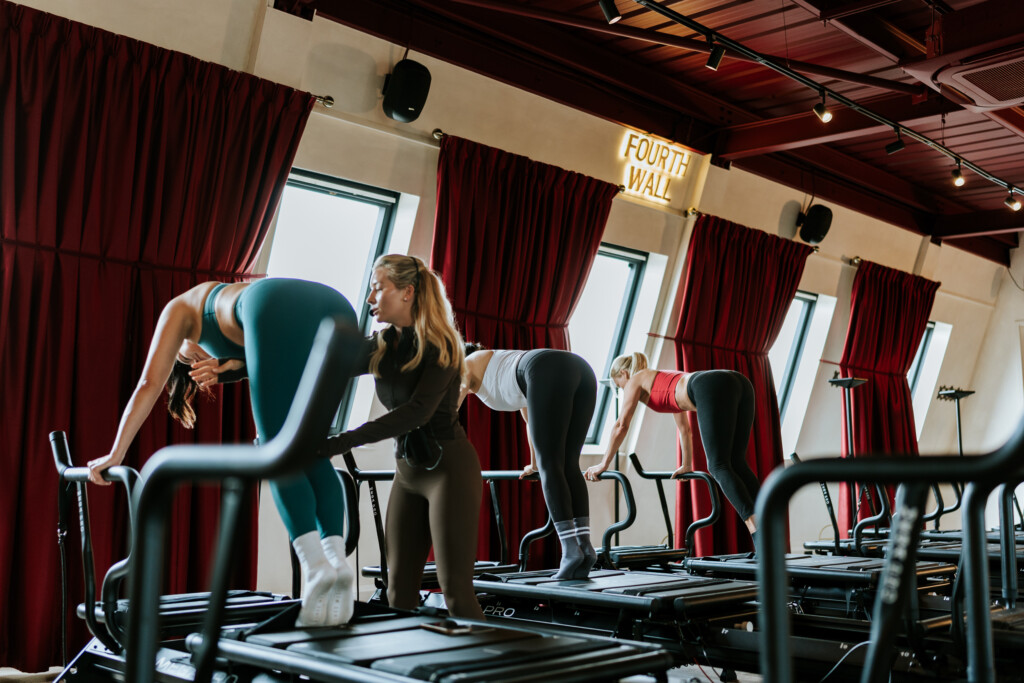
What works in the second trimester may not work in the third, and what feels comfortable one week may feel wrong the next as your baby grows and shifts position. BLOOD, SWEAT & TEARS Lagree instructors modify positions, range of motion, and intensity based on where you are in your pregnancy and how your body responds during each session.
That individualized guidance ensures you’re building strength without pushing into positions that destabilize your pelvis or compress the nerve pathways already under pressure.
Modifications for Safe and Effective Strength
The modifications aren’t about doing less. They’re about doing what works. A smaller range of motion with proper alignment builds more strength than a larger range that forces you into compensation.
Adjusting the spring tension lets you maintain intensity without overloading joints that can’t handle the same resistance they could before pregnancy. The goal is always control, not performance.
Related Reading
- Yoga Stretches for Flexibility
- Pelvic Stretches For Women
- Yoga Poses For Hip Flexibility
- Lower Back And Hip Stretches
- Aerial Yoga Stretches
- Pregnancy Sciatica Stretches
Book a Lagree Class in London Today
If you want relief that goes beyond temporary stretching, BLOOD, SWEAT & TEARS’ Lagree training helps you build the strength and stability your body needs to support you throughout pregnancy. The work addresses the mechanical instability that creates sciatic pain, not just the sensation of discomfort. You’re not managing symptoms. You’re building the foundation that prevents them from recurring.
Prenatal-Friendly Lagree Training
Lagree in London offers pregnancy-friendly training that maintains intensity while protecting the joints and ligaments that pregnancy has already made vulnerable. Each session strengthens the exact stabilizers your changing body demands most, creating resilience that lasts beyond delivery.
Book a class today and experience how controlled, low-impact resistance work transforms not just how you feel, but how your body functions under the physical demands of carrying new life.