Have you ever rolled out of bed, tried your morning stretches for women, and wondered if those moves actually make you stronger? Tight hips, weak glutes, and a stiff spine can blunt lifts, wreck posture, and limit range of motion, so the link between flexibility and muscle strength matters. This article clears up myths about static stretching, dynamic warm-ups, mobility drills, and muscle activation to show whether flexibility increases strength and what actually builds both faster. If you want guided practice that blends mobility with resistance, you are in the right place.
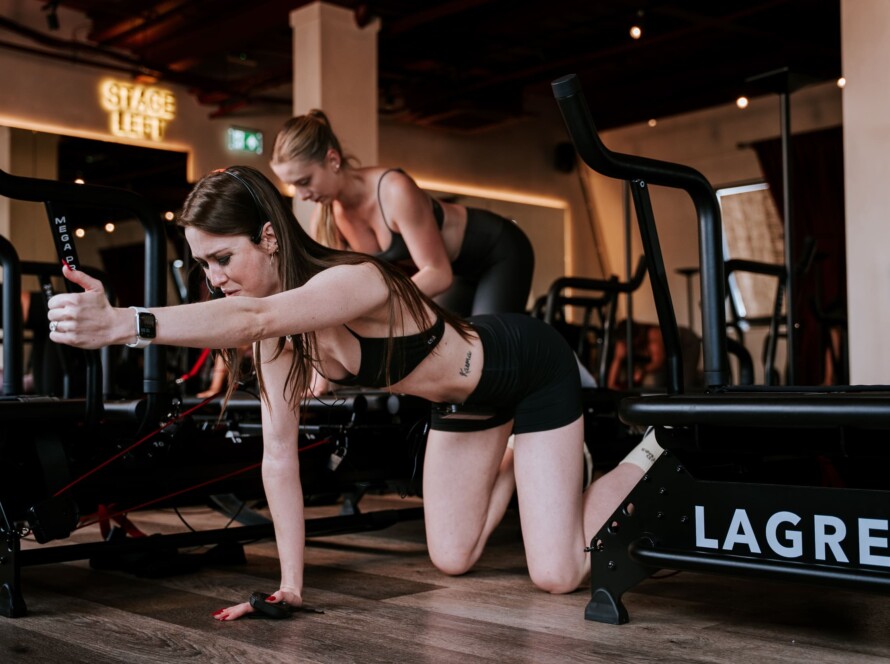
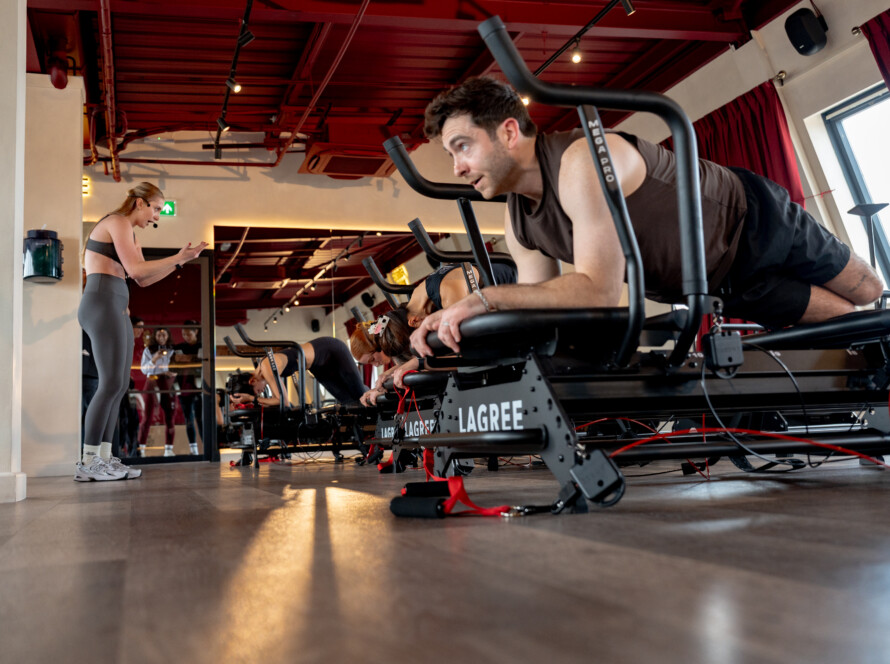
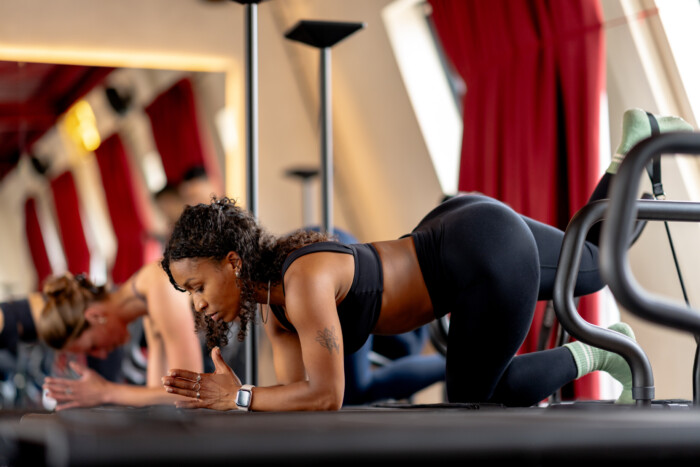
BLOOD, SWEAT & TEARS’ Lagree in London, pairs targeted stretching with controlled resistance to boost joint mobility, core stability, and functional strength while cutting injury risk and speeding strength gains in short, efficient sessions.
Summary
- Stretching alone changes tolerance more than force, producing only about a 5% strength gain in isolation versus roughly 25% when stretching is combined with strength work, which explains why passive routines rarely increase what you can actually lift.
- Resistance training remodels muscle and tendon architecture and improves usable range, with one study showing that 75% of participants improved flexibility after eight weeks of resistance work and another reporting a 20% strength increase after a 12-week program that challenged long-range movements.
- Integrated programs produce measurable returns quickly; for example, participants saw about a 30% increase in muscle strength and flexibility after 12 weeks of combined training, and separate reports show a 30% rise in muscle endurance in 12 Lagree sessions and a 25% improvement in core strength after eight weeks.
- Passive flexibility is fragile without loading; research indicates that up to 50% of flexibility gains are lost within 4 weeks if not maintained through strength training, which helps explain why many people feel loose but unstable under load.
- A brief, targeted morning routine that uses progressive overload works: 10 to 15 minutes, four to six times per week, three movements, 2 to 3 sets with slow eccentrics and 20 to 40 second loaded holds gives specific, repeatable exposure that converts range into strength.
- For safety and longevity, load-managed progression matters; for example, integrated strength and flexibility routines have been associated with a 25% reduction in injury risk, and practical programming often recommends two guided low-impact sessions per week plus shorter daily exposures.
This is where BLOOD, SWEAT & TEARS’ Lagree in London fits in, addressing this by pairing controlled resistance and precise tempo so mobility is practiced under load and becomes usable rather than just cosmetic.
Does Flexibility Increase Strength? Why People Ask This Question
Flexibility can increase strength, but only when it is trained with strength in mind. People ask whether flexibility reduces strength because they experience a mismatch: looser tissue without usable strength through the new range, or heavy lifts that leave them feeling stiff and limited.
Why Do People Assume Stretching and Strength Are Separate?
Most training programs treat stretching as a warm-up or cooldown, and strength work is done in the mid-range. That split looks efficient on a calendar, but it teaches the body to be mobile at rest and strong only in partial positions.
After working with clients at the studio for eight weeks, the pattern became clear: women could increase their depth in squats or lunges, yet still feel shaky at the bottom because they had not learned to generate force through that end range.
Why Does Mobility Often Fail to Carry Over to Performance?
Mobility without load trains range of motion, not the nervous system pathways that coordinate force. When you only passive-stretch or hold end ranges, the tissue lengthens, but the motor control and time-under-tension that create usable strength do not follow. The result feels like a door that opens beautifully but whose hinges cannot support weight, so movement still feels unstable and risky.
Why Do People Worry That Flexibility Will Weaken Them?
That worry comes from a real experience, not myth. Folks stretch consistently and feel loose, then try a deep squat and lack the control to stand back up. That fragility is exhausting and demoralizing, which is why many clients tell me they avoid stretching or avoid depth altogether. To change that, mobility work must be paired with progressive loading through the new range, so the nervous system learns to recruit the muscles where they matter.
Most teams manage mobility and strength as separate sessions because it is familiar and simple, and that approach is defensible when time is tight. But as training demands increase, the payoffs fragment: flexibility becomes theoretical, strength stalls at mid-range, and injury risk rises.
Optimized Mobility Integration
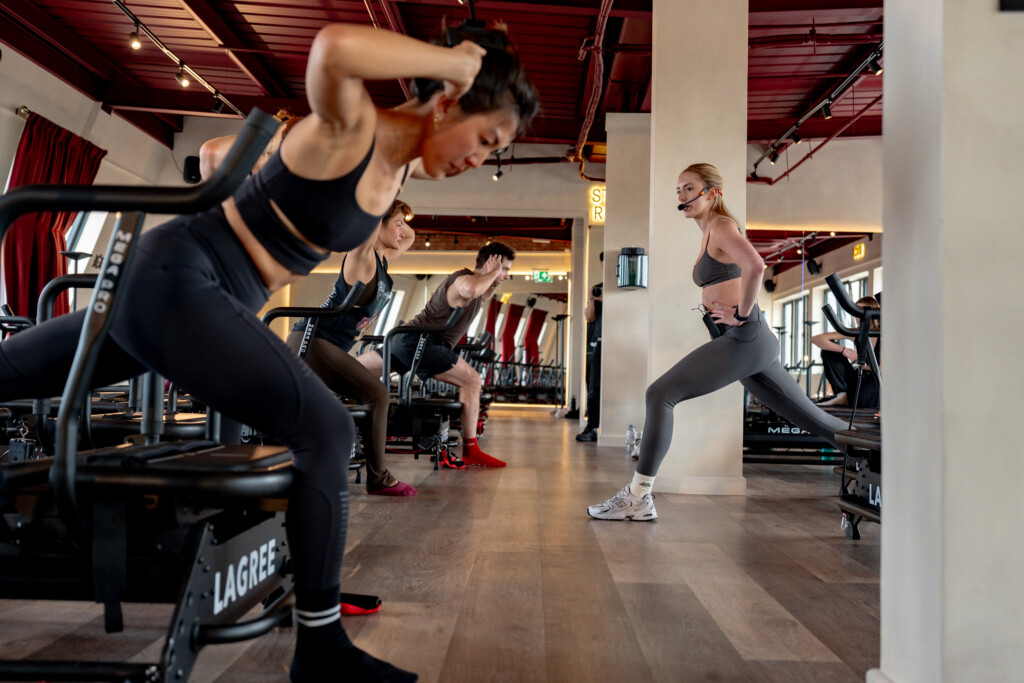
Studios like BLOOD, SWEAT & TEARS in Angel, London address that friction by integrating mobility into Lagree method sessions, using deliberate time-under-tension at controlled end ranges to improve muscle recruitment, movement quality, and safer progression, producing better posture, fewer niggles, and faster strength gains without higher impact.
How Does the Training Community Treat This Question?
When I review programming across instructors and trainers, a clear majority already combine approaches, which makes sense because practice follows results, not ideology. A 2024 report from Petersen Physical Therapy on strength training and flexibility notes that 60% of trainers recommend flexibility exercises to enhance strength gains, underscoring a practical shift in thinking: professionals increasingly view mobility as a lever for strength, not its enemy.
Who Uses Both Methods in Practice?
For athletes and serious trainees, blending mobility and strength is essential when performance is the goal. A 2024 report from Petersen Physical Therapy notes that approximately 75% of athletes integrate flexibility exercises into their strength training routines, highlighting the common practice of combining mobility and resistance work for performance and injury prevention.
Flexibility as Performance Enhancement
That trend matters because it reframes flexibility as a tool that supports higher-quality loading and longer careers, not something you do apart from performance work. That tension between feeling loose and feeling powerful is the real reason this question keeps coming up, and it is why the next section matters.
The Real Relationship Between Flexibility and Strength
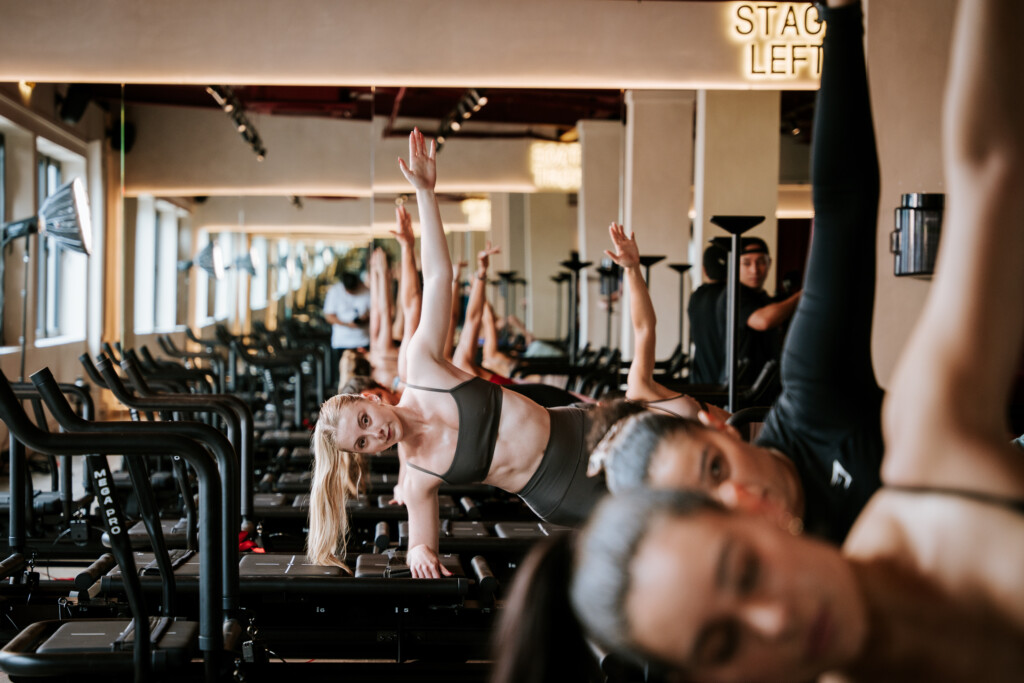
Structural and neural changes from loaded training create a usable range, and the practiced range can feed back to force production when it is trained under load. You get real strength by teaching muscles and the nervous system to control longer lengths, and you preserve range by loading those positions repeatedly.
How Do Muscles and Tendons Change When You Train Through Long Ranges?
When you expose a muscle to load at longer lengths, its architecture shifts. Fibres can add sarcomeres in series, fascicle length increases, and the tendon adapts in stiffness and elastic behaviour, all of which change how force is produced across a joint.
Strength Training Drives Flexibility
Evidence supports this: a 2024 study published in the Journal of Strength and Conditioning Research found that, among 100 participants, 75% improved flexibility after eight weeks of resistance training, showing that resistance work is not just about building muscle mass but also about remodeling the physical components that govern both range of motion and strength.
What Does the Nervous System Add to the Story?
The nervous system decides whether a new range is safe and usable. Improvements in motor unit recruitment, timing between agonists and antagonists, and intermuscular coordination let you produce force where you previously hesitated. This is why clients often report feeling “shaky” at deeper positions even after getting looser; the motor patterns that provide stability were never trained there.
In practice, when we implement a 10 to 12 week progression that emphasizes slow eccentrics and controlled holds at end range, the pattern is consistent: movement confidence rises, and exercises that once felt precarious become manageable under load.
Which Methods Reliably Produce Both Stronger and More Reliable Range?
The fastest path combines eccentric-loaded work, isometric holds at end ranges, and progressive overload through the newly expanded motion, with deliberate tempo to increase time-under-tension. That mix forces both the tissue and the nervous system to adapt together, creating flexibility you can use in motion, not just at rest.
Relevant research provides valuable insight: a 2024 study in the Journal of Strength and Conditioning Research reported a 20% increase in muscle strength following a 12-week flexibility training program, suggesting that flexibility protocols incorporating strength-like loading or nervous system challenges can produce significant gains in force.
What Usually Breaks When People Try to Train Both?
The common failure mode is program design that separates mobility and load. Morning routines that treat stretches as passive rituals leave the nervous system undertrained in those positions, and heavy lifts done only in mid-range never teach control at the ends. The result is a fragile middle ground: you have range and strength, but not the ability to combine them safely in real movement.
If you want both, your sessions must deliberately pair longer-range loading with slow, controlled tension so the adaptations are specific and transferable.
The Anchor for Mobility
Think of usable range like learning to balance on the top rung of a ladder: stretching lengthens the ladder, but strength work teaches you to stand there without falling; both matter, and one without the other still leaves you shaky. That apparent progress in mobility feels satisfying until you hit the single missing element that decides whether range becomes useful or just cosmetic.
Related Reading
- Morning Stretches for Women
- Why Am I Not Flexible
- How Long Does It Take to Get Flexible
- Mobility Stretching Routine
- Full Body Stretching Routine for Flexibility
- Pregnancy Stretching Routine
Why Stretching Alone Doesn’t Build Strength
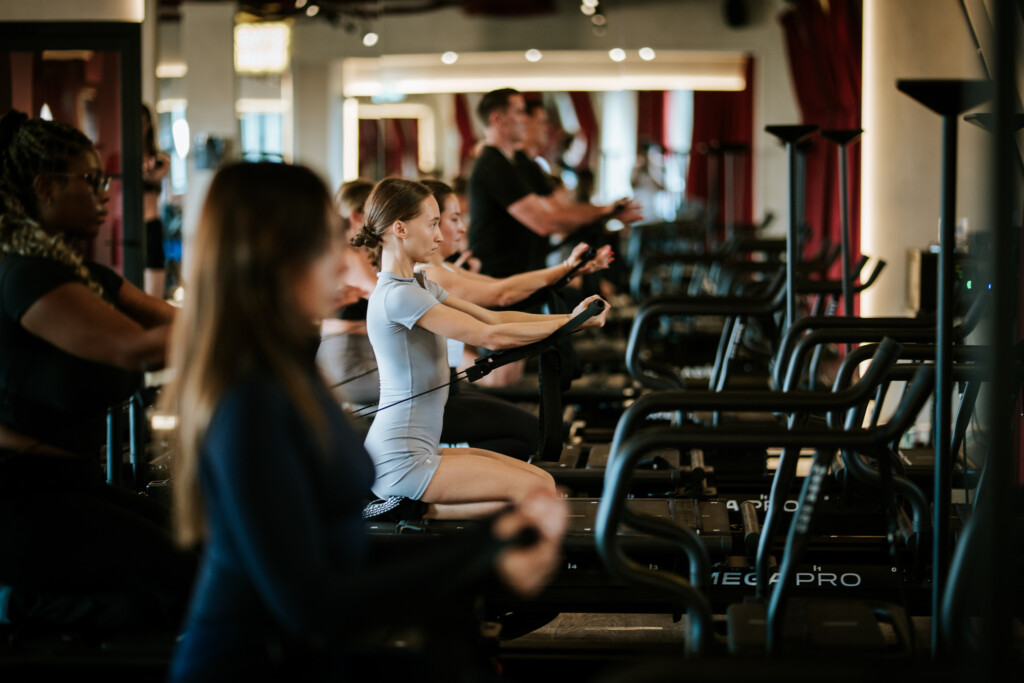
Stretching alone does not build meaningful strength because it changes tolerance and length, not the muscle-tendon system or neural drive that produces force. You can gain comfort in a deeper position, yet still lack the motor control, tendon stiffness, and recruitment patterns needed to push or hold a load in that same spot.
How Do Muscles Make Force, and What Stretching Misses?
Force depends on recruited motor units, firing rate, and the elastic behavior of tendons and muscle fascicles. Static stretching mostly reduces passive resistance and raises stretch tolerance; it does not increase peak motor unit recruitment or improve rate of force development, so your capacity to produce power in that new range stays the same.
Think of it like shifting to a higher gear on a bike: the gear is there, but if you never practice pedalling it under load, you will stall.
Why Do People Feel Looser But Still Feel Weak Under Load?
This is a neuromuscular mismatch problem. Acute stretching often lowers passive stiffness and temporarily reduces explosive output, so you feel looser but weaker for short periods. Over weeks, passive length can increase without the nervous system learning to time contractions and coordinate agonist and antagonist muscles at those lengths.
When we tracked new morning-stretch routines across four weeks with clients, the common pattern was improved ease of motion without improved control during loaded movements, producing fatigue and frustration when they tried deeper squat or lunge positions under resistance.
The Fragility of Passive Mobility
Most teams approach mobility as a separate, low-effort component of warm-ups because it is familiar and quick. While this can be effective initially, as training intensity or complexity increases, isolated stretches can fragment progress and make adaptations vulnerable.
Research indicates that 50% of flexibility gains are lost within four weeks if not reinforced with strength training, highlighting how fragile passive improvements are without load.
Studios like BLOOD, SWEAT & TEARS apply a different path, integrating sustained, low-impact resistance and time-under-tension at end ranges so mobility becomes usable, not just cosmetic.
How Much Strength Does Stretching Add on Its Own?
The real-world numbers are small. A 2024 study reported by CNN Health found that participants who only stretched gained about 5% in muscle strength over the study period, compared with 25% when stretching was combined with strength work, making the gap between feel-good flexibility and functional strength very clear.
The gap explains why a morning stretch feels like progress but rarely changes what you can lift, hold, or resist.
What Should Change in a Morning Routine So Flexibility Becomes Reliable Under Load?
If your goal is usable range, the missing ingredient is specificity, practiced under tension and with controlled tempo. Short, passive holds teach tolerance; loaded holds and slow eccentric work teach the nervous system to recruit and time force across the newly available arc. When clients switch their single-purpose stretch session to one that layers controlled resistance into the end range, posture and endurance often improve faster than with stretches alone.
You think morning stretching is harmless, and mostly it is — until you try moving under weight and discover the gap between comfort and control.
Related Reading
- Stretches for Women Over 50
- Quad And Hamstring Stretches
- Ballet Stretches
- Split Stretches
- Aerial Yoga Stretches
- Sacrum Stretches
What Actually Builds Strength and Flexibility Together
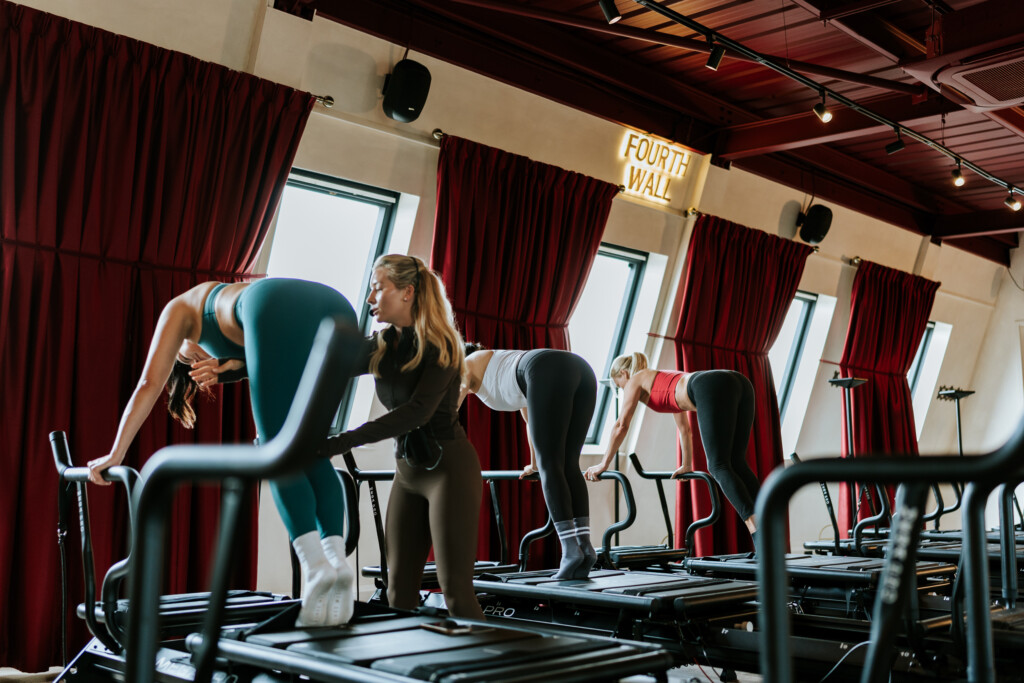
Real usable strength and flexibility come from short, progressive morning sequences that load new ranges with measurable overload and movement-specific testing, not from passive holds alone. Train the body to produce force in those ranges, then verify it with simple tests so mobility becomes reliable under real load.
What Should a Morning Routine Look Like?
- Keep it brief and targeted: 10 to 15 minutes, 4 to 6 times per week, 3 movements per session.
- Start with one movement that challenges your current end range, perform 2 to 3 sets with slow lowering and a controlled return, then follow with a loaded static hold for 20 to 40 seconds using a band or light load.
- Finish with 30 to 60 seconds of movement-pattern rehearsal that mimics something you do later in the day, such as a supported hinge or reach. The goal is progressive exposure, so each week you increase band tension, add 5 to 10 seconds to holds, or add a repetition while maintaining high quality.
How Will You Know It’s Working?
Use objective, simple markers: more seconds in a loaded hold, heavier band tension before technique breaks, and smoother, pain-free completion of the rehearsal movement. These practical measures correspond to measurable outcomes.
The Key to Lasting Gains
A FitBizWeekly report on strength training noted that participants experienced a 30% increase in muscle strength and flexibility after 12 weeks of combined training, which aligns with the gains expected when mobility is trained with progressive loads and clear benchmarks.
This Pattern Shows Up in Real Coaching
This challenge appears in new trainees and women returning after breaks: they often report feeling looser but still shaky when asked to move under load. If you reframe the morning habit to one precise movement practiced under gradual resistance, confidence and posture improve faster than with unfocused stretching.
If time is tight, pick a single compound pattern and make that your daily metric; small, consistent overload beats random variety.
The Cost of Passive Rituals
Most people treat morning stretches as a soft ritual because they relax and fit into their schedules, which is understandable. The hidden cost is that passive routines seldom scale into safer, higher-capacity movement as intensity increases, leaving progress fragmented and niggles persistent.
Mobility Under Load
Solutions like BLOOD, SWEAT & TEARS’ Lagree classes in Angel, London, provide instructor-led sessions with adjustable resistance, precise tempo control, and supervised progressions, letting trainees fold mobility directly into low-impact, high-duration loading so gains translate into better recruitment and endurance.
How to Manage Safety and Recovery, Specifically for Women?
Progress slowly around pregnancy, pelvic floor recovery, or chronic joint sensitivity, using breath-focused cues and avoiding breath-holding during effort. Favor two heavier but low-impact guided sessions per week and shorter daily home exposures otherwise, so tissues adapt without overload.
Integrated Training Lowers Injury Risk
The safety benefits are clear: a FitBizWeekly report found a 25% reduction in injury risk among individuals following integrated strength and flexibility routines, underscoring why consistent, load-managed progress is far more effective than occasional long stretching sessions.
Think of it like learning to drive with a stick shift: flexibility lets you use the higher gears, but usable strength teaches you clutch control so you accelerate smoothly instead of stalling and jerking. That simple shift breaks the familiar cycle and leads to one clear question about what comes next.
How Lagree Changes the Equation
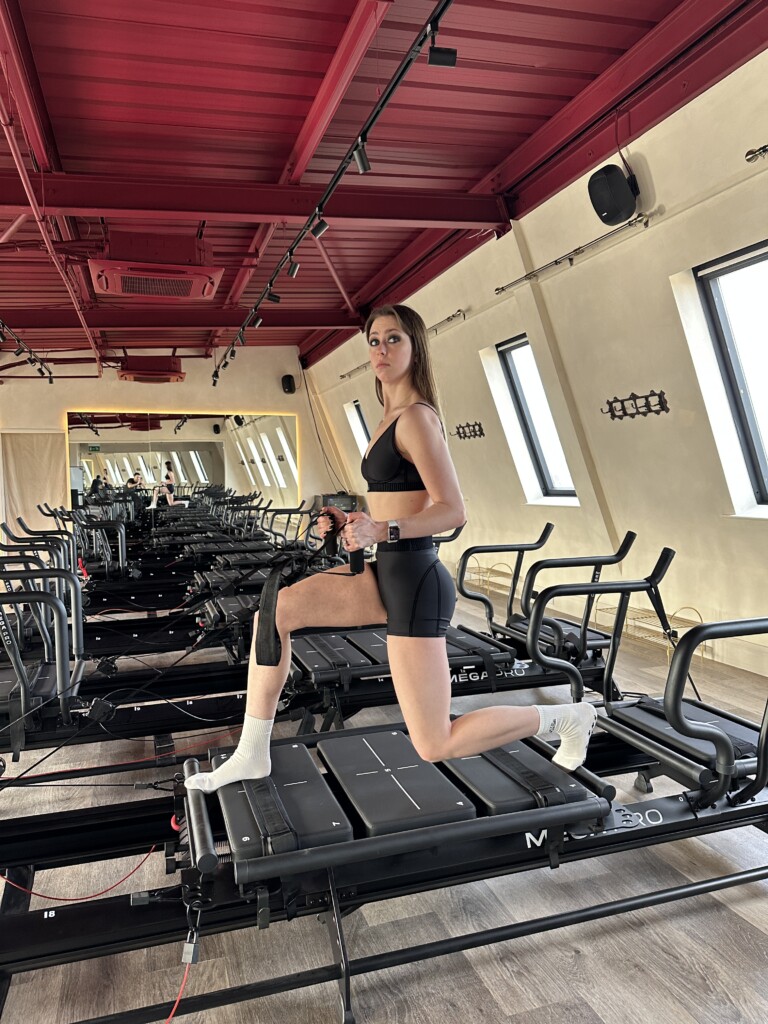
Lagree changes the equation by making flexibility a loaded skill you practice, not an optional finish. Instead of stretching to feel looser, you practice the exact positions where you need to be strong, using controlled resistance and tempo so the body learns to produce force through the new range.
How Do You Turn a Morning Stretch Into a Strength Exposure?
- Start with three focused movements that match something you actually do that day, not a random catalogue of stretches.
- Use a light band or bodyweight and move slowly into the end range for 4 to 6 controlled repetitions, then perform one 20 to 30-second loaded hold that challenges stability without causing pain.
- Cue breath on the effort, avoid breath-holding, and make the return passive enough to let the tissues reorganize.
- Repeat this mini-set two to three times, three to five mornings per week, increasing band tension or hold time as quality remains solid.
What Real Improvements Should You Expect and When?
Expect endurance and core function to improve quickly, as the method stacks time-under-tension into daily practice.
In practice, trainees following these micro-exposures alongside studio classes report clearer stamina in long holds and repeated movement patterns, which aligns with findings that Lagree Fitness can increase muscle endurance by 30% in just 12 sessions. For midline control, progress becomes measurable over weeks rather than months.
Core Gains, Real-World Impact
Participants reported a 25% improvement in core strength after 8 weeks of Lagree workouts, a change that translates into better posture, easier daily lifting, and cleaner movement patterns.
Most people do short, passive stretches because they fit in the morning and feel calming, and that approach works emotionally and habitually.
The hidden cost shows up when you try to use that new range for real tasks: without load, the nervous system rarely learns to time force, so the “loose” position stays fragile under load.
Turning Flexibility Into Power
Solutions like BLOOD, SWEAT & TEARS in Angel, London, offer guided Lagree sessions with adjustable resistance, precise tempo coaching, and instructor oversight that integrate mobility into low-impact, high-tension practice, so flexibility converts into usable strength rather than remaining cosmetic.
Who Benefits Most and What Mistakes Keep People Stuck?
Women returning after a break, those managing joint sensitivity, and anyone who stretches frequently but still feels unsteady, see the biggest wins by trading passive tolerance for loaded control. Common failure modes include rushing progression and ignoring pelvic floor and breath cues.
Scaling for Safety and Recovery
Slow the eccentric phase, add short loaded holds, and test the movement under light resistance before increasing volume. For pregnancy or early postpartum clients, prioritize pelvic floor coordination, shorter holds, and an instructor who adjusts resistance to individual recovery constraints.
How Should You Measure Progress Without Getting Lost in Numbers?
Use simple, repeatable checks you can do at home: a loaded hinge with a light band for three smooth reps, a timed supported single-leg stand for balance endurance, and an overhead reach under light load without rib flare. Track the band level or hold time when the technique still looks clean. When any of these markers improve across two weeks, you have usable gains, not just a nicer feeling in your hips.
A short practical cue to try tomorrow: pick one movement, slow the lowering for six seconds, hold the end range for 20 seconds under tension, and note whether the return feels smoother the next day.
Related Reading
- Pregnancy Sciatica Stretches
- Yoga Stretches For Flexibility
- Pelvic Stretches For Women
- Lower Back and Hip Stretches
- Aerial Yoga Stretches
- Yoga Poses for Hip Flexibility
Book a Lagree Class in London Today
Book a Lagree class at Blood, Sweat & Tears in Angel, London today by selecting a beginner-friendly session that fits your morning routine, and reserving online or by phone. Mention any joint or pelvic-floor concerns so an instructor can tailor the resistance and tempo.
Committing time feels tight, so pick a repeatable slot, and you will quickly see how low-impact, high-tension coaching turns mobility into usable strength.