You wake up stiff in the shoulders, sore in the lower back, and already running late for the day. Morning stretches for Women can ease that tightness, improve posture, and add steady, useful energy to your routine. Who does not want that? This article offers clear, practical Morning Stretches for Women and simple moves to wake up your body, covering breathwork, spine mobility, hip openers, and light core exercises you can fit into 10 minutes.
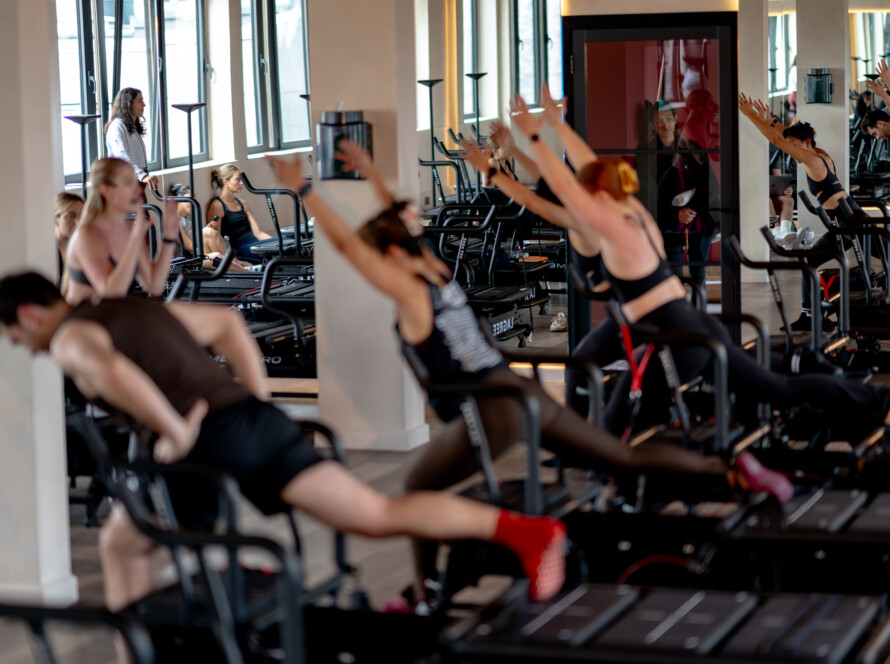
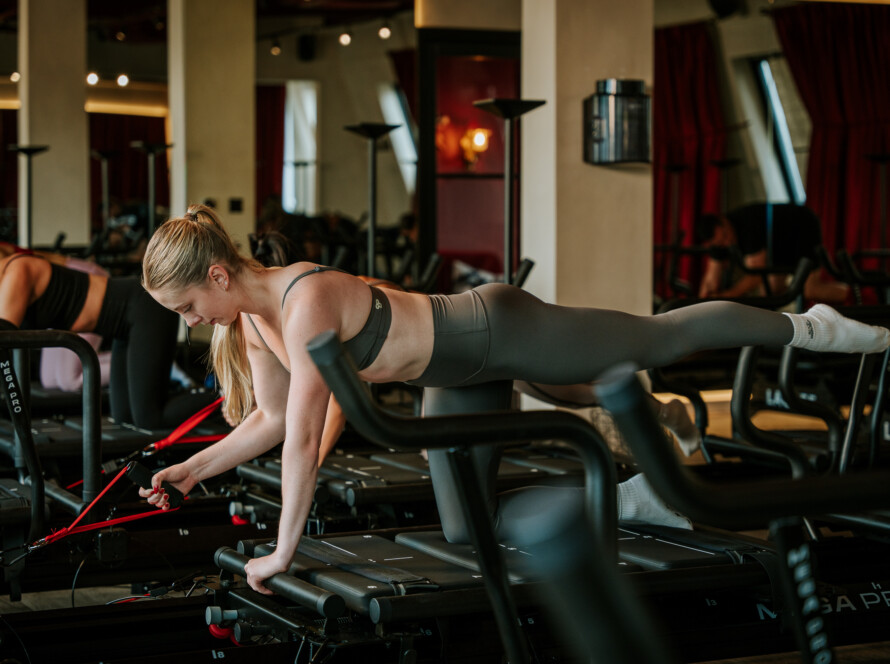
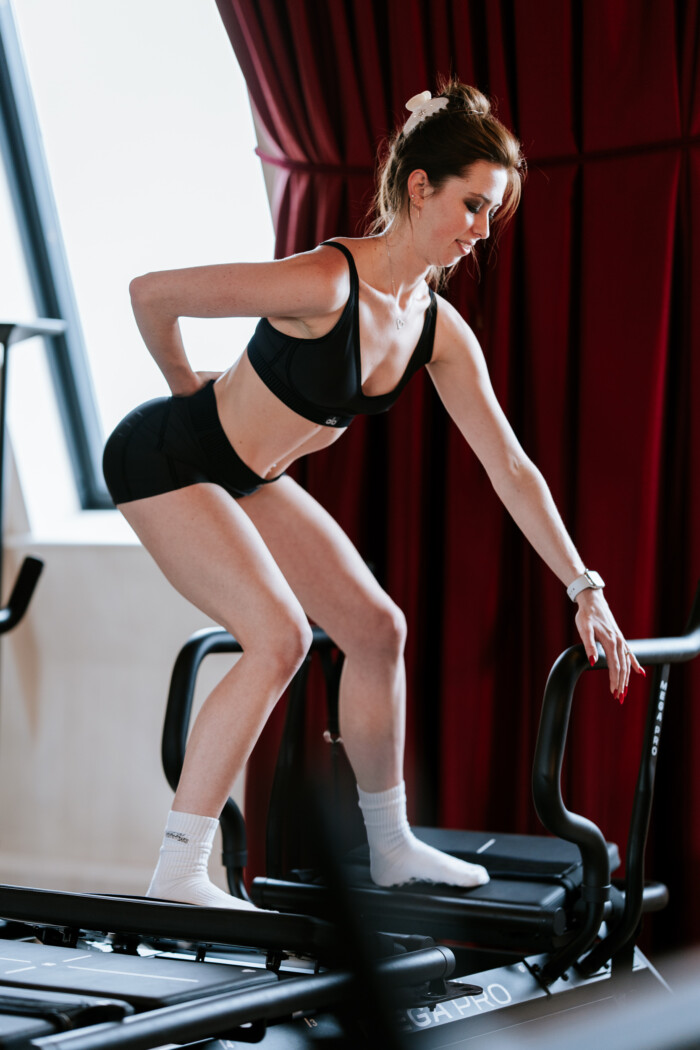
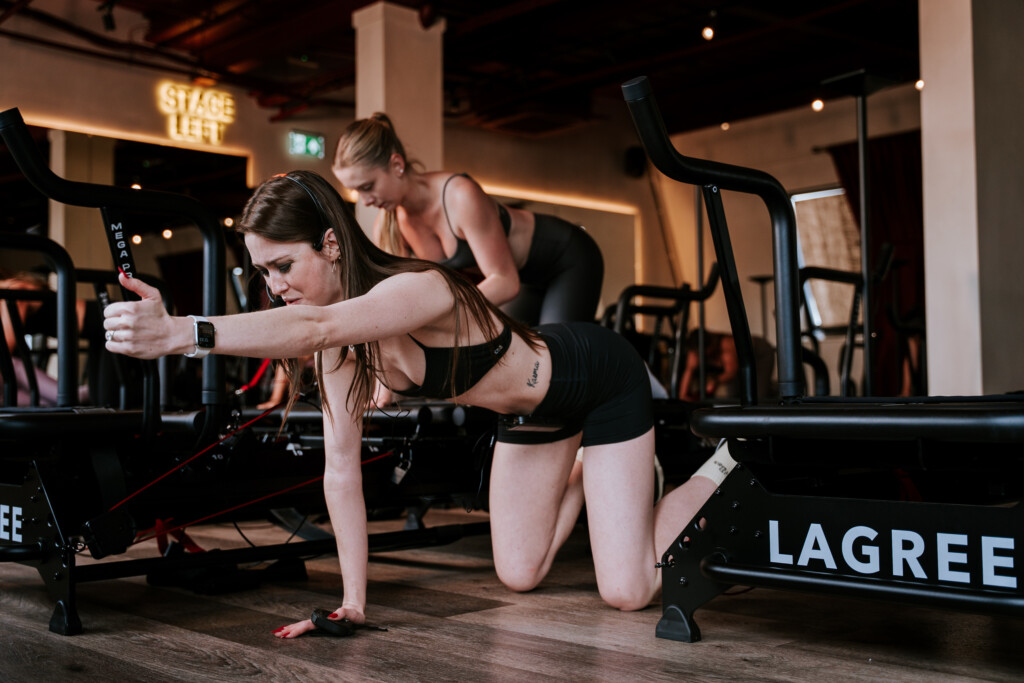
BLOOD, SWEAT & TEARS’ Lagree in London offers short guided sessions that pair gentle resistance with mobility drills to support those morning stretches for women, helping you gain flexibility, steadier posture, and more energy through the day.
Summary
- Morning stretching feels compelling because 70% of people report feeling more awake and alert after stretching, which helps explain why brief morning rituals stick even when they may not support later performance.
- Long, deep morning holds can backfire on strength, with 50% of participants reporting that morning stretching negatively impacted their physical performance later that day.
- Static first-morning pulls increase protective muscle guarding and soreness; roughly 30% of individuals experience increased muscle soreness after morning stretching, suggesting a trade-off between short-term relief and later capacity.
- Static stretching alone often fails to yield usable mobility; 80% of people who only perform static stretching experience limited improvements, highlighting the need to pair range work with immediate activation.
- Measurable flexibility requires a training dose and frequency; research suggests holding stretches for about 30 seconds and practicing roughly 5 days a week, which can lead to about a 20% improvement in flexibility over time.
- Practical primers protect strength and transfer to class when kept short and active, aim for 5 to 8 minutes, 6 to 10 controlled reps, or 30 to 60 seconds of gentle movement per joint region, and follow a four-week microprogression to convert passive gains into loaded control.
This is where BLOOD, SWEAT & TEARS’ Lagree in London fits in; it addresses this by combining brief activation with gentle resistance and mobility drills so morning movement translates into usable strength under load rather than just passive range.
Why Morning Stretching Feels Necessary and Often Backfires
Morning stretching feels necessary because your body wakes up colder, less circulated, and neurologically cautious, and that immediate tug at tight spots often seems like the most direct fix.
The problem is that those same first-morning pulls can reduce muscle responsiveness and provoke protective tightening, turning what felt like preparation into performance liability.
Why Does A Morning Stretch Feel So Compelling?
When you wake stiff in the hips, lower back, neck, or shoulders, reaching for a long hold feels like common sense; it gives an instant sense of release and alertness.
I understand the urge, and a study in the Journal of Sport and Health Science found that 70% of people who stretch in the morning report feeling more awake and alert, which explains why the habit sticks even when results vary.
Why Does Pushing Deeper Backfire Instead Of Fixing The Problem?
This is a pattern across desk-bound clients and studio regulars: cold, inactive tissues respond differently from warm muscles. Static holds cue the nervous system to protect the joint, a reflex we call muscle guarding, and that protective tightening often reduces strength and power later on.
The same Journal of Sport and Health Science paper also reports that 50% of participants said morning stretching negatively impacted their performance in physical activities later that day, showing the tradeoff between short-term comfort and later capacity. It is exhausting when you do something that feels like progress, only to find your body less willing in a Lagree class or on the stairs.
What Is Actually Happening In The Tissue And Nervous System?
Think of a cold muscle as a locked hinge, not a rubber band. Pulling it hard forces the latch to clamp down tighter. That clamp is neurological, not purely structural; the protective reflex reduces the muscle’s contractile responsiveness and can increase soreness.
This explains why long static stretching before activity tends to lower immediate force output and why some women report more tension after long morning holds.
How The Usual Approach Creates Real Friction For High-Intensity, Low-Impact Training
Most women reach for long holds because it feels like proactive maintenance.
That makes sense, but the hidden cost shows up when you try to perform under load:
- Reduced power
- Increased soreness
- Less efficient recruitment of the core and glutes that Lagree demands.
Studios like BLOOD, SWEAT & TEARS offer Lagree classes and instructor training that emphasize controlled, time-under-tension resistance and short activation sequences, which target the exact trade-offs by:
- Building mobility under load
- Improving posture
- Reducing joint strain
Class performance and recovery improve rather than suffer.
What I Do Instead Of Long, Early Holds
This pattern appears consistently: brief, movement-based activation wakes circulation and the nervous system without asking cold tissues to take an extreme range. When I coach women preparing for a Lagree session, we prioritize short, targeted sequences that spark core and glute engagement and restore joint rhythm, rather than long passive holds that feel good for a minute and cost you later.
That approach protects strength, reduces the chance of late-day soreness, and makes time spent in class more productive.
The Stretch Reflex: How Your Nervous System Protects Itself
You think morning stretching is the fix; the real problem is what you’re asking your body to do before it’s ready, and that mismatch changes everything.
But the real reason this habit keeps sabotaging performance is stranger and more specific than most people expect.
How to Stretch Safely in the Morning
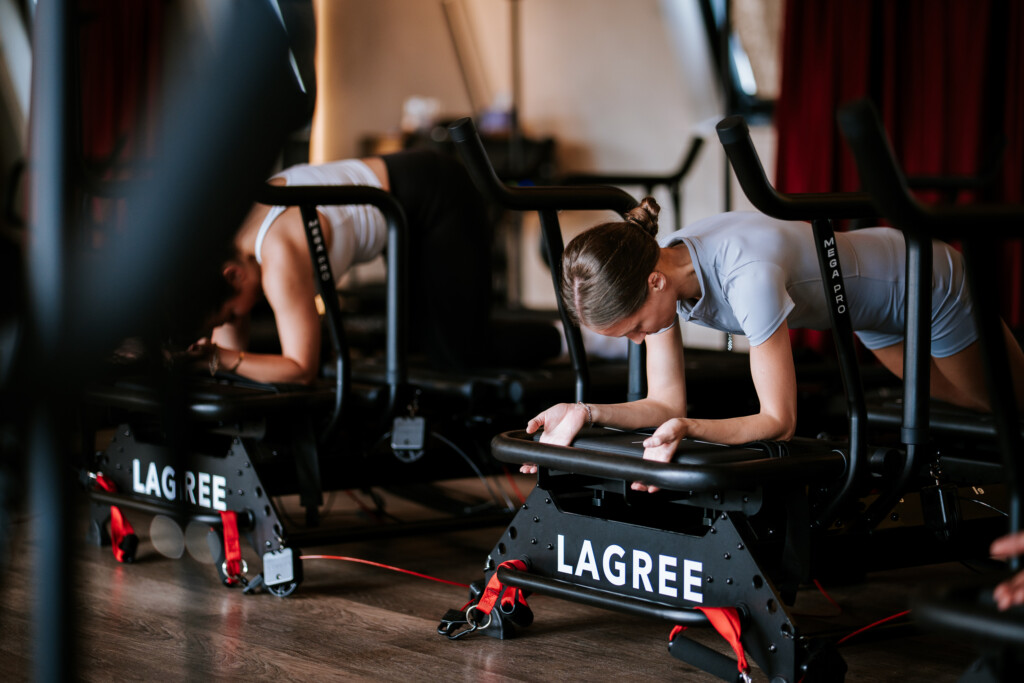
Safe morning stretching is short, specific, and purposeful:
- Move small
- Activate key muscles
- Stop before the stretch gets deep or painful
Keep it brief, track how your body responds through the day, and treat morning work as preparation, not peak performance.
How Long And How Intense Should It Be?
- Limit the routine to five to eight minutes, using two short sets per pattern and slow, controlled reps rather than long holds.
- Aim for 6–10 controlled reps with a 2–3 second tempo, or 30–60 seconds of continuous, gentle movement per joint region; this gives circulation a reliable boost without forcing cold tissues into extreme lengths.
- Breathe steadily on the effort, exhale as you move into the range, and inhale as you return, because breath organizes tension and helps the nervous system accept the new range.
Which Movements Protect Strength While Increasing Mobility?
Use movement patterns that pair a joint glide with immediate activation, for example, ankle circles into single-leg mini-squats, or seated thoracic rotations into a banded row. Think of it as unlocking a stiff hinge with small, guided nudges followed by a controlled pull; that combination reinforces stability and makes the range usable later under load.
Keep cues precise:
- Knees track over toes
- Ribs anchored
- Glutes engaged at the top of hip extension
- The core is braced but not clenched
What are the Clear Warning Signs to Stop or Regress?
Stop when you feel sharp pain, a sudden increase in swelling, or numbness, and regress when soreness worsens, and movement becomes more difficult later in the day. Because roughly 30% of individuals experience increased muscle soreness after morning stretching Journal of Sport and Health Science, treat any new routine like a training variable:
- Reduce volume
- Shorten holds
- Switch to gentler glides for a week before progressing
Track how your class performance or daily strength changes over three sessions; if force production drops, scale back.
When Should You Use Added Resistance or a Deeper Range?
Reserve deeper stretching and added resistance for later in the day when tissues are warm, and you have 10–15 minutes to dedicate to progressive loading. Progress by increasing load slowly across sessions, not within a single morning, and always follow a small activation phase so the nervous system learns to control the new range, not just tolerate it.
Why Do Many People Keep Doing Long Holds, and What Does That Costs
Most women default to prolonged holds because they offer instant relief and a sense of being “fixed,” which makes the habit sticky. That familiar approach feels efficient at first, but as volume or performance demands rise, it creates inconsistent readiness for strength work and recovery.
Teams find that structured alternatives which emphasize stability plus mobility reduce those hidden costs and preserve power during demanding classes.
How a Different Preparation Strategy Connects to Studio Results
The familiar method, stretching until it feels loose, solves the immediate discomfort but creates friction later:
- Lower recruitment of the core and glutes
- Slower recovery
- Less transfer to high-intensity, low-impact sessions
Solutions like BLOOD, SWEAT & TEARS show that preparing with short mobility-plus-activation sequences and then training under:
- Controlled tension preserves strength
- Improve posture
- Reduce joint strain
It makes class time more productive rather than undone by morning habits.
How To Adapt Routines Across The Cycle, Pregnancy, Or Injuries?
If you are pregnant, on heavier cycle days, or managing a recent injury, shorten reps and favor stability-focused drills over any stretch that opens vulnerable tissue. Use isometric holds at a comfortable range for 5–10 seconds to teach control without overstretching.
Adjust frequency first, then intensity; reducing a session from daily to three times per week is safer than keeping intensity high every morning.
Practical Micro-Progression To Follow Across Four Weeks
- Week 1: Five minutes of joint glides plus one activation per region, low effort.
- Week 2: Add a second activation and increase reps modestly.
- Week 3: Introduce an asymmetrical challenge, single-leg or single-arm, for balance.
- Week 4: Test a slightly deeper range or an added light band, but only after confirming daily strength and soreness are stable.
Log perceived readiness and one objective marker, like the number of controlled bodyweight squats you can do with clean form, to guide progress.
Why Feeling Better Can Be a Warning Sign
This pattern of short, controlled mobility paired with activation isn’t theory; it’s training hygiene. It protects the strength you build in class and speeds recovery, so you can show up time after time, stronger and more resilient.
The part that unsettles people most is this: the habit that feels like the fastest fix often hides the next setback, and most routines never account for that.
Related Reading
- Why Am I Not Flexible
- How Long Does It Take to Get Flexible
- Does Flexibility Increase Strength
- Mobility Stretching Routine
- Full Body Stretching Routine for Flexibility
- Pregnancy Stretching Routine
Morning Stretches for Women: 15 Moves to Try
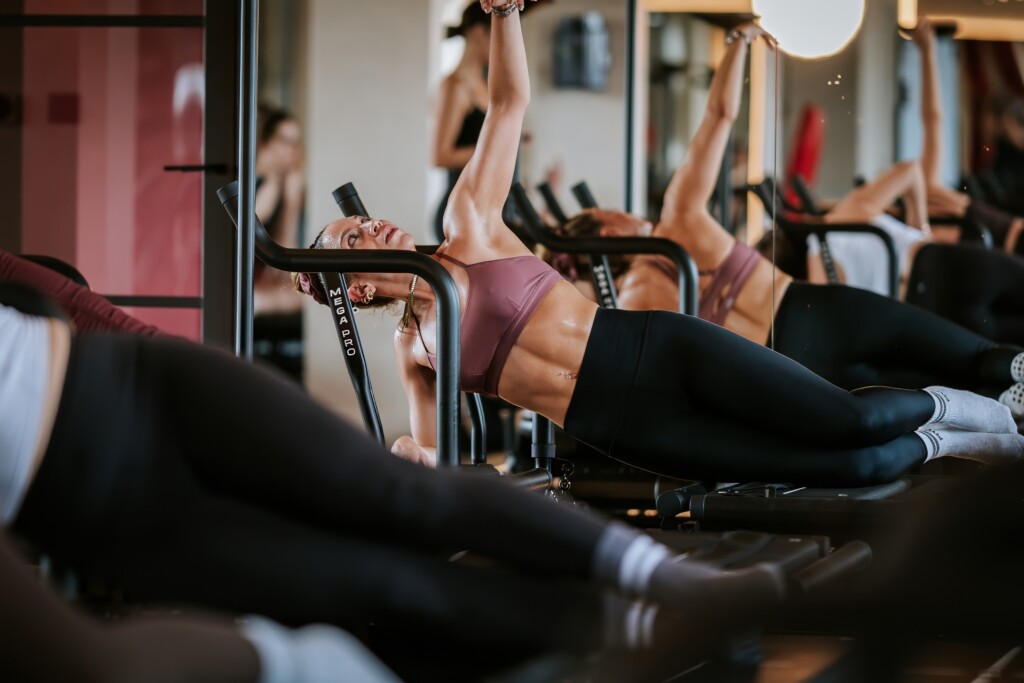
1. Neck Side Stretch
How To Perform
- Sit or stand tall.
- Tilt your head to the right shoulder, then gently use your right hand at your temple to add a bit of pressure if needed.
- Hold 15 to 20 seconds, breathe into the opposite side of the neck, then switch.
What To Watch For, And Why It Matters
Keep the shoulders relaxed and avoid pulling the chin forward. After several weeks, you should notice less morning jaw tightness and fewer compensation cues during core work, because reduced upper-trap tone lets you brace the neck without overrecruiting.
Progression
Add minute-long slow chin tucks after the hold to reinforce deep cervical flexor activation, which helps hold form during plank-based Lagree in London moves.
2. Shoulder Rolls
How To Perform
- With arms relaxed, perform 5 to 8 slow backward rolls, then 5 to 8 forward.
- Keep motion smooth, inhaling on the upward lift and exhaling as you press back.
What To Watch For, And Why It Matters
Avoid shrugging into the ears; lead the motion from the scapula rather than the neck.
Studio Outcome
Improved shoulder circulation reduces compensatory elevation during supine or prone exercises, preserving scapular control during time-under-tension work.
Progression
Add light isometric holds at the back of the roll to reinforce scapular retraction.
3. Cat-Cow Stretch
How To Perform
On hands and knees, move with breath for 6 to 10 cycles, exaggerating thoracic motion without forcing lumbar extension.
What To Watch For, And Why It Matters
Emphasize ribcage mobility rather than low back arching. This creates usable thoracic rotation for seated rows and oblique engagement in Lagree, rather than passive range that won’t stick under load.
Progression
Finish with 3 slow bird-dog repetitions to link spinal mobility to core control.
4. Standing Forward Fold (Soft Knees)
How To Perform
Hinge from the hips with knees soft, let the torso hang for 20 to 30 seconds, then roll up slowly.
What To Watch For, And Why It Matters
Keep a gentle abdominal brace while folding to lengthen the hamstrings without collapsing the lumbar spine.
Studio Outcome
Better hip hinge mechanics in single-leg and hinge-based Lagree transitions, reducing low-back compensation.
Regression
If hamstrings feel sharp, reduce range and add active half-folds with small pulses.
5. Hip Flexor Stretch
How To Perform
- From a kneeling lunge, sink hips forward until you feel length at the front of the trailing thigh.
- Hold 20 to 30 seconds per side.
What To Watch For, And Why It Matters
Keep an upright torso, glutes lightly engaged, and the front knee stacked over the ankle. Tight hip flexors often contribute to lower back pain; remember that 80% of people experience back pain at some point in their lives American Chiropractic Association, so restoring hip extension directly protects your spine and makes posterior-chain recruitment in class more reliable.
Progression
Add small 3-second isometric glute squeezes while holding to teach the hip to extend under tension.
6. Seated Spinal Twist
How To Perform
- Sit with legs extended, cross one foot outside the opposite knee, and rotate using the torso rather than the shoulders.
- Hold 20 to 30 seconds on each side.
What To Watch For, And Why It Matters:
Keep length through the spine before rotating. This improves thoracic rotation control, which translates to cleaner rotation under resistance and less lumbar substitution during oblique-focused exercises.
Progression
Follow the twist with a light resisted diagonal pull or banded row to teach rotational control under load.
7. Chest Opener Stretch
How To Perform
- Clasp hands behind the back.
- Lift arms slightly while squeezing the shoulder blades together.
- Hold 20 to 30 seconds.
What To Watch For, And Why It Matters
Avoid over-arching the lower back; tuck the ribs down and engage the lats lightly. This stretch restores front-of-body length, enabling effective scapular stability during pressing and loaded plank positions in class.
Progression
Perform gentle eccentric shoulder extensions with a light band after the hold to build control through the newly available range of motion.
8. Hamstring Stretch (Controlled)
How To Perform
- Sit with one leg extended.
- Hinge from the hips toward the shin with a straight back.
- Hold for 20 to 30 seconds.
What To Watch For, And Why It Matters
Do not force the reach; aim for a sense of length more than depth. Controlled hamstring mobility supports pelvic positioning and reduces compensatory lumbar movement during heavy time-under-tension sets.
Progression
Add single-leg Romanian deadlift taps to convert passive length into dynamic strength.
The “Stretch-Induced Strength Loss”: Why Stability Trumps Length
Most women default to long passive holds because that immediate release feels like repairing a problem. That familiar habit can fragment strength and make class recruitment less effective, especially as intensity rises and stability becomes more important.
Studios such as BLOOD, SWEAT & TEARS provide structured mobility-plus-activation workflows that preserve force production while increasing usable range of motion. If you are looking for a results-driven Lagree in London experience, transitioning from static stretching to active mobility is the first step toward long-term resilience.
9. Calf and Ankle Stretch
How To Perform
- Facing a wall, step one foot back, press the heel down for 20 to 30 seconds
- Bend the back knee slightly to target the Achilles and ankle joint.
What To Watch For, And Why It Matters
Keep the toes pointing forward and the heel active. Improved ankle dorsiflexion supports squat depth and weight transfer during standing Lagree sequences, reducing compensatory knee collapse.
Progression
Follow with controlled ankle lifts or mini single-leg squats to tie mobility to balance.
10. Full-Body Reach
How To Perform
- Sweep arms overhead as you rise lightly onto your toes
- Hold for 5 to 10 seconds, then repeat 3 to 5 times.
What To Watch For, And Why It Matters
Think of the action as a single traffic lane of motion from fingertips to heels, not separate moves. This integrates breathing, spinal elongation, shoulder opening, and plantar activation in a short package that raises systemic circulation and readiness for class.
Progression
Add a slow, controlled descent into a mini squat to link the reach with lower-body engagement.
11. Seated Side Bend
How To Perform
- From a seated position, anchor the opposite hip and reach overhead to create a gentle lateral curve.
- Hold 15 to 20 seconds per side.
What To Watch For, And Why It Matters
Keep both sit bones grounded; the goal is side length, not rotation. This increases ribcage mobility for deeper inhalations, which helps core bracing during challenging Lagree in London sets.
Progression
Pair with slow thoracic rotations to create multi-planar readiness.
12. Quadriceps Stretch
How To Perform
- Standing, pull the heel toward the glute, hold 20 to 30 seconds
- Keep knees close together, and the pelvis neutral.
What To Watch For, And Why It Matters
Avoid arching the lumbar spine; engage the glute of the standing leg to stabilize. Longer quads reduce anterior knee stress and let you load single-leg movements in class with cleaner alignment.
Progression
Move into controlled lunge-to-stand repetitions to turn flexibility into functional strength.
13. Ankle Circles
How To Perform
- Lift one foot and rotate the ankle 8 to 10 times in each direction, then switch.
What To Watch For, And Why It Matters
Keep the motion slow and complete, mobilizing the talocrural and subtalar joints. This small movement improves proprioception and balance, helping prevent late-class wobble and protecting against ankle sprains.
Progression
Integrate into single-leg balance holds or heel-to-toe walks.
14. Child’s Pose
How To Perform
- With knees wide and big toes touching.
- Sit back on the heels and extend the arms forward.
- Relax for 30 to 60 seconds.
What To Watch For, And Why It Matters
Breathe into the back body and let the spine lengthen. The pose restores a calm tone and resets breathing mechanics, helping you approach high-intensity, low-impact Lagree in London with better vagal control.
Regression
If knees are uncomfortable, place a bolster under the hips.
15. Supine Figure-Four Stretch
How To Perform
- Lie on your back, cross one ankle over the opposite knee.
- Pull the supporting thigh toward your chest.
- Hold for 20 to 30 seconds on each side.
What To Watch For, And Why It Matters
Keep the neck and shoulders relaxed on the floor. This stretch targets deep hip rotators and glutes, which often hold latent tension after sitting. Improving this range reduces lumbar strain and enhances single-leg glute activation during Lagree progressions.
Progression
Follow with glute bridges to build on the opening and strengthen the posterior chain.
How To Measure Progress Without Overdoing It
Use two simple markers: perceived morning ease on a 1 to 10 scale, and one objective movement, such as the number of clean single-leg mini-squats you can do with stable knee tracking. Track these across three weekly sessions for four weeks. Consistent practice will yield measurable change if you convert passive gains into loaded control, the cornerstone of the Lagree in London methodology.
Because stretching can improve flexibility by 20% over time Journal of Physical Therapy Science, reasonable, consistent practice will show measurable change if you convert passive gains into loaded control.
The “Efficacy Loop”: How Morning Alignment Powers Your Workout Mindset
After working with studio clients over a three-month program, the pattern became clear: neck and shoulder stiffness from static sleeping positions shows up as compromised form in early sets, and simple morning rolls and cervical activation reduced that drift in 2 to 3 sessions.
That emotional relief matters: when women feel aligned early, they engage in classes with more confidence and less nagging worry about pain, which improves attendance and the quality of their effort.
What To Do When You’re On Your Period, Pregnant, Or Rehabbing An Injury
If hormonal sensitivity, pregnancy, or recent injury is a factor, shorten holds, reduce range, and favor isometric or supported positions for 10 to 15 seconds rather than elongated static stretches.
Prioritize control over range, and treat mobility as a phased variable:
- Frequency first
- Intensity second
This preserves joint safety and lets you maintain continuity without setbacks.
Why Your Circadian Rhythm Dictates Your Range
- Breathe steadily, scan for sharp pain
- Keep holds gentle
- End with a short activation that uses the newly available range
This converts a pleasant sensation into a functional improvement that lasts through class and the day. That ordinary morning routine feels resolved, but the timing question begs a deeper tradeoff most people miss.
How Long Morning Stretching Should Take (And Why More Isn’t Better)
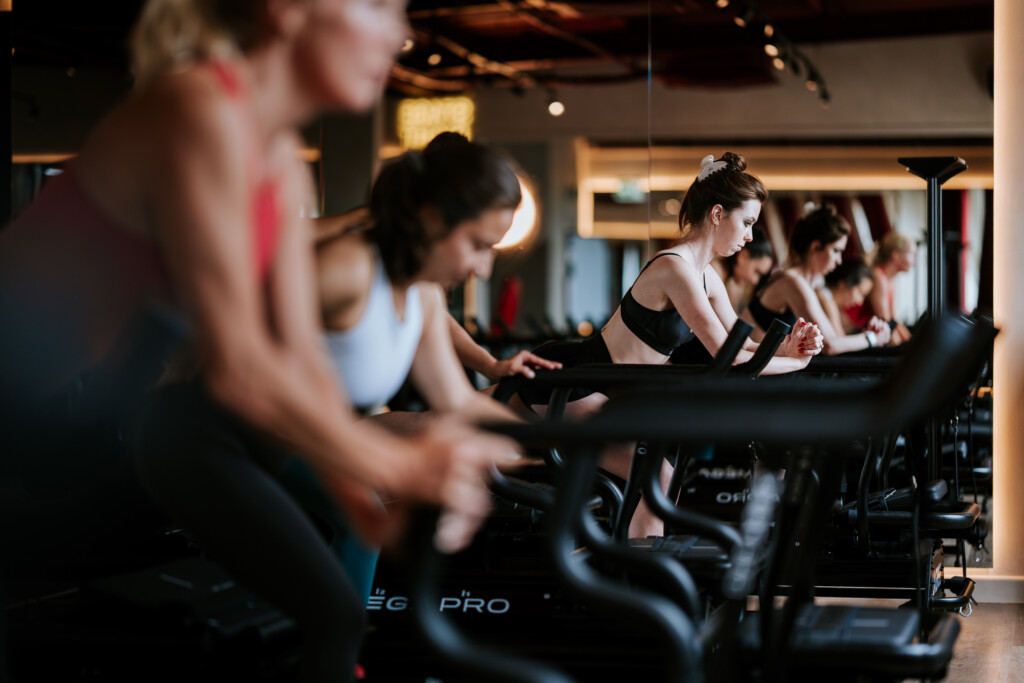
Make morning stretching a nervous-system primer, not a flexibility workout. Keep the goal simple:
- Wake circulation
- Cue core and glutes
- Give your muscles a usable range that they can hold under load
The deeper, structural work belongs to a different session and schedule.
What Kind of Stretching Actually Changes Tissue Length?
For measurable increases in flexibility, you need a program framed as training, not a warm-up. A multivariate meta-analysis, optimising the dose of static stretching to improve flexibility, recommends holding each stretch for 30 seconds, which is the minimum effective dose for structural change when performed as part of a consistent routine.
That kind of stretching, when done correctly, produces gradual adaptations in connective tissue and nervous system tolerance, but it is not the same as a five-minute morning primer.
How Often Should You Schedule Dedicated Flexibility Work?
Frequency matters more than any single long session, because remodeling takes repetition. Commentary synthesizing the literature, The Conversation suggests targeting 5 days a week to improve flexibility, because shorter, regular exposure shifts tolerance and range without sudden overload.
Put plainly, if your objective is lasting range, plan for a consistent, repeatable block across the week, not an occasional marathon of holds.
How Do You Keep Strength While Building Flexibility?
If you try to force structural gains in the first minutes of the day, you trade neural drive for slackness. The practical alternative is to periodize: separate short, neural-focused morning primers from longer flexibility sessions later in the day or after a workout.
On training days, reserve targeted 30-second holds or loaded mobility work for post-class or evening, when tissues are warm, and follow them with tension-based strengthening to make the new range usable. Over four to eight weeks, progressive loading and consistent frequency convert passive gains into controlled strength.
The “Neurological Hangover: Why Passive Stretching Mutes Your Muscles
Most women reach for long morning holds because they feel immediate relief, and that makes sense:
- Empathize
- It comforts
- It seems efficient
The hidden cost is that habitual long mornings blur into passive habits that reduce recruitment and leave you weaker during the day.
Studios like BLOOD, SWEAT & TEARS provide short, activation-first warm-ups and schedule flexibility that protect force production, so clients preserve class intensity while still progressing range without sacrificing performance.
How Can You Spread Mobility Across The Day Without Wasting Time?
Use anchored micro-sessions, three to five times daily, tied to a habit like your coffee, commute break, or post-lunch pause.
Each micro-session is brief:
- Two to three movement patterns
- Eight to twelve controlled reps
- A single targeted 30-second loaded stretch when tissues are warm
Think of this as converting passive range into usable control through repetition and context, not just time holding a position. This habit-based approach reduces the need for long morning sessions while delivering the cumulative stimulus that actually changes movement quality.
What Signs Tell You You Exceeded The Right Dose This Morning?
Watch for sluggish strength in your first loaded set, a sense of looseness without control when you stand or lunge, or an unusual wobble in balance tasks; these are neural signals that the body accepted length but not control.
If you notice a measurable drop in a simple metric, like fewer clean single-leg reps or a slower tempo on bodyweight squats for two sessions in a row, scale back the morning holds and move that deeper work to a warm, post-exertion window.
The “Tension Tuning” Theory: Why Studio Performance Requires Muscle Stiffness
A short image to hold: stretching is like tuning a stringed instrument, not replacing the strings; a quick, precise turn readies it to play, while swapping the strings is a slower job you schedule for after rehearsal.
That ordinary answer feels tidy until you realize there is a deeper gap no one has fixed yet.
Related Reading
- Stretches for Women Over 50
- Quad And Hamstring Stretches
- Ballet Stretches
- Split Stretches
- Aerial Yoga Stretches
- Sacrum Stretches
Why Morning Stretching Alone Isn’t Enough
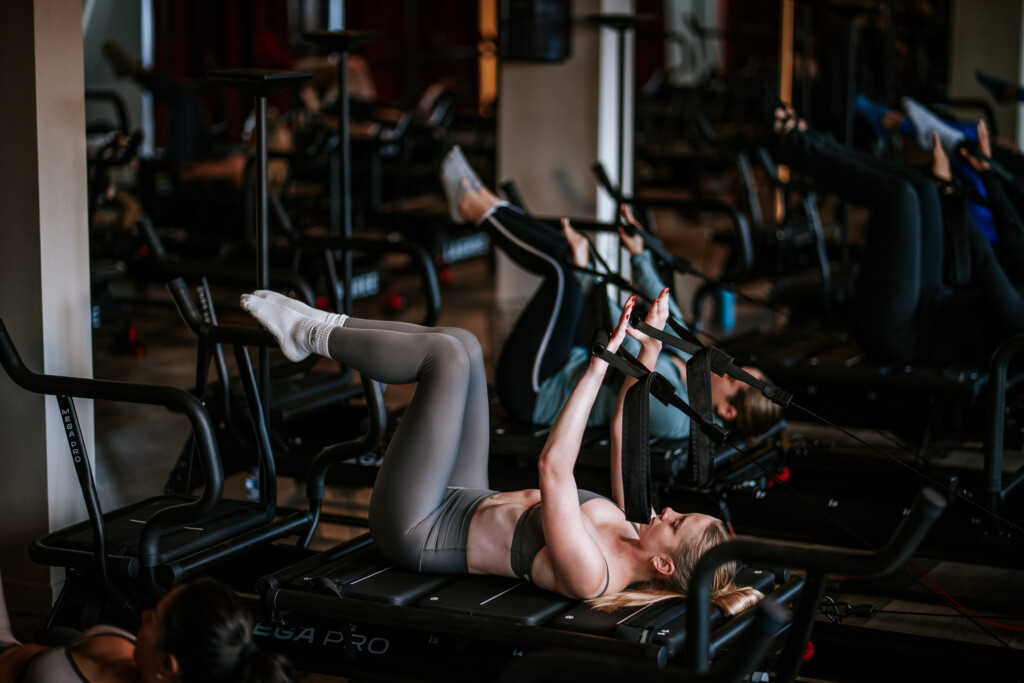
Morning stretching wakes circulation, but it usually stops short of teaching your body to control that new range under load. Without quick, strength-based reinforcement, the looseness you feel in bed often becomes instability when you:
- Stand
- Walk
- Try to train
This is why many women find that a Lagree in London session is the perfect follow-up to morning mobility, as it bridges the gap between being “loose” and being “strong.”
What Exactly Breaks When You Only Stretch?
This is a pattern across deskbound clients and active women: static length increases without the nervous system learning to coordinate force through that length, so joints gain motion but lose predictable support. The problem shows up as inconsistent balance, sliding pelvic position, and shoulders that drift into poor alignment during effort, because muscle spindle sensitivity and tendon stiffness were never trained to absorb or produce force across the new range.
That mismatch helps explain why Freak Athlete, 80% of people who only perform static stretching experience limited improvements in mobility. It is not just an anecdote; it is how neuromuscular systems behave when you skip the control work.
How Can You Tell Whether Mobility Actually Sticks?
When I screen clients before they begin a session of Lagree in London, I use two quick checks that reveal usable control in under a minute: a single-leg stand with eyes closed for ten seconds, and a slow 45-degree single-leg hinge for five reps, keeping the knee aligned.
If the single-leg balance drops by more than three seconds day to day, or the hinge shows wobble and compensatory trunk lean, the range is passive, not trained. Run those tests across three mornings; consistent scores indicate the nervous system has accepted the new range; fluctuating scores indicate you need targeted strength cues before you stretch deeper.
“The Control Gap”: Why Unweighted Length is Vulnerable Length
Most people do the familiar thing because it feels efficient, but that habit creates a hidden cost.
They hold stretches for long periods because they feel immediate relief, and it takes no extra time. That works at first, but as cadence and load rise throughout the day, the passive range fragments performance and increases injury risk, especially during higher-intensity sessions.
Studios like BLOOD, SWEAT & TEARS provide short, load-focused sequences that force muscles to stabilize through range using slow, time-under-tension resistance, so mobility becomes durable and transfers to everyday movement with fewer aches and faster recovery.
Which Morning Moves Convert Flexibility Into Strength Fast?
If you have five minutes, do dynamic leg swings, controlled shoulder circles, and three sets of five slow glute bridges, holding the top for three seconds, because these patterns pair with isometric control. If you have ten minutes, add two slow single-leg Romanian deadlifts of five reps per side with a two-second descent, and a banded pallof press for 8 to 10 reps to lock the core into the new range.
These micro-sessions follow the same logic athletes use, which is why Freak Athlete 90% of athletes incorporate dynamic stretching to enhance performance and reduce injury risk. They make movement reliable by combining motion with immediate control. This “strength-first” mindset is exactly what defines the Lagree in London method at BLOOD, SWEAT & TEARS’ Lagree.
Think of morning mobility like tuning an instrument, not replacing parts; the right primer lets you play cleanly, but you still need practice under resistance to make the notes hold.
That solution works until you hit the one obstacle nobody talks about.
Book a Lagree Class in London Today
If you want mornings that set you up for the day instead of leaving you cautious, book a Lagree class in London, and I will help you turn your morning stretches for women into movement you can actually rely on.
Most women stick with quick, passive routines because they feel efficient, but solutions like Lagree in London use coached resistance and precise stabilisation to support your mobility, posture, balance, and recovery throughout the day.
Related Reading
- Pregnancy Sciatica Stretches
- Yoga Stretches For Flexibility
- Pelvic Stretches For Women
- Lower Back and Hip Stretches
- Aerial Yoga Stretches
- Yoga Poses for Hip Flexibility