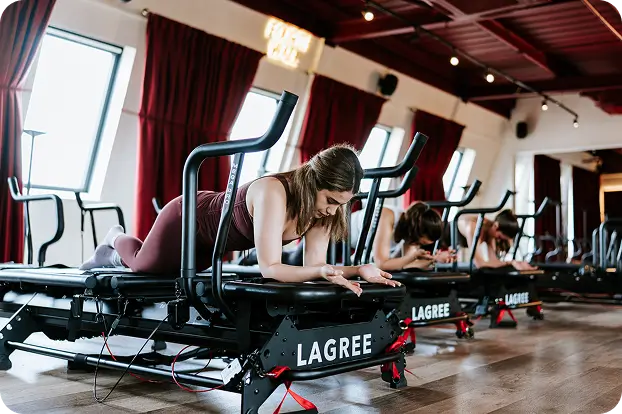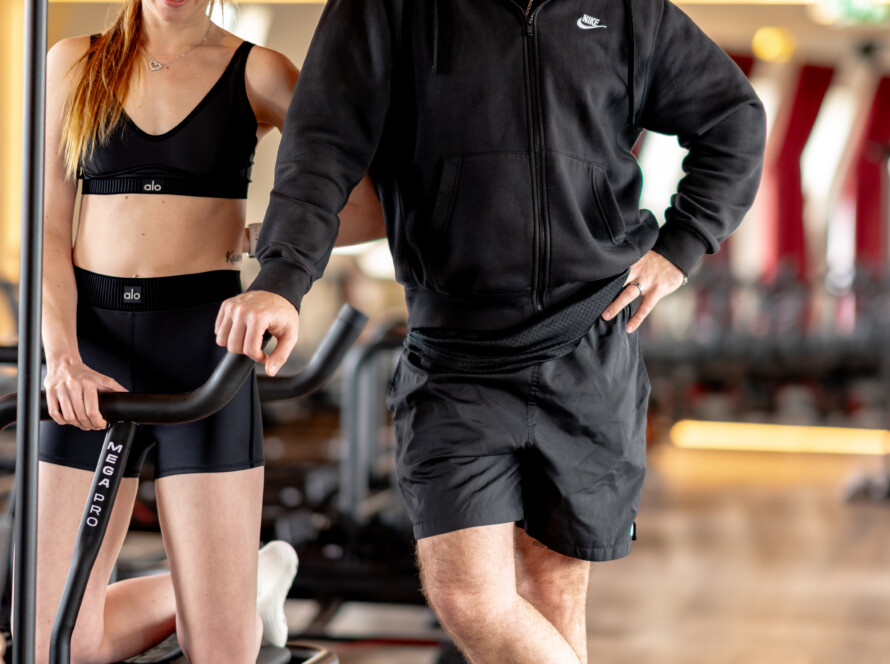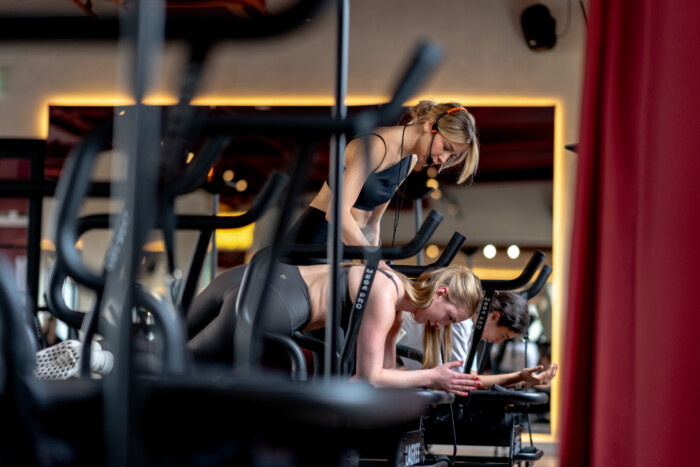
You want a workout that builds strength, improves posture, and keeps you moving without putting undue stress on your joints. Reformer pilates body transformation addresses those needs by blending resistance, core work, and controlled movement to enhance flexibility, balance, and muscle tone. Is reformer Pilates a good workout for burning calories, improving endurance, or rehabilitating after an injury? This article breaks down the physical and mental benefits, allowing you to decide whether it aligns with your goals.
BLOOD, SWEAT & TEARS’ Lagree in London offers scaled sessions that build core strength, boost mobility, and sharpen the mind-body connection, while protecting your joints and helping you see real progress.
Summary
- Reformer Pilates remaps movement by forcing precise, sustained loading, which improves stabilizer recruitment first. Studies show that core strength can increase by 20% after 12 weeks of regular practice.
- Progressive overload on the machine uses spring tension, leverage, and tempo to build usable range, with participants showing about a 15% improvement in flexibility after eight weeks of controlled, loaded work.
- For rehabilitation and chronic pain management, the method is effective, with one study reporting a 40% reduction in back pain over six months when programs are staged and coached.
- Program structure matters: two to four sessions per week with a planned lighter week every five to six weeks produces steady gains, and visible movement changes often appear within the first month.
- Market signals reflect outcomes, not just trends, as attendance for Reformer-style classes has risen about 40% compared with traditional mat Pilates, indicating a growing preference for faster, joint-friendly returns.
- Neuromuscular control adapts quickly because neural coordination and stabilizer function respond before raw hypertrophy occurs. Some reports show a 30% increase in core strength within 12 weeks when tempo and recruitment are prioritized.
This is where BST Lagree’s Lagree in London fits in, addressing these needs by providing scaled, low-impact, time-under-tension sessions with instructor-led coaching that emphasize progressive overload and joint protection.
What is Reformer Pilates?
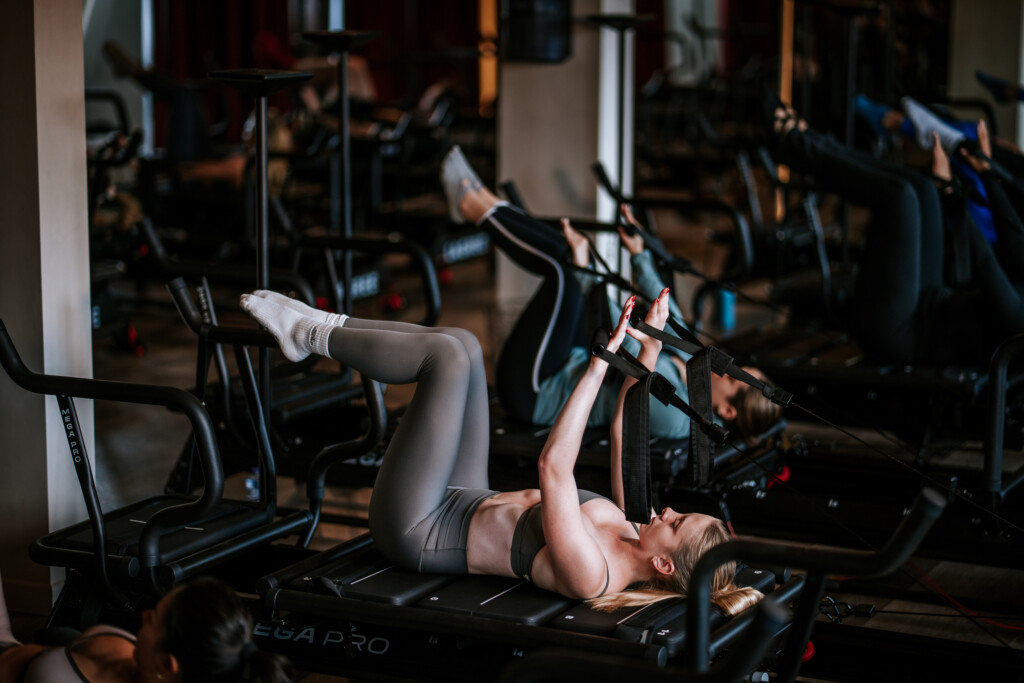
Reformer pilates is a resistance-based workout performed on a spring-loaded carriage that emphasizes controlled, precise movement to build balanced, full-body strength with minimal joint strain.
It is not gentle stretching disguised as exercise, nor is it raw cardio; it is engineered resistance, where time under tension and incremental spring loading create efficient muscular conditioning and postural changes.
How Is A Reformer Session Different From A Regular Gym Workout?
When we run beginner cohorts over a 12-week cycle, the pattern becomes clear: reformer work forces you to recruit stabilisers you did not know existed, because every movement must be controlled across a sliding platform.
That focused tension turns small muscles into dependable ones, which explains why Medical News Today reports that Reformer Pilates can increase core strength by 20% after 12 weeks of regular practice. This is why people notice improvements in posture and balance alongside increased strength.
Who Benefits the Most from This Approach?
Clients who require intensity without impact tend to benefit the most, especially women balancing busy schedules who seek measurable change in a shorter timeframe. The reformer’s adjustable springs let instructors scale a session from careful rehabilitation to near-hybrid strength conditioning, so you can discover new muscles without forcing painful ranges.
This is also why people with chronic back problems often choose reformer work, because it builds supportive strength while staying gentle on joints. According to Medical News Today, Reformer Pilates can help reduce back pain by 40% over a six-month period.
Time-Under-Tension Advantage
Most people attempt to improve their fitness by doing more, longer, or heavier work because it feels productive, and that approach is understandable.
As volume and impact increase, the hidden cost becomes apparent, with:
- Niggles
- Joint wear
- Reduced consistency
Studios like BLOOD, SWEAT & TEARS offer a different path, applying Lagree-style time-under-tension on reformer rigs to maintain high intensity while controlling load, which preserves joints, identifies weak links in movement, and allows instructors to scale progress reliably.
What About Class Culture And Learning?
When new members are corrected in front of others, they often close off and lose focus, which stalls progress; shifting to discreet verbal cues and hands-on guidance within the first four sessions restores confidence and keeps effort consistent.
That emotional safety matters because technique changes are subtle, and slight hesitations compound into avoidance unless instructors build trust quickly. You think you understand the machine, but the way it rewires movement habits turns out to be the surprising part that changes everything.
Related Reading
- Is Bodyrok Lagree
- How Many Calories Does Lagree Burn
- Xformer vs Megaformer
- Barre vs Lagree
- Lagree vs Weight Lifting
How Reformer Pilates Works Your Body
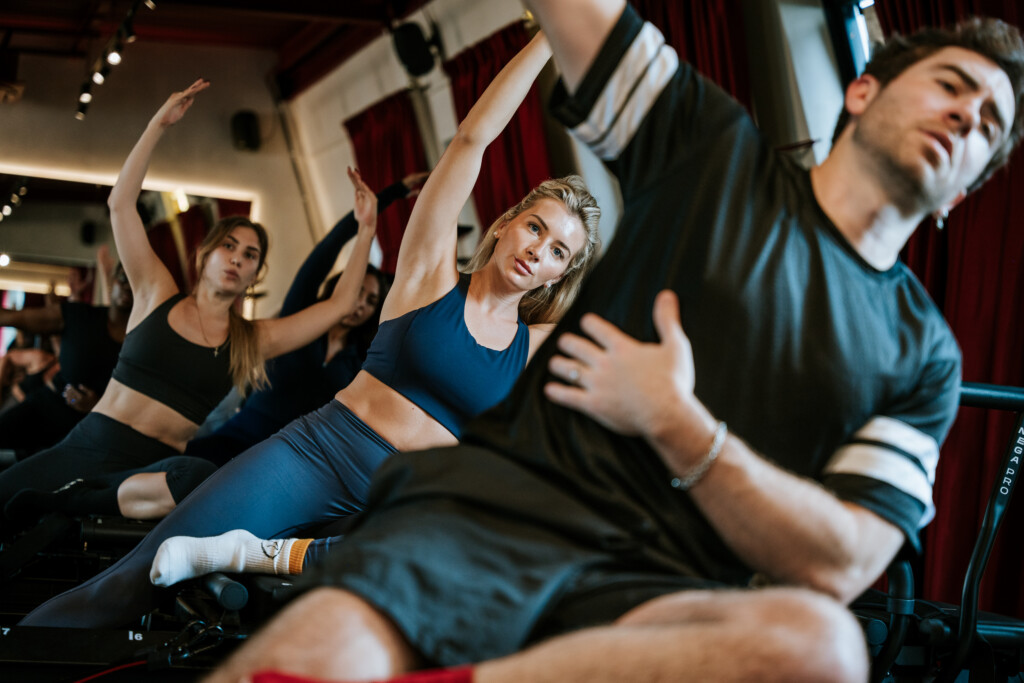
Reformer Pilates remaps how you move by forcing precise, sustained loading and then turning that control into reliable:
- Strength
- Coordination
- Range
You get measurable change because the method trains your nervous system to recruit the right muscles at the correct times, not because you add heavier plates.
How Does The Reformer Create Progressive Overload Without Heavy Weights?
We achieve this by adjusting leverage, spring tension, and tempo within a single movement, allowing the same exercise to transition from mobility work to near-maximal conditioning with just a slight adjustment. Continuous time under tension taxes slow and fast motor units differently, allowing muscles to adapt for both endurance and strength without pounding the joints.
Instructors manipulate spring settings and rep tempos over 2- to 4-week blocks, adding positional difficulty before increasing resistance, so form never breaks down.
Which Adaptations Show First And Why?
Neural control and stabiliser coordination respond quickest because they are software issues, not raw strength issues, that are fixed by practice, rather than load. That early neuromuscular change explains why, according to Complete Pilates, Reformer Pilates can increase core strength by 30% in just 12 weeks.
The study highlights how targeted recruitment becomes a habitual process across a typical training cycle.
How Does The Method Improve Mobility Without Long Static Stretching?
Controlled eccentric work and loaded lengthening create safe gains in usable range, not just flexible-looking positions. By moving joints through loaded pathways under control, tissues adapt to greater length while the nervous system learns new, less protective patterns.
This process is likely why participants experienced a 15% improvement in flexibility after 8 weeks of Reformer Pilates, a valuable metric for program planning.
What Programming Actually Produces Steady Progress?
Treat classes like microcycles, with two to four sessions weekly and one planned lighter week every five to six weeks to consolidate skills. Progress by increasing range or complexity first, then spring tension, and monitor movement quality rather than relying solely on the number of reps.
Minor regressions in technique predict plateaus long before strength numbers do.
Tuning the Body, Not Just Turning Up the Volume
If you want a rule of thumb, push intensity for two weeks, refine your technique the next week, then increase the load, and expect visible movement changes within the first month of training. Think of it like tuning a string instrument, not adding louder speakers; minor adjustments in tension and positioning change the whole sound.
That analogy explains why doing more of the wrong movement produces diminishing returns, and why methodical, coached progress gives faster, cleaner outcomes.
45 Minutes to Physical Change & Mental Shift
BLOOD, SWEAT & TEARS provides a women focused fitness space that helps their clients achieve their fitness goals faster than other workouts out there, without the risk of injury, combining strength building and cardio into a 45 minute workout so clients feel and see results fast rather than spending hours trying to “figure it out” in a dirty, boring, creepy gym environment.
All of our instructors are certified and undergo a rigorous mentorship program, ensuring every class is:
- Fun
- Uplifting
- Motivating
- Effective
- Safe
Book a class to see why Lagree in London is America’s fastest-growing workout for three years in a row. That pattern of physical change is evident until you notice the mental shift that follows.
Physical and Mental Benefits of Reformer Pilates
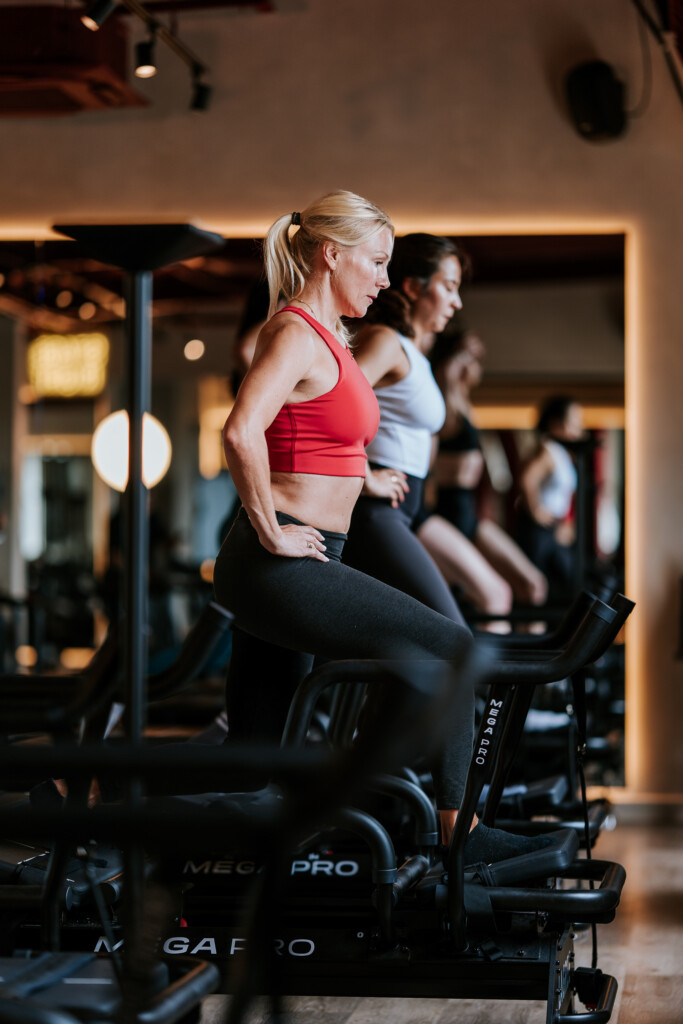
Reformer Pilates delivers tangible benefits for both body and mind, enabling you to achieve stronger, more efficient movement and a more precise, calmer focus that supports consistency. Physically, it improves usable strength and joint-friendly conditioning;
Keep you training week after week. Mentally, it builds:
- Discipline
- Body awareness
- Stress resilience that
How Does It Expand Your Usable Range, Not Just Flexibility?
When people chase flexibility through long holds, they often gain range without the strength to control it.
Reformer work pairs loaded movement with control, allowing you actually to utilize the new range under tension. A 2025 study found that participants in a study reported a 30% improvement in flexibility after 8 weeks of Reformer Pilates, which, in plain terms, means two months of targeted reformer progress produces measurable, usable gains rather than loose, unmanaged mobility.
That changes how you reach, rotate, and lunge in daily life, because the nervous system learns the longer ranges under load.
What are the Short-Term Strengths and Functional Payoffs?
In guided 8- to 12-week blocks, where coaches progress tempo, spring tension, and positional difficulty, clients often notice improved lift and control in everyday tasks, such as carrying toddlers and climbing stairs. The evidence supports this, as Reformer Pilates can increase core strength by 20% after 12 weeks of regular practice, a result that translates to greater trunk stability during daily loaded movements and lower reliance on compensatory patterns.
That matters because strength that only shows up in a gym does not protect your back or improve posture and endurance during real life.
Why Does it Change the Mind as Well as the Body?
Problem-first: People who juggle work, home, and fitness need workouts that reward short windows of commitment with visible progress; otherwise, motivation collapses.
Trains interoception and reduces rumination. Reformer sessions force attention to:
- Breath
- Sequencing
- Micro-adjustments
Over weeks, this reduces:
- Perceived stress
- Improves sleep
- Restores a sense of mastery
Clinically, Pilates studies report meaningful reductions in depression and anxiety measures in adults who complete regular programs, which aligns with what we observe when clients swap fragmented, hit-or-miss training for disciplined, coached reformer cycles.
What Breaks When People Try to Get These Benefits on Their Own?
Free-form stretching or sporadic gym sessions work when you already move well and train consistently, but they fail as soon as time or recovery drops. The failure point is inconsistent progression and uncontrolled load, which can result in plateaus or minor injuries.
That hidden cost shows up as frustration and drop-off, not just stalled results.
The Wasted Effort vs. Structured Intensity
Most teams handle this problem by simply adding more volume, as it feels productive, which is understandable; however, the hidden cost is wasted time and wear on joints.
Solutions like BLOOD, SWEAT & TEARS provide structured, scalable reformer programming and instructor guidance that keeps intensity high while controlling load. Sessions stay efficient and progress remains measurable without sacrificing joint health.
Precision: The Fountain Pen of Fitness
Think of it like learning to write with a fountain pen rather than a marker; small, precise strokes build legible handwriting that endures under pressure. That subtle control is what separates transient fitness gains from lasting changes.
That last shift feels decisive, but the tricky question about where reformer truly outperforms other methods remains to be answered.
Related Reading
- Body Sculpting for Women
- What Are the Benefits of Pilates Reformer
- Reformer vs Mat Pilates
- How Many Calories Does Reformer Pilates Burn
- How Often Should You Do Reformer Pilates
When Reformer Pilates Shines vs Other Workouts
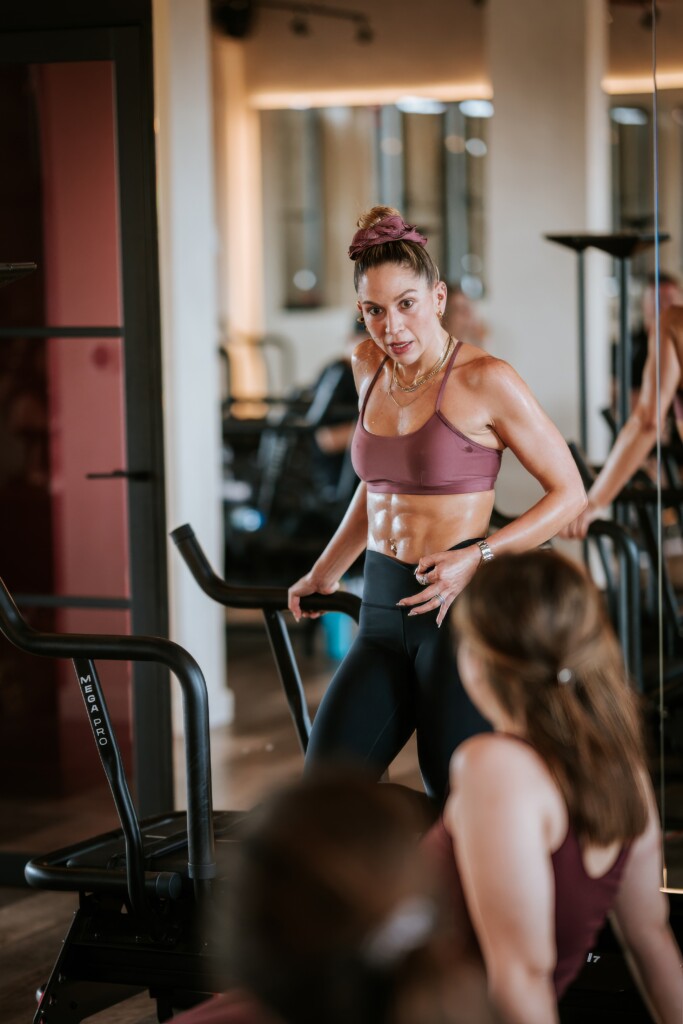
Reformer Pilates shines when you need fast, transferable results that respect your joints and your schedule. It outperforms other workouts when the goal is precise muscle recruitment, scalable intensity, and usable mobility that actually translates to daily life and sports.
When Should You Pick the Reformer Over Heavy Lifting?
Heavy barbell work builds raw force, but it often misses fine motor control and movement quality. Reformer sessions require you to control the load through unstable, sliding mechanics, allowing stabilizers and rotator cuff-type muscles to strengthen while your movement patterns are refined.
That means less compensatory torque and fewer pain flare-ups when you pick up a child, carry groceries, or sprint for the bus.
Why Choose Reformer Instead of a Mobility-Only Practice?
If you care about usable range, not just aesthetically pleasing positions, the Reformer is superior because it combines loaded lengthening with control. For people who want to move farther without losing strength at the end range, this is the sweet spot.
It explains why Accio Business reports that Reformer Pilates is 25% more effective in enhancing flexibility compared to yoga, a valid comparison when weighing static stretching against load-bearing progressions.
How Does It Help People Manage Pain Or Recover?
When recovery matters, you cannot trade intensity for reckless loading. The Reformer enables coaches to adjust exercises via spring settings and positioning, while maintaining challenge through tempo and range.
This works for clients with back sensitivity or old knee strains because we increase control before adding resistance, keeping return-to-function measurable rather than speculative.
Beyond the Tradeoff: Intensity Without Injury
Most people assume the tradeoff is between intensity and safety, but that tradeoff is false. The familiar approach is piling on hours of cardio or chasing heavier plates because it feels productive.
The hidden costs are:
- Joint wear
- Inconsistent technique
- Training burnout
Solutions like Lagree in London combine strength and cardio into 45-minute, low-impact classes, scaling intensity through precise resistance and tempo adjustments, allowing participants to progress faster without sacrificing joint health.
Who Gets The Fastest, Clearest Wins?
Busy women who train three times a week and prioritise function over vanity tend to improve movement quality and endurance more quickly than those who add random gym sessions.
Sportspeople use Reformer cycles to fix movement asymmetries before increasing load in the weight room. Older adults and postpartum clients benefit from the method, as it delivers progressive overload without explosive impact, allowing you to build resilience without provocation.
Why Are More People Choosing This Method Right Now?
Demand is rising not by accident but by results. Studio attendance has surged, with Accio Business reporting a 40% increase in attendance for Reformer Pilates classes compared to traditional mat Pilates, indicating that people are voting with their time, where they see faster and safer returns.
Coaching: The Antidote to Gym Awkwardness
On the human side, beginners often enter feeling awkward and exposed, which can kill momentum if unaddressed. Running short private setup sessions and pairing new members with an onboarding coach reduces that friction and keeps people coming back.
That emotional safety, paired with measurable progress, is why the method outperforms faster, but less guided, workouts.
45 Minutes: Fast Results, No Trade-Offs
BLOOD, SWEAT & TEARS offers a women-focused fitness space that helps clients achieve their goals faster, without the risk of injury. By combining strength and cardio into a 45-minute workout, members feel and see results quickly.
Book a class to experience why Lagree in London has become the go-to choice for efficient, low-impact conditioning.
That advantage looks straightforward until you realise how much the right programming changes who actually benefits next.
Who Should Try Reformer Pilates?
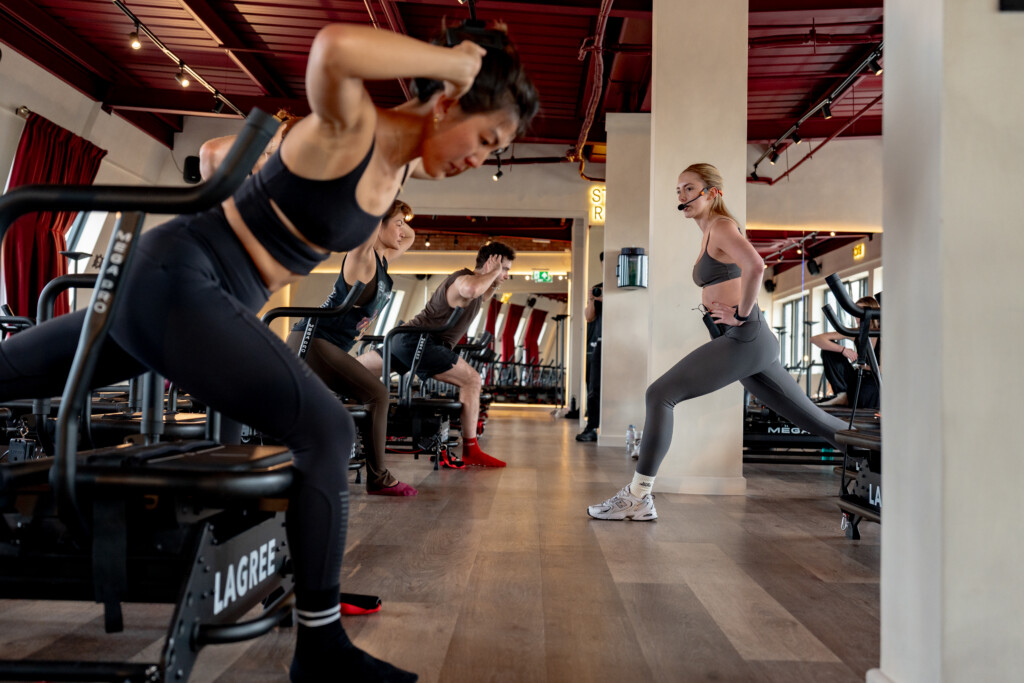
Reformer Pilates should be on your shortlist if you want efficient, measurable changes in strength, posture, and movement quality without high-impact stress on joints.
It suits busy women who:
- Need time-efficient conditioning
- Athletes who need to correct movement faults
- Older adults or rehab clients who require progressive overload with control
- Anyone who has tried high-impact training only to hit a ceiling or develop chronic niggles
Who Benefits When Time Is The Bottleneck?
Suppose you have limited sessions each week and need results. In that case, reformer-style training offers a high return on investment because every repetition is designed to target the right muscles under controlled tension.
According to Accio Business, Reformer Pilates classes have seen a 40% increase in attendance compared to traditional mat Pilates, reflecting the growing popularity of reformer work for its faster, more consistent results in less weekly time.
Who Gets the Clearest Performance Gains?
Athletes and weekend warriors who want cleaner mechanics and single-leg control can achieve quick wins, notably when programming prioritizes asymmetry work and tempo control.
When we ran eight-week corrective blocks with runners, the pattern was clear:
- Targeted single-leg loading
- Combined with tempo changes
- Reduced crossover
- Improved balance within six sessions
That kind of neuromuscular re-education is why Accio Business reports that participants experience a 30% improvement in core strength after 12 weeks of Reformer Pilates, a practical outcome for both sports and daily tasks.
Is This Right for People Recovering from Pain or Life Stages, Such as Postpartum?
Yes, provided the program is staged and coached. Clients with back sensitivity, a recent pregnancy, or a history of joint issues often progress faster when spring tension and range are controlled, as this allows for maintaining intensity while protecting the tissue.
To reduce fear and retention problems, we found that short onboarding blocks that teach:
- Bracing
- Breath
- Carriage setup
New members stop asking for permission and start training confidently once they feel safe and competent within the first month.
What About Those Who Think Pilates Is Too Gentle Or Too Niche?
That assumption breaks when you treat the reformer as a precision tool rather than a leisure class. Think of it like switching from a kitchen knife to a scalpel; minor adjustments reveal weaknesses that heavy, blunt training misses.
If your goal is discoverable strength, posture endurance, and scalable intensity, reformer work rewards precision with transferable results.
Predictable Progress: The End of Fragmented Fitness
Most people handle conditioning by adding more volume or impact because it feels productive, and that works up to a point.
As load and life:
- Demands rise
- Niggles
- Inconsistent attendance
- Slow progress appears
Solutions like BLOOD, SWEAT & TEARS in Angel help by offering coached Lagree-style repertoires with adjustable resistance, staged onboarding, and a certified instructor pathway that lets members scale intensity safely while staying consistent, turning fragmented workouts into predictable progress.
Who Should Pause Or Seek Clearance First?
Get medical clearance and a tailored plan before starting if you have:
- Unstable cardiovascular conditions
- Open surgical wounds
- Severe untreated osteoporosis
For anyone unsure, a brief consultation with a doctor or a certified instructor who can assess movement will prevent setbacks and accelerate beneficial gains.
When Do Beginners Or The Unsure Actually Thrive?
They thrive when we compress learning into clear micro-skills, such as:
- Carriage setup
- Breath-timing
- A handful of foundational tempos
These were practiced across four supervised sessions. That approach converts the common hesitation and permission-seeking into steady confidence, which keeps people returning and progressing.
That seems decisive, but the unexpected part is how much showing up changes your next two weeks, not just your two months.
Related Reading
- Does Reformer Pilates Help You Lose Weight
- Best Toning Exercises for Women
- Benefits of Lagree
- Beginner Pilates Reformer Exercises
- Low Impact Strength Training Exercises
Book a Lagree Class in London Today
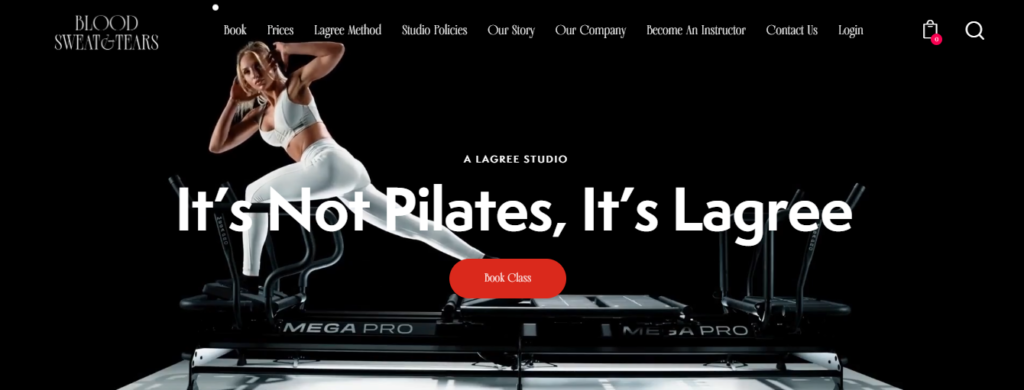
I’ll say it plainly: if you want a practical way to make progress without second-guessing your time or safety, try a class at BLOOD, SWEAT & TEARS in Angel and decide for yourself.
Their traction is evident, with over 1,000 classes booked each month. BLOOD, SWEAT & TEARS demonstrates steady community demand, with 80% of clients experiencing results within 3 weeks, indicating that focused consistency yields fast, measurable change.