Ever finish a workout and still feel like your shape is not changing the way you want? Reformer pilates body transformation gives women a straightforward way to build lean muscle, improve core strength, and get real muscle definition through controlled resistance, precise movement, and focused posture work. Read on for practical tips on body sculpting for women, from toning and body contouring to pacing and recovery, so you can learn body sculpting for women (how to build lean muscle and define your shape) without guesswork.
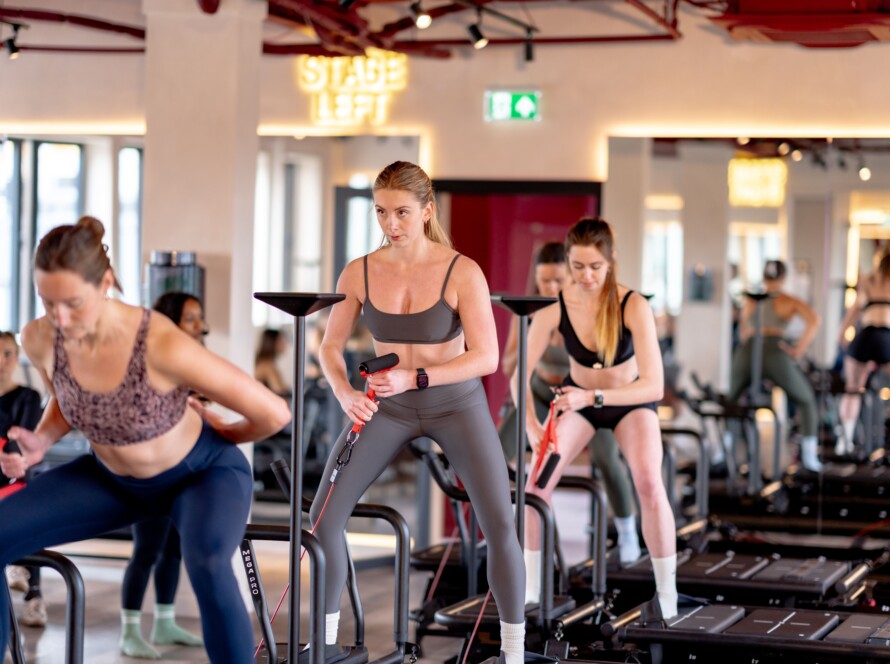
For hands-on guidance, BLOOD, SWEAT & TEARS’ Lagree in London offers targeted sessions that speed up muscle tone, boost metabolism, and refine curves with Pilates reformer-style resistance and innovative progressions.
What is Body Sculpting?
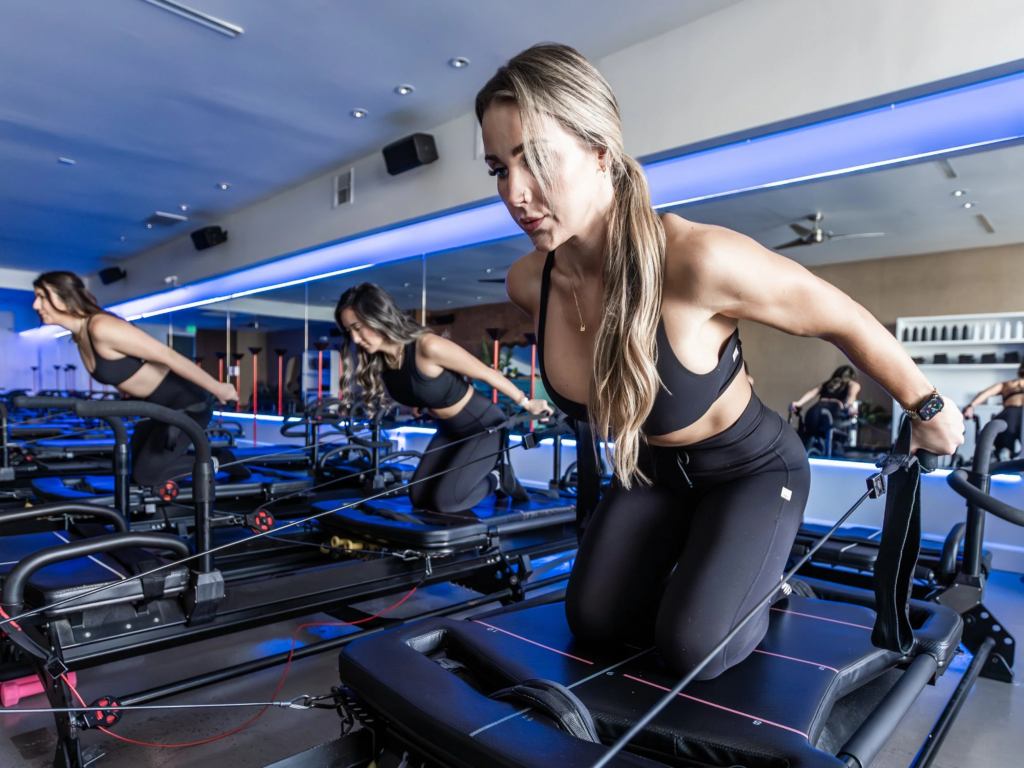
Body sculpting for women focuses on reshaping the figure by building lean muscle, improving posture, and reducing body fat in targeted areas. It prioritizes strength, balance, and functional movement rather than only shrinking a number on the scale. Programs typically target the hips, glutes, thighs, core, arms, and back with exercises designed to:
- Build muscle definition
- Improve day-to-day strength
How Body Sculpting Produces Change
Muscle tissue consumes more energy than fat at rest, so increasing lean muscle raises resting metabolic rate and supports sustainable fat loss. Resistance work stresses muscle fibers, which repair stronger and denser with proper nutrition and recovery. Controlled, progressive loading plus precision movement improves muscle tone and joint stability while reducing the risk of injury.
Training Methods Women Use to Sculpt
Resistance training, Reformer Pilates, Lagree, and targeted strength work form the backbone of most female body sculpting plans. Reformer Pilates enhances core control, spinal alignment, and glute activation using spring-based resistance. Free weights and machines build external strength and drive muscle growth, while body weight exercises and stability drills polish balance and mobility.
How to Use Reformer Pilates in a Sculpting Plan
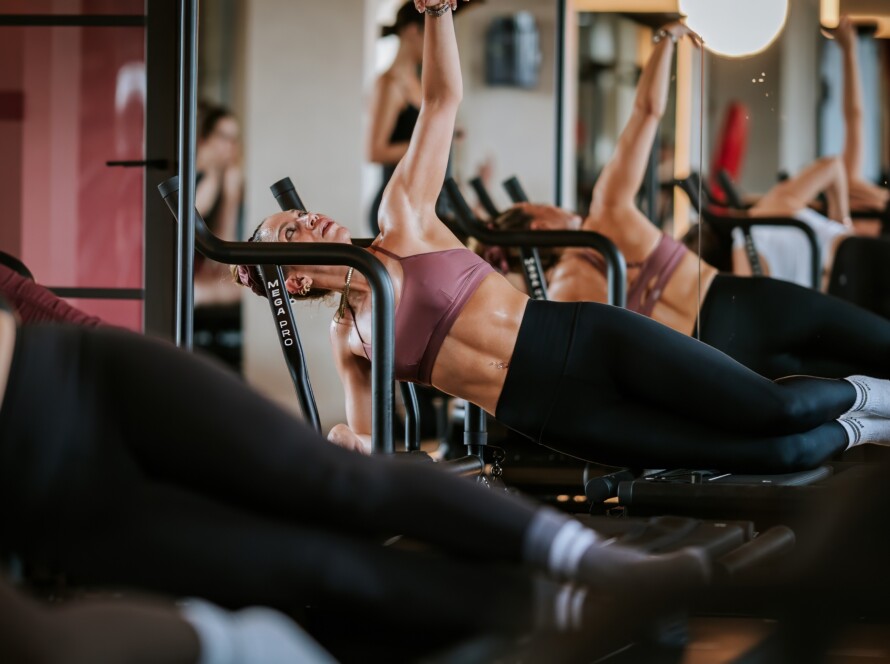
Reformer Pilates trains deep stabilizers and teaches movement efficiency, which helps exercises like squats and lunges transfer better to daily life. It allows fine-tuning of hip and pelvic alignment to target glute and inner thigh engagement. Pairing Reformer sessions with heavier strength days accelerates muscle definition and improves posture.
Nutrition for Lean Muscle and Shape
Protein intake supports muscle repair and growth; aim to spread protein across meals to keep amino acid availability steady. Eating whole foods, controlling overall calories based on goals, and prioritizing fiber and healthy fats support energy and recovery. Hydration, consistent sleep, and nutrient timing around training sessions influence performance and body composition.
Recovery and Hormones for Female Clients
Rest, sleep, and stress management affect hormone balance and fat distribution, primarily through menstrual cycles and menopause. Active recovery, gentle mobility work, and properly scheduled intensity help women train consistently without overtraining. Monitoring energy levels and adjusting volume across the cycle can maintain performance and reduce injury risk.
Technology and Non-Surgical Options That Help
Cryolipolysis, EMSculpt, CoolTone, and other non-surgical procedures can complement exercise by reducing localized fat or enhancing muscle tone with electromagnetic stimulation. These treatments work best when combined with strength training and sound nutrition to retain gains. Expect incremental improvements rather than instant transformation.
Designing a Program Specifically for Women
Start by assessing posture, mobility, and movement patterns to identify compensations and weak links. Build a plan with three pillars: resistance sessions for muscle building, mobility work for range of motion, and conditioning for metabolic health. Progress gradually with periodized loading and measurable benchmarks like:
- Strength gains
- Circumference changes
- Body composition
Measuring Progress Without Obsessing Over the Scale
Use photos, tape measurements, strength milestones, and how clothes fit to capture real change in shape and function. Track progress across weeks and months rather than daily fluctuations. Ask yourself which movements feel stronger and whether daily tasks require less effort to detect meaningful improvements.
Common Myths Women Follow
The myth that muscle makes women bulky is persistent; properly programmed strength training produces toned, lean muscle and improves long-term metabolism. Spot reduction is not possible through exercise alone; targeted work improves the muscle beneath the fat, while diet and overall training reduce fat stores. Avoid quick-fix promises and choose consistent habits instead.
Practical Questions to Ask a Trainer or Studio
How will the program balance Reformer Pilates with strength training and conditioning? What measures will you use to track body composition and performance? How will recovery, nutrition, and hormonal factors be addressed across my schedule?
Related Reading
- Is Bodyrok Lagree
- How Many Calories Does Lagree Burn
- Xformer vs Megaformer
- Barre vs Lagree
- Lagree vs Weight Lifting
The Science Behind Body Sculpting
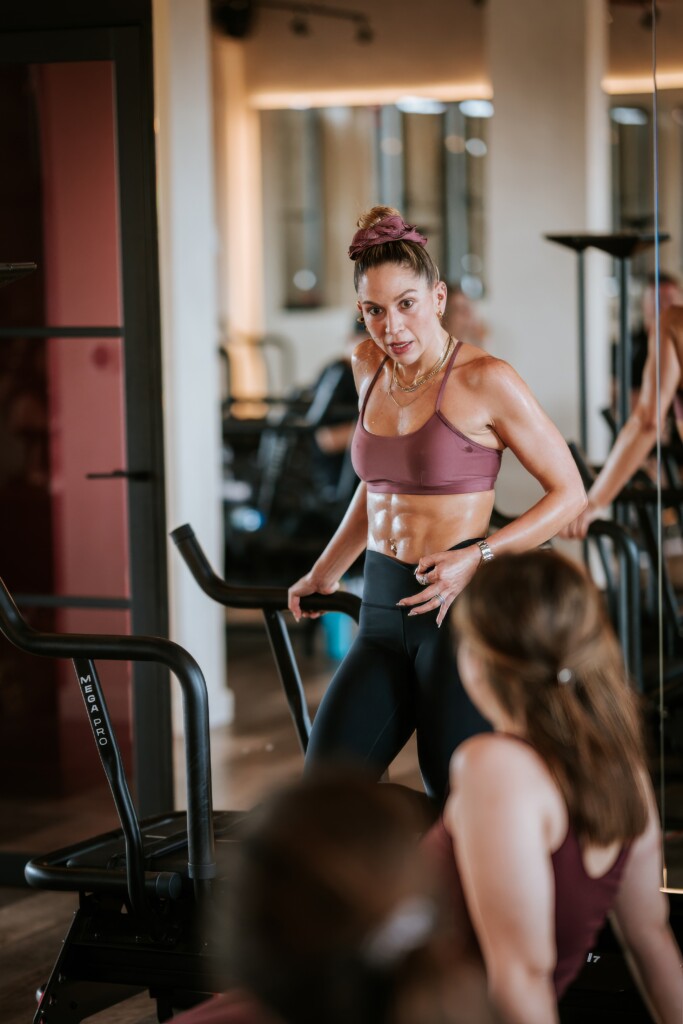
Building lean muscle changes more than the mirror. Muscle tissue raises resting metabolic rate, so you burn more calories between sessions. Strength training triggers muscle protein synthesis; with consistent progressive loading, those fibers grow and stiffen, producing the tone and definition women want.
Cardio burns calories while you move, but resistance training creates lasting shifts in body composition and metabolic health. Want to know how to make that shift efficient and safe?
Resistance and Tone: The Mechanics Behind Sculpting for Women
Muscle growth follows overload and recovery. Use sufficient resistance, control the tempo, and gradually increase load or volume to force adaptation. Slow, controlled repetitions extend time under tension and preferentially recruit stabilizer muscles and slow-twitch fibers, which improve muscle endurance and shape.
This refined control also strengthens connective tissue and supports joint health, both of which matter for longevity and bone density.
Why Reformer Pilates and Lagree Target the Right Muscles
Machines that provide continuous, calibrated resistance let you train strength and mobility simultaneously. Reformer Pilates and Lagree emphasize eccentric control, core integration, and small stabilizers that carry posture and alignment. These methods are low impact, reduce joint stress, and target pelvic floor and deep core engagement—areas women often need to prioritize.
How each movement is cued and scaled makes the difference between a token workout and real sculpting.
Nutrition That Supports Muscle Gain and Fat Loss
Protein and overall energy balance control whether you gain muscle, lose fat, or both. Aim for steady protein intake across the day, roughly 1.2 to 1.6 grams per kilogram of bodyweight for most women focused on muscle maintenance and tone, paired with a modest calorie deficit when fat loss is the goal.
Prioritize whole foods, adequate micronutrients, and steady carbohydrates around workouts for performance and recovery. Hydration, consistent meals, and small protein-rich snacks after sessions speed repair and adaptation.
Programming: Frequency, Progression, and Recovery
Train with intention two to four times per week for meaningful change; mix heavier strength days with higher tempo, endurance-focused sessions. Track load, reps, range of motion, and tempo so you can apply progressive overload without overshooting recovery. Sleep, active recovery, and planned deloads protect gains and prevent hormonal disruption or overuse injuries. Which training rhythm fits your schedule and life demands?
Hormones, Life Stages, and Female-Specific Adjustments
Hormonal cycles, pregnancy, and menopause change recovery, energy, and how the body stores fat. Adjust volume and intensity across the month, rebuild pelvic floor and core after childbirth, and prioritize bone loading as estrogen levels change. Coaches who understand these factors can scale sessions to maintain progress while reducing injury risk, and can adapt programming to shifting energy and recovery windows.
Measuring Progress Beyond the Scale
Use body composition, strength benchmarks, photos, how clothes fit, and performance gains to track progress. Scales miss muscle gain and weight redistribution; simple strength tests and tape measures show real change faster than numbers alone. Keep a short training log and regular photos to evaluate technique, posture, and muscle definition.
Session Structure That Delivers in 45 Minutes
A focused 45-minute class starts with a movement prep, moves into compound resistance and targeted sculpting, adds short cardio or tempo blocks for caloric burn, and finishes with mobility and breathing to restore nervous system balance. Instructors cue alignment, tempo, and breathing to maximize muscle activation while preserving joint integrity, which keeps workouts efficient and safe.
Ready to try a method that prioritizes strength, control, and results without long gym hours?
High-Intensity, Low-Impact Women’s Fitness
BLOOD, SWEAT & TEARS provides a women-focused fitness space that helps clients achieve their fitness goals faster than other workouts, without the risk of injury by combining strength building and cardio into a 45-minute session. Hence, you feel and see a difference in as little as two weeks. All instructors are certified and go through a rigorous mentorship program to make every class:
- Fun
- Motivating
- Effective
- Safe
Book a class to try Lagree in London and see why Lagree has been America’s fastest growing workout three years running.
The Best Body Sculpting Workouts for Women
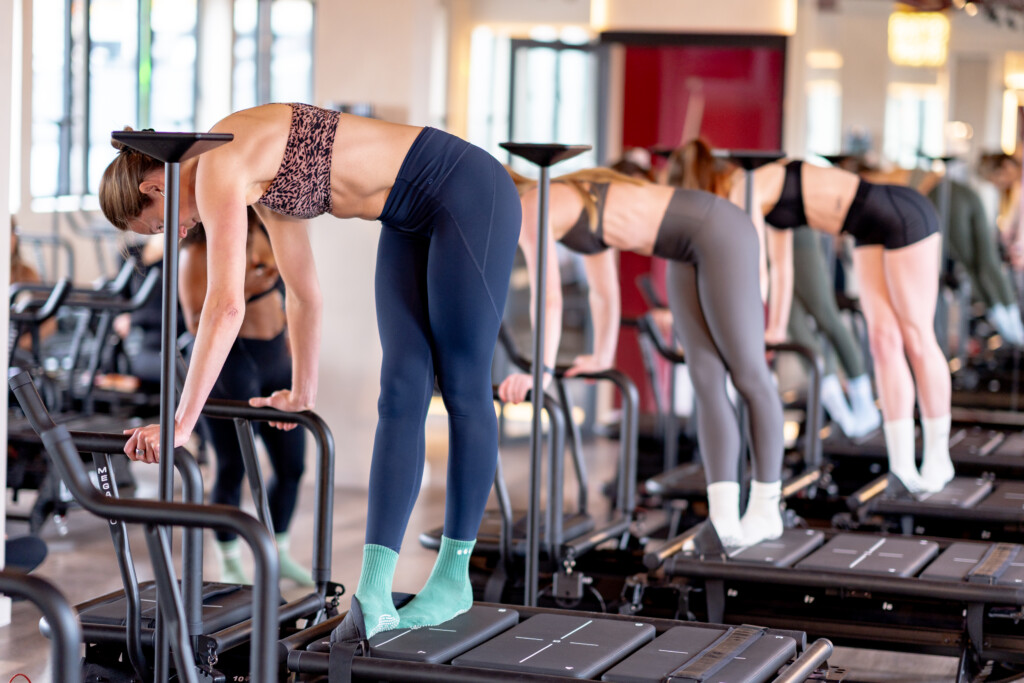
Lagree Megaformer: High Resistance Sculpt
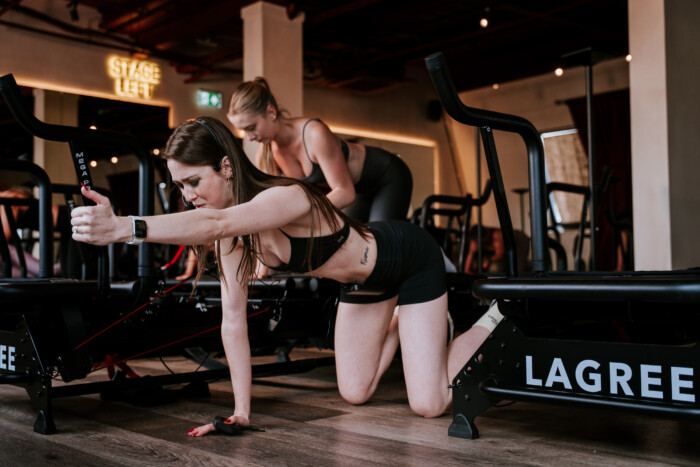
Lagree uses a sliding carriage and heavy springs to create continuous resistance across the full range of motion. The machine forces constant core engagement and precise control, which produces profound muscle fatigue without joint pounding.
Slow-Control Strength and Endurance Training
Sessions emphasize slow eccentric control, pulses, and transitions that target:
- Glutes
- Hamstrings
- Quads
- Shoulders
- Midsection
Expect high-calorie burn, with a strong emphasis on muscle endurance and metabolic conditioning. Try sets of 45 to 90 seconds per exercise, minimal rest, and progressive resistance increases every few weeks.
Strength Training: Build Lean Muscle and Shape Curves
Heavy compound lifts remain the fastest route to changing body composition and increasing resting metabolism. Squats, deadlifts, hip thrusts, rows, and presses recruit large muscle groups and support strength for everyday movement. Program around progressive overload: add weight, reps, or better technique over time.
Use mixed rep ranges—6 to 8 for strength, 8 to 12 for hypertrophy, and 12 to 20 for muscular endurance—to sculpt different fibers and improve definition. Pair compound lifts with targeted accessory work for glutes, hamstrings, and upper back to refine shape.
Barre Workouts: Precision for Posture and Small Muscle Tone
Barre blends ballet positions, isometric holds, and high-rep, low-load work to refine muscle lines and improve posture. Small muscle groups around the hips, outer thighs, calves, and shoulders experience repeated tension, which enhances endurance and definition. Focus on alignment and micro control; that builds better posture and supports lifting mechanics. Use pulses, tiny lifts, and single-leg stances to challenge balance and core stability while keeping impact low.
HIIT and Cardio Sculpt — Burn Fat and Reveal Definition
Short high-effort intervals with brief recoveries raise post-exercise oxygen consumption and accelerate fat use while maintaining muscle. Work intervals range from 10 seconds all-out to 60 seconds hard, with recovery times of 15 to 90 seconds depending on intensity. To preserve muscle while burning calories, combine:
- Kettlebell swings
- Jump squats
- Sled pushes
- Rowing with resistance moves
Schedule two sessions per week for conditioning without impairing strength gains.
Reformer Pilates and Yoga: Lengthen, Stabilize, Recover
Reformer Pilates emphasizes controlled sequences that improve core strength, joint stability, and movement efficiency. The resistance and spring tension on the reformer, the coordination, and the small stabilizer muscles are often missed by standard gym work. Yoga adds:
- Mobility
- Breathing
- Nervous system downregulation
Both practices reduce injury risk, improve posture, and enhance flexibility, so strength and sculpting work transfer cleanly into daily movement and sport.
How to Combine Methods: Practical Programming for Sculpting
Combine three strength sessions, one or two Lagree or reformer sessions, one HIIT session, and daily mobility or yoga for a balanced week. Prioritize heavy lifting on nonconsecutive days and place Lagree or reformer after lighter strength days or on active recovery days to avoid fatigue from overloading the same muscles.
Progress with periodization: accumulate volume for 3 to 6 weeks, then reduce load for recovery and technique work the following week. Swap modalities to avoid plateaus and to target:
- Muscle endurance
- Power
- Control
Nutrition and Recovery: Fuel for Muscle and Fat Loss
Protein intake should support muscle repair and growth; aim for about 1.6 to 2.2 grams per kilogram of body weight. Create a moderate calorie deficit of 200-500 calories per day for fat loss while protecting muscle. Time carbohydrates around workouts to support intensity, and keep dietary fat adequate to support hormone levels.
Prioritize sleep, hydration, and active recovery days. Use foam rolling, mobility drills, and short deep breathing sessions to reduce soreness and speed adaptation.
Exercise Detail: Specific Moves and How to Progress Them
For glutes: hip thrusts, Bulgarian split squats, and cable kickbacks with progressive loading and full range of motion. For legs: barbell squats, Romanian deadlifts, and walking lunges, focusing on eccentric control, for core: anti-rotation chops, plank variations, and reformer hundreds for endurance under tension.
For shoulders and back: bent over rows, pull-ups or assisted pull-ups, and face pulls to build posture. Progress by increasing load, adding sets, slowing tempo to emphasize eccentric phases, or reducing rest to elevate metabolic stress.
Sample Weekly Plan: A Practical Body Sculpting Split
- Day 1 Strength lower body heavy: Squats, deadlifts, accessory glute work.
- Day 2 Lagree or reformer: Complete body control and core focus.
- Day 3 Strength upper body: Presses, rows, pull-ups, shoulder stability.
- Day 4 Active recovery: Yoga or mobility plus light cardio.
- Day 5 Strength lower body moderate: Lunges, Romanian deadlifts, single leg work.
- Day 6 HIIT and core: 20 to 30 minutes of intervals with core circuits.
- Day 7: Rest or light reformer session for movement quality.
Adjust volume and intensity according to experience and recovery capacity.
Tracking and Progress: What to Measure and How
Track body composition, strength numbers, and how clothes fit instead of obsessing over the scale. Record reps and loads, take monthly photos, and note energy and recovery. Use short strength testing blocks every 6 to 8 weeks to set new targets and adjust nutrition.
Questions to ask: Are lifts improving? Is soreness manageable? Are energy and sleep steady enough to support progression?
Common Concerns Women Raise: Practical Answers
Will heavy lifting make me bulky? Women have lower testosterone and respond to resistance training by getting firmer and more defined—not bulky—when programming focuses on moderate to heavy loads and hypertrophy ranges. How much cardio is enough? Two steady sessions plus one HIIT session per week balances heart health and fat loss without compromising muscle.
Can I sculpt specific areas? Spot reduction does not work, but targeted strength work improves muscle shape and tone while overall fat loss reveals definition. Want help building a personalized plan that blends Lagree, strength, barre, and Pilates for your goals? Which area do you want to prioritize first—glutes, core, or full-body conditioning?
Nutrition for Body Sculpting
Nutrition supplies the raw materials your muscles need to change shape. Training creates the stimulus, and protein, carbohydrates, fats, fluids, and micronutrients determine whether that stimulus becomes lean muscle and steady fat loss or just fatigue and stalled progress. What does your current plate deliver after a hard session?
Protein Power: Build, Repair, and Define
Aim for a higher daily protein intake to support muscle growth and recovery. Targets commonly fall between 1.6 and 2.2 grams per kilogram of body weight, spread across the day. Choose lean sources like chicken, fish, eggs, Greek yogurt, tofu, and legumes, and include a 20 to 30 gram protein portion after resistance work to maximize repair.
Carbs That Keep Strength Up
Complex carbohydrates supply steady energy for intense reformer Pilates and strength circuits. Prioritize the following:
- Oats
- Quinoa
- Sweet potatoes
- Whole-grain rice
- Fruit
Time a larger portion of carbs around your workout window to support performance and refill glycogen so you can train hard the next session.
Fats for Hormones and Joint Health
Healthy fats support hormone balance, help control inflammation, and support joint health. Include avocado, olive oil, nuts, seeds, and fatty fish, and aim for fats to make up roughly 20 to 35 percent of daily calories. Don’t strip them out; low fat can sap recovery and energy.
Hydration and Electrolytes That Make Effort Pay Off
Drink regularly throughout the day and add fluids before and after workouts. A baseline of two to three liters daily works for many women, more when sweat increases. Small amounts of sodium and potassium after heavy sweating help restore balance and reduce cramping.
Calorie Strategy: Preserve Muscle While Losing Fat
Use a moderate calorie deficit of about 300 to 500 calories per day rather than extreme cutting. That pace favors fat loss while protecting muscle and training intensity. Pair that deficit with consistent resistance work so the body keeps the tissue that creates shape.
Meal Timing and Recovery: Spread Protein, Prioritize Sleep
Distribute protein evenly across three to five meals to maintain elevated muscle protein synthesis. Combine carbs and protein after sessions to speed recovery. Also, prioritize sleep and stress control, because hormones and repair processes work best when rest is adequate.
Micronutrients and Women’s Specific Needs
Women focused on body sculpting should watch their intake of iron, calcium, vitamin D, B12, and magnesium. Low iron reduces the capacity for hard training. Calcium and vitamin D support bone strength, while B12 and magnesium support energy and recovery.
Practical Plate Rules and Simple Tracking
Use a plate model: half vegetables, a quarter lean protein, a quarter complex carbs, plus a thumb-sized portion of healthy fat. Meal prep and simple tracking for a few weeks will reveal whether you hit your protein and calorie goals; tracking need not be permanent, just instructive.
Common Mistakes That Slow Progress
Undereating, excessive steady cardio, and neglecting progressive resistance training are standard errors. Overly restrictive plans often lead to muscle loss and rebound eating, and underfueling blunts performance and recovery.
Sample Day That Supports Sculpting
Breakfast: Greek yogurt, oats, berries, and a sprinkle of seeds for protein and slow carbs. Midday: grilled chicken salad with quinoa and mixed greens for:
- Protein
- Fiber
- Carbs
Pre-workout: a banana or rice cake. Post workout: a shake with whey and a small fruit. Dinner: salmon, sweet potato, and steamed greens with olive oil.
Fast-Track, Low-Impact Women’s Fitness
Want a faster route to results with expert coaching? BLOOD, SWEAT & TEARS provides a women-focused fitness space that helps their clients achieve their fitness goals faster than other workouts out there, without the risk of injury, through both strength building and cardio within a 45-minute workout led by certified instructors who complete a rigorous mentorship program, ensuring every class is:
- Fun
- Uplifting
- Motivating
- Effective
- Safe
Book a class to see why Lagree in London is America’s fastest-growing workout for 3 years in a row, and expect to feel and see a difference in your body within two weeks of being consistent.
Related Reading
- What Are the Benefits of Pilates Reformer
- Reformer vs Mat Pilates
- Is Reformer Pilates a Good Workout
- How Many Calories Does Reformer Pilates Burn
- How Often Should You Do Reformer Pilates
Benefits Beyond Aesthetics
Improved Posture and Alignment
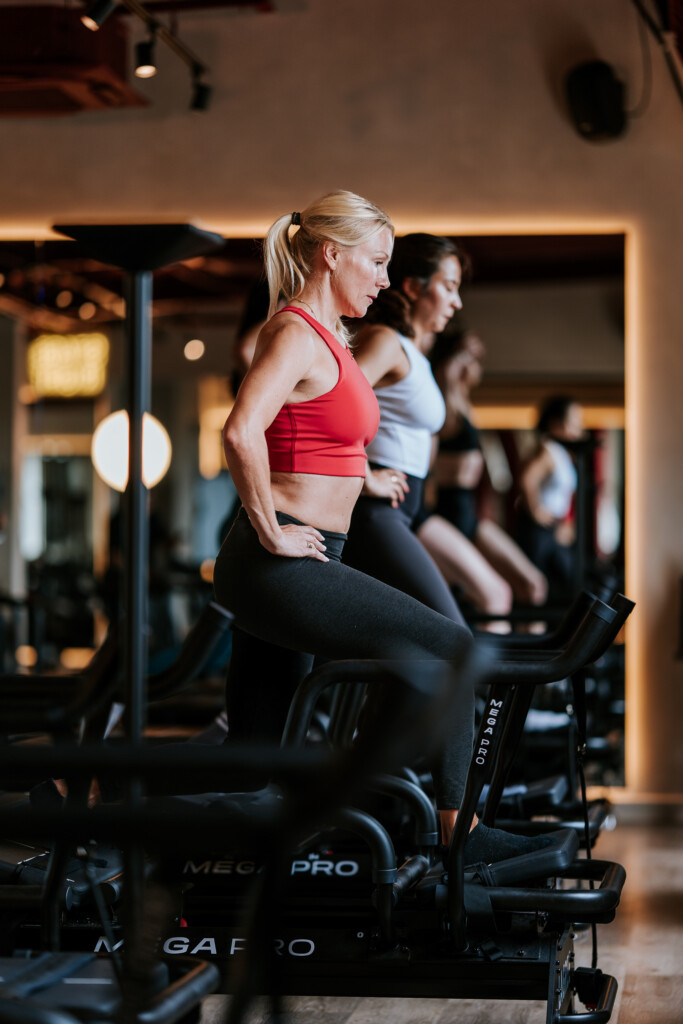
Reformer Pilates and targeted sculpting build the deep core and back muscles that hold the spine in better alignment. Strong stabilizers reduce strain on the neck and shoulders and lessen the aches that come from sitting or standing poorly. Practice cues for rib and pelvis alignment during each session so those gains show up while you work, carry, and play.
Functional Strength and Everyday Power
Training for tone shifts the body toward usable strength. Increasing lean muscle mass improves lift capacity, grip, and endurance for routine tasks like lifting a stroller or carrying groceries. Program design that mixes progressive resistance with controlled reps helps translate studio strength into daily function and energy.
Mobility, Flexibility, and Balance
Controlled resistance training on the reformer improves joint range and soft tissue length without forcing extremes. That smooths movement, reduces compensations, and lowers injury risk when you reach or bend. Add single-leg work and slow transitions to sharpen balance and proprioception during ordinary motion.
Confidence and Mental Resilience
Mastering technical movements and tracking measurable progress builds confidence. Each successful session reinforces self-trust and reduces exercise anxiety. The mind-body connection in Pilates also calms the nervous system, which can improve focus, sleep, and mood when practiced regularly.
Metabolic Health and Body Composition
Increasing lean muscle mass increases resting calorie burn and improves insulin sensitivity, supporting weight management and energy stability. Combining resistance sculpting with steady conditioning helps maintain muscle through hormonal changes and promotes healthy body composition for women across life stages.
Bone Strength and Long-Term Health for Women
Weight bearing through controlled resistance stimulates bone remodeling and can slow bone loss that accelerates with age. Targeted loading of the hips, spine, and wrists within a progressive plan helps protect bone density and functional independence.
Postpartum Recovery and Pelvic Floor Support
Targeted low-impact work rebuilds core integrity without overloading the pelvic floor. Reformer programming that emphasizes breath timing, intramuscular coordination, and staged loading helps close diastasis and restore pelvic control after pregnancy. Work with a coach who understands postpartum protocols and can scale intensity.
Injury Prevention and Movement Quality
Body sculpting teaches movement patterns that distribute forces safely across joints and muscles. Slow, deliberate reps and focus on technique retrain compensations that lead to recurring pain. Use movement analysis and corrective drills to reduce flare-ups and support long-term joint health.
Practical Structure and Accountability
Small group classes and one-on-one sessions provide coaching that keeps form clean and progression steady. Regular programming with clear benchmarks, periodized resistance, and recovery planning yields consistent results without guesswork. Which type of training setup will keep you consistent this season?
Related Reading
- Does Reformer Pilates Help You Lose Weight
- Best Toning Exercises for Women
- Benefits of Lagree
- Beginner Pilates Reformer Exercises
- Low Impact Strength Training Exercises
Book a Lagree Class in London Today

BLOOD, SWEAT & TEARS creates a fitness studio designed around how women move, recover, and change. Sessions focus on strength building, cardio conditioning, posture correction, and mobility work that shape lean muscle and refine the silhouette. Classes move faster than a typical gym routine because we pair resistance training with metabolic conditioning on the reformer and Lagree machines to target:
- Core
- Glutes
- Arms
- Legs
Why 45 Minute Sessions Deliver Faster Body Sculpting for Women
A 45-minute class combines high-rep resistance work, isometric holds, and short cardio bursts to raise the metabolic rate and build muscle tone without heavy loading that risks injury. That mix improves muscular endurance, bone strength, and fat metabolism while preserving joint health. Energy systems change during the class, so you work on strength and conditioning in the same session.
How We Keep You Safe While Pushing Progress
All instructors hold certifications and complete a rigorous mentorship track. They correct alignment, scale resistance, and cue breathing so clients move with control. Low-impact high-intensity methods reduce joint stress while maintaining overload through tempo and repeated sets. Expect the following:
- Precise cues
- Hands-on adjustments when needed
- Programming that advances gradually
What a Typical Class Looks Like: Clear, Structured, Effective
Classes start with a focused warm-up to prime the core and mobilize hips and shoulders. The main set rotates between strength sequences on the reformer and cardio-driven blocks to keep the heart rate up. We finish with stretching and mobility that improve posture and recovery. You leave with muscles fatigued, not wrecked, which encourages steady progress.
Instructors That Teach Like Coaches, Not Crowd Control
Each instructor mentors under senior staff until they master technique, spotting, and progressions. They coach form corrections, offer regressions for beginners, and push reps or resistance for experienced clients. That consistency reduces injury risk and makes every session productive for athletes of all fitness levels.
How Quickly You Will See and Feel Change
Consistent attendance over two weeks produces measurable shifts in posture, core engagement, and muscle tone for many clients. Within a month, most see strength gains, reduced jiggle in target areas, and improved endurance. These are practical changes from regular resistance and metabolic training, not empty promises.
Who Benefits Most: From Postpartum to Performance
Women recovering from pregnancy, those rebuilding strength after injury, busy professionals seeking efficient results, and athletes wanting a tighter, more resilient body all find value. Training emphasizes pelvic floor awareness, scapular stability, and glute activation, all critical for functional strength and a sculpted look.
Why Lagree and Reformer Work for Body Sculpting for Women
Lagree-style training emphasizes slow, controlled repetitions, continuous tension, and full-body integration. That approach recruits small stabilizer muscles and creates defined muscle tone without bulk. It blends resistance training, Pilates principles, and cardio conditioning to:
- Reshape the waistline
- Lift the glutes
- Strengthen the core
The Studio Environment: Clean, Uplifting, Non-Intimidating
Classes run in a welcoming studio that avoids the loud, impersonal gym feel. Music, lighting, and coaching promote focus and confidence. Women report feeling safer, more motivated, and more likely to return when the space feels professional and supportive.
Try a Class: Experience the Difference in Technique and Coaching
Want to test the method? Book a class to experience close coaching, progressive resistance, and targeted body sculpting work that prioritizes safety and results. See how focused programming and certified instructors change how your body looks and moves.