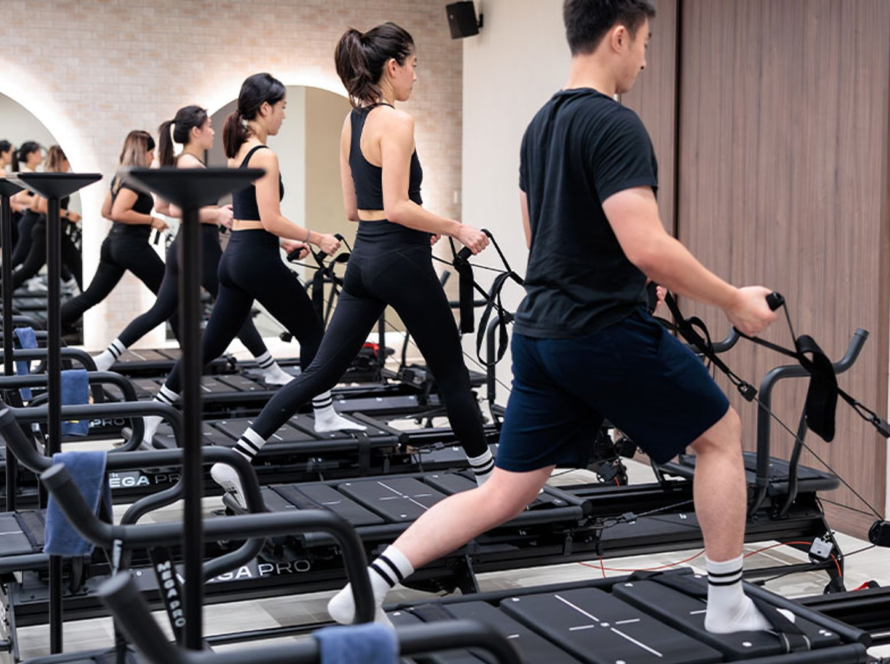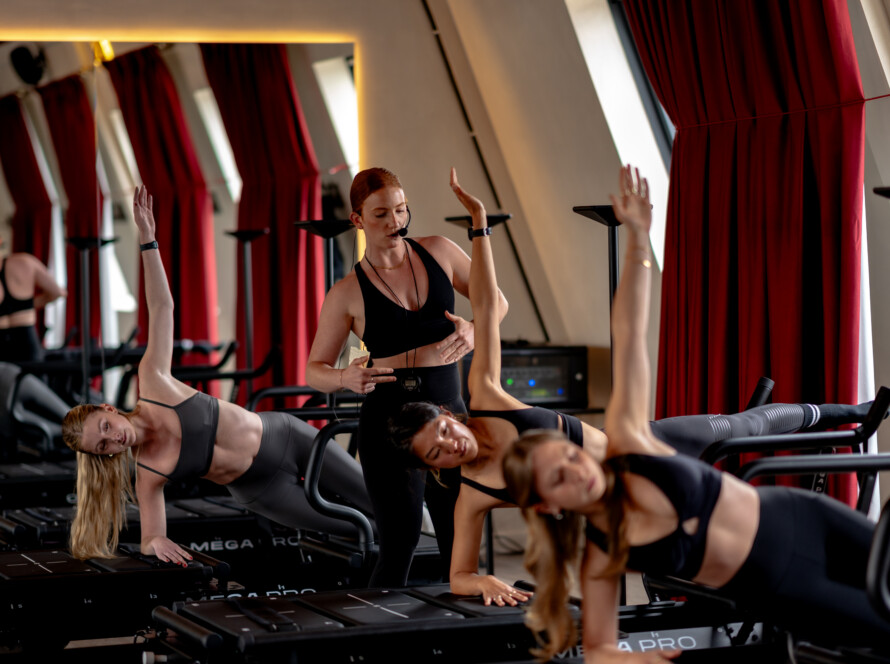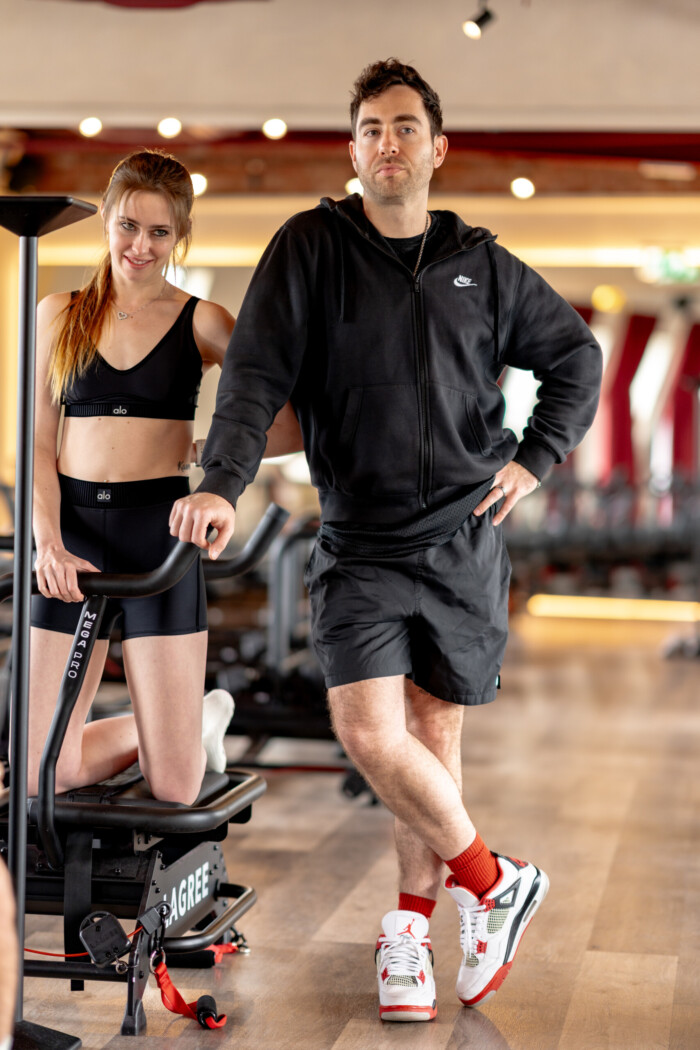
Imagine walking into a studio hoping for the reformer pilates body transformation you keep hearing about, but unsure whether Barre or Lagree will get you there, which class builds the slim, strong lines you want without wasting time? Barre uses ballet-based moves, small range pulses, and balance work to lengthen muscles and refine posture. At the same time, Lagree applies slow high resistance intervals on a Megaformer to boost core strength, muscle endurance, and metabolic work. This article compares Barre versus Lagree, explains effects on flexibility, toning, and joint health, and helps you decide which workout fits your goals.
If you want to try Lagree in London, BLOOD SWEAT & TEARS offers focused classes and hands-on coaching that ramp up strength and sculpting while staying low-impact and efficient.
What is Barre?
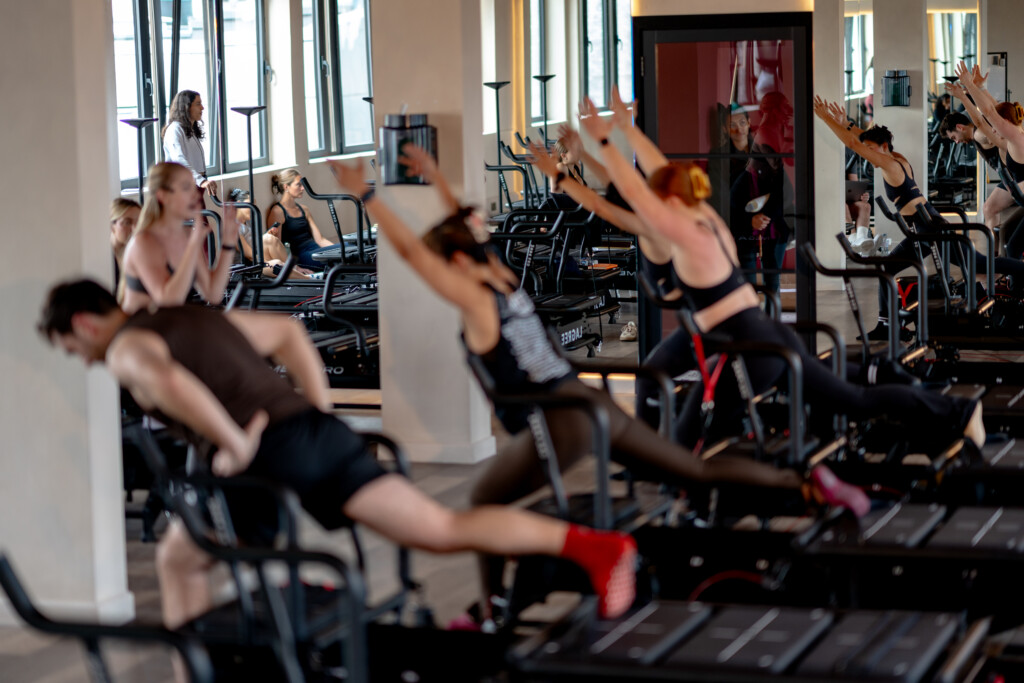
Barre blends ballet technique with Pilates, strength work, some yoga, and short aerobic bursts. In class you use a ballet barre for balance while you perform small controlled movements that target legs, glutes, hips, arms, and core. Instructors cue posture, alignment, and breath so you move with precision and safety.
Where Barre Came From and Why It Matters
A London dancer named Lotte Berk developed the method in the late 1950s to recover from a back injury. Her sequence mixed ballet positions with rehab-style control and small pulses. The method landed in the United States in the early 1970s through a student named Lydia Bach and evolved into the studio classes common today. The history explains why ballet form and alignment remain central to modern barre classes.
How a Barre Class Feels on the Body
Classes run 20 to 60 minutes and usually start with a warm-up, transition into standing work at the barre, and conclude with mat-based core work and stretching. Repetitive micro movements and isometric holds cause muscle fatigue and high muscular engagement without heavy weights.
That translates to improved muscular endurance, better stability around the hips and spine, and longer-looking muscles through targeted toning.
Barre Technique and Common Exercises
Expect relevés, small pulses, pliés, leg lifts, and controlled rotations. Instructors emphasize:
- Neutral pelvis
- Rib cage down
- Head stacked over shoulders
Some classes add light weights or resistance bands for upper body work and short cardio blocks to spike heart rates. You rarely jump; low-impact movement suits people who need joint-friendly options.
What Are the Benefits of Barre?
The physical benefits of barre are one of the main reasons people of all fitness and experience levels choose to incorporate this workout into an overall routine.
That’s because barre workouts are known to improve strength, flexibility, balance, and posture. They may also improve mental and emotional well-being. Plus, you don’t have to be a dancer to get started. Here are some of the top physical and mental benefits of barre.
Easier on the Body
Barre workouts are considered low-impact, which means they are joint-friendly and put less stress on the body, reducing the risk of injury, according to the Centers for Disease Control and Prevention (CDC). You also have the barre for added stability and support if you struggle with balance.
Better Strength and Core Stability
Barre exercises require you to work multiple muscle groups at the same time while engaging your core. According to the American Council on Exercise (ACE), the core muscles, which include the rectus abdominis, erector spinae, internal and external obliques, transverse abdominis, and multifidus, support and stabilize your spine, allowing your trunk to move:
- Forward
- Backward
- Rotate
- Side-to-side
This includes your arms, shoulders, back, glutes, hamstrings, quadriceps, and calves, with an emphasis on building your core strength as a foundation.
Increased Flexibility and Balance
Many exercises performed at the barre focus on improving flexibility, balance, and coordination, especially in your lower body. Standing barre exercises can also help improve range of motion and reduce the risk of falls.
Improved Posture
To correctly perform barre exercises, your instructor will teach proper body alignment, focusing on your:
- Neck
- Shoulders
- Spine
- Hips
This emphasis on correct alignment and form can improve posture over time and reduce the risk of injury during exercise.
Boost in Cardiovascular Fitness
While barre workouts are generally focused on strengthening exercises, they can still provide a good aerobic workout and help to improve overall cardiovascular health, especially if the class incorporates aerobic intervals.
Enhanced Mind-Body Connection
Improving the mind-body connection is another perk of a barre workout. Because barre exercises require concentration, precision, and coordination with the breath, you must stay present in the moment to execute the moves correctly.
This enhanced awareness of the mind-body connection may allow you to cultivate a greater sense of mindfulness in your daily life and become more present in the moment.
Improved Mood
Participating in a regular exercise program, such as a barre workout routine, may help improve mood, reduce symptoms of depression and anxiety, and boost energy, according to a 2018 meta-analysis.
Better Quality of Life
If loneliness or lack of social connection is something you deal with, getting involved in an in-person group barre class may help. Barre classes in a group setting promote social connection, motivation, accountability, and a sense of community, which may improve your quality of life, according to research published in the Journal of Osteopathic Medicine.
Related Reading
What is Lagree?
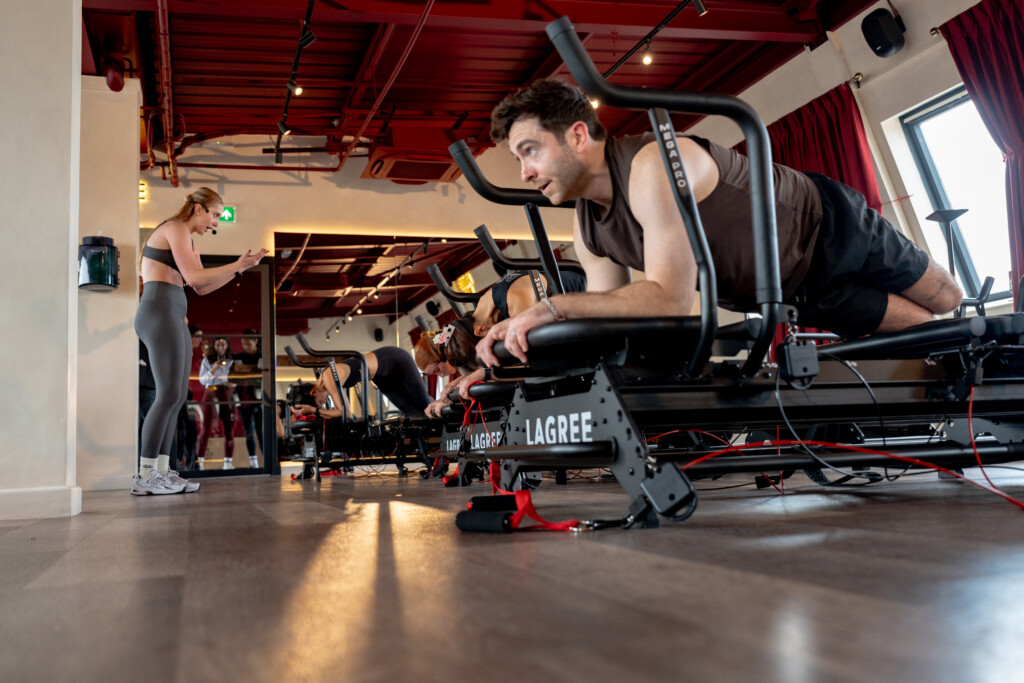
Lagree is a high-intensity, low-impact full-body workout performed on a machine called the Megaformer. You move slowly through small range motions against variable spring tension, causing constant muscle fatigue. The method blends muscular endurance, strength work, and cardio into controlled sequences that protect joints and the spine.
Expect to hold the position for a long time under tension, with precise form cues and a steady tempo, rather than fast ballistic moves.
Benefits of Lagree
Lagree is Low-Impact But High-Intensity
Still wondering what Lagree is? It’s an excellent option for people who want to get their heart rate up and boost endurance without participating in high-impact exercises that might feel heavy on the joints. With Lagree, no matter your age or the condition of your joints, you won’t be putting any pressure on your:
- Knees
- Elbows
- Shoulders
There’s no impact or jumping.
Post-Workout Calorie Afterburn
High-intensity exercise that engages the muscles is also a great way to burn calories. In fact, a study by Sacred Heart University found that women who take part in resistance training or HIIT not only burn calories while exercising but also continue burning calories for up to 14 hours afterward. If you’re looking to lose weight without exercising every day, this could be the workout for you.
Lagree Can Help Improve Posture or Balance
Lagree involves lying on or balancing different body parts on the sliding part of the Megaformer. This means that staying balanced is the first challenge before you even begin any of the specific exercises.
Maintaining good form is crucial to getting the most out of Lagree, and it’s a great way to build core strength, improve your posture, and work on your balance. You have to move slowly and keep things tight everywhere so you end up engaging all of your muscles.
Lagree Has Positive Mental Health Benefits
Lagree is generally done in a class environment, with an instructor guiding you through each move. It’s similar to yoga for beginners because the mind-body activation is essential. You really need to be focused as you move slowly and count, knowing exactly what part of your body you are using.
If yoga or meditation isn’t your thing, Lagree could be a great way to take some time out for yourself and focus on your mind. You finish with your mind feeling activated as well as your body.
It’s Easy to Modify Lagree
If you have an injury, you’re pregnant, or pre-menopausal, there are plenty of ways to make Lagree work for you. “People who do injuries often do Pilates or Lagree because there’s little risk of worsening the injury,” says Halawi
Safe Modifications and Injury Prevention
It’s a safe workout because you’re moving slowly and can control how low you go, which is essential if you have hip problems. You can also move at a slower pace if you need to. With knowledgeable instructors leading each class, you can always ask them for ways to modify and regress specific exercises if they don’t work for you, while still getting a great workout in.
Who It Suits and How to Modify
Who should try it? Beginners, seasoned athletes, people recovering from some injuries, pregnant clients with appropriate modifications, and anyone seeking fast, measurable results. Instructors scale the work by:
- Changing spring tension
- Reducing the range of motion
- Altering tempo
- Swapping positions
Ask for regressions if you have pain or special needs, and progressions if you want more of a challenge.
Class Flow and What to Expect
A typical class runs about 45 minutes and includes a warm-up, targeted sequences for legs, glutes, core, and upper body, followed by dynamic plank work, and concludes with mobility and breath work. The instructor times sets and cues micro adjustments to keep form strict. You will feel muscle vibration and sweat as small controlled repetitions stack into fatigue.
Try Lagree: The Fastest-Growing Workout
BLOOD, SWEAT & TEARS provides a women-focused fitness space that helps their clients achieve their fitness goals faster than other workouts out there, without the risk of injury; book a class to try Lagree in London and see how a 45-minute session delivers strength and cardio in one.
Our certified instructors use a rigorous mentorship program so every class is motivating, safe, and effective.
Related Reading
- Body Sculpting for Women
- What Are the Benefits of Pilates Reformer
- Reformer vs Mat Pilates
- Is Reformer Pilates a Good Workout
- How Many Calories Does Reformer Pilates Burn
- How Often Should You Do Reformer Pilates
Key Differences Between Barre and Lagree
Intensity: How Hard, How Long, and How It Feels on Your Muscles
Barre trains muscular endurance through high-rep, small-range work. Instructors stack tiny pulses, isometric holds, and light weights to fatigue stabilizer and postural muscles over time. Sessions feel brisk and repetitive; you may feel burn in:
- Calves
- Inner thighs
- Upper back after long sets
High-Intensity, Controlled Resistance
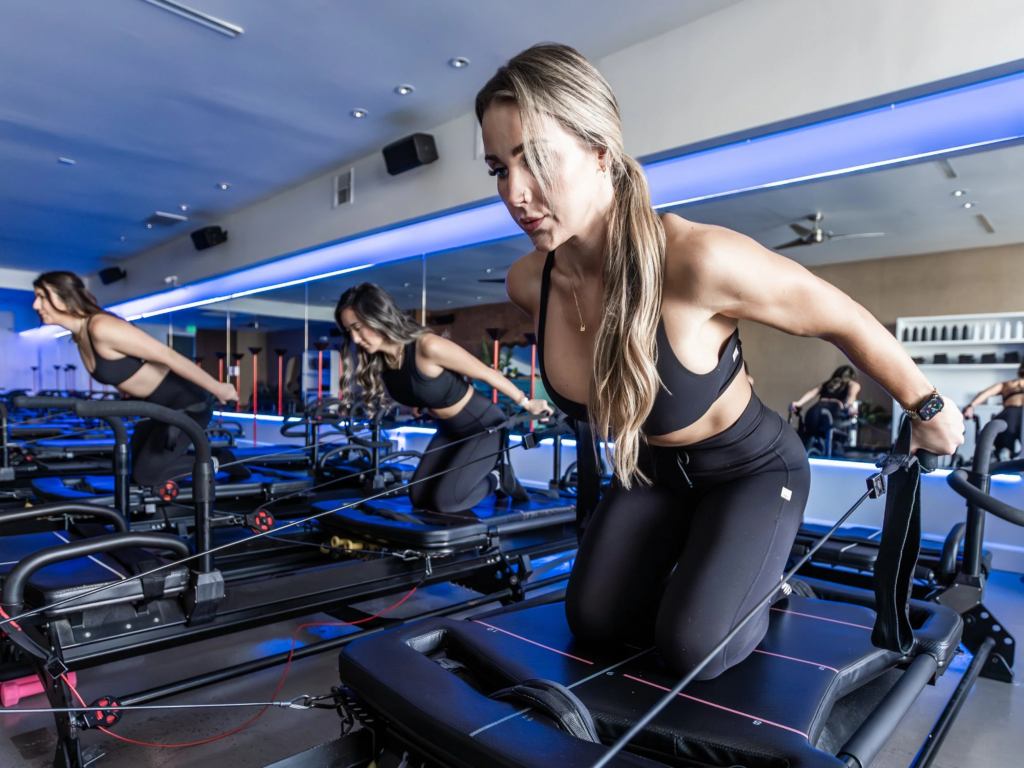
Lagree raises intensity by using heavy, adjustable resistance and deliberate slow tempo. Each rep moves deliberately with constant tension so muscles reach controlled failure within fewer repetitions. Expect the following:
- Rapid metabolic demand
- A stronger lactic burn
- Higher perceived exertion in a shorter class
Equipment: Props, the Ballet Barre, and the Megaformer
Barre studios use a fixed barre for balance, plus resistance bands, small dumbbells, and soft props like gliders. The setup prioritizes alignment cues and body weight leverage to isolate muscles. Lagree relies on the Megaformer, a carriage-based machine with springs, platforms, and cables that let instructors dial resistance precisely per exercise.
The device supports joint positioning while creating continuous tension across a full range of motion, turning each move into both strength and cardio stimulus.
Movement Style: Pulses and Precision Versus Slow Controlled Resistance
Barre emphasizes small, fast pulses and short holds that target neuromuscular endurance and coordination. Movements often mimic ballet positions and demand precision in foot and hip placement. Lagree favors slow, controlled movement with long tempo counts and sustained tension. Trainees keep muscles engaged throughout concentric and eccentric phases, reducing momentum and increasing time under tension for muscle remodeling.
Muscle Focus: Isolation, Stabilizers, and Compound Strength
Barre isolates smaller muscle groups and targets glutes, inner thighs, calves, core, and upper back to improve posture and balance. The work sharpens muscle tone and recruits stabilizer muscles that support daily movement. Lagree uses compound patterns that recruit multiple joints and muscle chains simultaneously, producing functional strength across:
- Legs
- Core
- Shoulders
- Posterior chain
The result leans more toward muscle density, strength gains, and systemic calorie burn.
Joint Health and Alignment: Low Impact with Different Supports
Both formats remain low-impact, so they suit many fitness levels. Barre’s repetitive small motions can stress knees or hips if form drifts, because body weight often provides the resistance, and alignment depends on precise positioning.
The Megaformer adds mechanical support and consistent resistance that helps maintain joint alignment and reduce shear forces when programmed correctly. Proper cueing matters in both studios to protect the spine, knees, and shoulders.
Results: Aesthetic Changes, Conditioning, and Time to See Them
Barre sculpts long lean lines, improves posture, balance, and muscle endurance, and changes muscle tone gradually through volume work. People often report better posture and fine motor control in weeks. Lagree speeds visible muscle definition and strength while delivering higher calorie burn per session.
Transformation tends to appear faster due to heavy resistance, continuous tension, and metabolic stress, which favor fat loss and muscle growth. Which outcome appeals to you more, slow sculpting or faster strength and conditioning gains?
Which Workout Fits Your Goals?
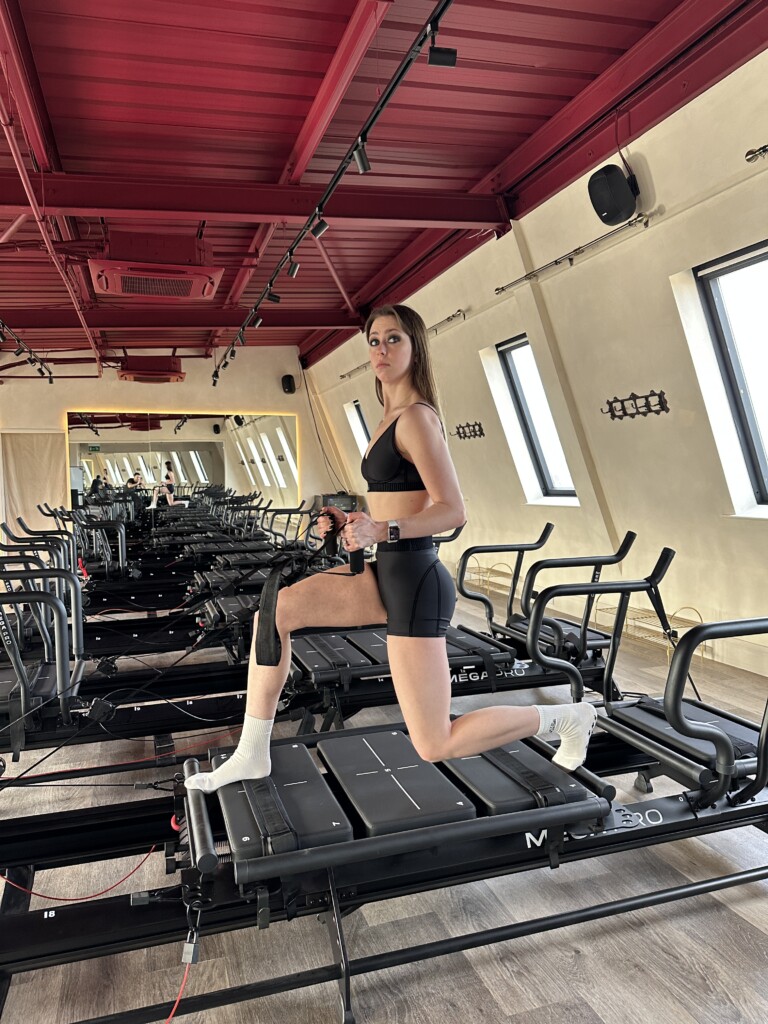
Lagree uses a Megaformer-style machine and heavy resistance to force progressive overload. Trainers cue very slow reps, long isometric holds, and compound moves that pull in the:
- Core
- Glutes
- Quads
- Hamstrings
- Upper back
That sustained tension and full-body resistance produce faster visible muscle definition and measurable strength gains for many people within a few weeks of consistent classes.
Isometric Training for Lean Sculpting
Barre trains with small movements, light resistance, and high repetitions. It emphasizes muscle endurance, posture, and alignment through isometric holds and ballet-influenced sequences that sculpt rather than bulk. Expect leaner lines, improved control, and better balance from longer-term practice rather than rapid increases in muscle size or raw strength.
Beginner Friendly and Low Impact Options: Which Class Fits You?
Barre presents an easier entry point for most beginners. The barre itself gives balance support, and instructors offer simple regressions so older adults, postpartum clients, or those rehabbing an injury can build strength safely. The work focuses on joint-friendly ranges, mobility, and alignment while improving muscle endurance and flexibility.
Core Demand and Scalable Intensity
Lagree remains low impact but demands constant core engagement and breath control. The pace and torque on the Megaformer can challenge beginners, so start with intro sessions, lower resistance, and attentive coaching. If you already have a base of fitness, Lagree ramps up conditioning, calorie burn, and strength without high-impact stress.
Pick the Right Class for Your Goal: How to Decide Between Barre and Lagree
Want longer lean muscles, better posture, and improved flexibility? Prioritize Barre and incorporate mat Pilates or mobility work for joint health. Want faster tone, greater strength, and an efficient, high-calorie burn? Prioritize Lagree and focus on progressive resistance and controlled tempo.
Want both outcomes while limiting overuse? Alternate modalities: a couple of Lagree sessions per week with a Barre class for active recovery and mobility. How many sessions per week are realistic for you, and what outcome matters most — endurance and posture, or raw strength and sculpting?
Book a Lagree Class in London Today

BLOOD, SWEAT & TEARS provides a women-focused fitness space built around efficiency, safety, and measurable change. We run 45-minute Lagree sessions that blend strength training and cardio, allowing clients to achieve both muscle endurance and metabolic work in a single class. Instructors are certified and complete a strict mentorship program, ensuring every session remains:
- Motivating
- Technically sound
- Fun
Book a class to feel the difference and see why Lagree has been America’s fastest growing workout for three years in a row.
Barre vs Lagree: What the Movement Feels Like
Barre borrows ballet-style pulses, small range repeats, and focused isometric holds that refine posture and lengthen muscles. Lagree uses a reformer-style machine with resistance and slow controlled tempo to create long periods of tension across the whole body. Barre often feels light but relentless in repetition. Lagree feels heavy, steady, and demanding of the core from the first minute.
Strength Training and Muscle Endurance Compared
Barre targets smaller stabilizers and improves balance, hip external rotators, and shoulder alignment through precision. Lagree delivers progressive resistance that forces larger muscles to work longer under tension, increasing strength and muscle endurance more quickly. You will hold slow squats and plank variations for extended seconds in Lagree, while barre will break sets into many short pulses.
Cardio Output and Calorie Burn
Barre is low-impact and raises heart rate through constant small contractions and quick transitions. Lagree layers resistance intervals and tempo shifts to push heart rate higher without running or jumping. Expect a sustained metabolic challenge in a 45-minute Lagree session that produces a strong sweat response when you make the resistance and tempo.
Injury Risk and How We Keep You Safe
Both modalities have a low impact compared with many gym workouts. Injury risk comes from poor alignment and rushing form. Our instructors:
- Cue alignment
- Offer progressive modifications
- Give hands-on adjustments to prevent common issues at the ankle, knee, and hip.
Slow controlled movements in Lagree reduce momentum-based strain, while barre demands attention to knee tracking and pelvic position.
Who Gets Faster Visible Results
If your priority is rapid reshaping, increased muscle definition, and improved strength, Lagree s continuous tension and resistance adjustments shorten the feedback loop. If you want targeted posture work, longer muscle length, and graceful mobility, barre delivers those outcomes over time. Which of these goals matters most to you right now?
Class Structure, Equipment, and Time Efficiency
Barre uses a barre station, light weights, small props, and floor work in a circuit format. Lagree uses a reformer-style machine to vary resistance, leverage, and tempo across a planned sequence. Both are instructor-led and both fit into a 45-minute block that respects busy schedules while keeping intensity high.
Instructor Training and Studio Culture
Our team completes rigorous certification and a mentorship program that tests technique, cueing, and safety. That ensures classes are uplifting and ever improving rather than inconsistent or risky. You will notice consistent coaching, cleanliness, and a women-focused atmosphere when you walk in.
How You Will Feel in Two Weeks
Neuromuscular adaptation shows up quickly as firmer posture, better core engagement, and more stamina during daily tasks. Clients often report tighter muscles in the hips and glutes, improved energy, and more effortless movement after consistent sessions over two weeks. Try three classes in that window and track small wins like deeper squats and less back fatigue.
Related Reading
- Does Reformer Pilates Help You Lose Weight
- Best Toning Exercises for Women
- Benefits of Lagree
- Beginner Pilates Reformer Exercises
- Low Impact Strength Training Exercises