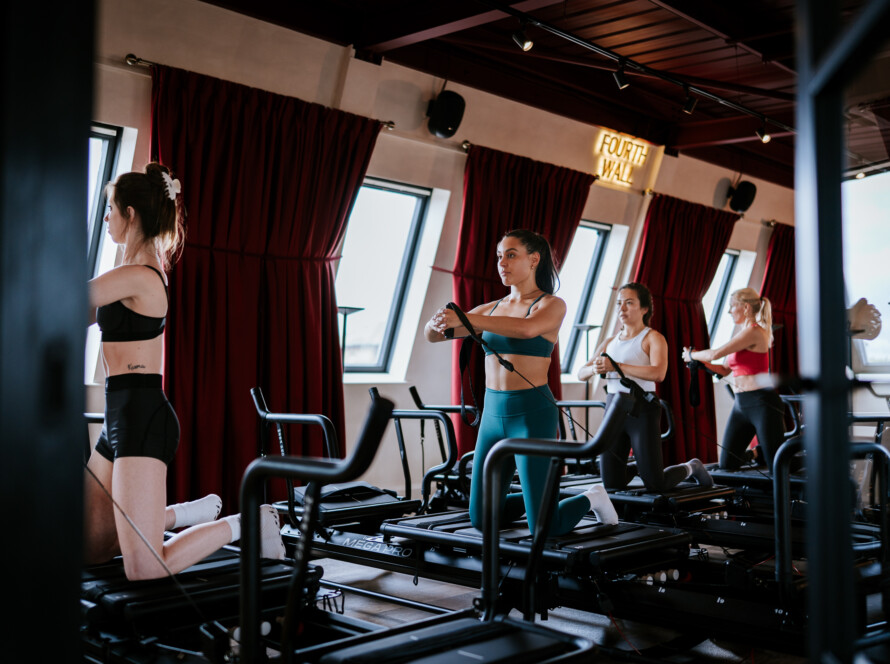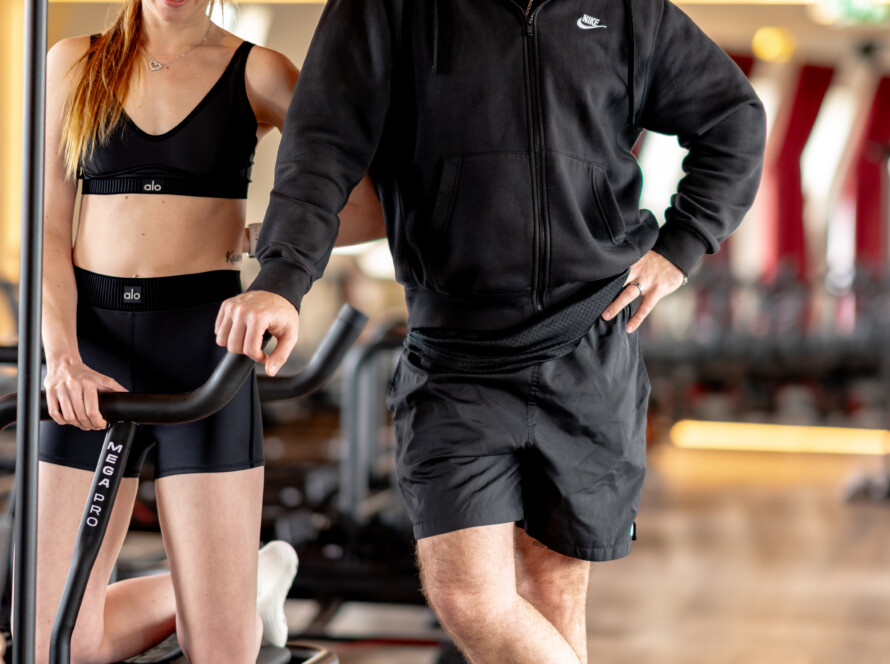
When you want a reformer Pilates body transformation, you face a real choice: will you train on the Xformer or the Megaformer, two leading reformer machines? Both promise a full-body workout through core engagement, spring resistance, and carriage movement, but they feel different and demand different forms of stamina and control. Which machine offers a better workout for your goals: more low-impact strength and muscle endurance, or a faster-paced cardio focus? This article breaks down machine design, class style, and expected results so you can choose with confidence.
To help you test both, BLOOD SWEAT& TEARS offers lagree in London with guided studio classes based on the Lagree method that highlight Xformer and Megaformer techniques, letting you feel the difference in intensity, range of motion, and posture shaping.
What is the Megaformer?
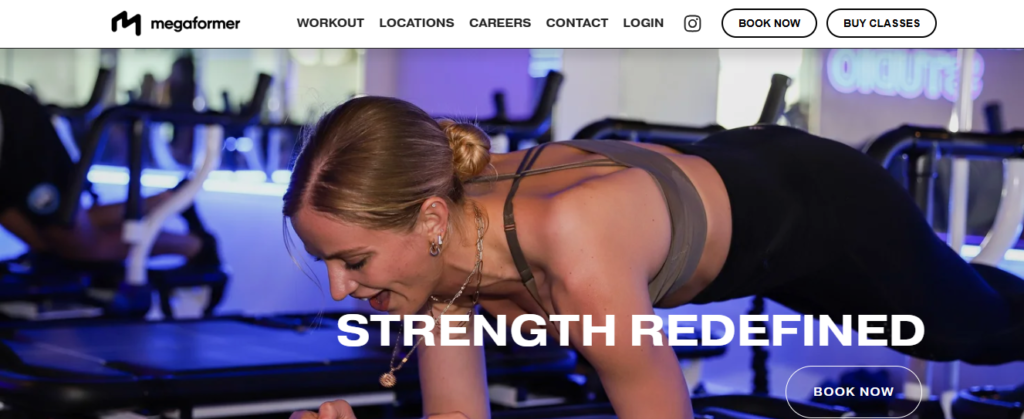
The Megaformer is a studio machine built around a sliding carriage, adjustable springs, and a platform that moves under load. Trainers use it to deliver Lagree Method workouts that combine reformer pilates mechanics with strength training and cardio conditioning. Sessions use slow tempo, controlled transitions, and continuous tension to train core strength, muscular endurance, and flexibility without heavy impact on joints.
How the Megaformer Originated and Who Built It
Designer Sebastien Lagree created the machine after struggling with weight and fitness as a young man and experimenting with methods that would reshape his body. He blended principles from classical pilates with bodybuilding-type resistance and sculpting work to design a machine that enforces precise tempo and a full range of motion.
The Megaformer and the Lagree Method evolved into a studio format featuring certified instructors and a standardized class design.
How the Machine Actually Works
Springs attach to the carriage to create variable resistance while the carriage slides on rails. That moving resistance forces stabilizer muscles to work continuously. Instructors cue strict timing so each repetition stays slow and controlled, recruiting slow-twitch muscle fibers and preventing short bursts that produce momentum.
The machine lets you change resistance quickly and target single legs, asymmetrical positions, and compound movements that challenge balance and coordination.
What a Typical Session Feels Like
Expect a mix of standing sequences, plank variations, lunges, push movements, and isometric holds. You will move slowly, transition deliberately, and stay under tension for extended sets. The work feels intense in the:
- Core
- Quads
- Glutes
- Shoulders
- Back
Even experienced athletes report shaking and fatigue because the format emphasizes muscular endurance over lifting heavy weights for a few reps.
What It Trains and Why It Works
The Megaformer trains five fitness attributes in one protocol:
- Strength
- Endurance
- Flexibility
- Body composition
- Cardiovascular conditioning
Low-Impact Muscle Sculpting
Megaformer emphasizes compound movements and progressive resistance while maintaining low impact on joints. The slow controlled tempo increases time under tension, promoting muscle tone and higher metabolic demand without encouraging large muscle bulk. This makes it effective for body sculpting and posture improvements.
Typical Energy Burn and Session Length
Studio classes commonly run about 40 minutes using a continuous flow model. When performed at high intensity and with precise form, a session can burn roughly 440 to 800 calories, depending on body size, effort, and class structure. The machine’s continuous resistance and limited rest periods drive calorie burn more than isolated rapid movements.
Related Reading
What Is the Xformer?
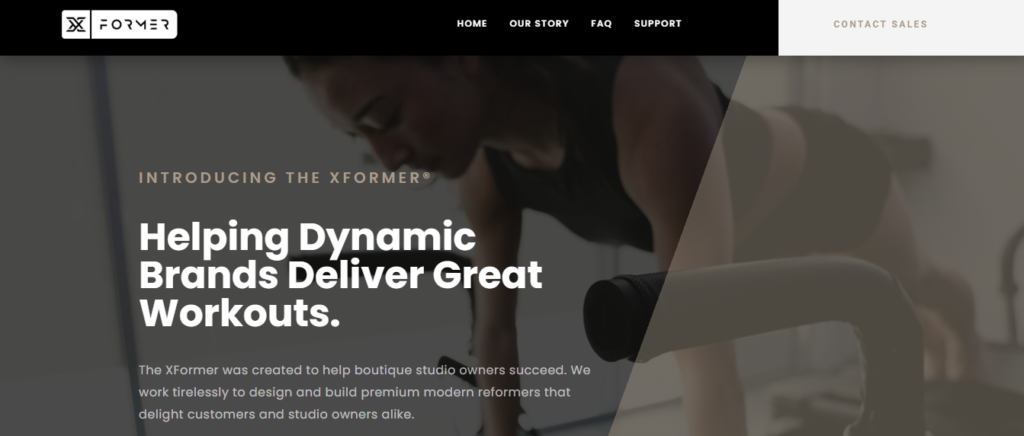
The Xformer is a Pilates-style machine built with Lagree-style intensity in mind, yet it remains a separate product and is not part of the Lagree Method. It takes clear design cues from traditional Pilates reformers, placing the springs at the front of the carriage to recreate the familiar rebound and carriage travel that Pilates practitioners expect.
The front spring placement changes the setup and the feel of many moves compared with rear spring layouts.
How the Xformer and Megaformer Differ in Design and Purpose
The Megaformer was explicitly developed for the Lagree Fitness system, while the Xformer blends reformer ergonomics with high time under tension training. Expect differences in:
- Carriage geometry
- Strap and pulley placements
- Resistance options
The Xformer lineup is smaller, but offers customization for studios or owners who want a specific frame, color, or accessory fit. Software, accessory packages, and control panels also vary between models, which affects how a studio programs classes and tracks progress.
Performance, Programming, and Workout Feel
Both machines deliver resistance-based, full-body workouts that emphasize slow, controlled movement and continuous tension. The Xformer supports the same goals—strength, endurance, balance, and mobility—but its reformer-inspired spring placement can alter leverage and muscle recruitment during specific exercises.
Instructors can build session formats from pure Lagree-style slow strength circuits to more Pilates-influenced flows with dynamic carriage work, so session tone depends on programming as much as hardware.
Who Benefits from Choosing an Xformer
Pilates-trained clients and instructors often appreciate the Xformer because it preserves the reformer feel while allowing higher intensity. Studios that want a more classical Pilates aesthetic with modern resistance training will find the Xformer fits that niche. If your team already teaches Lagree-certified classes, evaluate whether students and instructors prefer the Megaformer-driven interface or the Xformer’s reformer-familiar setup before deciding.
Things Studios and Buyers Should Check Before Buying
Compare footprint, warranty, parts availability, and instructor training requirements. Confirm what accessories come standard, what is optional, and whether software or mounting options will match your class model. Ask current owners about routine maintenance, noise, and replacement spring kits to avoid surprises down the line.
Experience Efficient, Guided Lagree
Want to try a class? BLOOD, SWEAT & TEARS provides a women-focused fitness space that blends strength and cardio into an efficient 45-minute Lagree session led by certified instructors who complete a rigorous mentorship program so every class stays safe, motivating, and effective; in just two weeks of consistent attendance, you will feel and see a difference.
Book a class to experience Lagree in London and see why Lagree has been America’s fastest-growing workout for three years running.
Related Reading
- Body Sculpting for Women
- What Are the Benefits of Pilates Reformer
- Reformer vs Mat Pilates
- Is Reformer Pilates a Good Workout
- How Many Calories Does Reformer Pilates Burn
- How Often Should You Do Reformer Pilates
Key Differences Between the Xformer and Megaformer
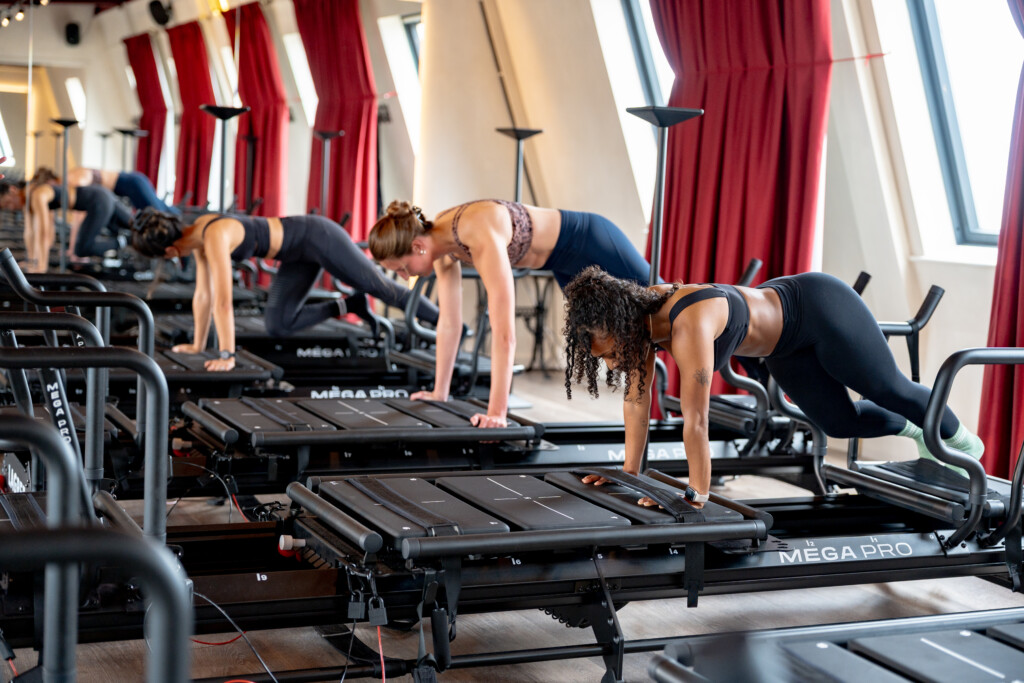
The Megaformer ties directly to the Lagree fitness method. Studios must buy a Lagree license to call classes Lagree and to teach the official method. That brings brand recognition, certified class plans, and a specific instructor training path. The Xformer is a piece of equipment with no technique attached.
You can build your own programming, borrow exercises from Pilates, or teach Lagree-style sessions without using the Lagree name. Which matters more to your studio brand and instructor pipeline?
Spring Placement and How It Changes Movement
Spring placement changes how force loads the carriage and how transitions feel. Megaformer springs sit at the back of the carriage, which alters leverage and creates the signature slow, resistance-heavy feeling during pushes and pulls. The Xformer places springs at the front, similar to a classical Pilates reformer, so transitions feel more familiar to Pilates-trained instructors.
The single mechanical shift affects carriage travel, foot platform pressure, and the way exercises link together.
Models, Options, and How Customization Works
Lagree offers several Megaformer models, including the M2, M3, M3S, EVO, and EVO II, each with incremental updates in frame, sliders, and handle design. Those model choices let studios pick factory features and standardize classes across locations. The Xformer focuses on one core design that you can customize with:
- Accessories
- Upholstery choices
- Package add-ons
Do you want a menu of factory models or one adaptable platform you can tailor to your studio?
Where They Are Built and Service Considerations
Megaformers are mainly manufactured overseas, often in Vietnam and China, which can mean longer lead times and centralized parts supply. The Xformer is assembled in the United States, though components may come from abroad, which can speed local support and allow more on-site customization.
Warranty handling, part replacement, and installer availability will affect uptime for your studio and the cost of maintenance.
How the Workouts Actually Move and Burn
The Megaformer produces the classic Lagree burn: slow tempo, high repetition, and steady tension that pushes muscle endurance and metabolic demand. The Xformer delivers a smoother, more fluid ride with reformer-like transitions. Trainers with a Pilates background often find it easier to teach flowing patterns on the Xformer.
Both target core stability, muscle fatigue, and conditioning, but the feel of tempo and cueing differs. Which client profile are you programming for: endurance and burn or flow and accessibility?
Cost, Setup, and What You Should Budget For
Sticker price for both machines typically starts around ten thousand dollars, but the final cost depends on customization, shipping, installation, and local taxes. Add instructor certification, licensing fees if you use Lagree branding, studio build-out, and floor protection when you budget.
Slight differences in shipping route, assembly labor, and accessory packages can push the final number up. Have you run numbers for equipment, plus training and space preparation?
Which Machine Offers a Better Workout?
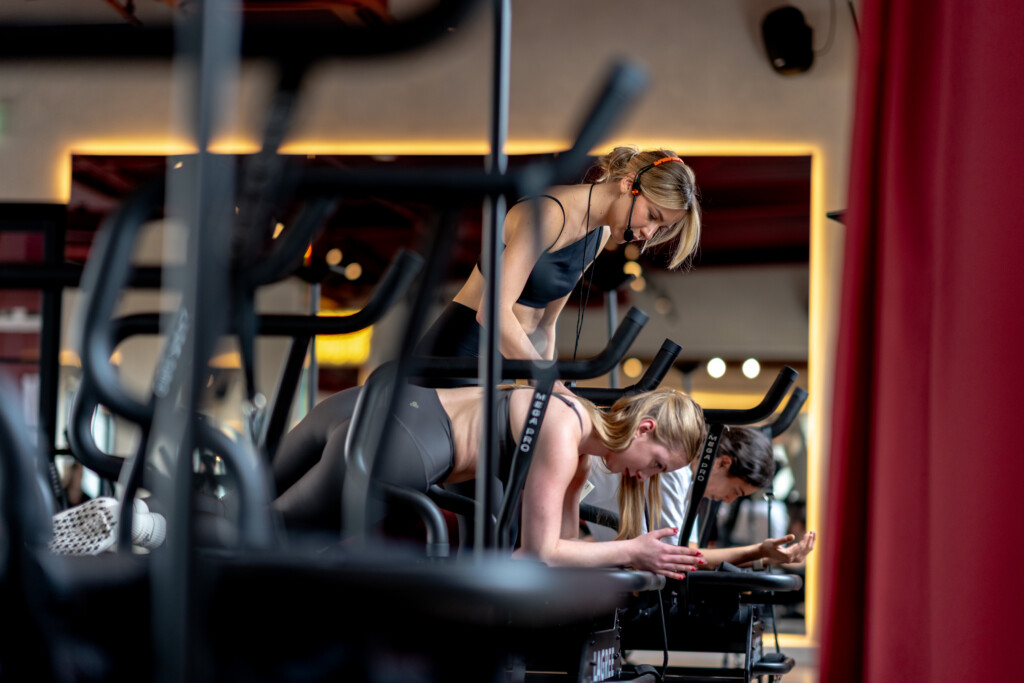
The Megaformer produces higher peaks of resistance and forces more balance demands because its spring system sits toward the rear of the carriage. That design creates abrupt resistance changes and requires tighter core activation, finer alignment, and precise control through slow, controlled movements.
The Xformer places springs toward the front and smooths transitions, so strength work feels steadier and more fluid. Which experience do you want: intense, compact resistance that tests stamina and balance, or a flowing session that still taxes muscles but invites mobility work?
How the Spring System and Mechanics Change the Workload
Springs set the tempo. The Megaformer back-loaded springs increase inertia during pushes and pulls, magnifying the time under tension and making holds and isometric challenges more demanding. The Xformer front-loaded springs lower the resistance spikes and let you string movements together with cleaner form.
Both force muscle failure when appropriately programmed, but the Megaformer skews toward greater muscle burn and micro stabilization, while the Xformer favors smoother loading and easier exercise transitions. Want to feel the difference in a few reps or in a whole class?
Who Benefits Most from Each Machine
Choose the Megaformer if you want maximal Lagree intensity, high core demand, and a compact platform that punishes minor control errors. Athletes and experienced Lagree clients often prefer it for its ability to produce rapid strength and endurance gains. Choose the Xformer if you need a gentler entry, value versatility for functional strength and mobility, or work with clients who require more modifications and joint-friendly options.
Rehabilitation clients, older adults, and those new to reformer Pilates often progress faster on the Xformer without losing effectiveness.
Class Structure, Programming, and Instructor Skill
A teacher shapes the machine as much as the springs do. In elite Lagree group classes, the Megaformer lets instructors stack micro progressions, timed holds, and isometric peaks into a relentless flow. The Xformer supports hybrid programming more easily—Pilates flows, strength circuits, mobility breaks, and tempo changes fit without losing intensity.
Personal training or small group sessions can exploit either machine; instructors simply program differently to reach muscle failure and time under tension. Ask about class structure and cueing before you book a trial.
Practical Differences: Size, Setup, and Accessibility
The Megaformer is compact and often available in dedicated Lagree studios. Its footprint and setup prioritize intensity over accessory space. The Xformer usually offers a roomier platform, simpler strap angles, and smoother carriage travel, which helps clients learn technique faster. Both are low-impact and joint-friendly when instructors emphasize alignment.
Which matters more to you: raw intensity in a tight package or comfort and adaptability during longer sessions?
How to Choose in Practice
Try both on the same day. Start with identical exercises and match spring settings to perceived effort. Notice where fatigue shows up first: in stabilization, in breath control, or in single muscle groups. Ask your instructor for progressions, regressions, and timing of holds. Which machine makes you feel challenged but capable of keeping form?
Recovery, Progression, and Long-Term Results
Consistency, programming, and technique drive transformation more than brand names. The Megaformer accelerates metabolic and neuromuscular intensity, producing rapid increases in muscular endurance and sculpting when paired with controlled tempo. The Xformer supports steady strength gains, mobility improvements, and sustainable progression for a broader range of clients.
How do you want to progress over months: steep intensity gains or steady, adaptable improvement? Want a recommendation tailored to your goals or experience level? Tell me your current fitness routine, any injuries, and whether you prefer group classes or one-on-one sessions.
Book a Lagree Class in London Today
BLOOD, SWEAT & TEARS designs a studio where women can train without dealing with the mess or creepiness of typical gyms. The room is clean, well-lit, and set up for small group and private sessions. Instructors cue form closely, correct posture, and keep energy high so classes feel motivating rather than overwhelming. Equipment is maintained and arranged to minimize crowding and confusion during transitions.
45 Minutes of Strength and Cardio That Respect Your Body
Classes run 45 minutes and combine resistance work with steady pacing so you get strength and cardio in every session. The format uses tempo, controlled reps, and short rest to create muscle fatigue and metabolic demand without reckless loading. That approach:
- Builds muscular endurance
- Sculpts the core
- Raises heart rate efficiently
You leave sweaty and spent but not battered by poor technique.
Instructor Standards: Certified, Mentored, and Accountable
Every instructor is certified and completes a rigorous mentorship program before leading classes. That mentorship focuses on spotting compensation patterns, adjusting spring resistance, and teaching exercise regressions and progressions. Instructors also learn how to scale sessions for pregnancy, injury history, and post-rehab needs so clients train hard without taking unnecessary risks.
What You’ll Feel and See in Two Weeks
Consistency matters. Show up for classes two to three times a week, and you should feel improved posture, firmer core engagement, and better muscle tone in roughly two weeks. You may notice increased control on the carriage, cleaner movement patterns, and more confidence with heavier spring settings.
Those early gains come from neural adaptations and improved muscular endurance rather than significant size increases.
Why Lagree Works: Science When You Want Results
Lagree blends slow controlled movement with high cadence intervals to stress muscles across the full range of motion. The result is sustained tension, micro-muscle damage for growth, and metabolic stress for fat loss. The method emphasizes core stabilization, posterior chain work, and joint-friendly loading so sessions are low-impact and high-benefit for long-term function.
Xformer vs Megaformer: Practical Differences That Matter
Compare Xformer and Megaformer in terms of carriage feel, spring setup, and exercise library. The Megaformer tends to offer a more extended carriage travel and proprietary platform designs that many studios use for classic Lagree sequencing. The Xformer often presents a slightly different handle arrangement and frame geometry that can change leverage and muscle emphasis during exercises.
Both provide adjustable spring resistance, but spring placement and tension curves vary, which affects tempo and perceived difficulty. Try both if you can and notice differences in range of motion, grip positions, and how your core responds during planks and lunges.
Choosing Equipment: What to Look For in a Reformers Class
Pay attention to the machine maintenance, strap quality, and spring responsiveness. A well-tuned Megaformer or Xformer will move smoothly and return predictably. Ask the instructor how they set springs for beginner versus advanced clients and whether the class includes regressions for common issues like lower back sensitivity.
Studio layout matters too because smooth transitions between stations keep the intensity and flow.
Class Experience: Coaching, Community, and Progression
Expect verbal cues that emphasize alignment and breathing, hands-on adjustments when needed, and progressive class plans that challenge you week to week. Small group classes let instructors monitor technique closely. Private sessions speed up skill acquisition and let you advance spring settings sooner.
Community shows up in consistent attendance, friendly competition, and instructors who remember your goals.
How to Book and Try a Class
Check available classes online and choose a time that fits your schedule. New clients often get an orientation so instructors can assess posture, mobility, and prior injuries. Bring water and wear grippy socks. If you are deciding between Megaformer and Xformer sessions, reserve one of each on different days and compare how your body responds to carriage length, spring feel, and handle locations.
Related Reading
- Does Reformer Pilates Help You Lose Weight
- Best Toning Exercises for Women
- Benefits of Lagree
- Beginner Pilates Reformer Exercises
- Low Impact Strength Training Exercises