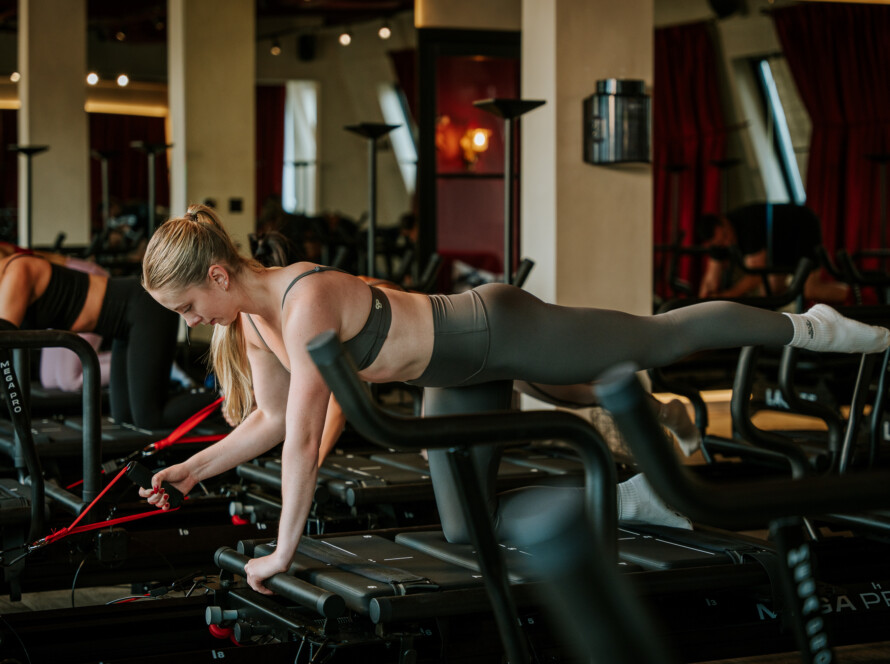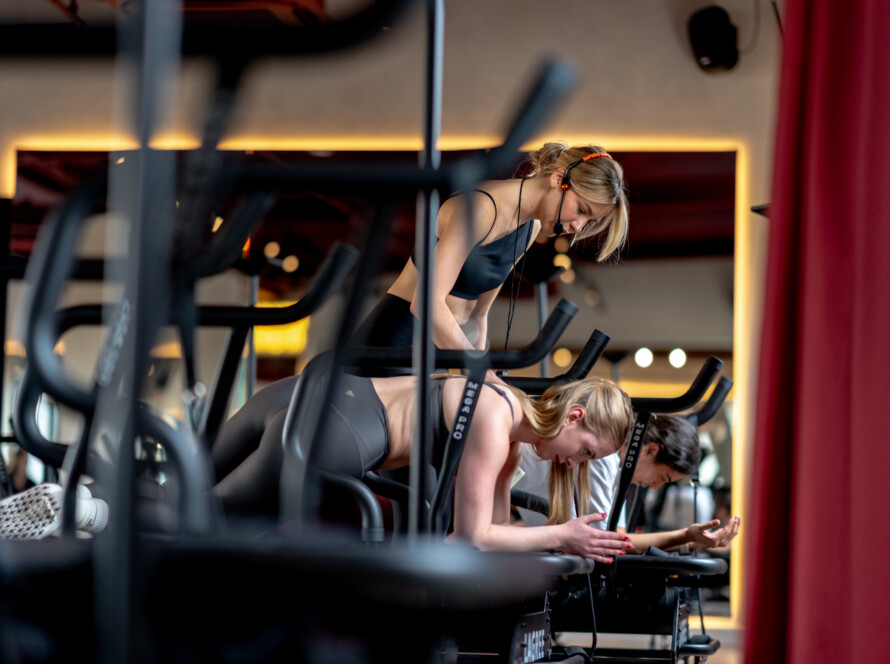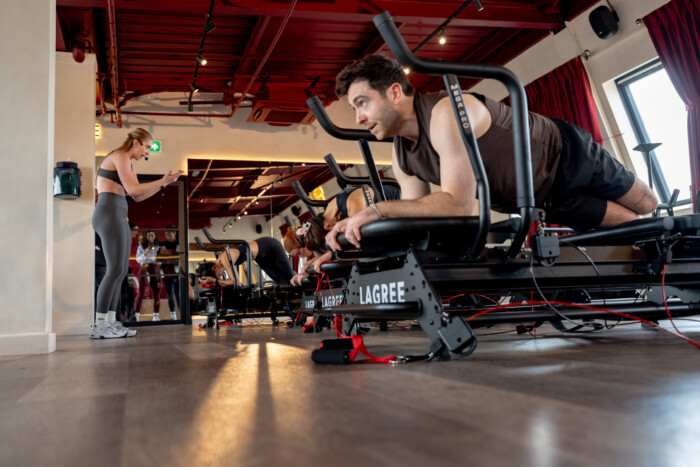
Maybe your shoulders slope forward from long hours at a desk, your core feels weak, or workouts leave you sore without lasting change. Reformer pilates body transformation focuses on controlled movement on the reformer machine to build core strength, improve posture and alignment, increase flexibility, and tone muscle with low impact. This article explains what happens to your body and mind, from better balance and mobility to more precise focus and breath control, and gives clear steps and progress markers you can follow. Want to see how a reformer workout can reshape strength and steady the mind?
To answer that, BLOOD, SWEAT & TEARS’ Lagree in London is a studio with guided sessions and coaching that turn Pilates reformer principles into steady gains in muscle tone, functional fitness, rehabilitation-friendly progress, and a stronger mind-body connection.
What is Reformer Pilates?
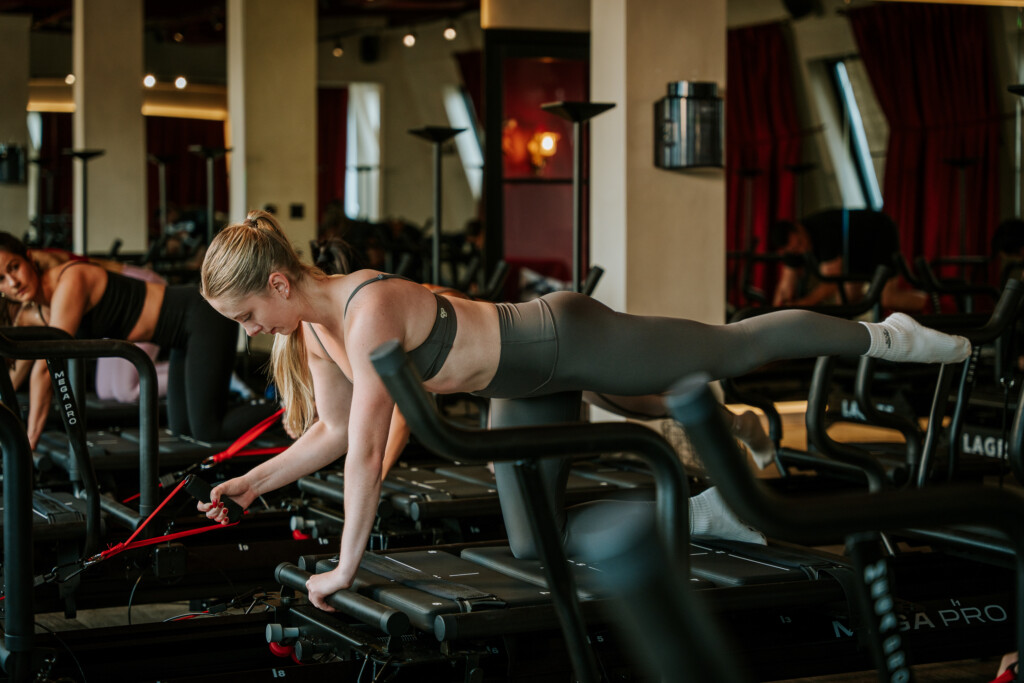
Reformer Pilates is a full-body exercise system performed on a specialized apparatus called a reformer. It grew from Joseph Pilates’ work and focuses on core control, precise movement, breath coordination, and muscular balance.
The practice blends resistance training, mobility work, and low-impact conditioning to improve strength, posture, and movement quality through controlled, repeatable exercises.
Meet the Machine: How the Reformer Actually Works
A reformer has a:
- Sliding carriage on rails
- Spring-loaded resistance
- A footbar
- Straps
- Pulleys
- Adjustable ropes
You push or pull the carriage against spring tension to create load, which trains both prime movers and the small stabilizing muscles that control alignment. Changing spring settings, strap positions, and footbar angles alters resistance, range of motion, and the emphasis on strength or stability.
Movement Mechanics: How Reformer Pilates Shapes Strength and Control
Exercises on the reformer require steady core engagement and precise timing. The moving carriage introduces managed instability, so the body must recruit deep stabilizers and improve proprioception.
That combination increases muscular endurance, joint mobility, and neuromuscular coordination without high-impact stress on the joints, making it useful for performance training and rehabilitation.
Reformer Versus Mat Pilates: What Changes for Your Body
Mat Pilates uses body weight and focuses on movement patterning and flexibility, while the reformer adds spring-based resistance and guided trajectories. The reformer lets you load movements progressively, isolate or integrate muscle groups, and use assisted variations for clients who need support. You can expect clearer strength gains, improved muscle tone, and more precise posture correction when you program the reformer correctly.
Who Benefits Most and How to Turn Sessions into a Body Transformation
Clients with goals like posture improvement, core strength, muscle toning, and increased mobility get clear gains from regular reformer work. Athletes use it for functional strength and injury prevention. Older adults and rehab clients gain stability and joint-friendly conditioning.
For visible change, plan progressive sessions two to four times weekly, combine reformer training with aerobic work and nutrition, and use personalized programming from a certified instructor. Have medical clearance and modify exercises for recent surgery, unstable joints, or pregnancy.
Common Reformer Exercises and What They Train
Footwork and leg presses target glute and quad strength while reinforcing proper pelvic alignment. The short spine and bridging drills build posterior chain mobility and hamstring control.
Arm work using straps trains scapular stability and shoulder strength without heavy loading. Integration sequences that combine leg, core, and arm work improve movement efficiency and functional conditioning.
Programming Tips for Real Body Transformation
Start with instruction focused on alignment and breathing, then increase resistance or complexity gradually to apply progressive overload. Alternate strength-focused sessions with mobility and stability days to avoid compensation patterns. Track exercise selection, spring settings, and range of motion so you can measure progression and adjust load logically.
Safety, Certification, and When to Seek an Instructor
A certified reformer instructor teaches proper setup, spring selection, strap length, and spotting techniques to reduce risk. Use caution with uncontrolled loading, hypermobile joints, or certain spinal conditions. If you have chronic pain or a recent injury, consult a clinician and work with a rehabilitative Pilates professional who can adapt the program to your needs.
Physical Transformations from Consistent Reformer Pilates Practice
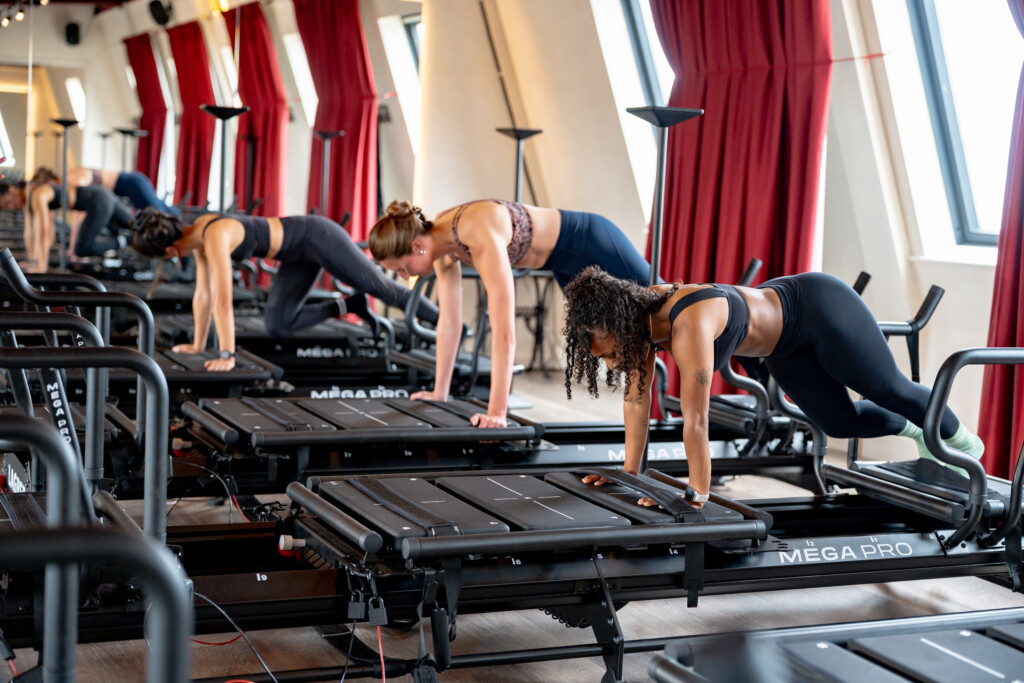
Reformer Pilates forces your body to stabilize a moving carriage while you work through precise patterns. That constant demand recruits deep core muscles:
- Transverse abdominis
- Multifidus
- Pelvic floor
- And improves pelvic alignment and spinal support
You gain better scapular stability and reduced anterior shoulder tension because exercises require controlled scapulothoracic motion and postural alignment. Expect improved sitting and standing posture, fewer flare-ups of low back pain, and more precise neuromuscular control when you lift, carry, or reach.
Lean Muscle Sculpting: Tone Without Bulk
The reformer’s spring resistance delivers high repetition, low-impact loading that builds lean muscle and sculpted definition rather than size. Movements pair concentric and eccentric control across multiple joints, so glutes, hamstrings, quads, and upper back develop balanced strength.
That balanced hypertrophy improves muscle endurance and metabolic conditioning while reducing compensations that create uneven tone. You get a long, functional shape that supports daily activity and athletic movement.
Flexibility and Joint Mobility: Gain Range With Control
Reformer exercises combine active lengthening with loaded mobility, which increases joint range while preserving stability. The machine lets you move through larger, controlled ranges for the hips and thoracic spine, and teaches coordinated breathing with movement for better rib cage mobility. Improved proprioception and soft tissue extensibility mean less stiffness, smoother gait, and easier rotation and flexion in everyday tasks.
Functional Movement and Everyday Performance: Strength That Transfers
Reformer training integrates multi-plane work that directly improves balance, coordination, and movement efficiency. Patterns focus on gait mechanics, single-leg control, and transverse plane stability, so climbing stairs, carrying groceries, and playing with kids feel easier.
Training the body to coordinate force, timing, and breath reduces inefficient patterns and supports faster skill learning in sport or rehab.
Injury Prevention and Rehab: Controlled Loading for Safer Results
Low-impact, spring-guided resistance lets you progress strength without high compressive loads on joints. That makes the reformer useful for postural correction, rehab of shoulder and hip issues, and rebuilding strength after injury.
Emphasis on eccentric control and eccentric to concentric transitions improves tendon resilience and movement quality while reducing re-injury risk.
Body Composition and Conditioning: What Changes to Expect
Regular reformer practice raises muscle tone and metabolic demand through compound movements and timed circuits. While it is not a pure cardio class, combining resistance with sustained tempo increases calorie burn and muscular endurance, which supports fat loss and a firmer silhouette. Expect changes in tissue density and shape rather than dramatic weight swings.
Consistency and Results: How Often to Practice and When You’ll Notice Change
Two to three well-coached sessions per week produce measurable shifts in strength, posture, and mobility within a few weeks. Neuromuscular improvements often arrive first, better balance, smoother breathing patterns, and cleaner movement, while visible toning and increased joint range follow with ongoing practice.
Want a rule of thumb for progress tracking? Note changes in daily tasks, posture in photos, and how workouts feel at the four and eight-week marks.
Technique, Coaching, and Progression: Why Instruction Matters
Progressive resistance and precise form drive the transformation; poor technique limits benefit and increases risk. Certified instructors coach breath, alignment, and tempo, and use cueing to refine pelvic and scapular control. That mentorship accelerates safe progress and converts practice into lasting changes in movement control.
Try a Class: BLOOD, SWEAT & TEARS Can Help You Change Faster
BLOOD, SWEAT & TEARS provides a women-focused fitness space that helps clients achieve their fitness goals faster than other workouts, without the risk of injury; through both strength building and cardio within a 45-minute workout, clients can feel and see results fast without spending hours trying to figure it out in a dirty, boring, creepy gym environment.
All of our instructors are certified and undergo a rigorous mentorship program, ensuring that every class is fun, uplifting, motivating, effective, and safe. Book a class to experience Lagree in London and see why Lagree is America’s fastest-growing workout for 3 years in a row.
Related Reading
- Is Bodyrok Lagree
- How Many Calories Does Lagree Burn
- Xformer vs Megaformer
- Barre vs Lagree
- Lagree vs Weight Lifting
Additional Benefits Supporting Body Transformation
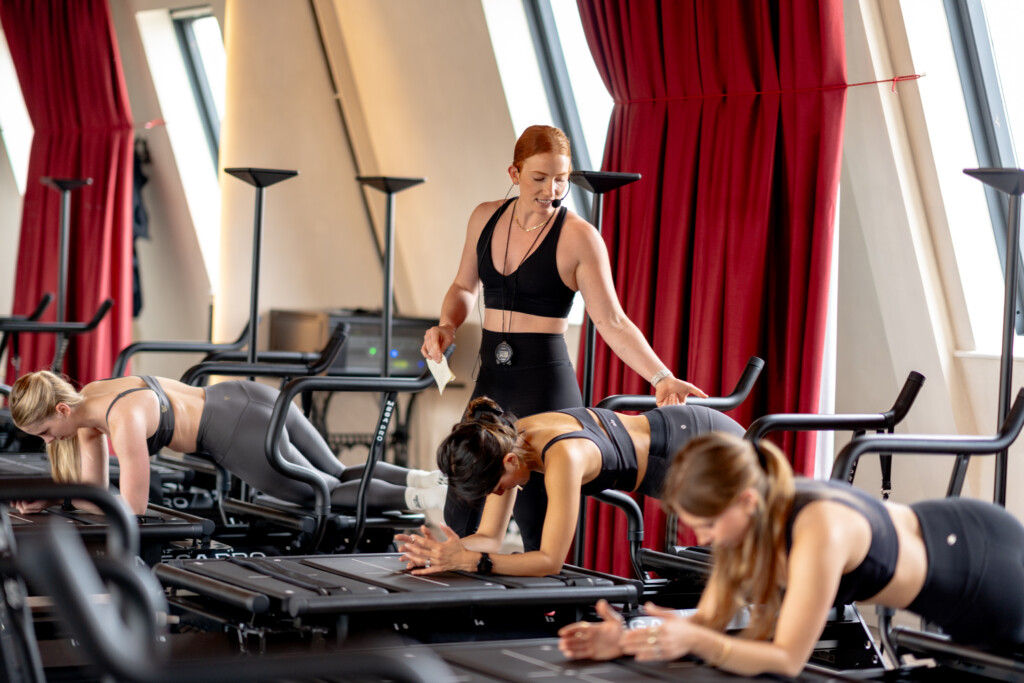
Reformer Pilates builds functional strength without adding bulk, and in a 2025 trial of 47 adult women with overweight or obesity, training three times a week for eight weeks produced clear gains in muscle strength and endurance, along with better movement control and increased flexibility. The reformer uses spring-based resistance to load muscles through complete ranges of motion, which trains both concentric and eccentric control and improves neuromuscular coordination.
Exercises focus on core strength, hip stability, scapular control, and joint mobility, so you get stronger in the exact patterns you use every day. Want stronger hips for walking and better shoulder control for overhead work? Reformer work targets those movement patterns directly.
Weight Management Through Controlled Resistance and Consistency
Reformer Pilates can support fat loss and better body composition, especially when paired with sensible nutrition. A 2025 study reported reductions in body fat and improvements in BMI when adults with obesity practiced reformer Pilates two to three times per week. A 2021 review also found consistent Pilates practice linked to lower BMI, reduced body weight, and decreased body fat percentage.
The mechanism pairs increased lean muscle mass with steady calorie burn and improved movement capacity. Over time, more muscle and better movement raise resting metabolic rate and make other activities easier to maintain. How many sessions per week fit your schedule?
Posture and Alignment: Stand and Move More Efficiently
Poor posture often stems from weak core muscles and imbalanced movement patterns. A 2024 review found Pilates effective for correcting forward head posture, rounded shoulders, pelvic tilt, and thoracic kyphosis. Reformer exercises emphasize spinal alignment, pelvic control, and scapular stabilization while training proprioception and posture awareness.
That combination reduces compensations and restores balanced muscle recruitment during daily tasks. If you sit for long periods, targeted reformer drills can restore mid-back mobility and abdominal control to support easier breathing and cleaner posture.
Rehab Friendly Support for Chronic Conditions and Injury Recovery
Because reformer work is low-impact and highly adaptable, clinicians and trainers use it for rehabilitation. A 2023 study found improvements in muscle strength and clinical outcomes for people with fibromyalgia after reformer training. Earlier reviews reported benefits for low back pain, multiple sclerosis, hypertension, scoliosis, and chronic neck pain.
Reformer sessions allow graded load progression, controlled range of motion, and precise movement instruction, so you can rebuild strength without harming tissues. Adaptive spring resistance and careful cueing let instructors scale intensity for pain management and progressive functional return.
Mind and Mood: Mental Health Benefits from Focused Movement
The Pilates method links mindful movement and breath with physical training, which influences mood, sleep, and pain perception. A 2021 review showed significant improvements in depression, sleep quality, pain levels, and overall quality of life in older adults after Pilates programs.
A small 2025 observational study found reductions in stress, anxiety, and depressive symptoms with regular practice. The work asks you to focus on timing, alignment, and breath, which lowers sympathetic arousal and improves body awareness, looking for better sleep or a calmer mind? Reformer sessions offer structured movement that trains both body and attention.
Who Can Benefit Most from Reformer Pilates?
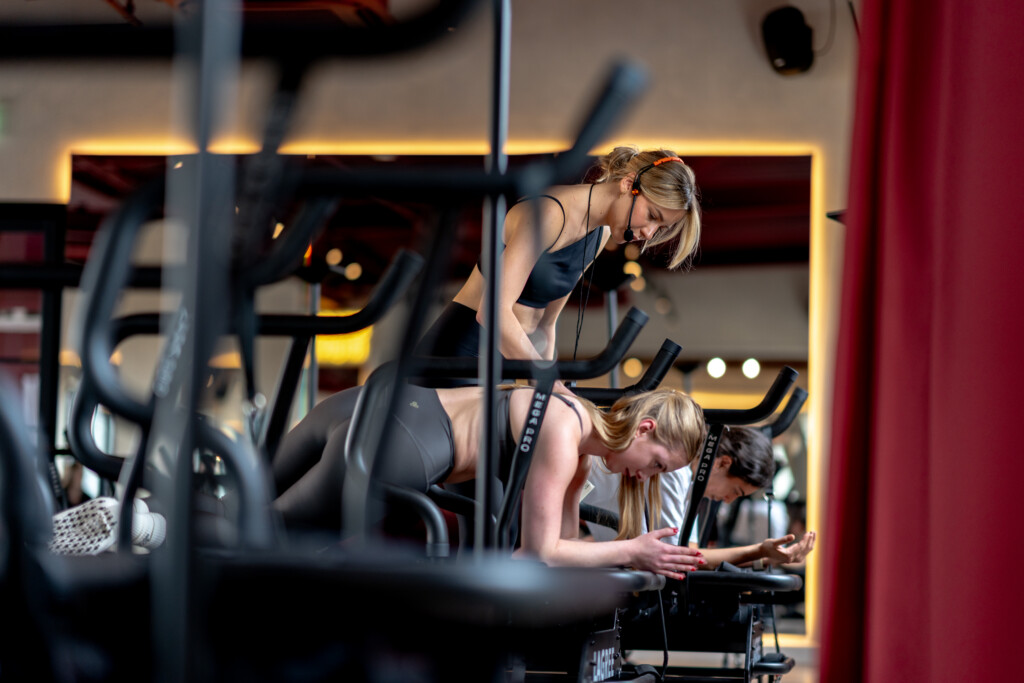
Reformer Pilates delivers targeted resistance, control, and full-body conditioning designed to change how your body moves and looks. It builds core strength, improves posture, increases flexibility, and boosts muscle tone while keeping impact low. Who will feel those changes fastest depends on goals, consistency, and how the program is tailored.
New to Fitness: Build Strength Without High Impact
Beginners find the Reformer machine forgiving because you can adjust spring resistance and use guided movement to learn safe form. It teaches breathing, alignment, and core engagement while developing functional fitness, balance, and mobility. Start light and progress steadily by increasing resistance, repetitions, and range of motion.
People Who Prefer Classes: Motivating Group Sessions That Teach Technique
Class settings create accountability and energy while still allowing individualized adjustments on the machine. You get hands-on cueing from an instructor, consistent programming that mixes strength and cardio, and a social structure that keeps you coming back. Want to push harder? The instructor can scale the session to match your level.
Women: Pregnancy Support, Postpartum Recovery, and Pelvic Floor Strength
Reformer Pilates targets core integration and pelvic floor coordination without jarring impact, which makes it worthwhile through pregnancy and after birth when done with appropriate modifications. Exercises restore posture, rebuild abdominal control, and retrain breathing patterns that affect daily function and lifting. Expect safer progression when sessions focus on pelvic stability and controlled loading.
People Recovering from Injury: Controlled Rehab and Safe Muscle Reeducation
The precise, slow movements let you isolate weak links and restore range of motion with minimal stress on joints. Trainers can program rehabilitation sequences that emphasize neuromuscular control, scapular stability, and balanced strength to reduce compensations. Work closely with a clinician or certified instructor to ensure progressive loading and avoid setbacks.
Athletes: Improve Power, Balance, and Movement Efficiency
Athletes use the Reformer to fine-tune core stability, hip mobility, and unilateral control that translate to faster sprinting, cleaner lifts, and fewer soft tissue injuries. The machine forces you to control resistance throughout the entire movement, enhancing coordination and functional strength that matter on the field or court. Integrate Reformer sessions into cross-training for targeted performance gains.
Body Transformation Effects: Strength, Tone, Posture, and Metabolic Lift
A well-structured Reformer program combines resistance, tempo work, and short bursts of cardio to build muscle tone while improving posture and flexibility. That combo raises metabolic demand without heavy impact and sculpts long, lean muscle while improving movement efficiency. Track progress with consistent sessions and measurable goals for strength, range of motion, and posture.
Interested in trying a session or comparing styles?
Ask about class size, instructor credentials, and how the program scales to your needs.
Why Choose BLOOD, SWEAT & TEARS for Lagree in London
BLOOD, SWEAT & TEARS provides a women-focused fitness space that helps clients achieve their fitness goals faster than other workouts, without the risk of injury; through both strength building and cardio within a 45-minute workout, clients can feel and see results fast without spending hours trying to figure it out in a dirty, boring, creepy gym environment.
All of our instructors are certified and undergo a rigorous mentorship program, ensuring that every class is fun, uplifting, motivating, effective, and safe. Book a class to experience Lagree in London and see why Lagree is America’s fastest-growing workout for 3 years in a row.
Related Reading
- Body Sculpting for Women
- What Are the Benefits of Pilates Reformer
- Reformer vs Mat Pilates
- Is Reformer Pilates a Good Workout
- How Many Calories Does Reformer Pilates Burn
- How Often Should You Do Reformer Pilates
Book a Lagree Class in London Today
BLOOD, SWEAT & TEARS runs a dedicated women-focused fitness studio that pairs reformer Pilates-based training with Lagree conditioning. Classes mix resistance work, core activation, mobility drills, and steady cardio into a 45-minute session.
The studio removes the usual gym downsides so you get coached, challenged, and respected while you sculpt lean muscle and improve posture and balance. Want a workout that fits into a busy schedule and gets results?
Why a Women-Focused Space Makes a Difference
Women respond differently to programming that respects hormone cycles, joint needs, and movement history. In a women-focused environment, instructors tailor load, tempo, and exercise selection to reduce injury risk and accelerate progress in strength, muscular endurance, and flexibility. The atmosphere matters too; when people feel safe, they push harder on the reformer and recover better after class.
The 45 Minute Lagree Formula: Strength and Cardio in One
Lagree blends micro resistance on the reformer-style machine with precise tempo to tax fast-twitch and slow-twitch fibers in a single session. You perform circuit-style sets that build strength while sustaining an elevated heart rate for conditioning and caloric burn.
That combination produces efficient body transformation:
- Increased core strength
- Lean muscle tone
- Metabolic conditioning
- Improved aerobic capacity without long cardio sessions.
Safety and Professional Instruction
All instructors hold certification and complete a rigorous mentorship program. They cue alignment, breathing, and movement quality while adjusting resistance and range to fit your ability.
This lowers the risk of overuse injury common in heavy-weight rooms and poorly designed classes. Do you want cues that correct posture and protect your shoulders and lower back?
How Reformer Pilates Produces Body Transformation
Reformer Pilates targets core stabilization, hip mobility, scapular control, and neuromuscular coordination. When you train those systems with progressive resistance, you build functional strength that shows in everyday tasks and in how clothes fit. The program emphasizes posture, flexibility, and balance so you reduce pain, move better, and reveal muscle definition without bulky mass.
What to Expect in Your First Classes
Expect guided warm-up, focused resistance sequences on the reformer, targeted core work, and cardio sections that keep intensity up. Instructors scale pull and push loads, rep tempo, and range so beginners and advanced clients share class safely. You will leave with practical cues for at-home practice and a clear sense of what to work on next.
Results Timeline and Why You’ll Notice Change Quickly
Consistent sessions produce neural adaptation and improved muscle recruitment within days, and visible muscle tone within two weeks for many clients. You will notice better posture, firmer midsection, and increased stamina that translate into daily life.
How consistent can you be this month to test that claim?
Class Culture and Studio Experience
Classes stay upbeat, focused, and efficient. The studio removes the noisy, dirty gym environment and replaces it with professional equipment, clean space, and positive coaching. You train in a group setting that motivates but never judges, with instructors who monitor form closely while keeping classes fun and purposeful.
How to Book and Get Started
Pick a class time that fits your week and show up fifteen minutes early for an orientation. Bring comfortable clothes, water, and an open mind.
The team will match intensity and progressions to your level so you can start building strength and improving mobility from session one. Ready to reserve a spot and experience reformer Pilates-based transformation?