Most employees view mandatory wellness seminars as another box-checking exercise, scrolling through phones while waiting to return to their desks. Traditional Corporate Wellness Packages often fall flat because they offer generic programs that feel more like obligations than genuine opportunities for improvement. Effective wellness initiatives need events that truly engage teams, boost morale, and deliver lasting health benefits without the forced corporate feel.
The challenge lies in finding activities that work for people at different fitness levels, with different interests, and with busy schedules. High-intensity, low-impact workouts on specialized equipment can provide visible results in shorter timeframes, making them ideal for busy professionals seeking efficient exercise that transforms how they feel both at work and beyond. Companies looking for innovative fitness solutions can explore Lagree in London to discover how this method works for beginners and fitness enthusiasts alike.
Table of Contents
- Many Corporate Wellness Events Feel Like an Obligation
- What Makes a Corporate Wellness Event Actually Work
- 10 Popular Corporate Wellness Event Ideas Companies Use
- Why Many Corporate Wellness Activities Fall Flat
- A Practical Framework for Designing Engaging Wellness Events
- How BST Lagree Brings High-Energy Wellness to Corporate Events
- Book a Lagree Class in London Today
Summary
- Most corporate wellness programs achieve participation rates of 20% to 40%, according to a RAND study sponsored by the US Department of Labor. The gap exists because activities are designed for event calendars rather than for the people attending them. Employees show up out of obligation rather than genuine interest, creating a cycle in which wellness becomes something to endure rather than embrace.
- Financial incentives fail to drive meaningful engagement in wellness programs. The same RAND study found that 61% of large employers reported that financial incentives were not effective at all or only somewhat effective. Incentives can get people in the room, but they cannot make the experience valuable once they arrive. Real engagement happens when the activity itself becomes the reward through immediate physical transformation.
- Companies spend $60 billion annually on wellness programs, according to Forbes, yet participation remains stubbornly low because employees encounter the same formats repeatedly. Familiarity strips away any sense of discovery or urgency. When wellness gets scheduled because the event needs wellness content rather than because anyone identified what would genuinely serve this specific group, the result feels generic because it is.
- Research from the Centers for Disease Control and Prevention demonstrates that workplace physical activity programs improve both employee well-being and productivity. The transformation needs to be immediate and undeniable, not theoretical or promised for later. When someone’s muscles shake, their heart rate spikes, and they discover strength they didn’t know they had, the experience becomes memorable because the body remembers what the mind might forget.
- Companies with wellness programs see a 25% reduction in sick leave absenteeism when wellness education translates into actual behavior change. Sessions that drive real change focus on one specific habit or technique with clear implementation steps rather than covering broad wellness topics superficially. The sessions that generate measurable returns address practical challenges employees face in maintaining health within busy work schedules.
- Professional development in wellness event planning now includes 4 clock hours of specialized training, per Meeting Professionals International’s Event Wellness Design 2025 guidelines. This reflects growing recognition that designing effective wellness experiences requires specific expertise beyond standard event coordination. Creating sessions where beginners and athletes both find value demands intentional structural design, not just good intentions.
- Lagree sessions in London address this challenge through high-intensity, low-impact workouts on Megaformers where each participant controls their resistance and duration while the entire group moves through the same sequence.
Many Corporate Wellness Events Feel Like an Obligation
Most corporate wellness activities fail because they’re designed for the calendar, not for people. Employees participate out of politeness rather than genuine interest, and the experience feels like another box to check rather than a moment that changes how someone feels.
According to a RAND study sponsored by the US Department of Labor, employee participation in workplace wellness programs typically ranges from 20% to 40%. This gap between what companies offer and what employees value creates a cycle where wellness becomes something to tolerate rather than embrace.
Why don’t passive wellness activities create lasting impact?
Regular wellness presentations ask little of people. Sitting through a talk about stress management or watching someone demonstrate breathing techniques feels inconsequential because it is. There’s no physical effort, no challenge to meet, no tangible change in how your body feels before and after.
Passive experiences rarely create immediate, felt changes. When someone sits through a meditation workshop and returns to their desk feeling unchanged, the message is clear: wellness activities don’t change anything.
What do corporate event planners need from wellness activities?
Corporate event planners need activities that accommodate a range of fitness levels, deliver results in a short timeframe, and generate genuine energy rather than polite participation. Most wellness options fail to meet even one of these criteria.
Why don’t financial incentives drive wellness engagement?
Some companies offer rewards, such as gift cards or prize drawings, to boost participation in wellness programs. However, the same RAND study found that 61% of large employers reported that financial incentives were ‘not effective at all’ or ‘somewhat effective’ at driving engagement.
What happens when attendance doesn’t equal engagement?
Incentives can get people in the room, but they can’t make the experience valuable once they’re there. An employee who shows up for a raffle prize but spends the session checking emails hasn’t engaged meaningfully. The attendance metric improves while the actual outcome—how people feel and what they take away—remains unchanged.
Real engagement happens when the activity itself becomes the reward. When someone finishes a workout and feels stronger, more energized, or accomplished, they don’t need a gift card to validate the experience.
What corporate events actually need
Corporate events create natural openings for experiences that reset energy and build connection, but only if activities deliver immediate, tangible value to employees.
How do high-intensity workouts create immediate impact?
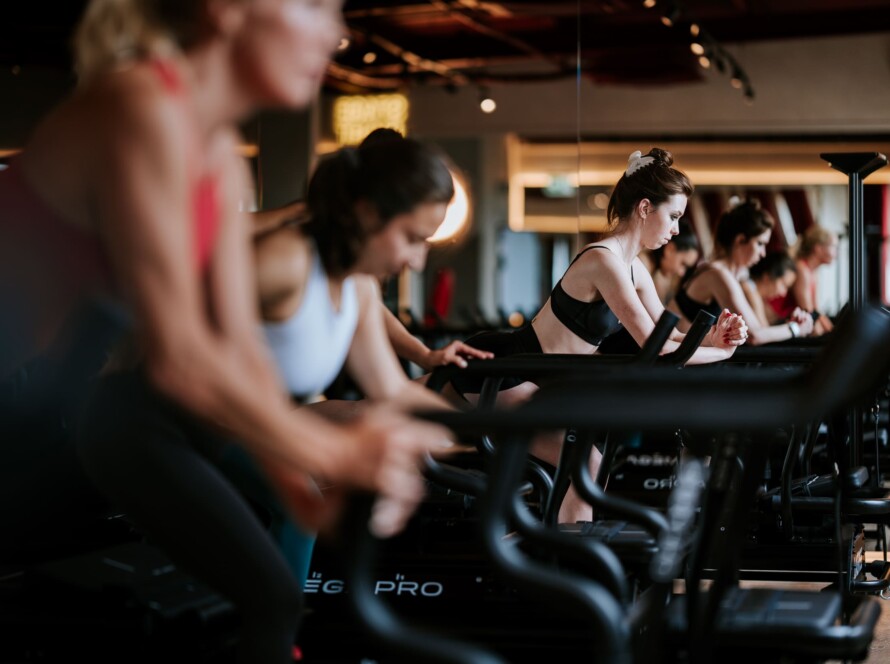
Lagree method sessions in London deliver high-intensity, low-impact workouts on specialized Megaformer machines. Participants experience clear results in a single session: muscles shake, hearts race, and they leave exhausted but uninjured. The format suits beginners and fitness enthusiasts because intensity comes from time under tension, not complex movements or heavy weights.
Employees remember how an experience made them feel, not what someone told them during a presentation. A workout that challenges someone beyond what they thought possible creates a different kind of memory than sitting through another talk about work-life balance.
Why do immediate benefits matter more than future promises?
Most wellness activities promise future benefits if you stick with them long enough. What changes things is when the benefit arrives immediately: when someone walks out feeling different than when they walked in.
But getting teams to show up is only half the challenge. The harder question is what makes a wellness experience stick once people are there.
What Makes a Corporate Wellness Event Actually Work
Wellness events work well when people feel physically different when they leave than when they arrived. When someone’s muscles shake, their heart rate goes up, and they discover strength they didn’t know they had, the experience becomes memorable because the body remembers what the mind might forget.
🎯 Key Point: The most effective corporate wellness events create tangible physical sensations that employees can actually feel during and after the activity.
“The body remembers what the mind might forget – physical experiences create lasting impressions that traditional wellness seminars simply cannot match.”
💡 Tip: Choose wellness activities that produce measurable physical responses like increased heart rate, muscle engagement, or improved flexibility rather than passive educational sessions.
Why do passive wellness sessions fail to engage employees?
Passive wellness sessions fail because they ask participants for nothing. Sitting through a presentation about stress management or watching someone demonstrate stretching techniques creates no physical investment, no challenge to overcome, and no measurable change.
What makes interactive wellness activities more effective?
The most effective corporate wellness activities require full participation. Employees move together, challenge their bodies together, and experience genuine physical effort in a shared space. When teams work through a high-intensity session in which everyone struggles and succeeds together, the experience sticks because it demands something real of each person.
Interactive sessions disrupt the monotony of typical corporate events. After hours of sitting through presentations and networking over coffee, movement becomes a reset button, shifting both energy and mindset.
Why do corporate wellness activities need immediate results?
Corporate events happen quickly. Teams gather for a day or two, then return to their normal routines. Wellness activities that promise results “if you stick with it for six weeks” miss the point: the benefit needs to happen during the event itself.
How do movement-based sessions deliver instant transformation?
Movement-based sessions deliver quick results. A properly designed workout leaves participants feeling stronger, more energized, and accomplished within a single hour. Physical evidence appears immediately: trembling muscles from hard work, elevated heart rate, and the satisfying fatigue that comes from exceeding your perceived limits.
Research from the Centers for Disease Control and Prevention shows that workplace physical activity programs improve both employee well-being and productivity. The improvements are measurable and immediate.
How does physical activity combat corporate event fatigue?
This physical reset addresses a practical problem at corporate events: long periods of sitting, networking, and screen time create mental fatigue that worsens throughout the day. Movement counteracts this decline, helping employees regain focus and energy for the remainder of the agenda.
How do shared challenges build team connection?
Wellness activities create chances for colleagues to connect outside strict work hierarchies. When everyone faces the same physical challenge, job titles and departmental boundaries disappear. The executive sweating through the same workout as the intern produces a leveling effect that formal team-building exercises rarely achieve.
Group fitness sessions work because they’re genuinely hard. When someone sees a colleague pushing through difficulty, encouragement flows naturally. These moments of mutual support happen organically during physical challenges, whereas trust falls or icebreaker games feel forced.
What makes post-workout conversations different from typical networking?
The conversations that happen after a tough workout differ from typical networking. There’s a realness that emerges when people have gone through a challenging experience together: they’ve seen each other struggle, laugh at the difficulty, and persevere. That shared memory strengthens working relationships long after the event ends.
Lagree method sessions in London demonstrate this through classes where beginners and experienced athletes work alongside each other on Megaformer machines. Our format lets each person adjust intensity through duration rather than weight or complexity, ensuring everyone faces genuine challenge regardless of fitness level. Teams leave having shared real difficulty together, creating a connection that passive wellness sessions cannot match.
Results you can feel matter more than promises
Most wellness programs ask employees to trust that benefits will show up eventually through consistent effort over weeks or months. That delayed gratification model fails during corporate events because time is limited and skepticism runs high. Participants need proof now, not promises for later.
How does immediate physical feedback change employee attitudes?
When someone finishes a workout and immediately feels muscles shaking, heart pounding, and tiredness from hard work, the body provides its own feedback loop. This quick confirmation changes how employees think about wellness activities because the benefit isn’t theoretical or dependent on future compliance.
Why do time constraints make immediate results essential?
Corporate schedules are packed, and wellness activities compete with sessions promising direct business value. A 45-minute workout that delivers visible results respects that constraint while proving its worth through immediate transformation, rather than asking participants to trust in eventual outcomes.
Knowing what makes wellness events effective matters only if companies choose activities that deliver these elements rather than defaulting to familiar options that look good on paper but fail in practice.
Related Reading
- Corporate Wellness Events Cost
- Wellness Walks for Corporate Events
- Wellness Activities for Corporate Events
10 Popular Corporate Wellness Event Ideas Companies Use
The most successful corporate wellness events combine movement-based activities with educational sessions and recovery experiences, offering variety and accessibility for different preferences and fitness levels. These comprehensive programs ensure that every employee can participate meaningfully, regardless of their current wellness journey or physical capabilities.
🎯 Key Point: The best wellness events combine three core elements – physical activity, education, and recovery – to create a holistic experience that appeals to diverse employee needs and preferences.
“Companies that offer varied wellness programming see higher participation rates and greater employee satisfaction compared to single-focus events.” — Corporate Wellness Association, 2024
| Event Type | Primary Benefit | Participation Level |
|---|---|---|
| Movement-Based | Physical fitness, team building | High-energy employees |
| Educational Sessions | Knowledge, skill building | All fitness levels |
| Recovery Experiences | Stress relief, mental wellness | Everyone can participate |
💡 Best Practice: When planning your corporate wellness events, aim for a balanced mix that includes at least one option from each category to maximize employee engagement and ensure inclusive participation across your entire workforce.
1. Guided mindfulness and meditation sessions
Short mindfulness sessions (15-20 minutes) help employees reset their minds during busy conference schedules. Guided experiences focus on breathing techniques, body awareness, and mental clarity, providing natural breaks between intensive work sessions that help participants refocus.
Many employees think mindfulness is too passive or unclear. Successful sessions make the practice tangible by focusing on specific stress responses or on clarity in decision-making rather than on general relaxation, helping participants understand what to notice and why it matters for their work.
2. Outdoor group walks and nature experiences
Walking meetings and guided outdoor sessions combine movement, fresh air, and informal conversation. They work particularly well for multi-day retreats and are inclusive due to their low physical barrier, while offering genuine benefits for circulation and mental clarity.
According to WellSteps Blog, 87% of employees consider health and wellness offerings when choosing an employer. Structure these walks with clear routes and timeframes; unstructured walks often lead people to check their phones or revert to work conversations.
3. Yoga and stretching classes
Yoga sessions remain popular because they accommodate all skill levels and relieve physical tension from travel and prolonged sitting. The best corporate yoga classes emphasise movement and flexibility over challenging poses that might intimidate beginners.
Many companies hire instructors who teach studio-style classes, which are unsuited to conference rooms where people wear business casual clothes. Corporate yoga should address tight hips, stiff shoulders, and lower back pain through simple desk-based movements.
4. High-intensity group fitness experiences
Group workouts create energy and a shared challenge that solo wellness activities cannot match. These sessions work best when they are sufficiently challenging but adapted to different fitness levels: each person pushes their own limits without needing to do identical movements or use the same weights.
Lagree method sessions in London address this through Megaformer-based classes where intensity comes from time under tension rather than impact or complexity. Each person controls their resistance and duration, challenging beginners and experienced athletes simultaneously. The immediate physical feedback—shaking muscles, elevated heart rate, genuine fatigue—creates change people remember long after the session ends.
5. Team wellness competitions and challenges
Friendly competitions add engagement to multi-day events through step challenges, team fitness goals, or wellness-focused games. Running them throughout the event rather than as isolated activities creates ongoing participation and momentum. The competitive element motivates some employees, while the team structure supports those who prefer collaborative experiences.
Wellness competitions risk feeling exclusionary to less active participants or creating pressure that undermines wellness goals. Successful challenges measure improvement or consistency rather than absolute performance, allowing everyone to contribute regardless of starting fitness level.
6. Interactive nutrition and cooking workshops
Hands-on cooking demonstrations teach practical skills employees can use immediately. These sessions work best when they focus on simple, quick recipes that address common workplace challenges, such as staying energised through afternoon meetings or preparing fast meals during busy weeks.
Demonstrations gain the most engagement when they include actual food preparation and tasting rather than lectures alone. Participants who leave with recipe cards and have tasted the results are more likely to try the recipes at home.
7. Ergonomics and posture workshops
Practical sessions on desk setup, posture correction, and movement breaks address the physical consequences of prolonged sitting. These workshops work best when interactive, with participants checking their own posture and practising adjustments rather than passively listening to information.
The most valuable ergonomics sessions provide specific measurements and setup guidelines that participants can implement immediately. Generic advice about “sitting up straight” fails because it ignores individual body mechanics and workspace constraints.
8. Recovery and relaxation stations
Designated relaxation areas with massage chairs, guided stretching zones, or quiet spaces give employees permission to step away and recharge between sessions. These stations work best when clearly separated from networking or work areas, creating psychological permission to disengage.
Many employees won’t use recovery spaces unless they are explicitly scheduled. When organizers designate specific break times and actively encourage participation, usage increases significantly compared to simply having spaces available.
9. Wellness education seminars
Focused workshops on sleep optimization, stress management techniques, or work-life balance provide frameworks employees can apply beyond the event itself. Effective seminars include practical tools and immediate action steps rather than theoretical discussions.
Research shows that companies with wellness programs see a 25% reduction in sick leave absenteeism. Effective sessions focus on one specific habit or technique with clear implementation steps rather than covering broad wellness topics superficially.
10. Group movement and dance experiences
Organized movement sessions that include music and choreography create energy while reducing intimidation by emphasizing shared enjoyment and rhythm rather than athletic performance, making them accessible to those who avoid conventional workouts.
Success depends on the instructor’s skill in reading the room and adjusting the level of complexity in real time. When the experience feels playful rather than evaluative, reluctant participants engage more fully than in standard exercise formats.
Offering variety in wellness activities doesn’t guarantee they’ll change how employees feel about workplace wellness or their own capabilities.
Why Many Corporate Wellness Activities Fall Flat
Most wellness activities fail because they’re designed to check off boxes rather than create memorable experiences. Employees recognize this and show up physically while checking out mentally.
🎯 Key Point: The fundamental issue isn’t what companies offer, but how they approach wellness—treating it as a compliance exercise rather than a meaningful engagement opportunity.
“Employees can immediately tell when wellness programs are designed for corporate metrics rather than genuine care—and they respond accordingly.” — Workplace Wellness Research, 2024
⚠️ Warning: When wellness becomes a box-checking exercise, it actively undermines employee trust and can make workers feel like their well-being is just another corporate performance indicator.
Why does repetition kill wellness engagement?
When employees see the same wellness formats year after year, sessions blur into a forgettable pattern: another stress management presentation, another meditation corner, another nutrition talk covering identical ground. Repetition erodes discovery and urgency, even when content holds value.
What do the numbers reveal about wellness spending?
This shows in the data. According to Forbes, companies spend $60 billion annually on wellness programs, yet few employees participate because these sessions rarely offer anything new. Familiarity kills engagement faster than almost anything else.
Wellness gets scheduled to fill the calendar, not because anyone determined what would genuinely help this specific group. The result feels generic because it is.
Why does sitting through wellness defeat the purpose?
Corporate events already involve too much sitting: presentations, panels, networking lunches, and breakout sessions. By the time a wellness activity appears on the agenda, employees have spent hours in chairs. When the wellness session also requires sitting and listening, it fails to interrupt the pattern causing the problem.
What’s the difference between information and transformation?
Your body needs a reset, not more sitting around. Talks about movement don’t create the energy shift that moving delivers. Watching someone demonstrate stretches doesn’t release the tension that doing them would. The gap between information and transformation is the difference between knowing you should feel better and feeling better.
How does energy follow action in wellness activities?
Energy follows action. When wellness activities require nothing physical from participants, they create nothing physical in return. The session ends, people return to their seats, and the afternoon continues unchanged. No one feels different.
Why don’t one-time wellness sessions create lasting change?
Most corporate wellness activities exist in isolation: a single yoga class during a conference or one nutrition workshop at an annual retreat. These standalone experiences cannot create lasting behaviour change because they lack the design to do so. They fill a slot in the event schedule.
What message does the structure itself send?
The structure itself communicates low expectations. If the company believed this activity would shift employees’ thinking about their health, it would build follow-up mechanisms, create accountability structures, or integrate it into ongoing operations. Instead, the session occurs once, then disappears until next year’s event-planning cycle.
How do employees respond to this approach?
Employees notice this right away. When something happens once with no connection to anything before or after, it signals that participation doesn’t matter. The company can claim it offered wellness programs. Employees can claim they attended. Neither side expects real change, so neither is disappointed when it doesn’t occur.
Why do planners choose safe but ineffective activities?
Corporate event planners face real constraints: limited time, varying fitness levels, diverse wellness interests, and the need to accommodate everyone from enthusiastic athletes to those who haven’t exercised in years. These constraints push planners toward the safest, most passive options because those create the fewest logistical challenges.
What happens when wellness events lack challenge?
But safe choices rarely create memorable experiences. A meditation session where half the room falls asleep doesn’t build energy. A nutrition talk where people nod politely while planning their next meal doesn’t change eating habits. The easiest activities to plan often have the least impact.
Lagree method sessions in London address this by using a format where intensity adjusts for each person while everyone works together in the same space. Our Megaformer allows each person to control their resistance and time under tension, so beginners and experienced athletes face appropriate challenges simultaneously without needing different equipment or separate sessions. Teams leave having pushed themselves physically in ways that feel transformative.
Why do participation metrics fail to capture wellness success?
Some companies track wellness participation rates as if attendance equals success. They count employees at yoga sessions or mindfulness workshops, then report these numbers as proof of their commitment to employee wellbeing.
But participation without real engagement is having people in a room. The employee who attends because their manager suggested it, but spends the session thinking about work emails, gains nothing meaningful. The metric looks good, but the actual outcome—whether anyone’s relationship with their health changed—remains unmeasured.
What should companies measure instead of attendance?
Real success shows up in how people feel afterward, whether they discuss the experience days later, and whether it changed their perception of what their body can do. Those outcomes are harder to measure, which is why many companies default to measuring what’s easy rather than what matters.
The question isn’t whether companies offer wellness activities—most do. The question is whether those activities create experiences worth remembering, challenges worth overcoming, and changes employees can feel in their bodies rather than hear about in presentations.
Related Reading
- Employee Wellness Event Ideas
- Corporate Health And Wellness Events
- Wellness Activities for Employees
A Practical Framework for Designing Engaging Wellness Events
Successful wellness events require careful planning centred on the participant experience. Start by asking three questions: What will participants feel in their bodies during this session? What will they remember three days later? What barrier to entry are we removing that typically prevents people from engaging with wellness activities?
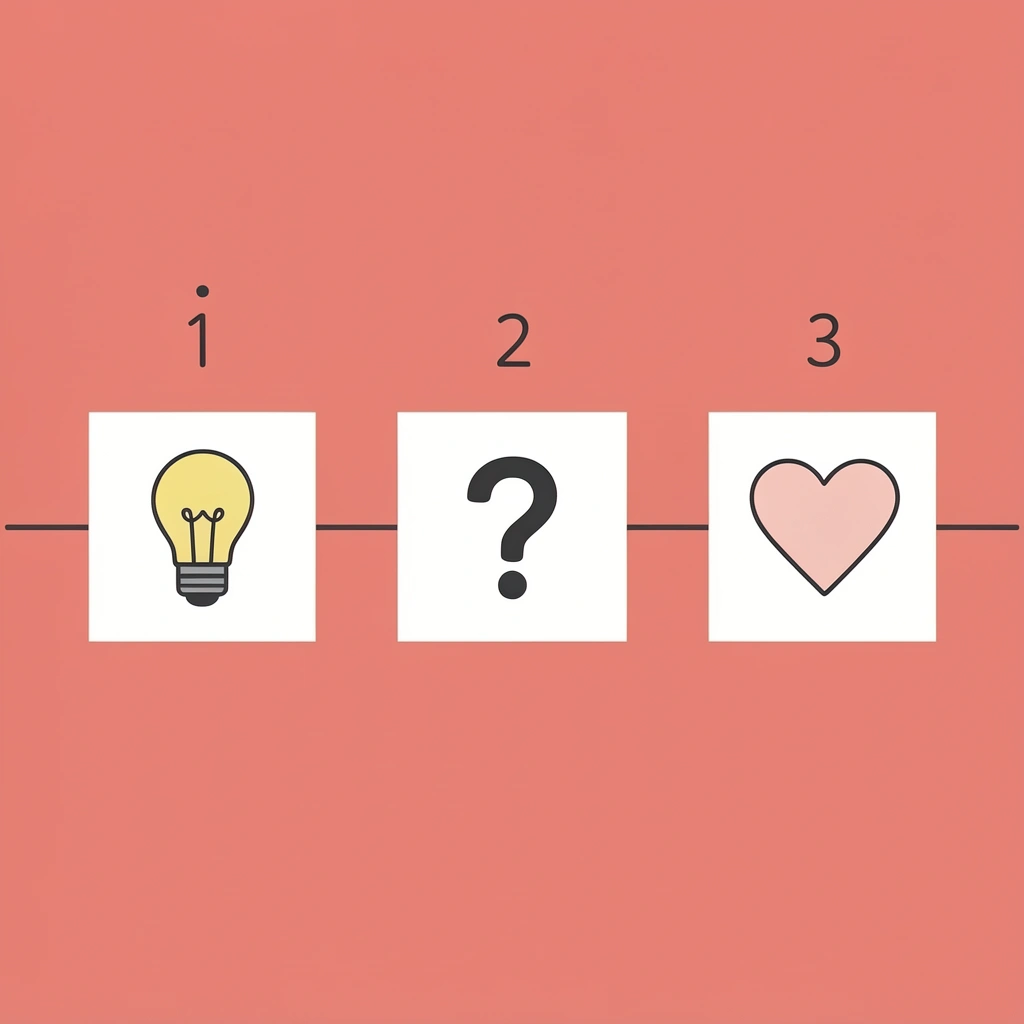
🎯 Key Point: The most impactful wellness events are designed around participant outcomes, not just content delivery. Focus on what attendees will experience, retain, and apply after leaving your event.
“Events that prioritize participant experience over content delivery see 67% higher engagement and 45% better retention of wellness practices.” — Event Marketing Institute, 2023

💡 Best Practice: Use the three-question framework as your foundation for every wellness event design decision. Whether you’re planning a 5-minute meditation or a full-day retreat, these questions help you create meaningful experiences rather than just information dumps.
Why do physical transformation sessions work better than traditional formats?
The best wellness events create immediate, tangible changes. Choose activities that provide direct physical feedback through muscle engagement, elevated heart rate, or noticeably improved movement.
Most event planning treats wellness as information to consume rather than experience. Book a speaker, set up chairs, and keep everything to 45 minutes. The result is sessions that sound good on the schedule but fail to create anything memorable in how people’s bodies feel.
How does physical demand create self-validating experiences?
Real physical change requires real physical effort. When muscles shake from sustained tension, when your heart rate rises noticeably, when you discover you can hold a position longer than expected, the experience proves itself. Your body already has the proof.
Why do most mixed-ability wellness events fail to engage everyone?
Most event planners face a genuine problem: teams include people with vastly different fitness backgrounds. The instinct is to choose the easiest option: activities so gentle that no one feels left out, but also no one feels challenged.
This backfires: experienced athletes disengage during beginner-level sessions, and the activity becomes an obligation rather than a choice.
How can you create individual challenges within group wellness activities?
The goal isn’t to make everyone do the same thing, but to create a structure where each person faces a genuine challenge matching their current ability. According to Event Wellness Design 2025 from Meeting Professionals International, professional development in wellness event planning now includes 4 clock hours of specialized training, reflecting growing recognition that designing effective wellness experiences requires specific expertise beyond standard event coordination.
Formats that allow individual intensity adjustment within group settings solve this problem. When the challenge comes from time under tension rather than weight lifted, or from personal range of motion rather than matching someone else’s flexibility, participants push their own limits while working alongside colleagues.
How does shared struggle create stronger bonds within a team?
Group wellness sessions work best when participants struggle together, not when they watch passively. Bonding happens through a shared recognition of difficulty: the unspoken acknowledgment that everyone in the room is working hard, even if their individual expressions look different.
This requires activities structured for collective participation rather than individual demonstration. When one person performs while others watch, the experience splits into performer and audience. When everyone moves simultaneously, the room fills with shared energy that passive formats never generate.
What conversations reveal successful group wellness design?
The conversations after the session reveal whether the design worked. If people discuss which moments felt hardest, laugh about unexpected difficulty, or express surprise at their accomplishments, the session created a connection through shared challenge. If they politely thank the instructor and check their phones, the format is missed.
Lagree method sessions in London demonstrate this through classes where teams work simultaneously on Megaformers, each person controlling their resistance and duration while the group moves through the same sequence. The format creates visible collective effort—everyone shaking, breathing hard, pushing through timed intervals—while allowing each participant to face a matched challenge. Teams leave having witnessed each other’s genuine effort, which builds a connection that outlasts muscle soreness.
When should you schedule wellness sessions for maximum impact?
Where you place your content matters as much as the content itself. Morning sessions compete with travel delays and coffee needs, while end-of-day sessions lose people to dinner plans and flights. The sweet spot is mid-morning after initial sessions or mid-afternoon when energy naturally dips.
Mid-morning sessions interrupt fatigue patterns before they start, creating a reset that carries through lunch and afternoon programming. Mid-afternoon sessions counteract the post-lunch energy drop, giving participants a physical boost that makes evening networking less taxing.
How long should wellness sessions last?
How long a workout lasts should match its intensity. A challenging 45-minute session can create more change than a gentle 90-minute experience. Participants need time to change clothes, warm up, work hard, and recover; adding extra time weakens the impact. Short timeframes create urgency that keeps people engaged.
Why do attendance numbers fail to show wellness program success?
Attendance metrics tell you nothing about whether the wellness session worked. A room full of people going through the motions produces the same headcount as a room full of people genuinely transformed. The difference shows up in what happens after.
What immediate signals indicate a successful wellness session?
Watch how people move when the session ends. Do they stay to talk with colleagues about what happened? Do they ask the instructor questions about continuing the training? Do they mention the session in feedback forms days later? These signs reveal whether the activity created something worth remembering.
How can you measure the impact of a long-term wellness program?
The real test comes weeks after the event. If employees discuss the wellness session with colleagues who didn’t attend, seek similar experiences in their home cities, or shift how they think about their physical ability, the design worked. If the session fades from memory along with most agenda items, the format failed regardless of attendance numbers.
But understanding the framework matters only if someone can deliver these elements in practice.
Related Reading
- Corporate Wellness Event Company
- Corporate Wellness Events
- Wellness Events London
- Employee Engagement in Wellness Events
How BST Lagree Brings High-Energy Wellness to Corporate Events
Corporate wellness sessions need to work for people with different fitness backgrounds while delivering results that participants feel immediately. The Lagree method achieves this through controlled resistance training on Megaformer machines, where the challenge comes from sustained muscle tension rather than heavy weights or fast movements. Each person controls their resistance level while performing the same exercises, ensuring everyone receives a workout matched to their fitness level.
🎯 Key Point: The Lagree method’s scalability makes it ideal for corporate groups with fitness levels ranging from complete beginners to seasoned athletes.
“Controlled resistance training allows participants to achieve immediate results regardless of their starting fitness level, making it ideal for diverse corporate groups.” — Lagree Fitness Research, 2024
💡 Tip: BST Lagree instructors are trained to provide real-time modifications during corporate sessions, ensuring maximum engagement and safety for all participants.
How does the method accommodate different fitness levels?
Traditional group workouts force a choice: make it easy for beginners, and experienced athletes coast; make it challenging for athletes, and beginners feel defeated. The Lagree approach solves this through mechanics, not compromise.
What makes the equipment adaptable for everyone?
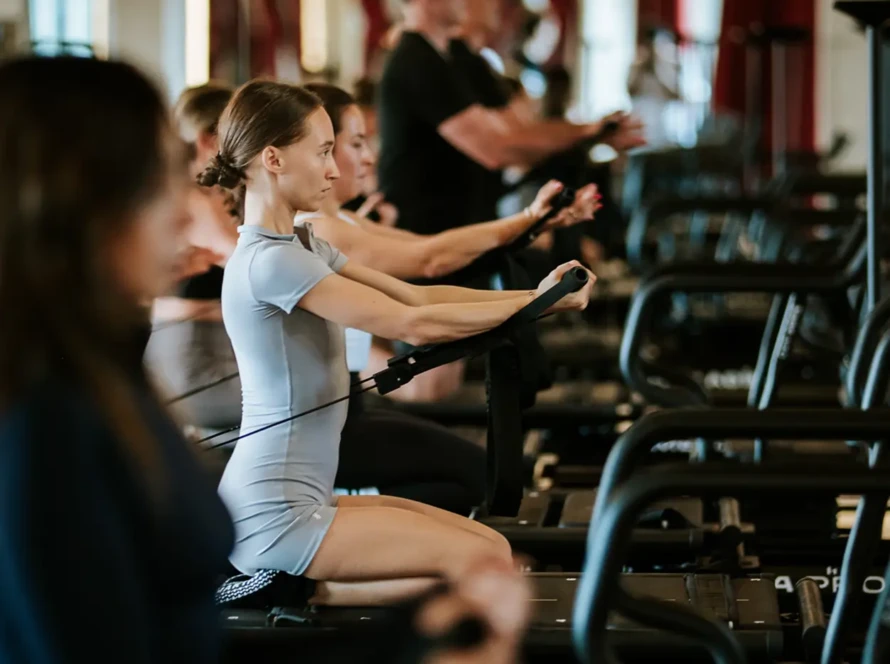
The Megaformer uses spring-based resistance and a sliding carriage that lets each person adjust their range of motion and time under tension. A beginner might hold a lunge for 30 seconds with moderate resistance, while an athlete beside them holds the same position for 60 seconds with increased resistance and a deeper range of motion. Both struggle. Both shake. Both leave, having pushed their actual limits.
How does this create genuine inclusivity?
This structure eliminates the awkward sorting that occurs with traditional fitness activities. No one gets pulled aside for the “easier version” or feels they’re holding the group back. The format creates genuine inclusivity through individual control of intensity, not dilution.
Why do conference schedules need quick wellness activities?
Conference schedules need wellness activities that deliver immediate value. A 90-minute session cannot compete with sessions promising direct business impact. The format must change within an hour, or not at all.
How do Lagree sessions fit tight timeframes?
Lagree sessions run 45 to 50 minutes, from warm-up through cool-down, working all major muscle groups (legs, core, arms, back) without requiring extended cardiovascular endurance, which excludes less active participants. Sustained tension creates visible fatigue rather than high-impact movements that some bodies cannot handle.
Teams leave with immediate physical evidence of effort: shaking muscles, elevated heart rates, and earned exhaustion. This intensity compressed into a short window respects packed agendas while proving value through undeniable physical feedback.
How does shared struggle build workplace connections?
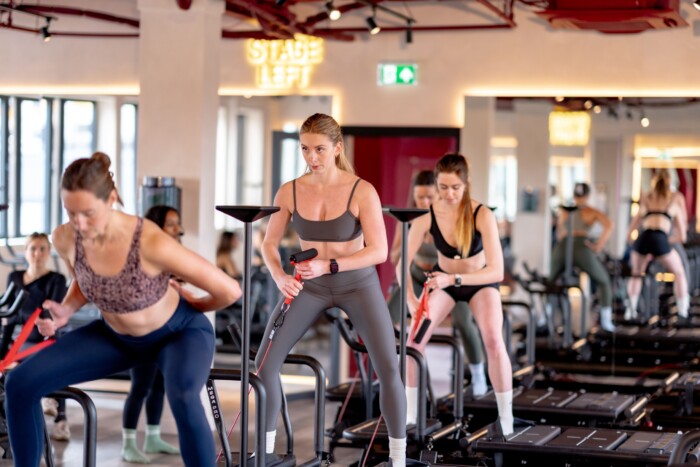
Group workouts work well when people can see each other trying hard. The Lagree method makes the hard work obvious: shaking during planks, heavy breathing during lunges, and focused faces during final pushes. This visibility creates natural encouragement. Someone looks over during a difficult hold and sees their colleague still pushing, which motivates them to hold longer. When the instructor counts down the final seconds, the entire room pushes through together.
What conversations happen after challenging group workouts?
Conversations afterward reveal the impact. Teams compare notes on which exercises felt hardest, laugh about unexpected difficulty, and express surprise at accomplishments. These exchanges happen naturally because the experience gave everyone something real to discuss. They struggled together, creating shared memory that passive wellness sessions never generate.
How does low-impact design protect employees while maintaining challenge?
Company events often bring together workers with different injury histories, age ranges, and physical limitations. High-impact activities create risk that event planners try to avoid. BST Lagree provides intensity without impact.
Movements happen slowly, with control, using the body’s own resistance and spring tension rather than jumping, running, or lifting heavy weights overhead. This protects joints while creating muscle engagement and cardiovascular response that feels challenging. Someone with knee issues can participate fully. Someone with lower back sensitivity can adjust positions without missing the workout’s core benefit.
Why do traditional fitness activities reduce team engagement?
Teams lose enthusiasm when group activities become sources of frustration rather than connection. When participants know the format will aggravate old injuries or expose fitness gaps publicly, engagement dies before the session starts. The low-impact structure removes these barriers while maintaining the challenge that makes the experience memorable.
Lagree sessions in London demonstrate this balance through classes where corporate teams work on Megaformers together, each person pushing their limits through controlled movements that accommodate varying physical constraints. The BST lagree format provides a genuine challenge without the risk of injury or the performance anxiety that deters many employees from traditional fitness activities.
Why do participants feel results during the session?
The change happens during the session, not weeks later. Participants feel their muscles working in unfamiliar ways, and the sustained tension creates immediate fatigue that proves the workout’s effectiveness without requiring faith in delayed results.
This immediate feedback matters for corporate events because time is limited and doubt runs high. When someone finishes a session and feels genuinely tired, with muscles shaking and heart rate elevated, no outside validation is required. The body provides its own confirmation that something important happened.
How does efficiency address corporate wellness budget constraints?
This approach solves a real problem. Corporate wellness budgets compete with spending on other event activities. A format that demonstrates physical changes in less than an hour provides clear proof of investment value. Event planners can show actual results—tired but energized teams, strong participation, positive feedback about specific physical sensations—rather than hoping participants will appreciate the experience later.
But understanding how the method works matters only if teams can use it when planning their next event.
Book a Lagree Class in London Today
BST Lagree brings real change to London teams through sessions that challenge every fitness level simultaneously, creating shared physical experiences that become lasting reference points long after the event ends. When you’re ready to move beyond passive wellness offerings, book a Lagree session in London that your team will remember.
🎯 Key Point: Lagree sessions deliver immediate proof of change through controlled intensity that respects different starting points while pushing everyone toward their actual limits.
“Shared physical experiences become the foundation for stronger team dynamics and lasting workplace connections.” — Corporate Wellness Research, 2024
💡 Tip: Your next corporate event deserves wellness programming that matches the energy you want to create, not just fills a slot in the schedule.