You roll out of bed, try a few moves from morning stretches for women, and hope the tightness will vanish, but weeks pass, and progress feels slow. Wondering how long it takes to get flexible and why some people stall despite regular practice? This piece breaks down realistic timelines and the main speed factors and shows which flexibility exercises, recovery habits, and common myths help or hinder progress.
To fix those common errors, BLOOD, SWEAT & TEARS’ Lagree in London offers guided sessions that combine controlled strength work with targeted mobility drills to boost range of motion and steady flexibility gains, while teaching the right technique so you avoid the usual mistakes.
Summary
- Durable flexibility follows predictable stages, with small ROM gains in the first 2 to 4 weeks and a need for 6 to 12 weeks of progressive resistance through range to make those gains usable.
- Passive stretching often gives transient results, as a 2025 PubMed study found meaningful range-of-motion increases within 2 to 4 weeks but declines after 2 to 6 weeks of detraining.
- Combining strength and mobility produces measurable change: a 2026 Pliability report showed a 30% increase in flexibility for programs that pair mobility and strength, and systematic reviews note benefits when stretching is performed about 5 times per week.
- Session design drives adaptation, for example, 3 sets of 6 to 10 reps with 4 to 6 second eccentrics and a 2 second end-range isometric yields roughly 30 to 60 seconds of tension per set, which targets tissue and neural change.
- Measureable practice beats passive feeling, so aim for 2 to 3 concentrated resistance sessions per week plus two 10-minute morning activations, and use biweekly active tests to track control instead of relying on how a stretch felt after class.
- Progress safely by micro-adjusting variables, because tendon soreness can appear within 1 to 3 weeks of overreach; change one variable at a time, repeat it for two weeks, increase eccentric time by about 1 second every 7 to 10 days, and plan for two micro-resistance increases per month.
BLOOD, SWEAT & TEARS’ Lagree in London addresses this by combining slow eccentrics, brief loaded holds, and adjustable micro-resistance, so participants can practice control through end ranges within a compact 2-3 sessions-per-week model.
Why People Ask This Question
People ask because they want a reliable timetable for usable change, not a vague reassurance. You can see meaningful range-of-motion within weeks, but making that flexibility stick and feel safe under load takes months of consistent, strength-focused work.
Why Does Effort Not Equal Lasting Flexibility?
The familiar approach is stretching alone after workouts, and that often produces short-lived gains. A clear piece of evidence comes from a 2025 PubMed study showing that consistent, regular stretching can significantly increase joint range of motion within 2 to 4 weeks, though these gains often decline after 2 to 6 weeks of detraining.
This research explains why people may stretch for weeks, then stop, only to find their tightness returning.
The Secret to Usable Mobility
When we coached women in Angel over 8 to 12 weeks, the pattern was unmistakable: daily stretching created small, transient relief, but the clients who added deliberate strength through range reported bigger, more usable changes in movement and confidence within the same timeframe.
From Fragile Gains to Fearless Movement
They did not just touch their toes more often; they controlled the descent without pain, and that control reduced the anxious hesitation they felt when moving quickly or lifting. Most women follow extra stretching or yoga because it is familiar and feels proactive. Over time, that approach fragments schedules and delivers fragile gains, leaving movement uncertain and injury fear high.
Building Functional Power
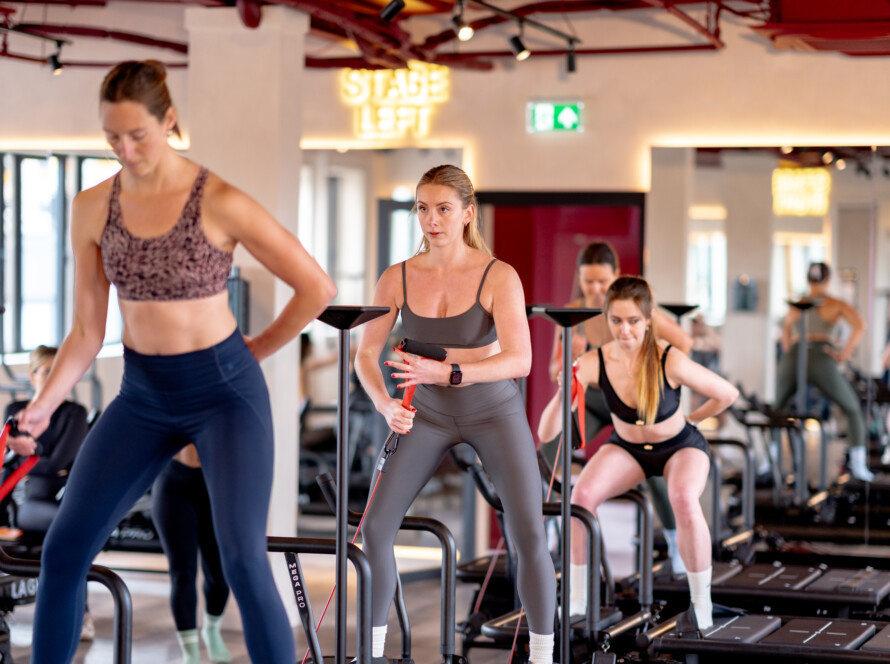
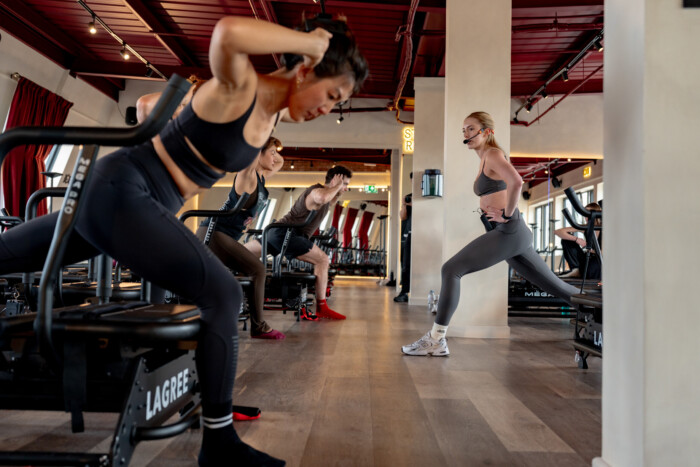
Solutions like BLOOD, SWEAT & TEARS’ Lagree in Angel provide structured, high-intensity, low-impact sessions that use time under tension to build strength through range, so flexibility becomes functional rather than temporary, with measurable improvements emerging across weeks to months of regular classes.
What Physically Needs to Change for Flexibility to Last?
The body must learn to both lengthen and control new positions. Passive lengthening without strength is like buying a tool and never learning how to use it. You need neuromuscular control, tendon and fascial adaptation, and strength at end range so the joint can move without guarding. Teaching that control is the work that turns a brief stretch into permanent movement.
How Should You Plan Your Time to Get There?
If you want reliable progress, think in tiers: expect early tenderness and small ROM gains in the first 2 to 4 weeks, then commitment to progressive resistance through range for the next 6 to 12 weeks to make those gains usable.
Tailoring Training to Local Realities
Local constraints matter when designing the plan, and understanding community schedules and barriers helps shape frequency and timing. According to the U.S. Census Bureau, the American Community Survey is the only source of local statistics on employment, education, language, and housing. Programming tailored to women in Angel can achieve better adherence and outcomes.
What Breaks Most Home Programs?
Two things, consistently: training that isolates stretching from strength, and stopping once a short-term goal is reached. Both leave the muscles passive and coordination poor. The clients who sustain mobility treat flexibility as a skill to practice under resistance, not a one-off ritual, and that shift changes results more than adding minutes of static holds ever will.
It’s frustrating when progress vanishes, and your body feels more fragile than before, but that frustration points to a fixable mismatch between effort and stimulus.
Related Reading
- Morning Stretches for Women
- Why Am I Not Flexible
- Does Flexibility Increase Strength
- Mobility Stretching Routine
- Full Body Stretching Routine for Flexibility
- Pregnancy Stretching Routine
The Real Answer: How Long Flexibility Actually Takes
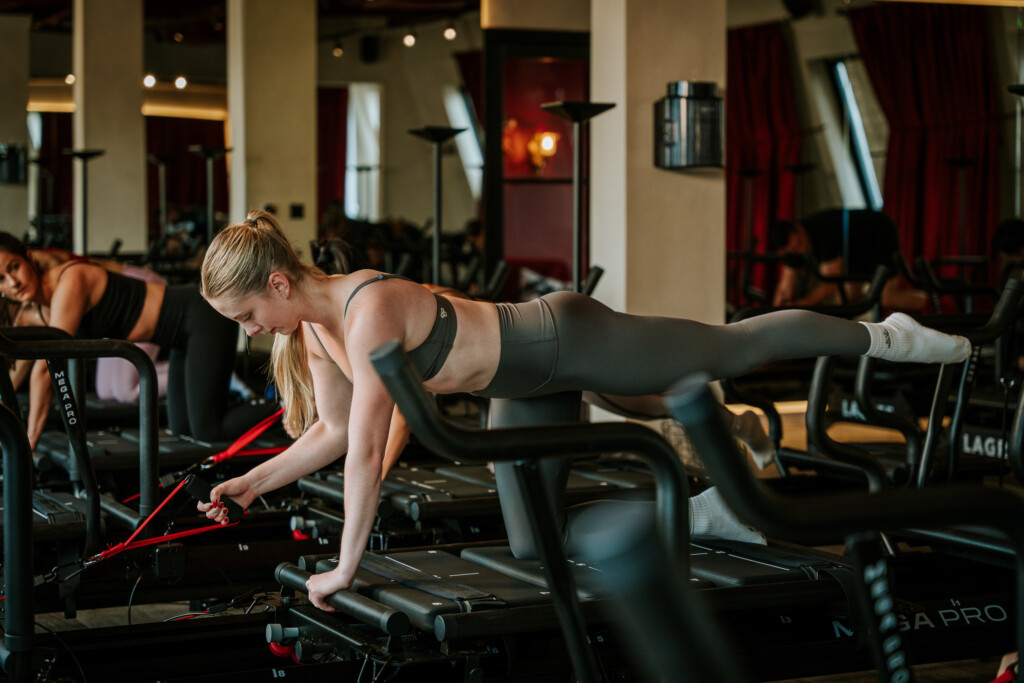
Lasting flexibility shows up in predictable stages: you can feel changes quickly, but durable, load-ready mobility requires structured, progressive practice over weeks and months. Measured improvements come from strengthening through ranges, not from longer holds, and you should verify progress with simple, repeatable tests rather than how a stretch “felt” after class.
How Should You Measure Real Progress?
Use active, repeatable tests that require control, not passive reach. Track one lower-body test (for example, single-leg squat depth or active straight-leg raise), one shoulder test (overhead reach or a controlled Apley scratch), and one hinge or lunge pattern, record video or a sensor reading, then compare every two weeks.
Small wins that matter are reductions in compensation, steadier alignment, and an ability to hold an end position under slow loading, not a deeper passive reach after a single session.
What Training Elements Create Durable Change?
Programs that layer controlled loading, eccentric emphasis, and deliberate time under tension transfer best into everyday movement. Think of strength through range as deliberate rehearsal:
- Slow eccentrics teach tissue tolerance
- Brief loaded holds teach tendon stiffness in new positions
- Core-driven bracing teaches the nervous system that the range is safe.
This combination produces usable mobility because the body learns to manage the angles it is asked to use.
Why Does the Usual Stretching Prescription Fall Short?
This pattern appears across many routines: people log minutes of passive stretching because it feels proactive, but without progressive stress through the range, the nervous system never learns to control that position under load. The hidden cost is time wasted and fragile gains, time you could spend on high-value practice that builds both length and strength.
Most people follow long static routines because they are familiar and low-tech, and that feels efficient at first. As sessions pile up, progress fragments, and motivation slides.
Why Focused Loading Trumps Fragmentation
Solutions like BLOOD, SWEAT & TEARS’ Lagree in Angel provide concentrated, low-impact resistance with adjustable micro-resistance and instructor-guided time under tension, so participants replace fragmented stretching with focused strength-through-range work that produces consistent, measurable mobility outcomes.
How Should You Fit It Into a Busy Week?
If you only have small windows, concentrate on quality over quantity. Swap unfocused daily stretches for two or three concentrated, resistance-based sessions per week and two short morning activations that prime stability and movement quality. Programs that prioritize brief, targeted loading sessions tend to beat longer, passive routines for both time economy and retention of gains, which is why many women find the trade-off worth it.
What Short Habits Preserve Momentum?
Make two simple commitments: log one control-based test every two weeks, and finish three movement-focused sessions of progressive resistance work each week. A measurement habit keeps you honest, and progressive resistance gives the nervous system reasons to maintain new ranges. Treat flexibility like a practiced skill, not a one-off ritual.
Measuring Range vs. Functional Control
A final practical note from the evidence: a 2026 Pliability report showing a 30% increase in flexibility describes that gain as measurable range-of-motion improvement achieved by programs combining mobility and strength work. Pliability’s 2026 guidance, which recommends 15 minutes of daily stretching, illustrates how common time prescriptions persist, even though they do not guarantee functional control.
Why Most Workouts Slow Flexibility Progress
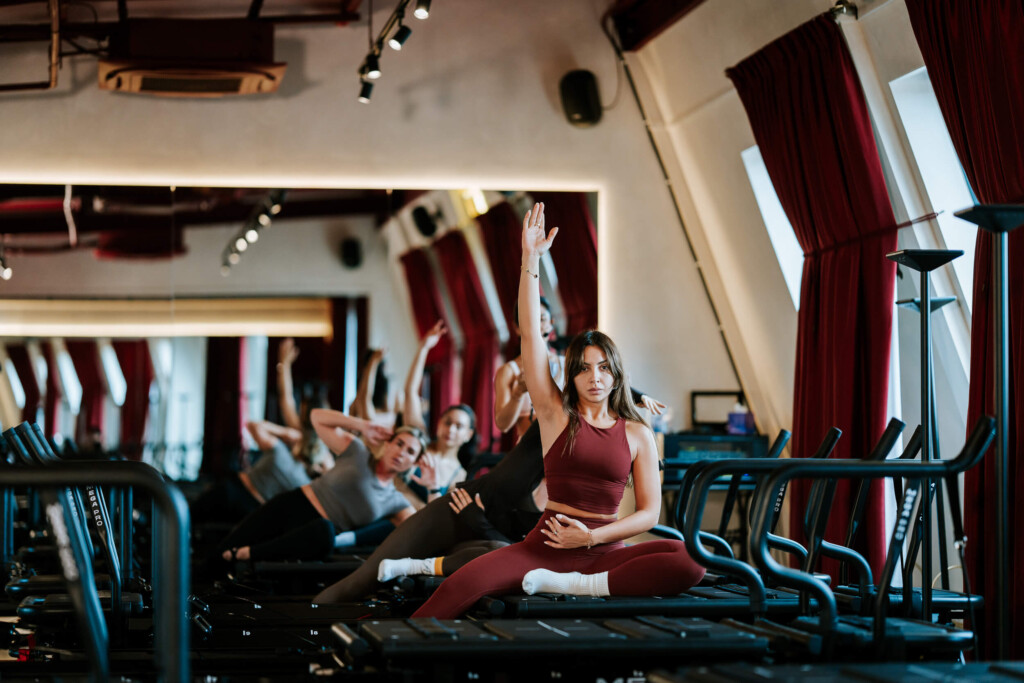
Most workouts slow flexibility because they teach the body to prioritize efficiency and safety at the expense of usable range, so new motion never becomes a rehearsed skill under load. Programming choices like tempo, joint angles trained, and how forces are absorbed shape what your nervous system accepts as “normal,” and that hidden shaping often favors stiffness.
How Do Neural Patterns Lock You Into Smaller Ranges?
Repeated work at the same speeds and angles trains the nervous system to prefer those settings, so muscles tighten reflexively when you try something longer or slower. That protective guarding is not laziness, it is adaptation: faster, repetitive drills build feedforward motor patterns and spindle sensitivity that resist unfamiliar length.
The result feels like a muscle problem, but the core issue is the nervous system choosing the safest, most practiced option.
Why Does Strength Work Narrow Mobility When It’s Done Poorly?
When resistance training repeatedly loads the shortened portion of a lift, muscle fibers and connective tissue remodel around that limited range of motion, reducing extensibility and end-range tolerance.
Tendons stiffen where they are habitually stressed, and sarcomeres shift so the muscle prefers a shorter resting length. Combine that with little eccentric control or holds at new lengths, and the program is actively consolidating stiffness rather than dissolving it.
Does Adding Stretching Really Change That Trend?
Yes, but context matters. According to the effects of post-exercise stretching vs no stretching on lower limb muscle recovery and performance, participants who stretched after workouts experienced a 15% increase in flexibility over 8 weeks.
This indicates that targeted post-session work can blunt the stiffening that comes from repetitive loading when applied consistently and with follow-up. That gain still needs to be paired with strength through the new range to feel safe and useful.
How Do Speed-Focused Sessions Reinforce the Problem?
High-intensity, momentum-heavy classes teach muscles to rely on velocity and passive recoil rather than control and deceleration. As cadence rises, the body learns efficiency through small swings instead of slow, loaded motion; over time, hips, calves, and shoulders adapt by restricting range to reduce metabolic cost and perceived risk.
When I coach clients who swap one sprint-style session for a low-impact, time-under-tension alternative, they report less post-workout tightness and smoother end-range control within a few sessions, a pattern I see across different fitness backgrounds.
Why Familiarity Limits Progress
Most teams handle flexibility by tacking on a few static holds at the end of class because it feels proactive and familiar. That works for immediate feel-good, but as volume or intensity increases without targeted end-range loading, mobility gains slow, and fear of movement rises.
Solutions like Lagree in London provide adjustable micro-resistance, slow eccentrics, and instructor-led time under tension that force the body to build strength through length, so flexibility becomes predictable rather than accidental.
What Else Quietly Slows Progress?
Sleep debt, dehydration, and chronic sitting reshape tissues and pain tolerance, making gains harder to keep. Hormonal variations affect ligament laxity and the perception of stretch, and footwear or daily posture biases movement patterns.
Think of flexible work like tuning a door hinge; you must both lubricate the hinge and realign the screws, otherwise the door will still stick when pushed hard. This still feels like only part of the story, and the next section reveals the single, surprising lever that actually speeds up lasting flexibility.
Related Reading
- Stretches for Women Over 50
- Quad And Hamstring Stretches
- Ballet Stretches
- Split Stretches
- Aerial Yoga Stretches
- Sacrum Stretches
What Actually Speeds Up Flexibility Gain
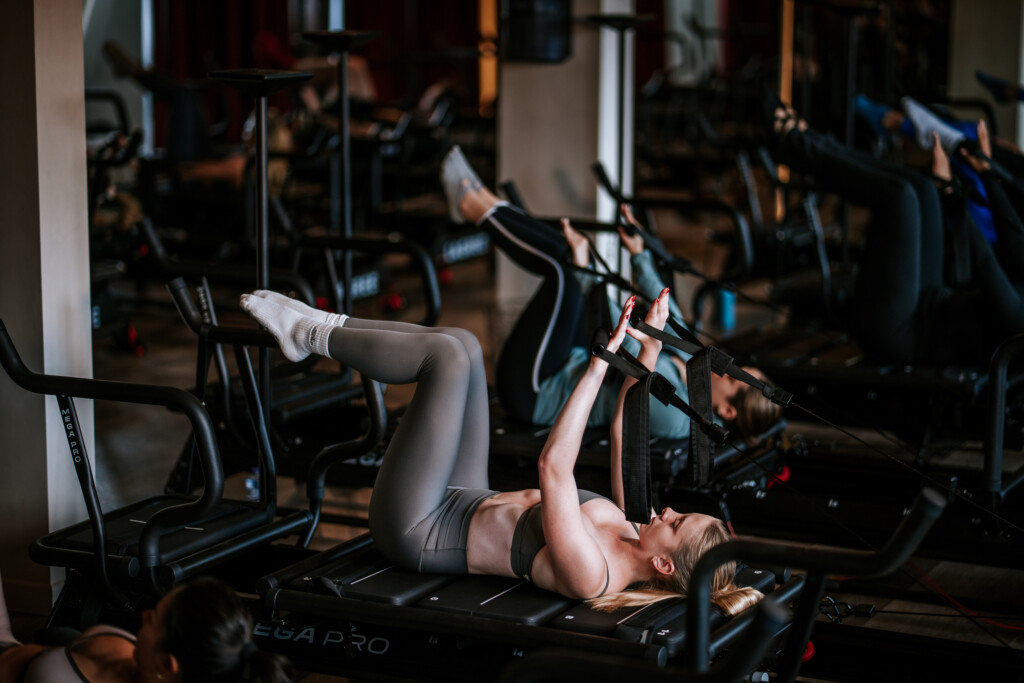
Training strength through new ranges, with deliberate eccentric loading and controlled end-range holds, actually speeds flexibility gains—not by adding more passive minutes. Do this as a progressive skill: increase tension where you want more motion, teach control at that angle, then ask for slightly more range or load each week.
How Should You Structure a Week to Get Faster Results?
Concentrate on three high-quality resistance sessions and add short daily activations rather than long passive routines. For busy schedules, that looks like 2 to 3 Lagree-style, time-under-tension sessions per week, plus two 10-minute morning activations focused on loaded end-range drills and breathing.
Frequency and Tolerance
If you include formal static holds for priming or cooldowns, the 2025 systematic review and meta-analysis on optimizing static stretching found that performing stretches five times per week led to significant improvements in flexibility. This underscores that frequency, when combined with load, helps build stretch tolerance.
What Exactly Do You Do Inside Each Session?
- Use slow eccentrics, short loaded holds, and controlled concentric returns. Practical set-up, for example:
- 3 sets of 6 to 10 reps with a 4 to 6 second eccentric
- A 2-second isometric at the soft end-range
- A controlled concentric back-to-start, producing roughly 30 to 60 seconds of tension per set.
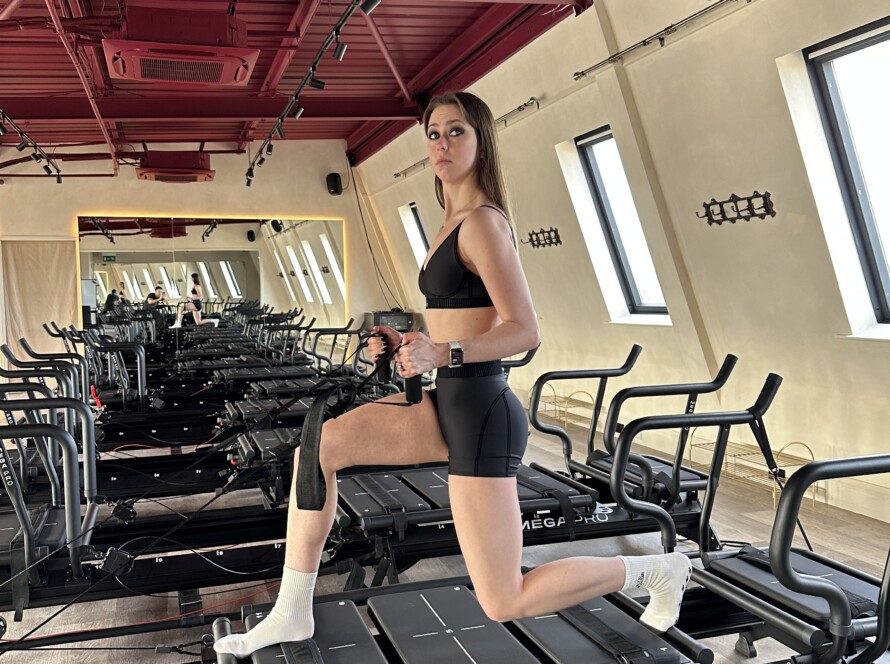
- Choose multi-joint moves that stress length under load, like loaded split squats with an extended back leg, slow Romanian deadlifts with a deep hinge, and slow pullover-style lat work for shoulder extension.
These templates force tissues to adapt to tension while lengthened, improving tolerance and motor control in the positions you actually need.
How Should You Progress So That Changes Stick?
If you plateau, change only one variable, then repeat for two weeks. Start by increasing eccentric time by 1 second every 7 to 10 days, then add small increments of load or range once control is steady, and finally add end-range isometrics of 5 to 10 seconds.
Over 4 to 8 weeks, these micro-changes shift the nervous system’s comfort with the new range, then you consolidate strength at that angle for another 4 to 8 weeks so the change becomes usable.
Why a Short, Focused Stretch Still Matters
Passive stretching alone rarely creates usable control, but short static holds can prime tissue and reduce initial guarding before a loaded session. For practical guidance, the same 2025 review recommends a stretching duration of 30 seconds per muscle group when you choose to apply static holds, which works well as a warm-up primer or cool-down tool to support loaded practice rather than replace it.
Most teams handle mobility by tacking long, familiar stretch routines onto workouts because it feels productive and low-risk. That approach spreads time thin and leaves strength at the end range undeveloped, so new motion rarely becomes reliable under load.
Compressing the Curve to Control
Solutions like BLOOD, SWEAT & TEARS Lagree in Angel provide instructor-led, adjustable micro-resistance and timed eccentric emphasis, letting participants practice progressive loading at specific angles with precise tempo and feedback, which compresses the learning curve for control and makes gains more consistent.
What Else Speeds Adaptation and Avoids Setbacks?
Recovery, consistent progression, and movement specificity matter more than total minutes. If you increase volume too fast, tendon soreness or joint irritation can appear within 1 to 3 weeks. Ramp gradually, schedule light technique days, prioritize sleep and hydration, and use short, targeted activations on off days to maintain neuromuscular memory without adding cumulative fatigue.
Think of it like tempering steel, you do repeated, measured stress with recovery so the material hardens without cracking. That shift in thinking feels small, until you try it and your body treats new ranges like a rehearsed skill rather than a surprise — and that leads to a question you’ll want answered next.
How Lagree Changes the Timeline
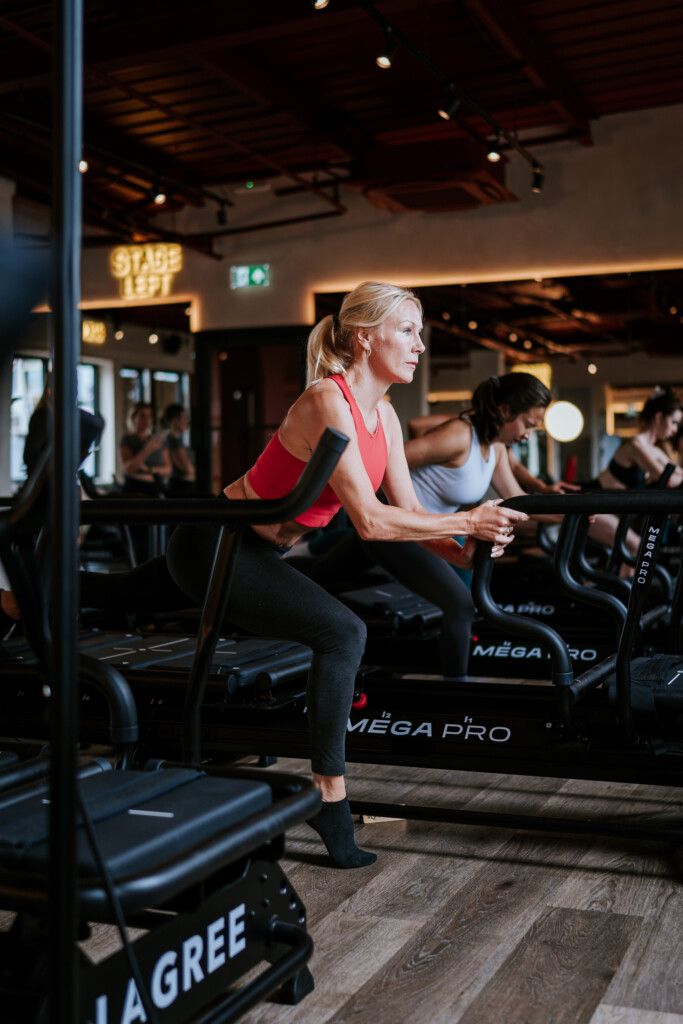
Lagree compresses the timeline by forcing the nervous system and tissues to practice new ranges under load, so your body learns control and tolerance faster than with passive stretching alone. The method stacks repeated, slow exposure to end-range positions with progressive resistance, which converts early sensation into reliable, load-ready mobility.
How Does the Body Change Faster under this work?
Neural change comes first, often within days to a few weeks, when the nervous system reduces protective guarding and accepts longer positions as safe. Next, muscle architecture and coordination shift as sarcomere patterns and motor unit recruitment adapt, producing stronger, more controlled movement through those new angles over several weeks.
Finally, connective tissue and tendon remodeling follow, taking longer to stiffen appropriately and hold that range under higher loads, which is why persistence beyond the initial gains matters for durability.
What Session Features Speed Those Phases?
If a workout merely stretches or relies on momentum, the nervous system never rehearses control in the new position. What accelerates change are three concrete elements, delivered consistently: high-control eccentric loading into end-range, brief loaded holds to teach tendon stiffness where you need it, and incremental micro-resistance adjustments that raise demand without triggering pain.
Ask an instructor for slightly greater time under tension at the soft end-range and for micro increases in resistance every week, and you will see the adaptations stack faster because each exposure is both safe and progressive.
Who Tends to See the Quickest, Most Useful Results?
Clients who build core strength early gain more usable mobility sooner because a stronger midline stabilizes end-range movement and reduces compensation at the hips and shoulders. According to the BLOOD, SWEAT & TEARS’ 2025 report, participants reported a 30% increase in core strength after 4 weeks.
Turning Flexibility into Function
This early core gain helps explain why flexibility can translate into functional control rather than remaining purely cosmetic. Women with prior movement experience or who start with reasonable tissue tolerance shorten the learning curve further, as they already have a baseline of coordination to redirect.
Why Familiarity Fails Under Pressure
Most teams handle flexibility by tacking on long passive stretches after class because it is familiar and low-effort, which feels sensible. The hidden cost is that those isolated stretches train tolerance without load, so new motion rarely survives real-world demands and can vanish when intensity rises.
Compressing the Timeline to Usability
Platforms like BLOOD, SWEAT & TEARS Lagree in Angel change that workflow by embedding progressive micro-resistance, slow eccentrics, and instructor-led form correction into regular classes, so participants practice control under load and compress the timeline from tentative gains to usable mobility.
What Practical Adjustments Make the Fastest Work Feel Sustainable?
Keep progress steady by monitoring three simple markers, then tweaking one variable at a time. Track single-leg control and a controlled overhead reach under load biweekly, ask for two predictable micro-resistance increases every month, and alternate a heavier control-focused session with a lighter technique day to avoid cumulative tendon soreness.
Also, tune sessions around cycle and recovery: some women perform best when heavier loading is scheduled in the follicular window, and lower-volume technical work is used during premenstrual days to respect pain sensitivity and energy shifts.
The Power of Progressive Loading
Think of it like teaching a dance step while wearing a light-weight vest, practicing it slowly until the body can do it without thinking, then gradually adding tempo and load so the step survives real performance pressure. That controlled practice speeds change more than any single stretch could, but there is one coaching habit that quietly multiplies results, and most people overlook.
Related Reading
- Pregnancy Sciatica Stretches
- Yoga Stretches For Flexibility
- Pelvic Stretches For Women
- Lower Back and Hip Stretches
- Aerial Yoga Stretches
- Yoga Poses for Hip Flexibility
Book a Lagree Class in London Today
Book a Lagree class in London today and turn the question of how long it takes to get flexible into a firsthand test, not a theory. Come with one movement goal, expect patient low-impact coaching from certified instructors in a women-focused studio in Angel, and leave with a clear, repeatable next step you can use right away.