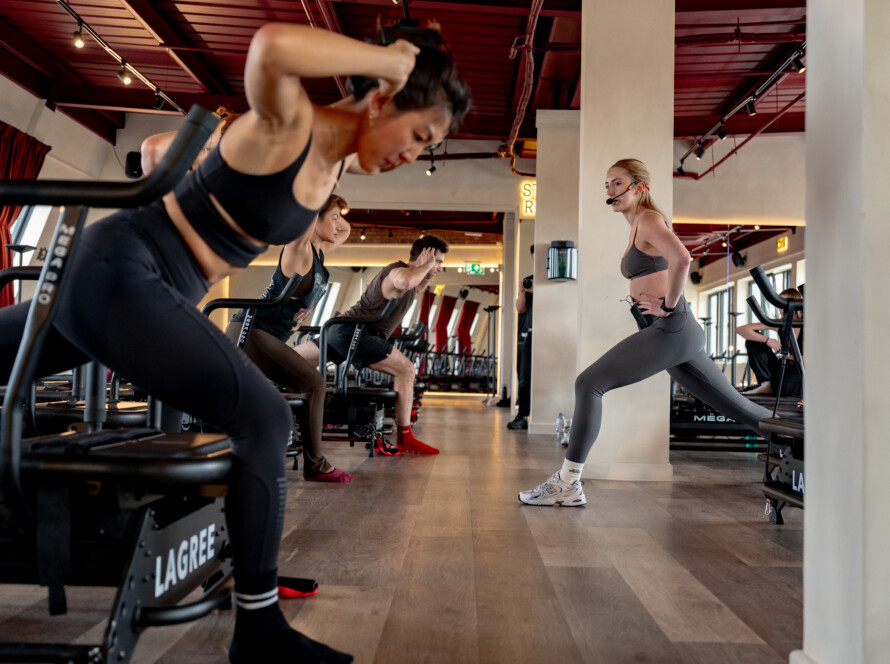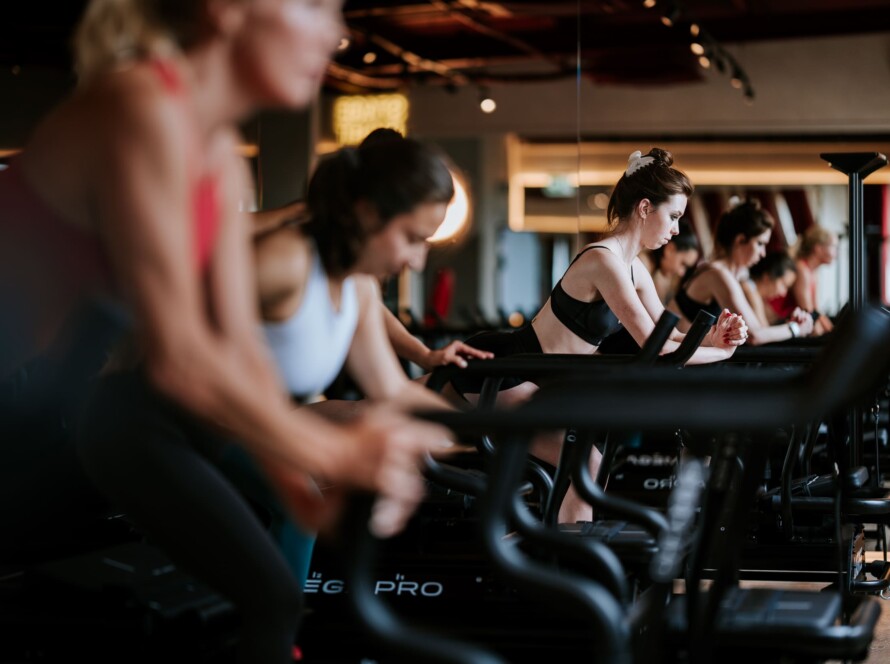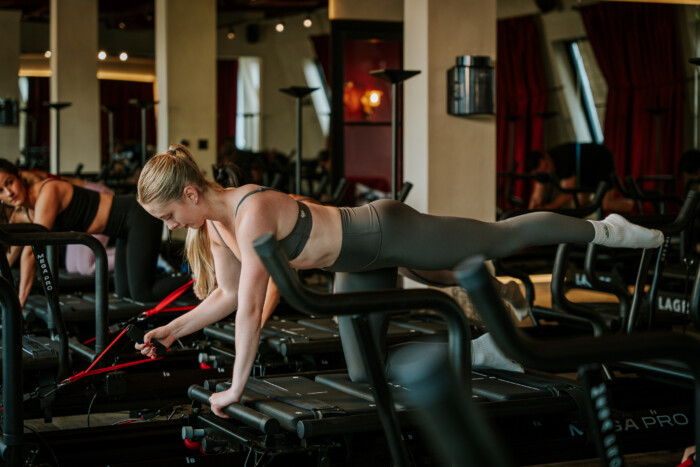
If you do Morning Stretches for Women but still wake up stiff, you are not alone. Tight muscles, poor posture, a sedentary job, past injuries, scar tissue, or simple muscle imbalances often limit range of motion more than age or willpower. Want to know why your body resists stretching and how to fix joint stiffness, muscle tension, and limited mobility with the right stretching routine, mobility drills, and flexibility exercises? This article explains the real reasons you are not flexible and gives clear steps to loosen tight hips, hamstrings, calves, and lower back.
For hands-on help putting those steps into action, BLOOD, SWEAT & TEARS’ Lagree in London offers coached sessions that target mobility, correct muscle imbalances, and warm up joints so stretching makes lasting gains, while building strength where you need it.
Summary
- Flexibility is an outcome of control, not just length, and 60% of respondents cited improper technique as a major barrier to usable range, while 75% blame inconsistency rather than the right programming.
- Repeating the same short routine leads to stalled progress, with plateaus commonly appearing after 6 to 12 weeks when people perform identical 10 to 20-minute sessions three times per week.
- Research shows targeted dosing matters, since a focused 30-second hold per muscle group and stretching three times a week can produce measurable flexibility gains, rather than endless daily passive minutes.
- Strength-focused loading accelerates usable range, with studies reporting about a 30% increase in flexibility after 8 weeks and findings that strength-based approaches can be roughly 15% more effective for functional use than stretching alone.
- Small, practical shifts speed perceived looseness, for example, two minutes of diaphragmatic breathing plus pre-activation and short loaded eccentrics, and most people see better transfer when they switch to two to three structured strength-focused sessions per week.
- Objective testing and progressive blocks cut wasted time, for instance, microcycles that retest every two weeks or 4-week templates can produce quick change, reflected in one report where 80% of participants noted improved flexibility within 4 weeks.
This is where BLOOD, SWEAT & TEARS’ Lagree in London fits in, by providing coached sessions that emphasize slow, loaded control, stabilizer recruitment, and timed progressions so passive range becomes functional in everyday movement.
Why “Am I Not Flexible?” Is the Wrong Question

You are asking the wrong question. Flexibility is an outcome, not the problem; the real issue is whether your body can safely and repeatedly control and support a wider range of motion. When control is missing, stretches feel temporary and progress stalls.
What Is Actually Stopping Your Joints From Opening Up?
This pattern appears across yoga students, runners, and office workers: months of dedicated stretching followed by a plateau and growing discouragement. The sensation of “tightness” usually signals that your nervous system is limiting motion because the muscles and joints cannot maintain the new position under load.
In plain terms, length without control is fragile; the body protects itself by holding shorter, stiffer positions until you demonstrate reliable strength through that range.
Why Does Pushing Deeper Feel Risky, Even When You Try Gently?
Think of reaching for a high shelf while standing on a wobbling stool. You can extend your arm farther, but the lack of a steady base makes the movement insecure, and your hand hesitates. That’s what happens at the hip or hamstring when stabilizer muscles are weak.
Stretching increases passive length, but without active support, the gain is momentary, and the nervous system snaps the door shut again the next day.
The result is:
- Temporary relief
- Repeated attempts
- Mounting frustration
How Do Imbalances And Compensations Lock You In Place?
When one muscle is tight but underpowered, others overwork to compensate.
That redistributes:
- Load across joints
- Creates postural bias
- Raises injury risk
This is why tight hamstrings often sit beside weak glutes, or why a shallow core coincides with limited shoulder flexion. The failure mode is predictable: isolated stretching treats symptoms, not the chain reaction that enforces the restriction.
The Active Control Gap: Why Passive Stretching Often Fails to Transfer
Most people rely on more stretching because it feels familiar and takes little skill. That approach works right up to the point where progress vanishes and time becomes wasted, because repeated passive stretches do not build the active control you need.
Studios like BLOOD, SWEAT & TEARS in Angel offer Lagree sessions that combine low-impact, high-intensity, time-under-tension loading with progressive instructor cues, so stabilizer muscles develop the capacity to hold fuller ranges. Teams and clients find that when controlled strength replaces frantic flexibility chasing, mobility becomes reliable rather than fleeting.
How Should You Rethink The Work So Gains Stick?
Shift the question from “Why am I not flexible?” to “How do I move well at end range?” Prioritize slow, loaded movements that train:
- Eccentric control
- Coordinated breathing
- Joint alignment
If time is tight, choose methods that stack intensity and control in short sessions, because the quality of loading beats hours of unstructured stretching.
The emotional payoff is immediate:
- The plateau unglues
- Confidence returns
- The body stops feeling like an opponent
That simple shift in perspective changes the entire journey, and what comes next will challenge the instinct to just stretch more.
If I’m Not Flexible, I Just Need to Stretch More
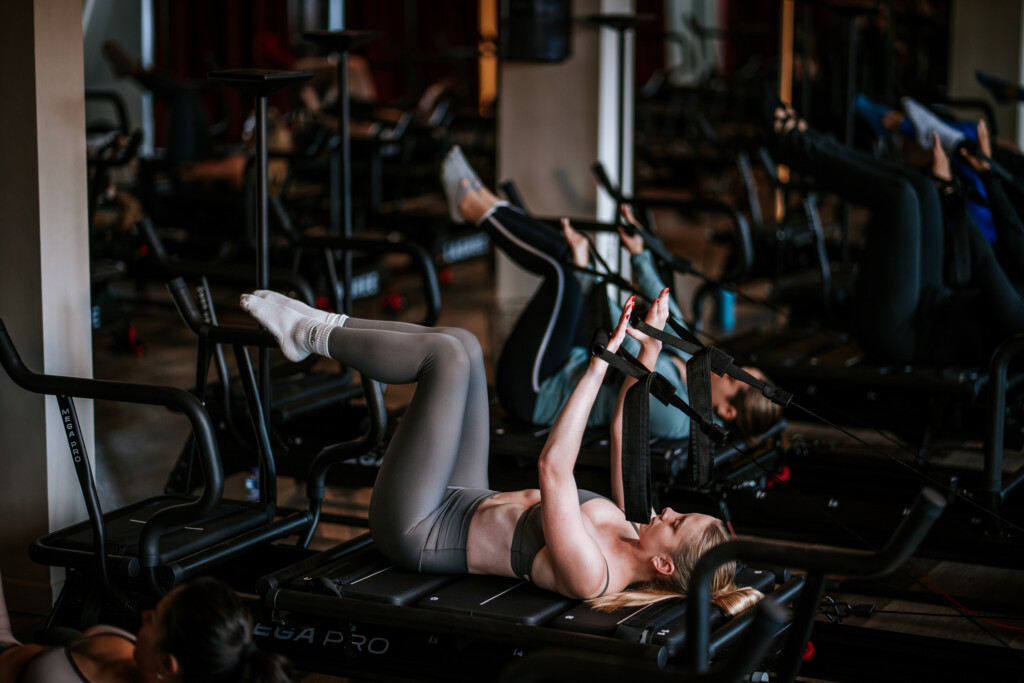
No, simply stretching more rarely fixes the root problem; what stops progress is not volume alone but how you program stretch work, how you pair it with load, and whether you challenge the tissue in ways that transfer to real movement.
Focused, progressive loading and clear, measurable practice beat repeated passive holds that feel productive but do not change how you move under load. To bridge this gap, many find that a structured environment like BLOOD SWEAT & TEARS’ Lagree helps turn passive flexibility into functional strength.
What Common Mistakes Make Stretching Stall?
Most people do the same 10- to 20-minute routine three times a week and expect different results, which creates a predictable plateau after 6 to 12 weeks. Repeating identical holds or the same passive positions trains tolerance to that position, not control through it, so gains flatten while frustration grows.
Another frequent error is treating every tight spot the same way; a tight hip from sitting needs different work than a hamstring shortened by weak glutes. These patterns create wasted time and the emotional drag that comes from doing a lot without measurable change.
When Should You Use Short Holds Versus Heavier Loading?
Short, targeted holds are useful, and research supports the idea that stretching for 30 seconds per muscle group can improve flexibility, suggesting a focused, repeatable minimum dose can produce measurable change. You also do not need daily sessions to move the needle; in fact, performing stretches three times a week is sufficient to see improvements.
Spacing higher-quality sessions across the week often beats low-effort daily stretching. If you are looking to integrate this high-efficiency training, exploring Lagree in London can provide the necessary intensity to achieve real results. Use holds when you need to improve passive length, and use controlled loading when you need to make that length functional.
Beyond Passive Holds: Building Usable Range with Tension
Most people default to stretching because it is familiar and easy to schedule, which is understandable; it feels productive and safe. But that habit quietly fragments into wasted hours and unreliable gains as demands increase.
Studios like BLOOD, SWEAT & TEARS in Angel provide Lagree sessions that stack low-impact, high-intensity time-under-tension loading to build the stabilizer strength and coordinated control that make range of motion usable, so progress happens faster and with less guesswork.
How Do You Program Mobility Like Strength?
Treat a target range as you would a muscle:
- Start with a baseline measure for one joint or position, then pick a single objective to improve over four to eight weeks.
- Early blocks use isometrics and controlled 30-second holds to normalize tissue response, followed by slow, loaded eccentrics and end-range pauses to build control.
- Progress by adding small load, increasing time-under-tension, or lengthening reps, not by simply adding more passive minutes.
- Track progress with repeatable tests, short videos, or a simple centimeter or degree measurement so you can see trends and adjust the plan.
For those who prefer expert guidance in this programming, BLOOD, SWEAT & TEARS’ Lagree offers a methodology designed to challenge your end-range control.
Why Does This Approach Help Your Day-To-Day Movement?
When you build control at the end range, you stop relying on compensation patterns that sap energy and invite injury. Think of flexibility like widening a doorway; loosening the frame without reinforcing the jamb leaves the door wobbly, but widening the opening while shoring the frame creates a usable passage.
That shift restores confidence, reduces the feeling of fragility in everyday tasks, and makes training feel rewarding again instead of a loop of small, temporary wins. Finding a consistent practice through Lagree in London ensures that these mechanical improvements translate directly to your daily life.
Beyond the Muscle: Why Feeling Stiff is Often a Safety Signal
It’s exhausting to chase flexibility through repetition alone; structured targets, measurable progress, and integrated loading change the emotional arc from frustration to momentum.
The next section uncovers the deeper, often-hidden reasons you still feel stuck despite every stretch you’ve tried.
Related Reading
- Morning Stretches for Women
- How Long Does It Take to Get Flexible
- Does Flexibility Increase Strength
- Mobility Stretching Routine
- Full Body Stretching Routine for Flexibility
- Pregnancy Stretching Routine
Why Strength Training Improves Flexibility Faster
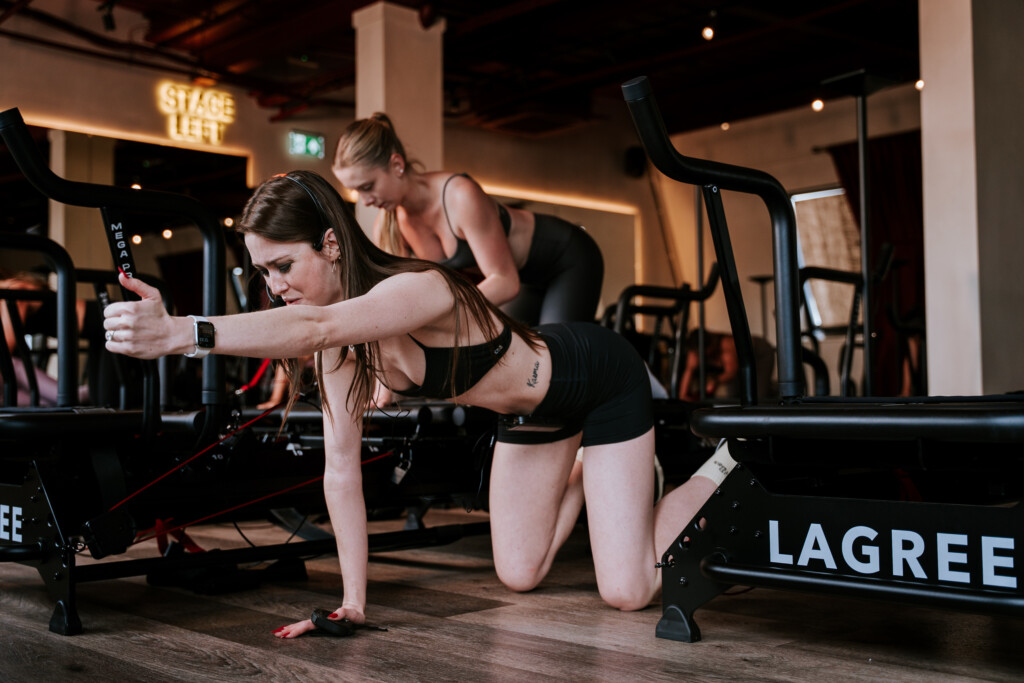
Strength training speeds up flexibility because it changes how tissue behaves under load, not just how far you can be pulled into a position.
When you train through full ranges with controlled resistance:
- The muscle-tendon unit remodels
- Motor control improves
- The nervous system lowers its protective guard
Gains become usable in daily movement.
How Does Loading Actually Alter Muscle And Connective Tissue?
Strength work, especially slow, controlled reps with emphasis on the eccentric phase, encourages real structural change. Muscle fibers can add sarcomeres in series, increasing fascicle length and making end ranges stronger rather than merely tolerated.
That structural shift is why recent work supports strength-based approaches, for example, 30% increase in flexibility, according to New research, which measured meaningful change in functional range after progressive loading.
What Happens To The Nervous System When You Get Stronger At The End Range?
Strength training provides the brain with reliable evidence that a joint can be controlled over a wider range, reducing protective tension and increasing movement tolerance.
This is not theory, it is practical: programs that layer load and control tend to transfer to everyday tasks better than passive stretching alone, backed by findings like 15% more effective than stretching alone, stated by Expert physio tips, which compared outcomes for functional use of range in real activities.
From Passive Length to Active Power: The Science of End-Range Control
Most people use stretches because they feel safe and simple, but that habit has a cost. They stick with long, passive stretching routines because they are familiar and low-skill. That works for short-term relief, but as demands increase, the approach fragments into slow progress and recurring tightness.
Solutions like BLOOD, SWEAT & TEARS show a different path by using slow tempo, high time-under-tension Lagree work that targets stabilizer muscles and teaches joints to hold end range repeatedly, compressing the time it takes to turn passive length into usable mobility.
How Should You Balance Structure With Personal Preference So You Actually Stay Consistent?
Some prefer rigid plans and strict progressions; others want flexible options they can fit into their lives. Both approaches can work, but they fail for different reasons.
- If you need discipline, choose short progressive blocks with objective tests.
- If you need adaptability, build weekly checkpoints and a small set of reliable exercises you can do anywhere.
In practice, clients who swap unfocused daily stretching for two to three structured strength-focused sessions per week report sustained functional improvements and a lighter emotional load around training.
Three Practical Shifts That Change Flexibility Fast
- Prioritize slow eccentrics at end range with controlled breathing, two to four sets of low volume, rather than long passive holds.
- Balance agonist and antagonist strength so weak stabilizers stop letting prime movers dominate, restoring smooth joint mechanics.
- Use short, loaded positional holds that mimic real tasks, so strength is available where you need it, not just on a mat.
Think of it like tuning a musical instrument, not stretching a string. Tightness often disappears when the supporting pegs are tightened, and the whole instrument is brought into tune, because the note can then be held cleanly rather than wobbling under pressure.
The next part uncovers how a specific, time-efficient method packages these ideas into repeatable sessions you can trust.
Related Reading
- Stretches for Women Over 50
- Quad And Hamstring Stretches
- Ballet Stretches
- Split Stretches
- Aerial Yoga Stretches
- Sacrum Stretches
How BST Lagree Fixes the Flexibility Problem
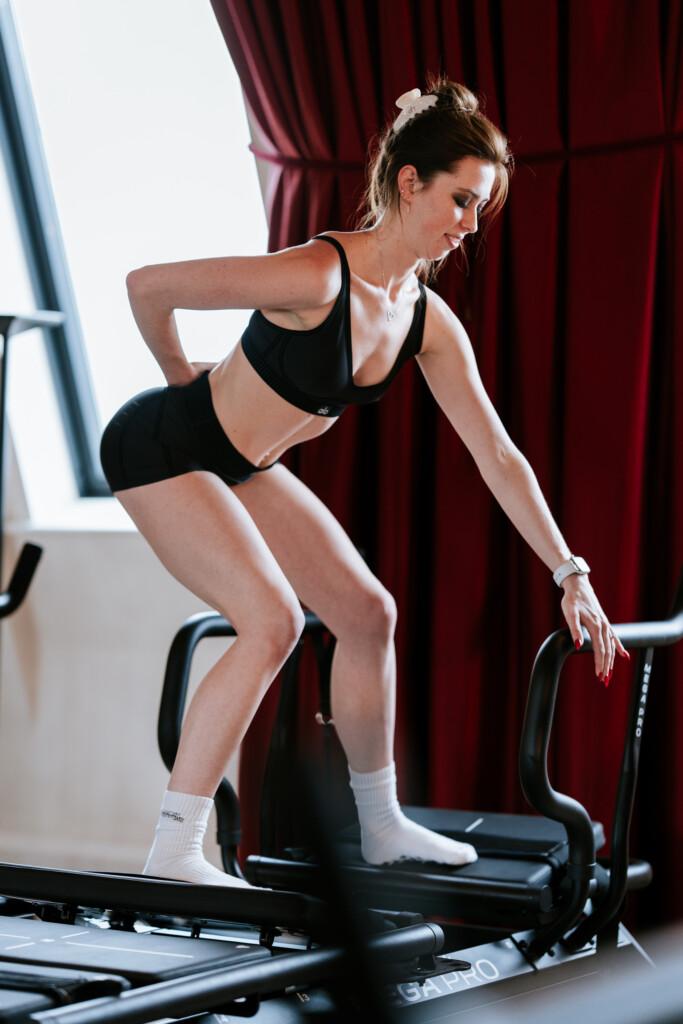
BST Lagree fixes the flexibility problem by turning passive length into active, repeatable range through slow, loaded control at the end range and targeted stabilizer recruitment.
Building on the earlier diagnosis, BLOOD, SWEAT & TEARS’ Lagree offers precise, practical steps you can use right away to test, program, and coach for flexibility gains that actually stick.
How Should You Test Progress So It Is Meaningful?
Start with a simple active versus passive comparison, recorded on your phone from two angles, and use a single, repeatable test for each joint, for example active straight‑leg raise or overhead reach. Track changes with time stamps and small units, like degrees or centimeters, and retest every two weeks, so you know whether volume, tempo, or positioning needs adjusting.
This gives you objective feedback, not just a feeling of “looser” or “tighter,” and forces honest program tweaks.
What Does A Focused Four‑week Lagree Microcycle Look Like?
- Week 1: Emphasize neural priming and positional holds, two sessions of 20 to 30 minutes, with three to four end‑range isometrics of 10 to 20 seconds each.
- Week 2: Add slow eccentrics, eight to twelve reps per movement with a 4-second lift and 6-second lower tempo, two to three sessions.
- Week 3: Increase time‑under‑tension by adding a 15-second end‑range hold after each set.
- Week 4: Run a deload session that tests active control through targeted movement patterns.
Each session follows a template: a short warm-up, a targeted block that stresses a specific joint and its stabilizers, a transfer block that mimics a daily task, and a guided cool-down. These variables compress progress into repeatable, coachable steps.
Which Cues Flip The Nervous System From Protective To Permissive?
Use three cues in sequence, every time:
- Breathe to lower the threat
- Gentle pre‑activation to prove control
- Graded exposure to the new range
Consciously cue diaphragmatic breathing for four to six breaths, then a light pelvic or scapular set for three to five seconds, then move into the controlled end range. Those micro‑proofs tell the brain the joint is supported, and they change how the body interprets the same position in minutes.
Beyond Passive Length: Converting Range into Usable Power
Most people default to lots of passive stretching because it is simple and familiar, which makes sense, but that habit carries a hidden cost: session time expands while functional transfer shrinks, and compensatory patterns deepen.
Solutions like BLOOD, SWEAT, TEARS’ Lagree in Angel present a different path, offering:
- Certified instructor progressions
- Low‑impact, high time‑under‑tension equipment
- Guided pacing that converts passive minutes into usable strength, not just temporary range.
According to Lagree Studio, “80% of participants reported improved flexibility within 4 weeks of starting the BST Lagree program.” That 2024 result suggests properly coached, tempo‑driven sessions can produce measurable change in a single month when programming and cues are aligned.
How Long Does Connective Tissue Remodeling Take, And How Does Lagree Match It?
Tendons and fascia remodel over weeks under consistent, controlled load, not hours of passive holds. Progressive loading at BLOOD, SWEAT & TEARS’ Lagree, applied two to three times weekly with increasing time-under-tension and end-range pauses, hits the biological windows needed for collagen adaptation.
Research suggests participants can see significant increases in range of motion after just 8 weeks of consistent, progressive dosing.
How Do Instructors Keep Progression Safe And Specific?
Instructor training matters because small cue changes can dramatically alter load distribution. Programs that certify teachers on tempo control, alignment checks, and regression ladders deliver consistent results across clients.
The community at Lagree in London reduces the guesswork of “what to do next” for both novice and experienced trainees. Studios using a standard progression model can scale improvement while minimizing overreach, because each client gets a clear next step rather than vague advice to “stretch more.”
Attainable vs. Reliable: The Final Shift in Your Mobility Strategy
Think of it like teaching someone to unlock a stiff door, not by yanking harder, but by lubricating the hinges, reinforcing the frame, and practicing the motion under control until the lock turns smoothly. That coordinated work is what makes range reliable, not just attainable.
That progress is real, but the next choice you make about where to spend your time determines whether it lasts or fades.
Book a Lagree Class in London Today
We recommend booking a BLOOD, SWEAT, TEARS’ Lagree class in London today by using the studio’s online schedule or calling the Angel location to reserve an intro or morning slot and confirming your booking with a quick payment.
Arrive ten minutes early so the instructor can run a short orientation and tailor cues to your morning stretch goals, making the first session purposeful rather than guesswork.
Related Reading
- Yoga Stretches for Flexibility
- Yoga Poses for Hip Flexibility
- Aerial Yoga Stretches
- Pregnancy Sciatica Stretches
- Pelvic Stretches for Women
- Lower Back and Hip Stretches